Skip to main content Accessibility Policy

SCAD Savannah Film Festival: Samuel L. Jackson

October
27
2020
By
Tags:

"From an early age I was serious about being an actor, so I went out and worked," said Samuel L. Jackson, recipient of the Legend of Cinema Award at the 23rd SCAD Savannah Film Festival. "I don't know how many projects I have been a part of. I lost count along the way."

Jackson has been in over 100 movies, with 189 credits to his name, including television, video games, soundtracks, and production projects. He is revered across every cinematic demographic, from young children who love him as The Incredibles' Frozone, to Star Wars fans who covet Mace Windu's purple lightsaber, to "grandmas who know me from A Time to Kill."

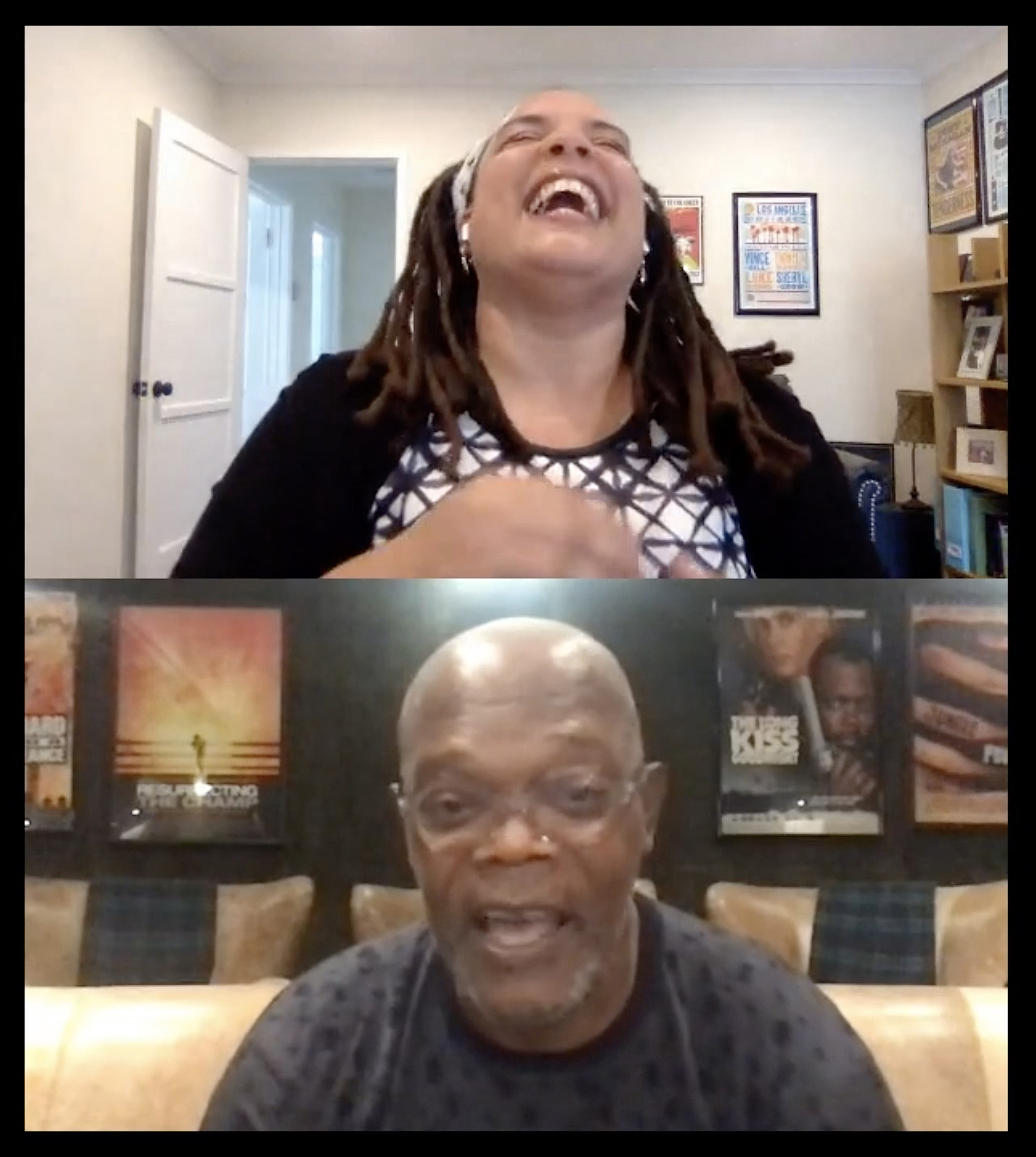
In a conversation filled with laughter and insights moderated by Entertainment Weekly executive editor Sarah Rodman, Jackson gave the audience an honest look at a legendary career.

Samuel L. Jackson In a conversation filled with laughter and insights moderated by Entertainment Weekly executive editor Sarah Rodman

Samuel L. Jackson:

I consider myself a native son of Georgia. The film scene in Georgia helped propel me in my career. My first film Black Cream was filmed in Atlanta. Then I shot the The Displaced Person in Milledgeville. Recently I have been at Pinewood Studios in Fayetteville for some smaller movies — I'm not sure if anyone has heard of The Avengers?

From the very beginning I was serious about being a professional actor. I worked hard on my craft, and was ready to shoot when "action" was called. If a director said we were starting at seven o'clock, that meant I needed to be on set at six to warm up, get into character, envision my steps, and walk around the set to get a feel of the room. Call time was not the time to start my process. I always encourage young actors to take a similar approach. Be ready. Be professional and know your role.

I also encourage actors to develop their skills on the stage. When I was young, I lived in New York and cut my teeth on Broadway. I learned stage direction, how to project my voice, how to exude emotion, how to speak to the people in the back row even when I had to whisper. Nowadays, I meet so many actors in Hollywood who skipped that step. They were the lead in their small-town play and then moved to L.A. without learning the art of acting. When I was just starting out I took whatever part I was offered. Today it's a little different, but my process hasn't changed.

I am proud to have been part of several iconic franchises and cult classics. Whenever I'm out, I know what film people recognize me from, and I always enjoy seeing people realize it is me. Yes, I do go to the grocery store, and yes it is okay to wave. Older Black women will always come up to me, punch my shoulder and say, "Do you know who you are?" I reply: "I do. Do you?" Parents with smaller children usually introduce me as "super suit guy." And young men quote Pulp Fiction from across parking lots.

I am thankful for the career I have, and I love being a movie star. I think it's important to be passionate about your work. Anytime I am flipping channels and see Pulp Fiction, Jackie Brown, or Deep Blue Sea, as long as I haven't been killed off yet, I watch. My favorite is The Long Kiss Goodnight. Long Kiss Goodnight was the first real girl kick-ass movie. I'd been at a party and saw Geena Davis and told her "I want to be in your movie" and she said, "You got the part."

Things happen when they are supposed to happen. If you're trying to move the needle, you need to look inside yourself and understand why. Success came to me when I forgot about success, and focused on being the best version of me.

Find out more about the honored guests at this year's SCAD Savannah Film Festival.


Alumni Voices offer animated advice

October
23
2020
By
Tags:

SCAD AnimationFest returned this year for its fourth annual installment in an all-new virtual setting. Special screenings, presentations, and workshops with major figures in the animation industry made the two-day event an informative experience accessible to all. Key programming included Alumni Voices, a panel comprised of alumni from diverse international backgrounds speaking about their journeys to successful careers in the industry.

"Your work is your passport," said panel participant Sekani Solomon (B.F.A., motion media design, 2014). "That's what's going to get people to notice you and get you in the building. Networking is important, but if the work isn't there you won't get hired."

Solomon, a senior motion designer for CashApp, is a Trinidad and Tobago native whose previous credits include the end title credits for the film Black Panther. He joined four fellow superstar alumni on the panel moderated by Matt Maloney, associate chair of animation, and Dr. Audra Pittman, VP, SCAD Atlanta. The alumni addressed topics including the virtues of SCAD Career Fairs, the challenges of obtaining work visas, and how to navigate a capricious U.S. job market while managing personal and parental expectations of success.

The online panel was attended by SCAD students from diverse degree programs within the SCAD School of Digital Media. Students had the opportunity to video chat and pose questions to panelists Sekani Solomon, Marisa "Ginger" Tontaveetong (executive director, ASIFA-SOUTH; animation producer, School of Humans), Prasad Narse (senior visualization artist/senior animator, The Third Floor, Inc.), Jordan Lyle (founder/creative director, For The Culture Club), and Nadine Promes (freelance story artist; outreach coordinator/programmer, ASIFA-SOUTH). Here are select, insightful comments from each of the alumni participants.

Nadine Promes (B.F.A., animation, 2017): "After graduating from SCAD I went to L.A. where I volunteered in organizations related to the industry. Whenever a competition would pop up, I would enter. That's how I ended up in the mentorship program at Sony Pictures Animation. That led to landing my first industry job as a production coordinator. It was during the making of Spider-Verse, and I learned problem-solving on a high level. It's good to accept that your career will not be a straight path towards a goal, but a set of experiences that become part of who you are."

Prasad Narse (M.F.A., animation, 2013): "Being an international student, going to SCAD was stepping into a new world. My first year I was just gaining experience on how I can communicate my ideas, because I was not yet a fluent English speaker. At SCAD, I developed myself as a person and my ability to learn. As a SCAD student you have this big opportunity with the technologies available, including all the rendering software. I created a film called I M POSSIBLE that won a student Emmy Award. LAIKA/house saw the film and approached me to join their intern program because they liked the subtlety in my character animation. That's where I started my professional journey."

Jordan Lyle (B.F.A., motion media design, 2012): "In your career you will have a lot of rejections. It's ultimately how you handle that and use it as fuel to approach the next challenge. Opportunities will come more than you know at some point. Because one thing doesn't happen the way you want it to, doesn't mean it will never happen again. Maybe you weren't ready, and you can come back with an even better portfolio. You'll understand yourself better and who you are as an artist."

Sekani Solomon (B.F.A., motion media design, 2014): "When you think, why didn't I get this job? Consider it a chance to improve your portfolio. It's about how you react to rejection that can help you get to the next thing. I let it inspire me, or use it as fuel to get better. If I didn't get a job, I'll make my work better so you can't ignore me."

Ginger Tontaveetong (M.F.A., animation, 2017): "It takes a village to create a good animation. In my 2D-3D collaboration class at SCAD we learned to communicate and work together to deliver on a deadline. One of our animations called Starlight won at Atlanta Film Festival, and was Oscar long-listed as well. What I got out of that is that there will be disagreements because there's more than one vision on the table. It's about negotiation and seeing how you can create great work. That's when you find out if the people you work with are people you want to work with in the future."

Thank you to everyone who participated in the Alumni Voices panel, and to the students, alumni, and faculty who made AnimationFest 2020 such a success. Learn more about the SCAD School of Digital Media here.
scad animation fest promo

SCAD welcomes Joël Díaz to new role

October
21
2020
By
Tags:

SCAD is proud to announce the appointment of Joël Díaz as the director of the Walter O. Evans Center for African American Studies. Díaz is an experienced leader and community builder within education and the arts.

As director of the Evans Center, Díaz will work closely with students, faculty, and staff to develop programming that enhances public knowledge, understanding, and appreciation of Black art and culture. His essential guidance will enrich SCAD's long history of engagement with renowned Black artists and cultural leaders and bring new horizons to the university's preeminent educational experience.

"Since its founding a decade ago, the Walter O. Evans Center has shined a brilliant, prismatic light on the story of contemporary Black culture," stated SCAD President and Founder Paula Wallace. "The hiring of Joël Díaz, a gifted storyteller and educator, ensures that SCAD reaches and engages more students and SCAD Museum of Art visitors than ever before. The future of the Evans Center is bright!"

In 2011, SCAD established the Walter O. Evans Center for African American Studies within the historic SCAD Museum of Art. Through the generous gift of Ruskin Society member Dr. Walter Evans and his wife Linda, the SCAD Museum of Art is home to more than 60 important works of art by renowned African American artists such as Romare Bearden, Elizabeth Catlett, Robert S. Duncanson, Richard Hunt, and Jacob Lawrence. The collection forms the foundation of a multidisciplinary center for the study, understanding and appreciation of African American art and culture.

"Art reveals to us the possibilities of life lived and life imagined, I am grateful to continue the work that SCAD,  Dr. Evans, and Linda Evans began many years ago by celebrating, interrogating, interpreting, and expanding our understanding of what has been deemed possible for Black life through the lens of African American art and culture," said Joël Díaz regarding his new role.

In addition to the donated historic works in the center, a permanent gallery space in SCAD Museum of Art is dedicated to exhibiting the work of contemporary African American  artists. In the decade since its founding, the Evans Center and SCAD MOA have continually exhibited and celebrated Black artists, including internationally heralded exhibitions focused on the legacies of Jacob Lawrence and Frederick Douglass, as well as contemporary exhibitions by Lorraine O'Grady,  Hank Willis Thomas, Carrie Mae Weems, Fred Wilson, Toyin Ojih Odutola, Kenturah Davis, and many others.

Prior to joining SCAD, Díaz worked with many leading arts and advocacy organizations and institutions, including the Schomburg Center for Research in Black Culture, and the nonprofit New York cultural center Pioneer Works. More recently, Díaz led a museum education immersion program for nontraditional students and created curriculum for historical research and interpreting material culture at the Museum of the City of New York.

For more information, please visit scadmoa.org.


Generous gallerist Arnika Dawkins

October
20
2020
By
Tags:

"Artists are dialed to a different level of sensitivity," says Arnika Dawkins (M.A., digital photography, 2008). The eponymous founder of Arnika Dawkins Gallery is attuned to her own focused mission. Her Midwest Atlanta gallery shows photographic works by artists "speaking both to the moment we're in, and contributing to the grand dialogue across generations."

Dawkins has helped elevate the work of SCAD alumni LeAndra LeSeur (B.F.A., photography, 2014) and Ervin A. Johnson (M.F.A., photography, 2015) to international prominence. She celebrated Johnson's current show Variations on a Theme with a virtual opening in September. A fine art photographer in her own right, and member of SCAD Atlanta's first graduating class in 2008, Dawkins is a star in the SCAD firmament.

Arnika Dawkins:

The story of how I wound up attending SCAD begins with my youngest cousin, who was an on-air reporter in Savannah took me and my daughters through downtown Savannah and said, these buildings are part of what's called the Savannah College of Art and Design. Within months a big sign went up on Peachtree announcing the opening of SCAD Atlanta, and I decided to apply. I gave myself permission to pursue something I was passionate about. SCAD was perfect for me.

After I graduated, I interned at Jackson Fine Art in Atlanta, a local gallery with an amazing reputation, and got the bug to start my own gallery. I opened Arnika Dawkins Gallery in 2012, and my intern Le'Andra LeSeur said she wanted to introduce me to her classmate Ervin Johnson. At an opening here at the gallery and Le'Andra noticed that Ervin was heading out, so we ran over to say hello. When I took a look at his work, I had this powerful visceral reaction. I invited Ervin and Le'Andra to have their work in an exhibition in late 2015 that I titled On Being Black, where 22 artists showed work about being what being Black means to them.

Soon thereafter we did a solo exhibition of Ervin's work called #InHonor. It was Ervin's creative response to the Black Lives Matter movement, and it evolved into #InHonor: Monoliths, the second solo exhibition I've shown of his work. The art that I love to show is art that engages your head, your intellect, your heart, and your vision — then you have this thing going on which feels so good. It's been a real pleasure to show Ervin's work and see his evolution.

At the invitation of the European Cultural Centre, I submitted Ervin's work and it was shown at the 2019 Venice Biennale in their exhibition called Personal Structures. It was very well received and we were so happy to have Ervin go to Venice and receive all those accolades. I'm thrilled that SCAD is also showing that work during Photo London alongside Le'Andra's work, in concert with us having his third solo show here at the gallery called Variations on a Theme. These portraits are mesmerizing, captivating, and impactful. When you see them, you see why.

It is my hope as gallerist that by being part of this visual dialogue we can move the needle and create questions that people can reflect on. Art has the ability to do that. Through these conversations, we can progress and then there's great benefit to us all, people of all races, because we're all part of each other's existence.

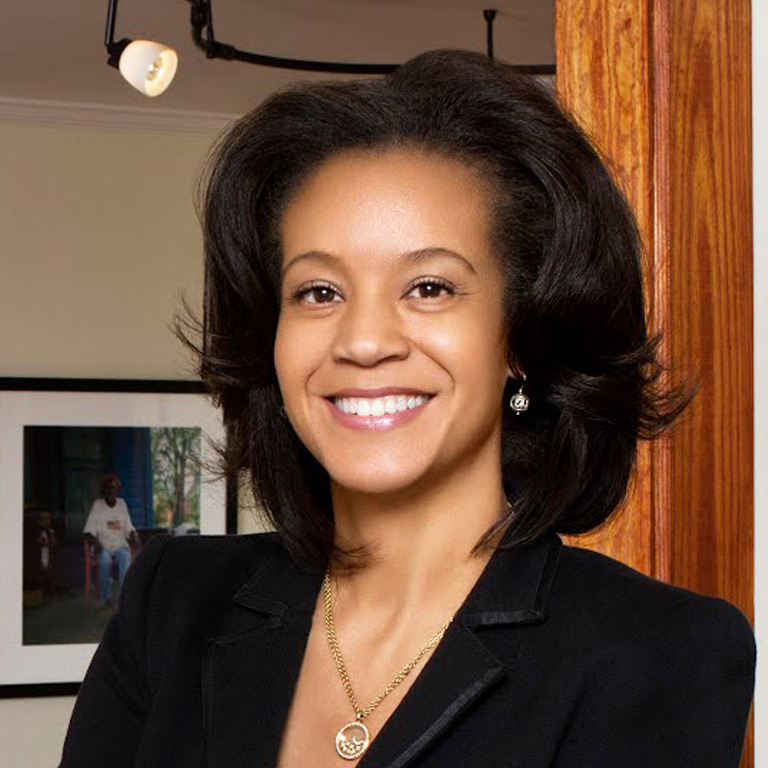
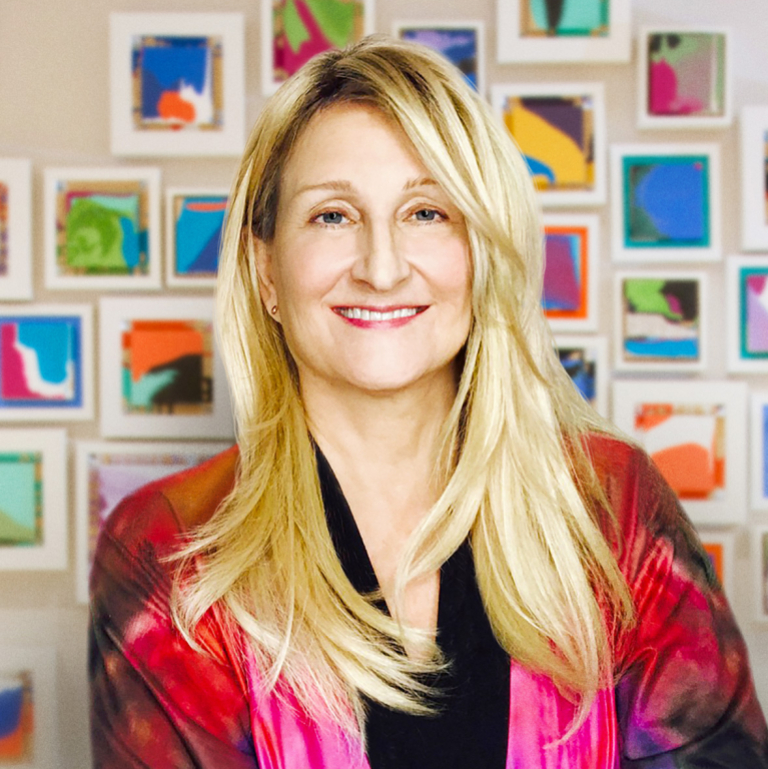
portrait of arnika dawkins

Visit Arnika Dawkins Gallery.

Banner image: Ervin A. Johnson, Variation 17, photographic mixed media on cotton (detail), 2020.


Thriving in a time of AI

October
13
2020
By
Tags:

“I wouldn't undersell the complexity of the human mind just yet," remarked Jeremy Kobus, professor of creative business leadership, SCAD Atlanta, during his workshop “Skills You'll Need to Survive the Rise of Artificial Intelligence." Kobus geared his hour-long interactive talk, delivered via Zoom, toward students intent on “creating value in an increasingly automated world."

“I don't think AI is going to lead to a dystopic future. I think it's going to enhance and solve major problems we're facing today, like climate change." Befitting a soft machine synthesizing swirling parfaits of information, Kobus spoke from an expansive, engaging range of knowledge. In his fifth year as a SCAD professor, Kobus is a student favorite, shown in the diversity of those who chose to attend his workshop, including majors in advertising, graphic design, UX design, industrial design, film and television, architecture, sequential art, and luxury and fashion management.

A former professional StarCraft player (“I was a bit of a nerd growing up"), Kobus began with basic definitions (“Artificial intelligence is the simulation of human intelligence by machines"), before pointing out that AI already lives in smart phones (“Just ask Siri") that induce compulsive scrolling (“Tik Tok doesn't say it's a social media company, it claims it's an AI company"). He connected uses for AI from gaming to cyberwarfare, and pointed out that AlphaGo beating the world's number one Go player only heightened China's attention to AI's potential.

Kobus encouraged students to throw questions and comments into the Zoom chat. This led to discussions of the feasibility of Neuralink and new applications of the Turing Test. “Don't think you're ultra-special simply because you can create art," Kobus said. “AI is making psychedelic art without human intervention through Google's DeepDream project right now."

Humor was not beyond the workshop's domain, though the professor seemed dead serious when he stared directly at the camera to address our AI overlords: “Where's my flying car? I don't have my flying car yet!"

As a takeaway, Kobus listed skills he believes students will need to thrive in an age of AI.

1) Complex problem solving. “Be able to create unique solutions because you have an understanding of multiple fields. If you get your degree in animation, have knowledge in philosophy, in science, in business, in technology. Don't think about your life as a silo. Your goal is to have multiple buckets of knowledge and understand how they interact."
2) Critical thinking. “Know how to gather facts as a route to making sound judgements."
3) Leadership. “Being a leader is one thing I believe AI will never be able to replicate. That means developing your emotional intelligence, and know how to manage people."
4) Hobbies. “The most innovative people have a lot of hobbies. If you don't like it, move on. Pick up a cello today, meet new people tomorrow, plant crops the day after that."
5) Traveling. “That doesn't mean you need to take an extravagant trip to the other side of the world. It can mean cycling across your city into a new neighborhood."
6) Reading. “I recommend two books: Life 3.0 by Max Tegmark, and AI Superpowers by Kai-Fu Lee."

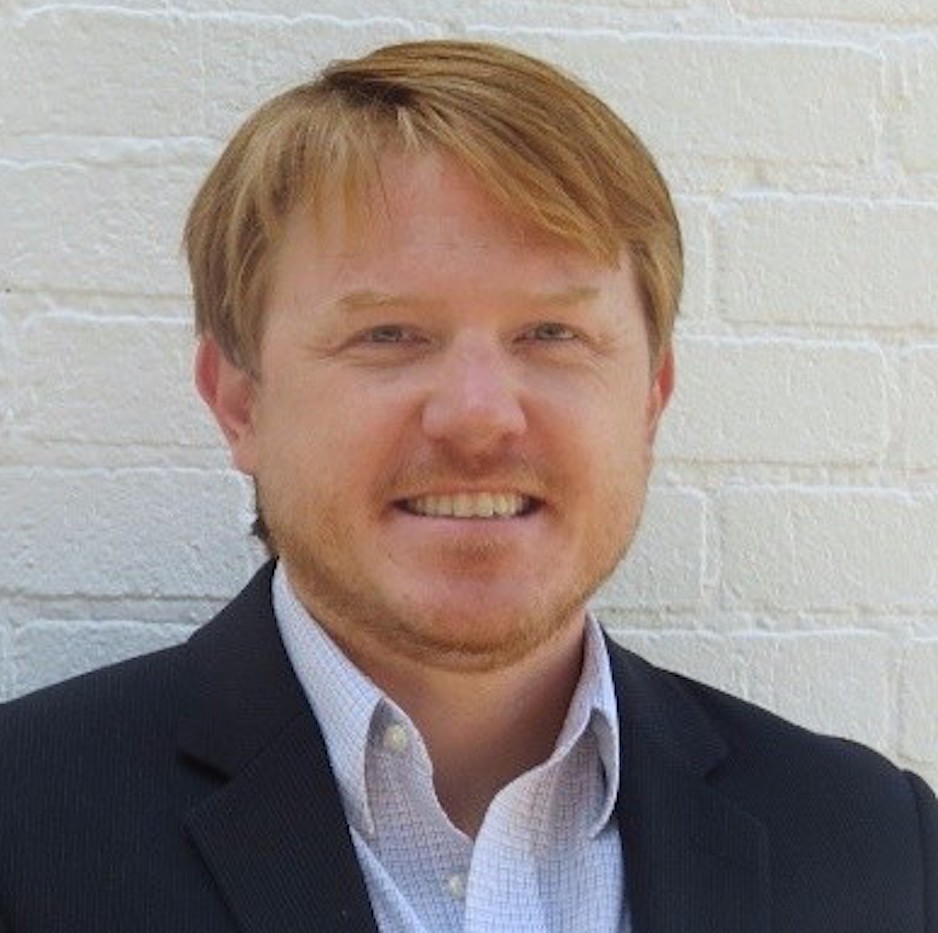
Portrait

Learn more about creative business leadership at SCAD.


The lines tell the story

October
8
2020
By
Tags:

"Don't let fear creep into your mind when you set out to paint," says the man with the brush in his hand.

SCAD painting professor Kent Knowles (B.F.A., painting, 1997) is in a studio at SCADpad West in Atlanta, teaching students from Statesboro to Mexico City to Brooklyn and Jakarta. Knowles is conducting "Drawing with Paint," an online workshop exploring methods for establishing a focal point within a composition using a single color.

A small mound of burnt sienna oil paint sits next to him, along with mineral spirits and several well-worn brushes. A blank 24x30 canvas stands before him, soon to become an image of a young woman in a winter coat with a large button weighing down her right side. Kent's camera is positioned close to his canvas, allowing students to see how his arm, wrist, and fingers hold and guide his brush.

"I am not afraid to let the painting come to me," Knowles says. "I don't start with an idea. I don't know what this will become. I let the lines guide me."

Using his brush to mix a small amount of paint with the mineral spirits, Knowles makes his first vertical stroke. The paint runs in small drips as he makes a second and third stoke. As the drips run together, Knowles scrubs the paint into the canvas, creating earthy brown pockets of color.

A figure slowly emerges from the overlapping lines as Knowles works at extracting the form revealed to him. "This looks like a shoulder, and this an arm," Knowles observes. "You can see the light must be coming from the right." He angles his brush as though it were a sun ray beaming onto the figure.

Knowles is himself an acclaimed artist, best known for capturing female subjects in fraught situations. His paintings "High Seas," "Break Up," and "Parabola" highlight the strength of women in the face of immediate danger. Snakes, broken ice sheets, and gale force winds are backdrops his subjects stand out against.

The son of an Air Force chaplain, Knowles began painting in Germany as a young man and acknowledges Stanley Spencer, Paula Rego and Thomas Hart Benton as major influences. He credits his intuitive process with giving his paintings depth of emotion and capturing the energy of the work.

"The subject will come to life as I refine the lines and see the shapes I have been given."

Knowles encourages his students to allow their paintings to develop naturally from their point of view: "Your world view is going to help you see what you have in front of you. Don't be afraid to go for it."

Throughout the class, Knowles picks up the camera and brings it within inches of the painting. He demonstrates how the mineral spirits help create contrast in face, hair, and coat. He uses a rag to pull color of the canvas and answers questions posted in the "chat."

The virtual learning environment has facilitated Knowles' ability to demonstrate the techniques he has honed over decades. His students know this, and eagerly await the next time they are able to see him, singing to himself, sleeves rolled up, wearing a protective mask, an apron, and brandishing his brush with precision as the lines tell him a new story.

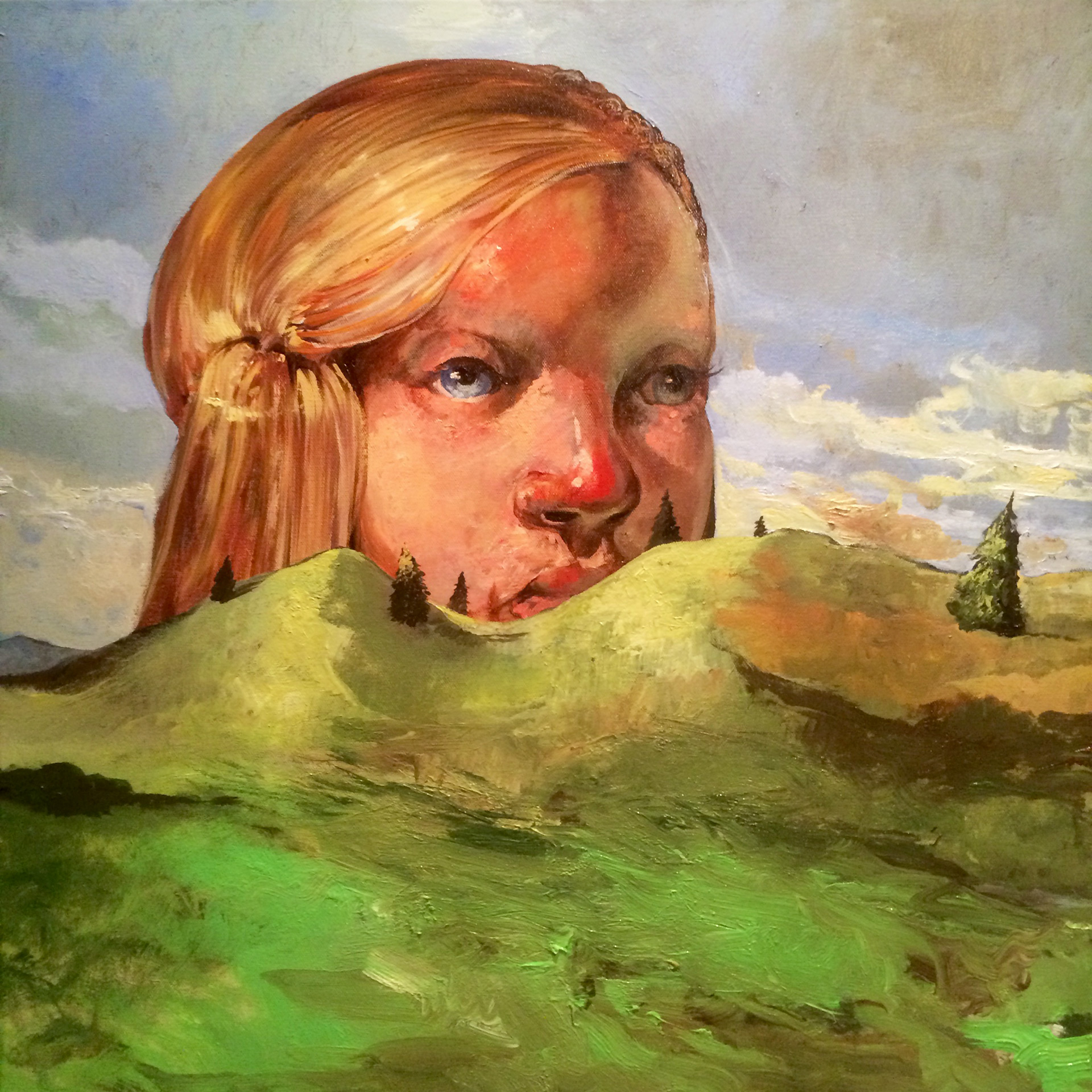
Kent Knowles, “Wayward,” detail, acrylic on canvas, 24” x 24”, 2015. Image courtesy of the artist.

Kent Knowles, “Wayward,” detail, acrylic on canvas, 24” x 24”, 2015. Image courtesy of the artist.


Jackie Dunn: Reading Creatively

October
6
2020
By
Tags:

As the collection strategy librarian at the Jen Library, SCAD Savannah, Jackie Dunn knows books. She estimates the Jen Library added 2700 new print titles in the past year, as the award-winning facility reopened for fall quarter with new safety precautions, enabling students to continue to check out materials, and to use computers, scanners, and study areas.

A concerted focus on e-book titles is facilitating an enriched experience for students learning remotely and via eLearning. "We also acquired over 300 new e-book titles this past spring and summer," Dunn says. "The trend of collecting larger volumes of digital materials will continue."

Dunn's personal reading habits are inextricable from her professional dedication. Here are a few books Jackie loves, all of them in the SCAD Libraries holdings.

Robin Wall Kimmerer, Braiding Sweetgrass: Indigenous Wisdom, Scientific Knowledge and the Teachings of Plants (Milkweed Editions, 2013): "Authored by an indigenous woman who is also a botanist, this book offers profound insights into the natural world. Spirit and science unite, inspiring gratitude and offering essential lessons on ecology at a time when sorely needed."

Paul Koudounaris, Heavenly Bodies: Cult Treasures & Spectacular Saints from the Catacombs (Thames & Hudson, 2013): "The word ‘relic' brings to mind a timeworn, dusty object; not so with the relics captured in these photos. Bejeweled and adorned in intricate textiles, the bodies of the catacomb saints challenge our ideas of corporeality, death, and holiness. Gaining access to these treasures was no small feat for Koudounaris, and the stories accompanying the photos are often surprisingly humorous."

Kate Atkinson, Life After Life (Back Bay Books, 2013): "This novel ponders the question: What if we could live our lives again and again, until we finally got it "right?" Set against the dramatic backdrop of World War II in England, the reader follows the life (lives, rather) of Ursula Todd, as she tinkers with her destiny and challenges fate time and again. " 

Christopher Marley, Pheromone: The Insect Artwork of Christopher Marley (Pomegranate Communications, 2008): "Marley's images of jewel-like insects captivate and inspire. His photography is unaltered; colors have not been adjusted or saturated for visual affect. Many of the photos have been printed with fifth-color metallic ink and are accompanied by essays on insects, color, and design. If you are looking for visual stimulation, let this book be your muse."

Madeline Miller, The Song of Achilles (Ecco, 2012): "The story of Achilles has been told countless times, but never in quite so intense or gut-wrenching a fashion. This unique homage to The Iliad is a story of war, but also of love and sacrifice. Miller brings the heroes and heroines of ancient Greece back to life, with unforgettable dimensionality."

Sabrina Scott, Witchbody: A Graphic Novel (Weiser Books, 2019): "One of the unfortunate aspects of adulthood is that we often become disenchanted with our world. The sense of wonder that accompanied childhood is replaced by the stresses of everyday life. Witchbody reignites feelings of wonder and mystery through unique stream-of-consciousness text and beguiling illustrations, reminding us that the magic of our universe is always within reach."

portrait of Jackie Dunn

Jackie invites you to search the SCAD Libraries catalog and databases and use the online feature "Ask A Librarian"!


Marcia Lyons: the online future of design

September
29
2020
By
Tags:

Before she arrived this year at SCAD, associate dean of entertainment and media Marcia Lyons worked at Weta Digital, the New Zealand-based visual effects company founded by Oscar-winning director Peter Jackson. At Weta, Lyons – who holds a PhD in live media – implemented real-time digital communication via collaborative platforms and meeting tools. She is now preparing the next generation of world-changing designers for their creative careers at SCAD.

Marcia Lyons:

The COVID-19 pandemic has created a huge paradigm shift in the art and design world. Before our current reality, in-person meetings and hours-long consultations were the norm. We leaned over tables, met over lunch, and talked over each other in order to create. Today, and going forward, this will be done online — and it will be revolutionary.

Web-based platforms and software updates will allow creatives from across the world to be part of the conversation. Voices and ideas that were excluded before will now be sought after. Work flows and preconceived notions of how work happens have changed forever. Employees now work across platforms in real-time collaboration around the world, including editing and open source work flows online.

Industries will be able to step back, reassess their current work force, strategies, and virtual work-flows, and make monumental changes. We are at the precipice of a dynamic shift, and a successful university must be prepared to ensure our students are going to play a major part in the future.

When I arrived at SCAD, the leadership team was well under way making the necessary changes for the upcoming academic year. Their understanding of the needs of the students has allowed us to work quickly and decisively. I have never been part of an organization that was willing and able to implement necessary change so fast.

I have been working directly with my faculty to ensure the online learning environment is as robust and impactful as traditional in class instruction. Our curriculum is in place, and we are ready to execute on our plan both in person when we are able to, and via online and virtual platforms.

Several of the changes we have implemented have already made significant impacts including engaging artists through our virtual conversation series Guests and Gusto. We recently hosted Brendan Dawes, a U.K.-based artist and designer who uses generative processes involving data, machine learning, and algorithms to create interactive installations speak to our students.

Technology and science are only going to open up more avenues for collaboration and creativity. We are going to push our students to pursue innovation regardless of the external limitations. Eliminating the barriers of location and distance will enhance the final product. We are committed to making sure SCAD students are ready to step in and be a part of that seismic change.

Marcia Lyons

Learn more about SCAD Atlanta.


Ask A Curator 2020 recap

September
28
2020
By
Tags:

What does a fashion curator do? What is the best part of being a curator? Ask A Curator Day, started in 2010 by MuseumNext founder Jim Richardson, allows the public to engage with curators at institutions across the globe using the social media hashtag #AskACurator. On September 16, the @scadfash social audience addressed questions to SCAD FASH Museum of Fashion + Film executive director Alexandra Sachs. Here are five memorable exchanges from Ask A Curator Day.

1. How do curators decide which designers they will invite for an exhibition at SCAD FASH?

Alexandra Sachs: "SCAD FASH curators work collaboratively to identify artists and designers who reflect the diversity of our student body and community, and who align with our mission to celebrate fashion as an artform and conduit of identity. Curators and staff oversee fashion-focused exhibitions, events, and programs that resonate across the university. Our curators also organize exhibitions at the SCAD Museum of Art, plan an annual summer exhibition at SCAD Lacoste, and assist with the SCAD FASHION runway shows. 


2. What does your typical day look like?

AS: "Every day is dynamic and ever-changing! Whether I’m collaborating with artists, designers, and galleries on exhibitions and events, scrolling the latest fashion news, media, and art books, or writing texts for catalogs and digital publications, I’m constantly seeking new information and connections to bring the best programming to SCAD."


3. What are the most challenging moments of your day?

AS: "Working in a creative field requires adaptability and a willingness to change while still working toward your overall vision. When I find something frustrating — a challenging installation perhaps — it’s often a sign that I need to consider different perspectives and reevaluate my approach to realize my goals.

"

4. What do you love about your job?


AS: "I am extremely fortunate to work with incredible artists, designers, professors, and colleagues. We’ve presented so many spectacular exhibitions in the past five years, including work by Guo Pei, Pierre Cardin, and the indomitable Ane Crabtree, who designed costumes for "The Handmaid’s Tale." For me the most memorable part of the job is the people I meet along the way. They make the work gratifying."

5. What kind of university should someone attend if they’re interested in becoming a curator?

AS: "For a fashion curator, it’s essential to have a solid foundation in fashion history. It also helps to have knowledge of contemporary fine art and art history. SCAD offers a minor in museum studies as part of our art history degree program, enabling students to gain practical experience in our university museums, and interact with museum professionals across different disciplines. If you’re looking for a hands-on, project-based learning experience, SCAD is the place to be!"

SCAD FASH is excited to share what happens before, during, and after an exhibition is on view. We’re expanding the visitor experience by making more behind-the-scenes content, providing a closer look at specific garments on view and in the collection, in a new IGTV series coming this October on @scadfash. Please connect by sending us a DM if you have any questions. We hope to see you at SCAD FASH and for a virtual program soon!

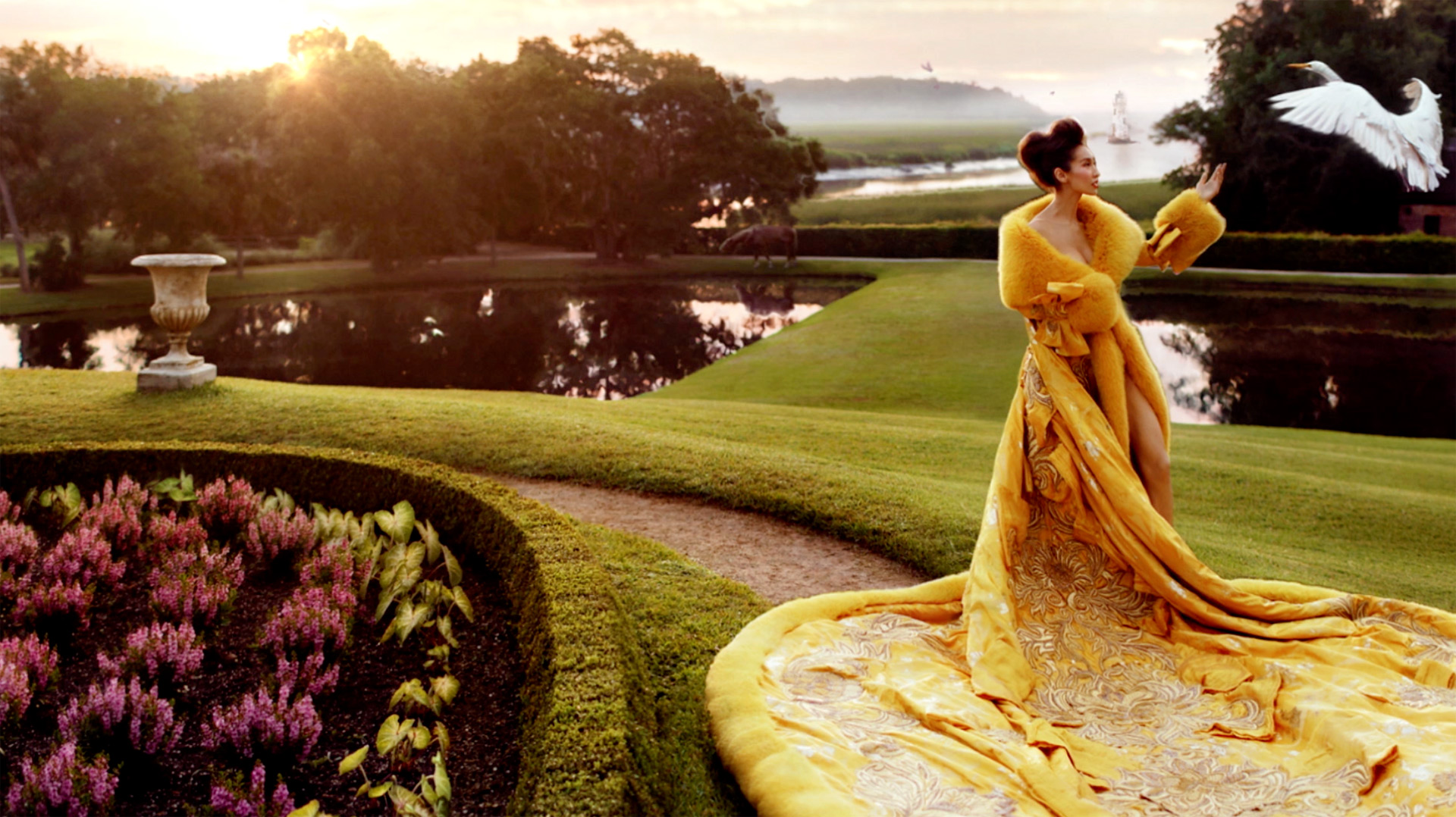
fashion by Guo Pei

Plan your next SCAD FASH visit. Museum Hours: Thursday–Saturday, 11 a.m.–5 p.m.


Alumni Atelier ambassador Kacie Willis

September
23
2020
By
Tags:

"My hope is that the podcast will show that we can have difficult conversations," says Kacie Willis (M.F.A., sound design, 2013). A Fall 2020 SCAD Alumni Atelier ambassador, Willis is speaking of White-Angle, her new podcast exploring "empathy in documentary filmmaking, dissecting how perspective and privilege factor into storytelling in our modern time of civil unrest."

Born in Detroit and based in Atlanta, Willis is a founding producer at Could Be Pretty Cool, has worked at the Center for Puppetry Arts and 7 Stages Theatre, and was one of 10 participants in last year's Spotify Sound Up program, an initiative to amplify underrepresented voices in the podcasting world. Boost the levels on Kacie for maximum effect.

Kacie Willis:

Of the pitches I submitted to the SCAD Alumni Atelier program, I was surprised that White-Angle was the one selected. I'd submitted three or four fun and quirky ideas, but this was the topic that I was asked to explore.

White-Angle is a podcast that pairs a white documentary filmmaker who's made a film about Black trauma with a Black filmmaker in conversation. It's a podcast about storytelling, agency, ownership, and about who should be telling stories. It's flipping the script in the sense that the documentarian is now the documentary subject of the podcast.

I'm primarily a theatrical sound designer. Since COVID-19 shut down live theater, a conversation has been presenting itself in the theatrical world about the future of race in theater and how to address those issues. I was on a panel where someone said they didn't think a white director should be allowed to direct plays by Black writers. I felt really conflicted about that.

I have friends from all different backgrounds who take their work very seriously, including several cis white male friends who have made feature length-documentary films on Black trauma. One has a film premiering at the Atlanta Film Festival next week that was based on a cold case in Griffin, Georgia. Another made a film about a black male who was having a bipolar episode and was killed by police in 2014. I thought, what can I do to speak to this moment?

Two members of my White-Angle team are also SCAD sound design alumni: Cooper Skinner (M.F.A., sound design, 2013; B.F.A., sound design 2010) will be doing the mixing and mastering, and Jacob McCoy (B.F.A., sound design, 2010) is cutting together a video trailer for the show.

Everything is going to be hosted on a standalone website. There'll be three episodes, each one about 30 minutes. The first episode will feature Stephen Robert Morse, director of In the Cold Dark Night and filmmaker and puppeteer Raymond Carr. Episode two will pair Roee Messinger, director of American Trial: The Eric Garner Story with screenwriter and producer Nakia Stephens. The third episode will feature Erik Ljung, director of The Blood is at the Doorstep, in conversation with filmmaker Derrick Jones.

Part of my Alumni Atelier project is figuring out my target audience for this podcast. This means strategically marketing a difficult piece of work at difficult time where people are looking for levity. It means figuring out how to spark important conversations about difficult topics. As a creative community, we can help one another to tell these stories.

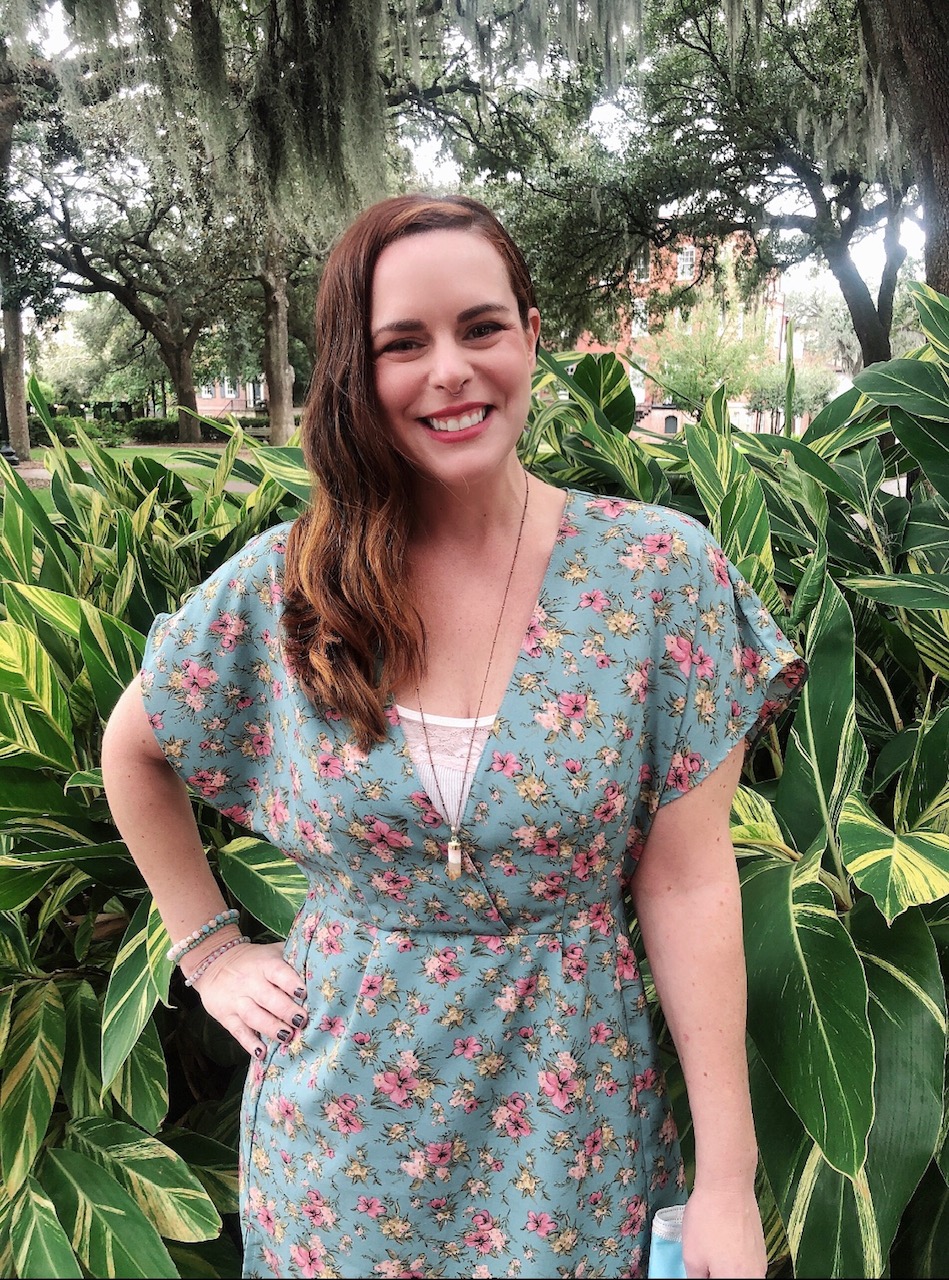
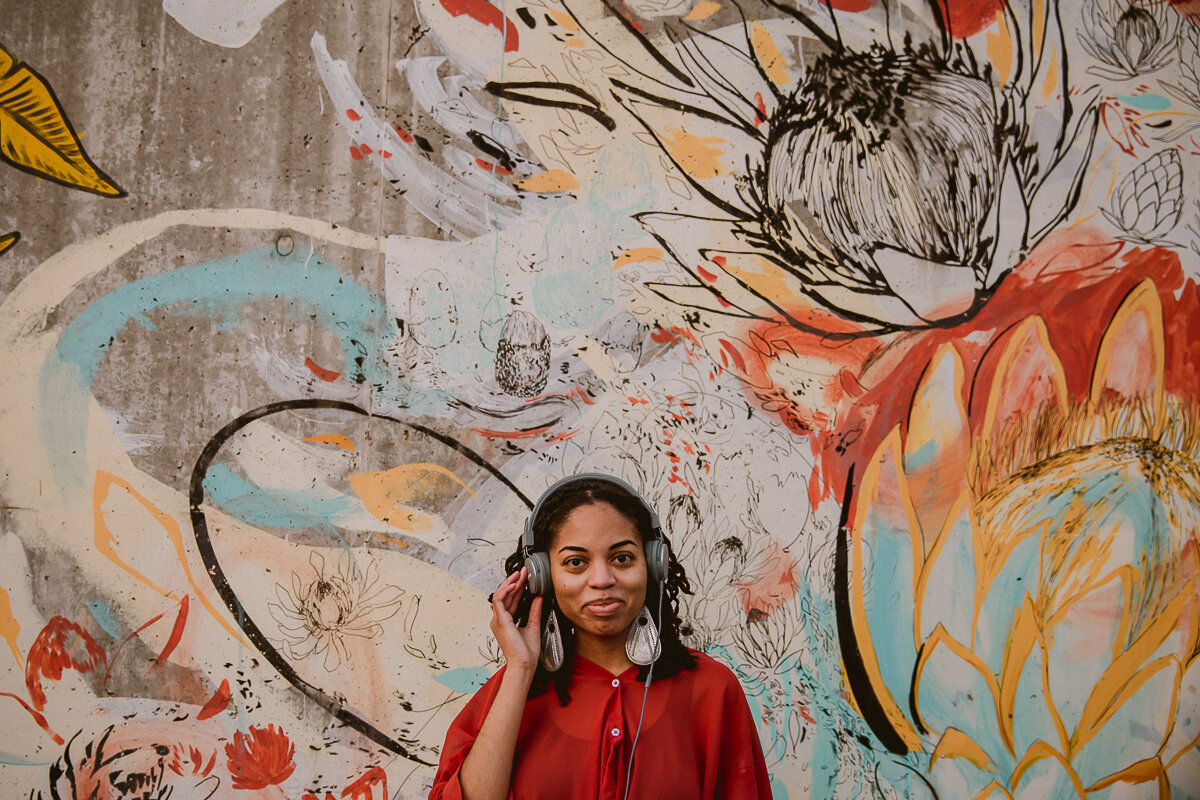
portrait of kacie willis

Visit Kacie at her excellent website. Stay tuned for more about the launch of White-Angle, coming October 2020.

The SCAD Alumni Atelier, conceived and endowed in 2015 by SCAD President Paula Wallace, supports select alumni with time, space, and resources to facilitate the creation of new work.

Interested alumni applicants should email [email protected] or visit www.scad.edu/success/alumni-programs/alumni-atelier for details.

photography: Kelley Raye