Skip to main content Accessibility Policy

Michael O'Brien: Reading Creatively

August
6
2020
By
Tags:

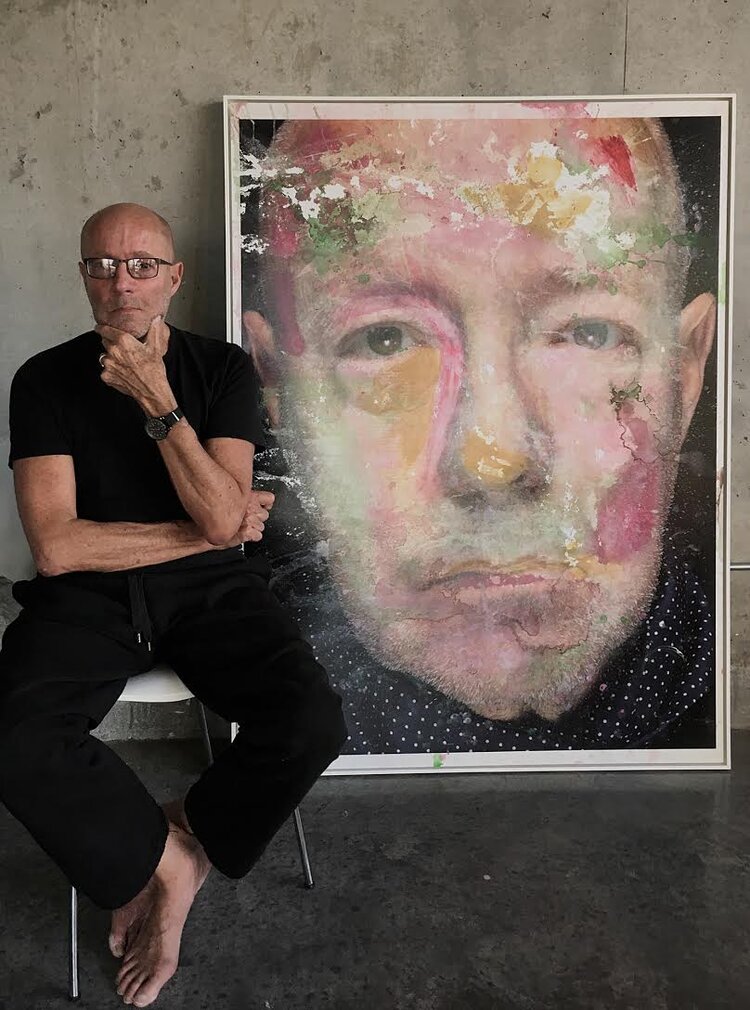
"How do we transcend our origins?" asks Michael O'Brien, associate chair of photography, SCAD Atlanta. "Can we create family in a greater sense of the word? Are we able to shed preconceived notions and follow our true selves? It has never been more important than it is now to understand and embrace the truth: You are responsible for your own life, and ultimately beholden only to yourself."

Professor O'Brien's personal journey towards enlightenment began around the time he started supplementing his ninth grade French homework with the works of James Baldwin and Virginia Woolf. Having studied under Walker Evans at Yale in the 1970s, O'Brien is an acclaimed photographer in his own right. His work, featured in publications including The New Yorker, Rolling Stone, L'Uomo Vogue, and Elle Décor, also resides in the permanent collections of the National Portrait Gallery in London and the Cleveland Museum of Art.

Michael O'Brien

James Baldwin, Giovanni's Room (Dial Press, 1956): "Baldwin's publisher refused to publish the work at first, because of the homosexual content of the book. Mirroring his own life, Baldwin's protagonist travels to France to escape both his conservative upbringing and his engagement to a woman he has no intention of marrying, only to truly find himself in a foreign land. The book addresses the politics of America in the late ‘40s and early ‘50s, and ultimately parallels the history of black community in our nation."

Jean Genet, Our Lady of the Flowers (Marc Barbezat — L'Arbalete, 1943): "Genet wrote this while in prison on sheets of brown paper in the hopes that it would be circulated. When a prison guard found the work, he burned it. In response, Genet wrote it again. The book tells the story of a drag queen in the Parisian underworld. The book also influenced a hero of mine, David Bowie. His song ‘The Jean Genie' is based on Our Lady of the Flowers."

Virginia Woolf, Orlando (Hogarth Press, 1928): "This book is an imaginative biography of Vita Sackville-West, who was a close friend and lover of Woolf. The book addresses the transition of genders and untraditional love, while exploring the possibility of living more than one life."

E.M. Forster, Howard's End (Edward Arnold, 1910): "Forster's work was groundbreaking since it challenged social norms, the class system in place, and ‘acceptable' relationships. The characters form a family on their own terms, and shed societal conventions in order to find happiness. All that matters to the characters is connection and true happiness."

Josephine Tey, The Daughter of Time (Peter Davies, 1951): "I love mysteries and spy novels, so this work, based on the life of Richard the Third and murder of his nephews in the Tower of London, is a favorite. The main character is a detective living in London in the 1900s working to solve a 500-year-old cold case from his hospital bed."

Albert Camus, The Stranger (Hamish Hamilton, 1946): "My earliest understanding of this work was that you choose the rules of your life and, in doing so, you choose the life you live. Your life is not dependent on a system of values that come from a political party, a church, or a government. Your life is based on your decisions and choices. That was incredibly impactful as a young man, and has helped shape my life going forward."

www.michaeljamesobrien.com


Tayler Ayers, unequivocally

July
29
2020
By
Tags:

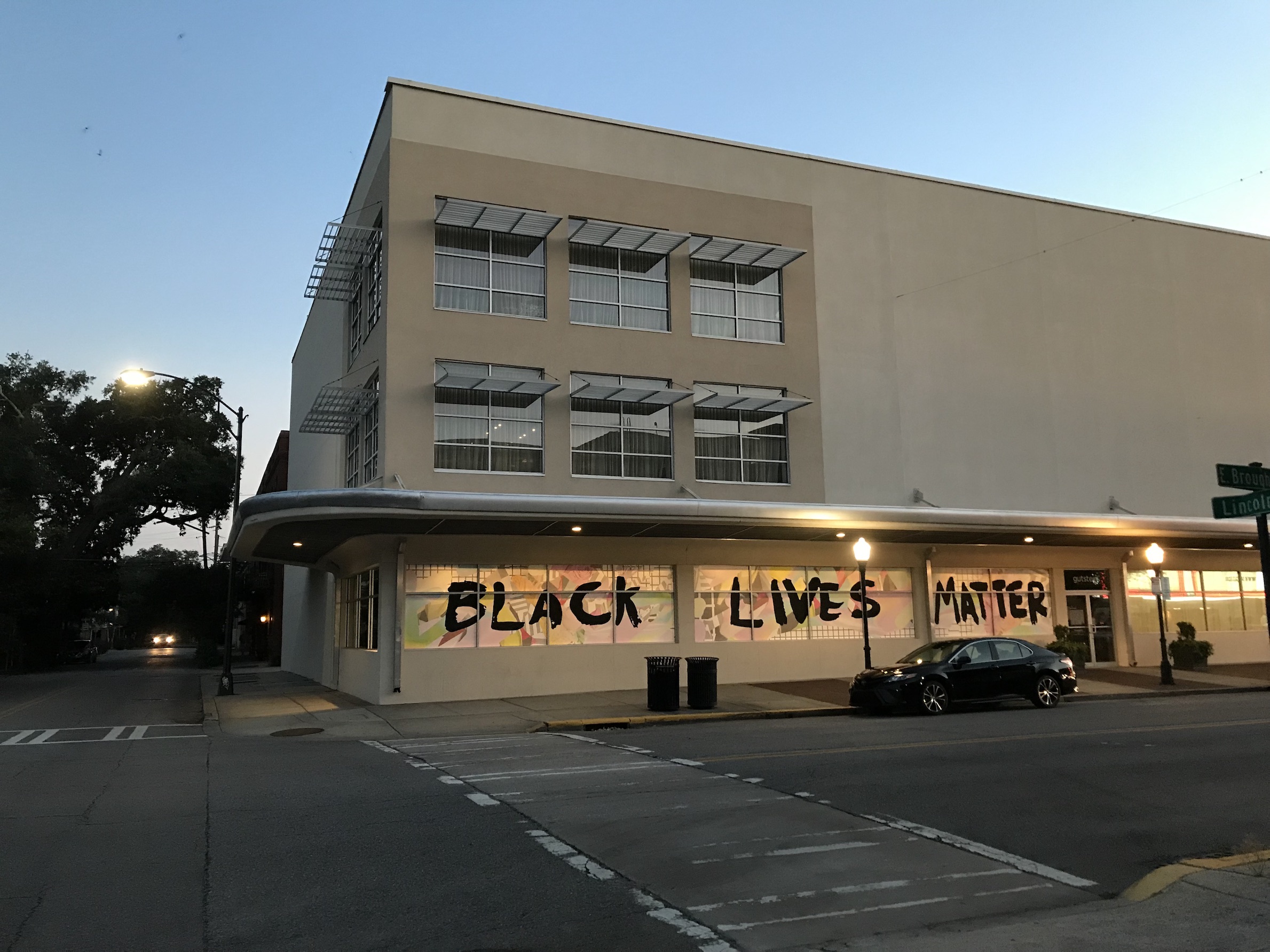
Tayler Ayers (M.A. creative business leadership; B.F.A., fibers, 2019) is a SCAD tennis standout and, with Will Penny, one of the artists of the BLACK LIVES MATTER murals atop student residence hall FORTY in Atlanta and the exterior of Gutstein Gallery in Savannah.

"Our project speaks to the injustice that is present in the world, while also contemplating what it looks like when two people who are visually different come together to contribute to something larger than themselves," the artists said.

What Ayers and Penny (M.F.A., painting, 2013; B.F.A., painting, 2008) have created is part of the fabric of the Civil Rights movement in Savannah, the mural stretching across the front of the former Levy's department store (now SCAD's Jen Library) that saw the lunch-counter sit-in of 1960. Ayers, from Carrollton, Georgia, says: "To put this message on the outside of a building in the South, this is bigger than me, and bigger than SCAD. I'm excited for the response, whatever that may be."

Tayler Ayers:

I gravitate toward flowy yet refined hand styles. You look at the Black Live Matter piece and think, is it painted, or made with a Wacom? I painted it with a paintbrush, then used Image Trace so it had that mix of professionalism and clean design, to keep the organic feeling.

I grew up traveling on I-20 West in and out of Atlanta to play tennis, through that part of Atlanta where SCAD is, so I've seen SCAD Atlanta since I was ten years old. On the tennis team at SCAD, my teammates come to me to talk, to unpack things they're thinking about. Often a Black person walking by will see me and say, "Young Arthur Ashe!" That's their association. There are not a lot of people who look like me playing tennis. When we're traveling for matches, I'll sometimes be the only Black player on my team and the opposing team. I own that. I have a higher level of awareness in that position.

My success in tennis was never measured in trophies. What I got from tennis is that it gave me confidence and independence from a young age. If I'm approaching an art piece, sometimes I'll get asked "How do you start? How do you have the confidence to make those marks unapologetically?" Well, it comes from being on a tennis court, alone, it's you and you lose or you win. In a millisecond, you have to dissect a thousand options that are point-one-percent worse or better than the other, and you have to have the awareness and critical thinking to break down that situation and make a decision. I apply that to art.

I'm doing this to speak to kids to let them know they can do this. Everything I make, you can make with what you can buy at Starlandia or Blick. I'll go with you to pick out the art supplies. I'm not sitting behind a veil. My work is on a building. I'm going for it.

Mural

Tayler Ayers is HERE.


Petra Richterova's film of spirit and love

July
24
2020
By
Tags:

"It's an art piece," says professor Dr. Petra Richterova, director and cinematographer of "ON MY MIND", the stunning short film based on musician Marcus Strickland's spiritual jazz composition "On My Mind (Remix)." "It's not intended to be a music video. I'm not catering to short attention spans. It's for people who can get to the deeper level it's on."

"ON MY MIND", produced and directed by Richterova and Jennifer Galvin, has its roots in the 1990s, when Richterova, then working as a photographer for Jazz at Lincoln Center, first crossed paths with Strickland. "At that time, Marcus was one of the talented young straight-ahead jazz players in the orbit of Wynton Marsalis. Later Marcus started making beats and working across musical disciplines, and we became closer because we had that creative connection."

The song, which originally appeared on Strickland's album People of the Sun (Blue Note/Revive Music, 2018), features the leader's magisterial bass clarinet alongside vocals from soul singer Bilal, esteemed MC Pharoahe Monch, and poet and thinker Greg Tate. The "deeper level" Richterova speaks of, implicit in the music, is made flesh in the film by the performance of Storyboard P, an impossibly lithe flex dancer whose moves must be seen to be believed.

Greg Tate, as seen in "ON MY MIND" (photo: Petra Richterova)

Greg Tate, as seen in "ON MY MIND" (photo: Petra Richterova)


The cross-disciplinary excellence of "ON MY MIND" will not come as a surprise to the students who have learned under Richterova at SCAD. As a professor of African and African-American art in the art history department, her classes include "Dancing the Diaspora: Afro-Atlantic Representation and Performance" (ARTH484), an art history elective that integrates the life-work of artists including Sun Ra and Tupac Shakur to create a deeper understanding of Africa's influence on global culture.

"ON MY MIND" was edited by Roberto E. Garcia Matus (B.F.A., sound design, 2017; M.A., film and television, 2019), who Richterova taught at SCAD. "I had to find an editor who could edit to music," Richterova explains. "Roberto knows what I'm about and what the art is about. He's a musician too, so his edits were intimately connected to the timing of the music. He brought it all together."

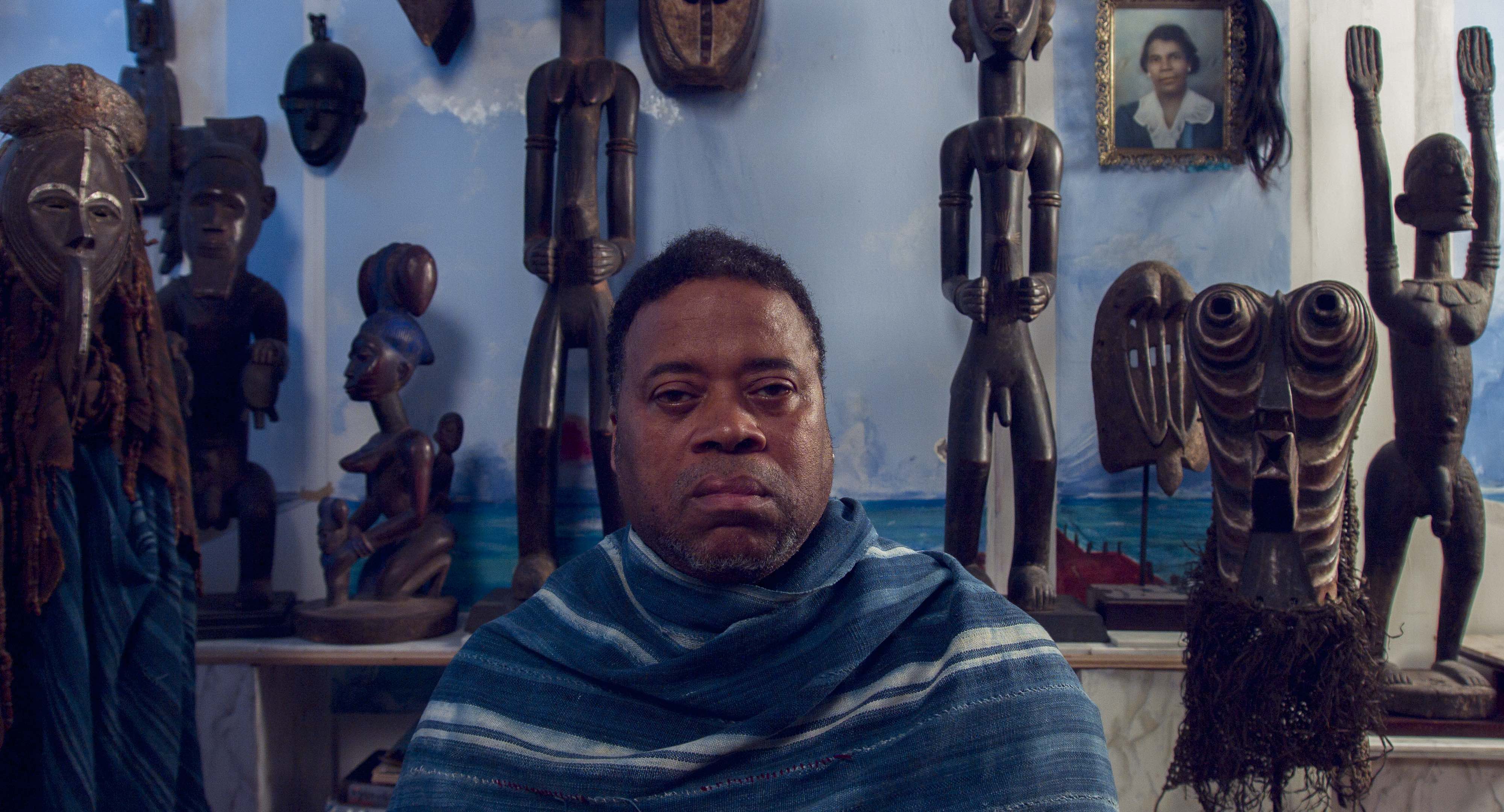
After making its premiere online with Afropunk in June, "ON MY MIND" has won awards at the London Music Video Festival and as an official 24K selection at Hip Hop Film Fest NYC. Astute viewers may recognize one or more of the New York filming locations, including Electric Garden Recording Studio in Brooklyn and the Museum of Art and Origins in Harlem. The Ivorian Dan mask worn by Tate in the film's opening moments is echoed at the film's close, when Storyboard P "face dances" in a passage of stunning strength and vulnerability.

"Marcus gave us absolute freedom to do what we wanted with this project," notes Richterova. "Our focus was on doing justice to the talent. It's all about the transformation of energy into positivity, and the connection to spirit. That's what it's really all about: spirit and love."

"ON MY MIND" promotional poster

www.onmymindfilm.com

Photo of Petra Richterova by Deneka Peniston.

The cardboard conundrum

July
23
2020
By
Tags:

Professor Jane Zash, graphic design, is a longtime proponent of reducing packaging waste. Her passion has only increased since the onset of the COVID-19 global pandemic. Stepping out of her home to see waste bins teeming with cartons has emphasized the need to address the dangers of single-use paper products. In her design classes, Zash challenges students to find ways to reduce, reuse, and repurpose, to curb waste at the onset of a project, and to minimize the need for recycling programs, landfills, and trash altogether.

Jane Zash:

The current global pandemic has only exacerbated our packaging waste problem. With consumer reliance increasing on shipped items, and online giants as well as independent retailers not being accountable, we are adding to our already seemingly insurmountable cardboard conundrum. What are we going to do with all of these boxes?

Before you say, "Not me!" or worse yet, "What boxes?" let's look at some U.S. statistics:

  • Around 80% off all products sold are packaged in cardboard, totaling around 400 billion square feet.
  • Approximately 100 billion corrugated boxes are used per year; cardboard and paper make up around 41% of solid waste streams.
  • An average household can throw away as much as 13,000 separate pieces of cardboard every year.

To put these numbers further into perspective, the average American uses around seven trees per year in paper and cardboard. Accounting for the total U.S. population, that's almost two-and-a-half billion trees, a staggering amount.

Now, you might be reading this and saying, "But I recycle!" First, let me genuinely thank you for your commitment to our planet. Second, let me ask that you redouble your efforts. According to the EPA, of the 267.8 million tons of municipal solid waste generated by Americans in 2017, only 94.2 million tons were recycled or composted.

Sadly, we are letting our planet down. So, what can we do? For years we heard about the three "Rs": Recycle, Repurpose, Reuse. But it's clear from the data that these three R's are no longer sufficient. It's time for a new, better "R":

We must Relearn.

In my design classes at SCAD, I teach about our responsibilities as producers of tangible objects, and the need to create solutions from the beginning. Students learn about significantly reducing single-use objects, as well as the importance of reusing and repurposing materials through an awareness of the life-span of materials as they go from development to the trash heap — often traveling across the ocean to be processed in foreign countries. What may be "out of sight, out of mind" for us can still have devastating consequences for our connected world.

The design classroom is a laboratory for problem solving. As a professor at SCAD, I observe firsthand the engagement of young, creative minds who relish addressing challenging problems. My graphic design students work in collaboration with students from other disciplines, including service design, industrial design and design for sustainability, to achieve informed, cross-disciplinary solutions. I am optimistic and confident that through awareness coupled with design, this generation will solve this important issue.

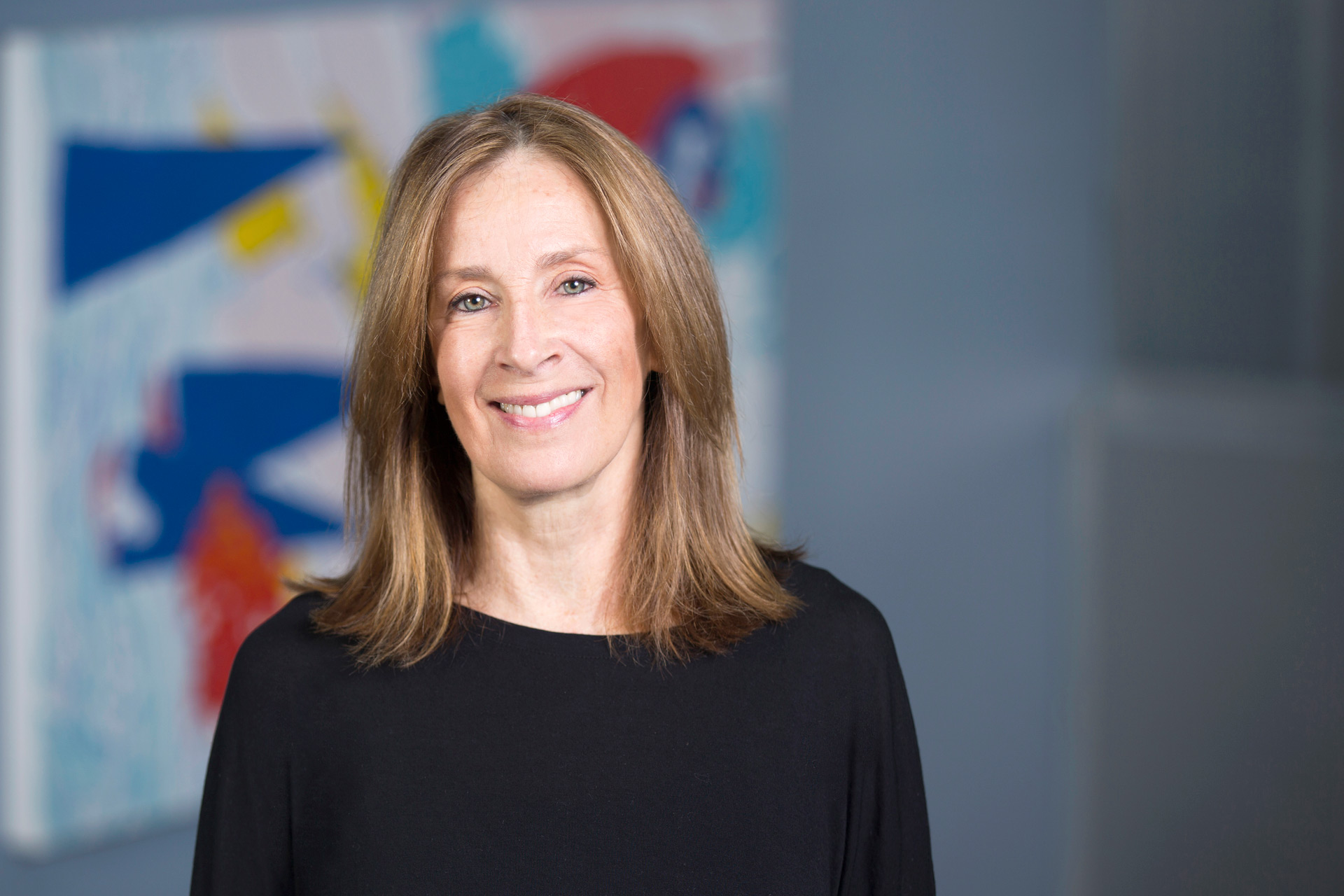
portrait of jane zash

Learn more about the SCAD graphic design program.


Register for 'Patrick Kelly, The Journey' virtual tour

July
21
2020
By
Tags:

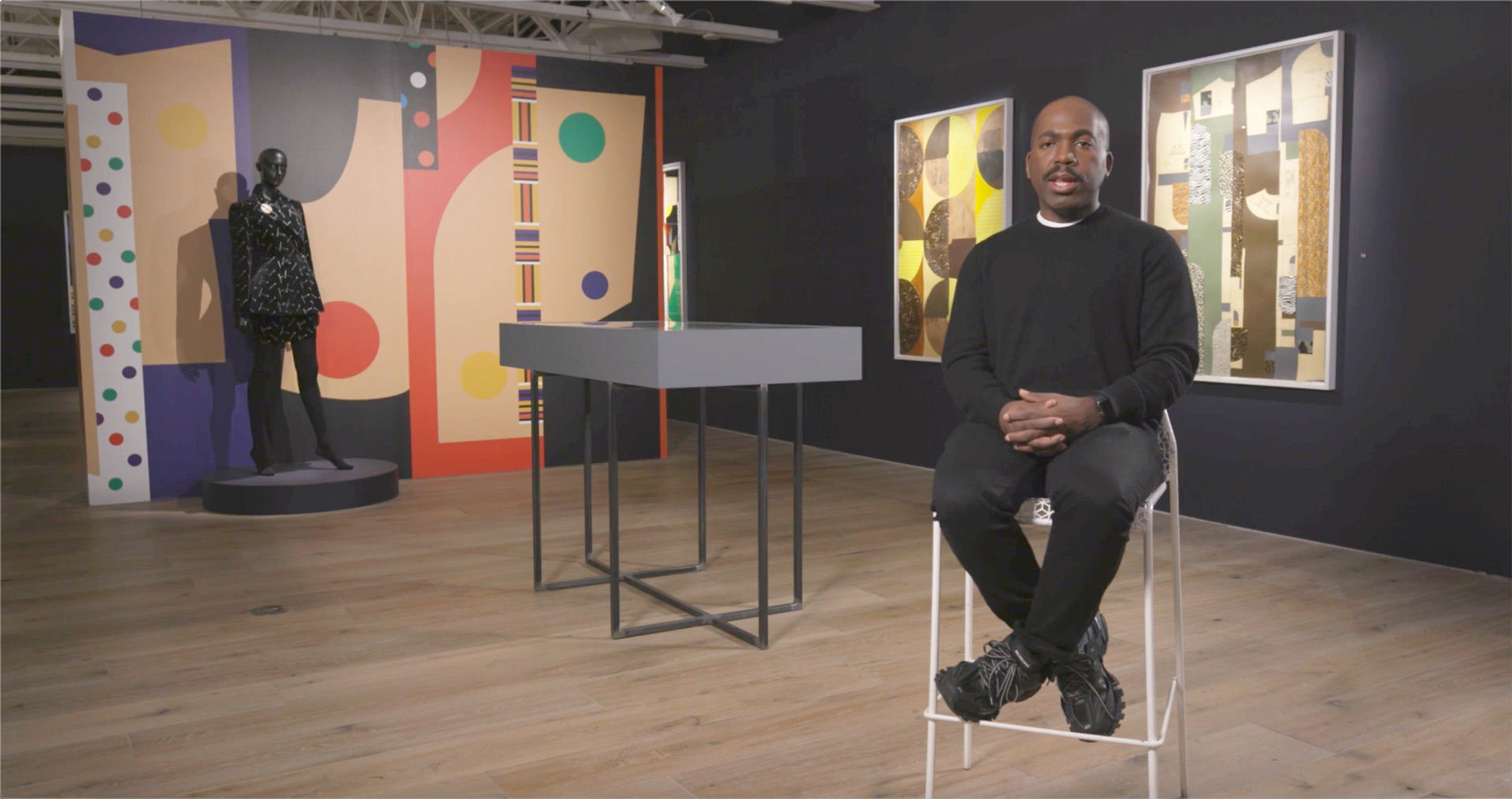
This Thursday, July 23, at 6 p.m., join Alexandra Sachs, executive director of SCAD FASH, for a virtual tour of Derrick Adams' exhibition Patrick Kelly, The Journey. Hear the stories behind the exhibition as Sachs walks you through Adams' abstract collages and sculptural works, which incorporate Kelly's vintage clothing patterns, iconic fabrics, bold and colorful geometric forms, and embellishments. Sacchs will also discuss how Kelly's connection to the city of Atlanta enriched the exhibition through the loan of a very special collection to the museum.

Patrick Kelly, The Journey emerges from artist Derrick Adams' extensive exploration into the archive of the influential African-American fashion designer Patrick Kelly (1954–1990). Kelly was the first American to be admitted to the Chambre syndicale du prêt-à-porter, the prestigious governing body of the French ready-to-wear industry. Adams immersed himself in the Kelly archive at the Schomburg Center for Research in Black Culture in New York, where he discovered a trove of correspondence, sketches, swatches, photographs, and other memorabilia, including a proposal for a book about Kelly's life written by his friend, the esteemed poet Maya Angelou.

Derrick Adams

Derrick Adams on Patrick Kelly:

He was an artist, a performer, and things that I think a lot of designers may not necessarily consider themselves today. He was the art.

Although the works in the exhibition focus more on my work, his influence on me, looking through his archive, we were fortunate enough to have his community. A lot of the models he used were from Atlanta. He traveled to New York and Paris, but he always kept his community that first supported him.

The things that were in the archive that I was more drawn to as a visual artist were his really rough drawings that influence the making of the collage works and the sculptural works that are in the show. I decided to incorporate some of his clothing patterns into my collages to talk about fashion, to talk about the form, to talk about the body, without using the figure.

It's great to have this show here at SCAD, in the fashion department, in the museum. It all started for Patrick here in Atlanta. I think he would have loved to have had the opportunity to present his work in an institution like this. I think as a young designer, you never think where your work is going to go. Or how many people you're going to inspire. Being well known or being acknowledged, of course, as any creative person, you want to have the industry that you are a part of acknowledge your work. But I think that he would have done it regardless. Because I think he was very much into thinking about even the women in his family as a motivation to what he made, and what they would want to wear.

For me, when I think about him, I think about this person who was just unstoppable.

SCAD FASH building

Register here for the virtual tour of Derrick Adams' Patrick Kelly, The Journey.


Katie Glusica: Reading Creatively

July
14
2020
By
Tags:

"The words 'text' and 'textile' share the same Latin root, 'texere', which means 'to weave'," points out Katie Glusica, SCAD fibers professor, artist, and avowed bibliophile. "We impress upon our fibers students how other disciplines use the language of tapestry and cloth as descriptors. When we talk about writing, for example, we might say 'weaving a story'. There is a fundamental relationship between words and fibers."

A peek into Glusica's personal library shows the diversity of her interests: poetry, astronomy, religion, history, quantum mechanics, fiction. Well-thumbed tomes sport copious Post-Its colored like parakeets' plumage. Currently conducting SCAD Summer Seminar classes for high school students interested in fibers, Katie is happy to make time to discuss a few topical titles.

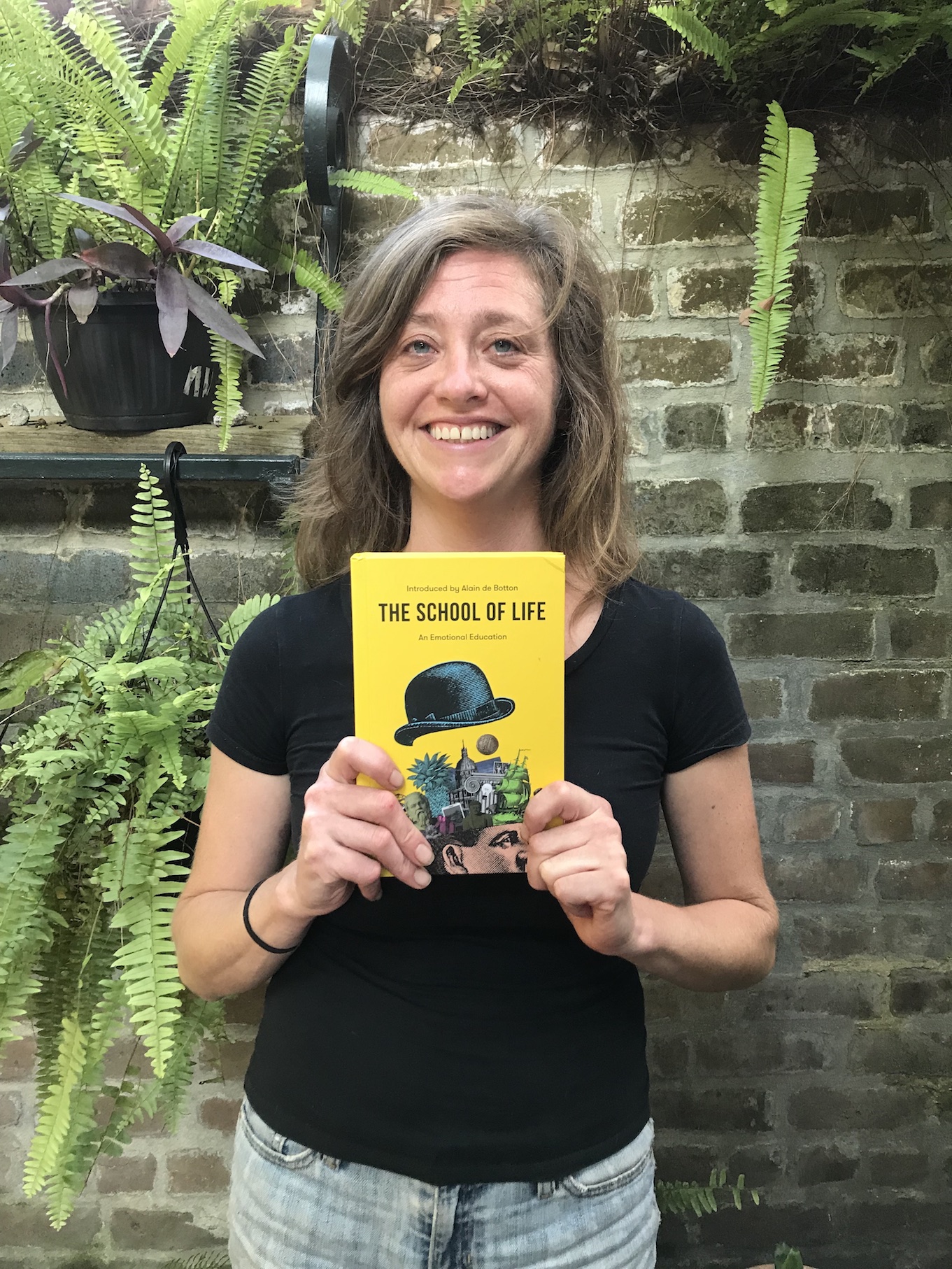
Katie Glusica holding the book, "The School of Life"

Jen Bervin, Silk Poems (Nighboat Books, 2017): "These experimental poems move across the page based on the DNA of silk and the movements of silkworms. This book, as an object, is part of the work itself—the cover and pages feel like silk. A great example of text meets textile."

James Essinger, Jacquard's Web: How A Hand-Loom Led to the Birth of the Information Age (Oxford University Press, 2007): "The invention of the Jacquard loom in the early 1800s spurred the Industrial Revolution and ultimately led to the invention of the computer. Because weaving is such a time-consuming process, the Jacquard loom enabled people to afford more material goods and affected socioeconomic dynamics. Fascinating history."

Brian Greene, Until the End of Time: Mind, Matter, and Our Search for Meaning in an Evolving Universe (Knopf, 2020): "I learned of this book from an interview with the author on New Books Network. I found myself scribbling notes, talking back to the podcast. Greene is a mathematics and physics professor, and he's big into interdisciplinary thinking, which I like. As humans, we have a crisis if we don't know what meaning is. So, how do we mine our material for meaning, as artists?"

Tatyana Tolstaya, Aetherial Worlds (Vintage, 2019): "Short short stories, beautifully written. Notes about the human condition and soul from a very humanistic and humoristic place. The language is amazing. There's almost a sense of magical realism. Yes, she's a descendant of Tolstoy, who makes an appearance in one of the stories. I've read this whole book twice. Do you want to borrow it?"

Joan Livingstone (editor) & John Ploof (editor), The Object of Labor: Art, Cloth, and Cultural Production (The MIT Press, 2007): "This is a textbook used in the SCAD fibers department, typically with graduate students. It's a series of essays. I'm particularly fond of ‘Material and Memory' by Mary Jane Jacob, where she makes connections between cloth, daily life and ‘the fabric of society.'"

Ching-In Chen (editor), Jai Dulani (editor), & Leah Lakshmi Piepzna-Samarasinha (editor), The Revolution Starts at Home (AK Press, 2011) and Alain de Botton (editor), The School of Life: An Emotional Education (The School of Life, 2019):  "Conflict can happen in any situation, including in the classroom. De-escalating conflict is a form of integrity. These are valuable books on creating healthy interpersonal relationships, the importance of emotional intelligence, and how to form and strengthen movements that can create positive change. Timely!"

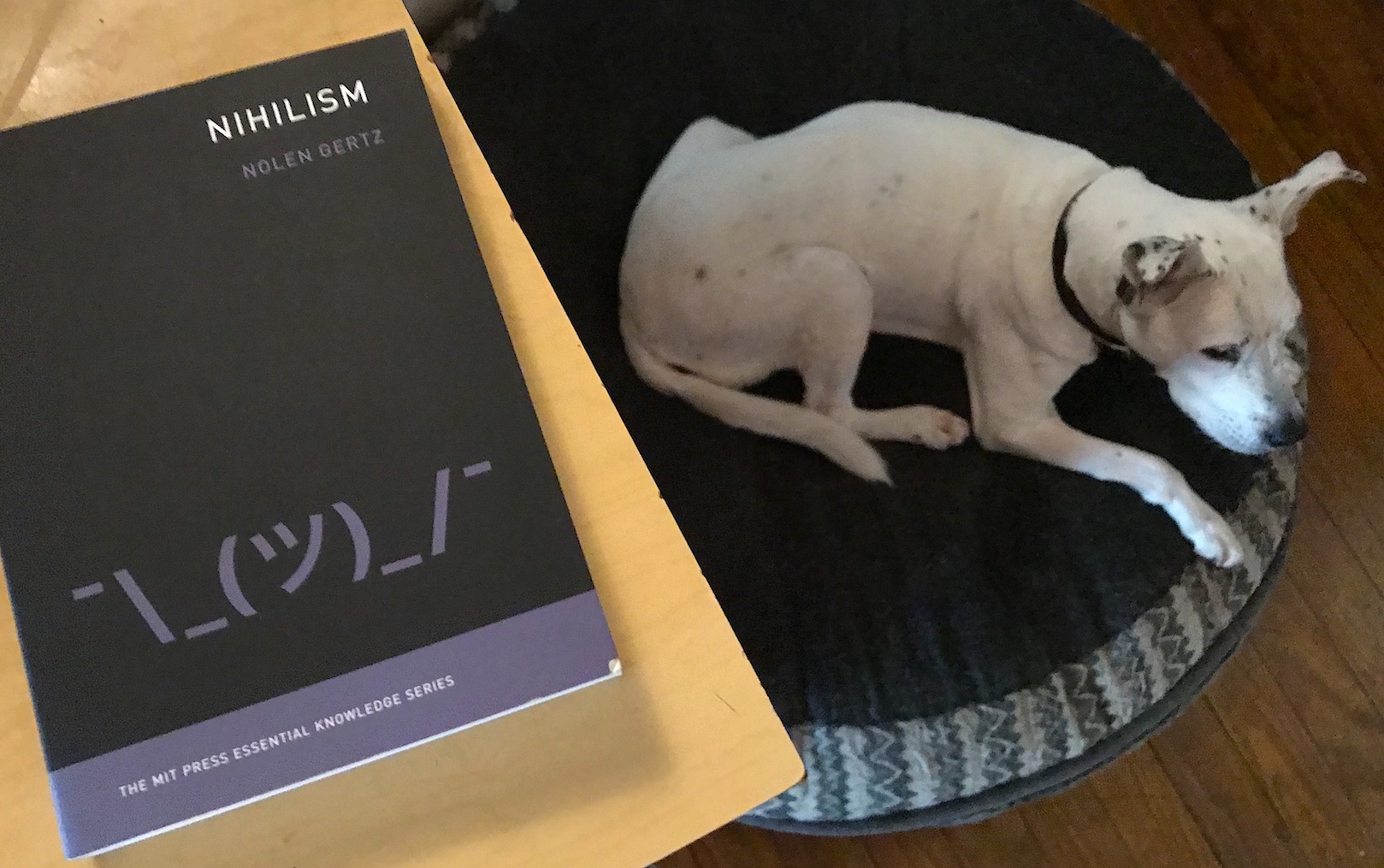
The book "Nihilism" sitting on a table near a dog.

www.katieglusica.com


Toyin Ojih Odutola: "Testing the Name"

July
13
2020
By
Tags:

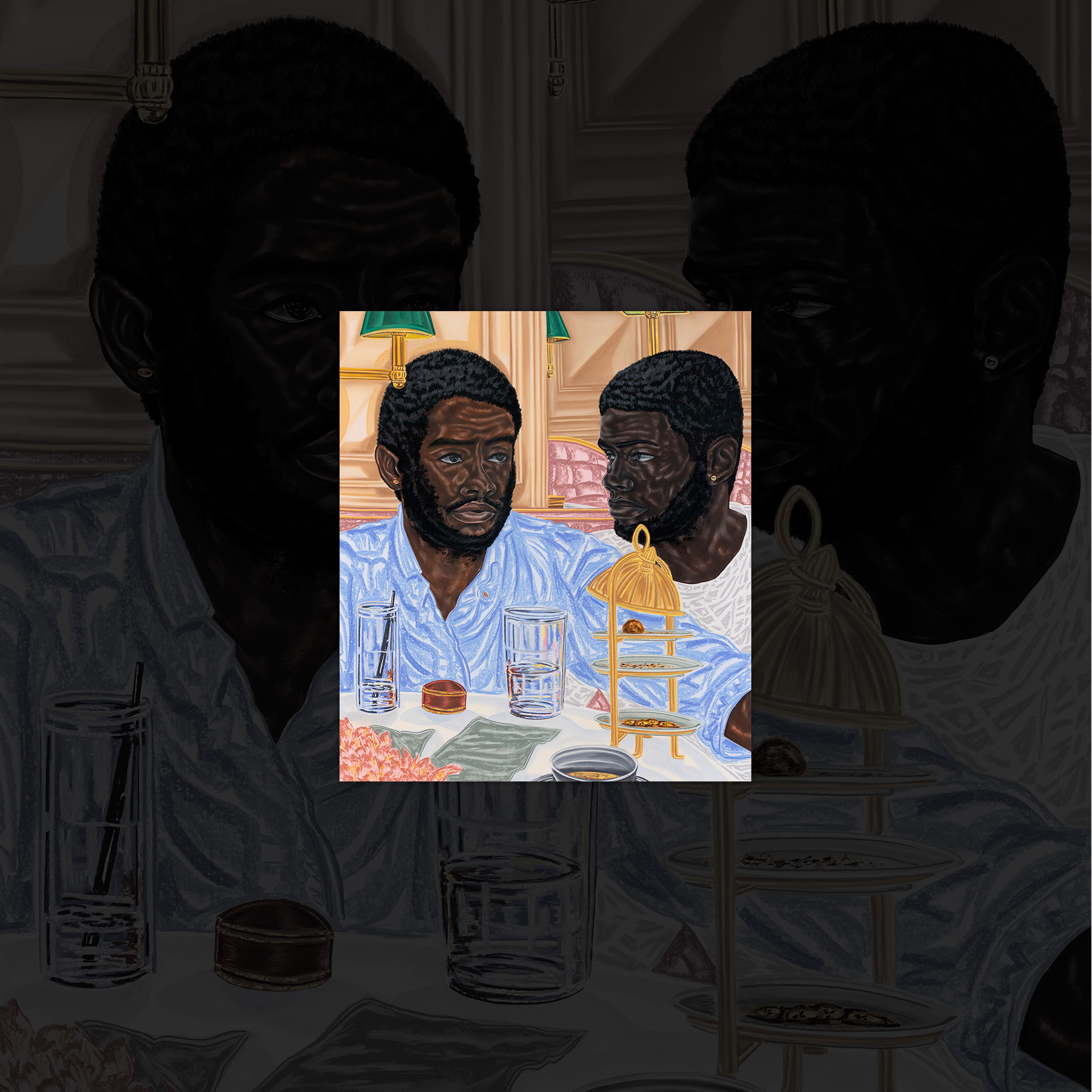
The work is more than skin deep. Yet the epidermis is important. In 2018, SCAD Museum of Art presented "Testing the Name," an exhibition of new drawings by Toyin Ojih Odutola. The exhibition continued her exploration of the merger of two fictional aristocratic Nigerian families through the marriage of two men. Working primarily in pastel on paper, Ojih Odutola constructed an episodic, virtuosic body of work. The following remarks are edited for concision from Ojih Odutola's conversation with SCAD MOA curatorial staff.

"The Proposal"

Toyin Ojih Odutola, "The Proposal," pastel, charcoal and pencil on paper, 53.5" x 47.9" x 2.5", 2017.

Courtesy of the artist and Jack Shainman Gallery, New York, New York. © Toyin Ojih Odutola.


Toyin Ojih Odutola:

"Testing the Name" is part of a larger project that I've been working on since 2016. It was predicated by the idea of analyzing and dissecting wealth through historically oppressed bodies, and having the spaces they occupy not be a factor in what they consider themselves to be. The whole experiment was to depict one family who weren't smiling for you, who didn't care about your comfort as a viewer, it was about what they chose to do.

From that, I started to hone in on the marriage of two Nigerian men, one Igbo, one Yoruba. It is illegal to be gay in Nigeria. People say, "Why would you tell this story? It's fictive!" But it could be true. It's about testing the honor of the family name. And the father is saying "The family name is not affected by this." So, you're coming into a space of acceptance, and being human, and the son's narrative is just as important as anyone else in the family. That's the core.

When I first started my career, I was working in ballpoint pen. I was engaging with not only blackness as a material, but also skin. I wanted to show an activated surface, a surface that didn't feel flattened and monolithic. Every material choice I've made since then has explored that or expanded that.

Skin is a dynamic entity. The stare that the subject gives is very direct, but the skin is unsettled and dynamic. It feels like they're breathing, that they could come to life at any moment. But their gaze is very direct, whether that's at you or somewhere else in the picture plane.

When I first came to this country, I was immediately aware of how this covering, my epidermis, read before I entered a room. It was somehow a cloud or a front that people would engage with before even speaking to me, before they got to know me. And that fascinated me as a kid, because I am a person. There are contradictions about me, there are a lot of things that come together to make me, and it can't just be one thing. I can't be one person based on an epidermis. So, I play on skin as one way to push against that idea of what we presume to be a person.

My advice for students is stay hungry. The thing that always drove me is that I was hungry, not just for respect and recognition, but to draw. There's a certain compulsion you have to have. There were times when I was in my apartment in Alabama, and I didn't know what my drawings were, but I loved them so much, because I thought: I just want to see this for me. That can be so powerful. And if you hold on to that, whatever comes will come. You have to be satisfied with your mark.


Toyin Ojih Odutola.


Rashad Doucet: Reading Creatively

July
8
2020
By
Tags:

"My goal as an artist is to make something universal everyone can enjoy," says sequential art professor Rashad Doucet (M.F.A., sequential art, 2009). An Eisner Award winner, Doucet has worked with LucasArts, Nickelodeon, Cartoon Network, and Zuda Comics. His new projects include Alabaster Shadows (Oni Press), a book about an African-American kid facing mysteries in his new town involving H.P. Lovecraft-inspired monsters, and Jeremiah Justice Saves The Day, a children's picture book celebrating a special needs superhero. As an artist, Rashad always delivers diversity, inclusion, and fun. So, what's he reading this summer that’s bringing him joy?

Gene Luen Yang and Gurihiru, Superman Smashes the Klan (DC Comics, 2019): "A comic based on a 1940s radio serial that responded to the rise of the KKK after WW2. The radio series played a huge role in discrediting the Klan in pop culture. The graphic novel adapts it from the perspective of an immigrant family meeting Superman and running into trouble with their new neighbors. It explores racial and cultural issues from different perspectives while still being a classic superhero tale."

Kat Leyh, SnapDragon (First Second, 2020): "This graphic novel deals positively with issues kids are facing today. A child of mixed race growing up in a small town befriends the rumored local "witch" and discovers a good bit about herself, her family's past, and the world around her. The story has a great twist mid-way through."

Jason Aaron, Russell Dauterman and Matt Wilson, The Mighty Thor Volume 1: Thunder in Her Veins (Marvel, 2017): "The story of how cancer patient Dr. Jane Foster became the new Thor (Natalie Portman will play this character in an upcoming movie). Deals with a hero who balances a very serious illness while still finding time to save the world and deal with legacy of being Thor."

Mark Waid and Alex Ross, Kingdom Come (DC Comics, 2019): "A beautiful painted superhero comic that explores what happens when Superman, Batman, and Wonder Woman have retired in old age but have to return due to the rise of new heroes who may have gone too far. It shows how the weight of being icons has a heavy effect on their personal lives, especially after decades of doing it."

Saladin Ahmed, Javier Guerron, and David Curiel, Miles Morales Vol. 1: Straight Out Of Brooklyn (Marvel, 2019): "For fans of the Spiderverse movie who want to see how a slightly older Miles Morales handles the balance of being a hero and teenager, try this fun romp showcasing more of the character we all loved from the movie."

Mariko Tamaki, Laura Dean Keeps Breaking Up With Me (First Second Books, 2019): "A teenager wrestles with leaving her on-and-off unhealthy relationship with her girlfriend behind while realizing that she may not have been supportive enough for one of her best friends because of it. The artwork is atmospherically stunning with a limited color palette that really fits the story."

Rashad Doucet's Alabaster Shadows

Be sure to check out Matt Gardner and Rashad Doucet's Alabaster Shadows!


Enya's themed entertainment journey

June
30
2020
By
Tags:

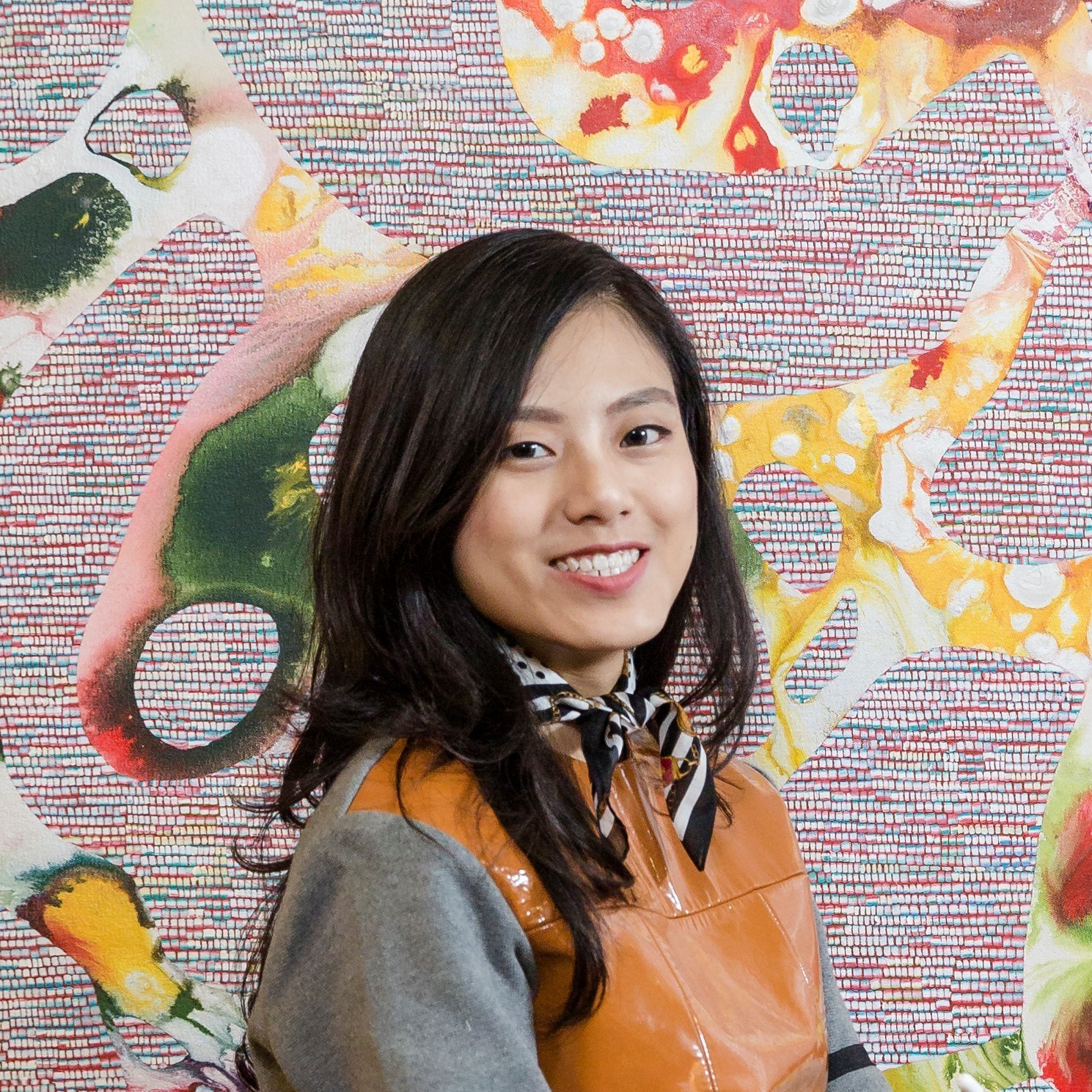
Yun Enya Huang (M.F.A., themed entertainment design) is, in her own words, an "emotional journey designer." Merging attraction design, themed interior design, and project management, she strives to create "happiness and memories for people individually, as well as with their families and friends." From Foshan, China, Enya's ride is ongoing.

Yun Enya Huang:

I'm in my second year in the themed entertainment design (THED) graduate program at SCAD. Since I began this journey, I have had internship experiences with both Walt Disney Imagineering and Universal Creative, and my appetite for this amazing field continues to grow. While my path towards my goal hasn't been straightforward, my focus on education and networking has been fruitful. It's like a "dark ride" at a theme park. There are unexpected but exciting moments.

At SCAD I've been fortunate to learn from two THED legends: professors George Head and Mike Devine. During an intro class with professor Head, a former Walt Disney Imagineer, I fell in love with guiding audiences through narrative spaces and creating experiences that impact guests not only in theme parks during the experience, but in daily life after the experience. To design and innovate spaces and experiences, how fun!

My class with professor Devine was about designing haunted houses. Before the class, I was scared of horror movies and haunted houses. Once the project kicked off, I started to learn the psychology behind building peak moments and how to design sound, lighting, and special effects to create thrilling experiences.

I'm taking an unusual path in my career preparation, taking several quarters away from SCAD to complete professional internships. I am currently interning with Universal Creative as show set designer for attractions and area development. When I graduate, it will have taken about four years to earn my master's degree, but I'll have over 18 months of valuable work experience.

As a young international professional, collaboration and communication are part of my essential skill. When I join a team that doesn't have a themed entertainment background, I serve as leading designer as well as an "educator" of the THED mindset for both teammates and client. Significant work goes towards coordination and translation across multiple time zones. My goal is to present myself as a professional and communicate confidence.

During this global pandemic, I am learning from the challenges by taking the initiative and being self-reliant. At the same time, the circumstances present me an opportunity for growth, as more and more collaborative projects across time zones and countries are happening.

As my "dark ride" continues, I have written a few suggestions for fellow SCAD students on how to take advantage of the opportunities available to you.

  1. Expand your curriculum as much as possible. When I took an elective sound design class, it opened a new world of the aesthetics of sound that I am able to apply to my work in themed entertainment.
  2. Work on projects outside of class so your portfolio and resume stand out. One of the projects I am often asked about in interviews is my volunteering for TEDxSavannah doing set design.
  3. Craft your story and link it to your portfolio. I consistently consult with my SCAD Career Adviser and visit the Writers' Studio at Jen Library for help with pitching, mock interviews, and honing my portfolio and artist statement.
  4. Maximize your resources and cultivate connections. TEA and TEA NextGen are great platforms to meet people in different professions and begin networking in this industry. I try to attend IAAPA Orlando every year; it's the best way to keep track of new trends with the industry, as well as vendors in different areas
  5. Be brave! Know that the journey will always move you forward.

portrait of yun enya huang

See more of Enya's work at her website.

A version of this article first appeared in InPark Magazine.

Photo: Dylan Wilson.

"Say His Name"

June
29
2020
By
Tags:

A city populated by protesters rises from a tear-streaked face. In the background, Stars and Stripes bears the message: "AMERICA, GOD BLESS YOU IF IT'S GOOD TO YAH."

"Say His Name" is an acrylic-on-canvas painting by Mickey Demas (B.F.A., industrial design, 2020) commissioned by BET. Demas, a graduate of St. John's College High School in Washington, D.C., has created a powerfully resonant work of art in a time of uncertainty and change. As the artist says: "I want my portrait of George Floyd to emphasize his humanity."
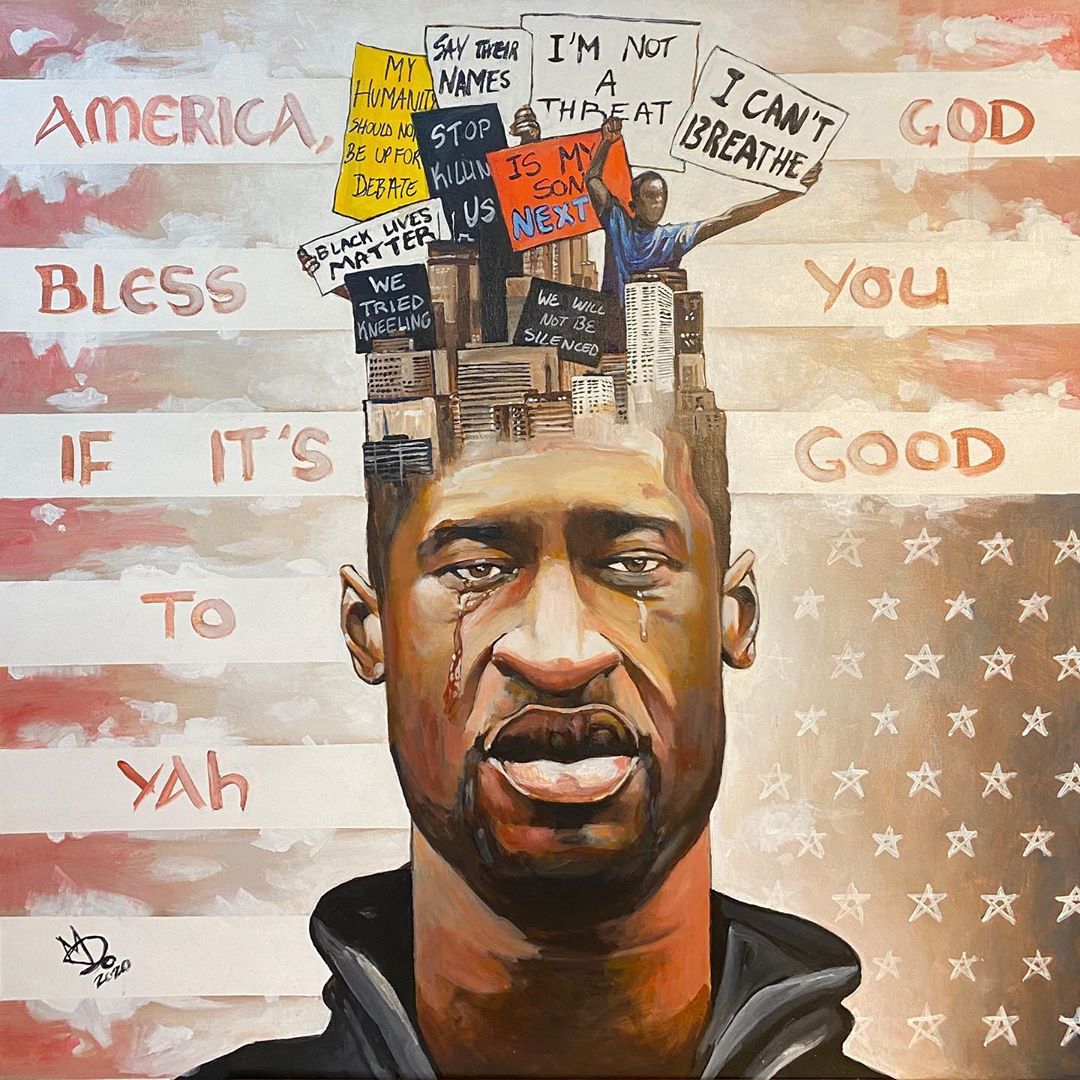
Mickey Demas, “SAY HIS NAME,“ acrylic on canvas, 2020.

Mickey Demas, “SAY HIS NAME,“ acrylic on canvas, 2020.

Mickey Demas:

I'm a Black woman, yes, and I'm a Black person of privilege. I always thought that living in a certain type of house or getting a certain type of education exempted me from police brutality. But as I see these cases and see the people around me crying out, I realize that's not the case.

The opportunity to create this painting for BET came at the right time. It gave me a sense of purpose, as the protests over the death of George Floyd coincide with a lonely feeling that comes from being stuck inside so long.

BET wanted an image that would resonate on social media. I already had an artwork I'd created called "City of Doubt" which shows a woman with a city growing out of her head. BET suggested using that painting as an inspiration for a portrait of George Floyd.

I went to a protest here in my hometown, Burtonsville, Maryland. As we were marching to music, Kendrick Lamar's "Humble" came on. I thought back to Kendrick's performance at the Grammy Awards that began with his lyric "America, God bless you if it's good to you." Kendrick had a flag flying in the background, and I wanted to use that visual in my painting as well.

When a soldier's in distress, they fly the flag upside down. As Black people, we are in distress. I wanted to convey the message of pain. Placing the flag upside down does not imply I don't love this country. But until I feel our humanity is acknowledged by everyone, I must fly it upside down.

I've been painting my whole life. At SCAD, majoring in industrial design became the bridge for all my artistic passions. I think the job of all designers is to improve the standard of living. Most designs are geared towards people of means who look a certain way. So, the real job of design is to create equity and open up conversations that may make people uncomfortable, but will ultimately generate understanding.

Professor Jr Neville Songwe was my favorite industrial design teacher at SCAD. I'd never seen a Black industrial designer before, but it's not just that. He was a professor who, if I didn't get something right, would say, let's sit down and go over this. It was never about an easy way out. He said, if learning isn't going on, then I'm not doing my job. In his class, I created a design for a staple gun that I used as part of an application for a job with Stanley Black & Decker.

At SCAD, I was a member of the Black Student Association. It was the first time where I saw a black students association where the vice president was white. That's progress. SCAD BSA is a fun place to see friends and work on projects together, share ideas and how they relate to our culture. Sometimes I'd bring people to our Sunday meetings who'd never been to BSA. It's always great when new people come, and they see how welcome they are, which means they are welcome to challenge us and ask us questions.

I've received a lot of love regarding "Say His Name" from friends, family, and classmates, some of whom I hadn't heard from in years. Messages of love from people I don't know too. It gives me hope.
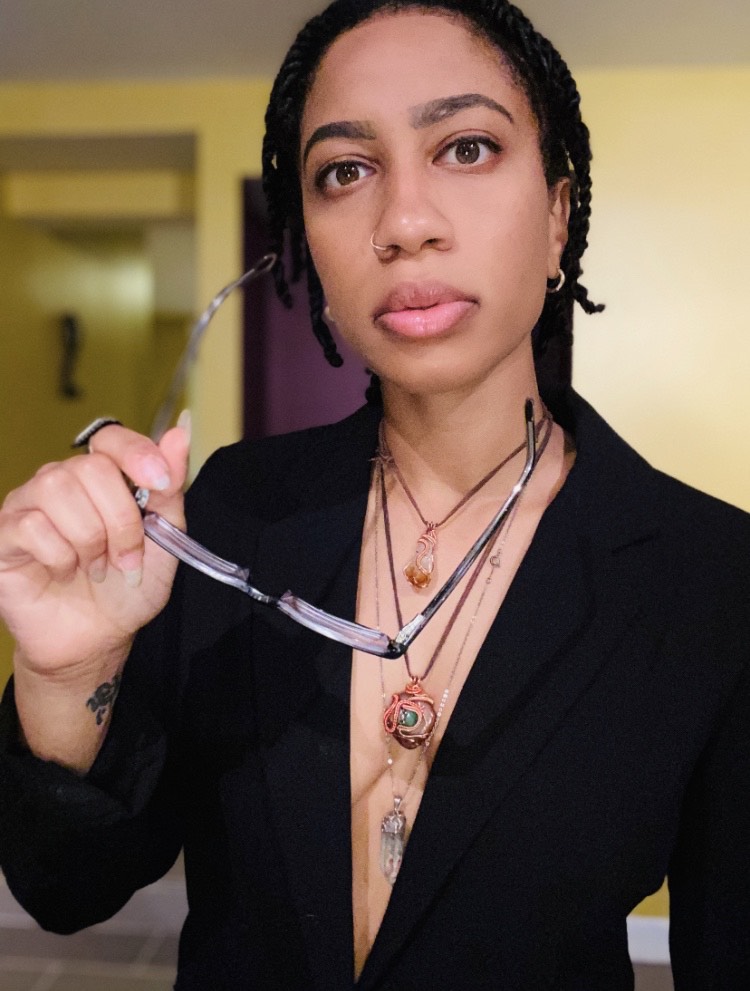
Mickey Demas

More Mickey: MAHD DESIGN.