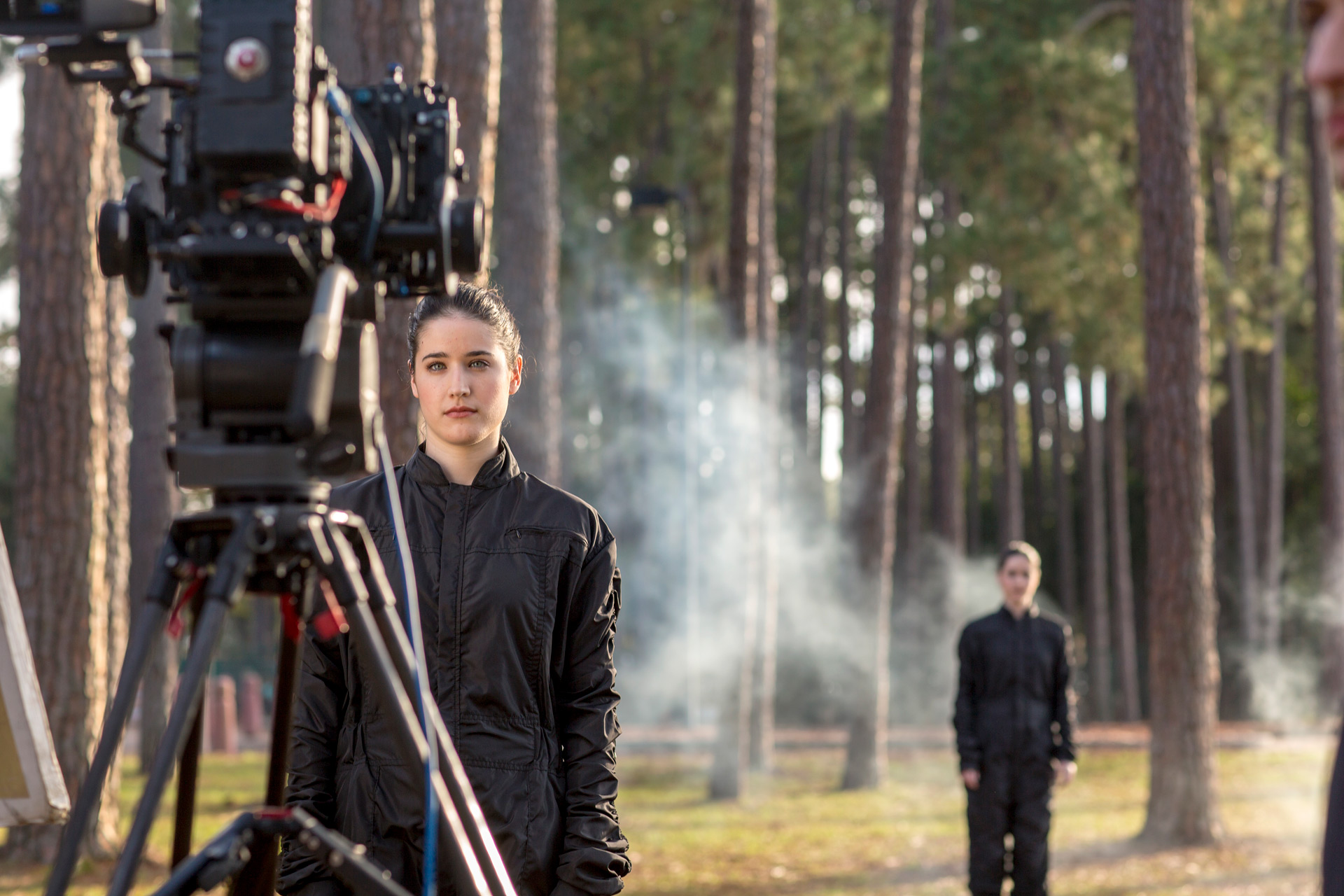
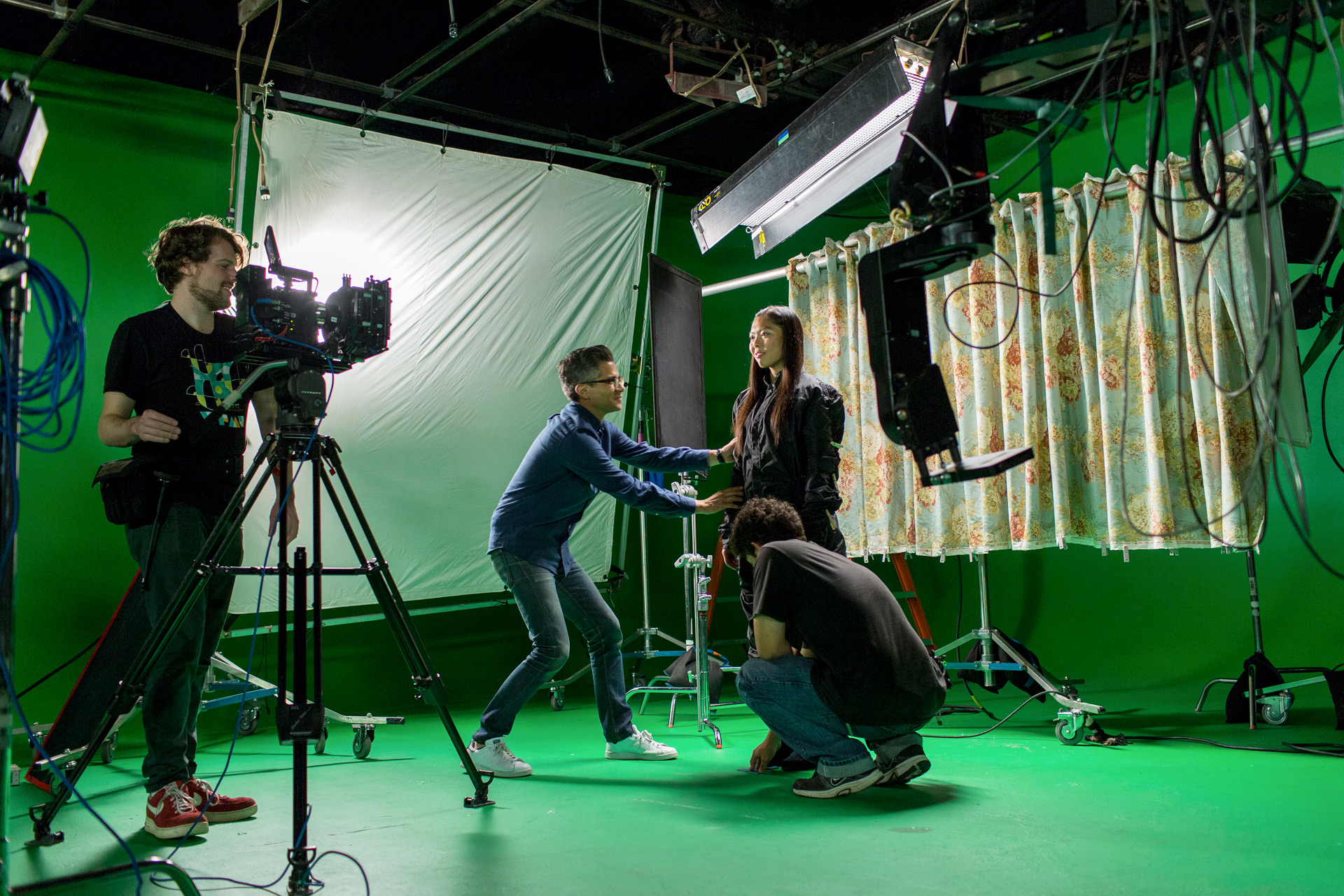
Director Greg Brunkalla (B.F.A., video/film, 2001) belongs to the triumvirate of artists whose work comprises the Savannah College of Art and Design exhibition, i feel ya (Dec. 3 – 14 at Mana Miami). André 3000 Benjamin’s signature jumpsuits, worn during Outkast’s 20th anniversary reunion tour, anchor the exhibit and inspired Greg’s film, Trumpets. Accentuating both Trumpets and the jumpsuits are Jimmy O’Neal’s (B.F.A., illustration, 1989) oversized mirrored paintings.
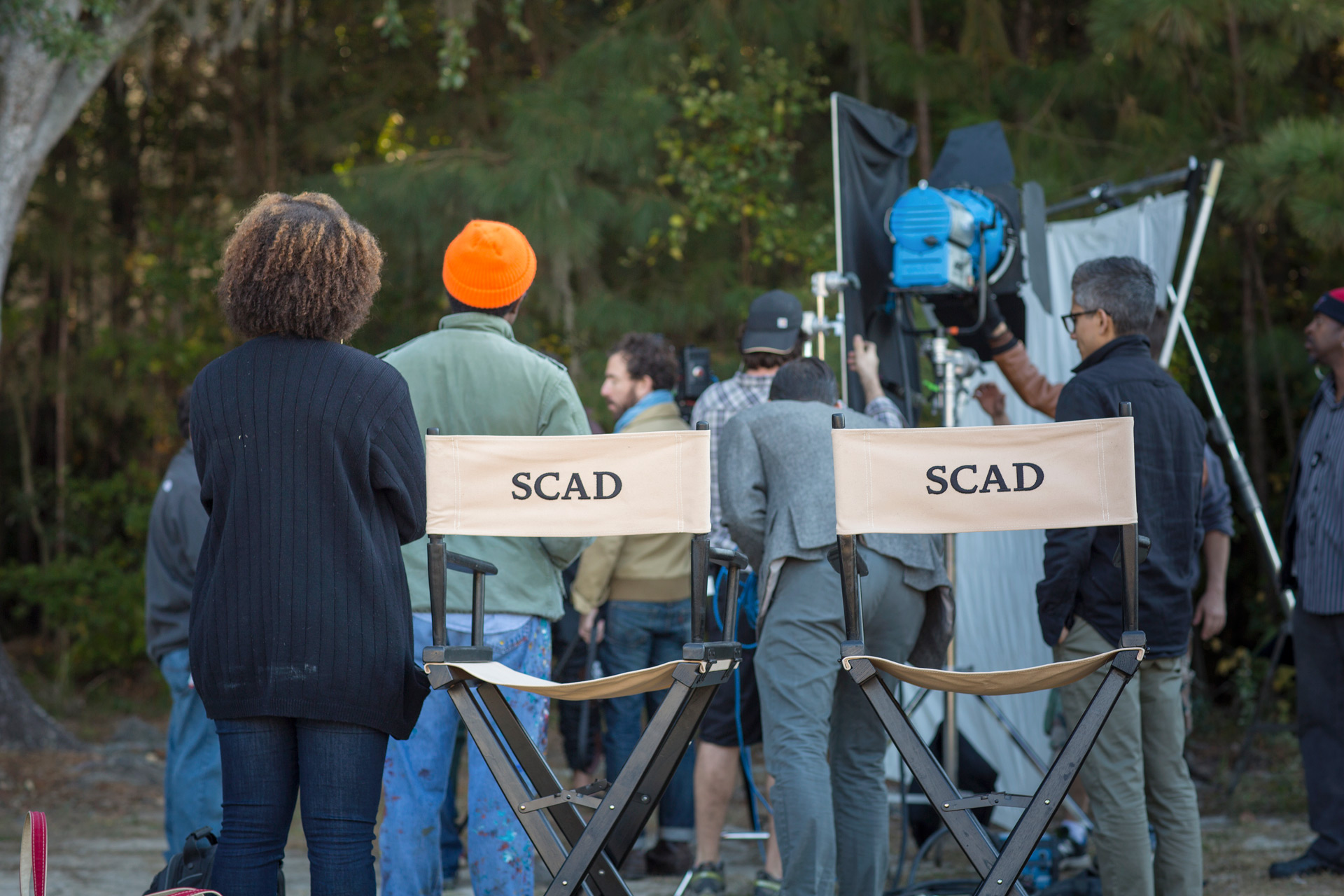
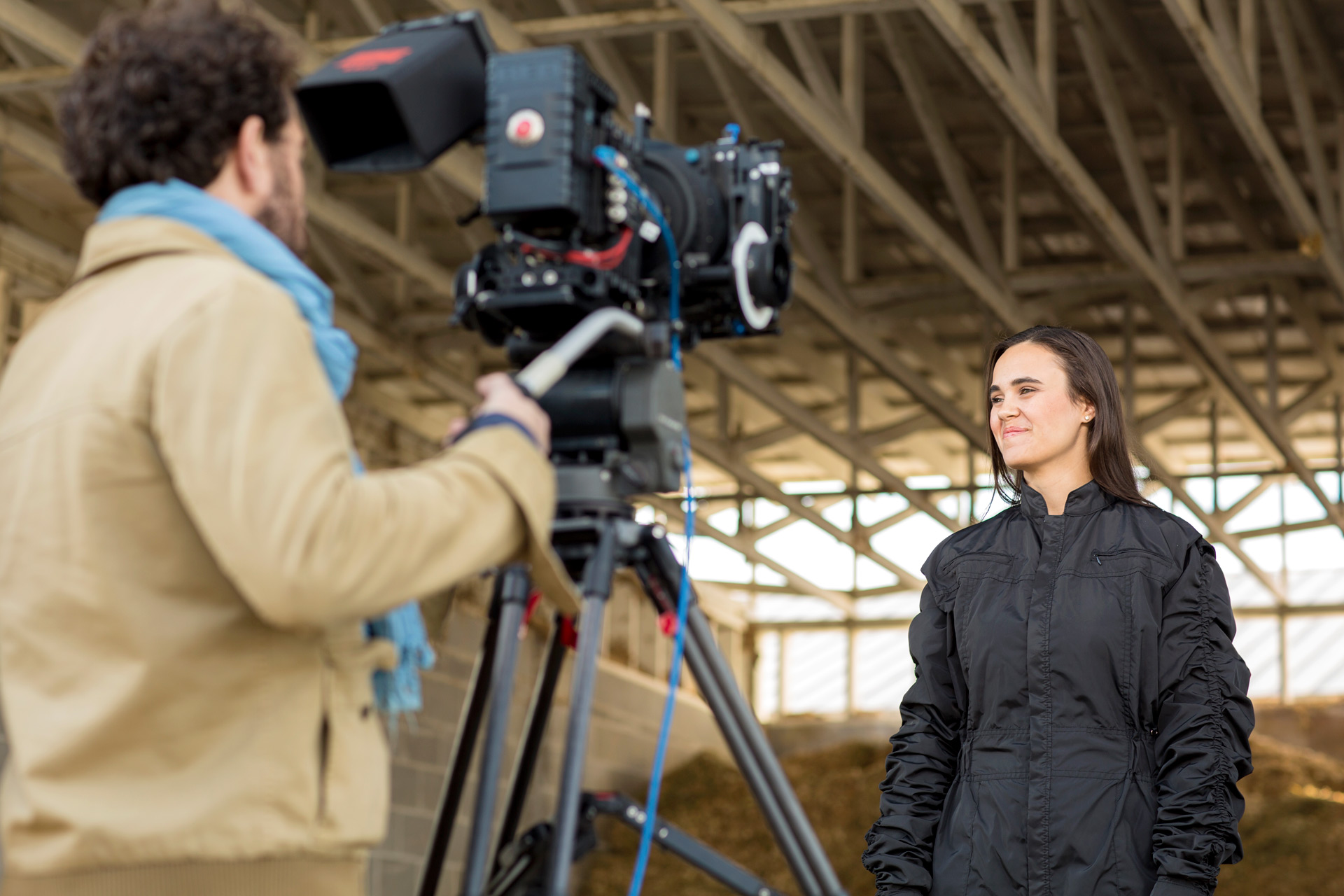
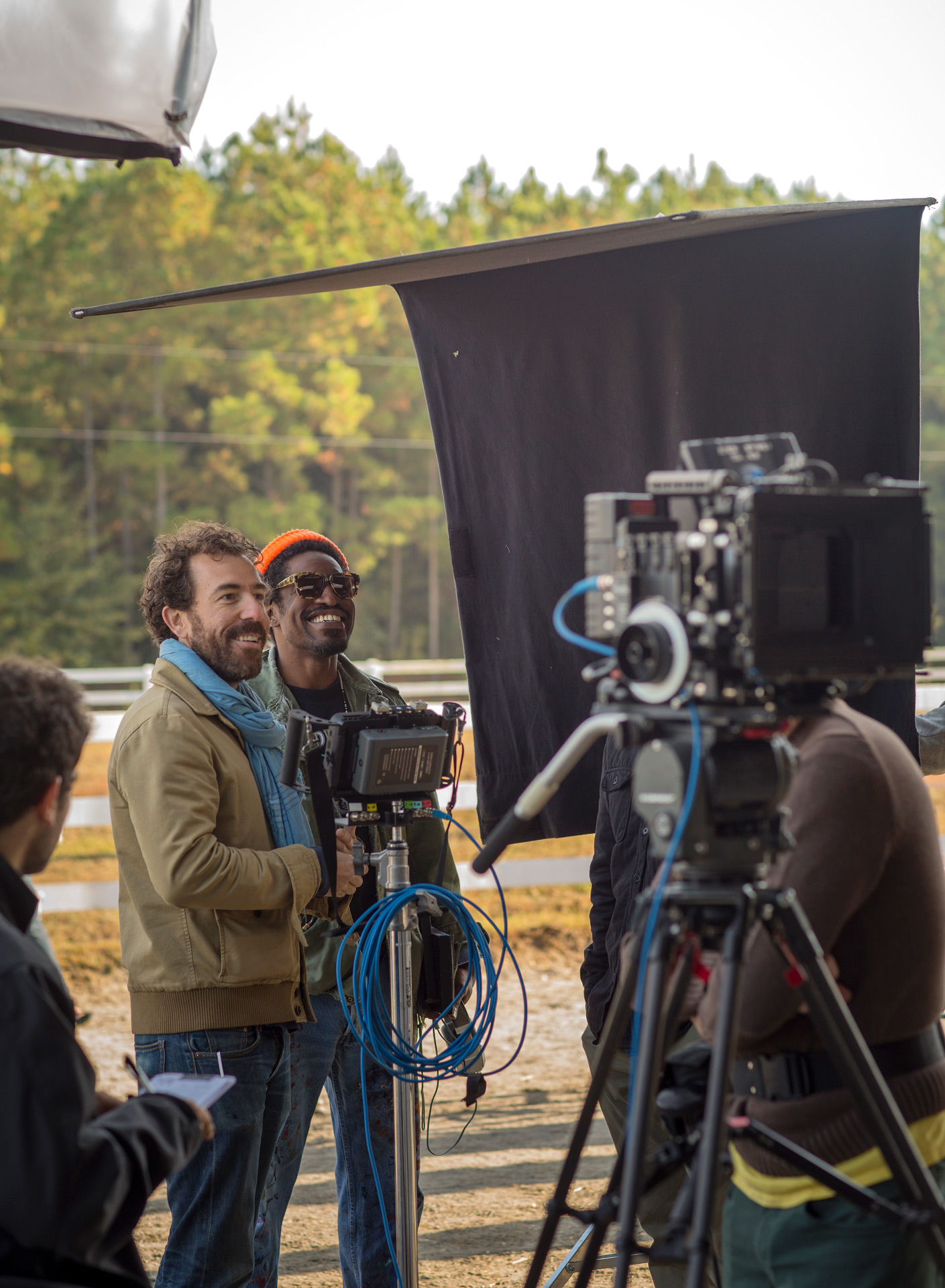
To make the film, Greg, his crew, SCAD students and André traveled to a dozen locations in and around Savannah. Here’s Greg on the organic evolution of Trumpets and working with André. Their collaboration and mutual respect illuminate the meaning behind the exhibition’s title, i feel ya.
Thread: This will be your first time exhibiting in Miami during Art Basel. Congratulations. Any thoughts on being able to show your work in this environment?
Greg Brunkalla: I’m all about having an audience for my work, so the more people that get to see this, the happier I’ll be. I’m thankful for the team that made it all happen and hopefully everyone will get a chance to see the finished product.
T: Describe your approach to filmmaking. How did your education at SCAD contribute to it?
GB: To me, SCAD represents what an artist should represent – skill and individuality. While I looked at other film schools, what stood out to me at SCAD was that it felt unique. It has all the right tools and is in an environment and landscape you can’t get anywhere else.
T: You mentioned that you jumped to do this film because it’s atypical. What’s different about it? What attracted you to the i feel ya project?
GB: As if working with André wasn’t enough of a selling point. Initially, the door was wide open to what this film could actually be. André had some thoughts, but he was completely open to anything and everything – that’s attractive to me. Being able to show a film in a gallery environment is not something I get to do often, so that was also a huge incentive. Being able to come back to SCAD and utilize their resources and the students was an incentive as well.
T: How did you come up with Trumpets as a cinematic extension of André's jumpsuits?
GB: André’s statements or thoughts are literally words screen-printed onto jumpsuits. Every night he performed wearing a different jumpsuit displaying a different statement across the chest. So the jumpsuit was the medium for the message. I thought a lot about how to translate that relationship to film. I asked: “How do you put words over picture as a separate element?” That’s when I decided that I wanted to use old fashioned slide projectors to project the messages over images. I also think a lot about my audience and there should be a reason this is in a gallery. The slide projector brings the process into the space as opposed to just screening a film.
T: Watching the jumpsuits in the film versus watching André in them on stage are two different experiences. What do you hope audiences will take away from your contribution to the exhibit?
GB: The film is not supposed to represent anything close to André’s performance. If anything that’s the main difference.
The jumpsuits and their messages are the common thread. I’m hoping that people observe how a message’s meaning can change, or at least feel different, depending on its context.
T: What’s it like collaborating with an artist like André? Do you have any anecdotes from production about matching up artistic visions?
GB: André and I talked several times before the final idea came to be.
The first thing I felt from André was an appreciation and respect for my work and I hope he felt that tenfold from me. He’s known as a musician, but the feeling I get from him is that his creativity is boundless.
Throughout the process I wanted to respect André’s initial vision and approach, while still creating something that felt like it came from me. He was involved throughout the entire process, but ultimately he let me do my thing.
T: What was the mood on the set?
GB: I wish all my sets were like this. The mood was relaxed enough to keep the ideas flowing, and buttoned-up enough to get all of the locations and shots we needed.
T: What did being in the familiar setting of Savannah and in the company of fellow SCAD students and alumni lend to the process?
GB: Savannah has a landscape you just can’t find anywhere else, so we embraced it. Having passionate students and alumni around to make things happen made things even better. Filmmaking is a team sport and there’s nothing better than having people show up that want to be there, and that’s how it felt working with SCAD.
T: Which was your favorite shot to direct?
GB: I think my favorite shot was in front of the forest with the smoke machine. We were trying to use it to create a little atmosphere, but it ended up just looking like a fire was starting, so we embraced it. I liked shooting on the beach too, but those sand gnats totally killed the vibe.
T: Would you recommend that young filmmakers and artists in general take on projects like this to stretch themselves creatively or experiment with various platforms?
GB: It definitely doesn’t hurt. You learn something on every project – something about the process and something about yourself. I’ll never be the same after this one (in a good way).
T: Why do you think cross-platform and trans genre collaborations are especially important for artists to participate in right now?
GB: Honestly, André has the spotlight here and he’s cool enough to share a piece of it. My hat is off to him.
I think the most creative people around are the people that can see things in other people that others can’t.
When we first started talking André said something like, “I wanna be on set so you can teach me how it works.” I’m not sure if he learned anything, but we had a good time.
There are so many platforms out there to show and absorb content, the more we can collaborate, the more we can share, the more we can learn.
T: Describe working in SCAD’s Savannah Film Studios. How do you think it will help prepare current film and television students to be ready to work in the industry?
GB: Okay the first time I walked into that building, I knew we were off to a good start. The facilities there were on par with or better than many professional places I’ve worked in. My advice to students, use it like it’s yours!
T: What other projects do you have in the works?
GB: Besides trying to lock in a feature film, I just finished up a documentary short commissioned by Vimeo about the colorblind cyborg, Neil Harbisson.
T: Name your favorite cross-platform or creative collaboration, be it musical or visual.
GB: Well, I haven’t seen it yet, but I have tickets and couldn’t be more excited. Mica Levi is conducting her score to Under the Skin (directed by Jonathan Glazer) with a live orchestra in January.
Hear more from Greg and André during the panel discussion on Dec. 3 at Mana Miami. We'll post the entire conversation immediately following the event here on the blog.
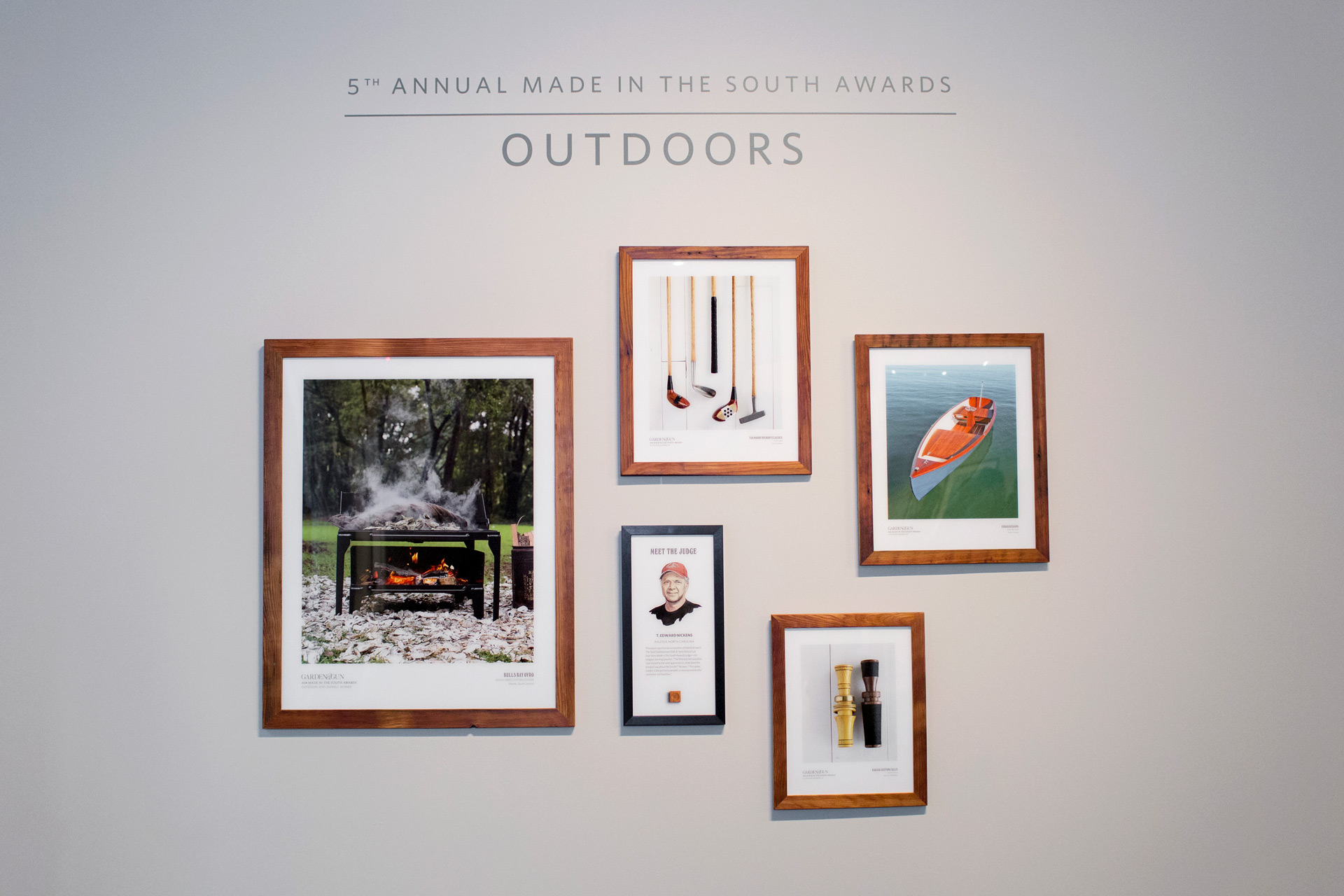
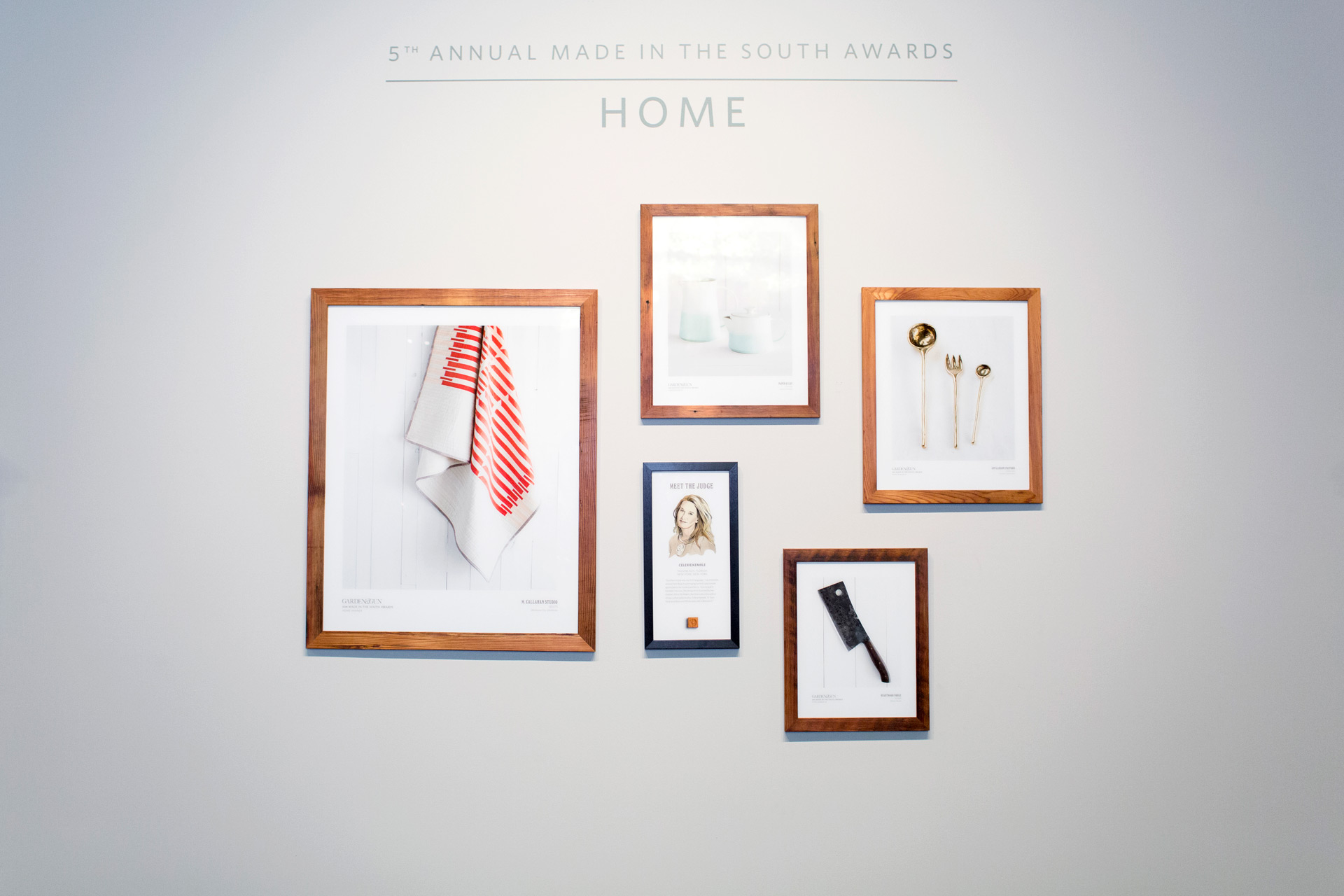
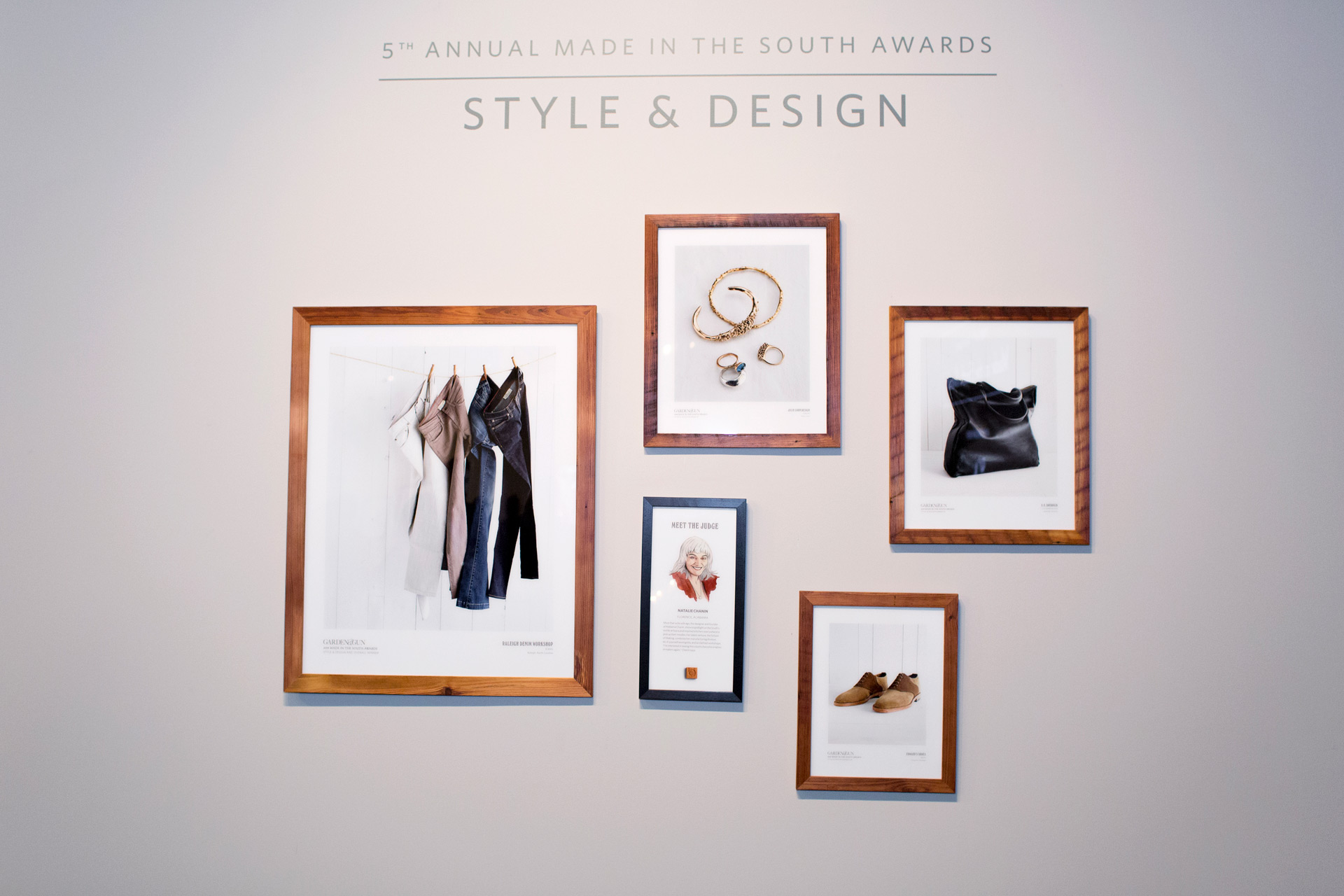
The fifth installment of Garden & Gun’sMade in the South Awards issue is on newsstands. Who better to partner with to honor regional artisans than Savannah College of Art and Design, a clearinghouse of emerging makers? Before they were announced, this year’s Made in the South trophy-takers in the categories of Outdoor, Food, Home, Drink and Style & Design were celebrated at SCAD. Below are a few of our own Made in the South stars who got their start in SCAD classrooms.
Groovebox by Eric Green
Made In: Savannah, GA and San Luis Obispo, CA
Est.: Launching Spring 2015
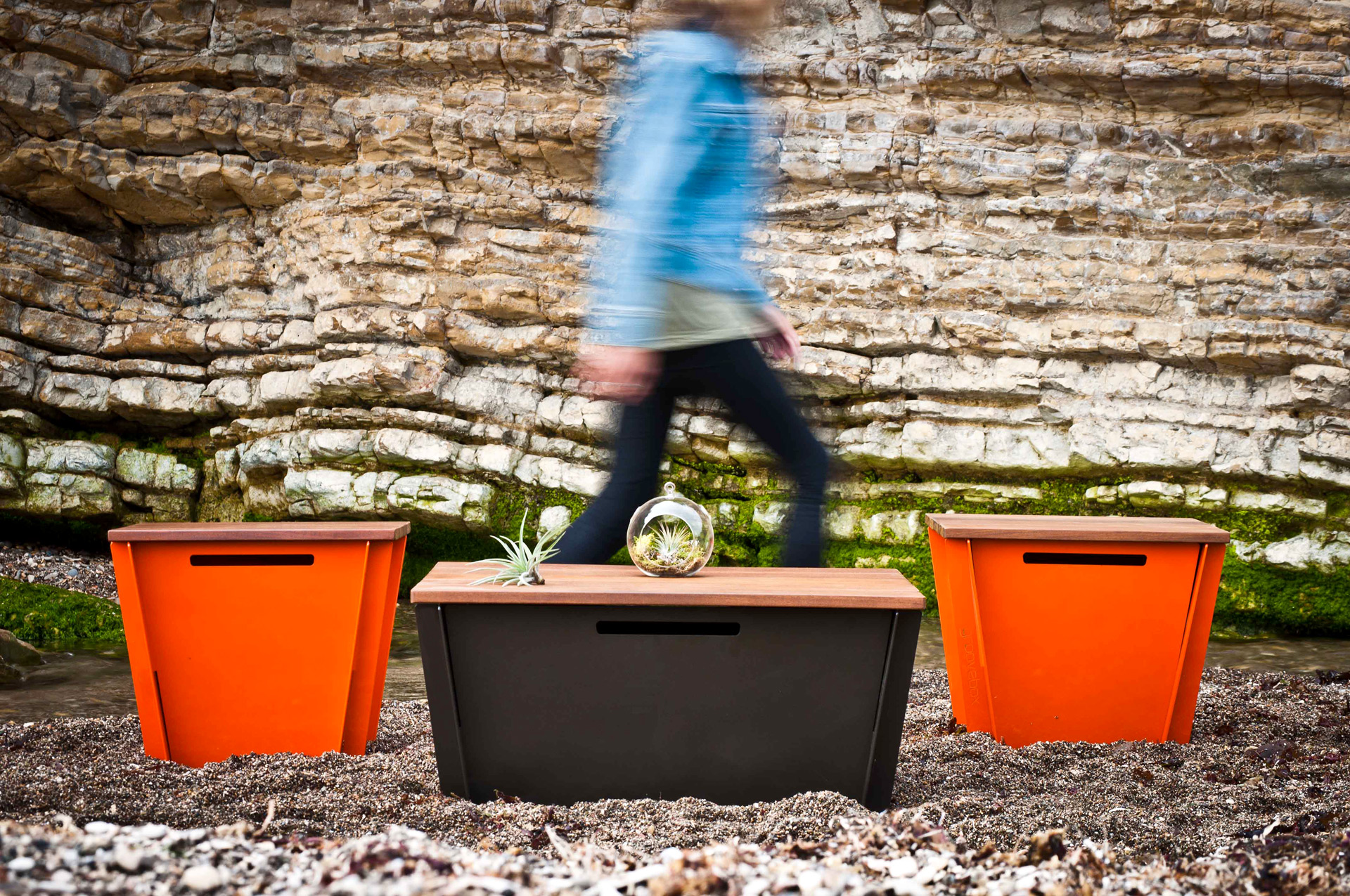
Price: Dependent on product/size When SCAD was building its experimental micro-house community, SCADpad®, it needed a solution for the community garden and found it in Eric Green’s (M.F.A., design management) Groovebox. The modular planters fulfilled the mandate for a sustainable, adaptable design. The transformer of indoor-outdoor furniture, all pieces in the collection - planters, table, fire pit and stool – come flat-packed for snappy assembly. Eric’s user-centered design approach recently caught the attention of TED Talks organizers who invited him to furnish the outdoor spaces of their annual event in Vancouver, BC.
Q’wik 15 by John Gray Parker
Made In: Savannah, GA
Est.: Coming soon
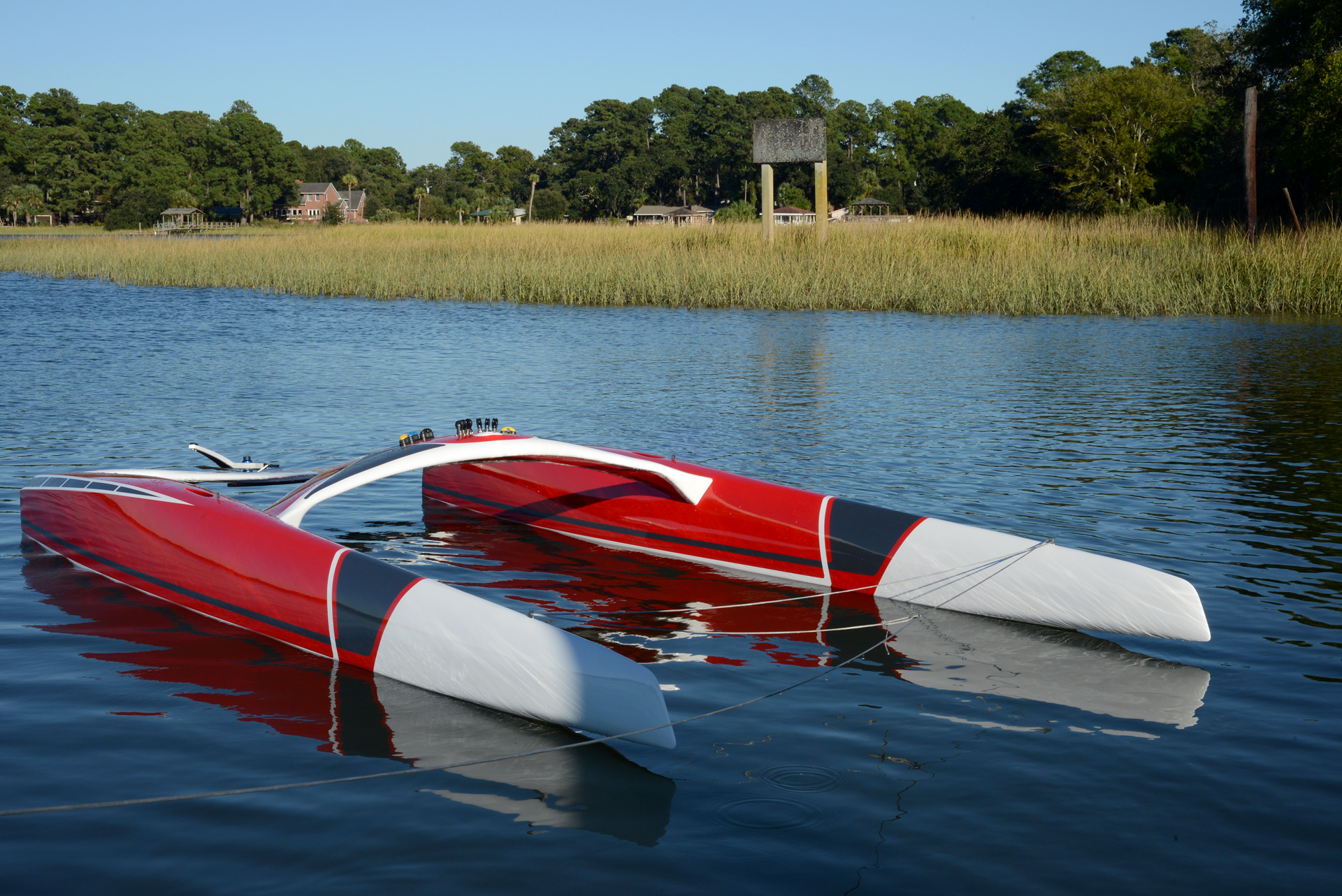
Price: $10,000 for one deck and two hulls John Gray’s (M.A., industrial design; M.F.A., service design) passion for sailing and certification as a US Sailing Level 1 instructor is reflected in Q’wik 15, a modular catamaran boating system for junior sailors. The ultimate racing boat is easy to learn, but complex enough to build skills. And it’s versatile. Q’wik 15 can transition from high-performance powerboat to sailboat and rowboat, adding value for families making a life-long investment in the sport. A model of Q’wik 15 turned heads at IBEX, even before John Gray built the full-scale prototype with help from SCAD’s marine design students. Q’wik 15 will have the rare distinction of fostering both promising young designers and sailors.
Frannie’s Gluten Free Muffins by Frances Shaw
Made In: Atlanta, GA
Est.: 2010
Price: $6.49 for the 4pk
Non-GMO organic fruits, veggies, eggs and coconut oil are among the ingredients in Frances Shaw’s muffins. But it’s what’s not included that makes her products a staple in the natural foods section of 200 Kroger stores. Frances didn’t partner with certified gluten-free bakery Pure Knead to be hip, she did so out of necessity. Celiac Disease forced Frances to leave SCAD during her senior year, seven credits shy of earning her degree. But she turned a set back into a line of baked goods that are safe for people with most major food allergies. Natasha Sokulski (B.F.A., advertising; B.F.A., graphic design, 2011) designed the packaging and branding.
Folk Fibers by Maura Ambrose
Made In: Austin, TX
Est.: 2011
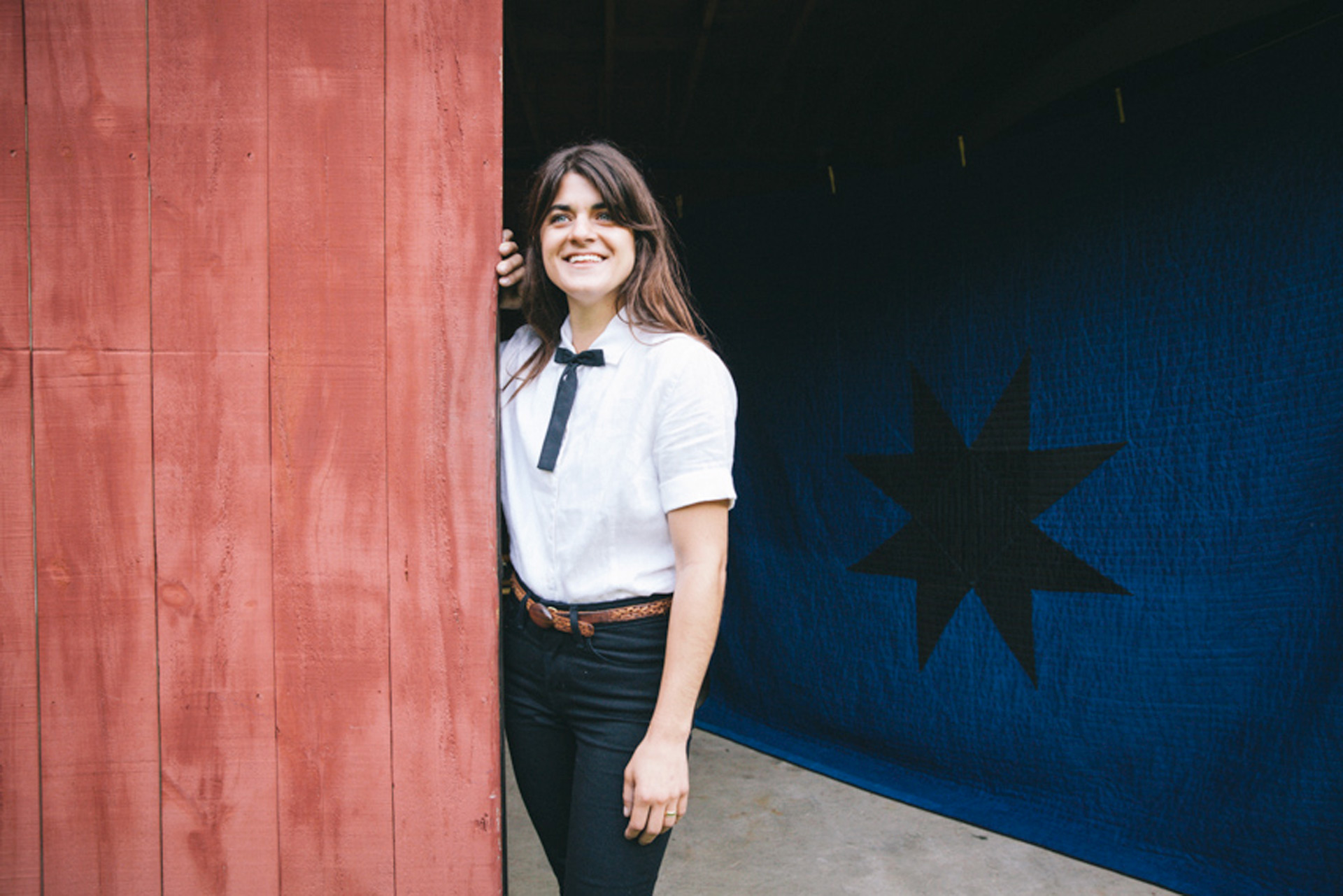
Price: $3,900 for Indiana quilt shown Maura Ambrose’s (B.F.A., fibers, 2006) Folk Fibers was born from a love of farming, natural dyes and quilting. Her live-off-the-land philosophy and skilled hands turn weeds like goldenrod and worn out scraps into stunning quilts that will be around long after we’re gone. Color drives Maura’s approach to her new works of art. It also might be the spark that flamed the interest of Martha Stewart and John Mayer, who tapped her to stitch the cover art for 'XO'. If your work could draw the world to wherever you were, wouldn’t you also choose to live in your own personal paradise?
Service Brewing Co. and Meredith Sutton
Made In: Savannah, GA
Est.: 2014
Price: $8.99 for the 6pk
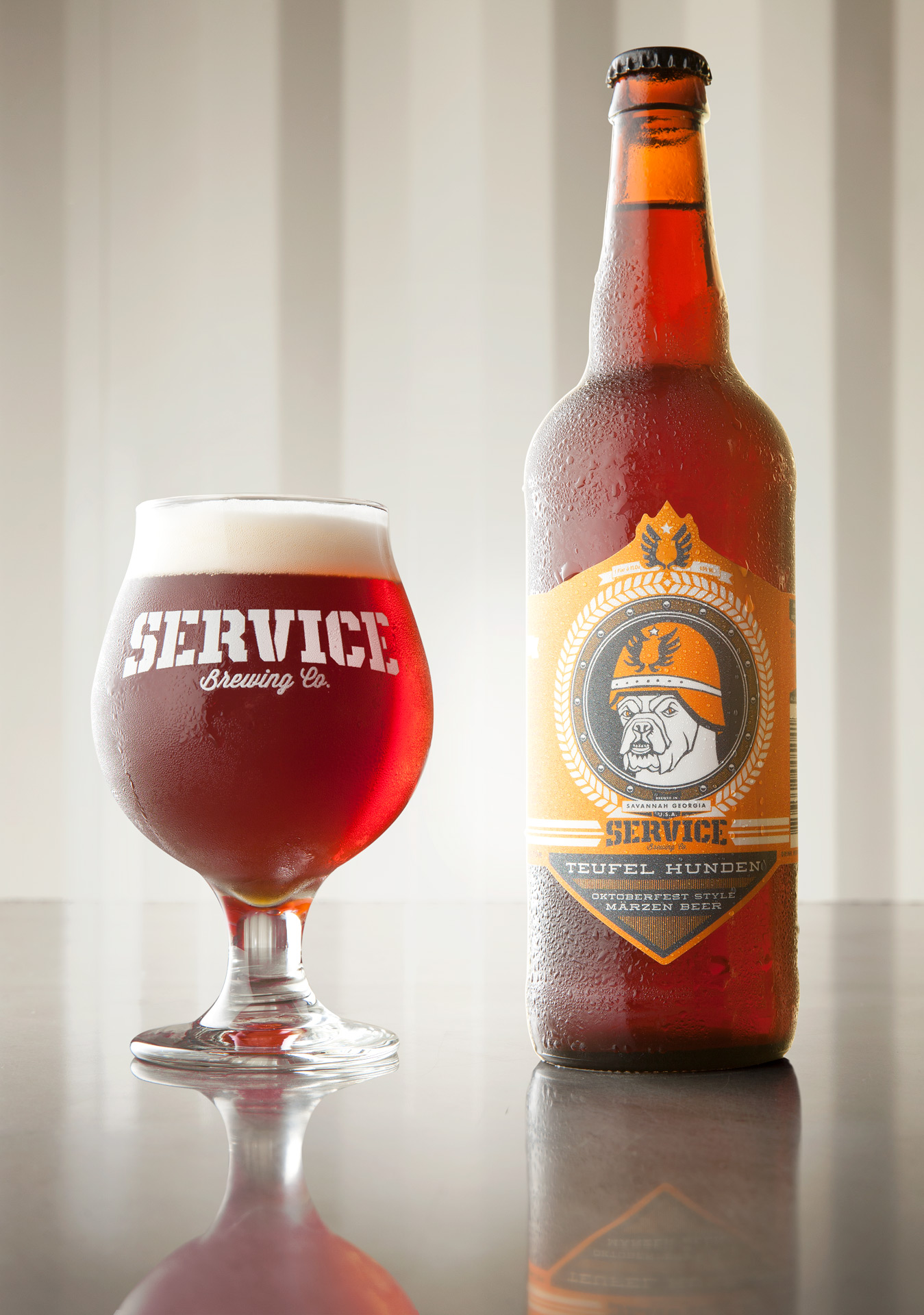
Meredith Sutton (B.F.A., metals and jewelry, 2003) didn’t know her gift of a home brewing kit to Kevin Ryan would pack such inspiration. Three years later and her office is the tasting room she designed for Service Brewing Co., a veteran owned craft brewery. Meredith presides over the creative branding for the brewery started by Kevin and Master Brewer Dan Sartin, both Army veterans. Her artistic vision is reflected in the bottles and labels, which also bear the mark of house illustrator and Army vet Katherine Sandoz (M.F.A., illustration, 1997; MF.A., painting, 2005). Meredith quite literally also creates buzz by keeping the brewery bees, whose honey fuels the fermentation process and adds local flavor to Service Brewing Cos.’s small batch brews.
Heidi Elnora
Made In: Birmingham, AL
Est.: 2006
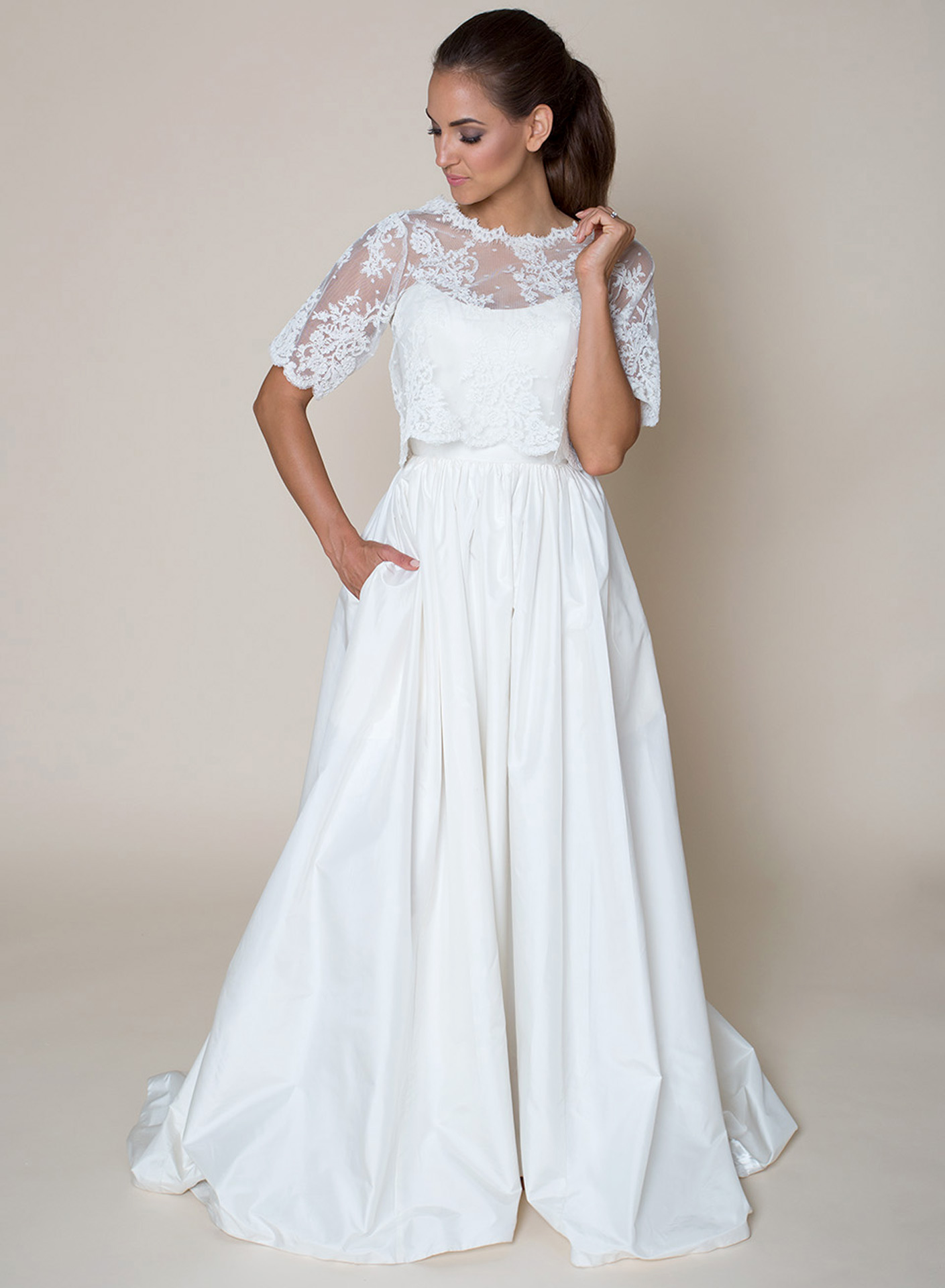
Price: $2,200 and up Heidi Baker (B.F.A., fashion, 2002) launched her bridal atelier with her signature Build-A-Bride collection, which included one simple silhouette and a dozen different trims. The permutations and combinations that brides could create were endless and so, it seems, are the customers who knock on Heidi’s door in search of a work of art to wear on their big day. Today she has three different dress collections, which can be found in more than 30 boutiques nationwide. But Heidi is most proud that every one of the trims she has designed is handmade in her home state. Previously a contestant on Project Runway, Heidi returns to television in Spring 2015 on the TLC show inspired her customizable gowns, Bride by Design.
Morgan Rhea by Morgan Richards
Made In: Charleston, W. VA
Est.: 2014
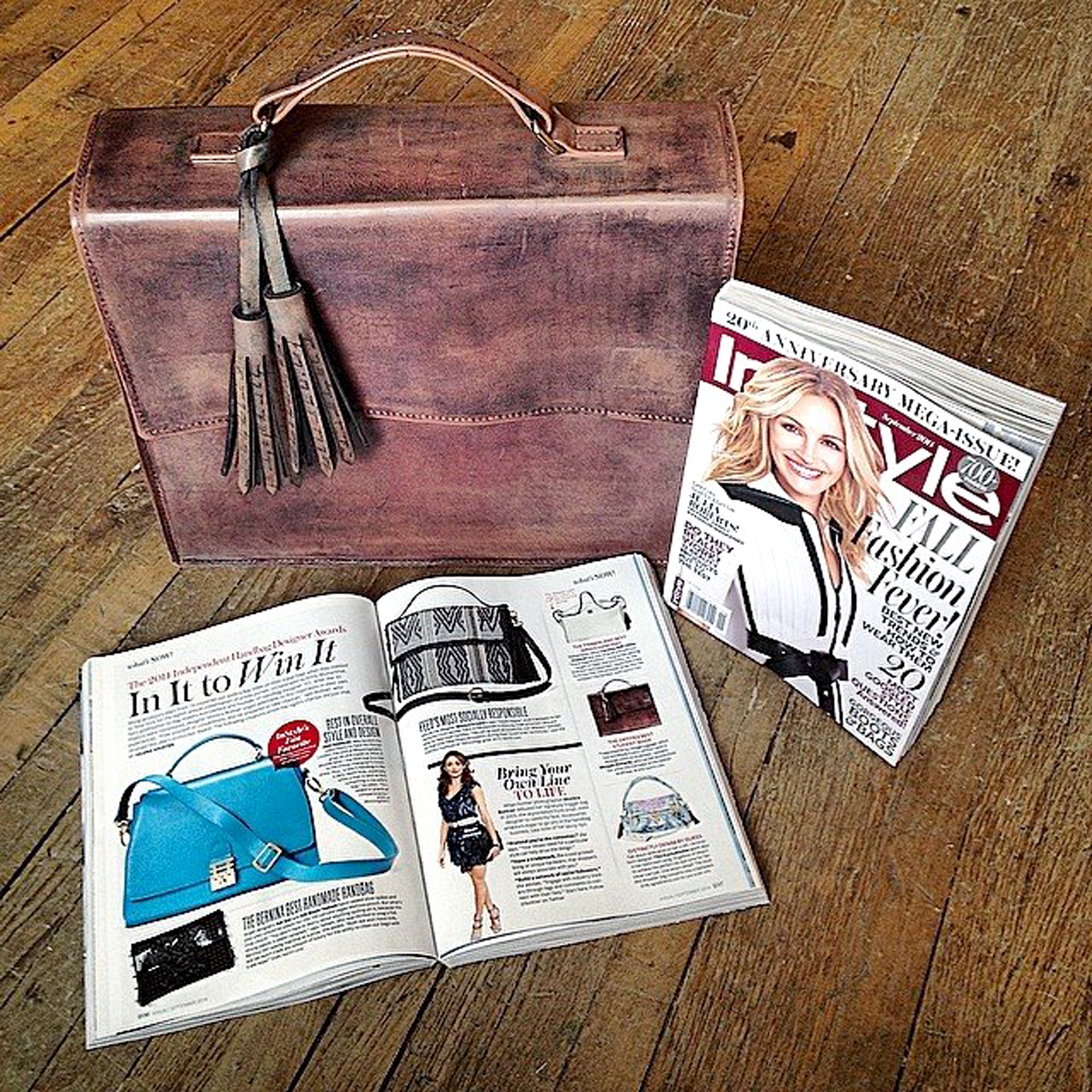
Price: $2,500 The “Silently Speaking Gratitude" collection by Morgan Richards (B.F.A., accessory design, 2014) is inspired by loved ones who have influenced her life. Morgan inscribes personal stories into hand-made leather goods to create one-of-a kind, heirloom-quality pieces. As if the gesture of painstakingly etching one’s gratitude into bags and accessories crafted of Buffalo hide wasn’t enough, consider the attention these tokens of affection have garnered. Her Ronald Briefcase won the Best Student Made category of the Independent Handbag Designer Awards and was featured in InStyleMagazine. Morgan and those she commemorates won’t be forgotten anytime soon.
Disney Animation’s Big Hero 6 raked in one of the biggest opening weekend box offices ever for a Disney film, $56.2 million. When audiences screened the blockbuster at Savannah Film Festival several weeks before the official release, they also heard from a couple of the heroes behind the film. Savannah College of Art and Design alumni Zach Parrish (B.F.A., animation, 2007), head of animation at Disney, and animation supervisor Nathan Engelhardt (B.F.A., animation, 2007) let festival-goers in on how they made the magic happen. Afterward, they sat down with SCAD founder and president Paula Wallace to discuss their role in the movie and getting their start in the industry. Here’s an excerpt of her conversation with them, followed by a portion of the extended interview.
President Wallace: How did you know that animation would be your career?
Zach Parrish: I went and saw Monsters, Inc. with some friends. I think I was in high school and I realized that I felt something emotional for Mike Wazowski, who’s the little green one-eyed character. When I realized that I had an emotional response to something that I absolutely knew definitively was not real and that someone made me feel that way, that was kind of a magic where I was like, “I want to be the guy who makes that happen.” So that’s when I started looking at schools and eventually chose SCAD.
Nathan Engelhardt: I actually stumbled upon this game called “The Neverhood,” and it was a stop motion animated game. It was like a point and click action adventure and I remember wanting to play the game until I got to the cut scenes. So they would put in little cut scenes, like animated shorts almost, and every time I was like, “Oh yes, here comes the cut scene.” I started realizing that – I like this and maybe I can start making some of my own. I think I fell in love with animation on a very primitive basic level when I saw this character waving back at me. I think I felt the same thing you felt where it’s like I created this thing that’s waving to me and I was just in a trance and I never looked back.
PW: You met when you were here as students at SCAD. Was there any certain professor or a class that made a particular impact on you?
ZP: We actually helped create a class, an independent studies class, just for Nathan’s project. I saw this poster for people who wanted to help out on a project called Cereal Killers and I was immediately in. I gave Nathan a call. We met up.
NE: It was an incredible experience because Zach was so enthusiastic. I was just like, “Man, this guy. He knows what he’s doing.” He took some of the characters, very rough early character rigs that we had been building, and he just started creating the first tests. I was like, “Wow, they’re moving. This could actually work.”
We didn’t really know it at the time, but we were really learning how to collaborate as a team. We were kind of experimenting with the pipeline that we would become so familiar with down the road. We did everything from design and writing, pen and paper, all the way to the final renders, even the sounds. I mean we had a full spectrum.
ZP: We had no idea what we were doing when we started.
NE: But it really did help groom us, I feel, in a way to understand the pipeline and collaboration with other artists and being able to give direction and even…
ZP: Receive direction.
NE: And be able to just do that and learn and then regurgitate that later when we became supervisors. You know, that was a really cool experience.
PW: How do you feel that your education at SCAD helped prepare you to work at such an iconic and innovative studio as Disney?
ZP: Oh man. I think what’s amazing about the education at SCAD is the breadth. Just like that class where we got to touch the entire production pipeline and see where we wanted to fit in and to understand how to utilize it, that has been huge for us. I brought Nathan in for Wreck-it Ralph when I was an animation supervisor, and we could just kind of jump in and do a lot of pieces of the pipeline that some people who are trained just in animation can’t do.
Because of the breadth of our education, as far as history, design and the whole spectrum that goes into it, not just animation, I think we’re allowed to be a bigger part of the pipeline that helps the supervisors as well since a lot of our job is working interdepartmentally and giving notes on models and rigs and whatever the case may be. We have enough of the general understanding to be able to participate in that, as well as our specialized focus in animation.
NE: I feel SCAD really creates artists. There are a lot of trade schools out there that will create specialized tasks and abilities, whereas, to Zach’s point, you get this well-rounded artistic education. It all really helped create the kind of artist that we are today and it’s all thanks to that program.
PW: Do you know what makes me so happy is to see you guys supporting each other, all SCAD graduates out there helping each other and giving opportunities to each other and also, as you said, critiquing each other and just making each other better, but being a great support in the whole profession.
ZP: That was also one of the things we talked about when we came and talked to SCAD freshmen. A huge component to becoming a professional artist are those interpersonal skills, because you can be the most talented person in the world, but if you can’t support other people, if you can’t take feedback, if you can’t communicate, no one’s going to work with you, and so that’s definitely something that I’m still learning and that we all go through every day.
PW: That makes me very proud. What’s been the most challenging character or scene that you’ve created so far?
NE: Animating Baymax was quite a challenge, not just to be able to give feedback, but also for the animators because animators are so used – I mean you get some of the top level talent in that studio that’s so used to all the principles of animation and overlap and squash and stretch and then we’re like, “Take it all out.”
ZP: Yeah, don’t do anything.
NE: Don’t do any of it, you know, and we coined the term “unimating” for Baymax or that’s really just stripping out all the things that animators are used to putting in, and that was really great because that allowed the audience to project their own emotions onto this blank canvas of sorts. We found that even just a little blink and head tilt was ten times cuter than any extraneous body movement, like unnecessary stuff that really just didn’t plus the scene in any way and really was an exercise in restraint the whole time.
ZP: We’re so used to going all out on the animation and to say like, “I haven’t actually moved him yet.” We’re like, “You did it. You did it. You nailed it.” For me personally, I had a couple of scenes in Tangled that were a super challenge. I mean Glen Keane was on that show. He’s one of my idols in animation, and John Kahrs was my animation supervisor, and those guys are rock stars. So the bar was set so high on that film and I was new to the studio and I was terrified and I was fortunate enough to get a run of shots where Flynn has a frying pan and he’s knocking out the guards and he’s fighting a horse and…
PW: The horse, the horse was great.
ZP: The challenge was I’d never really animated a quadruped. Let alone a quadruped with a sword in his mouth fighting a guy with a frying pan who’s falling down…
PW: What? You haven’t done that?
ZP: Surprisingly enough, that was my first time, and so that was one where I was really scratching my head going, “I don’t know if I can pull this off.” I was so intimidated, but again that support structure. You know, Disney was super-helpful and I think the scenes turned out okay.
PW: So give us an insider’s perspective on working at the legendary Disney Studios. What’s it like?
ZP: It’s great.
NE: I mean of course, coming up to the gates on your first day and it’s got the Mickey wrought iron gates and you see the big hat and it’s a very emotional kind of experience, but I feel like it didn’t really hit home until I went to Disneyland of all places…
ZP: Yes.
NE: I was walking around and you see these characters and you see that these films lived on much longer past when they initially came out, and you see this like echo of artistry and talent that was done on this film like years back. Here’s the Beast walking around in the park and it’s like, “This is going to be forever.” I mean you have this in the back of your head where it’s just like, “Wow.” What we’re doing at the Walt Disney Animation Studios is very special and I think…
ZP: I had the exact same experience last winter. We didn’t unfortunately get to work on Frozen because we started on Big Hero 6 so early. But the whole animation department…
PW: A lot of SCAD graduates did.
ZP: There were a lot of SCAD graduates on Frozen for sure.
But the whole animation department, we went to Disneyland and there’s a little girl on a guy’s shoulders and when she was watching “Let It Go,” that’s the Elsa song, she was imitating every move that Elsa did, even her little walk and everything. She’s on her dad’s shoulders and it’s crazy because that was like a firsthand experience of what we do. You know, it’s fun for us, but when you start seeing kids have that emotional response, it’s like, “Oh crap, that was me. I did that.” You know, I had that emotional response and now we’re creating that emotional response and so…
NE: Even crazier when it was your shot.
ZP: Yeah, yeah, yeah.
NE: Being the animator she’s imitating, too.
ZP: Yeah, exactly.
NE: It makes me feel like I’m back at that desk experimenting with stop motion animation for the first time. Do you know what I mean? I feel like we are always trying to get back to where it’s that initial excitement for what we do. And I feel like the great thing about Disney is that it’s constantly there and you’re constantly re-feeling that because of how – it’s all the inspirational artwork on the walls, you know, they’re constantly doing things to try to keep the energy, the creative energy high.
ZP: And that’s the other thing about just the actual workplace itself is the collaboration; inspiring one another, people are constantly giving talks on things that they’re just interested in. We do sort of like TED Talks. It could be a photography thing, a sculpture thing, anything that is just inspiring as far as an art form is concerned, and we talk about ourselves. Once a month, the animators get together and we talk about how we came to be at Disney and what inspired us as children. It’s a really fun, super-collaborative environment. So it’s the best I’ve ever had for sure.
PW: Yes, and like SCAD, you’re part of something bigger.
ZP: Exactly.
PW: I visited Hong Kong Disney and I saw all these children, just into characters and imitating…
NE: Yes, it goes around the world.
ZP: It’s just amazing. It’s amazing. Yes, Big Hero 6 opened in Russia already and…
PW: Wow!
ZP: Yes, and it had one of its biggest weekends ever in Russia because it came out two weeks before it came out in the United States, and so it’s just crazy. I start hearing reviews from people who love it all over the world already. It’s a weird experience because it feels like a small community when we’re working on it. It feels like a small team, and then when the world starts seeing - there’s marketing that’s on buses and stuff, it feels like they took the movie and now it’s just running away, but it’s really cool.
NE: Zach and I, on multiple occasions were like, “Does this feel like when we’re working back on Cereal Killers?” Where it felt like we’re in SCAD and for a long time, we’re actually like really in the same office and, you know, we’re passing flash drives back and forth to each other, making sizzle pieces, you know, the proof of concept kind of stuff, very gorilla style animation, and it’s so many times we could look back fondly on those late nights in Montgomery Hall trying to learn animation.
Be it baseball, football, basketball or soccer, fans may think it’s pure sport that draws them in. But the electric atmosphere surrounding the World Cup, for example, is partially the result of the players' exquisite athleticism and partially the result of long hours put in, and deliberate decisions made, by designers like Savannah College of Art and Design alumna Emily Choate (B.F.A., graphic design, 2005), lead designer for the U.S. Soccer Federation.
The club may not have advanced, but thanks to Choate and her team at Stone Ward in Chicago, who have worked with U.S. Soccer for five years, feelings of patriotism, a shared sense of pride and adrenaline, still hang over the remainder of the World Cup games for fans of U.S. Soccer. You wouldn’t have known it by passing a pub on the day of a match, but the job of rallying a country and that kind of intensity behind U.S. Soccer, which typically plays second fiddle to American football, basketball or baseball, was no easy task.
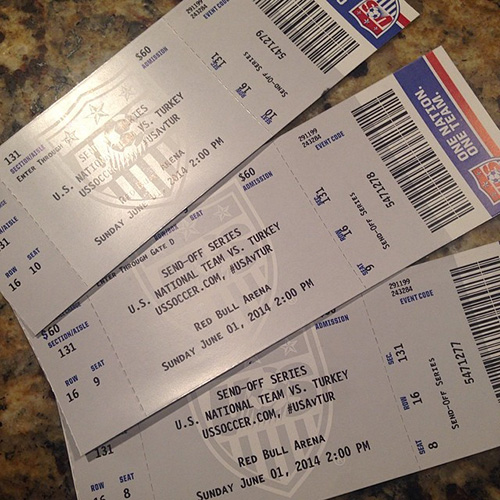
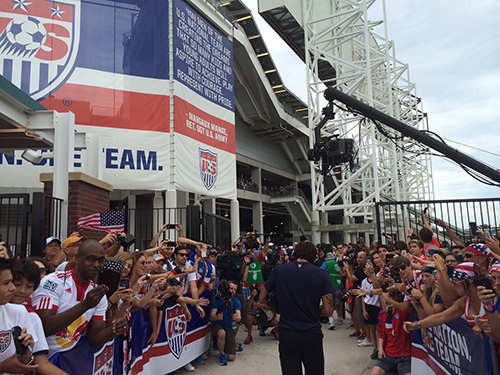
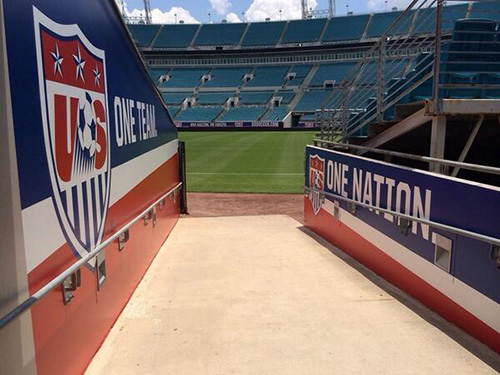
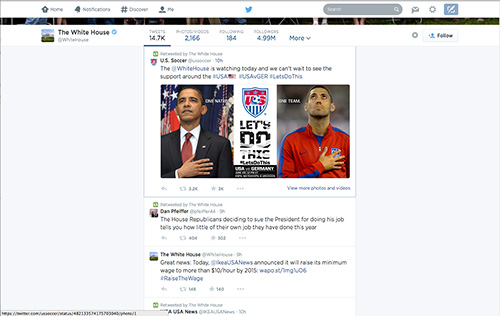
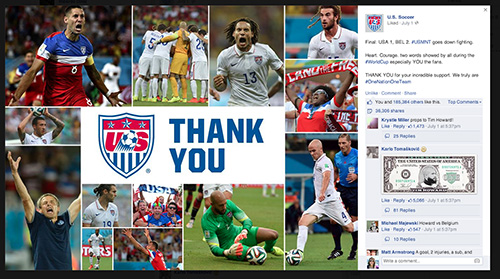
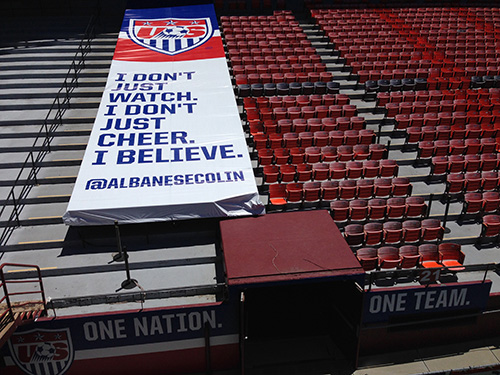
Choate's work touched every piece of collateral that one could imagine being associated with the World Cup, from ticket design and apparel, to email signatures, bus wraps, stadium graphics and bar regalia (i.e., posters and coasters).
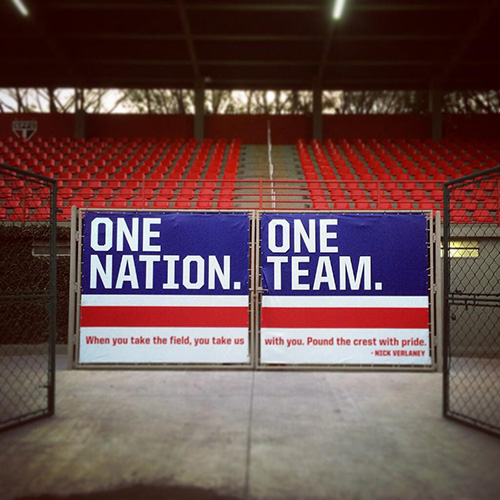
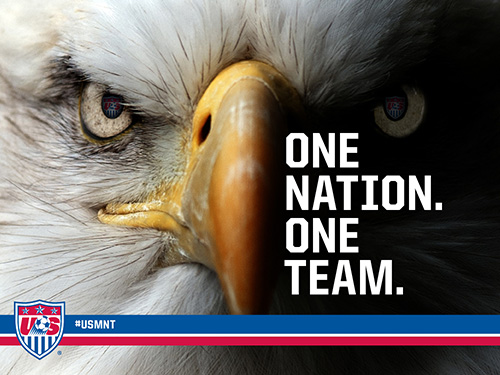
Here’s Choate on designing U.S. Soccer’s “One Nation. One Team.” promotional and awareness campaign for the Men’s and Women’s World Cup, finalized in November 2013 and rolled out to the public in January 2014.
SCAD: What was the brief that you received from U.S. Soccer?
EC: ‘We need a more coordinated campaign across all our platforms, a unifying iconic statement and look that is big enough and simple enough to engage with all Americans during the world’s largest event.’
SCAD: How many people are on your team and what were their roles?
EC: We are a close-knit team of brand managers and creatives. Our intern, SCAD undergrad Jackson Bernard's (B.F.A., graphic design) first day was the first day of the World Cup. During the Ghana game, he worked fast and furiously with our brand manager, myself and the client and his team in the U.S. Soccer Federation social hub. He's with us for the rest of the summer.
SCAD: What considerations go into crafting a design for an event as visible as the World Cup?
EC: Especially for a World Cup year, you need to make sure your message and approach are invigorating within your base (existing fans, casual and hardcore), as well as a nation of potential new U.S. fans. What we found was that the campaign even captured the hearts of people all over the world.
SCAD: How long did it take to arrive at the final design?
EC: As for the overall design aesthetic and tagline, we worked with U.S. Soccer through various concepts, honing down to our final design for about two to two and a half months.
SCAD: Why is the design you went with – One Nation. One Team. - the right one for U.S. Soccer? How does it fit the brand?
EC: It’s clean. It’s pure. It’s American. It also connects fans and players interwoven on the same journey in the most simplistic way. There is a Women’s National Team, a Men’s National Team and Youth National Teams, all representing the U.S. One Nation. One Team. And the blue, white and red bands (also similar to the 2014 away jersey) always run through the entire width of a design piece, showing a united nation behind our colors.
SCAD: How is designing for a professional sports team different than designing for other brands?
EC: Preplanning and strategy are important. Having a good plan in place helps because you always have to be prepared to capitalize on opportunities when they come about. Sometimes you have six months to prepare for things, sometimes you have 20 minutes, and in the event of live graphic creation for social media during a game after a goal you have less than a minute or two to get something out to the fan base of followers that is celebrating that moment.
SCAD: How does the U.S. brand compare that of their opponents?
EC: We’ve seen a lot of club teams in the EPL that do design well. But on the country level, soccer is the number one sport among most other countries. They don’t have to do too much marketing or design to rally their countries around a team. In the U.S., where soccer isn’t the number one sport, you have to compete and promote a little differently. I think after this World Cup we are finally changing the perception about the world’s sport among many Americans.
SCAD: How do you measure the success of the design?
I believe the best design is the kind you don’t have to tell people about. If it’s effective enough, people see it, are affected by it, and notice it on their own. - Emily Choate
SCAD: What else would designers or soccer fans find interesting about this campaign?
EC: To do this job well you have to separate your fandom and work. I love soccer. U.S. Soccer is my team. When it comes down to watching games or working at games, you have to put yourself into work mode so that you can focus on sharing an experience with the fan rather than getting lost in the moment as a fan.
SCAD: When did you become a soccer fan?
EC: I played in high school. I became a World Cup lover in 1998 while traveling with family through Europe, and became a Women’s National Team fan in 1999 when they had their second World Cup win. I became a huge U.S. Men’s National Team fan during the 2010 World Cup. I can’t single out any particular player, it’s such a team sport.
SCAD: How does it feel to turn on the World Cup and see your work?
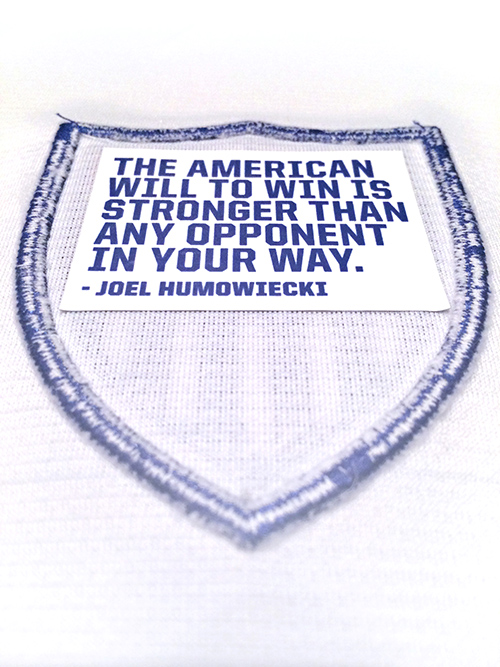
EC: Seeing your work on TV always feels good, but what’s really rewarding is knowing that the work is inspiring a nation and especially the team. It’s more about knowing that I’m part of the team that is working to show the Men’s National Team that a nation is behind them. We collected fan messages and have carefully placed them in locations on the Men’s National Team’s journey from training camp in May all the way throughout the World Cup. Whether it’s a quote at their training camp, in a stadium, in a locker room, or even inside the jersey, we truly let them know in a unique way that their nation was with them the entire way.
SCAD: Is this the job you envisioned yourself having while you were studying at SCAD?
EC: I wanted to be a graphic designer since I learned that it is a real career. When I went to SCAD, I remember one of my professors talking about a former student who was the designer behind the Super Bowl logo that year. I thought to myself, "Maybe one day I’ll be doing that." I know very little about football, but the magnitude of the Super Bowl is something I know very well. Now I’m creating graphics and helping strategize campaigns for the U.S. National Teams, which play in the world’s largest sporting event. It’s humbling.
SCAD: What’s the best design advice you’ve received and given?
EC: Received: Pick your battles. Given: Do what you love and believe in. It shows in your work and the people affected by it.
If that’s the case, then the hearty response of U.S. Soccer fans to their team’s World Cup run would seem to indicate that Choate has found work she truly loves.
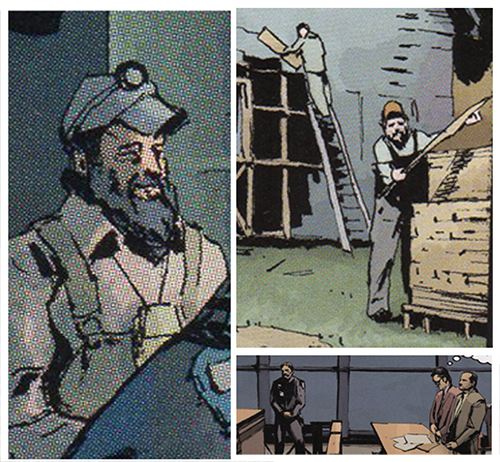
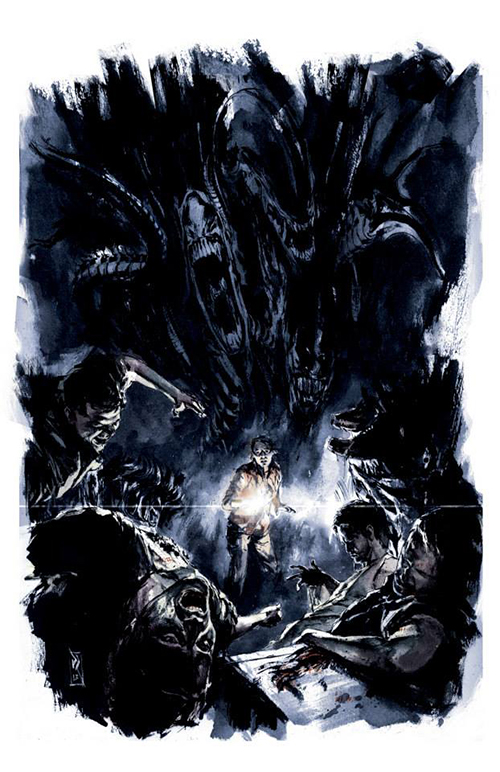
If you flip through a Dark Horse comic illustrated by Patric Reynolds (M.F.A., sequential art, 2009) pay attention. You might notice a recurring face in the panels. A smiling, bearded man — sometimes a mechanic, sometimes a police officer — always seemingly in the background.
It’s a face Patric knows well. Every time he sketches that face he thinks of a man who encouraged him to quit his teaching job in Las Vegas to pursue a career in comic books. He thinks of a man named Steve, his dad.
“I was miserable teaching,” Patric, who grew up in Utah, said. “My parents could see that. The job really hardened me. I didn’t like the person I was turning into. I wanted to do comic books, but I thought, ‘No one makes a living as an artist.’”
“I don’t need another job. I draw comics all day and I can pay my bills.”
That’s partly because the comic books industry is booming, bringing in over $700 million in annual revenue (up from $450 million in 2004). And with that growth, career options for people with Patric's skills have blossomed. Patric didn’t know that either until a push from his parents landed him at a college career fair.
It was there that Patric showed his portfolio to Savannah College of Art and Design professor Ray Goto (M.F.A., sequential art, 2002) and learned his talent could get him scholarships. Though his parents were sold, Patric knew that going back to school would mean giving up a steady income that covered his mortgage and car payments.
“I wasn’t on board,” he said. “My parents said, ‘You need to do this.’ My dad, in particular, said, 'I think you can make a living at this. We will be there in the morning.’ They drove to Las Vegas from Utah with a trailer to load my stuff. I trusted them. And so I moved to the South to learn to draw comics.”
Before Patric left, his father told him to never give up on anything and to keep his dream alive. Those words — coupled with honing his craft — helped Patric get a degree from SCAD and his first commission at Dark Horse working on an Abe Sapien comic within the “Hellboy” franchise.
That’s when tragedy struck.
Patric recalled, “I was inking pages when my mom called to tell me, ‘Your dad was out flying with your uncle and they were both killed.’” The small airplane crashed somewhere in the remote backcountry between Utah and Idaho.
The first person Patric called was Dark Horse editor-in-chief Scott Allie. “I was in shock. I told Scott, ‘I’m probably not going to meet this deadline. My dad just died.’ He said, ‘Jesus. Don’t worry about it. Get yourself settled.’ I could hear that Scott was talking to his kid in the background while he was on the phone with me. I knew he understood the gravity of the situation.”
Patric left the project for two weeks to help his family with the difficult double funeral back home, but he knew he had to return to finish the Abe Sapien comic.
“I told Scott, ‘Please don’t take me off this comic,’” he remembered. “There was a sense of duty to it. So when I got back into the project it became something to get me through my dad not being there anymore. It helped me push down the grief. Those last three pages got really hard, though. I started shaking by the end of it.”
But Patric finished the project, fueled by the image of his father working in his machine shop in Utah.
“He had his own business and he had to work so hard at it,” Patric said. “My mom would stay up with him at his shop. She fell asleep against the wall a few times waiting for him to finish working. That image — my dad committed to his work and mom committing to what my dad had committed to — told me that if I committed that much to something I could accomplish things.”
Finishing the job is something he says he learned from SCAD professors, too. “Ray Goto and Paul Hudson and others taught me how to keep at something, to work and how to finish things,” he said. “That’s really the one big thing I learned at SCAD — how to commit and work. If you don’t buckle down and get work done, then it never gets done. You work until you finish.”
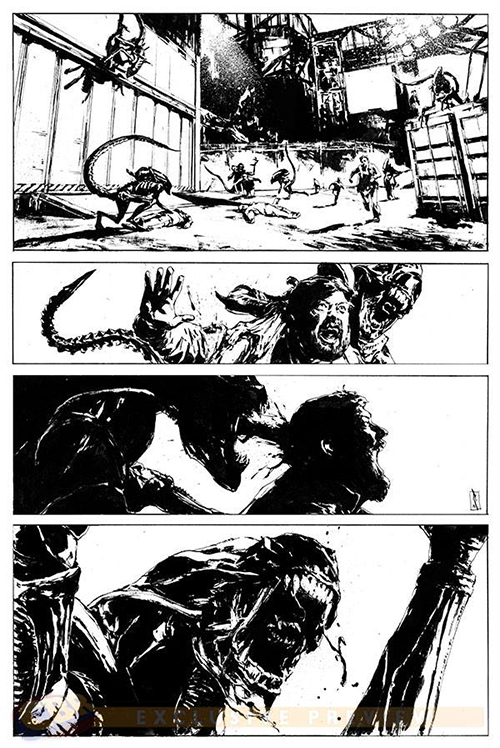
Patric now lives in Portland, Oregon, where Dark Horse is headquartered. He is currently illustrating an “Aliens” comic as part of a series reboot spawning off the 2012 movie “Prometheus.”
“Scott Allie told me that Dark Horse plans to keep me busy. Most people couldn’t claim that in, say, the 1970s. You had to send your stuff to New York and then they would get back to you — maybe. It’s so much easier to get into the industry.”
Now sequential artists can influence everything from videogames to storyboards to the latest summer superhero movie. The industry has never been better. Disney just bought Marvel for $4 billion. Movies based on comic books continue to place in the top 100 grossing films of all time: "The Avengers" alone brought in an estimated $1.5 billion worldwide. Investment advisors are even telling clients to sell their vintage comic books to help fund retirement.
People like Patric are the ones behind those impressive statistics. And it was the people behind Patric that got him to pursue his dream.
“I think I always really followed what my parents told me,” he said. “My dad always kept telling me to keep the dream alive. I even wrote that above my desk when I was teaching in Las Vegas. My students would ask, ‘What does that mean?’ I would just tell them they’d see for themselves one day. You have to work at it everyday. You keep it alive and you remember what you love.”
And, in a way, keeping his dream alive also helps Patric to keep his dad's memory alive. Patric says the likeness of his dad will continue popping up in the background of the comics he works on, if only to keep an eye on him from afar.
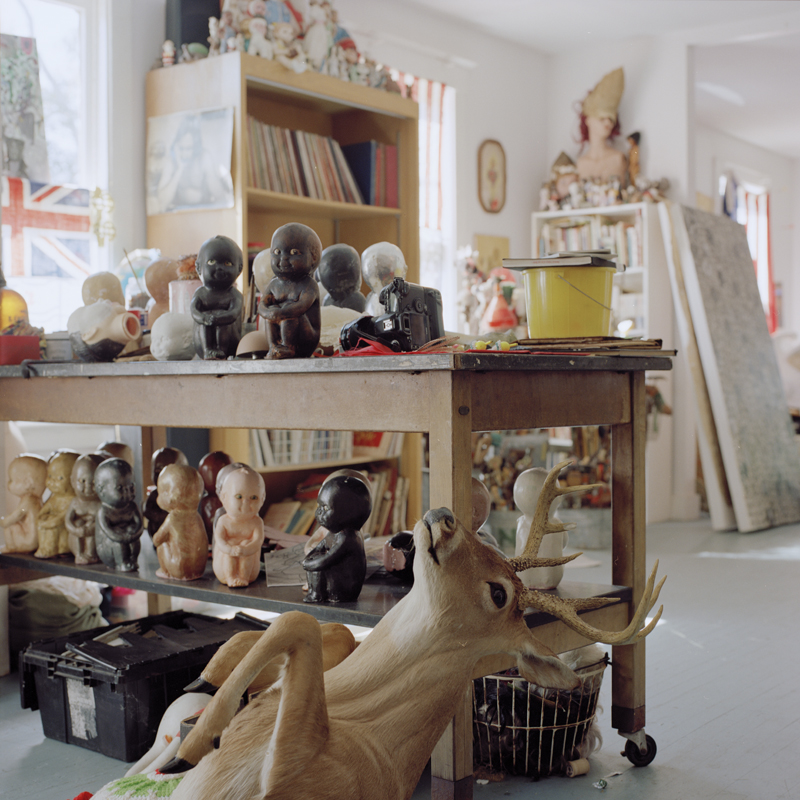
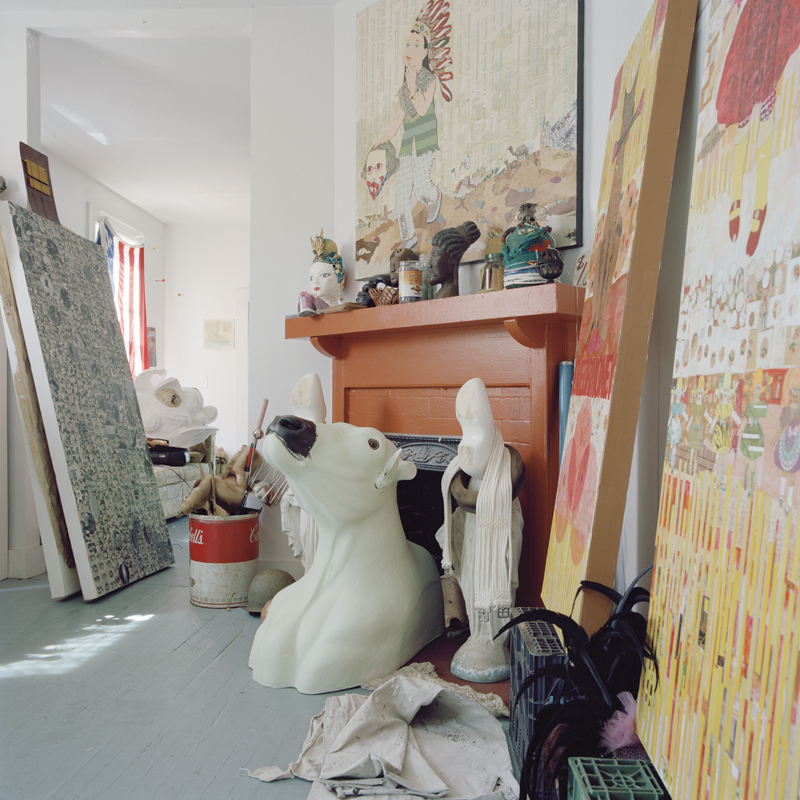
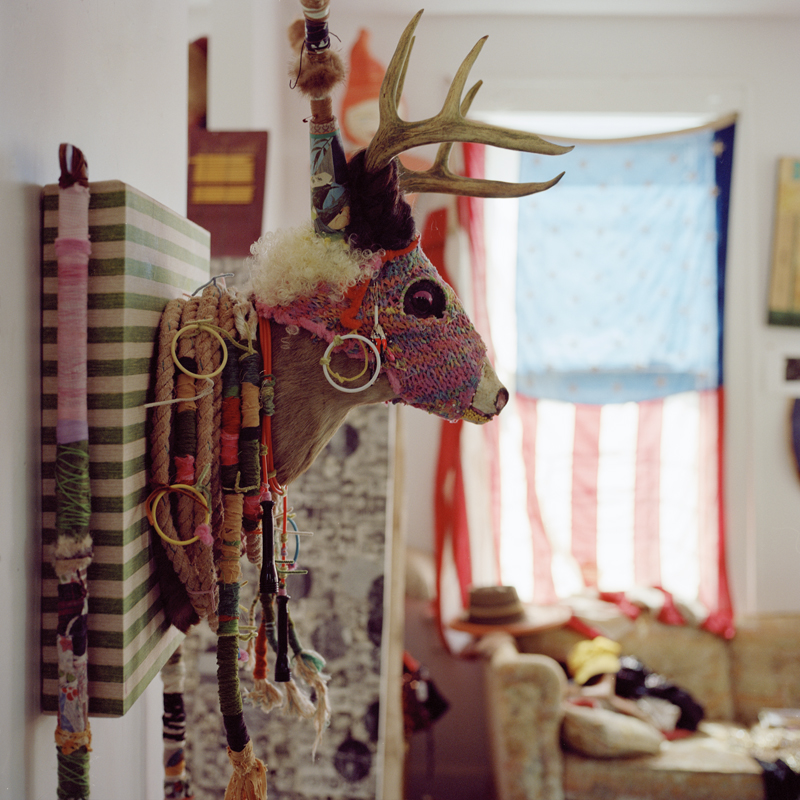
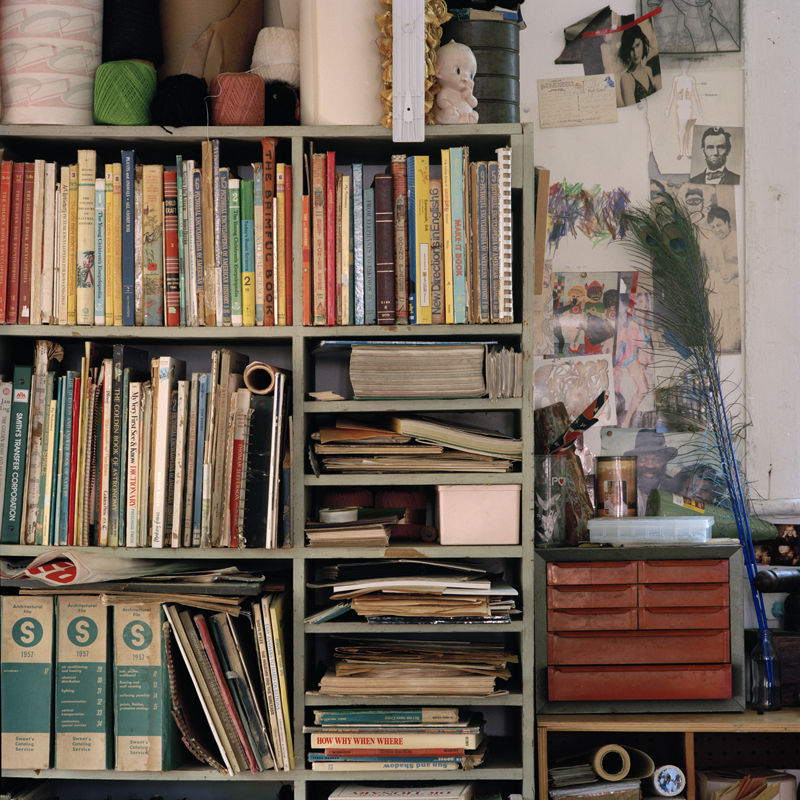
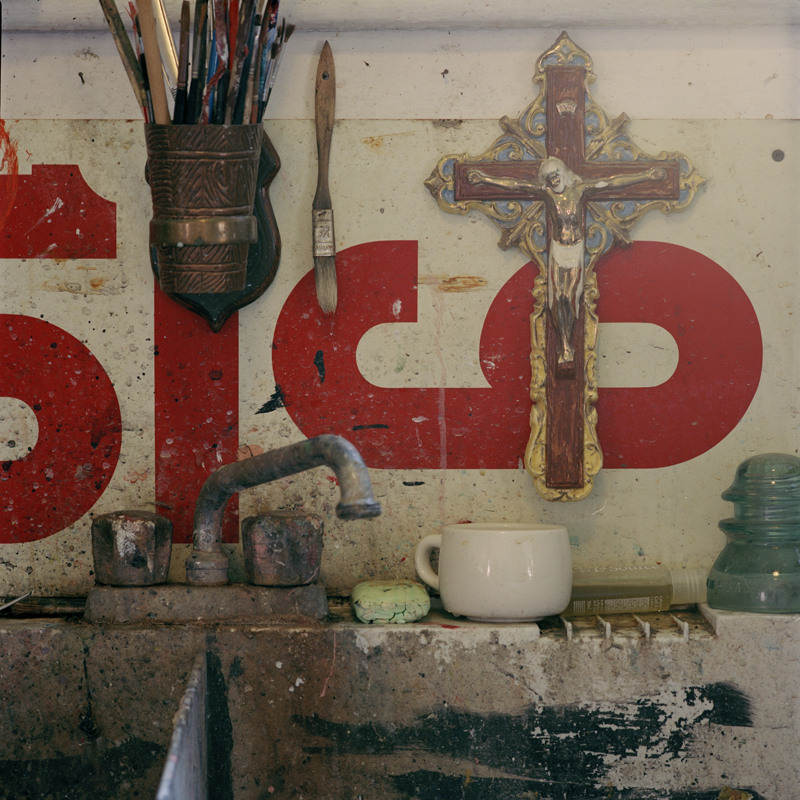
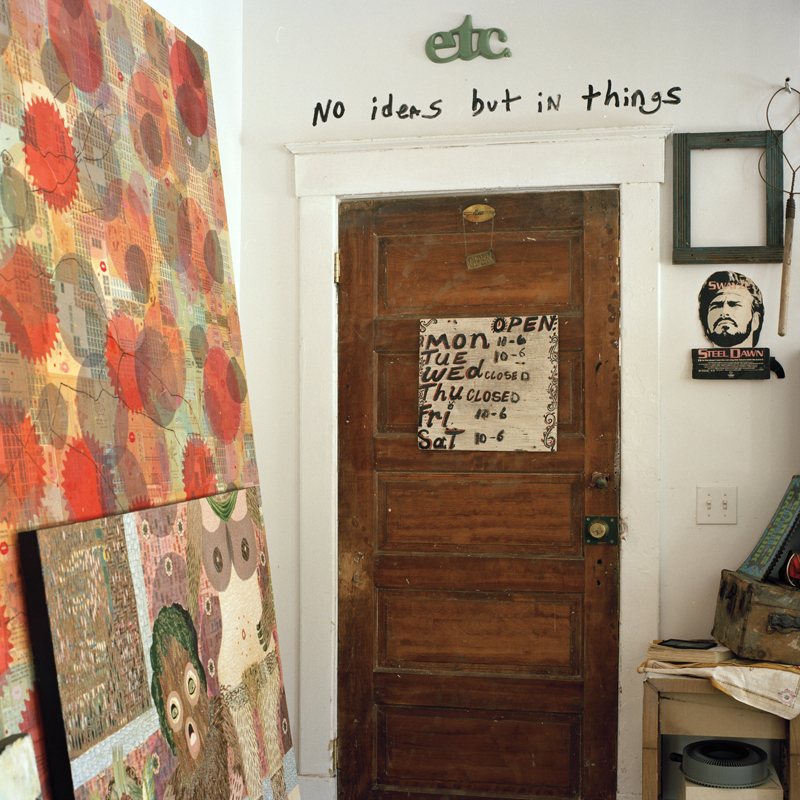
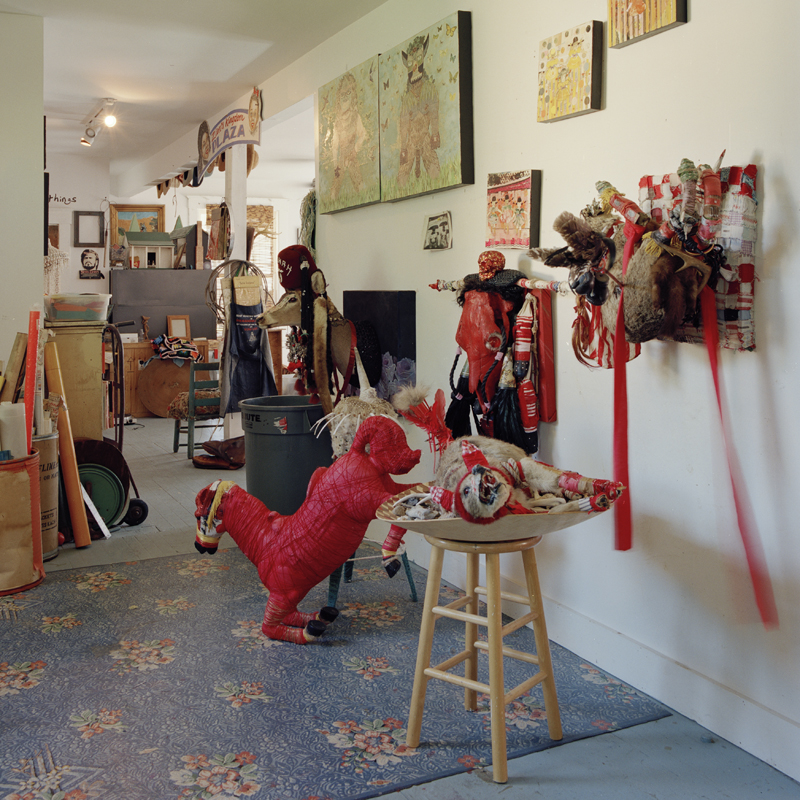
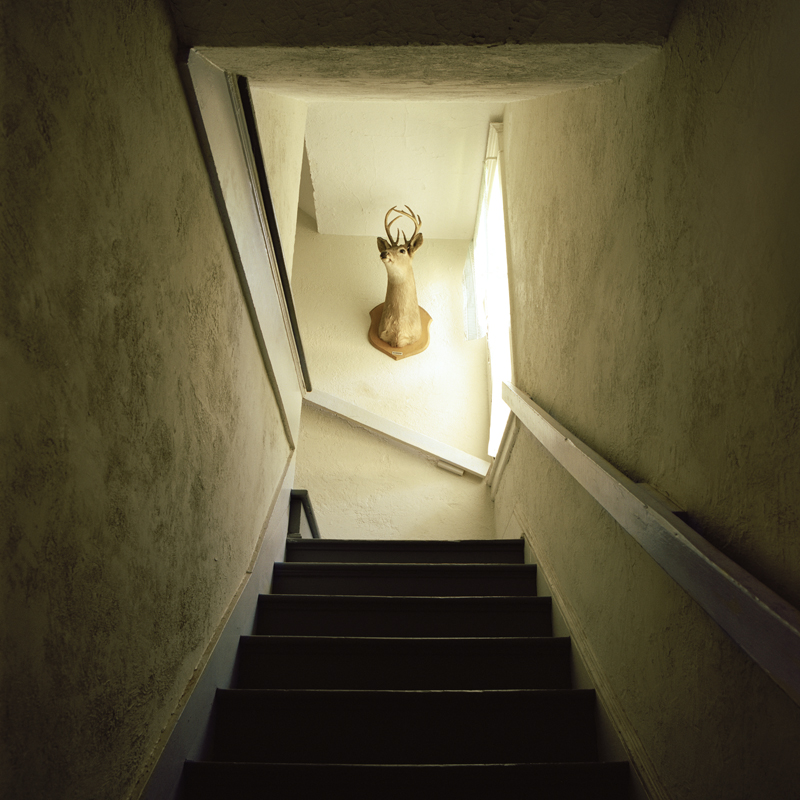
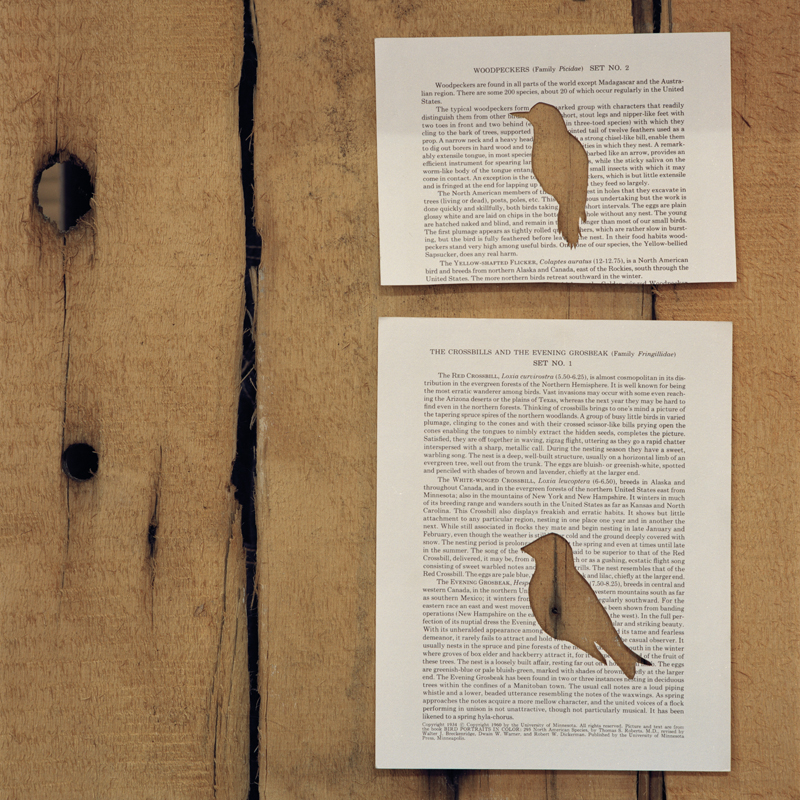
For the next post in our Studio Logic series, exploring the studios of professional artists and designers, we interviewed Marcus Kenney (M.F.A., photography, 1998). In a two-story Victorian in the heart of Savannah, Georgia, Marcus works across mediums - sculpture, paint, photography and collage - to mastermind reflections on wildlife and Americana. In addition to being among a collection of artists responsible for the aesthetic of Savannah College of Art and Design’s micro-house experiment, SCADpad® North America, Marcus recently completed a residency at Lux Art Institute and is currently showing his paintings at Georgia College Museum.
Thread: What is your ideal work environment? Marcus Kenney: I am pretty flexible when it comes to working space. I have worked in a variety of studio of spaces, from 5000 square feet warehouses, to a 100 square feet garage. My current studio has a bit of a domestic appeal as opposed to an industrial one. I enjoy the neighborhood and interaction with the neighbors. I have a large vinyl collection and during the workday I am constantly flipping over records and listening to random recording artist.
SCAD: Do you work best surrounded by objects that inspire you? MK: Studios tend to reflect their owners and I admit that my studio is a mess and full of lots of contradicting objects. There are thousands of books, hundreds of small sculptures and boxes full of interesting objects like ladies dresses, wigs, fur coats and hats from around the world and rolls of wall paper. There are some cobwebs in the corners and surprises to be found; things I have forgotten I had and things that I haven't used in years. There are lots of reasons to create art and my art is about our culture. Historically, the way to study a culture is by the objects it produces. I find it responsible to study our ephemera and detritus and edit and shape them into valid cultural conversations.
I enjoy turning the world into my art supply store and making a game of searching for the right elements to create a work of art.
SCAD: Did your studio change when you evolved from 2D TO 3D work?
MK: I currently have four horses living in my studio! Honestly, it has not changed much. I have always created sculpture and so there are large amounts of materials lying around. I still paint occasionally, so all of my painting materials are there, as well. I like to keep lots of things on hand because I never know how the day is going to unfold and where inspiration may strike. Some days I may start a painting and other days I may work on sculpture. Often, I won’t go to the studio at all, but spend the day photographing or searching for materials to work with. The pleasure of being a contemporary artist is that there are no set rules.
“My studio is a super buffet with all kinds of options to feed my creative hunger.”
SCAD: What’s one thing you can’t work without?
MK: Recently it has been a thimble on my finger. I have worked with one so much the last several years that my forefinger feels a little naked without it. For many years I carried a camera with me 24 hours a day, and before that it was an X-Acto knife with a box of new blades. It changes as my work changes.
SCAD: What's another unique aspect of your studio?
MK: I only work on the first floor. Upstairs has been reserved for other artists to work in. I have had some really special and unique artists work upstairs. Monica Cook (B.F.A., painting, 1996), Scott Griffin, Lorie Corbus (B.F.A., fibers, 2002), Paige Russell, Cedric Smith, Jameid Ferrin, Tobia Makover (M.F.A., photography, 2001) and others have all created inspired work upstairs.
Here's to creating inspired work and the places where we make it.
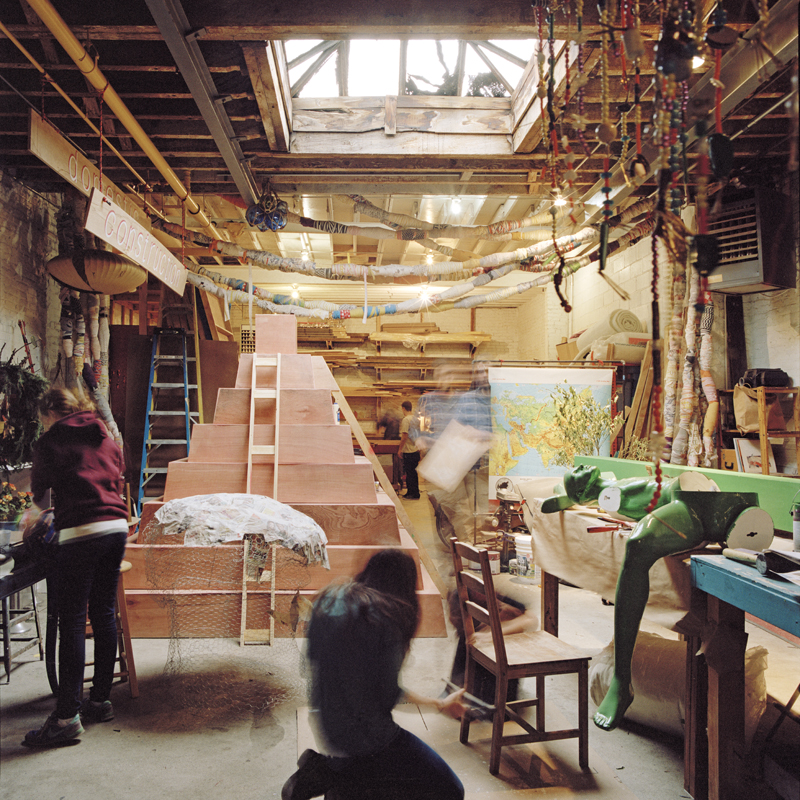
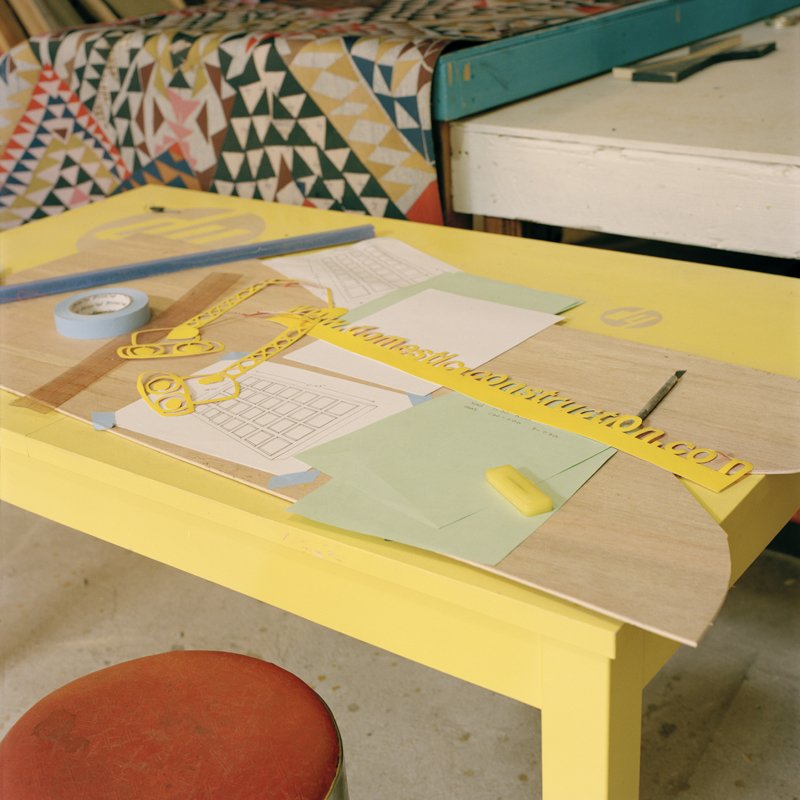
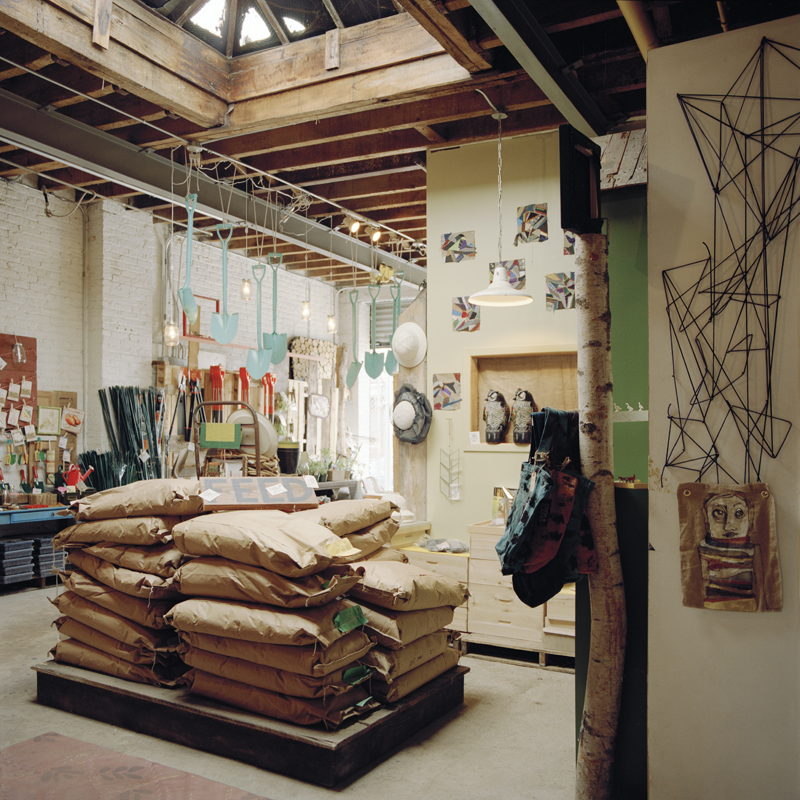
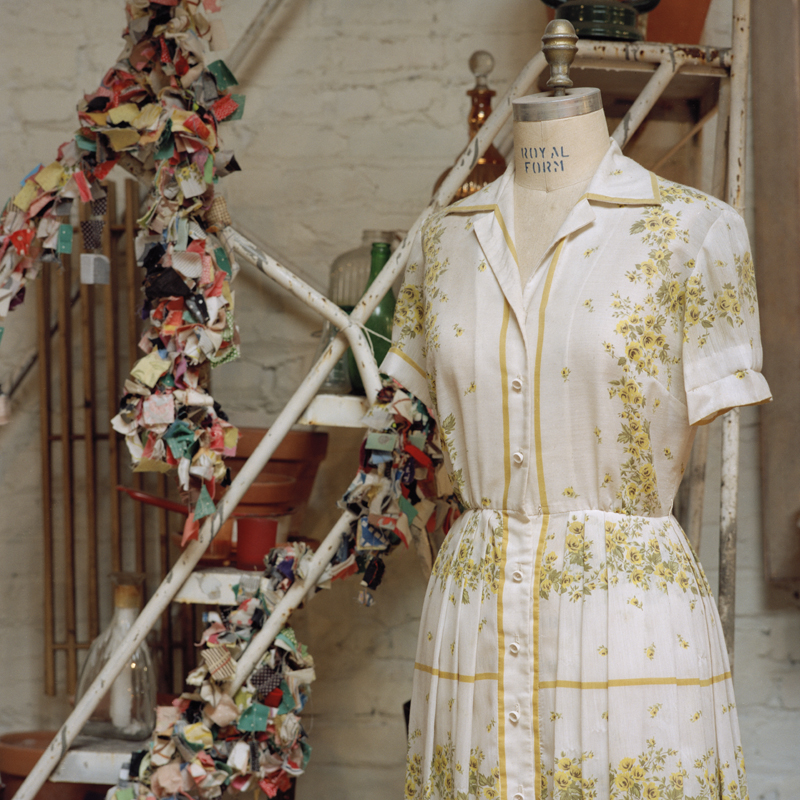
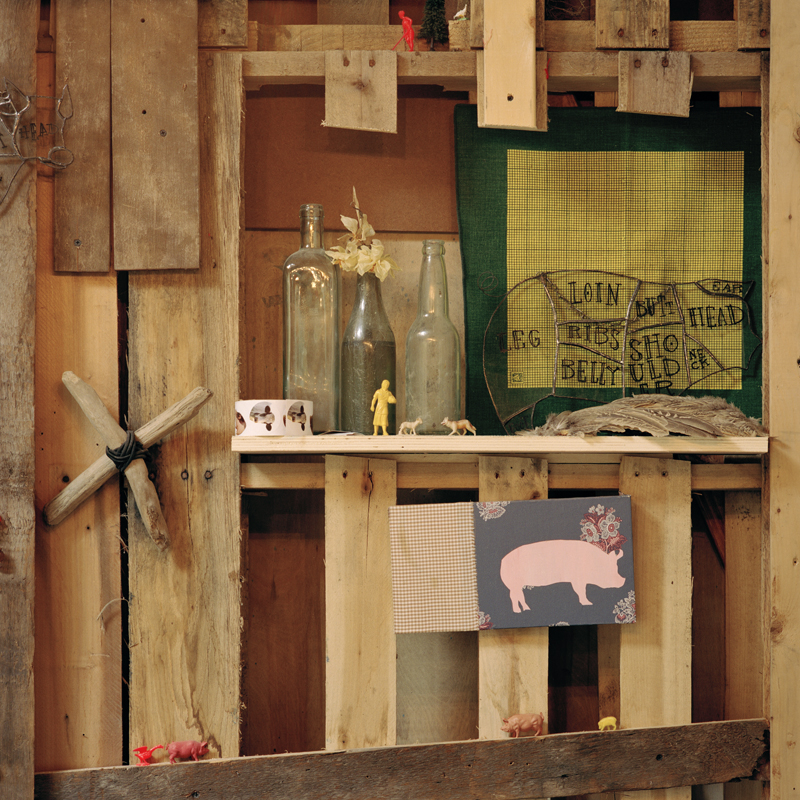
Space. Invariably, it’s the object of focus for artists and designers, and often times the basis for their inspiration. This is definitely true for the spaces we’ll feature in our series Studio Logic, exploring the studios of professional artists and designers. For the first installment we travel to Brooklyn, where powerhouse duo Trish Andersen (B.F.A., fibers, 2005) and Maureen Walsh (B.F.A., fibers, 2004) set up the multi-disciplinary design studio Domestic Construction. Below they ‘show and tell’ how their space reflects their philosophy and fuels their work for clients like Google, Target, Bravo and Hewlett-Packard. Clearly recent projects, like the striking blue exterior and interactive fiber walls of the Savannah College of Art and Design’s micro-house SCADpad® Europe and the pair’s grounded mat line, bear the mark of a special muse. We couldn’t resist taking a closer look.
Thread: How did designing for SCADpad challenge your initial way of working and how has it challenged how you engage space?
Domestic Construction: We wouldn't necessarily say it challenged our way of working, but rather supported it. We are all about the belief that any space, whether living or working, should be one that inspires you. SCADpad is a prime example of how you can push the limits of space through the creative use of materials to be one that is constantly engaging and ever-changing.
T: Being fibers artists, how does space inspire you? How does your personal work environment influence your products?
DC: Space is everything. As fibers artists, we like to challenge the preconceived notions of what a typical interior should be. Why should we live/work in white boxes? Have normal walls/floors? Isn't that getting boring? Our studio is an ever-changing exploration of what is inspiring us at the moment. A giant inspiration board of sorts. It is a playground that allows us to create without fear.
T: Your studio seems to be full of color and décor. What is the significance of these things to you? Describe your ideal surroundings for work (i.e., time of day, temperature, noise level, music, company, setting).
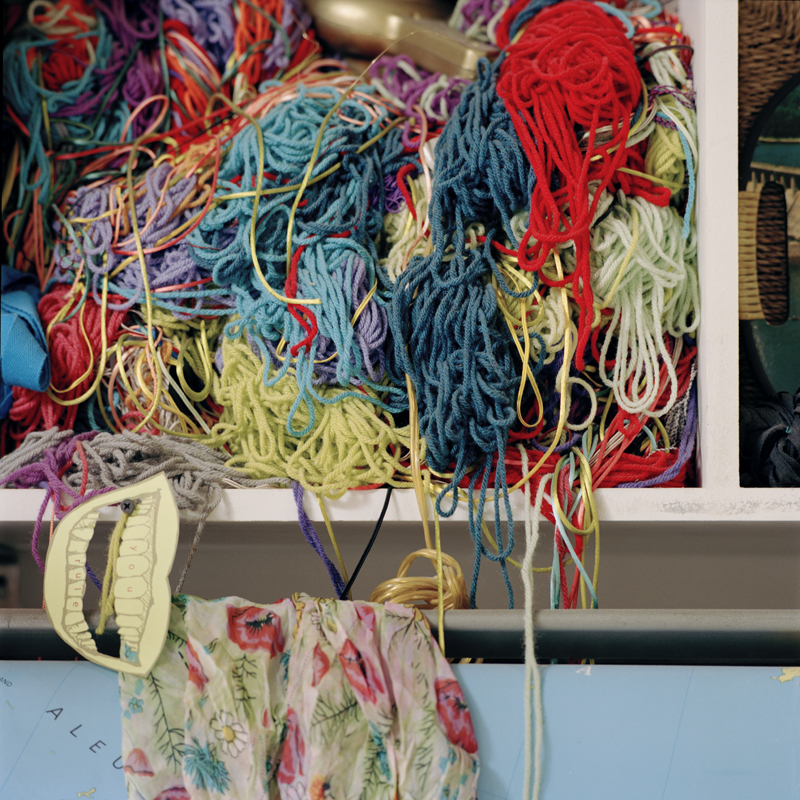
DC: We love color and texture, so naturally we crammed our space with it. We find that color promotes an upbeat and fun working environment. Most people who enter our space smile and that's just the best. Some of the best days at the studio are when we are working on a big project and we have a ton of crew jamming to tunes and making things happen.
T: What's one thing you must have around or close by in order to do your best work?
DC: Our friends/crew that always jump in to help execute projects. We usually work on a large scale, so it takes an army. We feel fortunate to work with so many other creatives and we truly have a blast doing it.
Savannah College of Art and Design alumnus and former member of SCAD’s performance ensemble the Honeybees, George Lovett (B.F.A., performing arts, 2011) recently sang his way to the Top 30 of “American Idol” Season 13. George is no stranger to Idol’s stage, having auditioned and made the show in Season 11. He told us between tapings that this time he's doing things differently. Read what George had to say about his new approach and pursuing a second degree in sound design. Then watch Idol on Wednesdays and Thursdays and vote for George.
Thread: What's your reaction to your success on Idol?
George Lovett: I've always imagined and dreamed of having success through “American Idol.” Now that I'm gaining that success slowly, it just goes to show that if you can dream it you can achieve it.
T: What are you doing differently this time around?
Last time I was too overwhelmed and was just having fun being around all the singers. This time around I'm focusing more on my artistry and on reaching the hearts of people at home watching.
T: How do you spend your days while you're competing on the show?
GL: Playing games on my phone. I try my hardest not to think about it too much because I get too in my mind. I want each performance to be raw in-the-moment emotion.
T: What's going through your mind when you perform and stand before the judges?
GL: I honestly never remember anything when I'm performing. I always say I feel like I'm elevating on a cloud. I try to do everything I can to make sure the judges have no reason to say “no” to me.
T: Of all the judges, who do you identify with the most?
I love watching Keith's reactions when I perform. They seem so authentic, as if he is really in the moment with me and appreciating my gift and not necessarily judging me.
T: How did SCAD's interdisciplinary environment prepare you to succeed on such a visible stage?
GL: SCAD showed me how to audition, how to be presentable to an audience, how to get into a lyric of a song, how to be subtle, how to work hard under pressure and how to take care of myself as a performer.
T: Why did you choose performing arts and then sound design as academic areas to pursue?
GL: I chose performing arts, obviously, because I love to sing, and I wanted to have as much practice and opportunity to stay active in the arts as possible. After I graduated, I realized that I wanted to record and make music. What better place to learn how to manipulate sound than at SCAD? I’ve had a lot of time to figure out my sound as a recording artist.
T: Anything else you'd like to share or for the SCAD community to know?
GL: Be as much of an individual as possible. As performance artists we try so hard to please and to fit in, when the things that make us so special are our differences and our singularity. The main thing is to believe in your dreams so much that people around you can't help but to believe with you. Then, in time, watch it become reality.
Thanks, George. It’s a pleasure watching your reality unfold.
Kimberly Lopez is the executive director of Career and Alumni Success at Savannah College of Art and Design. Her passion is helping students land their creative careers.
The Bowerbags 2011 Kickstarter campaign was my first foray into crowdfunding.
You know the feeling you get when you empty your pockets on laundry day only to find a five or ten dollar bill that you had completely forgotten about? There is arguably nothing more satisfying than when you find free money, especially if it’s for your growing business.
It was precisely that feeling that moved me to load up my car and spend five days sharing my project in downtown Jacksonville last year at the inaugural One Spark festival, slated this year for April 9-13.
One Spark, dubbed the ‘world’s crowdfunding festival,’ is a creative safe haven of music, art, and technology, designed to help creators showcase their talents and score some cash for it. Whether you’re a musician, a maker, mural painter, printmaker, hacker, or even an organic farmer, the sky is the limit at this event.
Imagine the scene: creators displaying and demoing their projects, which span every imaginable genre, while festival goers vote for as many projects as they like through a mobile app. Every vote my company, Bowerbags, took in last year wound up being worth somewhere around five dollars. (Not too bad for spending the days with my girlfriend and brothers strolling downtown Jacksonville, and far more interesting than anything I do on laundry day.)
Outside of the money, it was a great way to validate the product line with face-to-face consumer feedback. We also gained some great industry contacts and further press coverage just from people stopping by the booth.
Woody Allen said, “90% of success is just showing up.” I definitely found this to be the case with last year’s One Spark. Based on that turn out of 130,000 people, I’d say it’s a fair wager that this year’s festival will be even bigger, and more profitable.
If five days of art, music, and technology sounds fun, but you’d rather not do any work, then get down to Jacksonville anyway. The One Spark events go all day and all night and, even if you don’t have a business yet, the festival is a great way to network and meet project supporters.
To read some festival success stories and register your project for One Spark, go to http://www.beonespark.com/participate-creator. Students with a .edu email address can register for free until January 31, which is the deadline for Creator applications.
Jamie Bowerman (B.F.A., Graphic Design, 2004) is a SCAD graduate student (M.A., Industrial Design) and founder of Bowerbags. Jamie enjoys all things innovative and spends most of his time thinking of new ways for people to carry things. Follow Jamie on Twitter @bowerbags.
Hint: their winning entry proves the well quoted adage that ‘what’s on the inside matters more than what’s on the outside.’ Or, I might add, that the work matters more than the canvas.
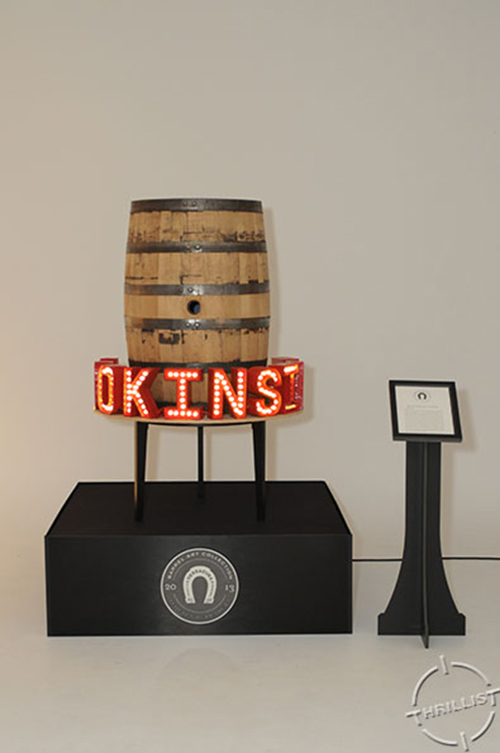
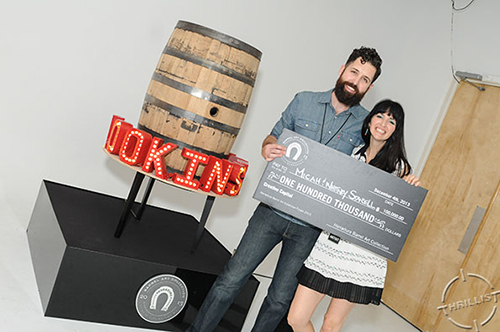
To start, this was one of 80 plain oak barrels – used for aging tequila – that Herradura dispatched around the country to be transformed by local artists. A list of 77 participating artists was honed to 8 finalists, including Whitney and Micah, who were invited to Miami for a grand finale party created by Thrillist Media with the help of event producer Adrienne Wright (B.F.A., Fashion).
Here’s the artist's statement on the barrel "Look Inside":
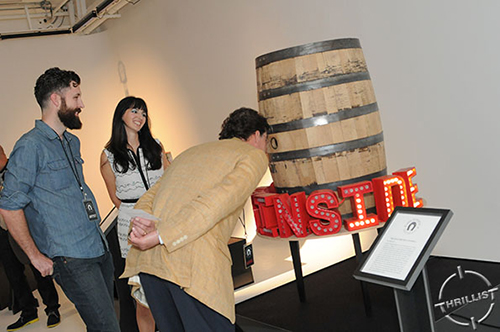
"Though a 150-pound tequila barrel is not our usual medium, we set about the process of 'making art' in our usual way; anthropologically. We considered the barrel not just as an aesthetic object, but as a utilitarian one; an object with a particular historical purpose. Here we struck upon the idea to use the inside of the barrel, leaving the outside of the barrel unchanged save for a marquee sign with a simple call to action: 'look inside'.”
"We’ve created a zoetrope, an early 'cinema' device, inside the barrel. The running horse pays homage to Muybridge, a pioneer of the moving image, and the marquee sign and the act of peering into the barrel are a nod to the kinetoscope/mutoscope. Early alchemists believed the distilling of 'spirits' to be magic. In the same way, early cinema devices like the zoetrope were used to conjure spirits and were presented as magical objects. We think there’s still something pretty magical about the inside of our Herradura barrel. Look inside and see for yourself."
So what will they do with the money? Here's what Whitney had to say on bringing that fat check back to their home in Atlanta:
"It's hard to overstate what one hundred thousand dollars means to a working artist. I think more than anything it carries with it a feeling of freedom. The sense that we are free to continue making art on our own terms. Maybe the less-than-glamorous truth is that this prize, in a way, is a return on more than ten years of investing in our art (and much of it will go to servicing debt from many of those past projects and student loans!). Likewise, it's equally hard to overstate what it means for a company to invest in artists in this way. For Herradura to stand up and say, 'We think that art and artists are important and we're going to put a significant and substantial amount of money behind that belief,' is incredibly encouraging to a talented group of artists. A heartfel thank you to all of those involved in in administering this prize."
I think more than anything it carries with it a feeling of freedom. The sense that we are free to continue making art on our own terms.
I'd say that's enough incentive to always look a little closer, and not to be afraid to take a different approach.
 When SCAD was building its experimental micro-house community,
  John Gray’s (M.A.,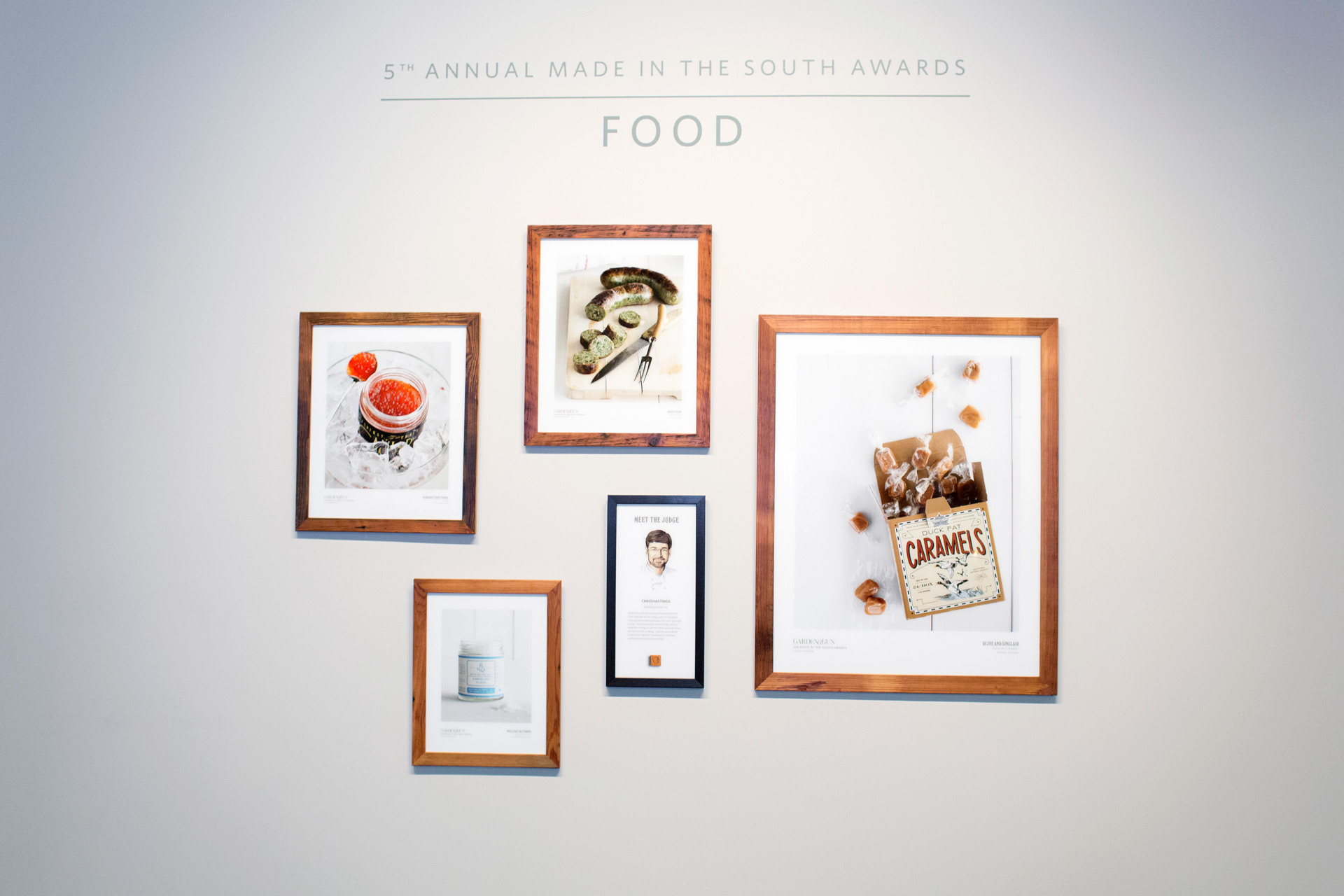

 Maura Ambrose’s (B.F.A.,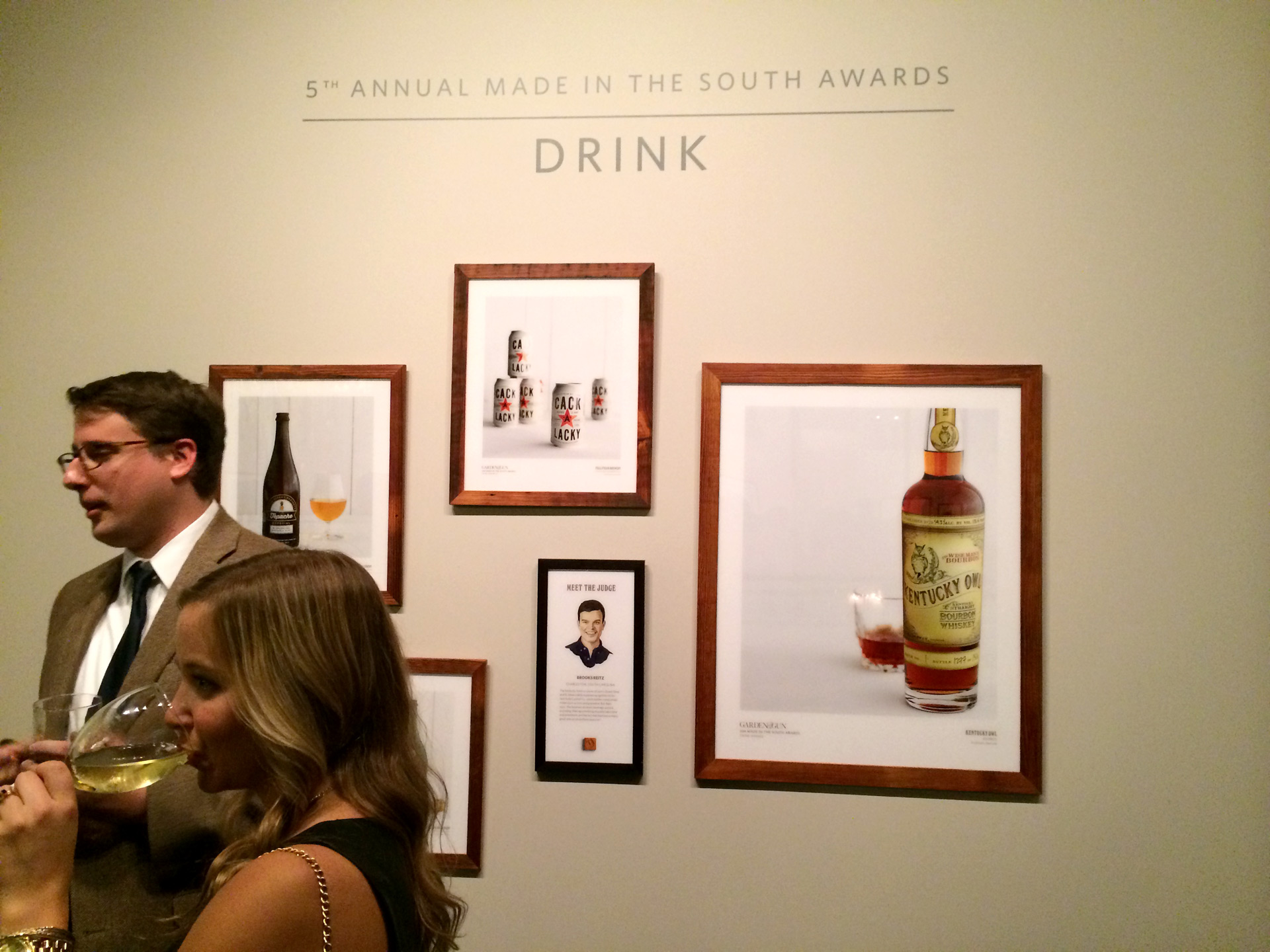
 The “Silently Speaking Gratitude" collection by Morgan Richards (B.F.A.,