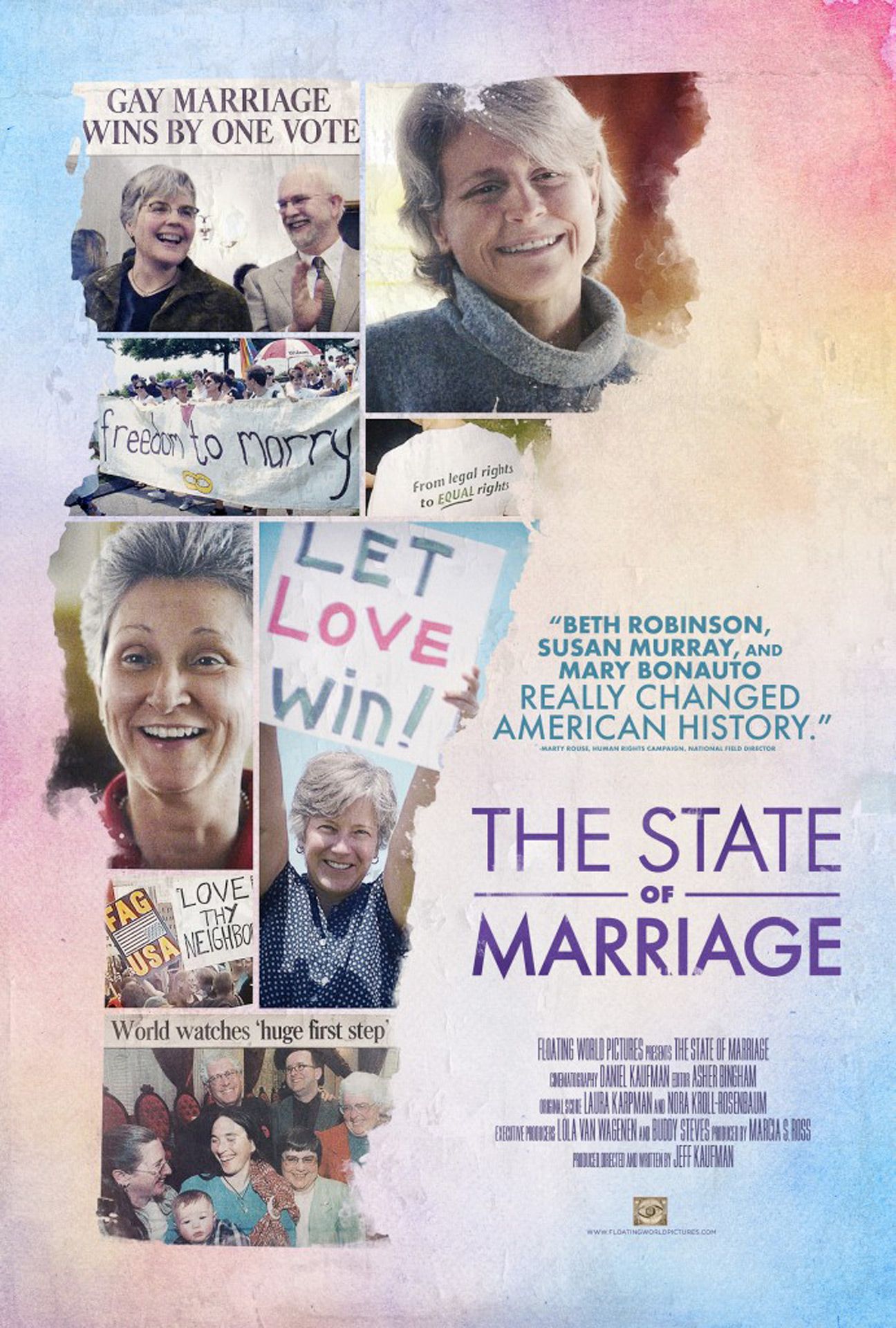
Like many Americans, Asher Bingham (B.F.A., film and television, 2007) breathed a sigh of relief when the Supreme Court announced its decision to strike down laws prohibiting same-sex marriage. For her it was personal. The editor of the documentary The State of Marriage — a David and Goliath story directed by Jeff Kaufman about the legal pioneers who paved the way for the landmark ruling — Bingham had a front row seat to history. Eight years before she graduated from the Savannah College of Art and Design, Vermont became the first state to recognize same-sex unions. With The State of Marriage, Bingham and the crew bring the making of this watershed moment and legal precedent to life. Here’s Bingham on the documentary and what she learned from Mary Bonauto, one of the film's protagonists and a pivotal figure who argued before the Supreme Court.
SCAD: How did you and The State of Marriage team react to the Supreme Court decision?
AB: After hearing every story and all of the heartfelt testimony about the immense discrimination, not only for the couples that wanted to get married but the politicians who stood up for the rights of everyone, it felt like a weight that had been looming over everyone had been lifted.
SCAD: How does it feel to contribute to a project with profound historical importance?
AB: When I was reading through The State of Marriage script it started in the 1980's and carried the torch literally across decades to a (spoiler alert) final victory. I knew it could be a fantastic story to tell. I knew it was special due to the couples and their insight. We really wanted to show each of them and their personalities, and also honestly portray all of the groups and individuals coming in and out of the story, including the opposition. They would have been easy to demonize and dramatize for story, but we had to maintain their true beliefs and truly document all opinions so that this piece would stay elevated above mere entertainment. It did and I feel it's a blessing how it turned out.
SCAD: Is there a piece of video or other archival material that stays with you?
AB: Jeff would tell me, 'You know, sometimes the best bits come in at the eleventh hour.' We were sitting there scratching our heads trying to figure out a way to make the ending more emotional. So we hit a fine cut, I'd say super fine cut, and then he got a call. A guy he was hunting down for footage was finally sending us a drive, but who knew what was on it. It showed up at my house.
Scrolling through randomly named raw files and folders, I stumbled on a shot we used in the finale and the hairs on the back of my neck stood up. It was footage of the final vote and the 1999 Vermont Supreme Court ruling that includes our protagonists crying. These are some really strong women so that was a magical find. —Asher Bingham
SCAD: What did you learn from the main characters Susan Murray, Beth Robinson and Mary Bonauto?
AB: Never give up and never settle for less. As typical as that sounds, it is true. And out here in Los Angeles trying to get into the film industry that is branded on my heart. Literally everyone was against these women, and even though they were burned out and exhausted they still pushed and pushed for years. They had full-time jobs and then fought on the side with everything they could. Greatness is easy to dream about but exhausting to achieve, and they did it.
SCAD: What challenges did your team face and how did you overcome them?
AB: For the director and producer, their biggest challenge was getting access to both sides of the fight and telling this two-decades long saga with energy. When I came on, I was handed a script and a ton of drives. The biggest challenge was balancing lawyer-speak with emotion. Everyone was saying wonderful things, but you can't just throw great soundbites back to back on a sequence or they will lose their power pretty quickly.
SCAD: What editing techniques and devices did you use?
AB: I tend to be very straightforward with my editing. I use images and sound design to influence what I want to get across. I tend to hate gimmicky editing — no post slomo, no freeze frames — and even limit the use of cross dissolves. The best editing technique is to get your hands on great footage. The DP handed me some wonderful stuff, so I could just play with it and try to make it sing.
SCAD: Did you approach this project in a way that’s different from your other work?
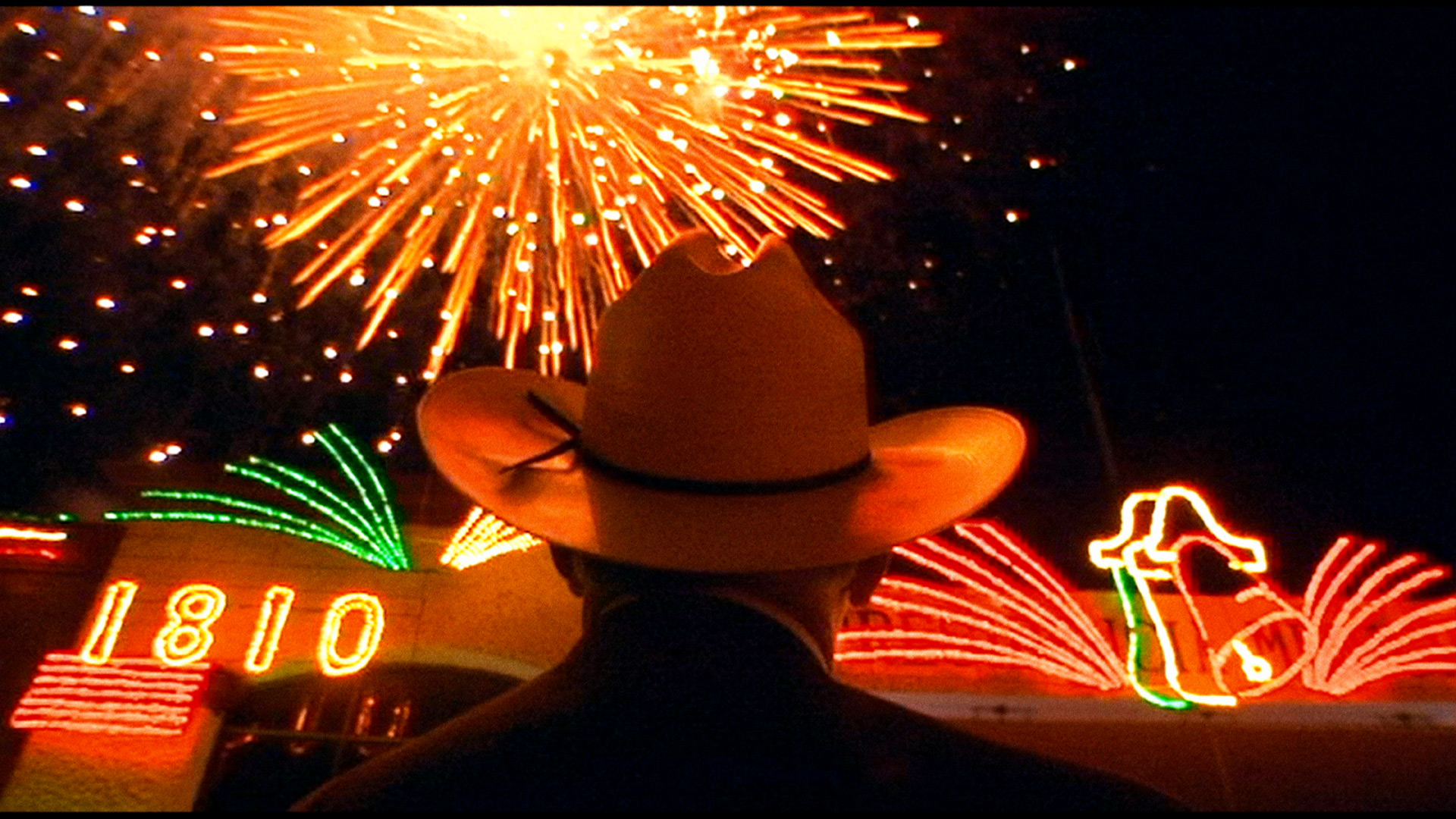
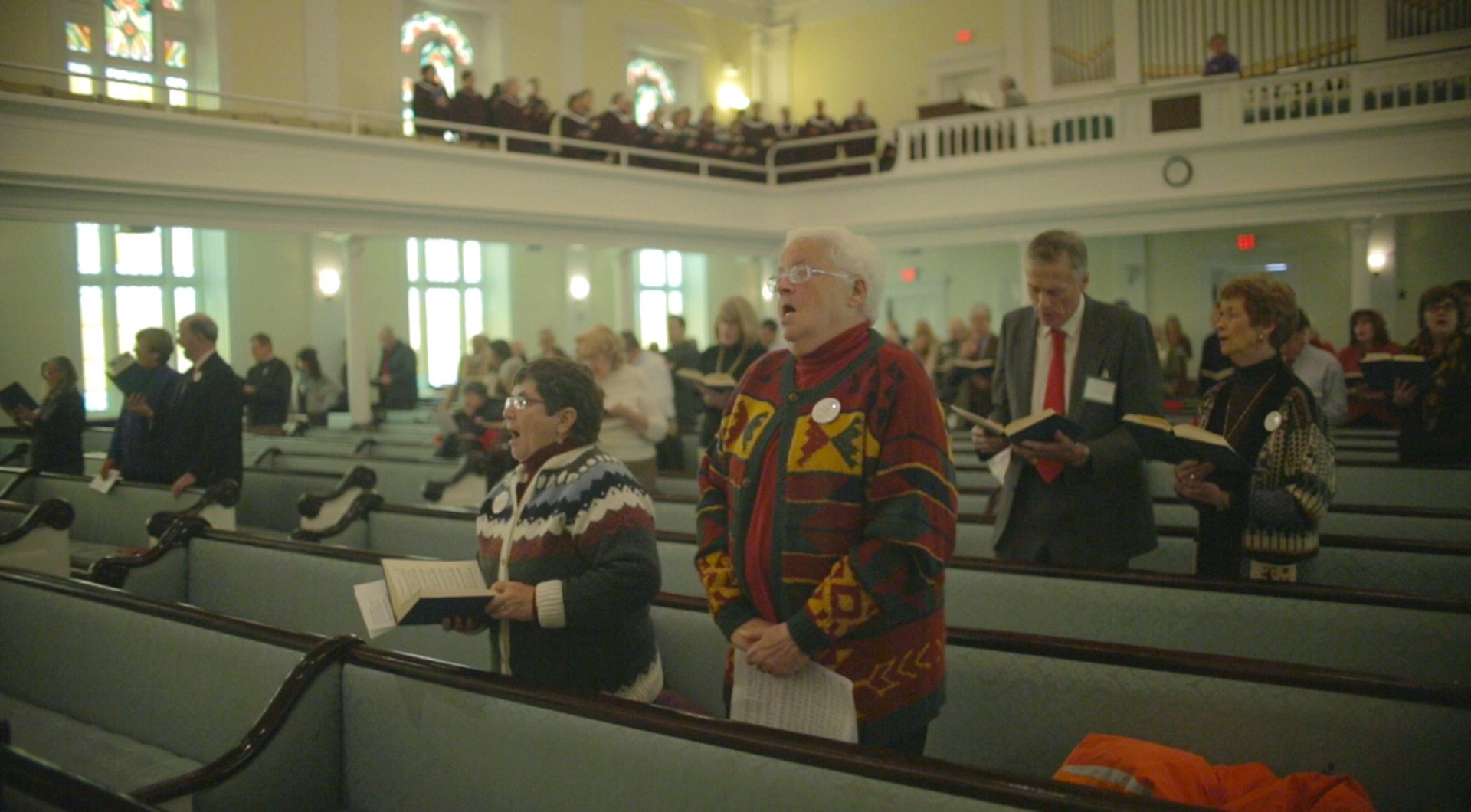
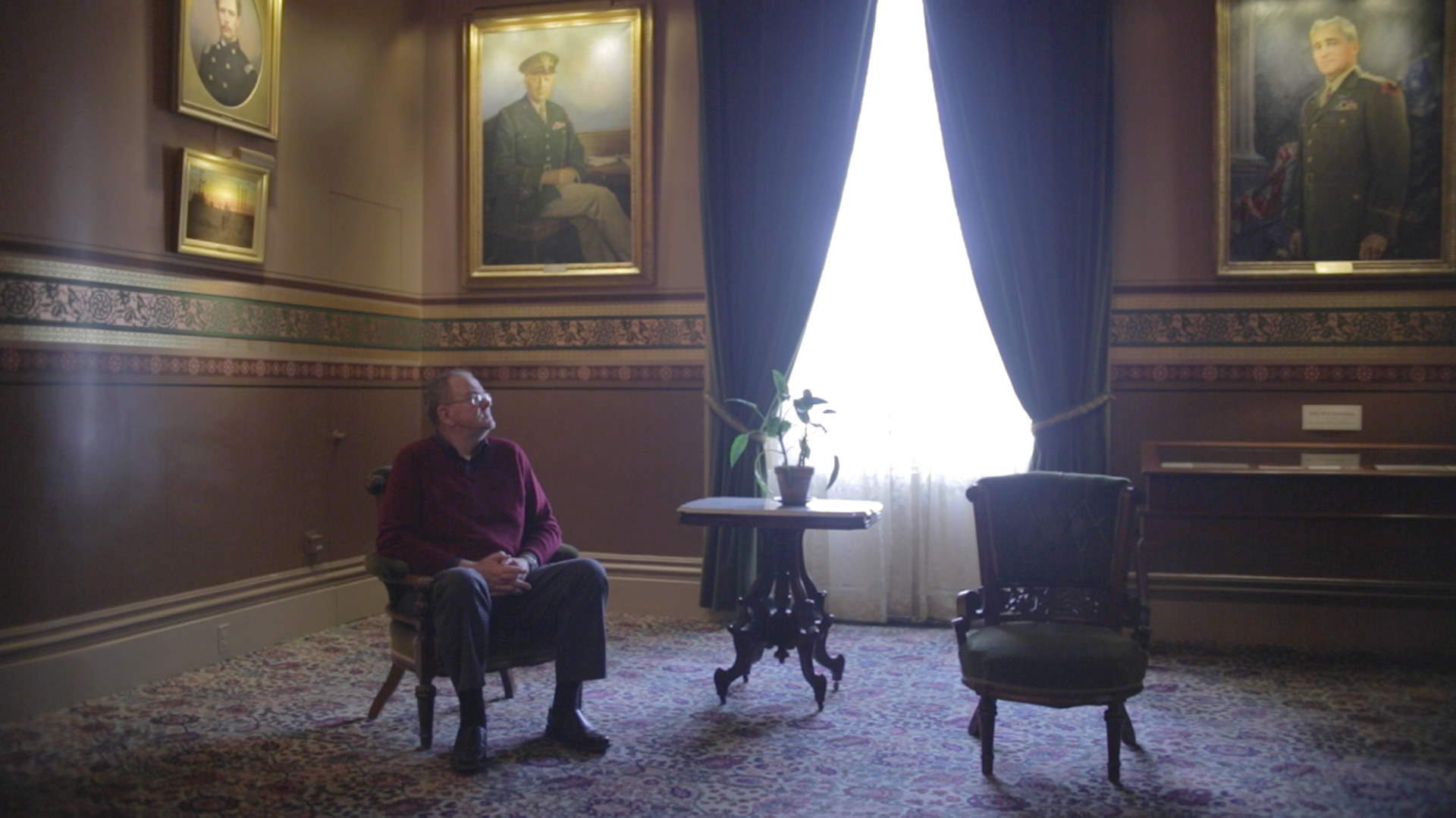
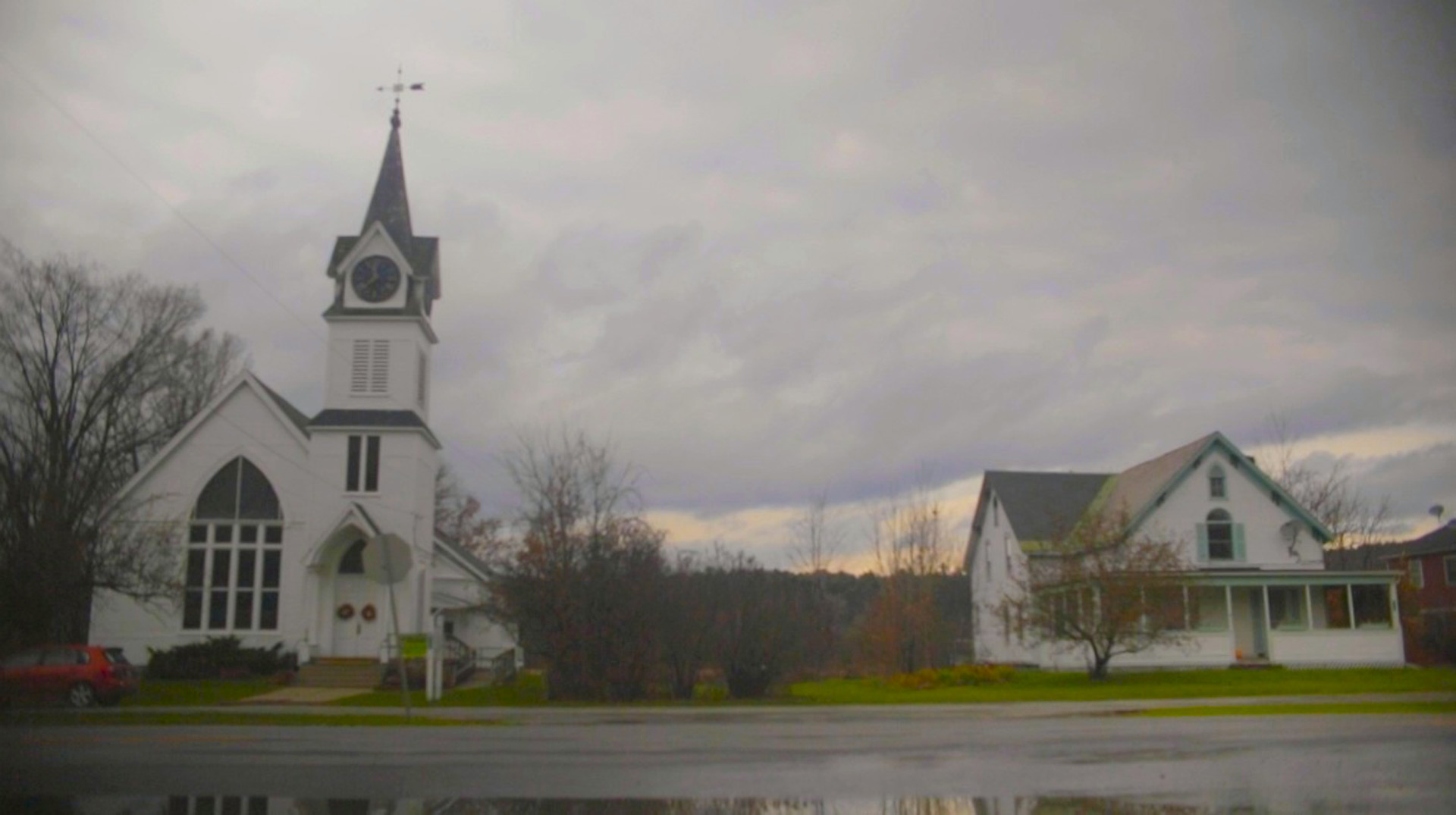
AB: The subject matter doesn’t change the way I approach a project; the way it's filmed does. For each film I try to watch as much of the raw footage as I can before picking a style or feeling to approach it with. For this it couldn't just be about lawyers in a room, because Jeff and the DP brought so much bucolic b-roll of Vermont to the story. They wanted the state to be more than just a backdrop, almost a character. So after 15 hours of seeing the state in all different seasons and locations, the feel for the film just came out.
SCAD: What is the greatest lesson or message from this film?
AB: Hopefully, just stay true to what you believe in and also be willing to help others. It doesn't often feel like it, but there are really some amazing people in the world, even the ones you perceive to be the opposition. Maybe they'll surprise you.
SCAD: Do you feel a responsibility to use your craft to tell important stories?
AB: I would like to say yes, and that responsibility is what drives me, however, I operate a bit more selfishly. In reality, passion is what drives me. I love telling great stories. I am in the game just to emotionally move people, and it doesn't necessarily mean it has to be culturally relevant stories or pro humanitarian stories. I want to make people feel and gain their own opinion with the projects I make.
SCAD: What made you want to be an editor?
AB: Probably my second year at SCAD I realized I wanted to be an editor. I tried one directing class and found it miserable (I'm kind of anti-social, so having to beg friends to help was a killer), and I've always had a skill with computers and images, so it was an easy transition. I still remember sleeping under the Avid on a few overnights before finals.
SCAD: Who was your favorite professor at SCAD and your best lesson learned?
AB: I would say BJ Sears was my favorite. He was great fun and always emphasized less on technical skills and more on what the images back to back say to you.
Bingham is currently editing a documentary on journalist Franca Sozzani, editor-in-chief of Vogue Italia.