Skip to main content Accessibility Policy

SCAD welcomes atelier residents to Lacoste with joyous puppet processional

July
3
2016
By
Tags:

On a sunny, summery Saturday in Lacoste, France, SCAD celebrated the arrival of its new alumni atelier residents with a puppet processional through the vibrant, medieval village. Regional officials, concierges, residents, and SCAD faculty and students, many of them in costume, waved colorful ribbon wands while enjoying a second-line jazz band and freshly spun cotton candy.

Inspired by A Midsummer Night’s Dream, Sam Lasseter (B.F.A. sculpture), created large‑scale, papier-mâché puppets for the parade with the assistance of Mitchell Biggio (B.F.A. sculpture). Puppet characters included cicadas, rabbits, a boar, a mare and the SCAD Bee. Martha Enzmann (M.F.A. painting) and Karen Butch (M.F.A. painting) also designed costumes, props and puppets for the processional.

Large puppets held up in Lacoste celebration

SCAD Lacoste is one of the university’s four global locations. This summer, alumni atelier residents Joseph Gamble (M.F.A. photography), Melissa Hagerty (B.F.A. illustration) and Lily Kuonen (M.F.A. painting) will live in the storybook village, revitalized by SCAD’s restoration of buildings dating back to the 15th and 16th centuries. The alumni will host workshops and work in the SCAD Olivier Caves, the studios along the Rue Saint-Trophime that offer a living lesson in the creation of art for students, tourists and villagers.

“This celebration stands not just to welcome our new alumni residents for the summer,” proclaimed SCAD president and founder Paula Wallace, “but to showcase our deep-rooted love for Lacoste’s history and significance to the global art community.”

Alumna Megan Balser "Transitions" from CLC to success

July
1
2016
By
Tags:

Students in SCAD’s Collaborative Learning Center get more than the usual classroom experience. In the words of alumna and CLC veteran Megan Balser (B.F.A. writing), “There’s nothing abstract about a CLC project. We’re working with real clients toward a real result.”

Balser’s decision to participate in a CLC project meant waiving her required Business and Professional Writing class. “It was an opportunity to learn on the job rather than in the classroom — a change in context rather than a loss.”

Her project turned into a full-time job after graduating Fall 2014. In this first half of Megan’s story, she tells what it was like to be part of a CLC team.


My CLC team was contracted by The Lexington Center, a provider of disability services in Fulton County, New York. Lexington planned to buy a large office building and renovate it into a community arts center and a home for their new program, Transitions. Transitions is an educational and career prep program for young adults with autism and other learning differences who have graduated high school and want to attend college, start a career and/or live independently, but need extra support.

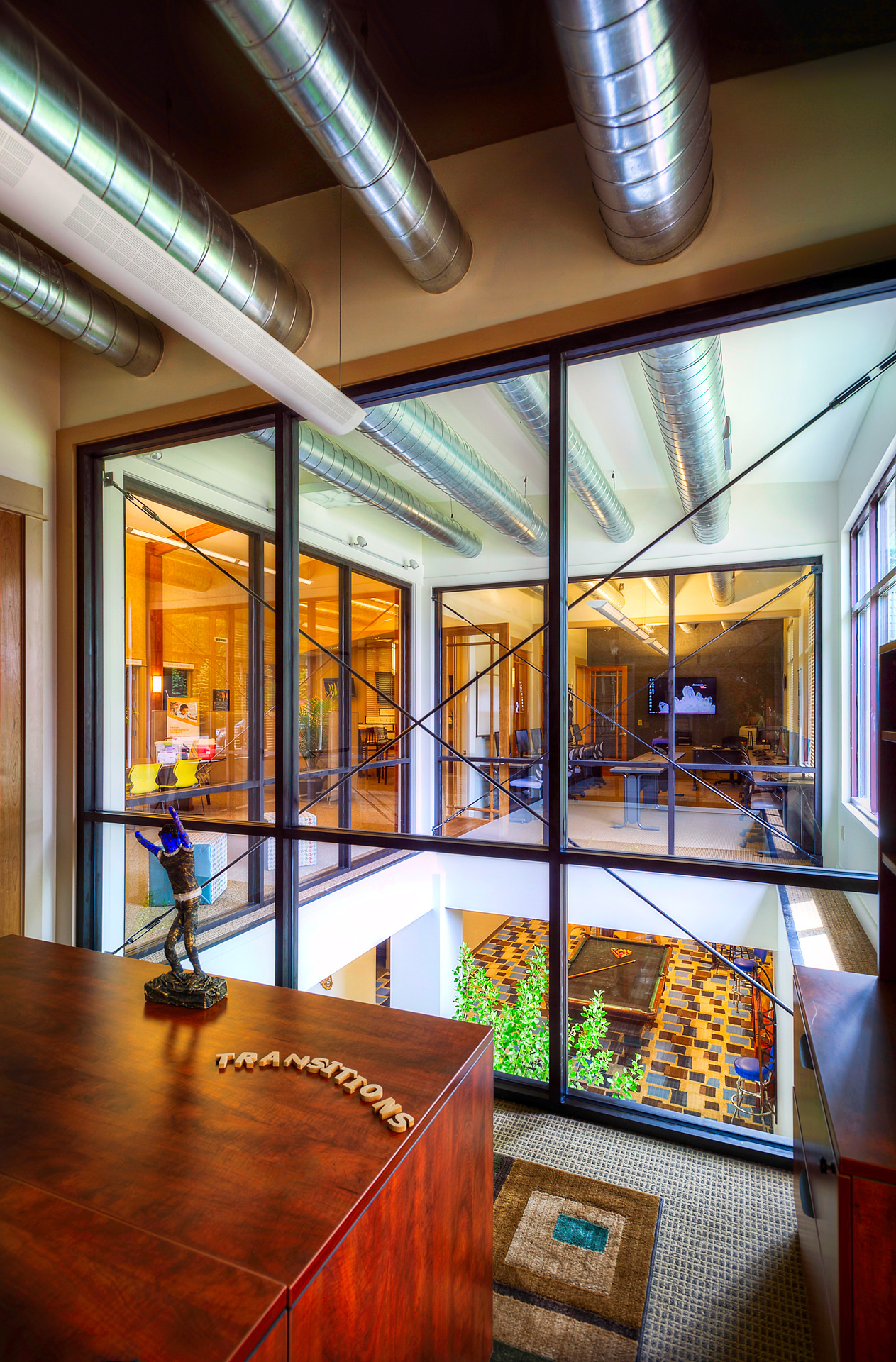
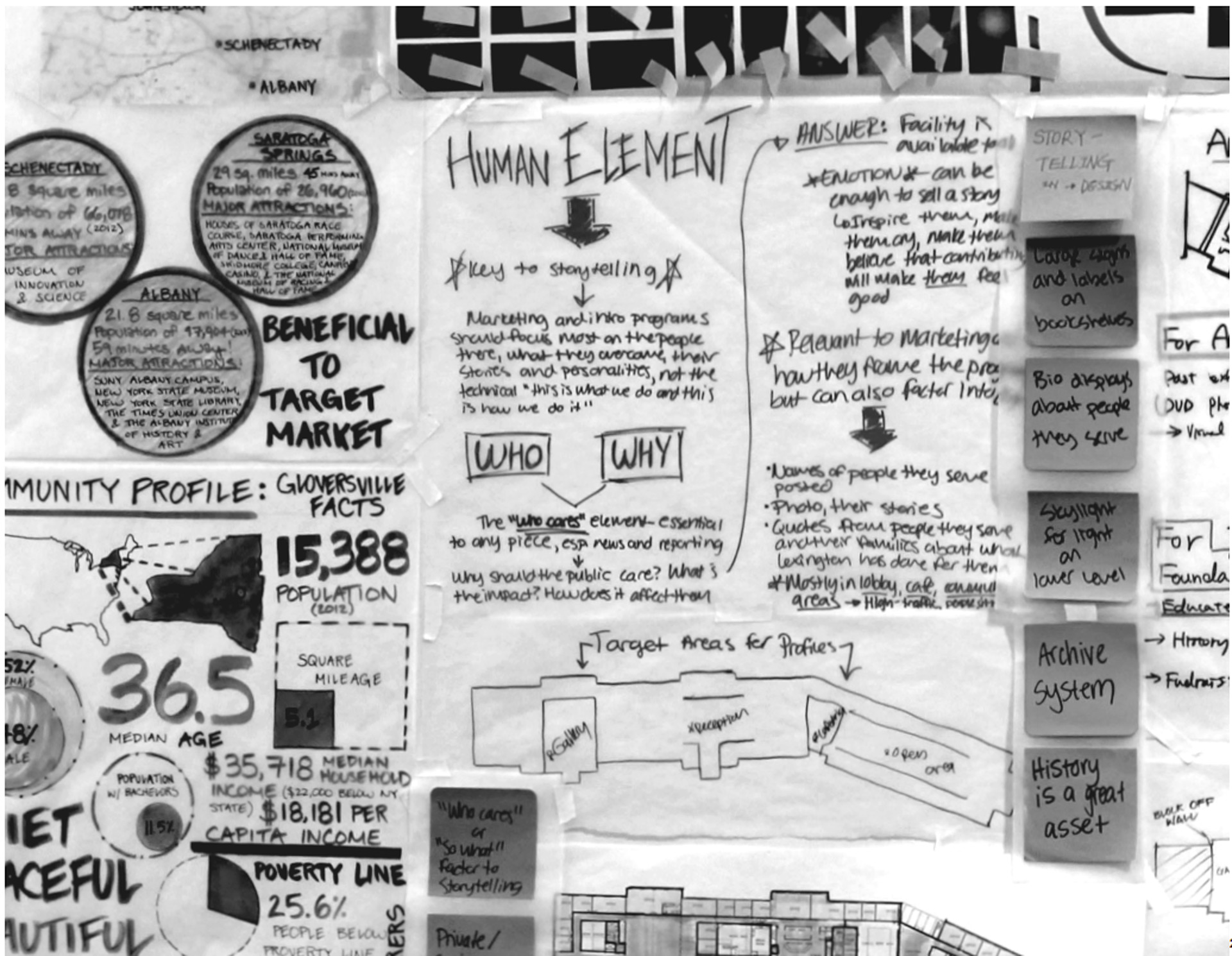
Our objective was to transform the corporate interior of the building into a place suitable for art, education and community collaboration. We designed everything through the lens of making the space accessible to people with all kinds of differences — physical, developmental, sensory, everything. It wasn’t enough that things looked good; they also had to feel safe and comfortable for people for whom the world isn’t typically designed.

Wall covered in notes, sketches and post-it notes

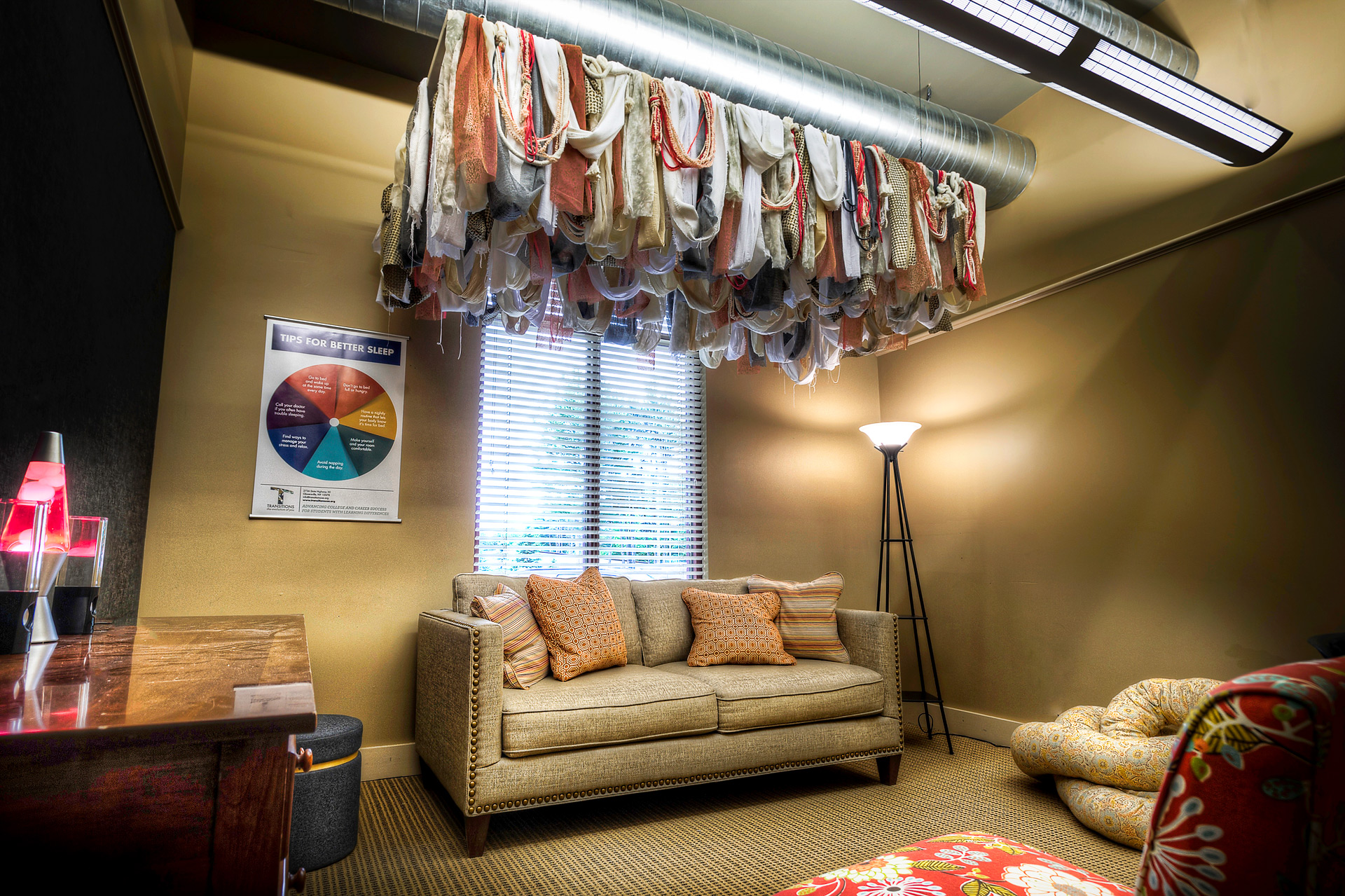
The goal in designing Transitions to be sensory-friendly was to make everything as comfortable as possible for students who get over-stimulated by the visual and auditory chaos of average educational spaces. It also had to provide some comforting stimulation when needed; too little can be as uncomfortable as too much.

We had a team of six interior design students, four arts administration students, a graphic design student, and me. The interior designers drew up the transformation proposals. The arts administrators helped conduct research and develop arts programming, marketing strategies and other operational procedures. The graphic designer put together our presentation materials and process book. I made sure all written materials were clear and professional.

Office space with large glass walls

Working with a team this diverse was a dramatic change from the writing workshops I was used to. Interior designers don’t just do a different job than writers; they have a completely different way of thinking. By following their lead, I learned how to process information differently and attend to how content is presented.

The CLC project itself taught me new ways of writing for new audiences. In writing classes my works were creative and personal. The writing required for the CLC was all business, sometimes in unfamiliar jargon. The arts administrators taught me about how to conduct the proper research, produce specialized documents and establish a simple but professional tone.

Room with fabric installation above a beige couch

This was by far my most challenging and all-consuming experience at SCAD. I felt out of place at first, but soon we solidified into one cohesive team working on one project, rather than a collection of different professionals working on different tasks. There is no “us” and “them” in a CLC.

Coming to trust the skills and judgment of the people on my team was an invaluable lesson. You never work alone in any industry, so the more you can practice both contributing to a team and drawing from the other members, the more prepared you will be for life after graduation.

Conference room with bright orange office chairs

Lexington didn’t use all our design proposals, but quite a few were implemented. They used many of our ideas for furniture, finish and materiality. Most of the tables, chairs and stools in the classrooms, studios and computer labs are similar to the ones the designers suggested. Transitions also used some elements of SCAD’s Jump Start program as inspiration for the support they offer to students attending college.

After the project wrapped, our clients offered us three-month internships at their agency. I applied and was accepted as a writing and editing intern. After three months, they asked me to stay on, and I’m still working there a year and a half after graduating from SCAD.


All images by Mitch Wojnarowicz, courtesy of the Paul Nigra Center for Creative Arts/Transitions

Dixieland, promised land: Stephanie Howard’s Southern mythmaking

June
15
2016
By
Tags:

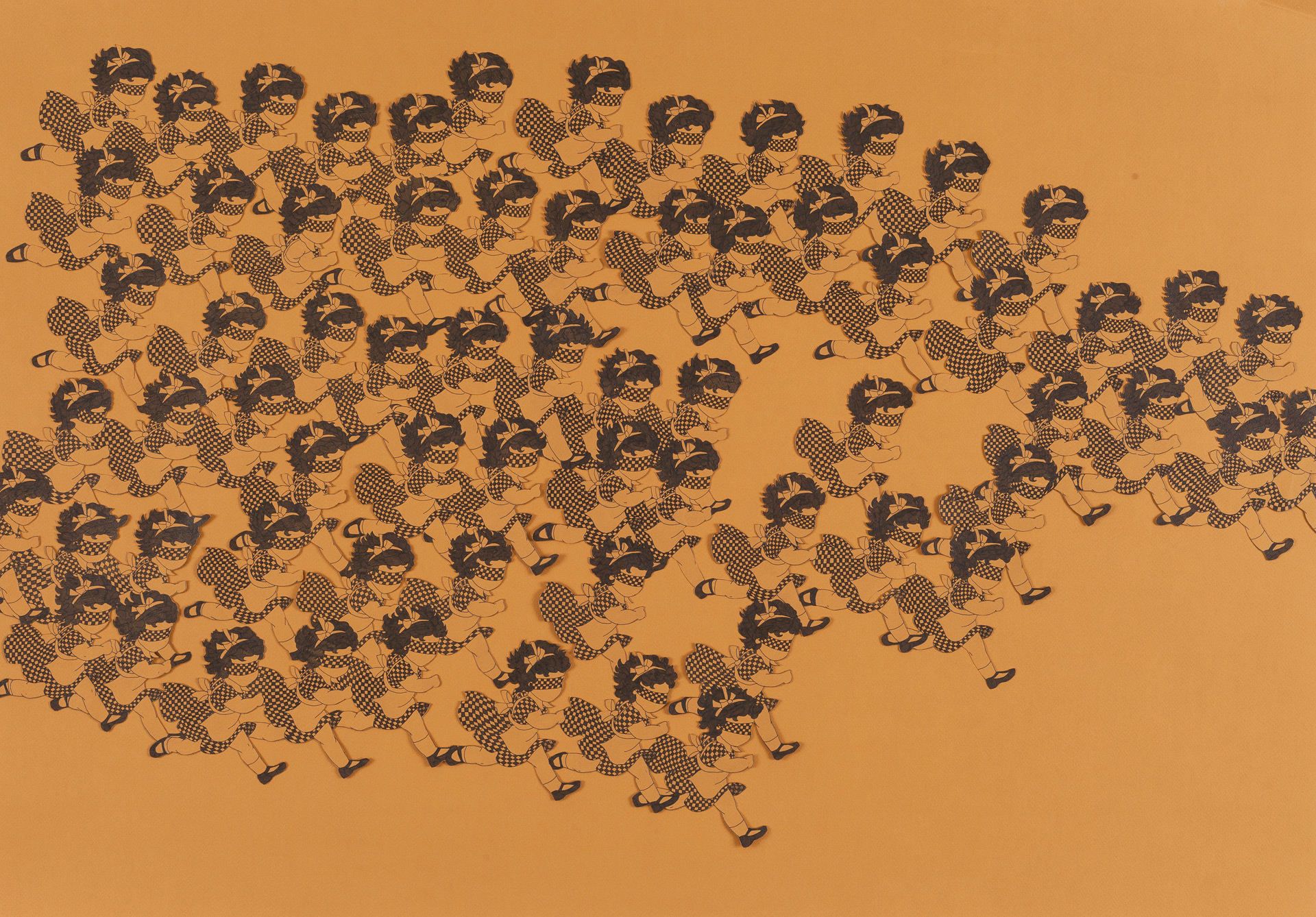
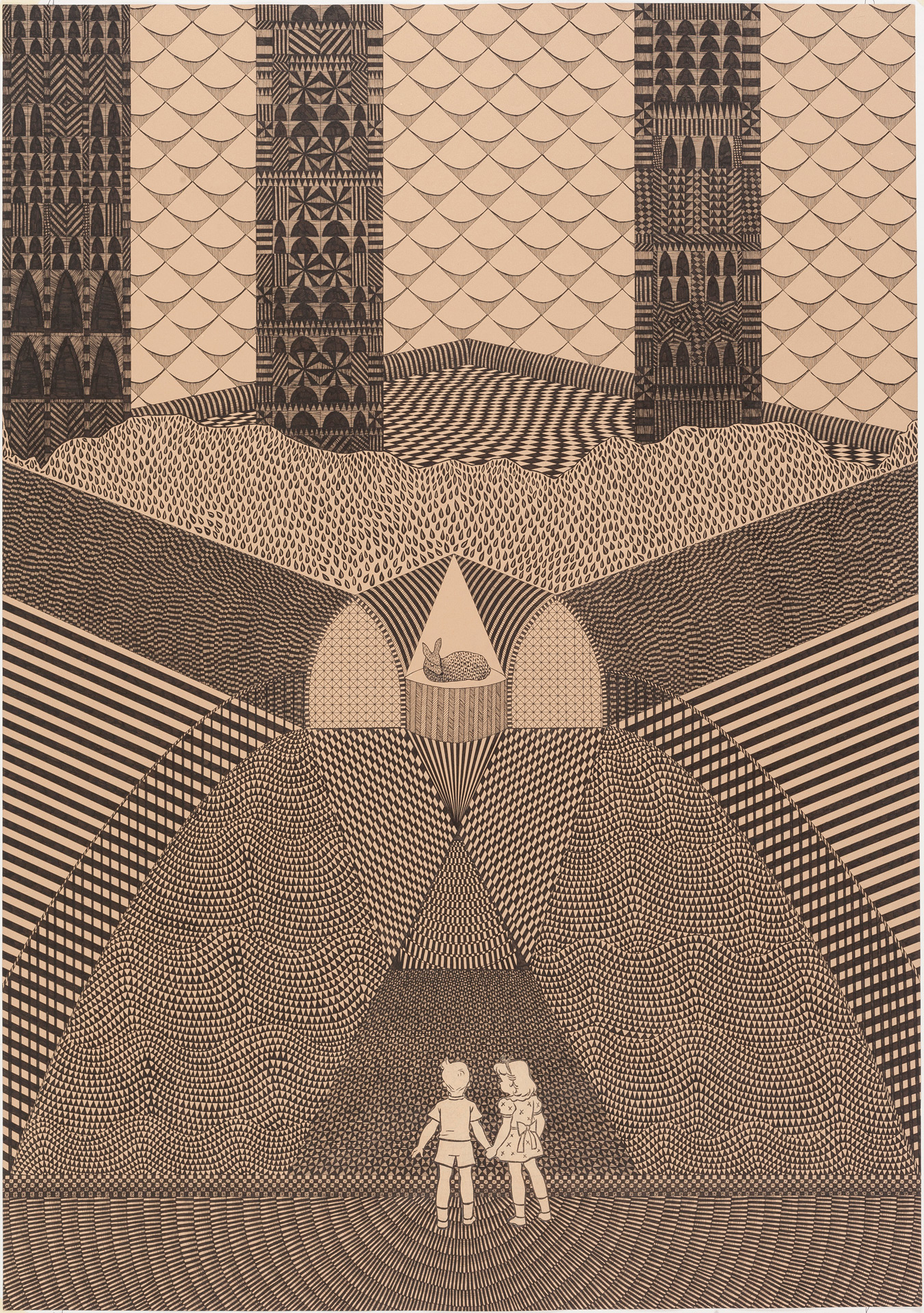
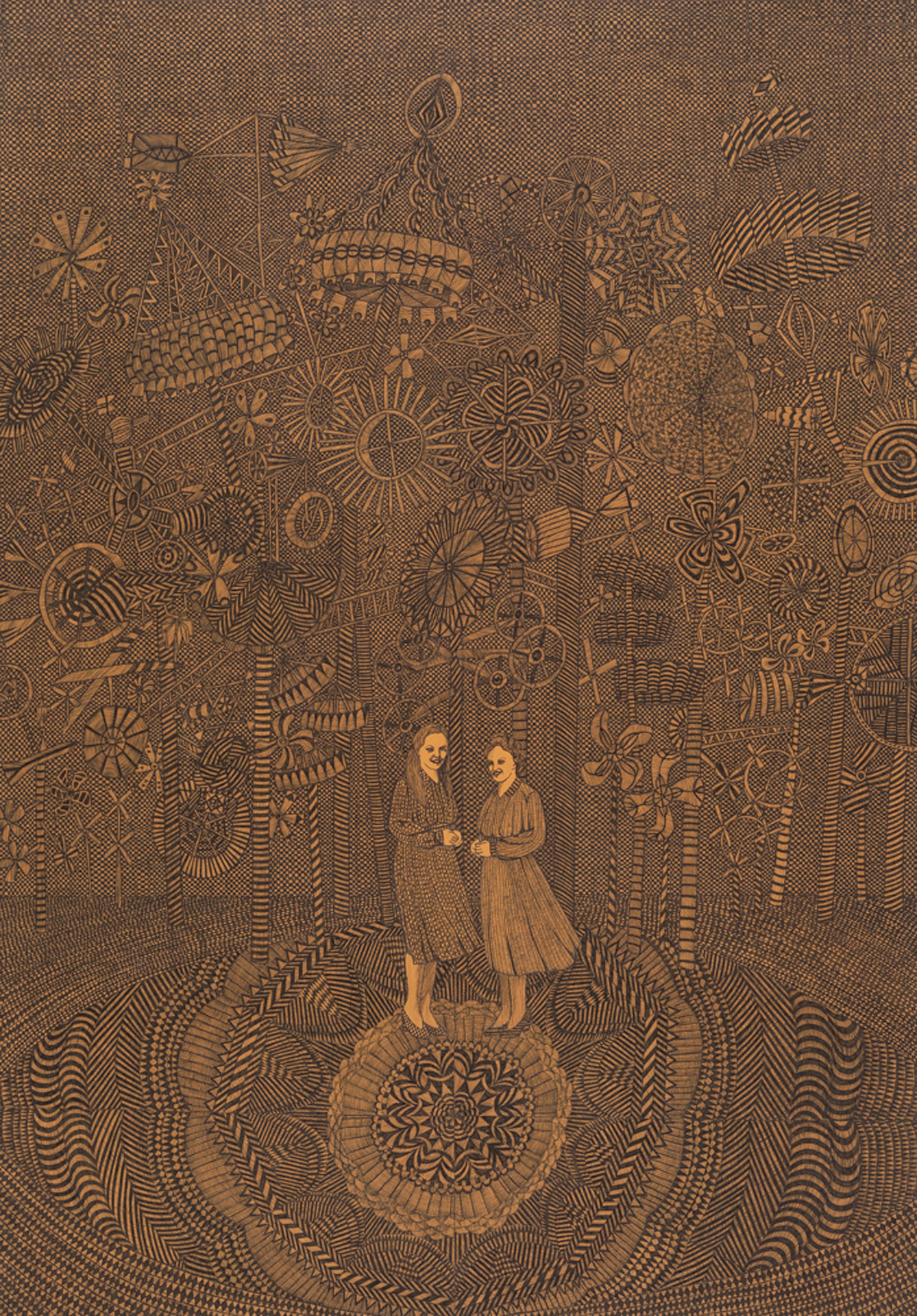
The mesmeric pen and ink drawings of Stephanie Howard (B.F.A. painting) portray a disquieting backwater of the American South. Populated by somnolent children, small-town Carolina Shag queens, wild animals and disorienting scenes of illusion, Stephanie’s hypnotic works blend into a folkloric mythology all her own. An exhibition of her work, “Time and Place and Eternity,” is in its final week at the SCAD Museum of Art.

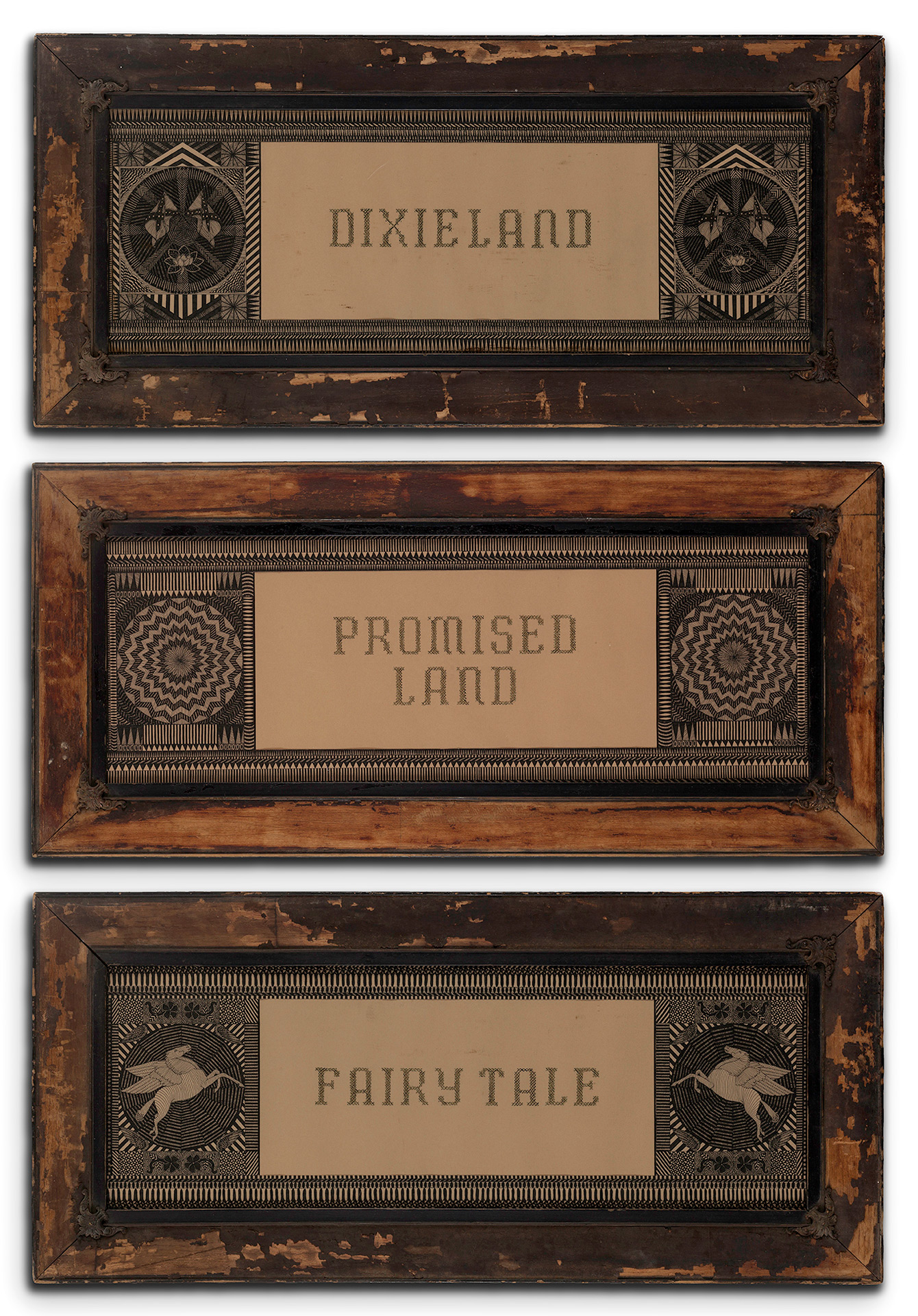
Stephanie Howard art, Time and Place and Eternity

SCAD: In “Time and Place and Eternity,” the majority of your works employ only pen and ink. What do you find most appealing about that medium?

STEPHANIE HOWARD: The directness of it, just putting a pen to paper, no mixing of paints or other mediums, no printing or processing. The fine-line quality of the pen also feels like thread to me, and as I work with the paper over time, it becomes more malleable, taking on more of a cloth feel. While I am working on the drawings, I think of them more as embroidery.

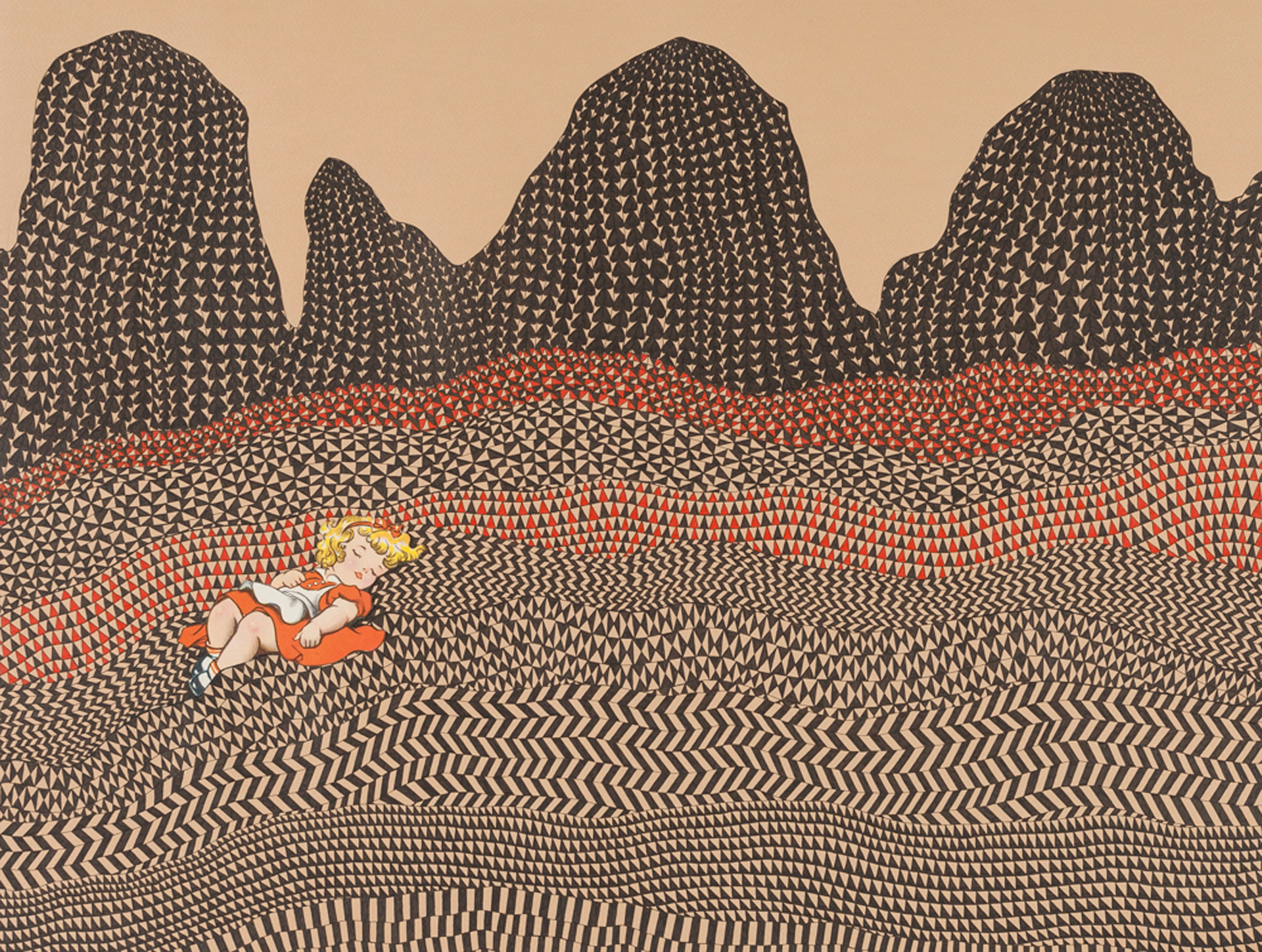
Stephanie Howard, SCAD Museum of Art exhibition

SCAD: Your work is propelled by labor-intensive patterns that on occasion seem to form optical illusions, as if the works themselves are moving. What do the complexity of patterns mean to you in your art?

HOWARD: In my art I am traveling through these other “worlds” as I create them, so the physical execution of the patterns helps to keep me in a sort of meditative state while I process all of the visual parts, manipulate images and put together pieces of stories. I have always loved layered patterns and I think it triggers the eye to start searching for something that makes sense, a respite of a known entity to cling to. By knowing and using that, I can act as a guide for the viewer as they move through the drawing. That movement the patterns add also creates a living quality, so that the drawing is not a document of a thing that happened, but rather a window into a moment that is forever happening.

Stephanie Howard, SCAD Museum of Art exhibition

SCAD: You’ve spent much of your life in the Greenville, South Carolina area. How does that influence the mythology found throughout your work?

HOWARD: I am from upstate South Carolina, but the stories I heard growing up came from all parts of the state. I was also always surrounded by remnants of once grand southern towns, now empty because the mill shut down or the interstate had bypassed them. This left me with some amazing bare bones, an arsenal of my own stories to tell, and a mix of some very potent magic symbols to throw in.

Stephanie Howard, SCAD Museum of Art exhibition

SCAD: If I were sitting in your studio, what would I see?

HOWARD: Collections. Records chock-full of soul! Antiques that somehow seem strange or creepy to most folks, stacks of old books, my drawing table which takes up most of the room, cats sleeping on scraps of paper, and windows that look out onto the giant water oak in my front yard. My studio is on the second floor of my house, an old mill house around 100 years old. It has character and energy — we are kindred spirits in the overwhelming need to persevere in a timeless South.

Stephanie Howard, SCAD Museum of Art exhibition

SCAD: What do you remember most fondly about your time at SCAD?

HOWARD: I had some amazing professors who helped me to not limit myself. I loved the diversity of the student body and the visiting artists. SCAD was my first opportunity to see famous artists who were in history books … and famous artists who were women! I remember Audrey Flack stopped by one of my painting classes one day and walked around looking at our work — I think I might have held my breath the entire time she was in the room.


Stephanie Howard’s “Time and Place and Eternity” is on view at the SCAD Museum of Art through June 19th.

It takes a Bee: Five highlights from SCAD Commencement 2016

June
7
2016
By
Tags:

“We want to be part of your lives at every stage of your personal and professional success,” beamed SCAD President Paula Wallace at the bountiful, berobed students. The stage at the Savannah Civic Center was set – with a Lucite podium, and distinguished faculty and guests – for a classic commencement. SCAD families from as far away as Panama City, Hong Kong, and Granville, Ohio were there to celebrate their Bees buzzing forth into the world.


She's a new grad @lindsayjmeece #scadatlanta #scadgrad #grad #scadgrad2016

A photo posted by Pam Meece (@pmeece) on

Customized mortarboards exemplified the artistic wills of individual graduates, sometimes with collective messages: “Be fearless in the pursuit of what sets your soul on fire,” proclaimed one. As the ceremony advanced through a scintillating sequence of speakers, notes of inspiration and contemplation gave way to a wow moment featuring copious glowsticks, aerial acrobatics and SCAD’s dynamite drumline. In celebration of the great day, here are five memorable remarks from the Savannah edition of SCAD commencement 2016:

1. SCAD alumna Michelle Poler (B.F.A. advertising), creator “100 Days Without Fear”:

“I’m here today to encourage you to say ‘yes’ more often, to visualize goals, and to be willing to get uncomfortable to make them happen. Because YOLO, seriously, you only live once. So go out into the world, never settle, find your own happiness, and paint a canvas that – whenever you envision it – always makes you smile.”

2. Valedictorian Jill DeBiase (B.F.A. advertising):

“I came to SCAD for advertising and discovered it was so much more than I had imagined. Advertising ‘copywriters’ were not, in fact, the guys running around putting little copyright c’s next to brand names. We are the writers. We are the people who come up with the big ideas and craft them with care and a love for language.”

3. Excelsus Laureate Mazyar Sharifian (M.A. visual effects):

“By the time I finished high school, I faced a great dilemma: at university, I would have to choose between art and science. At that time in Iran, living as an artist was really tough, so I decided to study engineering instead. But I began to think…was there a place that could prepare me for both of these roles? I was told there is such a place, and that place is called SCAD.”

4. Jeanne and Tom Townsend, parents of former SCAD Student Alexander Townsend, founders of Alex Townsend Memorial Foundation:

“We embraced Savannah and SCAD with our whole hearts, just as Alex had. I am so thankful that is the path we chose. In the last six years, Savannah has become a second home to us. The people of Savannah and SCAD have welcomed us with open arms. We are forever grateful to Alex for giving us the gift of this special place that has so profoundly changed and enriched our lives.”

5. Art Gensler, founder of Gensler, the world’s leading collaborative design firm, recipient SCAD Honorary Doctorate of Humane Letters:

“Graduates – this is an exciting time to earn an art and design degree. The world, and especially the industry, recognizes the importance of art and design in today’s markets. You bring many skills and values they find attractive and necessary. You are graduating from the most comprehensive design school in the world. Gensler is proud to have over sixty graduates from SCAD as members of our team. But we need more, so come on down!”

‘Force’ Fielding: The Return of Star Wars Scribe Chaz Moneypenny

May
25
2016
By
Tags:

Chaz Moneypenny (M.F.A. dramatic writing) is an oracle, but he’s not giving away all the answers. When the senior writer at The Walt Disney Company takes the stage at Arnold Hall on Thursday, don’t expect him to reveal the identity of Rey’s parents in Star Wars. Chatty Chaz will be discussing effective networking, pithy pitches, and the power of the SCAD brand in the storytelling marketplace. Then again, with Jedi mind tricks, anything’s possible.

SCAD: Which films from your childhood did you commit to memory and return to repeatedly?

Chaz: The Transformers: The Movie, the animated feature from 1986. Spoiler alert! Optimus Prime is killed and this young Autobot has to find the courage to lead. That’s the hero’s journey right there! I got the VHS tape and watched it on repeat from age 3 to 6. As I learned later in the business, that movie is an 80-minute toy commercial. Yet it’s visually rich, emotionally challenging, and has a tenacious pace. And Jurassic Park. Spielberg is an amazing visual storyteller, and I love the dialogue. Every line is like a headline written by a poet.

SCAD: How will your talk this week differ from your appearance here in April? 

Chaz: I was here speaking with students about how I utilized the tools I acquired at SCAD to get where I am now. One thing I learned is that a lot of students find the word “networking” terrifying. Like Yoda said: “Name your fear you must before banish it you can.” So this time I’ll be giving students a road map on how and when to get people’s attention. Remember, the perfect pitch at the wrong time is a terrible pitch.

SCAD: If you could talk shop with any storyteller throughout human history, who would it be? 

Chaz: I’d ask David Letterman how you make the perfect joke. I’d talk the Republic with Plato. And I’d love to sit in the Pixar writers room and watch them work. John Lasseter makes four-quadrant stories that appeal to any age group. I want to know how he pulls off those powerful emotional beats.

SCAD: You’ve worked extensively within the Marvel and Star Wars universes. What are the keys to franchise-based storytelling?

Chaz: When I was at SCAD I said, “I never need to create a character. I just want to play in other people’s sandboxes.” I loved the universes I was already versed in, that I grew up with. Those stories jumpstarted my imagination. I want to give back to the properties that gave me so much. I go to the lore and find areas that might be ambiguous, moments where you can go deeper into the conversation. If I’m asking myself dramatic questions, other people are asking those questions too. Also, find potential friction points. Are Kylo Ren and Captain Phasma getting along?

SCAD: On that note, who would win a battle between Deadpool and Kylo Ren, if Deadpool was armed solely with a set of encyclopedia, and Kylo Ren had only a jar of pickle chips?

Chaz: I do not speak on behalf of Disney, I just work for Disney. But to answer your question: Kylo Ren…because Disney owns him!

Chaz Moneypenny appears Thursday, May 26, 5 p.m. at Arnold Hall. The event is free and open to the public. Photo by Angie Stong.

May the fourth BEE with you!

May
4
2016
By
Tags:

A long time ago in a galaxy far, far away, Star Wars fans around the world declared May 4 a day to honor the beloved story by George Lucas. It should come as no surprise that many SCAD students and alumni are among these fans, using their artistic talents for both the light and dark side of the Force. To celebrate, we went to Behance's online portfolio community and found seven stellar works created by our Bees. May the fourth be with you!

"BB-8" by Thomas Burns (M.F.A. illustration)

SCAD illustration student Thomas Burns' BB-8 artwork

"Fork in the Road" by Erik Binggeser (B.F.A. graphic design)

SCAD graphic design student Erik Binggeser's Star Wars artwork

"DJ Darth Fader" by Chris Westgate (B.F.A. illustration)

SCAD illustration student Chris Westgate's Star Wars artwork

"Star Wars T-shirt Design" by Matthew Gallman (B.F.A. sequential art)

SCAD alumnus Matthew Gallman's Star Wars artwork

"Star Wars Captain Phasma Skateboard Deck" by Kevin Taylor (B.F.A. graphic design)

SCAD graphic design student Kevin Taylor's Star Wars skateboard design

"Han Solo Poster" by Andreas von Buddenbrock (B.F.A. illustration)

SCAD illustration student Andreas von Buddenbrok's Han Solo poster

"Power Force Darth" by Quintin Williams (B.F.A. industrial design)

SCAD industrial design student Quintin Williams' Star Wars shoe design

A Sidewalk Arts Festival family tradition

April
18
2016
By
Tags:

This year, for the first time, Sidewalk Arts Festival will feature a special $1,100 “SCAD is Family” cash prize for best chalk artwork created by current students and alumni working with siblings, spouses or business partners. Here, SCAD alumna Amanda Surowitz (B.F.A. writing) remembers the first time she participated in Sidewalk Arts with her older brother.

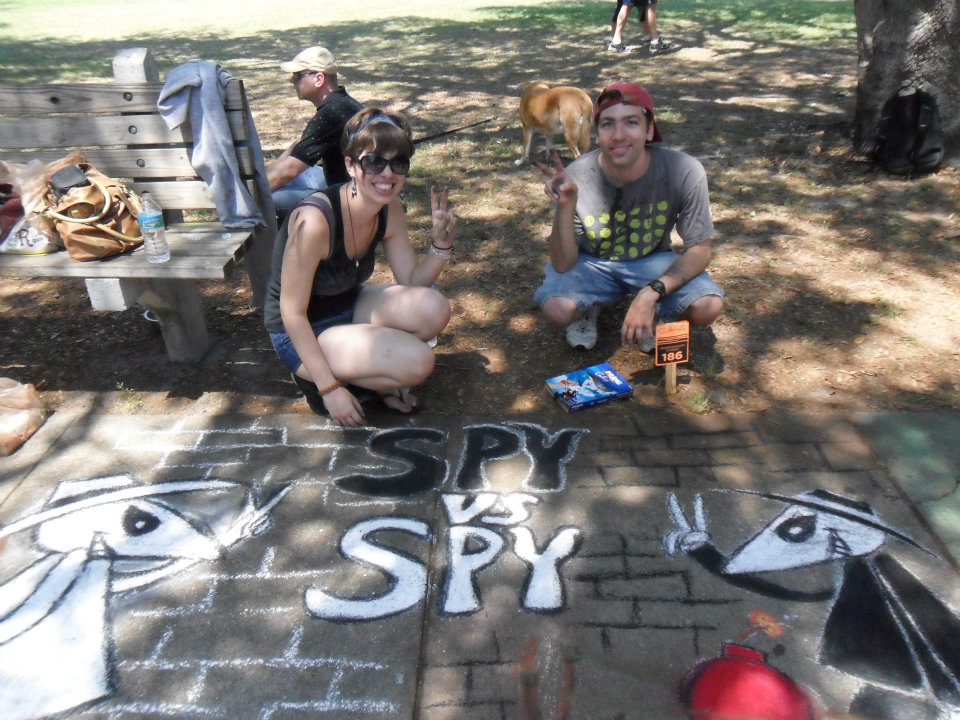
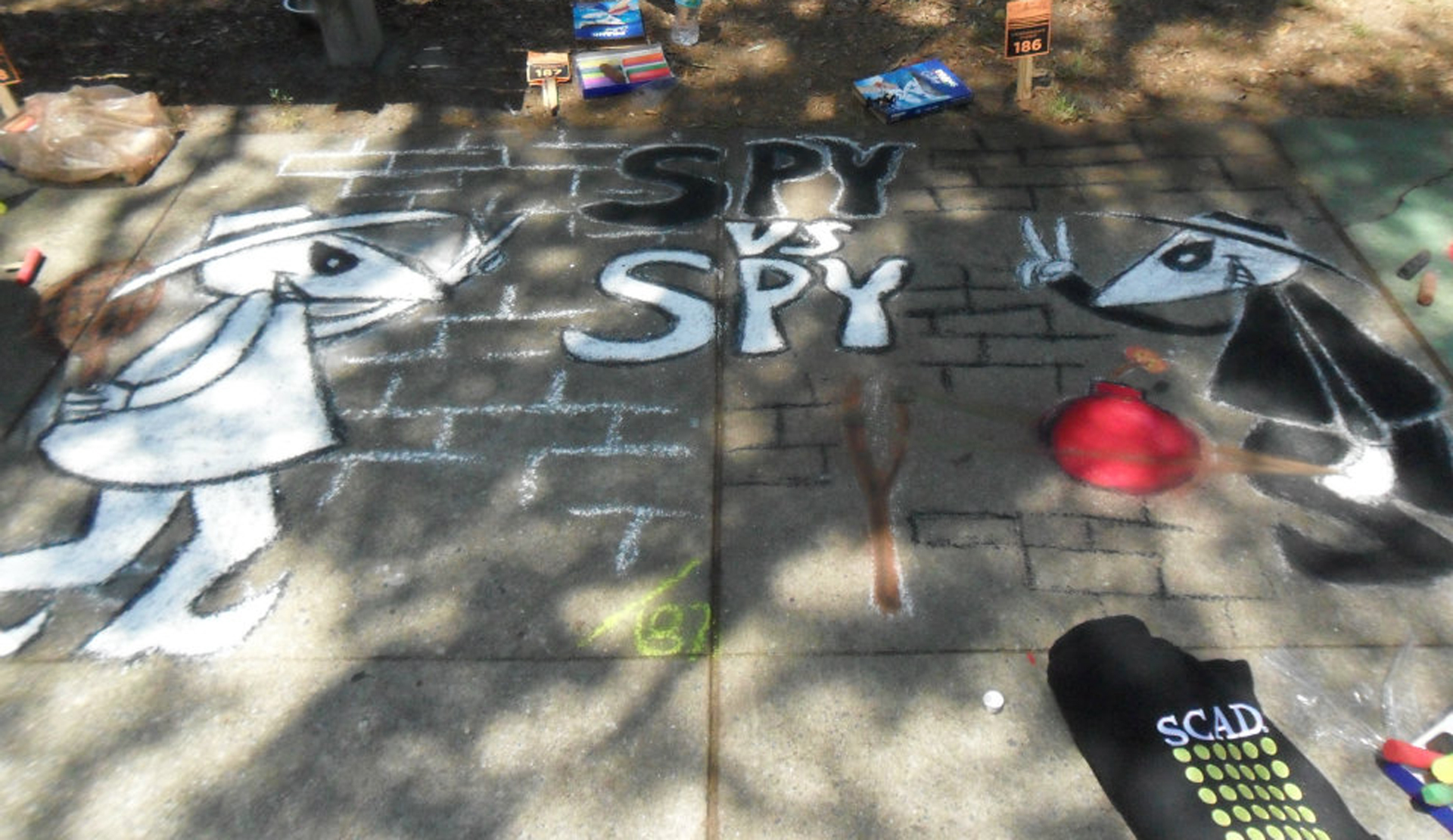
Two SCAD students work on a Spy vs. Spy sidewalk chalk artwork

My brother Alex (B.F.A. film and television) and I have always shared an interest in art and storytelling. I was still in high school when he arrived at SCAD to study film and animation. Every time he came home on break, he would teach me things he’d learned in class. He refined my Photoshop skills, demonstrated drawing techniques and showed me more about filmmaking than I ever wanted to know. This convinced me to follow in his footsteps to SCAD. 

My first year was my brother’s senior year. Alex wanted to show me some of what he loved about SCAD, so he took me to the Halloween Masquerade, the Film Festival and, my favorite, the 2012 Sidewalk Arts Festival.

Sidewalk Arts was our first real collaboration of ideas and art. Before, he had given me advice for my foundation studies projects, and I had worked as an extra pair of hands on his film projects. But for Sidewalk Arts, we decided to draw something that had meaning for both of us.

We remembered Spy vs. Spy from when we were kids. Having rediscovered the cartoons thanks to the magic of YouTube, we loved the idea of rendering the classic black-and-white adversaries in chalk together in Forsyth Park.

Detail of Spy vs. Spy sidewalk chalk artwork

We each took a Spy and a square. Since Alex wanted to give his Spy a slingshot, I drew my Spy ready with a tennis racquet. As we worked, people stopped and took pictures. We lost count of how many times we heard “Aw, I love Spy vs. Spy!” and “You can’t be old enough to know what that is!”

Three hours later, we were done. We walked through Forsyth Park, seeing what our friends and classmates also created. Even on the other side of the park, we heard people talking about “the squares with the spy guys.” Hearing how many people loved our blast from the past was a reward unto itself.

Now that Alex and I are together in Savannah again, we’ll be back with chalk in hand at Sidewalk Arts this Saturday. 

Smiles Ahead: SCAD is Family's Calderon siblings

April
4
2016
By
Tags:

Lwany Calderon Smith (B.F.A. fashion marketing and management) is a SCAD is Family superstar. She’s part of a Los Angeles-based photographer/stylist team with her husband Aaron Smith (B.F.A. photography), while her brother, Jonathan (B.F.A. advertising), also lives in L.A., where he works as an interactive art director. Here, the Calderon siblings discuss the rich resonance of their SCAD experience.

SCAD: Do you remember when you first became interested in art?

Lwany: As little kids in Mexico, we’d have tiny bags of potato chips with lunch, and there was a promotion where you’d get Tazos, which are plastic circles with different characters drawn on them. I remember collecting them for the drawings.

Jonathan: In fourth grade I started getting into anime, and I liked the way the animation looked in contrast with American cartoons. I used to trace the drawings I saw on TV.

SCAD: Amazing. How did you wind up at SCAD?

Lwany: I remember coming across the SCAD website. I really liked that SCAD had a wide variety of majors. Coming from a design background in high school, I knew SCAD was the one, and that I was going to make it work.

Jonathan: I was doing pre-med and realized it wasn’t for me. So I saw her at SCAD and thought, let’s go for it.

SCAD: Did you often hang out together at SCAD?

Lwany: We had separate lives. He was playing soccer, and I was a resident assistant. But yes! I remember having people realize we were brother and sister, and saying, “You guys don’t look alike, but you have the same smile.”

SCAD: How did you select your majors?

Lwany: I’m good with materials that are already made; I like putting them together. I always thought that was inferior to designing or manufacturing. Actually, it’s its own niche. When the fashion marketing and management major was introduced, it was a relief. It opened doors to having my first job in the marketing department of a creative company.

Jonathan: I have an interest in not only creating art, but assessing its purpose in the business world. If you want to be a really good artist, you have to know how to engage in the industry. Advertising was a good program for that.

SCAD: Do you have any advice for future SCAD students?

Lwany: You’re going to be surrounded by the best of the best, so you can’t expect to excel if you haven’t done your foundations. I know SCAD has as program for freshman to take the summer before they begin. I highly recommend it, so you start with a set of friends, too.

Jonathan: Even after working professionally in the real world, some of the designers I like best are from SCAD. You’ll find the the people you’re surrounded with there are driven and willing to take chances. It makes those bonds stronger, and those relationships have a lasting impact.

Keeping It Reel: SCAD is Family’s filmmaking Ross Brothers

March
21
2016
By
Tags:

One has long hair and one keeps it short, but alumni Bill and Turner Ross are still growing together. From their museum-going childhood in a small town in Ohio through their crucial skill-building years at SCAD, Bill (B.F.A. video/film) and Turner (B.F.A. painting) have developed a joint sensibility borne as much from encouragement as competition. In recent years the brothers have created a series of exquisitely personal, universally resonant documentary films including 45365, Tchoupitoulas and Western. We caught up them to discuss how their SCAD experience continues to inform their award-winning work.

SCAD: It’s been over a decade since you graduated. Do you still work with friends you made at SCAD?

Turner: A lot of our crew now are our friends from SCAD. We were a whole bunch of misfits who ended up together. Everybody had something that they wanted to do or somebody that they wanted to become. The people that we came through with are out there in the world, doing it in really exceptional ways. We still find a connection and are available to each other. It’s very much like family.

SCAD: What were the keys to your university experience?

Turner: For us, SCAD meant access to resources. Being there together, no matter what it was we were doing, we were able to bounce off of each other. We lived in a house on Anderson Street and we made all of our projects in our house with our friends. We went to class to learn from people, to get critiqued, but most of all, to have access to the resources that we needed to explore and the freedom within that SCAD environment to try things. We made a lot of really bad stuff and we learned a lot. In the end, we developed relationships that we took beyond the confines of the scholastic world.

Bill: We’d started out very young, running around with cameras and painting, and SCAD was a continuation of that in a more serious way. I worked at The Cage [the checkout locker at the film department], so we had access to equipment 24 hours a day. We were always taking it out whether we had a project to work on or not, just for the fun of it. It’s a little surprising to look back on some of those early things and see how similar they are to what do now. We’d like to think that our art has gotten better.

SCAD: So you were developing your passions from early childhood, before you got to SCAD?

Turner: We’re from a small town, Sidney, Ohio. Our dad was a historian and our mom was in education. As kids, we went to a lot of museums and they really fostered an interest in where people come from and who people are, which fed into what we do now, which is tell the stories of people and how they get to be who they are.

Bill: Growing up, I sort of hid part of myself because if the guys that I hung out with knew I was in the basement watching Fellini movies, they’d probably have been like, “What’s wrong with you?” Once I was at SCAD, I met so many people and we were just always making stuff together. Our work continues to be fun but there was something about that initial moment where the world just became a lot bigger and brighter because I had found a home and felt normal.

SCAD: Turner, you got to SCAD first, is that correct?

Turner: I got a scholarship through the SCAD Rising Star Program, which allowed me to graduate from high school early and go down and really pursue painting in a meaningful way. I still use skills as a filmmaker that I learned doing painting at SCAD: process, theory, color, light, knowing your subject matter, framing. Right out of college, I started working in art departments in film, which was an actual meeting of those two worlds.

Bill: I’ve always been proud of T. He is probably the most ambitious, driven person I’ve ever been around. He never had the fear of putting himself out there, which I think a lot of people can be hung up on. So he pushed me to do that as well, from a very early age.

Turner: It’s something more positive than a rivalry, you know.

Bill: Well, there is a little bit of that, too. We’ve very different individuals. If we weren’t brothers, I don’t know that we would actually hang out. But when we come together, our personalities mesh in a very good way.

SCAD Alumni Atelier jewelry trunk show at shopSCAD

March
11
2016
By
Tags:

A handful of fluorescent green acrylic letters, millimeters thick, lay scattered on a paper plate balanced on top of Kathleen Grebe’s crossed legs as she sat in one of the Forsyth House studios.

“I’ll turn these laser-cut letters that spell out the word ‘brave’ on their side so only the edge is showing and string about 40 of them together to create a large 3-D necklace and an internal message for the wearer,” said Grebe (B.F.A. graphic design), a SCAD Alumni Atelier Ambassador.

“In order to wear my jewelry, someone has to be brave — willing to make a fashion statement — and my collection is a celebration of that courage and bravery,” said Grebe, a North Carolina native, who made her own statement as an art and design director for highly established brands, including Adidas and T-Mobile, for more than a decade.

At a crossroads in her career, Grebe turned her focus toward creating jewelry like the geometrically shaped and incandescently colored necklaces that will be for sale during her “Fever Dream” trunk show at shopSCAD. Jewelry from another collection featuring polished gemstones and frosted acrylic in organic shades will also be available for purchase.

“I’ve always loved the super modern, but I also have a bohemian side and I love when the two can work together,” said Grebe.

She cuts the letters in Fahm Hall, where the jewelry department and laser cutting technology are housed. These resources are afforded to Grebe as part of the SCAD Alumni Atelier Program, a new artist residency endowed by SCAD President and Founder Paula Wallace that provides recipients with access to university facilities, a budget for materials and on-campus accommodations in Savannah, Atlanta or Lacoste for an academic quarter.

“Before the program I had a great graphic design job working with organizations like the NBA, but I wanted to be in control of my own creative vision,” Grebe said. “I didn’t necessarily know how graphic design would shape jewelry … but computer skills are where the two worlds combine, and any design fundamentals I learned at SCAD have influenced all of my artistic pursuits.”

See more of Grebe’s original designs at shopSCAD, 340 Bull St., from 5-7 p.m., Friday, March, 11.