"Time is a currency to me," writes Dominique Clayton (M.A., creative business leadership, 2018) in her essay in A Nickel Bag of Time. "I have to trade, sell, borrow, and sometimes steal it to get what I need done."
Clayton's essay, featured in the new issue of arts broadsheet FIND PEACE. KEEP PEACE., addresses the combined challenges of life as a gallerist, entrepreneur, and married mother of three. She may make it look easy — but like the old song goes, it ain't necessarily so.
After earning her master's degree via the virtual SCADnow platform, Clayton came to Savannah for the first time during deFINE ART 2022. Her generative insights lit up a panel on radical approaches to arts management.
Now, having brought her brick-and-mortar Dominique Gallery into the virtual world ("a good shift for me"), Clayton is working towards a new definition of what a 21st century gallerist can be.
What follows is condensed from an extensive, wide-ranging conversation.
Dominique Clayton:
Although I started my first gallery and exhibition program in 2015, it wasn't until 2018-9 that I really began going the extra mile, trying to build the network and do all things at the same time. During the pandemic, there was a lot of outreach to me and Black writers and artists to tap into our feelings and our insights on how to make change.
Institutions and collectors were wanting to make some kind of amends, or open up a dialogue, as if this was a brand-new issue. And a lot of the younger artists' protest art, and Black identity art, was created and seen through this lens. But if you were to look at works from Black artists in the 1970s, the images, the feelings, the struggle, were identical. It's a cyclical thing, where this new generation of artists and audiences, it's fresh to them, and it's forced them to be a bit more reflective. Those who care to look back and see what happened in the past and how it influenced today, those are the artists and thinkers who I respond well to.
A lot of my clients and the artists I work with are skewing younger; they're digital natives. One thing I ask these Instagram artists: How would anyone find you if Instagram broke? Where are you archiving your studio work? I think about my children, when they're in college, learning about this time in the arts, where are they going to get their information? So, I keep magazines. I keep newspapers. I keep clippings, and brochures from art fairs. As an older millennial, part of me is still analogue. One of the planned pivots for Dominique Gallery is to launch an in-house publishing wing, and provide that service for artists and for galleries that I collaborate with.
SCAD helped me figure out that I don't have to limit myself. The masters program in arts leadership was the best way for me to fully immerse myself in the arts and come out with useful management skills. In my cohort, we were all virtual friends, we came from different communities, some right out of SCAD undergrad, some were older and making a career switch. My colleague Lauren Jackson Harris (M.A., creative business leadership, 2017), founder of Black Women in Visual Art, is an art sister to this day. In October, I'm going to Venice with Lauren for an artists' retreat in honor of Simone Leigh and her participation in the Biennale. At the end of October, I'll be back in L.A. curating a show for an art auction for the Wearable Art Gala, an initiative from Ms. Tina Knowles and Richard Lawson.
When I have control over my time, I feel like the ultimate hustler. Time is truly a commodity. Five more minutes to sleep, or five more minutes to finish that article due at midnight—you don't realize how important time is until you have none left.
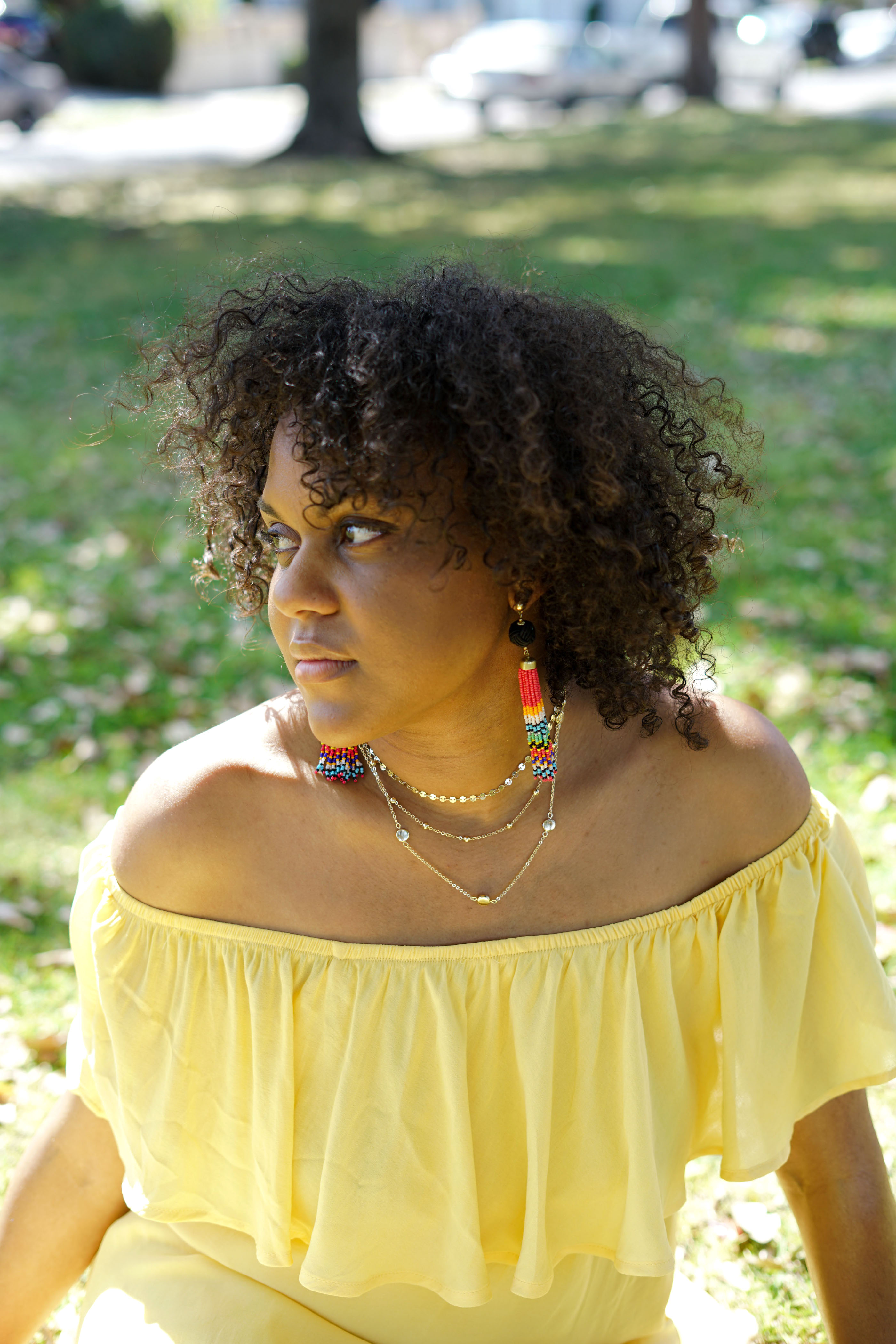
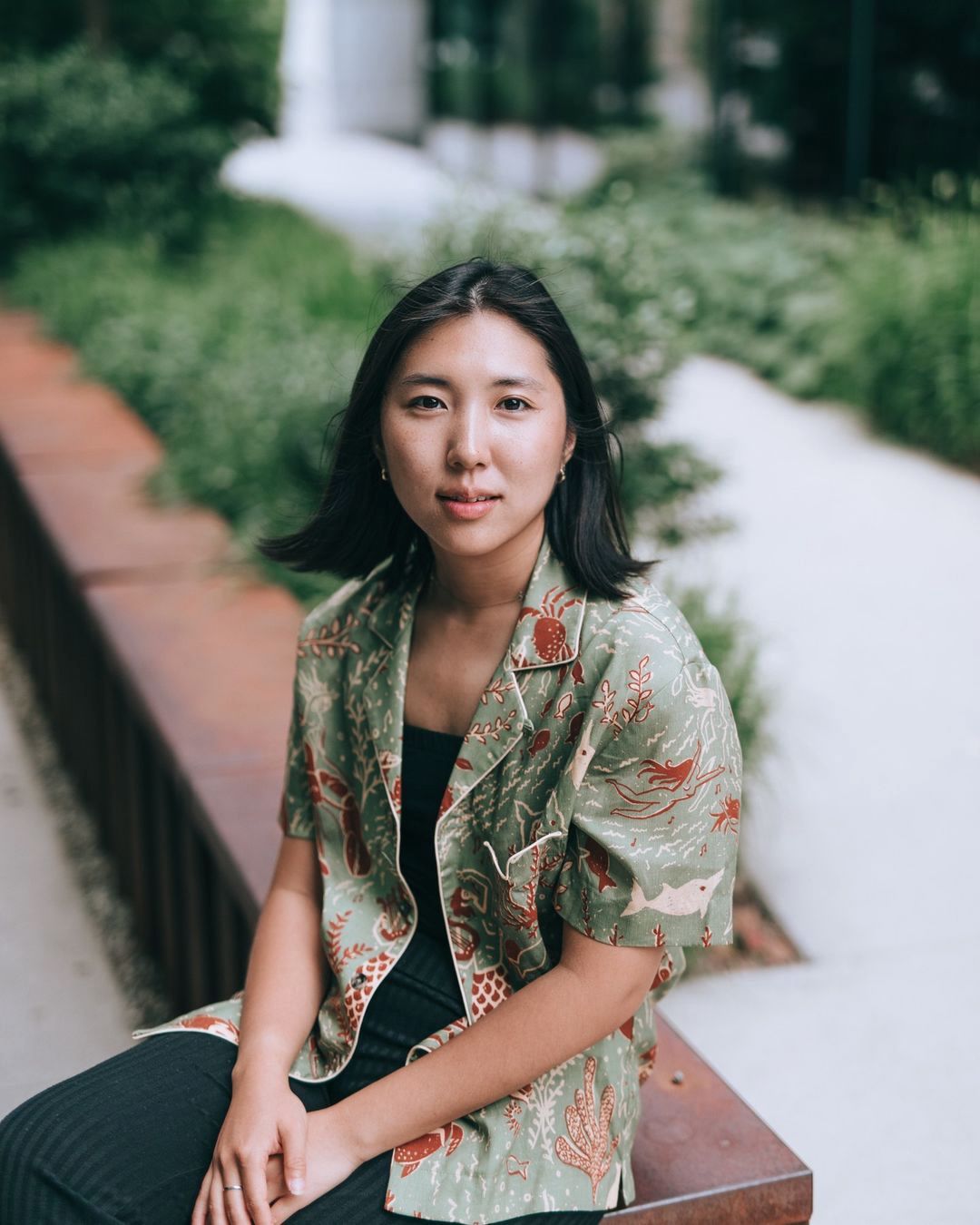
Photos of Dominique Clayton taken in South Central, Los Angeles, by Texas Isaiah.
Purchase the new issue of FIND PEACE. KEEP PEACE. to read A Nickel Bag of Time in full.