Skip to main content Accessibility Policy

Marcia Lyons: the online future of design

September
29
2020
By
Tags:

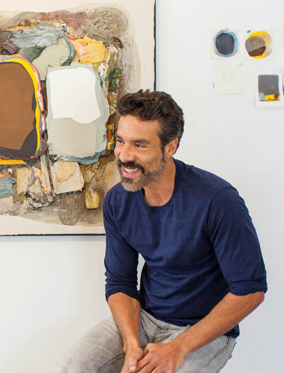
Before she arrived this year at SCAD, associate dean of entertainment and media Marcia Lyons worked at Weta Digital, the New Zealand-based visual effects company founded by Oscar-winning director Peter Jackson. At Weta, Lyons – who holds a PhD in live media – implemented real-time digital communication via collaborative platforms and meeting tools. She is now preparing the next generation of world-changing designers for their creative careers at SCAD.

Marcia Lyons:

The COVID-19 pandemic has created a huge paradigm shift in the art and design world. Before our current reality, in-person meetings and hours-long consultations were the norm. We leaned over tables, met over lunch, and talked over each other in order to create. Today, and going forward, this will be done online — and it will be revolutionary.

Web-based platforms and software updates will allow creatives from across the world to be part of the conversation. Voices and ideas that were excluded before will now be sought after. Work flows and preconceived notions of how work happens have changed forever. Employees now work across platforms in real-time collaboration around the world, including editing and open source work flows online.

Industries will be able to step back, reassess their current work force, strategies, and virtual work-flows, and make monumental changes. We are at the precipice of a dynamic shift, and a successful university must be prepared to ensure our students are going to play a major part in the future.

When I arrived at SCAD, the leadership team was well under way making the necessary changes for the upcoming academic year. Their understanding of the needs of the students has allowed us to work quickly and decisively. I have never been part of an organization that was willing and able to implement necessary change so fast.

I have been working directly with my faculty to ensure the online learning environment is as robust and impactful as traditional in class instruction. Our curriculum is in place, and we are ready to execute on our plan both in person when we are able to, and via online and virtual platforms.

Several of the changes we have implemented have already made significant impacts including engaging artists through our virtual conversation series Guests and Gusto. We recently hosted Brendan Dawes, a U.K.-based artist and designer who uses generative processes involving data, machine learning, and algorithms to create interactive installations speak to our students.

Technology and science are only going to open up more avenues for collaboration and creativity. We are going to push our students to pursue innovation regardless of the external limitations. Eliminating the barriers of location and distance will enhance the final product. We are committed to making sure SCAD students are ready to step in and be a part of that seismic change.

Marcia Lyons

Learn more about SCAD Atlanta.


Ask A Curator 2020 recap

September
28
2020
By
Tags:

What does a fashion curator do? What is the best part of being a curator? Ask A Curator Day, started in 2010 by MuseumNext founder Jim Richardson, allows the public to engage with curators at institutions across the globe using the social media hashtag #AskACurator. On September 16, the @scadfash social audience addressed questions to SCAD FASH Museum of Fashion + Film executive director Alexandra Sachs. Here are five memorable exchanges from Ask A Curator Day.

1. How do curators decide which designers they will invite for an exhibition at SCAD FASH?

Alexandra Sachs: "SCAD FASH curators work collaboratively to identify artists and designers who reflect the diversity of our student body and community, and who align with our mission to celebrate fashion as an artform and conduit of identity. Curators and staff oversee fashion-focused exhibitions, events, and programs that resonate across the university. Our curators also organize exhibitions at the SCAD Museum of Art, plan an annual summer exhibition at SCAD Lacoste, and assist with the SCAD FASHION runway shows. 


2. What does your typical day look like?

AS: "Every day is dynamic and ever-changing! Whether I’m collaborating with artists, designers, and galleries on exhibitions and events, scrolling the latest fashion news, media, and art books, or writing texts for catalogs and digital publications, I’m constantly seeking new information and connections to bring the best programming to SCAD."


3. What are the most challenging moments of your day?

AS: "Working in a creative field requires adaptability and a willingness to change while still working toward your overall vision. When I find something frustrating — a challenging installation perhaps — it’s often a sign that I need to consider different perspectives and reevaluate my approach to realize my goals.

"

4. What do you love about your job?


AS: "I am extremely fortunate to work with incredible artists, designers, professors, and colleagues. We’ve presented so many spectacular exhibitions in the past five years, including work by Guo Pei, Pierre Cardin, and the indomitable Ane Crabtree, who designed costumes for "The Handmaid’s Tale." For me the most memorable part of the job is the people I meet along the way. They make the work gratifying."

5. What kind of university should someone attend if they’re interested in becoming a curator?

AS: "For a fashion curator, it’s essential to have a solid foundation in fashion history. It also helps to have knowledge of contemporary fine art and art history. SCAD offers a minor in museum studies as part of our art history degree program, enabling students to gain practical experience in our university museums, and interact with museum professionals across different disciplines. If you’re looking for a hands-on, project-based learning experience, SCAD is the place to be!"

SCAD FASH is excited to share what happens before, during, and after an exhibition is on view. We’re expanding the visitor experience by making more behind-the-scenes content, providing a closer look at specific garments on view and in the collection, in a new IGTV series coming this October on @scadfash. Please connect by sending us a DM if you have any questions. We hope to see you at SCAD FASH and for a virtual program soon!

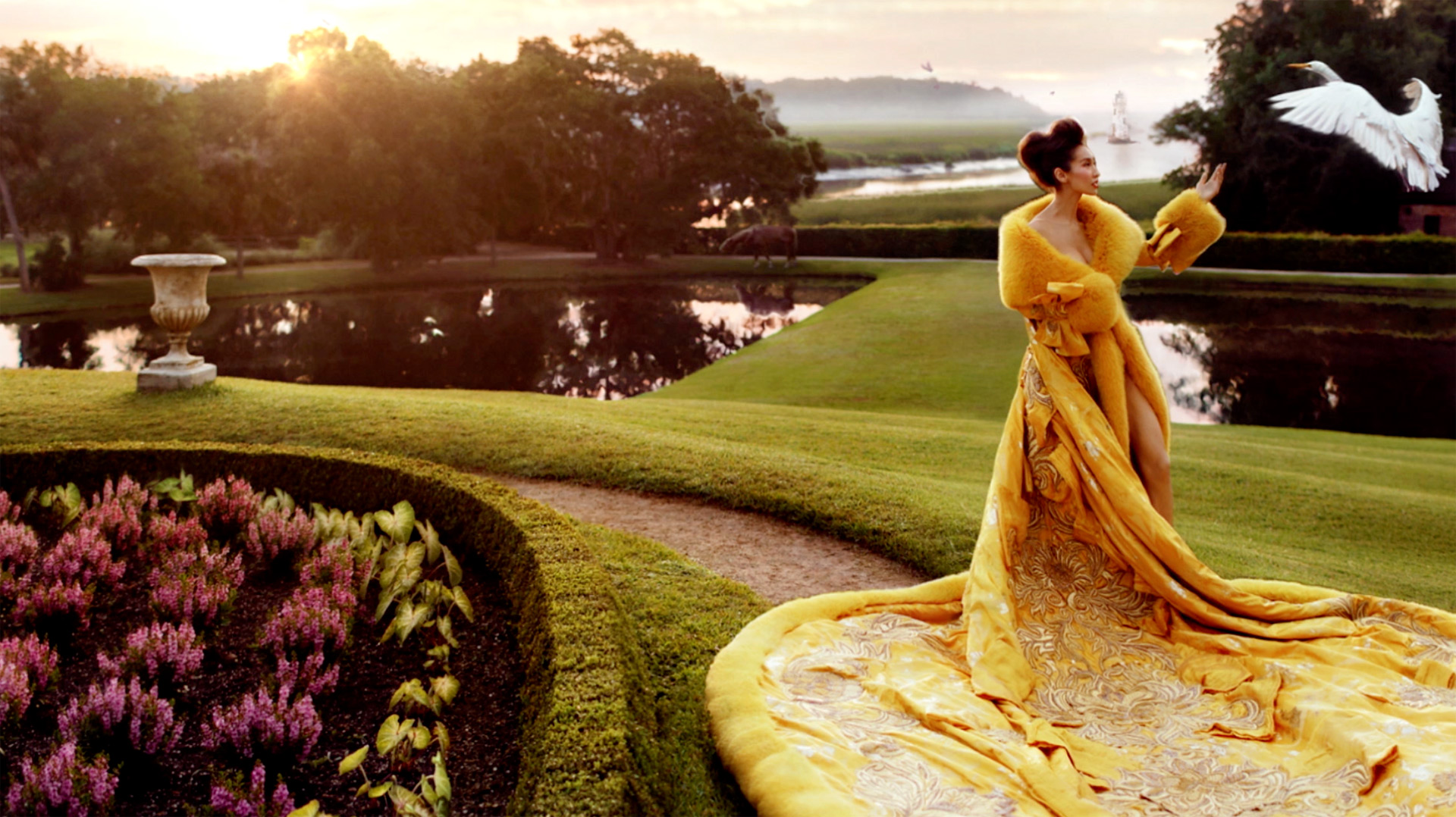
fashion by Guo Pei

Plan your next SCAD FASH visit. Museum Hours: Thursday–Saturday, 11 a.m.–5 p.m.


Alumni Atelier ambassador Kacie Willis

September
23
2020
By
Tags:

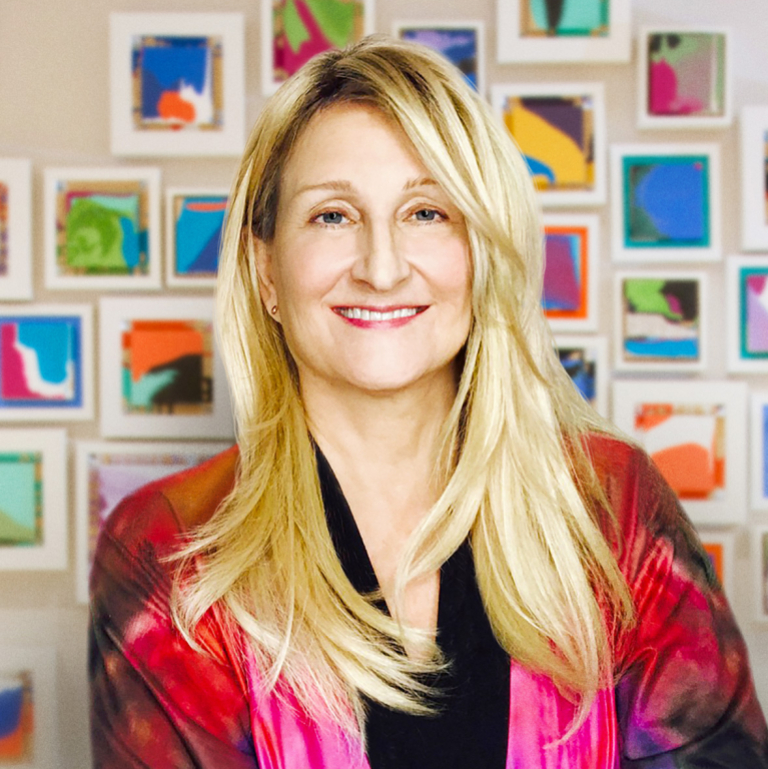
"My hope is that the podcast will show that we can have difficult conversations," says Kacie Willis (M.F.A., sound design, 2013). A Fall 2020 SCAD Alumni Atelier ambassador, Willis is speaking of White-Angle, her new podcast exploring "empathy in documentary filmmaking, dissecting how perspective and privilege factor into storytelling in our modern time of civil unrest."

Born in Detroit and based in Atlanta, Willis is a founding producer at Could Be Pretty Cool, has worked at the Center for Puppetry Arts and 7 Stages Theatre, and was one of 10 participants in last year's Spotify Sound Up program, an initiative to amplify underrepresented voices in the podcasting world. Boost the levels on Kacie for maximum effect.

Kacie Willis:

Of the pitches I submitted to the SCAD Alumni Atelier program, I was surprised that White-Angle was the one selected. I'd submitted three or four fun and quirky ideas, but this was the topic that I was asked to explore.

White-Angle is a podcast that pairs a white documentary filmmaker who's made a film about Black trauma with a Black filmmaker in conversation. It's a podcast about storytelling, agency, ownership, and about who should be telling stories. It's flipping the script in the sense that the documentarian is now the documentary subject of the podcast.

I'm primarily a theatrical sound designer. Since COVID-19 shut down live theater, a conversation has been presenting itself in the theatrical world about the future of race in theater and how to address those issues. I was on a panel where someone said they didn't think a white director should be allowed to direct plays by Black writers. I felt really conflicted about that.

I have friends from all different backgrounds who take their work very seriously, including several cis white male friends who have made feature length-documentary films on Black trauma. One has a film premiering at the Atlanta Film Festival next week that was based on a cold case in Griffin, Georgia. Another made a film about a black male who was having a bipolar episode and was killed by police in 2014. I thought, what can I do to speak to this moment?

Two members of my White-Angle team are also SCAD sound design alumni: Cooper Skinner (M.F.A., sound design, 2013; B.F.A., sound design 2010) will be doing the mixing and mastering, and Jacob McCoy (B.F.A., sound design, 2010) is cutting together a video trailer for the show.

Everything is going to be hosted on a standalone website. There'll be three episodes, each one about 30 minutes. The first episode will feature Stephen Robert Morse, director of In the Cold Dark Night and filmmaker and puppeteer Raymond Carr. Episode two will pair Roee Messinger, director of American Trial: The Eric Garner Story with screenwriter and producer Nakia Stephens. The third episode will feature Erik Ljung, director of The Blood is at the Doorstep, in conversation with filmmaker Derrick Jones.

Part of my Alumni Atelier project is figuring out my target audience for this podcast. This means strategically marketing a difficult piece of work at difficult time where people are looking for levity. It means figuring out how to spark important conversations about difficult topics. As a creative community, we can help one another to tell these stories.

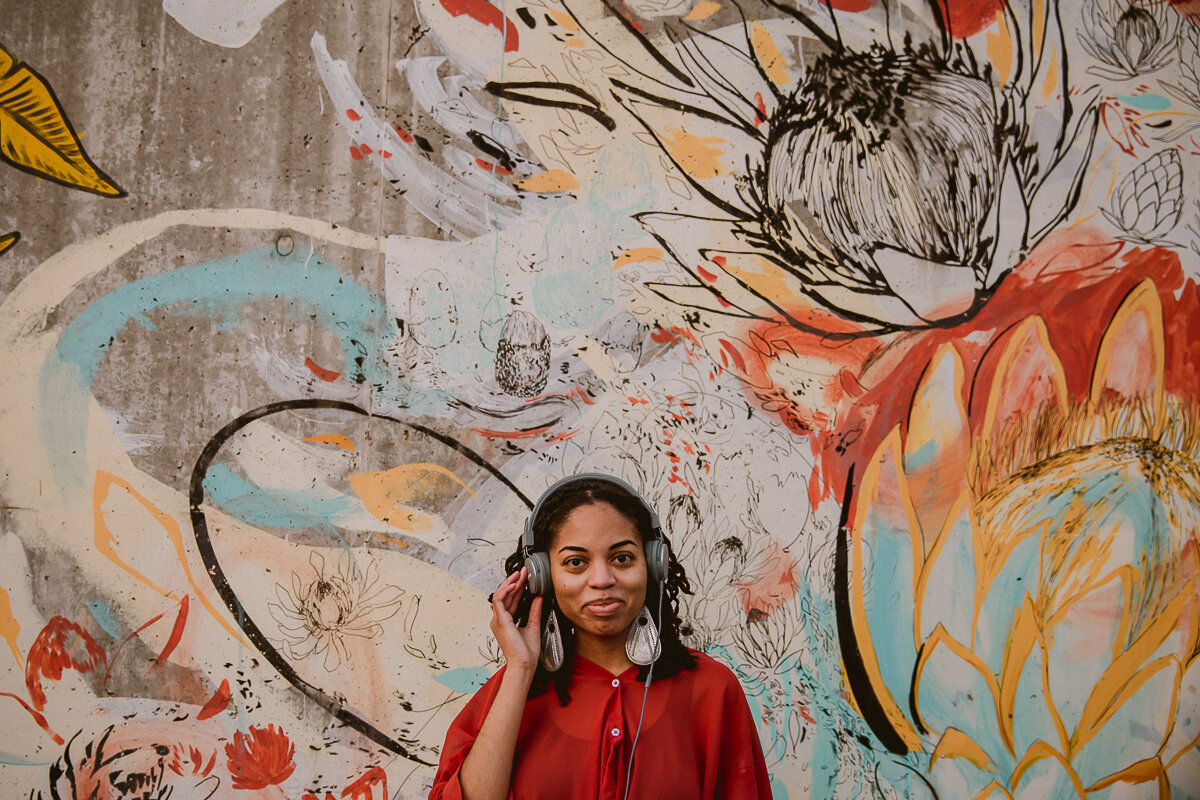
portrait of kacie willis

Visit Kacie at her excellent website. Stay tuned for more about the launch of White-Angle, coming October 2020.

The SCAD Alumni Atelier, conceived and endowed in 2015 by SCAD President Paula Wallace, supports select alumni with time, space, and resources to facilitate the creation of new work.

Interested alumni applicants should email [email protected] or visit www.scad.edu/success/alumni-programs/alumni-atelier for details.

photography: Kelley Raye


SCAD alumni shine at Emmy Awards

September
21
2020
By
Tags:

More than 200 SCAD students and alumni contributed to Primetime Emmy-nominated productions this season, garnering 275 different credits across 88 unique titles. Nominations for Ozark, Stranger Things, The Outsider, and more highlight the Georgia entertainment industry. Many diverse majors are represented in top productions such as The Mandalorian, Succession, Watchmen, The Marvelous Mrs. Maisel, Westworld, The Last Dance and Rick and Morty. Two alumni, Dirk Valk (B.F.A., animation, 2008) and Garette Warner Rose (B.F.A., film and television, 2007), were directly nominated for Emmy Awards this year for Outstanding Special Visual Effects (Lost in Space) and Outstanding Cinematography for a Reality Program (Queer Eye), respectively. Congratulations to all alumni who contributed to nominated shows – we look forward to continuing to watch your work!

Update: Two alumni won Outstanding Individual Achievement in Animation Emmys this year: Jill Dykxhoorn (B.F.A., animation, 2013), lead background artist, Archer: 1999 (episode: "Road Trip"), and Dan MacKenzie (B.F.A., animation, 2011), character animator, Cosmos: Possible Worlds (episode: "Vavilov"). Congratualtions, Jill and Dan!

The following SCAD alumni worked on these Emmy-nominated and Emmy-winning shows:

#FreeRayshawn: Lori Snow (B.F.A., film and television, 2011).

American Factory: Xiao Hou (M.F.A., sound design, 2015); Cindy Takehara (M.F.A., sound design, 2015).

American Horror Story: J. Jeongyeon Son (B.F.A., visual effects, 2012); Austin Ramsey (B.A., film and television); Zachary Goodson (B.F.A., animation, 2010); Dale Bunten (M.A., visual effects, 2019); DeRon Horton (B.F.A., performing arts, 2015).

Archer: 1999: Jill Dykxhoorn (B.F.A., animation, 2013).

Bad Education: Colin Alexander (B.F.A., sound design, 2005); Patrick O'Keeffe (B.F.A., visual effects, 2010); Kayli Carter (B.F.A., performing arts, 2015).

Better Call Saul: Jimmy Fisher (B.F.A., broadcast design, 2011).

Between Two Ferns: Austin Ramsey (B.F.A., film and television); Bryan Godwin (B.F.A., computer art, 1998); Gabe Gilden (B.F.A., film and television, 2014).

Big Little Lies: Sara Chaisson (B.F.A., film and television).

Big Mouth: Erica Hayes (B.F.A., sequential art, 2012); Katie Tamboer (B.F.A., animation, 2014); Corey Barnes (B.F.A., sequential art, 2006); Hunter Curra (B.F.A., sound design, 2005).

Black Mirror: Reed Lovell (B.F.A., sound design, 2013); Richard Reed (M.F.A., visual effects, 2005).

Bob Hearts Abishola: Austin Ramsey (B.F.A., film and television).

Bob's Burgers: Drew Newman (B.F.A., animation, 2007).

BoJack Horseman: Louisa Lawler (B.F.A., animation, 2018); Tom Soulen (B.F.A., animation, 2010); Christopher Nance (B.F.A., sequential art, 2012); Hunter Curra (B.F.A., sound design, 2005); Michael Britt (B.F.A., sound design, 2018).

Carnival Row: Dixie Pizani (B.F.A., animation, 2010); Matthew Kiefer (B.F.A., visual effects, 2009); Andrew Maynard (B.F.A., visual effects, 2015); Ryan Ng (B.F.A., visual effects, 2016); Mimi Violette (B.F.A., industrial design, 2018).

Central Park: Lexy Naut (B.F.A., animation, 2012); Corey Barnes (B.F.A., sequential art, 2006); Jon Higgins (B.F.A., illustration, 2018); Drew Newman (B.F.A., animation, 2007); Dabney 'Hank' Hamner (B.F.A., animation, 2015); Betty Liao (B.F.A., sequential art, 2015); Sarah L. Pacetti (B.F.A., sequential art, 2011); Tiffany Rishel  (B.F.A., animation, 2014).

Cosmos: Possible Worlds: Michael Pickering (B.F.A., visual effects, 2018); Bria Jones (B.F.A., animation, 2015); Kitty Tomblin (B.F.A., animation, 2016); Erica Hayes (B.F.A., sequential art, 2012); Austin Ramsey (B.F.A., film and television); Josiah Howison (B.F.A., visual effects, 2004); Elliot Thompson (M.A., sound design, 2012), Dan MacKenzie (B.F.A., animation, 2011).

Crank Yankers: Kathryn Molloy (B.F.A., film and television).

Curb Your Enthusiasm: Ric Griffith (B.F.A., video, 1992).

Defending Jacob: Derek Mola (B.F.A., film and television).

Dolly Parton's Heartstrings: Dany Flores Arias (B.F.A., film and television, 2019); Keith Anderson (B.F.A., visual effects, 2011); Matthew X. Trinkle (B.F.A., architecture, 2016); Elizabeth Luis (M.A., production design, 2018).

Drunk History: DeRon Horton (B.F.A., performing arts, 2015).

Dummy: Brian Freesh (B.F.A., film and television, 2005).

El Camino: Jesse Meler (B.F.A., visual effects, 2012).

Euphoria: Brett Hinton (B.F.A., video, 2001).

Family Reuniuon: Sean Amlaner (B.F.A., visual effects, 2007).

Godfather of Harlem: Justin Diamond (B.F.A., computer art, 2003).

Grace and Frankie: Megan Librizzi (B.F.A., dramatic writing, 2018).

Hollywood: Logan Coffey (B.F.A., performing arts, 2016); Michael Metzner; Austin Ramsey (B.F.A., film and television); Zachary Goodson (B.F.A., animation, 2010).

Homecoming: Amy Christensen (B.F.A., computer art, 1997); Brett Hinton (B.F.A., film and television, 2001);

How to Get Away with Murder: Sean Amlaner (B.F.A., visual effects, 2007).

I Know This Much Is True: Michael Pickering (B.F.A., visual effects, 2018).

Insecure: Jordan Bridges (B.F.A., production design, 2019); Nicole Baker (M.A., film and television, 2008); Brian Freesh (B.F.A., film and television, 2005).

Last Week Tonight with John Oliver: Andrew Kaczynski (B.F.A., broadcast design, 2010).

Lost in Space: Cheri Fojtik (M.F.A., animation, 2011); Austin Ramsey (B.F.A., film and television); Dirk Valk (B.F.A., animation, 2008); Kristen Prahl (B.F.A., visual effects, 2005).

Love Is Blind: Nieshia Crawford (M.F.A., film and television, 2018); KP Hendry (B.F.A., photography); George Dunlap (B.F.A., film and television, 2009).

Modern Family: Leslie Merlin (B.F.A., film and television, 2005).

Modern Love: Colin Bright (B.F.A., sound design, 2010); Linzy Elliot (B.F.A., sound design, 2011).

Mr. Robot: Brett Hinton (B.F.A., video, 2001); Dionysius Vlachos (M.F.A., sound design, 2015).

Mrs. America: Ryan Ng (B.F.A., sound design, 2016); Kayli Carter (B.F.A., performing arts, 2015).

Orange is the New Black: Anna Tringali (B.F.A., production design, 2012).

Ozark: Grace Chahine (B.F.A., film and television, 2019); Camden St. Onge (B.F.A., film and television, 2018); Melissa Hansen (B.F.A., film and television, 2018); Rachel Kerby (B.F.A., film and television, 2019); Zachary Goodson (B.F.A., animation, 2010); Alyssa "Grizzly" Goldman (B.F.A., film and television); Layne Brightwell (B.F.A., illustration, 1985).

Pose: Noreen Souza-Bailey (B.F.A., film and television, 2005).

Queer Eye: Garrette Warner Rose (B.F.A., film and television, 2007).

Rick and Morty: Erica Hayes (B.F.A., sequential art, 2012); Kitty Tomblin (B.F.A., animation, 2016); Dan O'Connor (B.F.A., illustration, 1994); Ferguson Winston (B.F.A., animation, 2008); Joey McCormick (B.F.A., animation, 2011); Hunter Curra (B.F.A., sound design, 2005); Michael Britt (B.F.A., sound design, 2018).

Robot Chicken: Alex Kamer (B.F.A., film and television, 2004); Dan MacKenzie (B.F.A., animation, 2011); Savelen Forrest (B.F.A., computer art, 1999); Hunter Curra (B.F.A., sound design, 2005); Michael Britt (B.F.A., sound design, 2018); Steve Gallant (B.F.A., animation, 2012); Charles D'Avignon  (B.F.A., animation, 2016).

S.W.A.T.: Austin Ramsey (B.F.A., film and television).

Saturday Night Live: Milton Ladd (B.F.A., video, 2002).

Sea of Shadows: Dominque Koski (B.F.A., film and television, 2019).

Self Made: Inspired by the Life of Madam C.J. Walker: Ian Chase (B.F.A., sound design, 2017); Steven Blevins (B.F.A., sound design, 2018).

Shameless: Angela Gunn (M.F.A., film and television, 2008); Jie Meng (M.F.A., visual effects, 2015).

Silicon Valley: Chun Seong Ng (M.A., animation, 2007); Sarah Ridenour (B.F.A., animation, 2016).

Space Force: Rob Holland (B.F.A., film and television, 2009); Jonathan Nelson (M.F.A., computer art, 2004).

Star Trek: Short Treks: William Appleby (B.F.A., film and television, 2014); Zach Smith (B.F.A., visual effects, 2019); Sarah Hamilton (B.F.A., animation, 2018); Emily Shock (B.F.A., visual effects, 2015).

Star Trek: Picard: Dan Knight (B.F.A., computer art, 1996); Sean Amlaner (B.F.A., visual effects, 2007); Kristen Prahl (B.F.A., visual effects, 2005); Michael Rhima (M.A., visual effects, 2016).

Steven Universe Future: Julian De Perio (B.F.A., sequential art, 2016); Becky Dreistadt (B.F.A., sequential art, 2008).

Stranger Things: Sophie Wagman (B.F.A., production design, 2017); Chris Harris (B.F.A., sound design, 2007); Heather Fetter; Nathan Alexander (B.F.A., production design); Sarah Okun; Madison Eckler (B.F.A., visual effects, 2018); Steve DiNozzi (M.A., visual effects); Forrest Arnold (B.F.A., computer art, 2000); Burke Roane (B.F.A., computer art, 2003); Lucas Gregg (B.F.A., film and television, 2016); Joe Elfanbaum (B.F.A., sound design, 2016); Erin Choroszylow (B.F.A., film and television, 2012).

Succession: Kenzi Parker (B.F.A., animation, 2012); Grant Anderson (B.F.A., visual effects, 2017); Greg Radcliffe (B.F.A., visual effects, 2010); David Anger (B.F.A., visual effects, 2016); Kelsey Drown (B.F.A., visual effects, 2017); Gabe Gilden (B.F.A., film and television, 2014).

Survivor: Jamie Gordon West (B.F.A., photography, 2011).

Tales from the Loop: Dionysius Vlachos (M.F.A., sound design, 2015).

The Blacklist: Haley Samms (B.F.A., animation, 2017).

The Boys: Kathryn Molloy (B.F.A., film and television); Amber Evans (B.F.A., visual effects, 2015); Ryan Ng (B.F.A., visual effects, 2016).

The Dark Crystal: Noah Hamdan (B.F.A., visual effects, 2012); Nikki (Makar) Pataracchia (B.F.A., computer art, 2004); Ian Chase (B.F.A., sound design, 2017); Steven Blevins (B.F.A., sound design, 2018); Eric Schultz (B.F.A., visual effect, 2014); Michael Rhima(B.F.A., visual effects, 2016); Timothy Preston (B.F.A., motion media design, 2015).

The Good Place: Dionysius Vlachos (M.F.A., sound design, 2015).

The Great Hack: Andres E. Marthe Gonzalez (M.A., sound design, 2018).

The Imagineering Story: Kevin Kabfeld (B.F.A., production design, 2016); Matthew Burgette (B.F.A., film and television, 2003).

The Kominsky Method: Rob Holland (B.F.A., film and television, 2009).

The Last Dance: Ian Chase(B.F.A., sound design, 2017); Steven Blevins (B.F.A., sound design, 2018).

The Mandalorian: Maia Kayser  (B.F.A., electronic arts, 2001); Dan Knight (B.F.A., CMPA, 1996); Steven Quinoñes Colón (B.F.A., painting); Siyu Niu (M.F.A., visual effects, 2018); Jesse Hildreth (B.F.A., visual effects, 2008); Shawn Monaghan (B.F.A., CMPA, 2004); Diana Chu (M.F.A., visual effects, 2019); Cheri Fojtik (M.F.A., animation, 2011); Cameron Kashtan (B.F.A., film and television, 2017); Douglas Addy (B.F.A., visual effects, 2007); William Appleby (B.F.A., film and television, 2014); Delane Leahy  (B.F.A., film and television); Brandon Martin  (B.F.A., animation, 2008); Michael Callahan (B.F.A., film and television, 2003).

The Marvelous Mrs. Maisel: Kenzi Parker (B.F.A., animation, 2012); Grant Anderson (B.F.A., visual effects, 2017); Greg Radcliffe (B.F.A., visual effects, 2010); David Anger (B.F.A., visual effects, 2016); Michael Pickering (B.F.A., visual effects, 2018); Carmine Picarello (B.F.A., sound design, 2006).

The Morning Show: Hilary Gayle (B.F.A., photography, 206); Heather Turner (B.F.A., film and television, 2006); Luis G. Reyes (B.F.A., production design).

The Outsider: Richard Weller (B.F.A., illustration, 1989); Megan Fudge (B.F.A., production design, 2016); Austin Ramsey (B.A., film and television); Zachary Goodson (B.F.A., animation, 2010); Darby Abraham (B.F.A., production design, 2016); Matthew X. Trinkle (B.F.A., architecture, 2016); Nate Foster (B.F.A., computer art, 2001); John Harton (B.F.A., production design, 2015); Ben Dishun (B.F.A., film and television, 2012).

The Plot Against America: Greg Radcliffe (B.F.A., visual effects, 2010); David Anger (B.F.A., visual effects, 2016); Steven Nyberg (M.F.A., film and television, 2015).

The Politician: Steven Nyberg (M.F.A., film and television, 2015); Zachary Goodson (B.F.A., animation, 2010); Morgan Lee Miller (M.F.A., production design, 2013).

The Rookie: Sarah Galley (B.F.A., film and television, 2008); Danielle Aziz (B.F.A., production design, 2012); Ric Griffith (B.F.A., video, 1992).

The Simpsons: Jon Higgins (B.F.A., illustration, 2018); Emma Barker (B.F.A., illustration, 2018); Matt Mantel (B.F.A., animation, 2017).

The Voice: Julie McReynolds (B.F.A., performing arts, 2002).

This Is Us: HanYun Chang (M.F.A., animation, 2019).

Tom Clancy's Jack Ryan: Jaime Morgan (B.F.A., film and television, 2011); Carlos Alarcon(B.F.A., visual effects, 2010); Tommy Love (M.F.A., film and television, 2013); Gabe Gilden (B.F.A., film and television, 2014).

Unbelievable: Drew Huntley (B.F.A., visual effects, 2011); Alex Jansen (B.F.A., animation, 2010); Matt Klimek (B.F.A., sound design, 2011); Nicole Baker (M.A., film and television, 2008).

Unbreakable Kimmy Schmidt: Kimmy vs. the Reverend: Matthew T. Perry (B.F.A., film and television, 2011).

Unorthodox: Steven Blevins (B.F.A., sound design, 2018).

VICE: Brian McGee (B.F.A., visual effects, 2007); Josh Luddeni (B.F.A., film and television, 2008).

Vikings: Brittany Piacente (B.F.A., animation, 2012); Amber Evans (B.F.A., visual effects, 2015); Ryan Ng (B.F.A., visual effects, 2016).

Watchmen: Ziyan Tan (B.F.A., illustration, 2018); Nano Afrane (B.F.A., animation, 2017); Kristen Kuchenbecker (B.F.A., film and television, 2008); Jo Hepburn (B.F.A., fashion); Lauren Driskill (B.F.A., fashion marketing and management, 2010); Chris Richarson (B.F.A., sound design, 2008); William Appleby (B.F.A., film and television, 2014); Nicholas Leone (B.F.A., film and television, 2010); Sarah Okun; Ethan Guice (B.F.A., photography, 2016); Kang Hui (M.F.A., animation, 2019); Josh Tamburo (M.F.A., sound design, 2015); Adam Wagner (M.F.A., film and television, 2018); Jana Acevedo (M.F.A., production design, 2013); Noelle Jean-Baptiste (B.F.A., production design, 2011).

We're Here: Chloe Heidt (B.F.A., film and television, 2017).

Westworld: Dan Knight (B.F.A., computer art, 1996); Sean Amlaner (B.F.A., visual effects, 2007); Patrick Warner (B.F.A., animation, 2008); Casey Roberts (B.F.A., visual effects); William Appleby (B.F.A., film and television, 2014); Sarah Hamilton (B.F.A., animation, 2018); Dustin Colson (B.F.A., visual effects, 2010); Philip Fraschetti (M.F.A., visual effects, 2007; B.F.A., computer art, 2005); Jorge Sanchez (B.F.A., film and television); Erik Zimmermann (M.F.A., visual effects, 2008); Brian Freesh (B.F.A., film and television, 2005).

What We Do In The Shadows: Abhishek Singh (B.F.A., visual effects, 2017).

Why We Hate: Josh Feezer (B.F.A., film and television, 2008); William Atkin (M.F.A., computer art, 2005).

Wu-Tang: An American Saga: Harrison Jaffee (B.F.A., film and television, 2012); Alex Dubois (B.F.A., film and television, 2016); Antonio Aguas (B.F.A., animation); Nathaniel K. Hearns (B.F.A., animation, 2017); Ali Lavoie (B.F.A., animation, 2018); Hannah Saunders (B.F.A., animation, 2018); Nana Boachie (B.F.A., animation, 2011); Laura Ceredona (B.F.A., animation, 2005); Tiffany Rishel Droke (B.F.A., animation, 2014); Reed Gauthier (B.F.A., animation, 2011); Kathy Kissinger (B.F.A., animation, 2013); Travis Lockhart (B.F.A., animation, 2011); Andrew VonGravely (B.F.A., dramatic writing, 2013); Andrew Lainhart (B.F.A., film and television, 2014).


See a name missing from the list? Send name and show the alumnus worked on to [email protected].
 

AnimationFest spotlight on 'Bearly'

September
18
2020
By
Tags:

What happens when a bear full of FOMO refuses to hibernate? Bearly, the new animated musical film and the first production of SCAD Animation Studios, tells the story of an adorable mammal who denies natural instincts to discover the beauty of the changing seasons. The project was written, developed, and realized by students in the university's top-ranked animation, dramatic writing, and sound design degree programs. Bearly will premiere during SCAD AnimationFest, Friday and Saturday, Sept. 25-26.

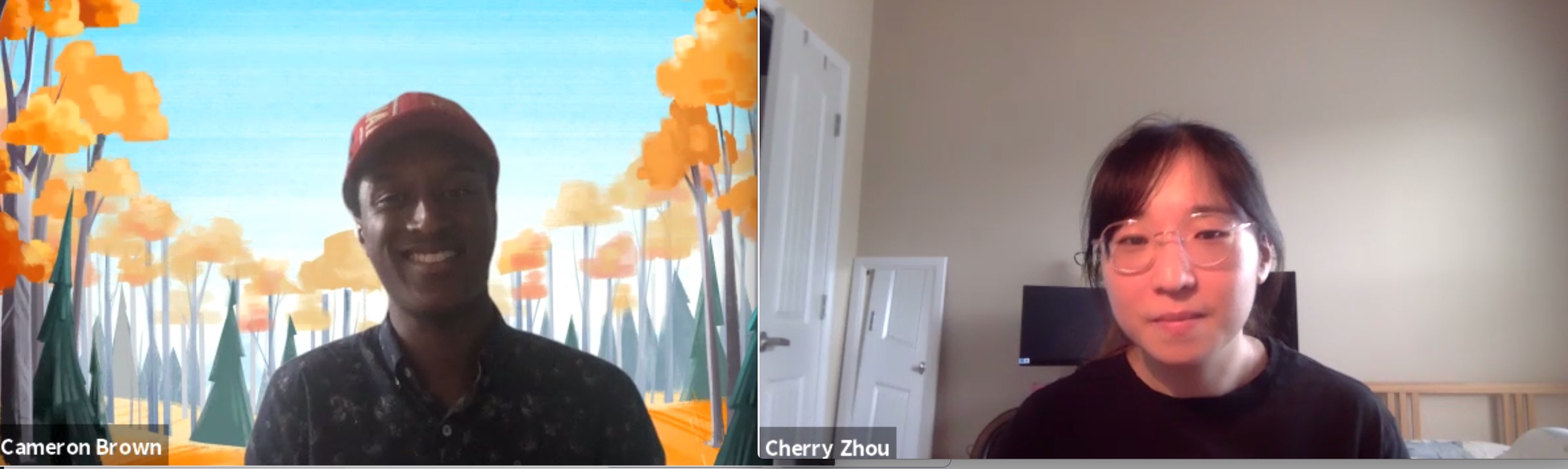
Producer Cameron Brown (B.F.A., animation) and director Cherry Zhou (M.F.A., animation) Zoom'd into SCADworks to discuss the film.

screen shot of zoom session

Cameron Brown: The initial processes began in summer 2019, when Colin Rhoades (B.F.A., dramatic writing) came up with the story of a bear who tries to see what winter is like and fight the urge to hibernate. Colin began writing the music, and once Fall 2019 quarter began, the project went into pre-production, which is when Cherry and I came aboard.

Cherry Zhou: During pre-production, we began storyboarding the film based on Colin's idea. The entire pre-production team met and discussed possible minor changes that could enhance the storyline. Because the song was the first thing we had, it finalized the timing of every single shot, whereas usually a production creates all the animation first, and then the music. All those story beats are very cohesive and quick in Bearly, and you can always read it very clearly.

Cameron Brown: Once we went into production, we started automation lighting tests and brought on a team of student animators. We already had the storyboards done, so it was simply a matter of communicating to the animators how to follow the follow the storyboard and interpret the story into the 3D space. On our art team, Natalya Gaida (M.F.A., animation) and Nicholas Piña (M.F.A., animation) worked to create the look in the style of a children's book. Their work was then handed over to our lighting team, who were working in Katana.

Cherry Zhou: I want to explain Katana a little bit more. In the animation department, most students have been using Autodesk Maya. We got the note to use a newer software called Katana that runs faster on lighting and rendering. It was a big plus, but in March 2020 we went into quarantine and the university was shut down for the spring quarter. Fortunately, SCAD got a system called Virtual Lab that allowed students remote access to our render farm.

Cameron Brown: One of the best things about an animation production is that everyone's got to work with everybody else. Bearly was an incredible team effort that involved the work of over 60 students. At AnimationFest, we're going to have a Bearly panel, including SCAD chair of animation Chris Gallagher, our executive producer Professor Bernardo Warman, along with myself, Cherry, our 3D animation lead Peter Kerkvliet (B.F.A., animation), and our lighting and compositing lead Taylor Saunders (B.F.A., animation). We're going to walk through our steps during production, and we're going to show the film. It's going to be awesome.

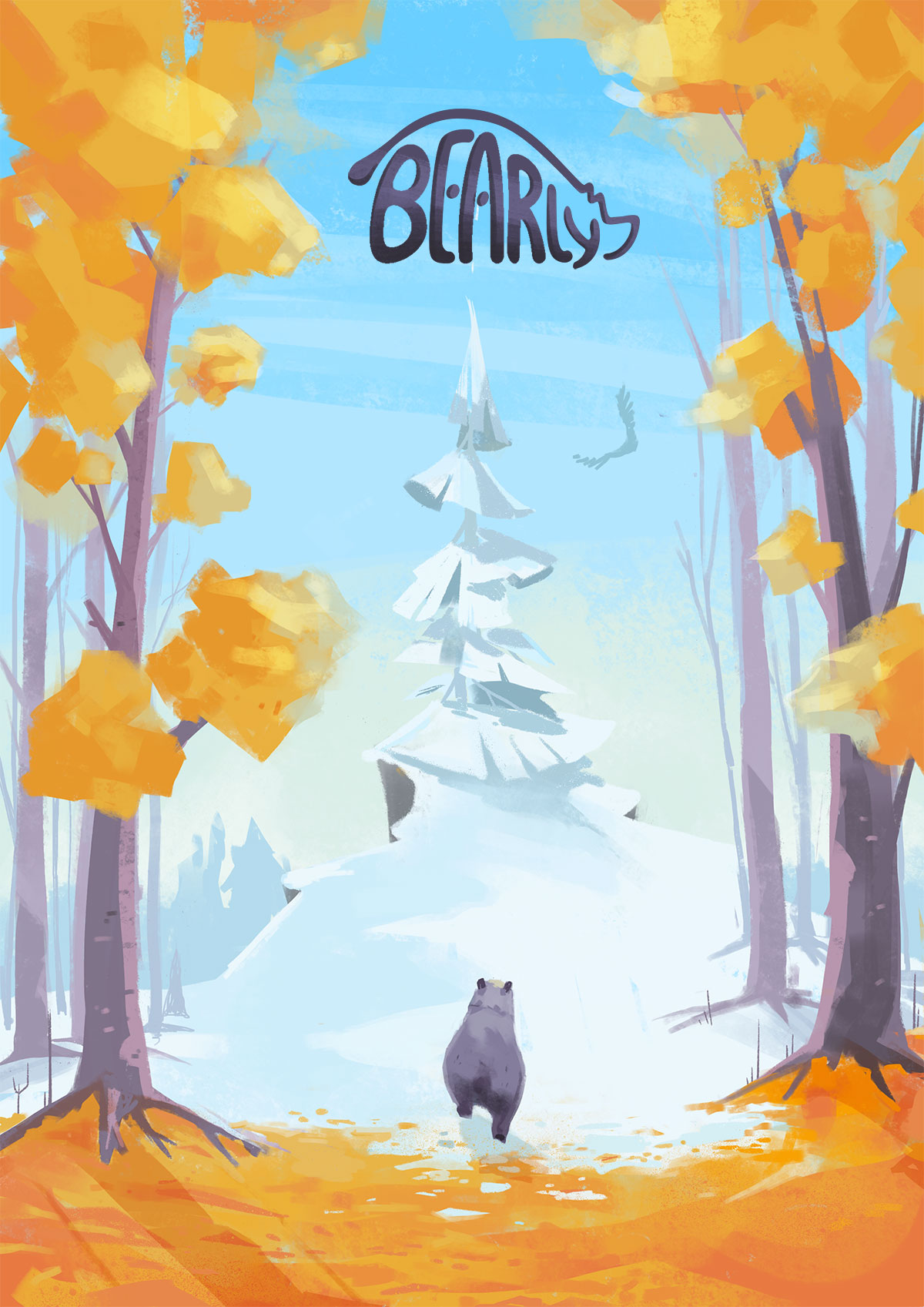
promo image for Bearly

For a full list of students who worked on Bearly, and to watch the trailer, visit the designated page.

Register for SCAD Animation Fest here.

Guo Fengyi: To See from a Distance

September
16
2020
By
Tags:

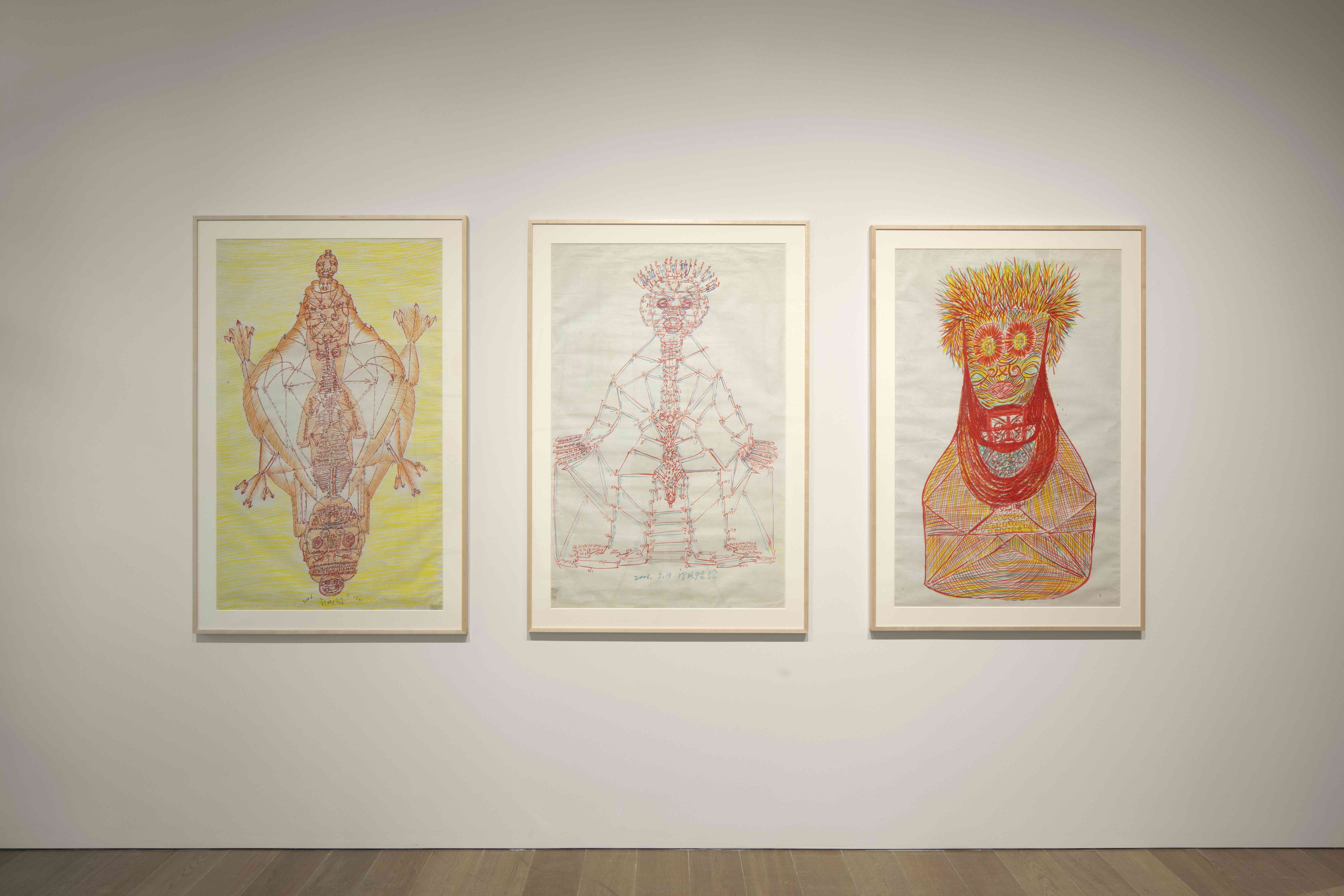
The SCAD Museum of Art presents Guo Fengyi: To See from a Distance, the first major institutional exhibition of the late Chinese artist's work in the United States. The exhibition is on view now through Nov. 29, 2020.

"Her drawing practice was a visionary practice," says Rosario Güiraldes, assistant curator, The Drawing Center. "Guo believed that through drawing she was really seeing and accessing places that were remote and distant to her. In the present, right now, being in the world, we're all confined and seeing or living at a distance. The title of the show, and her practice, feel so timely."

Born in 1942 in Xi'an, the site of China's historical capital, Guo began making art in her late forties after debilitating arthritis forced her into early retirement from a job at a chemical fertilizer factory. To alleviate her chronic pain, Guo devoted herself to qigong, the ancient Chinese wellness and healing technique that combines coordinated movements, breathing, and meditation, and subsequently developed a highly personal drawing practice. Producing an astonishing body of work in the last two decades of her life, Guo created more than 500 intricate ink drawings on subjects ranging from cosmology and Chinese mythology to traditional Chinese medicine and philosophy.

To See from a Distance features more than thirty works from Guo's career, including drawings executed on the backs of book and calendar pages and on cloth, as well as small- and large-scale drawings on rice-paper scrolls. The exhibition provides an overview of Guo's visionary drawings, which incorporate the diagrammatic, the mystical, and the wildly imaginative.

installation view of Guo Fengyi exhibition

"Guo Fengyi found a prolific source of inspiration in her meditations and created one of the most electrifying drawing practices in contemporary culture," remarks Humberto Moro, SCAD MOA adjunct curator. "Her work is incredibly fluid and potent, and she was a fearless, consistent practitioner who remained opaque to the Western world until recently."

Many of Guo's earliest drawings reference ancient Chinese history, depicting the contents of the sealed burial chambers of China's earliest emperors. By the mid-1990s, Guo had abandoned her journals, switching to paper scrolls. Over the last decade of her career, she amassed more than seventy drawings made on the backs of old calendars and on rice-paper scrolls that measure up to six-meters long. Together, Guo's works speak to the power of drawing as a means to comprehend and "see" the unknown. Deeply rooted in the understanding of the relationship between the human body and the universe that has persisted for millennia throughout Chinese culture, Guo's drawings incorporate both the micro and the macroscopic, revealing universes both internal and external.

Guo Fengyi: To See from a Distance is co-produced by The Drawing Center, New York, and SCAD Museum of Art, Savannah. The exhibition is curated by Rosario Güiraldes, assistant curator, and Laura Hoptman, executive director, The Drawing Center, and organized at the SCAD Museum of Art by Rosario Güiraldes and Humberto Moro.

SCAD MOA is open for in-person visitation. For more information, please visit www.scadmoa.org.

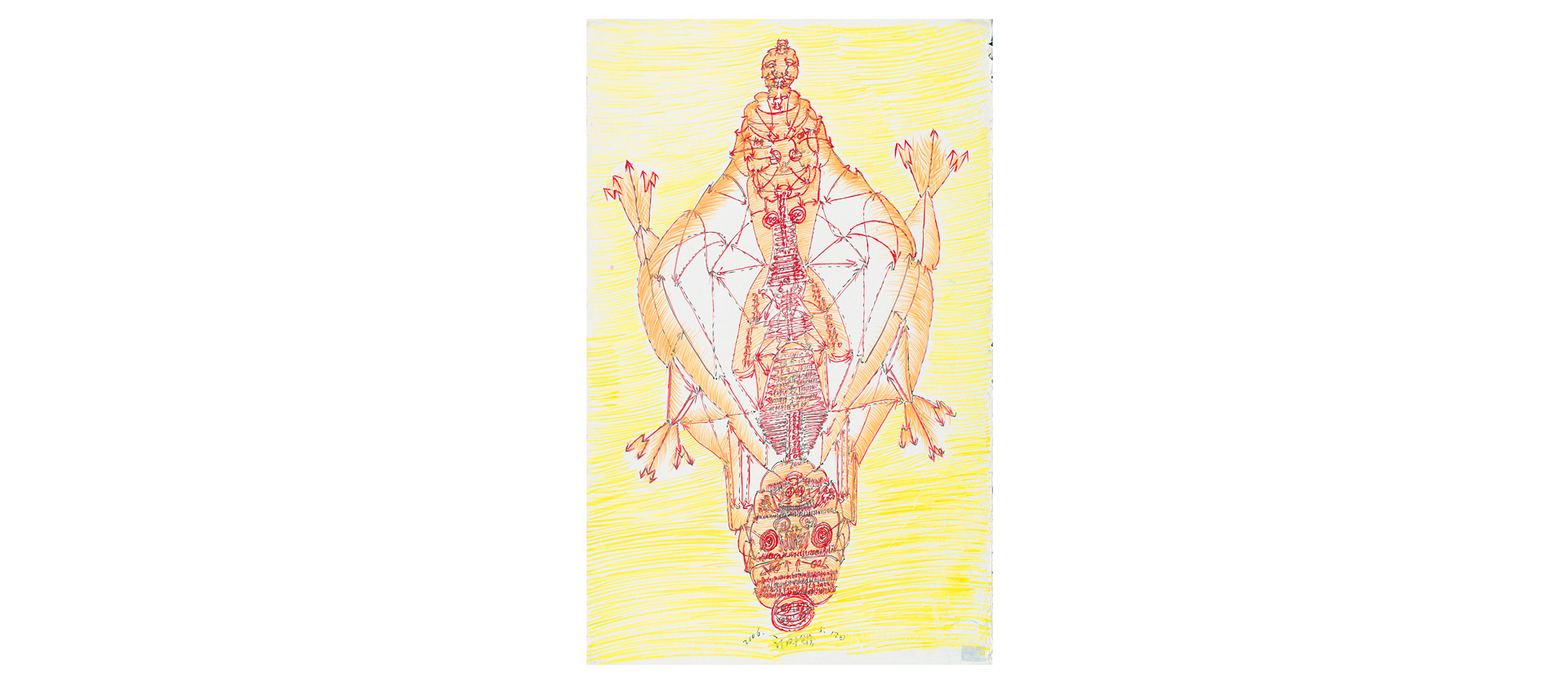
artwork by Guo Fengyi

"Organization Method of Human Numeric," ink on blueprint paper, 55" x 34", 2006. Courtesy of Long March Space.


Nicole Blackwood: Reading Creatively

September
14
2020
By
Tags:

"Reading is not a destination, but a process of becoming and being," declares Dr. Nicole Blackwood, professor of art history. "A good book continues to form and create new ideas within you even after the final word is read."

Renowned for her walking tours of Savannah, Dr. Blackwood is an associate member of the Appraisers Association of America, and founder and director of the Savannah-based art advising and appraising firm D I S E G N O, LLC. Her book selections are all written by artists, or by those she would call friends.

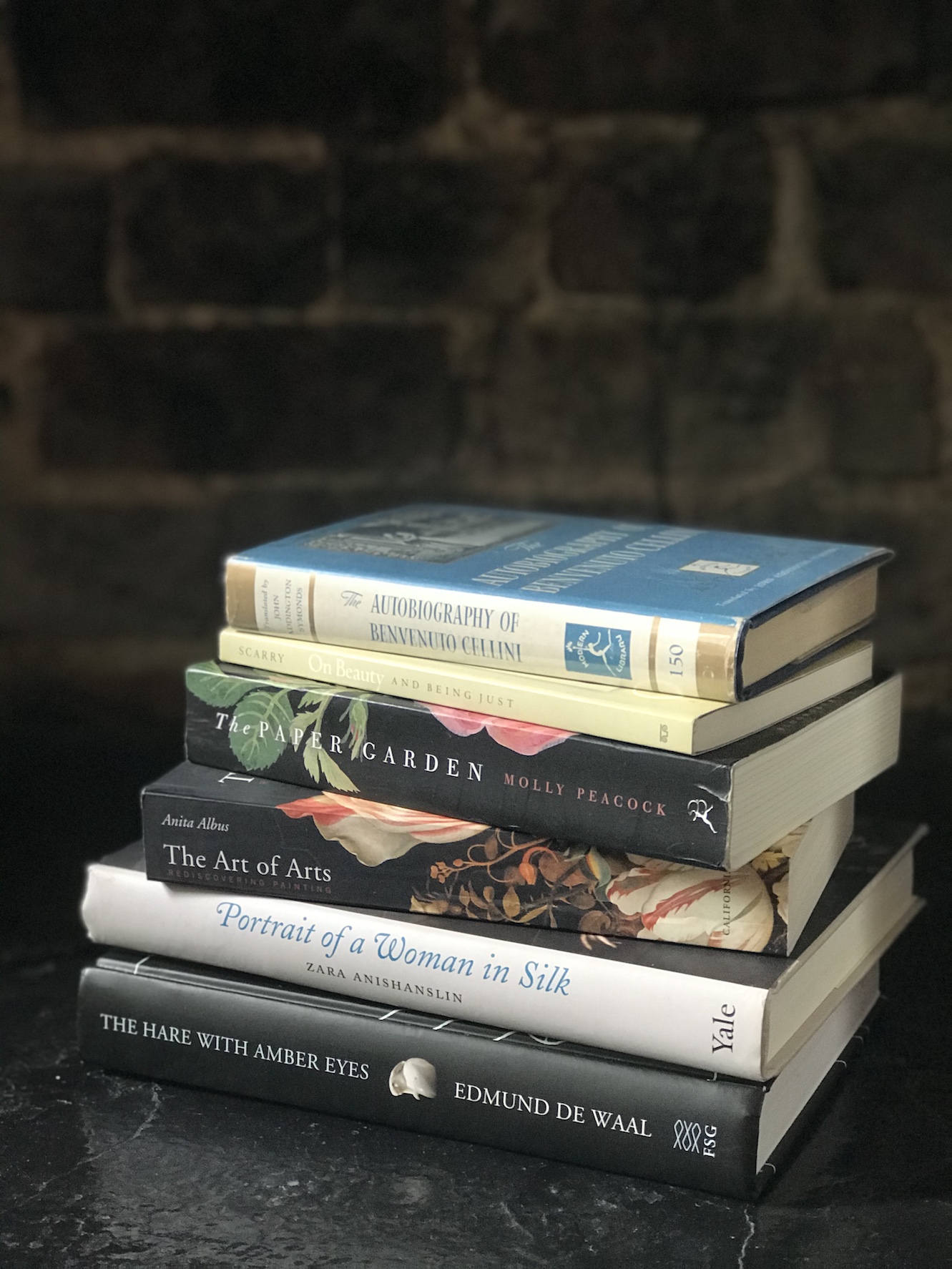
Molly Peacock, Paper Garden: Mrs. Delany Begins Her Life's Work at 72, (Bloomsbury, 2010):  "Mary Delany was seventy-two when she invented the art of collage, cutting paper-thin tissue into a perfect replica of a geranium; she would go on to make nearly one thousand papercut flowers before her death in 1788. Peacock, a poet herself, weaves together her life as a contemporary writer and that of this extraordinary eighteenth-century woman, articulating how the past and present speak to each other, literally and metaphorically."

Edmund de Waal, The Hare with Amber Eyes: A Hidden Inheritance (Farrar, Straus and Giroux, 2010): "As an art historian, I'm fascinated by how objects tell stories. In this autobiographical tale, the contemporary ceramicist De Waal traces the story of a collection of Japanese wood and ivory carvings called netsuke that he inherited from his great-uncle. Moving from the empire of Odessa to fin de siècle Paris, from occupied Vienna to postwar Tokyo, De Wall unravels a dramatic story of family and self through little objects that can fit in the palm of a hand."

Zara Anishanslin, Portrait of a Woman in Silk: Hidden Histories of the British Atlantic World (Yale, 2016): "This book encapsulates how entire worlds can be revealed through the examination of a singular painting. Using one picture as her starting point, Anishanslin unravels the complex interconnections between things both pictured and made. Through an image of a single silk dress, a new appreciation for the complexity and serendipity involved in the creation of any fabric is spun." 

Anita Albus, The Art of Arts: Rediscovering Painting (University of California Press, 2000): "This book completely changed how I thought about and approached early Netherlandish oil painting and the world of Jan van Eyck. Upon first seeing the brilliant work of van Eyck in a dimly-lit classroom during my undergraduate studies in Canada, I decided I wanted to study art history. But it was this book, read many years later during my art history doctorate in England, that revealed what I had seen in Van Eyck's luminous and reflective pigmented surfaces."

Benvenuto Cellini, Autobiography (Penguin, 1955). "The study and examination of self-portraiture and autobiography have been keystones in my academic work, and this book is as good as it gets. Cellini's own account of his life is an incomparable source on the nature of artmaking in sixteenth-century Italy. It's also a riveting story about the grit of the creative process filled with the blood, sweat, and tears. Anyone who has struggled with their own craft will be in good company reading this book."

Elaine Scarry, On Beauty and Being Just (Princeton, 2001). "Beauty, Scarry argues, provokes copies of itself, which can account for the replication of certain forms and shapes throughout the history of art. Beauty makes us more honest, more judicious, truer, and humbler – in short, better people.  For Scarry, admiring beauty is nothing to be ashamed of; on the contrary, beauty fosters the spirit of justice."

a stack of books

Learn more about Dr. Blackwood here.


AnimationFest 2020 coming soon!

September
10
2020
By
Tags:

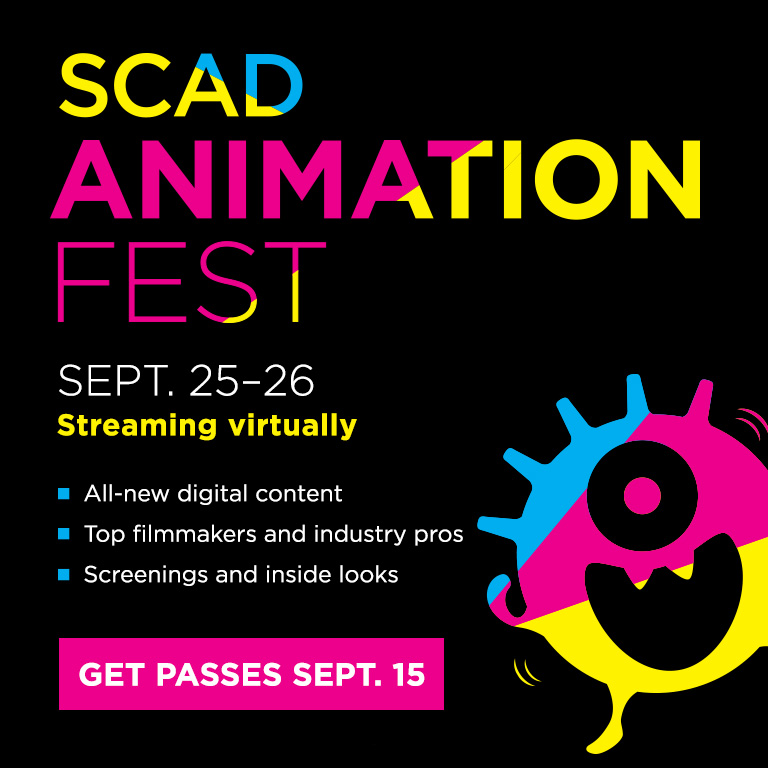
This year SCAD will host the acclaimed AnimationFest virtually this September 25-26. The SCADFILM festival programming will provide innovative and insightful content every hour on the hour throughout the two-day virtual festival, using leading streaming technology and event management platforms. The virtual festival will feature exclusive screenings, panel discussions, visual presentations and top talent and alumni from Netflix, Epic Games, Pixar, Nickelodeon, Dreamworks, Amazon, and more.

"The profession of animation is one of the creative winners of 2020, because virtual collaboration has long been a practice in the industry, where teams work together from across the world to write, produce, score, and give voice to these films," said President Paula Wallace. "Animation films and shows have actually increased production during the pandemic! SCAD AnimationFest finds the industry riding high, and invites our SCAD students into the very heart of it, to connect with our Bees in the industry and other filmmakers elevating animation to become the leading form in world entertainment."

Dynamic AnimationFest programming will represent many of the university's top ranked degree programs, including animation, visual effects, motion media design, film & television, and interactive design and game development. The festival will showcase many SCAD alumni who have become leaders in their creative careers, as well as standout student work.

Programming highlights for AnimationFest 2020 include: The Making of Amazon Studios' Undone with co-creators Raphael Bob-Waksberg & Kate Purdy; A Conversation with Avatar: The Last Airbender creator Bryan Konietzko; Framestore presents: Behind the FX of HBO's Lovecraft Country; and Behind the Scenes Conversation: CBS All Access' Star Trek: Lower Decks with creator Mike McMahan.

An additional feature, SCAD Animation Studio Presents: The Making of Bearly, will celebrate the recently launched SCAD Animation Studios with department chair Chris Gallagher. The first film created by the SCAD Animation Studios, Bearly was created and produced in a year-long collaborative with students in professional roles including lead animator, producer, visual development artist, story artists, 2D and 3D animators, lighters, compositors and more.

Passes for the two-day festival will be available for purchase on September 15, 2020. SCAD AnimationFest attendees will be able to register and purchase festival passes through a single gateway that will give them unified access across multiple devices to all sessions in the festival. Every hour of programming will also have a dedicated internal producer to ensure top-quality streaming execution and interaction. Passholders will have the opportunity to experience the festival across multiple devices and choose where and how to enjoy the content.

For more information visit the SCAD AnimationFest 2020 site.

advertisement for scad animationfest

Edgar Sanchez Cumbas at SCAD MOA

September
9
2020
By
Tags:

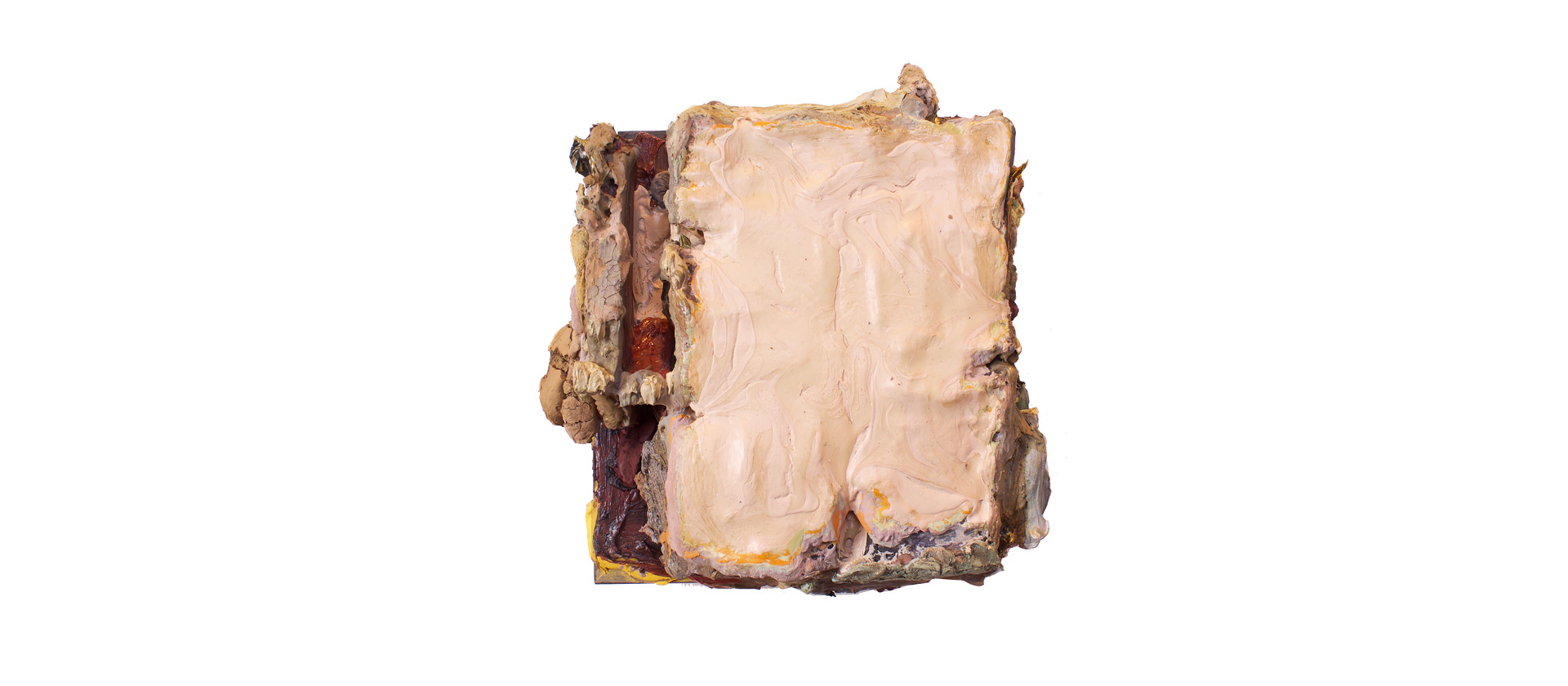
The expressive art practice of Edgar Sanchez Cumbas (B.F.A., illustration, 1994) includes painting, drawing, and found object sculpture. Many of his paintings incorporate multiple layers of thick impasto, which accumulate into allusions to skin and human bodies. The artist uses abstraction and raw material in tandem with his deeper commentary on subjects like colorism, identity, and pervasive racism. The exhibition NO. This Is Not the Color of Flesh at the SCAD Museum of Art includes recent paintings and drawings that demonstrate the artist's varied approach to media.

"When you see the work in the flesh, you can't help but be able to investigate the richness of the pieces," says Sanchez Cumbas. "Even though some are three-dimensional, some are a flat surface, and some are paper drawings, they all have this rich, tactile quality. There's a unity to all of the work."

Sanchez Cumbas injects his abstract compositions with explorations of important contemporary cultural issues. His heavily tactile and layered paintings spring from complex identity politics and are informed by his Puerto Rican heritage.

Sanchez Cumbas: "When I was growing up in Puerto Rico, my grandmother had a popular portrait of Jesus, 'Head of Christ' painted by Warner Sallman. This one was a 3D hologram, and as a little kid I fascinated by it. I kept looking at the side and wanting to see what was behind. It was a visual thing, but at the same time there was a sense of suffering that I saw in that picture, and hope too.

"In 2015, I took a trip down the Danube in Austria and saw the cathedrals. Once I came back from that trip, I knew my work would tie into the intersection between religion and racism. At that moment that picture by Sallman popped up again. I was aggressively pushing the paint to mimic the feel of that print of 'Head of Christ'. It wasn't until I laid down the last color, the flesh tone, that the first thing I said in my head was, 'No, this is not the color of flesh!' At that moment I knew the piece was done.

"That piece is a reinterpretation of a holographic picture, to a sculptural piece. We still have to look to the side and see the details of the violently laid-down paint, the strong, aggressive marks. Then we get to the top surface which is flat and smooth, indicative of our skin and our sensitivity to these issues."

artwork by edgar sanchez cumbas

"NO. This Is Not the Color of Flesh," wood, heavy gesso, acrylic polymer paint, and unsanded mortar, 12" x 11" x 8", 2018


The title of the exhibition takes its name from the central painting on view. The work, while small in scale, juts out into space with its chunky, accumulated layers of paint in myriad colors, from muted green and subtle brown to deep maroon and saturated yellow. This work, like many of the artist's paintings, rejects the inherent "flatness" of the traditional picture plane, offering viewers an objecthood and corporeality more akin to their own bodies than to painting and image-making.

The top layer of this work is a swath of beige-pink, a color commonly associated with Caucasian skin. Beiges have historically been the unchecked default "flesh tone" of everything from Crayola crayons to makeup foundation to academic painting instruction. In No. This Is Not the Color of Flesh, Sanchez Cumbas confronts the concept of beige as the assumed human coloring. By finishing the top layer of the work in this color while roughly exposing the multihued underlayers on the sides of the work, the artist suggests the violence and suppression of culture that occurs when societies place a higher value on those with lighter skin.

portrait of edgar sanchez cumbas

The award-winning SCAD Museum of Art will reopen to the public Thursday, September 10 with a roster of new and extended international exhibitions.

NO. This Is Not the Color of Flesh is curated by Ben Tollefson, associate curator of SCAD exhibitions.

www.edgarsanchezcumbas.com

Dr. Kenneth Foster: Reading Creatively

September
1
2020
By
Tags:

"Artists and scholars seem to have an intuitive understanding of the importance of human crossroads in life," says SCAD liberal arts professor Kenneth Foster. "My love for books and reading was my ticket to dispelling stereotypical expectations about the life trajectory of a young Black male living in public housing, especially in the 1950s."

Dr. Foster is a social psychologist specializing in issues including identity, social stigma and empowerment. His research and writing have led him down diverse literary paths, and for that the SCAD community is grateful.

Frans De Waal, Our Inner Ape (Riverhead Books, 2005): "De Waal is a world-renowned primatologist and this seminal work uses our evolutionary ancestors to explain much of why and who we are as humans. To quote De Waal, 'Ever since our ancestors swung from tree to tree, [human] life in small groups has been an obsession.' An audacious and provocative read."

Robert J. Sternberg, Psychology 101 ½ (APA, 2004): "Sternberg is a prolific author and broad thinker. His brief personal anecdotes explore topics such as why some artists periodically reinvent themselves. I have used this book for over a decade. Excellent for students' (and others') critical thinking, professional and personal development."

Sidney Langer, From Slavery to 9/11: Reading in the Sociology and Social Psychology of Extreme Situations (Taylor & Francis, 2012): "This volume is an essential service to the general public, as well as social scientists. It provides a set of stark analyses of treatment and often lingering effects of atrocities such as the Jonestown massacre, Armenian genocide, Jewish Holocaust, African slavery and more."

Walter Benn Michaels, The Trouble with Diversity: How We Learned to Love Identity and Ignore Inequality (Holt, 2006): "This provocative book is a timely examination of America's psyche. It is a short, fast read that I would argue implores us to take a long look at what we think diversity means in the 21st century.  A provocative polemic."

Claude M. Steele, Whistling Vivaldi: And Other Clues to How Stereotypes Affect Us (W.W. Norton, 2010): "Steele provides a riveting argument, based on extensive research, as to why it is important to note, accept and deal with the insidious and powerful reality that we are all stereotype targets. You might say that his upbeat narrative approach whistles while it works."

www.scad.edu