Skip to main content Accessibility Policy

Danielle McCoy spells it out

August
26
2020
By
Tags:

"We think that it's law and society that determine our behavior," says Danielle McCoy (B.F.A., advertising, 2015), "but the cultural components that art provides influence us as well."

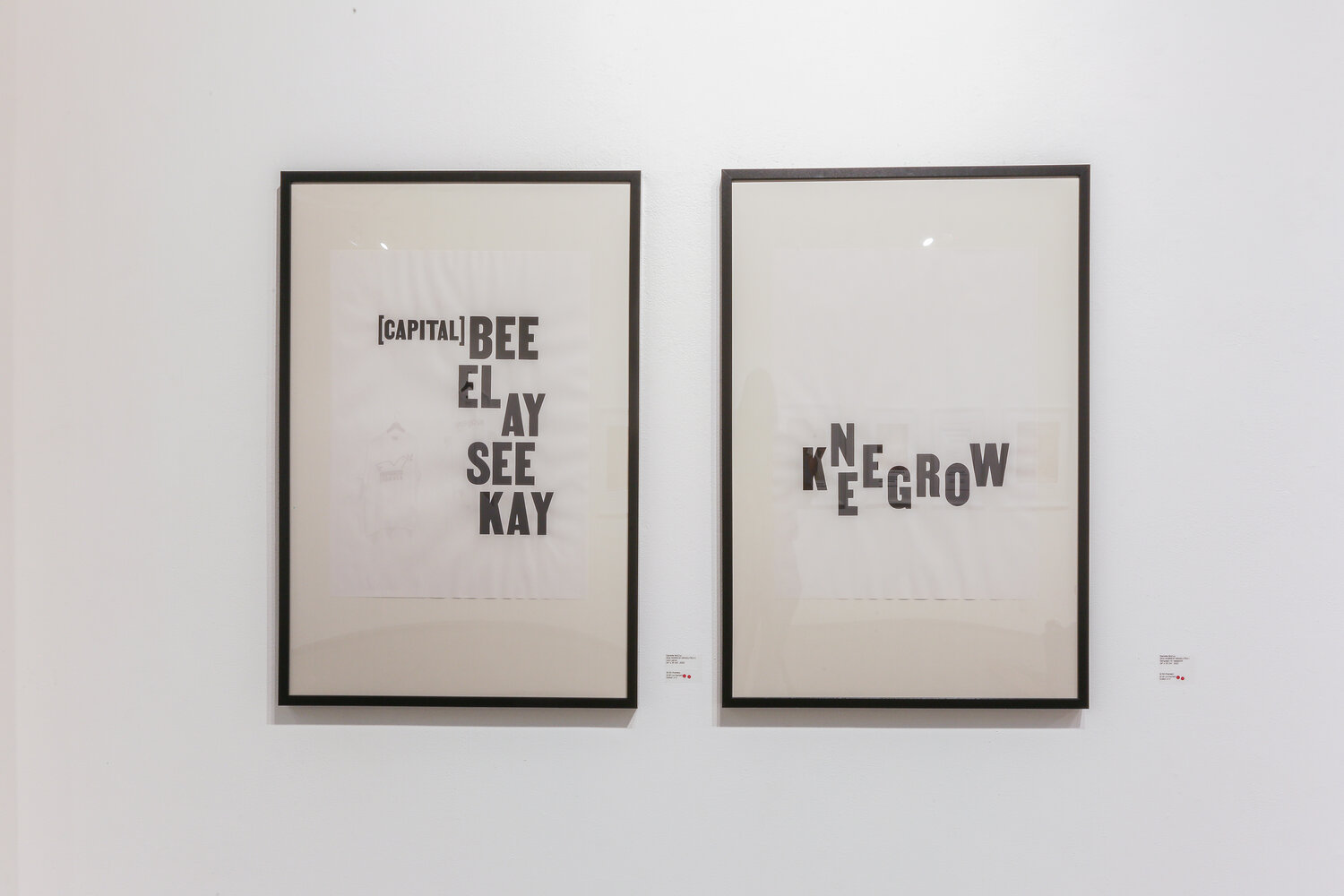
McCoy, a designer at Wieden+Kennedy in Portland, Oregon, has spoken alongside artist Hank Willis Thomas during a panel at the Portland Art Museum in 2019, and this summer showcased her work with fellow artists Christine Miller and Kareem Blair in the exhibition "Black Power Is A Color" at Blackfish Gallery. McCoy’s text-specific, screen-printed work, utilizing fonts from Tré Seals’ foundry Vocal Type, advances her professional acumen in a fine art context with social and political implications.

A native of Antigua, McCoy attended SCAD Atlanta, where her academic experience, as she says, "enabled me to be where I am today."

poitrait of danielle mccoy in a gallery

Danielle McCoy at Blackfish Gallery, 2020. Photo: Chloé Jarnac.


Danielle McCoy:

People conflate marketing with advertising without realizing that advertising is the creative side of the profession. It’s where people who have studied design and writing come together to solve a business challenge and focus a message that relies on visuals for its effectiveness.

When you are in the process of solving clients’ business problems, everything is game. Everything is creative inventory. Advertising folks know so many disparate facts and go down so many rabbit holes for research.

Wieden+Kennedy is arguably the best agency in the world. How did I get here? It started when I participated in Out to Launch at SCAD Atlanta. I had a booth and a Wieden recruiter stopped by and engaged. Senior year, I applied to Wieden+Kennedy's internship. I sent off the application, and a LinkedIn message to the recruiter, saying hey, I plucked up the courage to apply, hope you're doing well. After my very last portfolio class at SCAD, I received a message from the recruiter, who was also one of W+K Studio's Associate Studio Directors, saying, Hi, we've chosen you for an internship. I was like, Holy crap!

At SCAD, I minored in motion media design and in book arts. I learned to communicate in an advertising setting and apply that to fine art, and personal expression as well. An artists' book project in professor Lisa Hart's color theory class introduced me to book arts, and in book arts class with professor Cynthia Lollis, I began considering the fine arts something I could do seriously. A lot of my relationships from SCAD have lasted. I speak regularly with Dr. Imani Scott, my speech and communications professor.

I'm thinking a lot recently about Blackness. How can I use my skills to serve people who need to communicate a message? In the weeks leading up to the show, the Associated Press changed the AP style guide to capitalize Black. In a sketch book I wrote the words KNEEGROW. I was contemplating Colin Kaepernick kneeling, and Black bodies. The work relates to my love of language. In Antigua, there's this almost over-pronunciation that we do. Black people regionally and locally have unique ways of saying things. All these thoughts were percolating, about where we come from, how we speak, and what we've gone through. I needed a way to express those thoughts. It came into new focus when I made the work for "Black Power Is A Color."

I have to shout out my collaborators, Kareem and Christine. "Black Power Is A Color" ended up being so cohesive, even though for a good portion of the preparation, we didn't know what each other was doing. There's a really positive community of young creatives here in Portland. There's certainly the politics of being a transplant and reconciling with the history of the city. So much gentrification and displacement and disenfranchisement has happened here. More conversations need to be had. We need to reconcile our differences, and come together.

installation view of danielle mccoy exhibition

Visit Danielle McCoy at her wonderful website.

Photography courtesy Chloé Jarnac.

Danielle Elsener’s zero waste win

August
21
2020
By
Tags:

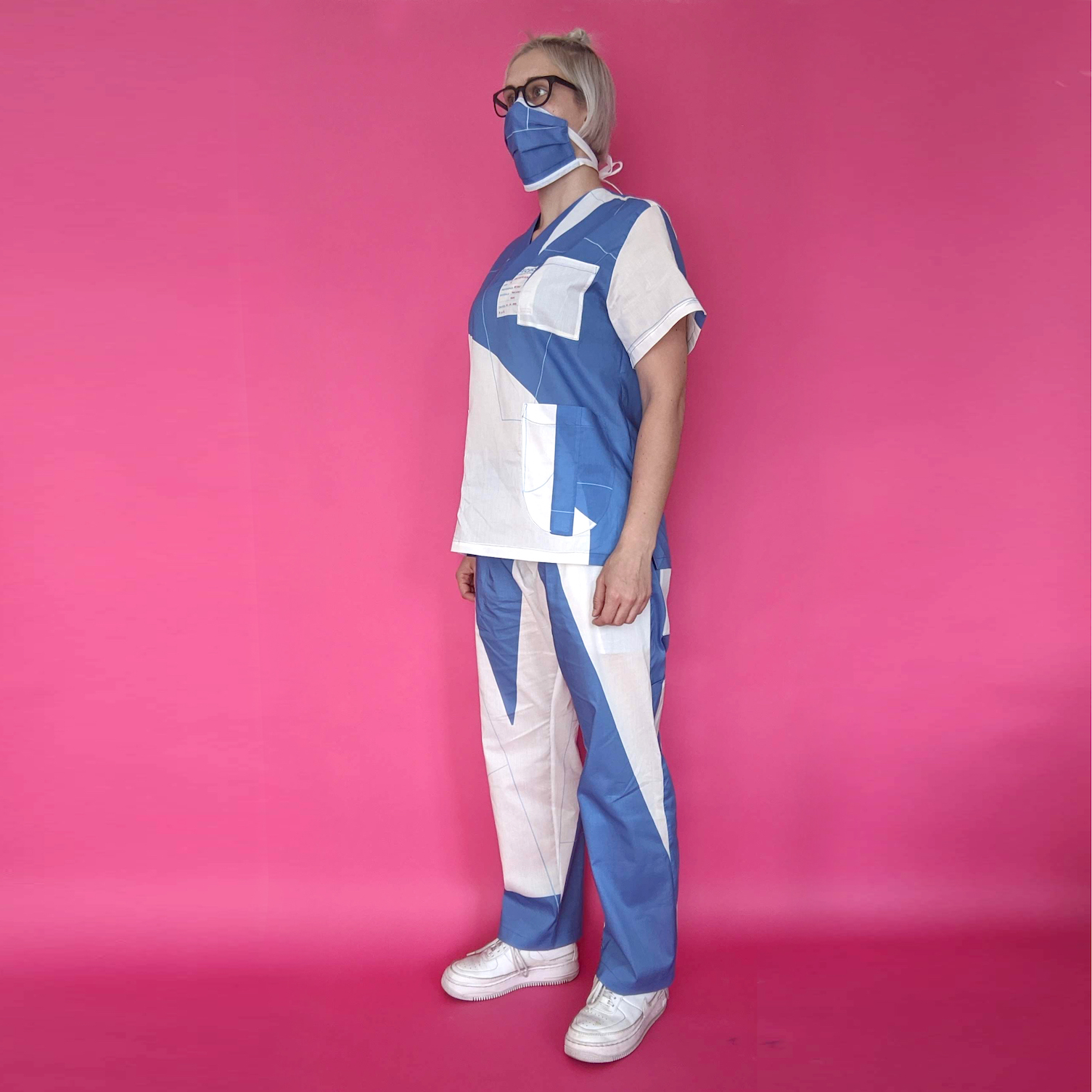
"Zero waste design is a giant puzzle," explains Danielle Elsener (B.F.A., 2013, fashion). "Normally when you lay out patterns, there’s extra room between the pieces and about 15% of that gets wasted. Zero waste involves making garments where every inch of fabric is used in the creation."

Elsener is a puzzle-solver, an inventor, and the recipient of the inaugural Activate Movement Program €50,000 grant sustainable design. Her winning entry, called A020, was chosen by judges Virgil Abloh, artistic director at Louis Vuitton, and Evian Global VP Shweta Harit.

Currently based in Portland, Oregon, Danielle was previously an Alumni Atelier ambassador at SCAD Lacoste and a SCADpro alumni mentor. Her recent projects include an open source Zero Waste Scrub Set for front line health workers.

Danielle Elsener:

Receiving this Evian grant is super exciting. There are three things the grant will go towards. One is the creation of zero waste pattern tools that I use to teach how zero waste design works. You receive the tool and a set of instructions, and can get started with basics in zero waste design. I'm also hosting workshops, digitally for the time being, which is great because you can get engagement from all over the world. And I'll eventually create a factory that produces full run garments that are completely zero waste, the first of its kind.

Zero waste involves figuring out what on the pattern can be shifted so all the pieces interlink. I've made it my goal to make zero waste garments that don’t necessarily look like they’re zero waste, so more people are willing to wear them. It has a better industry application, and makes companies more willing to try out that type of design thinking.

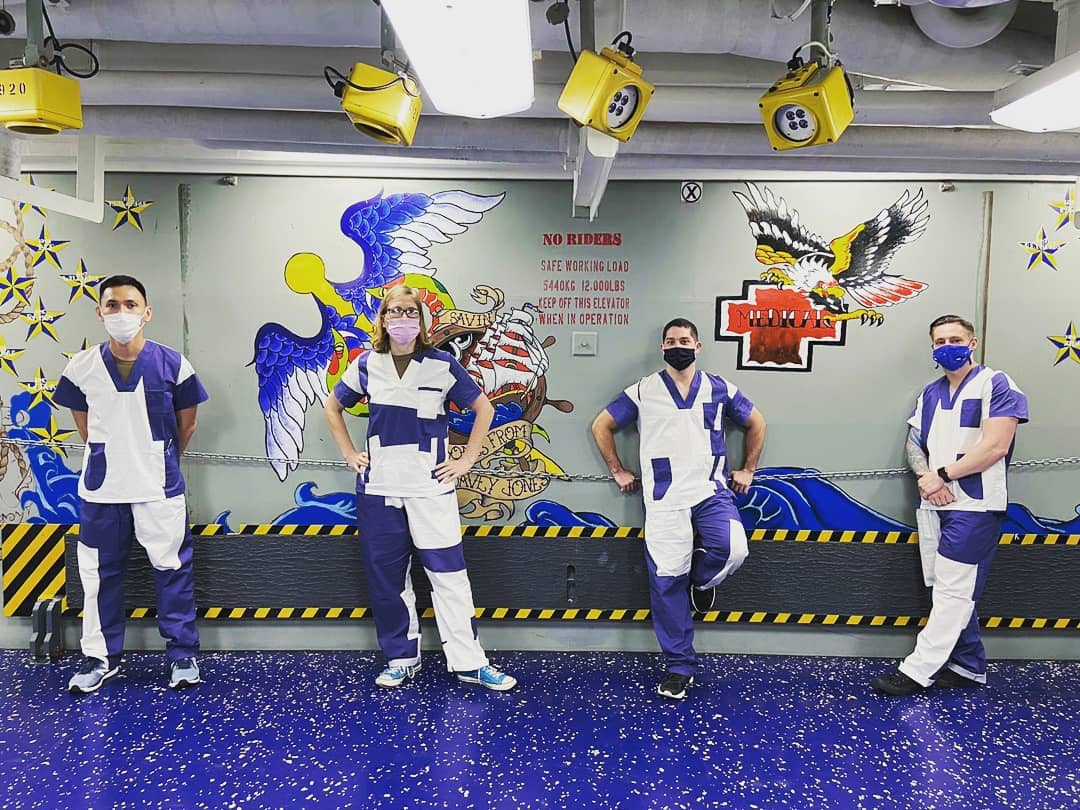
My first edition of the Zero Waste Scrub Set pattern was uploaded April 10. Since then it’s been downloaded over 1500 times. There's a woman in the UK who's making tutorial videos about how to actually construct the scrubs. My sister is a doctor for the Navy, and she ordered a custom set of scrubs for her Covid testing unit. It's awesome that people are taking it on as their own thing.

people modeling the zero waste scrubs set

SCAD has been a great partner for my journey of design. I had my heart set on SCAD from the first time I heard about it at Northport High in Northport, New York. I had a substitute teacher who’d gone on vacation to Savannah and said there’s a school down there that has a festival with chalk art all over the sidewalks. I looked at the brochure and was like yep, this is it! The New York industry is all bred from New York schools, and I felt like going somewhere different would create a fresh outlook on fashion. SCAD was the only school I applied to.

At SCAD, I had great professors who helped me think really differently about the world. My junior year I researched the work of Timo Rissanen and Holly McQuillan, who literally wrote the book Zero Waste Fashion Design (Fairchild Books, 2015). I thought, this seems like fun, let me just try it for one project. I was totally hooked. SCAD really set me up to get where I am today.

portrait of danielle elsener modeling zero waste scrubs

Visit Danielle Elsener at decodedecodedecode.


SCAD supports RESIST COVID TAKE 6!

August
13
2020
By
Tags:

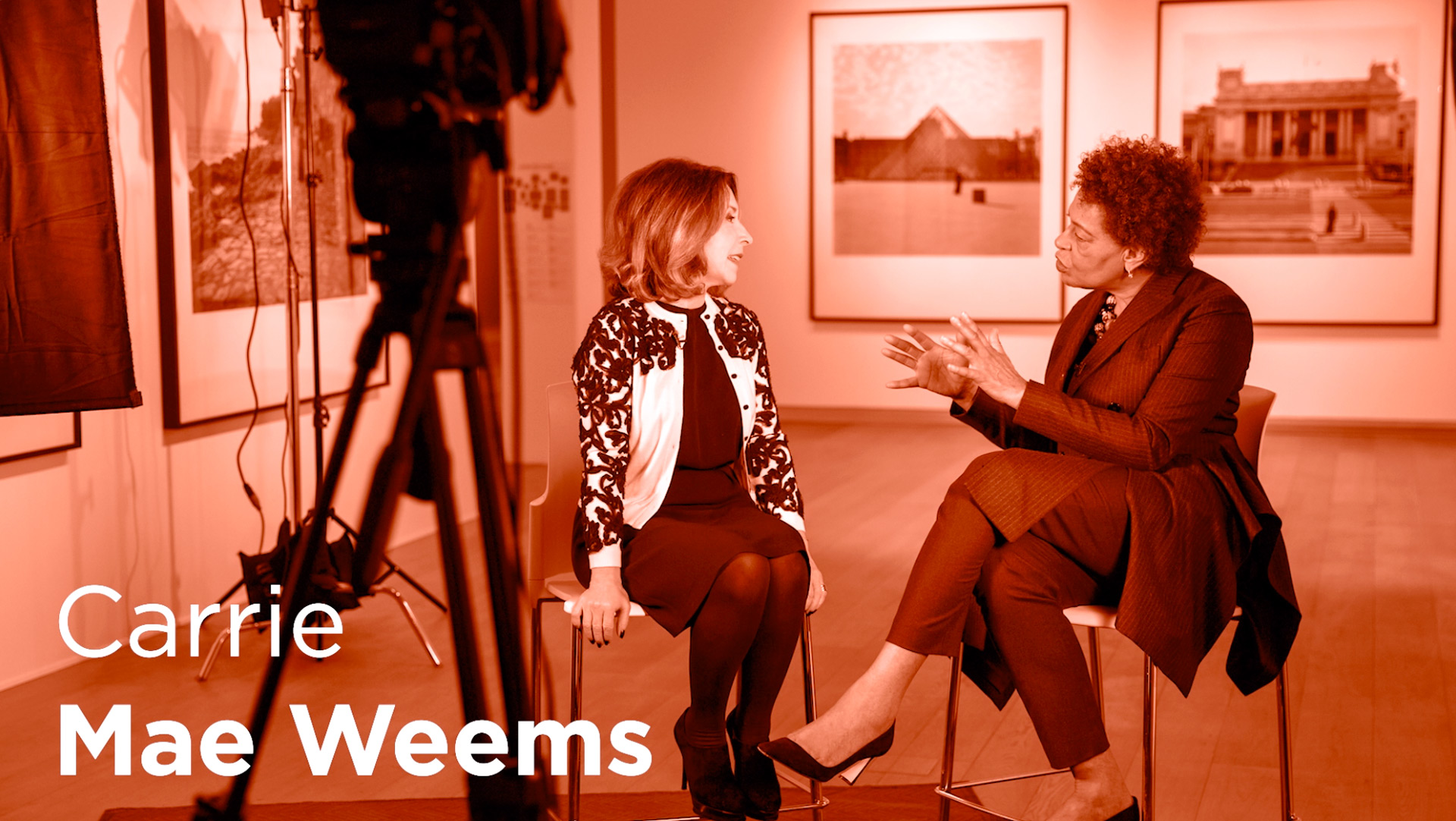
"COVID-19 is an ecological health crisis of epic proportion and we've all been impacted," says artist and activist Carrie Mae Weems. "We have indisputable evidence that people of color have been disproportionately impacted. This fact affords the nation an unprecedented opportunity to address the impact of social and economic inequality in real-time."

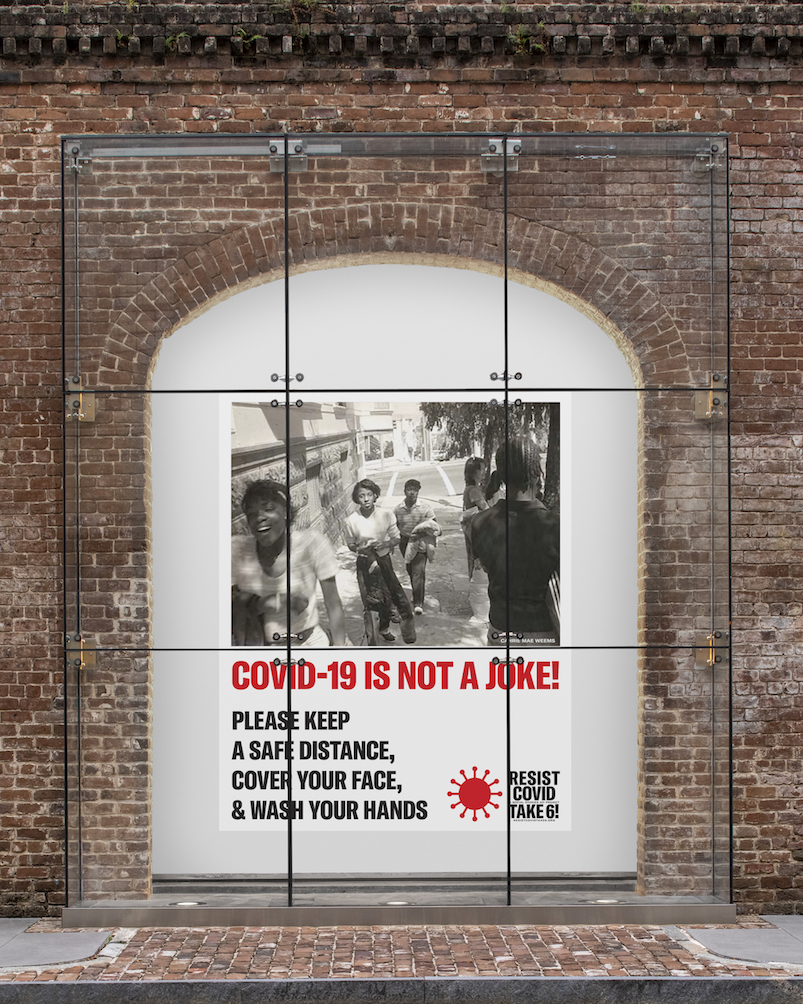
SCAD has partnered with Weems to launch the artist's new public art initiative, RESIST COVID/TAKE 6!, in Atlanta and Savannah, home to SCAD's two Georgia campuses. The artist-driven project emphasizes the precaution for people to maintain a six-foot distance from one another, and speaks to the urgency of Weems' call to action.

"Not only does RESIST COVID/TAKE 6! raise critical health awareness, it shines a light on how this pandemic has disproportionately affected Black, Latino and Native communities," says President Paula Wallace. "We are pleased to be partnering with Carrie Mae Weems, longtime friend of SCAD, to bring this important work to Atlanta and Savannah."

Window display

At the SCAD Museum of Art in Savannah, the museum's street-facing jewel boxes display large-scale photographs accompanied by the initiative's messages including "Don't Worry, We'll Hold Hands Again." RESIST COVID/TAKE 6! is also on view at public locations in and around SCAD Atlanta. Commanding billboards and bus shelters bring its message to the attention of residents in one of the country's highly impacted cities. Flyers, "church-style" fans, and bags will be distributed through Meals on Wheels Atlanta and organizations in Savannah. The printed pieces direct audiences to local resources including COVID-19 testing sites.

The works showcase the realities of the international health crisis while providing notes of gratitude to workers within the health and service industries and making direct appeals for people to take preventive safety measures.

SCAD has over a decade-long friendship with Weems. The artist has collaborated with the university on numerous exhibitions and initiatives to showcase her dynamic work. Weems has been a distinguished visiting professor at SCAD Atlanta and worked with students on a thought-provoking film, "Constructing History: A Requiem to Mark the Moment" for the National Black Arts Festival in 2008. In 2016, Weems was the SCAD deFINE ART honoree and keynote speaker. That same year she had an accompanying exhibition titled "Carrie Mae Weems: Considered" at SCAD MOA in the Walter O. Evans Center for African American Studies.

Most recently, Weems spoke with President Wallace for the ‘On Creativity' podcast where the artist discussed recent and upcoming creative work, the importance of the RESIST COVID/TAKE 6! initiative, and her legacy in the industry.
 
Weems began working on RESIST COVID/TAKE 6! this spring while artist-in-residence at Syracuse University, as the extent of the COVID-19 crisis became apparent. The idea came from a conversation of Weems and her close friend Pierre Loving, lamenting what they saw unfolding. The initiative is also being activated in cities nationwide including New York, Detroit, Dallas, Los Angeles, Chicago, and Philadelphia in support by producing collaborators, THE OFFICE performing arts + film.

"The arts allow us to get closest to our humanity," says Weems. "One of the important things is to understand the circumstances under which we live. This means unmasking inequity, because then you begin to see the power structures that are under it to keep you fighting one another as opposed to really looking at really the source of the problems. Denial does not solve a problem."

Artist talk

Listen to Carrie Mae Weems speak with President Wallace 'On Creativity' here.


Black creatives 'Pass the Mic'

August
7
2020
By
Tags:

On the last day of July, the Guests and Gusto online symposium "Pass the Mic: Conversations with Black Creatives" united leading professionals for three insightful panels exploring how diverse voices impact collaboration and creativity.

The "Black Beauty Matters" panel, moderated by Julee Wilson, beauty director at Cosmopolitan, featured Linda Arrington, former global brand GM at Estée Lauder Companies; Sarah Curtis Henry, chief marketing officer at Tatcha; and Sir John, global makeup artist, activist, and producer. They discussed their formative experiences with the concept of beauty, and the actions necessary to make the industry more inclusive.

Sarah Curtis Henry: "I think of beauty as an individual art form, because it is so unique and specific to each and every person. It's a state of being, a way of holding your head high and way of walking. As a Black woman, I was taught to walk a little taller and hold my head higher because my beauty was not the standard of beauty per se. It really does come from the soul."

Sir John: "I'm not allowing brands use my blackness as a shield or as an umbrella. This is not situational. This is a revolution. These changes are a grand awakening, you know. I've been in this game for almost 20 years now and seen so many different directions, but I feel so anchored in being a truth teller. It feels good to actually speak up for people who don't have a voice."

Linda Arrington: "One of the things that I look for when I'm hiring are people who have a tremendous amount of curiosity. If you have an insatiable curiosity, you're always looking to learn. You're always looking to figure out how you can do better, be better, be smarter and beat the competition. The best advice is to really maintain curiosity and keep learning."

The "Black in Fashion" panel, moderated by SCAD professor and footwear designer Michael Mack, featured leaders in fashion sharing their experiences navigating the industry. Panelists included celebrity stylist and creative director Jason Bolden; Nicole Chapoteau, fashion market director at Vanity Fair; and Lindsay Peoples Wagner, editor-in-chief of Teen Vogue.
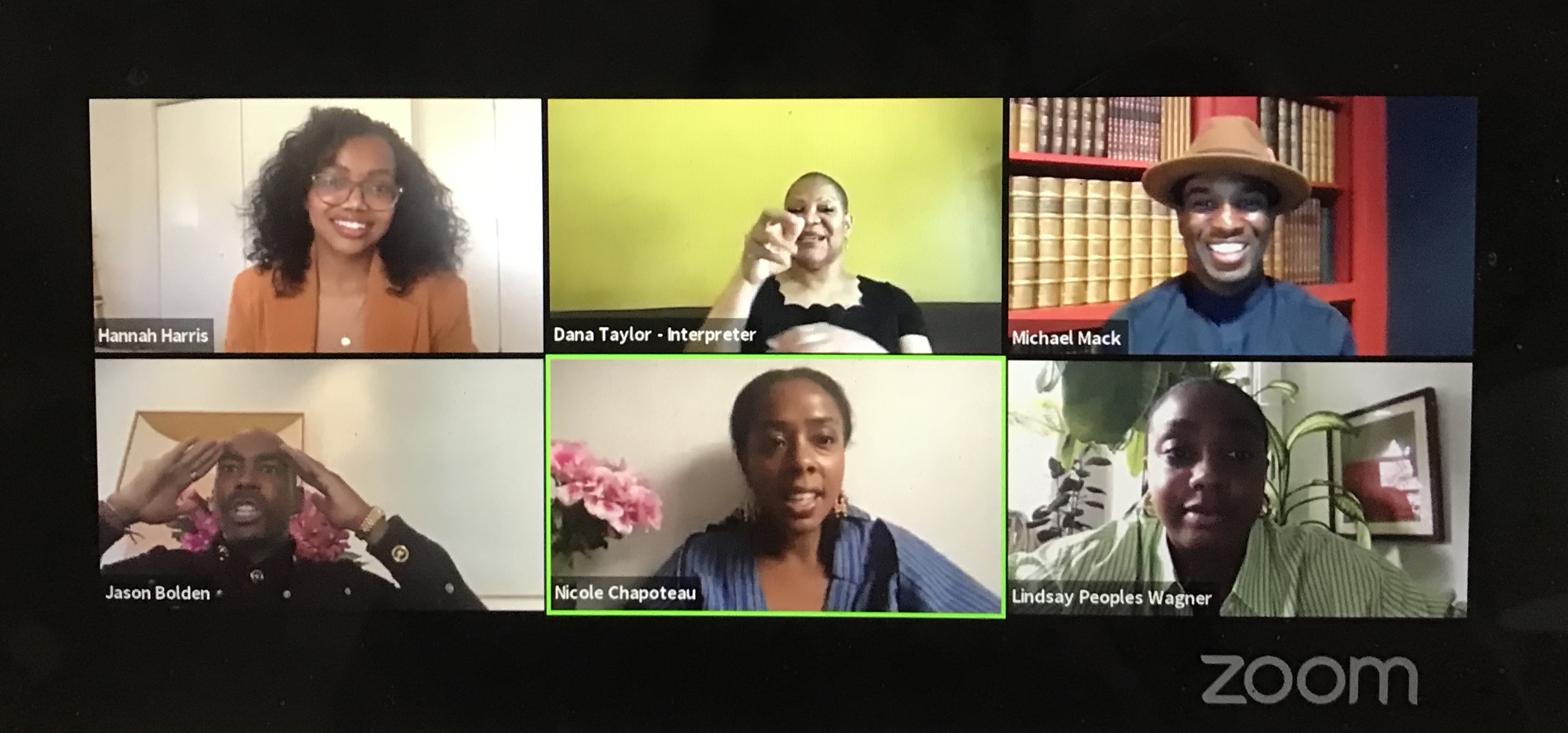
screen shot of zoom meeting

Jason Bolden: "Work ethic trumps talent. A lot of times you can be the most talented person, but if you don't have the work ethic, you fall to the wayside. You may not be the most talented designer, but if you have major work ethic that pushes through everything, those are the people who constantly rise higher in their profession."

Lindsay Peoples Wagner: "Editors shouldn't just be like, Oh, let me write up 15 Black brands because we're dealing with this time culturally right now. Have you reached out to them to try to establish a real relationship? Are you going past the performative level of saying that you're doing something? Because look, if you're not doing the real work, we're not interested."

Nicole Chapoteau: "We have to make sure this movement stays public, that it stays out there, and we have a tool now that our parents’ generation didn't have: We have the internet. You can get information out really quickly and let everybody know. We have the prime opportunity to keep it growing."

The day’s final panel, "Behind the Lens" with moderator Tiffany Reid, fashion director of Bustle Digital Group, featured director and photographer Christian Cody (B.F.A., photography, 2016);
 T. Cooper, celebrity makeup artist and founder of Major Face; and Candace Marie Stewart, social media strategist and founder of Black in Corporate. All three spoke about transformational professional experiences.

Christian Cody: "I make sure that whoever I have in front of me, no matter what their tone is, that they represent themselves. Working with Killer Mike for a GQ shoot for their new August issue, it was really great to connect with someone who has a purpose, politically, especially in the Atlanta area. I’m proud of that."

Candace Marie Stewart: "I wanted to find some way to help level the playing field. For me, it was about being in that luxury space and amplifying Black voices. I pride myself on making sure that voices that had never been heard before are able to use this platform. We deserve to have as many opportunities, resources and mentorship."

T. Cooper: "I love doing fashion shows and I love my sisters. A lot of times my team consists of all Black women. That makes me feel like I'm doing something special, because I'm adding an element that just didn't exist in fashion. And we continue to slay."

See more at scad.edu/guests-and-gusto.
 

Michael O'Brien: Reading Creatively

August
6
2020
By
Tags:

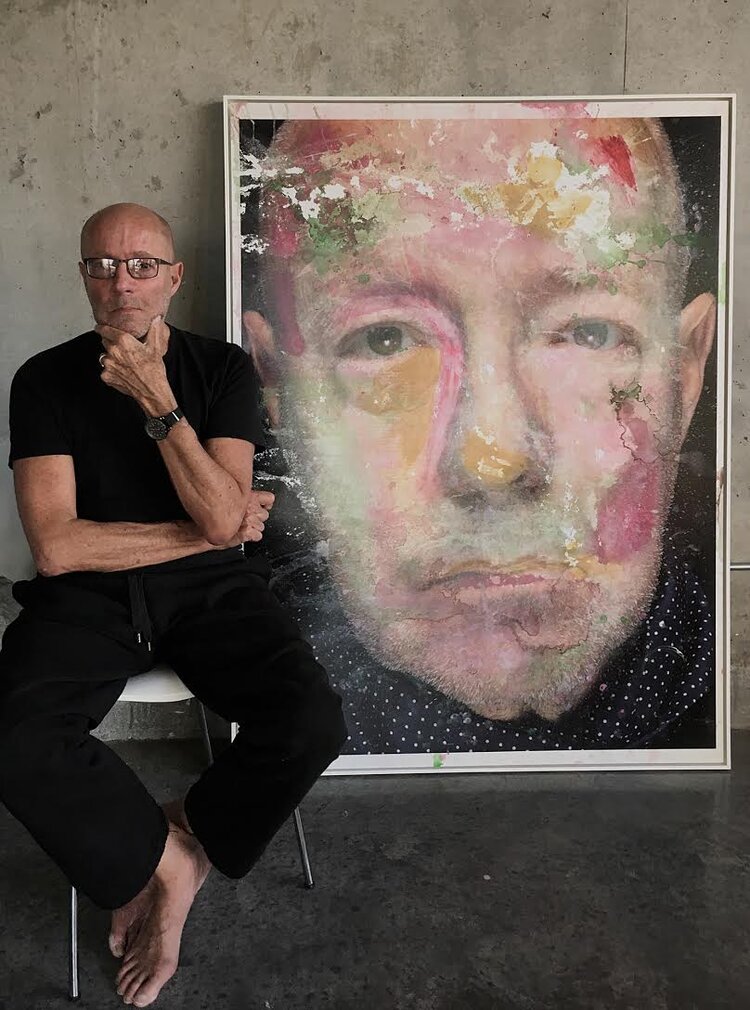
"How do we transcend our origins?" asks Michael O'Brien, associate chair of photography, SCAD Atlanta. "Can we create family in a greater sense of the word? Are we able to shed preconceived notions and follow our true selves? It has never been more important than it is now to understand and embrace the truth: You are responsible for your own life, and ultimately beholden only to yourself."

Professor O'Brien's personal journey towards enlightenment began around the time he started supplementing his ninth grade French homework with the works of James Baldwin and Virginia Woolf. Having studied under Walker Evans at Yale in the 1970s, O'Brien is an acclaimed photographer in his own right. His work, featured in publications including The New Yorker, Rolling Stone, L'Uomo Vogue, and Elle Décor, also resides in the permanent collections of the National Portrait Gallery in London and the Cleveland Museum of Art.

Michael O'Brien

James Baldwin, Giovanni's Room (Dial Press, 1956): "Baldwin's publisher refused to publish the work at first, because of the homosexual content of the book. Mirroring his own life, Baldwin's protagonist travels to France to escape both his conservative upbringing and his engagement to a woman he has no intention of marrying, only to truly find himself in a foreign land. The book addresses the politics of America in the late ‘40s and early ‘50s, and ultimately parallels the history of black community in our nation."

Jean Genet, Our Lady of the Flowers (Marc Barbezat — L'Arbalete, 1943): "Genet wrote this while in prison on sheets of brown paper in the hopes that it would be circulated. When a prison guard found the work, he burned it. In response, Genet wrote it again. The book tells the story of a drag queen in the Parisian underworld. The book also influenced a hero of mine, David Bowie. His song ‘The Jean Genie' is based on Our Lady of the Flowers."

Virginia Woolf, Orlando (Hogarth Press, 1928): "This book is an imaginative biography of Vita Sackville-West, who was a close friend and lover of Woolf. The book addresses the transition of genders and untraditional love, while exploring the possibility of living more than one life."

E.M. Forster, Howard's End (Edward Arnold, 1910): "Forster's work was groundbreaking since it challenged social norms, the class system in place, and ‘acceptable' relationships. The characters form a family on their own terms, and shed societal conventions in order to find happiness. All that matters to the characters is connection and true happiness."

Josephine Tey, The Daughter of Time (Peter Davies, 1951): "I love mysteries and spy novels, so this work, based on the life of Richard the Third and murder of his nephews in the Tower of London, is a favorite. The main character is a detective living in London in the 1900s working to solve a 500-year-old cold case from his hospital bed."

Albert Camus, The Stranger (Hamish Hamilton, 1946): "My earliest understanding of this work was that you choose the rules of your life and, in doing so, you choose the life you live. Your life is not dependent on a system of values that come from a political party, a church, or a government. Your life is based on your decisions and choices. That was incredibly impactful as a young man, and has helped shape my life going forward."

www.michaeljamesobrien.com


Thomas Sanders: 'Vietnam War Portraits'

August
3
2020
By
Tags:

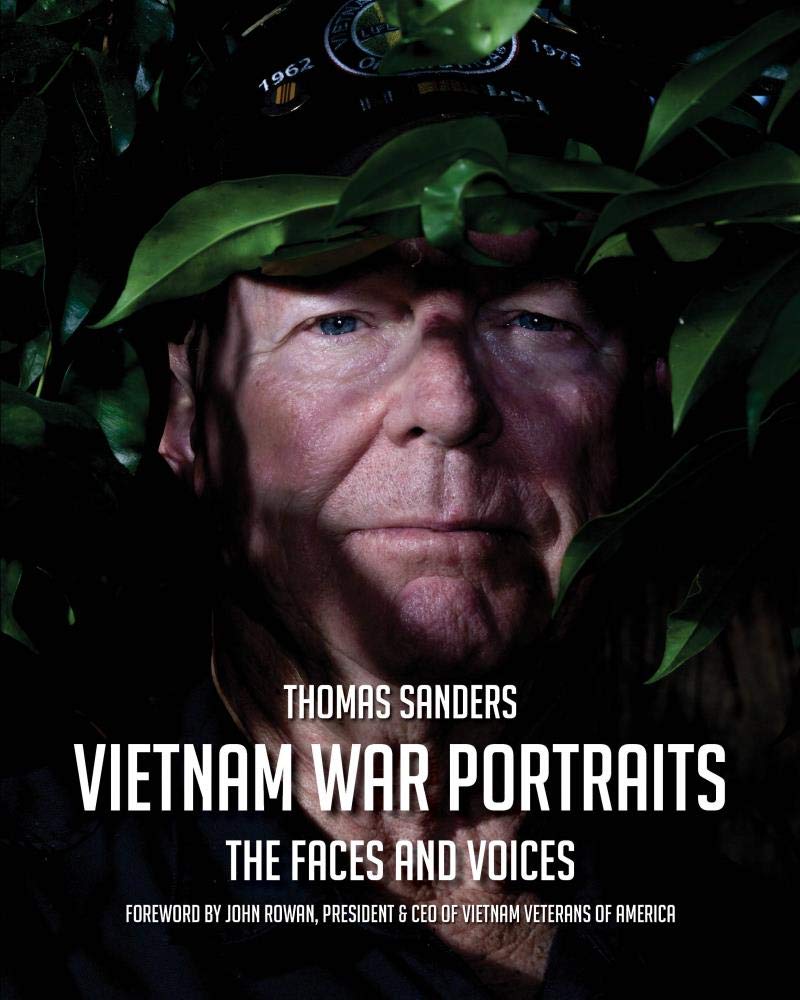
SCAD photography professor Thomas Sanders is an award-winning photo documentarian and the author of Vietnam War Portraits: The Faces and Voices (Casemate Publishers, 2020). Sanders' previous book, The Last Good War: The Faces and Voices of World War II (Random House, 2010) won "Non-Fiction Book of the Year: Editor's Choice" from Forwards Review, making Sanders the youngest ever recipient of that award, at age 25.

Sanders has photographed over 1,500 veterans throughout his career, the largest compilation of veteran portraits worldwide according to CBS. His work has been showcased in the Smithsonian National Portrait Gallery and the World War II Museum in New Orleans. Sanders is the grandson of Army World War II veteran and photographer Willis Sanders.

Thomas Sanders:

My journey as a photo documentarian began when I was 21. I had a college assignment to take a photo of a World War II veteran. That experience was powerful. The impact of the conversation was life changing. I can still hear his story. He stepped on a mine in the European theatre, and the resulting explosion tore his stomach open. He used his canteen belt to hold his guts inside his body as he continued fighting.

That conversation took place in 2005, over 60 years from the date he stepped on the mine, and yet we were both transported back to that moment when he was a young man, 5,000 miles from home.

I was honored to be in that moment with him, and understood how fortunate I was to be hearing his story and taking his photo. I decided to travel the country and photograph as many World War II veterans as I could. Belmont Village Senior Living discovered my project and decided to send me to all their communities around the country and photograph veterans living in their communities.

That allowed me to create enough material for my first book, The Last Good War: The Faces and Voices of World War II. That book's success allowed me to continue telling and sharing these heroic stories.

Over time I became interested in the veterans of the Vietnam War, and was curious why those men and women didn't get the same reception as World War II veterans. Seemingly, they didn't come back as heroes, and I was drawn to that narrative and exploring the relationship between the World War II veterans and the Vietnam vets. In 2013 I started photographing Vietnam veterans for Vietnam War Portraits: The Faces and Voices.

Luckily, I was in San Jose, CA, the third largest Vietnamese community in the country, and home to a large number of Vietnam veterans. At the same time, I was working on my project, documentarian Ken Burns was working on The Vietnam War. I was able to meet Ken, and I photographed him as part of my book. His series was a pop culture hit, and really brought the plight and lives of these vets to the forefront in a way that had never happened before.

I wanted my book to tell the stories of everyone involved, vets, conscientious objectors, journalists who were on the ground, and Vietnamese immigrants. One of those stories is from a woman named Bic Truong. She was grateful for the U.S. forces, and believes she would have died at the hands of the opposition forces if not for our involvement.

I haven't stopped taking photos of vets and I can't imagine I ever will. Their stories are too important not to share, highlight, and preserve.

Poster

Learn more about the SCAD photography program.


Tayler Ayers, unequivocally

July
29
2020
By
Tags:

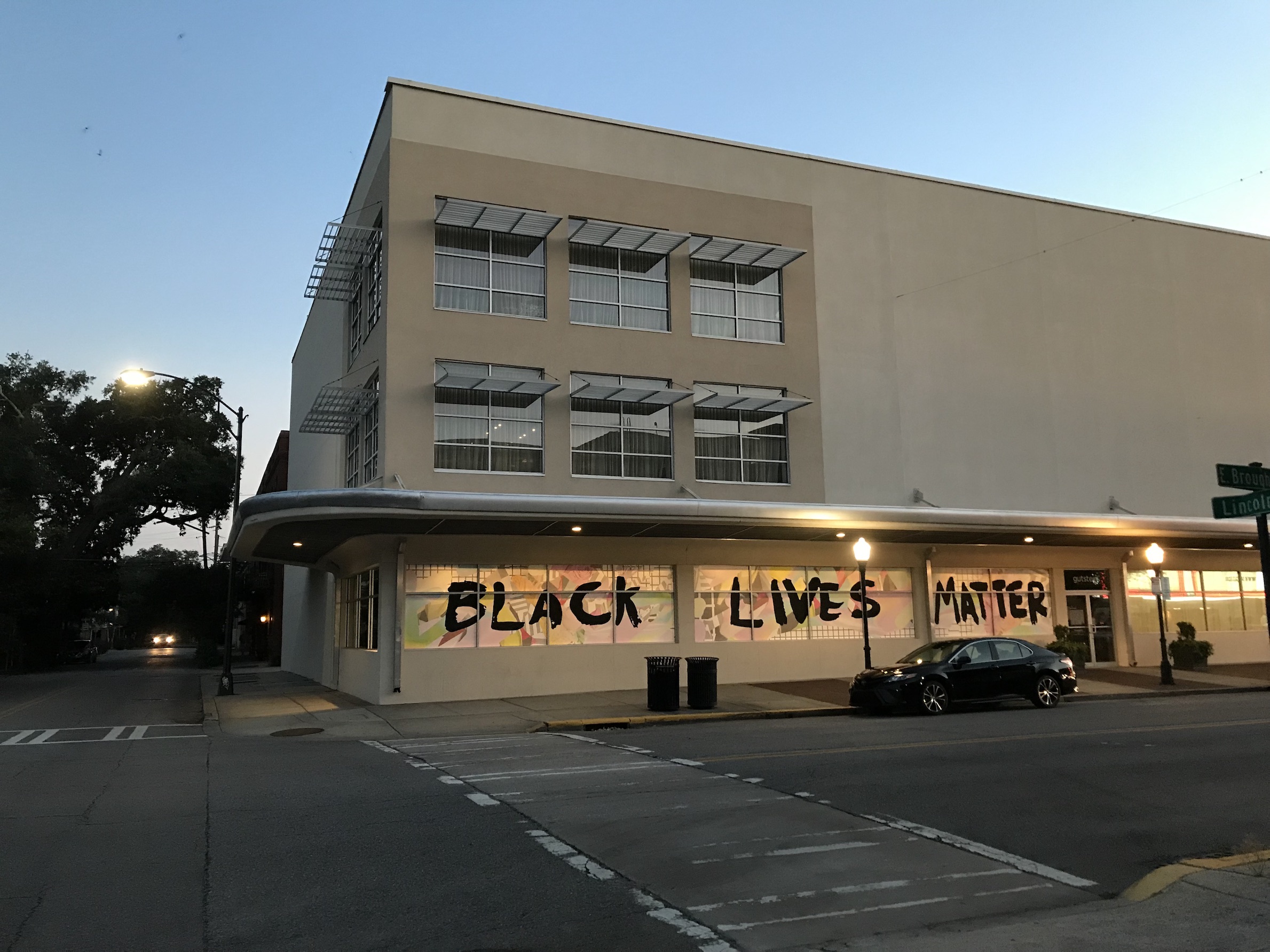
Tayler Ayers (M.A. creative business leadership; B.F.A., fibers, 2019) is a SCAD tennis standout and, with Will Penny, one of the artists of the BLACK LIVES MATTER murals atop student residence hall FORTY in Atlanta and the exterior of Gutstein Gallery in Savannah.

"Our project speaks to the injustice that is present in the world, while also contemplating what it looks like when two people who are visually different come together to contribute to something larger than themselves," the artists said.

What Ayers and Penny (M.F.A., painting, 2013; B.F.A., painting, 2008) have created is part of the fabric of the Civil Rights movement in Savannah, the mural stretching across the front of the former Levy's department store (now SCAD's Jen Library) that saw the lunch-counter sit-in of 1960. Ayers, from Carrollton, Georgia, says: "To put this message on the outside of a building in the South, this is bigger than me, and bigger than SCAD. I'm excited for the response, whatever that may be."

Tayler Ayers:

I gravitate toward flowy yet refined hand styles. You look at the Black Live Matter piece and think, is it painted, or made with a Wacom? I painted it with a paintbrush, then used Image Trace so it had that mix of professionalism and clean design, to keep the organic feeling.

I grew up traveling on I-20 West in and out of Atlanta to play tennis, through that part of Atlanta where SCAD is, so I've seen SCAD Atlanta since I was ten years old. On the tennis team at SCAD, my teammates come to me to talk, to unpack things they're thinking about. Often a Black person walking by will see me and say, "Young Arthur Ashe!" That's their association. There are not a lot of people who look like me playing tennis. When we're traveling for matches, I'll sometimes be the only Black player on my team and the opposing team. I own that. I have a higher level of awareness in that position.

My success in tennis was never measured in trophies. What I got from tennis is that it gave me confidence and independence from a young age. If I'm approaching an art piece, sometimes I'll get asked "How do you start? How do you have the confidence to make those marks unapologetically?" Well, it comes from being on a tennis court, alone, it's you and you lose or you win. In a millisecond, you have to dissect a thousand options that are point-one-percent worse or better than the other, and you have to have the awareness and critical thinking to break down that situation and make a decision. I apply that to art.

I'm doing this to speak to kids to let them know they can do this. Everything I make, you can make with what you can buy at Starlandia or Blick. I'll go with you to pick out the art supplies. I'm not sitting behind a veil. My work is on a building. I'm going for it.

Mural

Tayler Ayers is HERE.


Petra Richterova's film of spirit and love

July
24
2020
By
Tags:

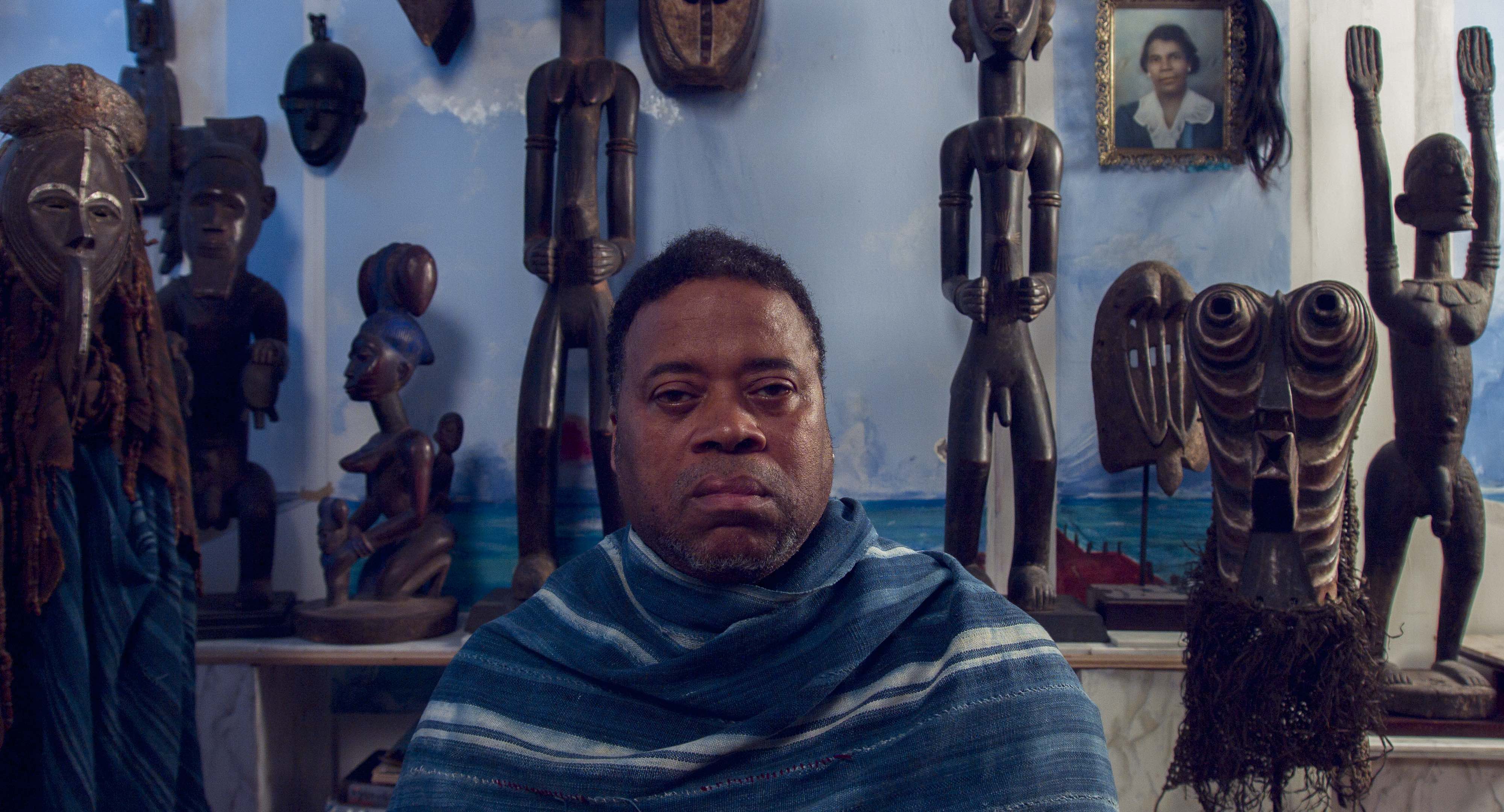
"It's an art piece," says professor Dr. Petra Richterova, director and cinematographer of "ON MY MIND", the stunning short film based on musician Marcus Strickland's spiritual jazz composition "On My Mind (Remix)." "It's not intended to be a music video. I'm not catering to short attention spans. It's for people who can get to the deeper level it's on."

"ON MY MIND", produced and directed by Richterova and Jennifer Galvin, has its roots in the 1990s, when Richterova, then working as a photographer for Jazz at Lincoln Center, first crossed paths with Strickland. "At that time, Marcus was one of the talented young straight-ahead jazz players in the orbit of Wynton Marsalis. Later Marcus started making beats and working across musical disciplines, and we became closer because we had that creative connection."

The song, which originally appeared on Strickland's album People of the Sun (Blue Note/Revive Music, 2018), features the leader's magisterial bass clarinet alongside vocals from soul singer Bilal, esteemed MC Pharoahe Monch, and poet and thinker Greg Tate. The "deeper level" Richterova speaks of, implicit in the music, is made flesh in the film by the performance of Storyboard P, an impossibly lithe flex dancer whose moves must be seen to be believed.

Greg Tate, as seen in "ON MY MIND" (photo: Petra Richterova)

Greg Tate, as seen in "ON MY MIND" (photo: Petra Richterova)


The cross-disciplinary excellence of "ON MY MIND" will not come as a surprise to the students who have learned under Richterova at SCAD. As a professor of African and African-American art in the art history department, her classes include "Dancing the Diaspora: Afro-Atlantic Representation and Performance" (ARTH484), an art history elective that integrates the life-work of artists including Sun Ra and Tupac Shakur to create a deeper understanding of Africa's influence on global culture.

"ON MY MIND" was edited by Roberto E. Garcia Matus (B.F.A., sound design, 2017; M.A., film and television, 2019), who Richterova taught at SCAD. "I had to find an editor who could edit to music," Richterova explains. "Roberto knows what I'm about and what the art is about. He's a musician too, so his edits were intimately connected to the timing of the music. He brought it all together."

After making its premiere online with Afropunk in June, "ON MY MIND" has won awards at the London Music Video Festival and as an official 24K selection at Hip Hop Film Fest NYC. Astute viewers may recognize one or more of the New York filming locations, including Electric Garden Recording Studio in Brooklyn and the Museum of Art and Origins in Harlem. The Ivorian Dan mask worn by Tate in the film's opening moments is echoed at the film's close, when Storyboard P "face dances" in a passage of stunning strength and vulnerability.

"Marcus gave us absolute freedom to do what we wanted with this project," notes Richterova. "Our focus was on doing justice to the talent. It's all about the transformation of energy into positivity, and the connection to spirit. That's what it's really all about: spirit and love."

"ON MY MIND" promotional poster

www.onmymindfilm.com

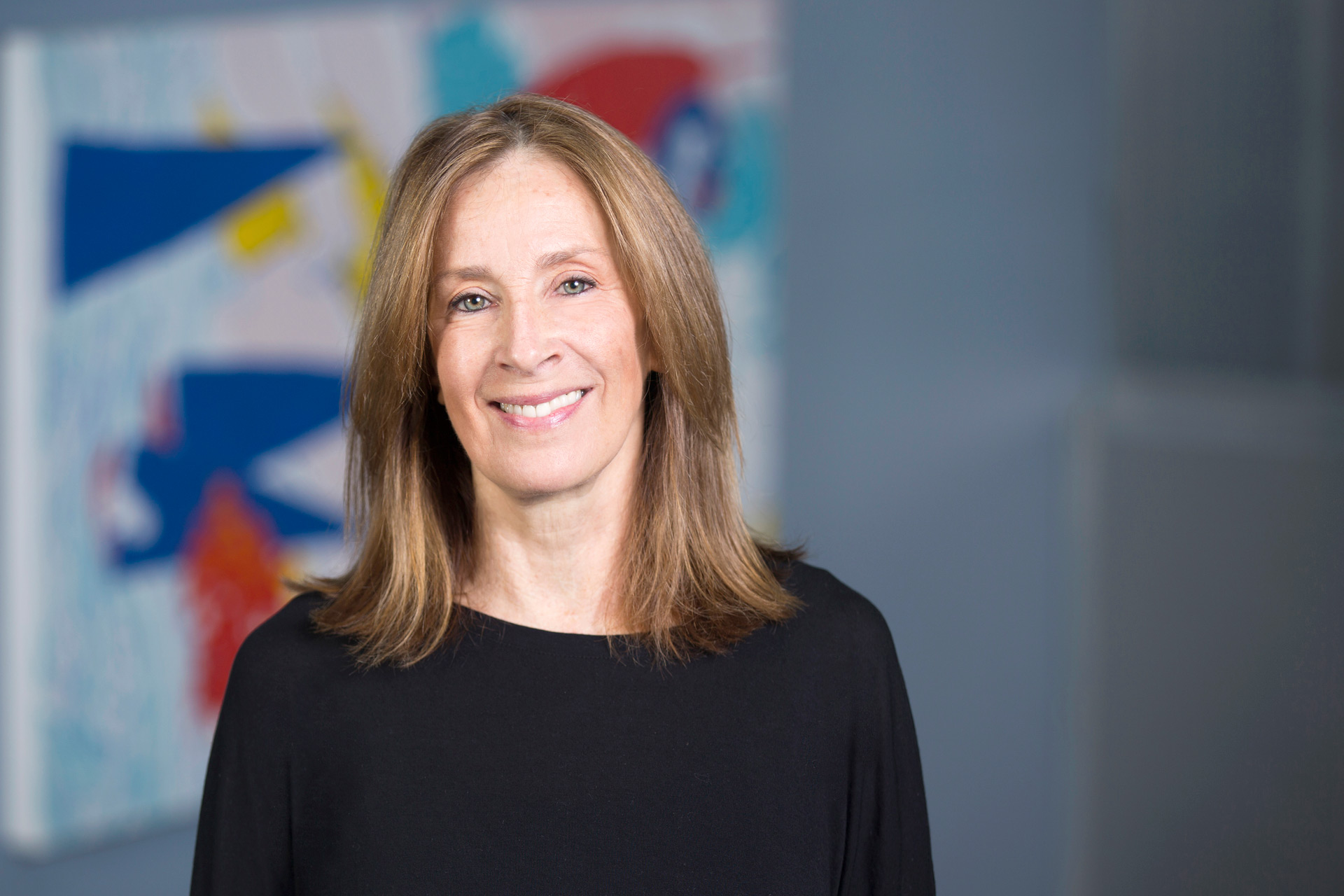
Photo of Petra Richterova by Deneka Peniston.

The cardboard conundrum

July
23
2020
By
Tags:

Professor Jane Zash, graphic design, is a longtime proponent of reducing packaging waste. Her passion has only increased since the onset of the COVID-19 global pandemic. Stepping out of her home to see waste bins teeming with cartons has emphasized the need to address the dangers of single-use paper products. In her design classes, Zash challenges students to find ways to reduce, reuse, and repurpose, to curb waste at the onset of a project, and to minimize the need for recycling programs, landfills, and trash altogether.

Jane Zash:

The current global pandemic has only exacerbated our packaging waste problem. With consumer reliance increasing on shipped items, and online giants as well as independent retailers not being accountable, we are adding to our already seemingly insurmountable cardboard conundrum. What are we going to do with all of these boxes?

Before you say, "Not me!" or worse yet, "What boxes?" let's look at some U.S. statistics:

  • Around 80% off all products sold are packaged in cardboard, totaling around 400 billion square feet.
  • Approximately 100 billion corrugated boxes are used per year; cardboard and paper make up around 41% of solid waste streams.
  • An average household can throw away as much as 13,000 separate pieces of cardboard every year.

To put these numbers further into perspective, the average American uses around seven trees per year in paper and cardboard. Accounting for the total U.S. population, that's almost two-and-a-half billion trees, a staggering amount.

Now, you might be reading this and saying, "But I recycle!" First, let me genuinely thank you for your commitment to our planet. Second, let me ask that you redouble your efforts. According to the EPA, of the 267.8 million tons of municipal solid waste generated by Americans in 2017, only 94.2 million tons were recycled or composted.

Sadly, we are letting our planet down. So, what can we do? For years we heard about the three "Rs": Recycle, Repurpose, Reuse. But it's clear from the data that these three R's are no longer sufficient. It's time for a new, better "R":

We must Relearn.

In my design classes at SCAD, I teach about our responsibilities as producers of tangible objects, and the need to create solutions from the beginning. Students learn about significantly reducing single-use objects, as well as the importance of reusing and repurposing materials through an awareness of the life-span of materials as they go from development to the trash heap — often traveling across the ocean to be processed in foreign countries. What may be "out of sight, out of mind" for us can still have devastating consequences for our connected world.

The design classroom is a laboratory for problem solving. As a professor at SCAD, I observe firsthand the engagement of young, creative minds who relish addressing challenging problems. My graphic design students work in collaboration with students from other disciplines, including service design, industrial design and design for sustainability, to achieve informed, cross-disciplinary solutions. I am optimistic and confident that through awareness coupled with design, this generation will solve this important issue.

portrait of jane zash

Learn more about the SCAD graphic design program.


Register for 'Patrick Kelly, The Journey' virtual tour

July
21
2020
By
Tags:

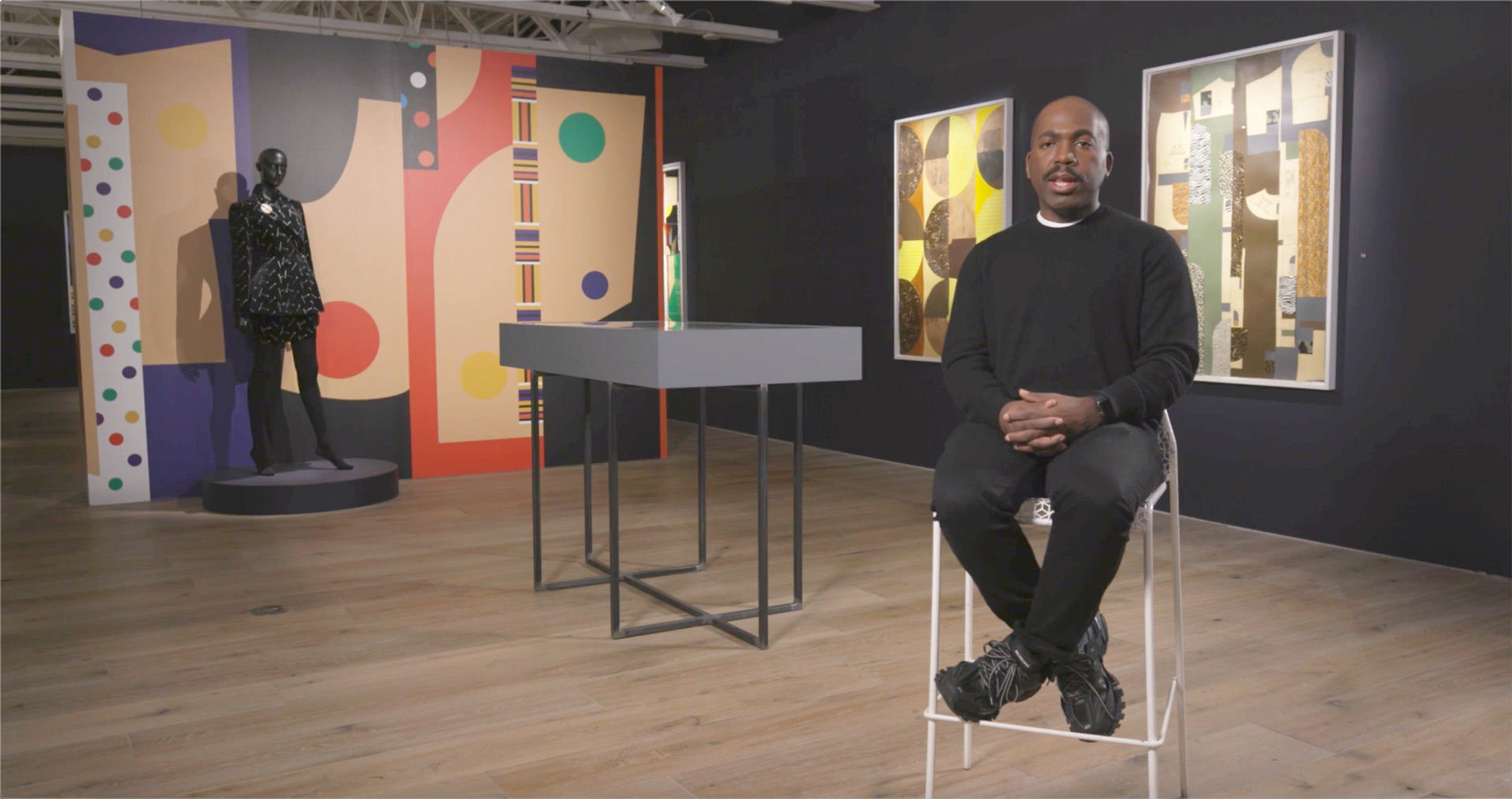
This Thursday, July 23, at 6 p.m., join Alexandra Sachs, executive director of SCAD FASH, for a virtual tour of Derrick Adams' exhibition Patrick Kelly, The Journey. Hear the stories behind the exhibition as Sachs walks you through Adams' abstract collages and sculptural works, which incorporate Kelly's vintage clothing patterns, iconic fabrics, bold and colorful geometric forms, and embellishments. Sacchs will also discuss how Kelly's connection to the city of Atlanta enriched the exhibition through the loan of a very special collection to the museum.

Patrick Kelly, The Journey emerges from artist Derrick Adams' extensive exploration into the archive of the influential African-American fashion designer Patrick Kelly (1954–1990). Kelly was the first American to be admitted to the Chambre syndicale du prêt-à-porter, the prestigious governing body of the French ready-to-wear industry. Adams immersed himself in the Kelly archive at the Schomburg Center for Research in Black Culture in New York, where he discovered a trove of correspondence, sketches, swatches, photographs, and other memorabilia, including a proposal for a book about Kelly's life written by his friend, the esteemed poet Maya Angelou.

Derrick Adams

Derrick Adams on Patrick Kelly:

He was an artist, a performer, and things that I think a lot of designers may not necessarily consider themselves today. He was the art.

Although the works in the exhibition focus more on my work, his influence on me, looking through his archive, we were fortunate enough to have his community. A lot of the models he used were from Atlanta. He traveled to New York and Paris, but he always kept his community that first supported him.

The things that were in the archive that I was more drawn to as a visual artist were his really rough drawings that influence the making of the collage works and the sculptural works that are in the show. I decided to incorporate some of his clothing patterns into my collages to talk about fashion, to talk about the form, to talk about the body, without using the figure.

It's great to have this show here at SCAD, in the fashion department, in the museum. It all started for Patrick here in Atlanta. I think he would have loved to have had the opportunity to present his work in an institution like this. I think as a young designer, you never think where your work is going to go. Or how many people you're going to inspire. Being well known or being acknowledged, of course, as any creative person, you want to have the industry that you are a part of acknowledge your work. But I think that he would have done it regardless. Because I think he was very much into thinking about even the women in his family as a motivation to what he made, and what they would want to wear.

For me, when I think about him, I think about this person who was just unstoppable.

SCAD FASH building

Register here for the virtual tour of Derrick Adams' Patrick Kelly, The Journey.