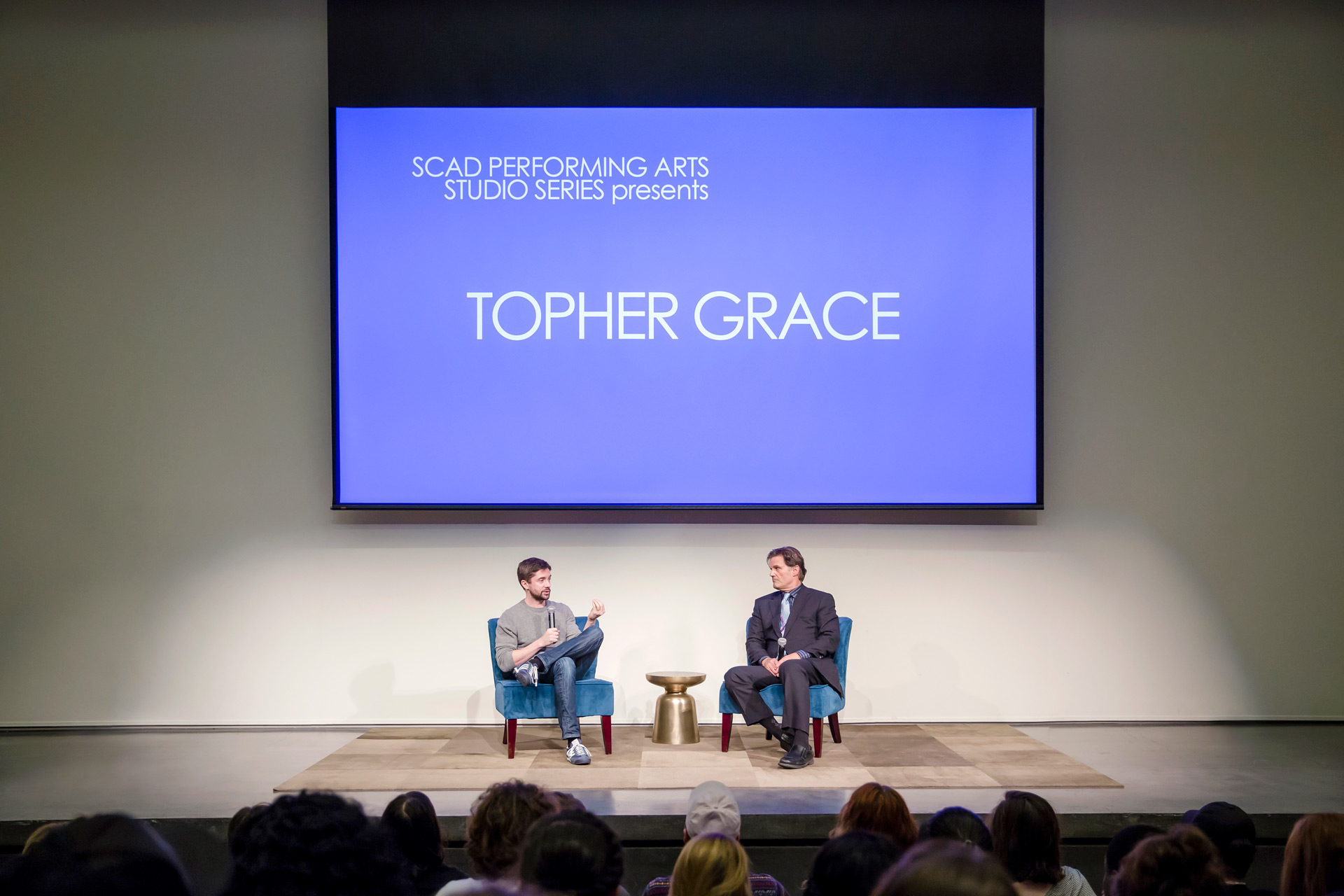
"The discovery of zero is maybe the most important moment in mathematics," declared design master Carl Gustav Magnusson from the stage of the SCAD Museum of Art theater. "Without it there'd be no binary code, no computers, and we wouldn't be here today."
Magnusson was lecturing about the history of design, not programming or mathematics, yet as the image of a zero illuminated the screen behind him, the ovoid's sublime beauty revealed itself afresh. In design terms, it turns out, zero counts for a lot.
Magnusson's presentation — "3,500 Years of Design in 2,000 Seconds Flat!" — was part of the ongoing "Integration" lecture series presented by the SCAD School of Building Arts. Comprised of six connected disciplines — architectural history, architecture, furniture design, interior design, preservation design and urban design — SCAD School of Building Arts provides graduate and undergraduate students with key opportunities for guidance and inspiration from industry luminaries like Magnusson.
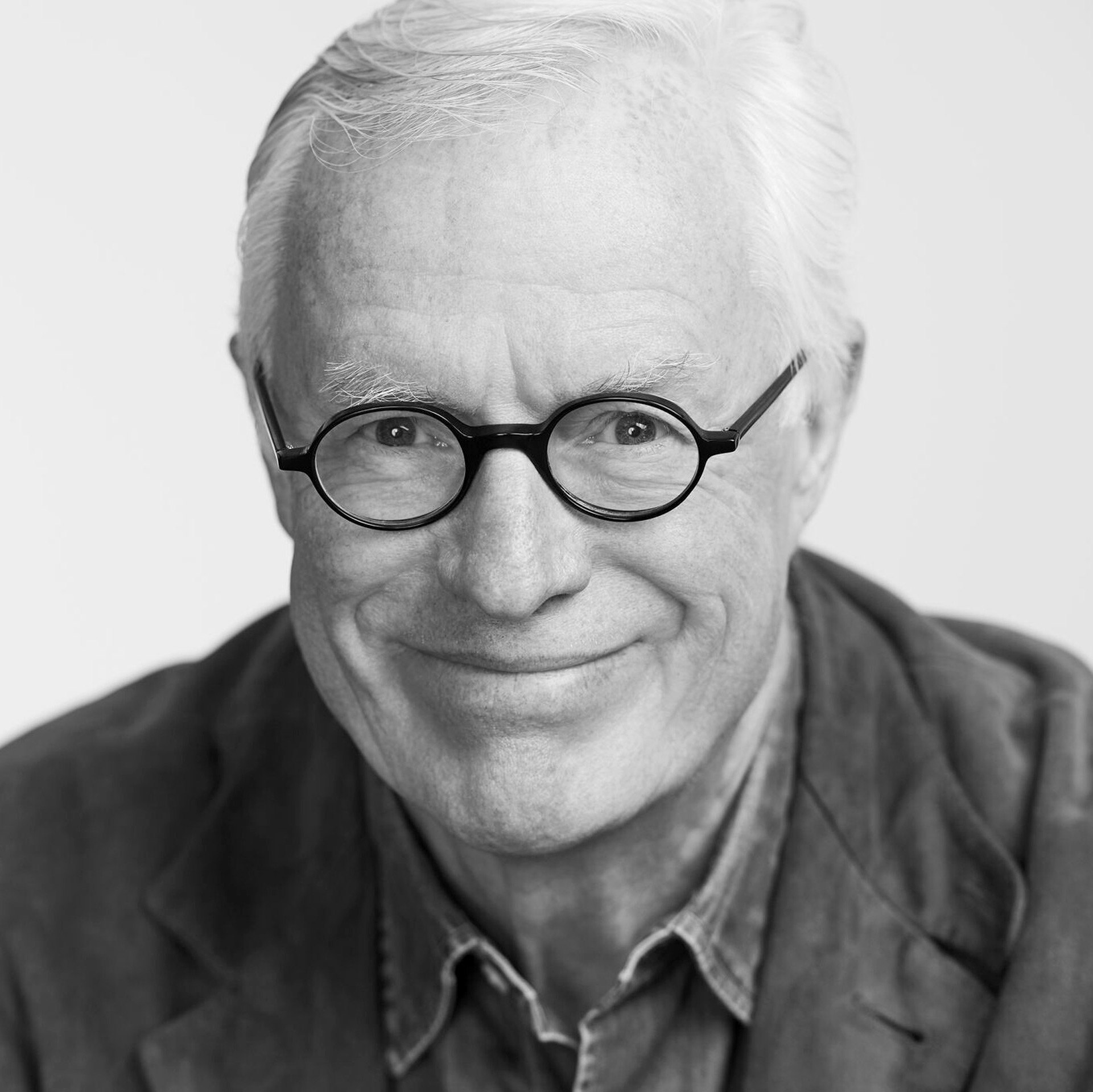
As an industrial designer and inventor, Magnusson's resume is as sturdy and stylish as an Eames chair. It should be: He worked with Charles and Ray Eames in the 1960s before becoming director of design at Knoll for three decades. He has received thirty design awards in the past decade, including Contract Magazine's Legend Award for Lifetime Achievement in 2012.
"You can have an innovation, and it can be a millennium before it has an impact," Magnusson said, keying his idea that design exists on a long, spry timeline punctuated by apparent breakthroughs.
Magnusson correlated the medieval Toscano scissor chair with Mies van der Rohe and Lilly Reich's design for the Barcelona chair circa 1929. He credited da Vinci with inventing the selfie. He pointed out that Vetruvius' "Ten Books on Architecture" was thought lost, only to be rediscovered 1500 years after its composition, when it assumed its rightful place as a cornerstone of architectural theory.
Magnusson's visual projections shifted like the sands of time, awash with iconic glimpses from design history. When an enormous, circular edifice appeared on screen, Magnusson said: "Peter Brueghel was an artist of the people, and here he showed what his conception of the Babel tower looked like. I think Frank Lloyd Wright looked at it and said, ‘If we turn this upside down, we've got a museum.'" A picture of the Guggenheim appeared like a well-timed punchline.
During the Q&A, Magnusson was asked specifically how he sees furniture design changing in the digital age.
"I'm actually shocked in how little furniture design changes," the designer replied. "We design something good, something different, something better, but is it new? How about the inflatable chair from the 1950s? That was something new. Are we still using it? No, it deflated. I think of design as a continuum. I don't think furniture is going to change much. In the digital age, we're immersed in everything from sketching to developing to manufacturing, all that is done digitally. But the furniture itself will not change significantly."
Magnusson's 2,000 seconds were up. He'd covered 3,500 years of design and then some. Zero looked better than ever.
SCAD School of Building Arts "Integration" lecture series continues Tuesday, May 2, 5:30 p.m. as William Sofield presents "Designing Places of Memory and Legacy" at SCAD MOA theater.