Jill Kinnear, professor of fibers, SCAD Savannah, received a 2018-2019 Sabbatical Award for her project "Exploring Pre-Columbian Textiles in Peru: Lima, Cuzco and the Sacred Valley." Professor Kinnear spent three weeks in Peru traveling and researching textile traditions from pre-Columbian societies through the present day.
She acquired beautiful textiles and hats direct from the artisans who make and wear them. These acquisitions comprise an extraordinary exhibition currently on display of the first floor of Pepe Hall. Her detailed account of her trip appears on the SCAD Fibers blog.
Jill Kinnear:
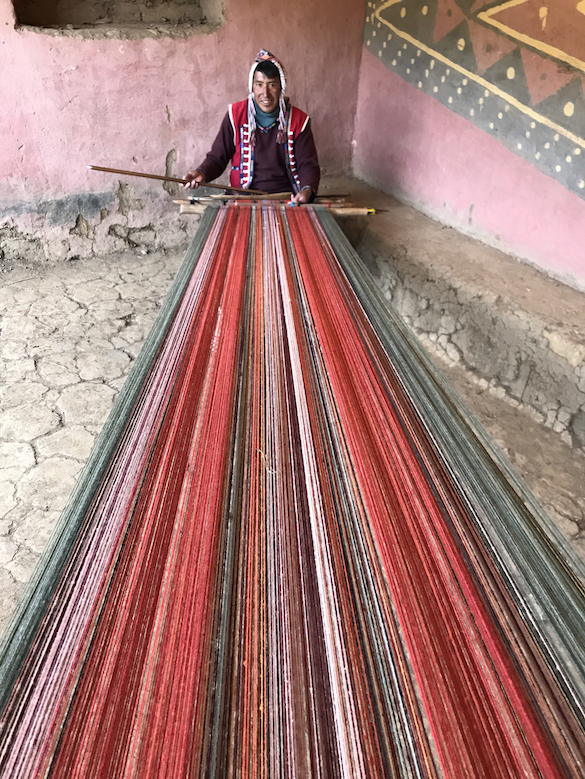
Peru has one of the longest, most complex and highly developed histories of textiles in the world. Textiles were crucial to every economic and political objective of pre-Columbian society. There was no hard currency, and textiles were used instead as barter, as diplomatic gifts, for ceremonies and to appease newly conquered peoples. Some of the textile techniques are unique to Peru, and are not practiced anywhere else in the world. It was amazing to witness artisans making these beautiful fabrics still using pre-Columbian techniques. I also visited a number of world-renowned museums in Lima before travelling to Cusco, a city in the Andes that was once the capital of the Inca Empire.
In Cusco, I met with Nilda Callañaupa Alvarez, founder of the Centro de Textiles Tradicionales del Cusco. Nilda is originally from Chinchero, a weaving community between Cusco and the Sacred Valley. Her organization works with ten different weaving communities to preserve traditional spinning, dyeing and weaving techniques, and to ensure that weavers make a living from their weaving. The CTTC has become increasingly successful, and she and the weavers deserve enormous credit. I visited three of these communities and collected textiles from each one.
In the highlands and regional areas, aspects of traditional life have remained unchanged for centuries. Traditional dress retains its importance for people; they're not dressing for tourists but for themselves. Hats are an essential part of the outfits as symbols of status and identity, especially for women.
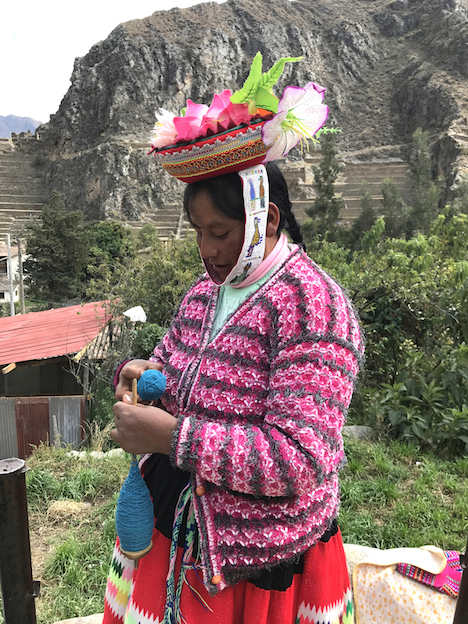
If you go to a market in the Sacred Valley, people come from as far away as the Amazon to sell their produce, and consequently you'll see many different types of hats there. The beautiful red felt hats the women wear, monteras, look almost like fruit bowls. Women put flowers in them and add white beaded patterned straps.
I knew I intended to install an exhibition when I returned to SCAD, so I started collecting hats as well as textiles while in the highlands. People do bring back woven textiles but don't often bring back hats; they're not the easiest thing to transport! I managed to collect nine hats, both men's and women's. I wanted hats that had been worn, so they retained the character of the wearer.
There's a beautiful hat in the exhibition that's made of straw, woven in Chimbote and painted with a mixture of glue and chalk that's turned it hard and white. The pearl buttons were added by the owner. If you look you can see that she stored matches in the band. I bought it from a woman who was herding sheep.
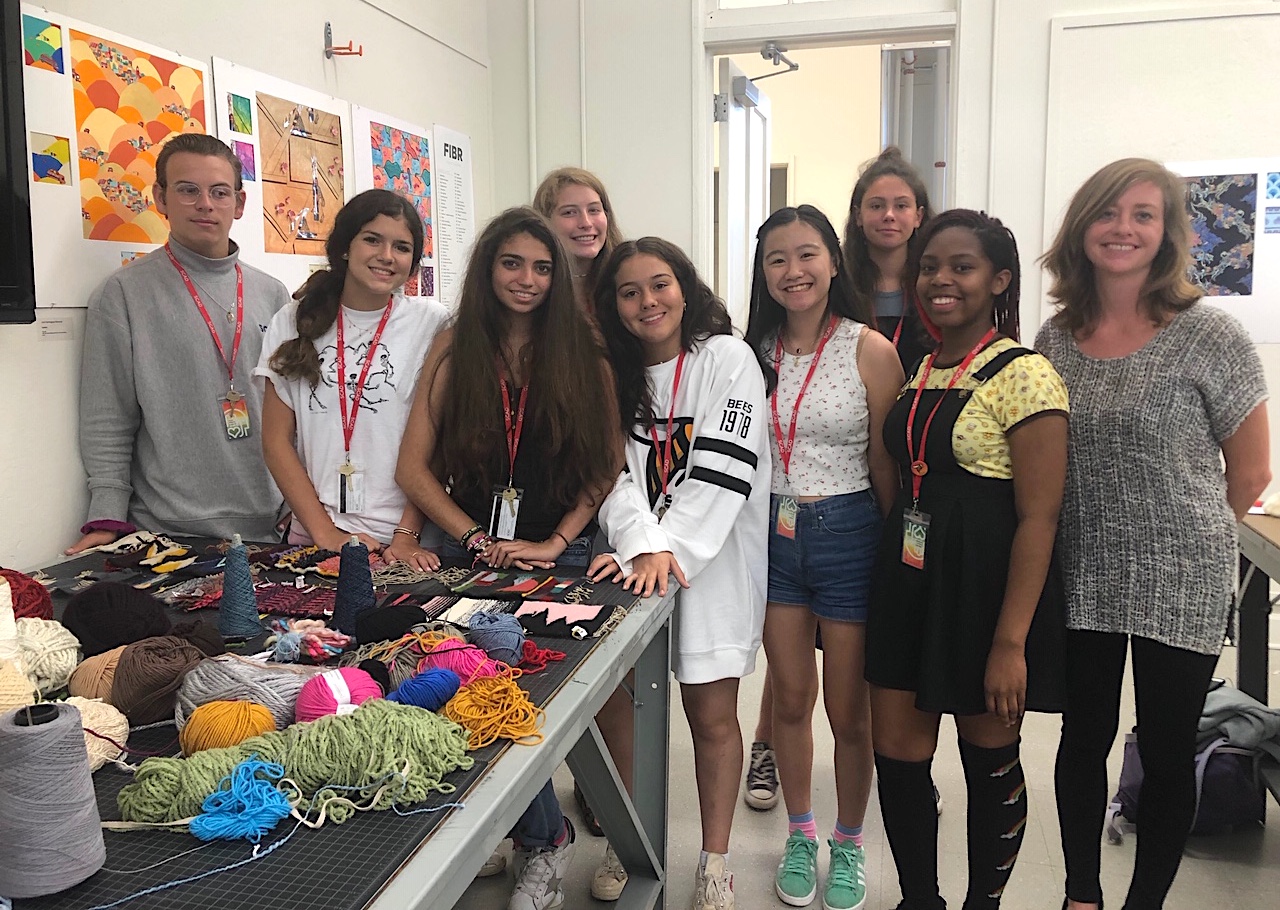
I teach Survey of Textiles: Origins and Evolution (FIBR 221) here in the SCAD fibers department. While the class is about the textile history and techniques of each culture, I also try to give students a sense of the region and the time, of what it might have been like to live in a place in a particular era. Short of taking the students there myself, the next best thing I can do is bring back artifacts, notes, photographs, videos, samples, books, catalogues, contacts – and my wonderful experiences. I hope the exhibition in Pepe Hall allows our students to gain a greater understanding of these extraordinary textile techniques, the people and the country.
I applied for my sabbatical and SCAD provided financial support for me to travel to Peru. The amount of funding ensured that I could travel comfortably and I did not need to stint on acquiring textiles. SCAD was extremely supportive and I'm very grateful for this award. The experience of this journey is invaluable; it's contributed to my own professional development and to my teaching.
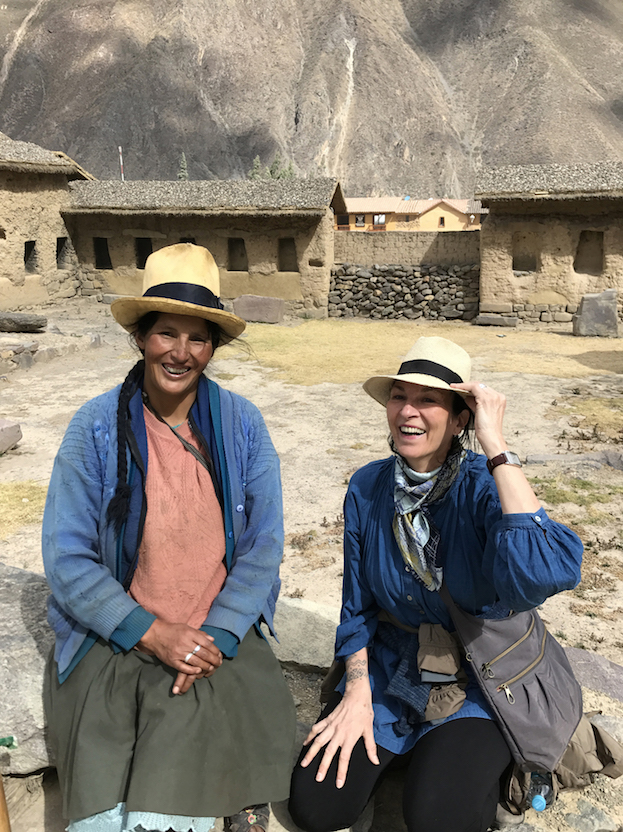
SCAD Sabbatical Awards provide eligible professors with opportunities to pursue professional growth and achievement through study, research and practice.
Learn more about the SCAD fibers program.