Skip to main content Accessibility Policy

The creative pursuits of André 3000 Benjamin

November
21
2014
By
Tags:

It was one of the most anticipated musical acts in years: the Outkast 20th anniversary reunion. And it’s not over…quite yet. The 47 jumpsuits, donned on stage during the tour by the Grammy Award-winning duo’s André 3000, are getting a second life when they go on display in the exhibition i feel ya: SCAD + André 3000 Benjamin (Dec. 3 – 14 at Mana Miami).

Just like the messages they bear, the suits have multiple meanings. They’re emblematic of André's identity as a hip-hop icon and well-rounded artist. Through them, the experimental film Trumpets, by Greg Brunkalla (B.F.A, video/film, 2001), and paintings by Jimmy O’Neal (B.F.A, illustration, 1989), Savannah College of Art and Design will dissect the power and rising prominence of artistic collaboration and creative careers.

His lyrics are packed with meaning. Here, in an interview with SCAD’s founder and president Paula Wallace, André previews the project with SCAD and let’s us in on the meaning behind his latest creative pursuit.


Follow the blog to hear the continuation of the conversation with André 3000 Benjamin, President Wallace, Greg Brunkalla, Jimmy O'Neal and Andrew Bevan from Miami. After it closes in Miami, the i feel ya exhibition will open at the SCAD Museum of Art in summer 2015. What's your favorite artistic collaboration?

Getting down to business at Savannah Film Festival

October
30
2014
By
Tags:

Don’t let the 90 screenings at Savannah Film Festival fool you. Savannah College of Art and Design’s week-long celebration of film is about more than art. It’s about the transactions and preparation that make it possible for us to experience the art. It’s about business: the elephant in most festival venues this week. Or if you’re film student Yang Xiao (M.F.A., film and television student), it’s the spaceship.

Yang participated in one of the many intimate meetings between students and industry that transpire during Savannah Film Festival. He shared pictures of the spaceship set he built for his thesis movie, TROY, with the co-founder and director of the SXSW Festival Louis Black and Austin media mogul Robert Walker.

Yang’s bold gesture wasn’t uninvited. It was an opportune illustration of what Robert and Louis, who helped established SXSW as of one of the world’s most successful platforms for music and film, were there to discuss: entrepreneurship. Robert, Louis and other heavyweights in the business came to SCAD to tell these emerging filmmakers not how to get a job, but how to make their own. To them, the spaceship represents the kind of hustle, savvy and radical ambition it takes to make it big in the film business today.
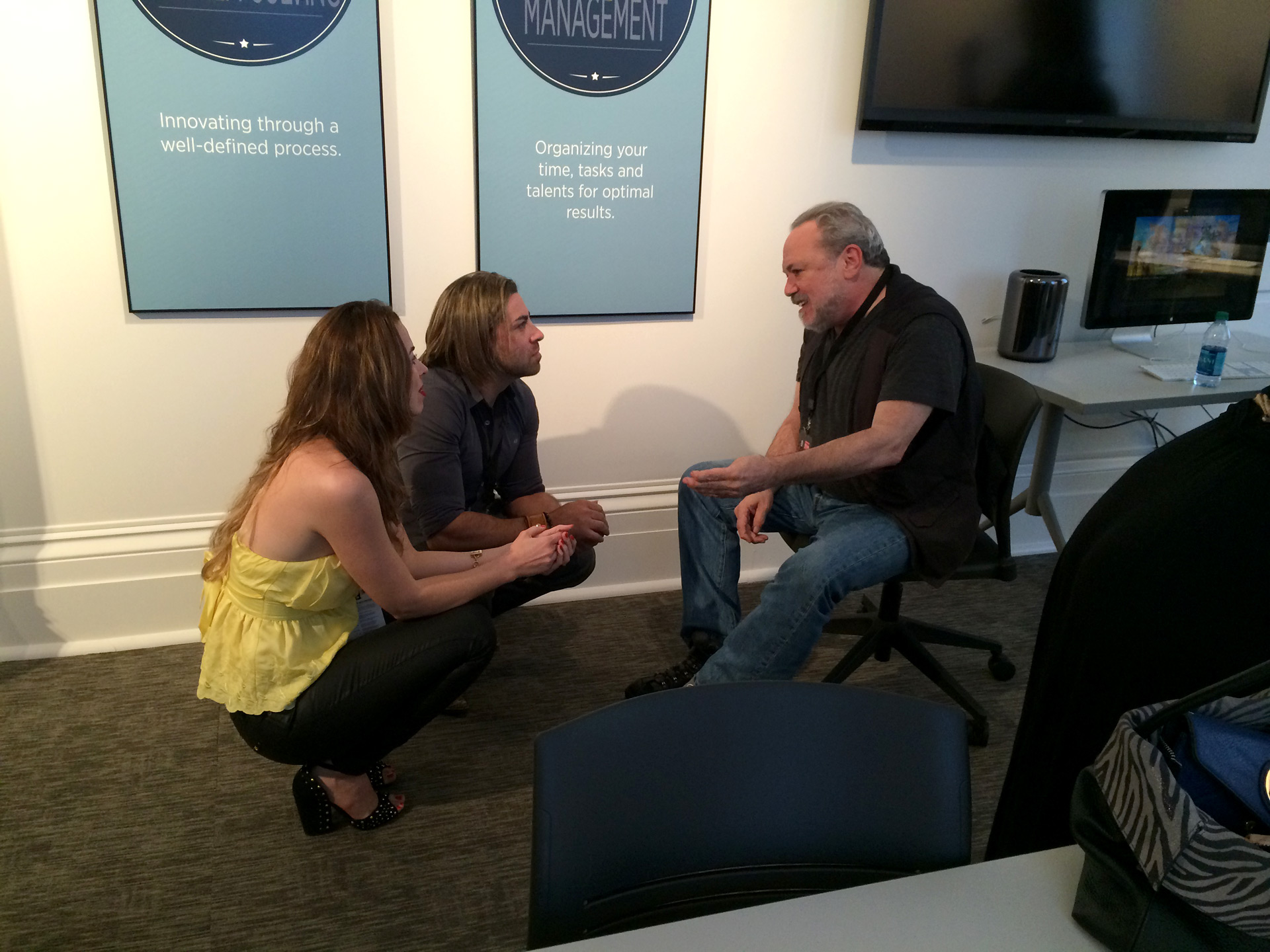
Louis Black meets with SCAD studentsSXSW co-founder Louis Black with SCAD film students Tristan Aronovich and Amanda Maya.

A huddle with a founder of SXSW

The striking thing about what Louis did by turning SXSW - a small music festival started by a few friends - into a multi-media juggernaut generating $300 million in revenue for Austin, Texas, is that there were more barriers to success back when it was getting started. There was no crowdfunding, no Facebook, no smart phones. They solved their problems of having zero money and zero patrons with innovative solutions that are instructive for film students. Even though it’s easier for this generation to make their own empires, and maybe even inevitable given how technology has revolutionized filmmaking, aspiring directors, writers and producers can still learn from the old fashioned practices that turned Austin into the little film empire that could.

Lesson: Ingenuity first, money second
Chief among the lessons from the case study of Austin’s rise in the film industry is that, as Louis and Robert tell it, money makes it easier, but having no money makes you hustle. In their experience, low cash flow ultimately stimulates a more successful outcome because you have to maximize your resources.

When you’re starting out and you don’t have money and you want to make things happen, you learn lessons that stick with you your whole life.
-Louis Black

Robert agreed, “I’m not knocking cash, it’s good. But it’s easy to cover up mistakes or to just be lazy and pay someone to do what you should be doing yourself. It kind of zaps your creative abilities sometimes if you’re not careful,” he said.

Because the pair has had plenty of experience improvising, Robert and Louis still let their ideas, not the financing, direct how they approach a project. For example, when they were in need of a larger workspace recently instead of plunking down a bunch of cash they set their sights on a 50-thousand square foot building that the Texas National Guard was preparing to abandon. By working their relationships, they snagged the gem of the property for a whopping ten dollars in monthly rent.

Louis summed up his stories about building SXSW by telling students, “My one skillset is that I know how to visualize.”

Clearly vision doesn’t obviate the need for money, but as these lessons from Austin demonstrate, money is not to be pursued at the expense of it. 
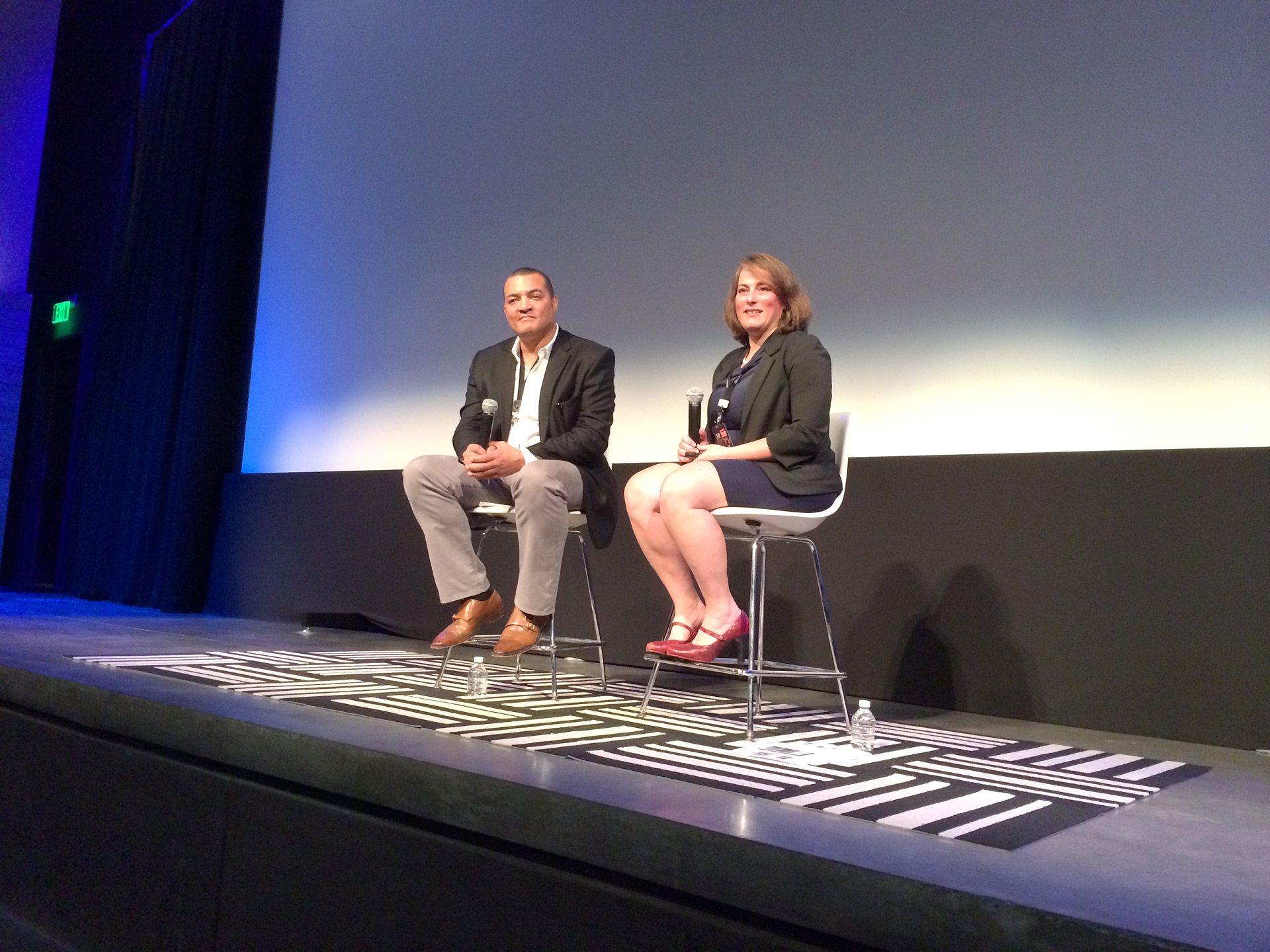
Vinca Jarrett and Steven Adams answer questionsVinca and Steven at the panel "How Films Recoup."

Show Me the Money

The title of entertainment lawyer Vinca Jarrett’s book and web series, Show Me the F$#!KING Money, would seem to fly in the face of this lesson of vision before money. But actually, according to Vinca, vision and planning are essential to making the money part possible.

Vinca and her business partner, manager-producer Steven Adams, have made it their mission to teach how movies get financed. They produce the web series because the film business has the highest attrition rate of investors, and their goal is to turn that around by creating Warren Buffetts of the film industry: educated investors who understand where they’re putting their money and how movies get made.

In addition to investors, they target rising filmmakers who are looking to break into the business, like the SCAD students who shot five episodes of their educational series at the university’s studio during Savannah Film Festival.

Vinca and Steven had seen enough of their young clients commit career-ending mistakes while making movies, like bankrupting their parents, which could have been avoided if sound business practices had been in place from the start. Here are two of their best practices.

Lesson: Document your partnership
One of the biggest mistakes when starting out, says Vinca, is to rely solely on spoken agreements. You may share a creative vision with your team, but these individuals are still business partners, and you need to formally define that relationship, roles and responsibilities in writing. An absolutely essential first step is to put a deal memo in place, no matter how simple.

“Go away and write the ten things you want to accomplish with each other,” Vinca instructs, and then write the things you’re each going to do to accomplish those things.” An attorney can put your intentions into a deal memo so the partnership has rules to abide by. Then, of course, you must actually play by these rules.

It may seem obvious, but even before this step, Steven and Vinca are quick to point out that filmmakers – just like any other smart person in business- must know or investigate who they’re entering into a business relationship with. The wrong team member can sour a potential movie deal because of a bad reputation or track record. So do your homework.

Lesson: Know your rights
In addition to formalizing your partnership, Vinca and Steven say it’s absolutely critical for filmmakers to secure the rights to the movie they’re making. A lawyer can help you understand the rights you need to secure. You can navigate some of this process on your own - like obtaining a copyright – and then hire a lawyer to do the rest.

Recently her former intern brought her a TV concept and Vinca gave her this advice: Make sure the rights are in the public domain. If they’re not, do a deal with the executive who’s interested in your concept so they can’t steal the idea. Then document the full extent of your idea so that you can copyright it. Even if you do this part by yourself, it’s wise to know when to bring in an attorney to make sure you have a sound foundation of ownership before moving forward with your project.
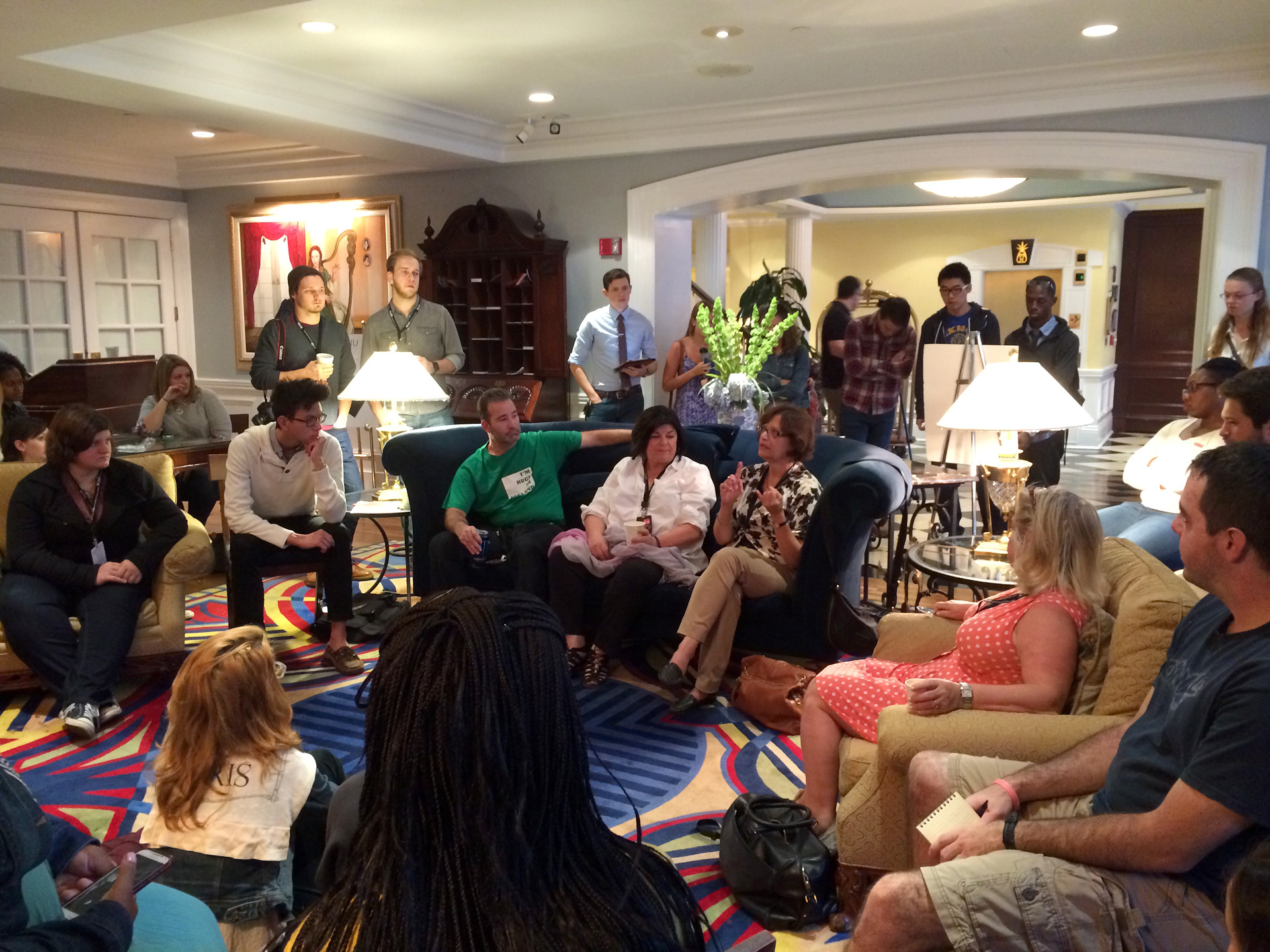
Producers meet with SCAD students in a casual Q and A sessionFrom left to right, producers David Paterson, Susan Cartsonis, Jane Goldenring and, far right, Alison Owen.

Producing: Tricks of the Trade

The next lessons come from some of the very people who consult Vinca and Steven’s series: movie producers. 

The festival’s annual coffee talk series kicked off with an installment that answered a very common question: What do producers do? The answer - provided by a panel of award-winning producers of films like What Women Want, Bridge to Terabithea, The Giver and Hocus Pocus – was that producers are really the ultimate entrepreneurs.

From inception to distribution a producer’s single focus is working all the factors behind the screen to get the movie made, which requires a ton of improvisation, ingenuity and grit, as any start-up would.

So what can we learn from them? A couple recurring themes emerged that clearly are factors in their success and trademarks of smart entrepreneurship.

Lesson: Be tough and take authority
The perception that the producer is responsible for everything behind the scenes and the director responsible for everything on the screen is generally accurate, shared The Giver’s executive producer Alison Owen. But on a movie, as in business, things don’t always remain this tidy. The panelists agreed that in the cases where the lines of authority blur, it behooves the producer to be tough and to preserve those boundaries in order to maintain their responsibility to investors and to the overall quality of the film. This principle for success is in the vein of ‘if you don’t stand for something, you’ll fall for anything.’ And it’s certain these producers would say, so too will your film fail if you don’t create the parameters within which the film can be made and stick to them.

It’s good for film students in particular to practice toughness and authority while they’re still in film school, even if the context in which they make their films doesn’t mirror a real world set. Case in point, Headlong Entertainment producer Susan Cartsonis noted that in most film schools the director maintains the purse strings and the producer’s authority is often eclipsed by that power imbalance. So practice sticking to your guns while you're still in film school, especially if you're an aspiring producer.

Lesson: Wear many hats
Precisely because filmmakers must have a keen sense of authority over their project in order to guide its success, it serves them to borrow another tenant that good entrepreneurs and good producers follow, which is to do everything. Or, at the very least, know a little bit about all of the areas you’ll be managing on your project, even the technical ones.

Bridge to Terabithia producer David Paterson uses the example of how he learned to build sets when he was starting out as an actor, which not only gave him invaluable insights for his movies but, in the case of smaller films, he didn’t have to depend on someone else in this area in order to get the film made.

In other words, a lack of knowledge can make or break your project. So don’t allow a lack of interest on your part to isolate you from learning certain technical aspects of filmmaking. Bringing it back to finances, especially when it comes to the money, all the producers agreed that the line producer should not be the only one who knows their way around a budget.

Finally, in addition to knowing how to do multiple things on a set, a page out of a successful producer’s playbook is to have multiple projects going at one time in order to beat the odds against a project getting made.

The democratization of film, whereby first-time filmmakers are able to leverage social networks and advances in technology to fund and shoot films that can rival those by big studios, means that more films will get made. But it also means there will be more competition. Hopefully these lessons from some of the sharpest business minds at Savannah Film Festival will help your project come out on top.
Savannah Film Festival: 5 benefits to future filmmakers

October
26
2014
By
Tags:

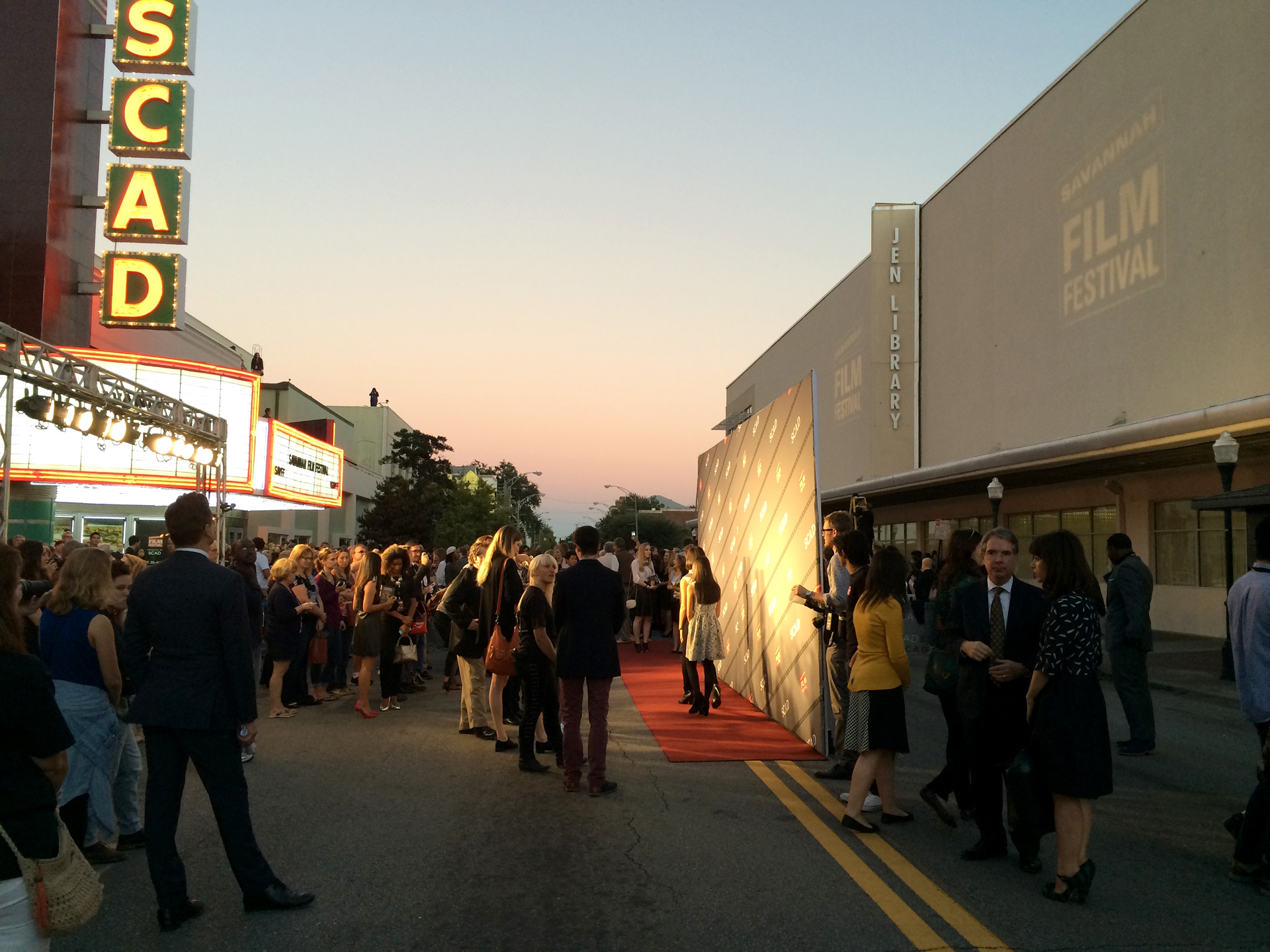
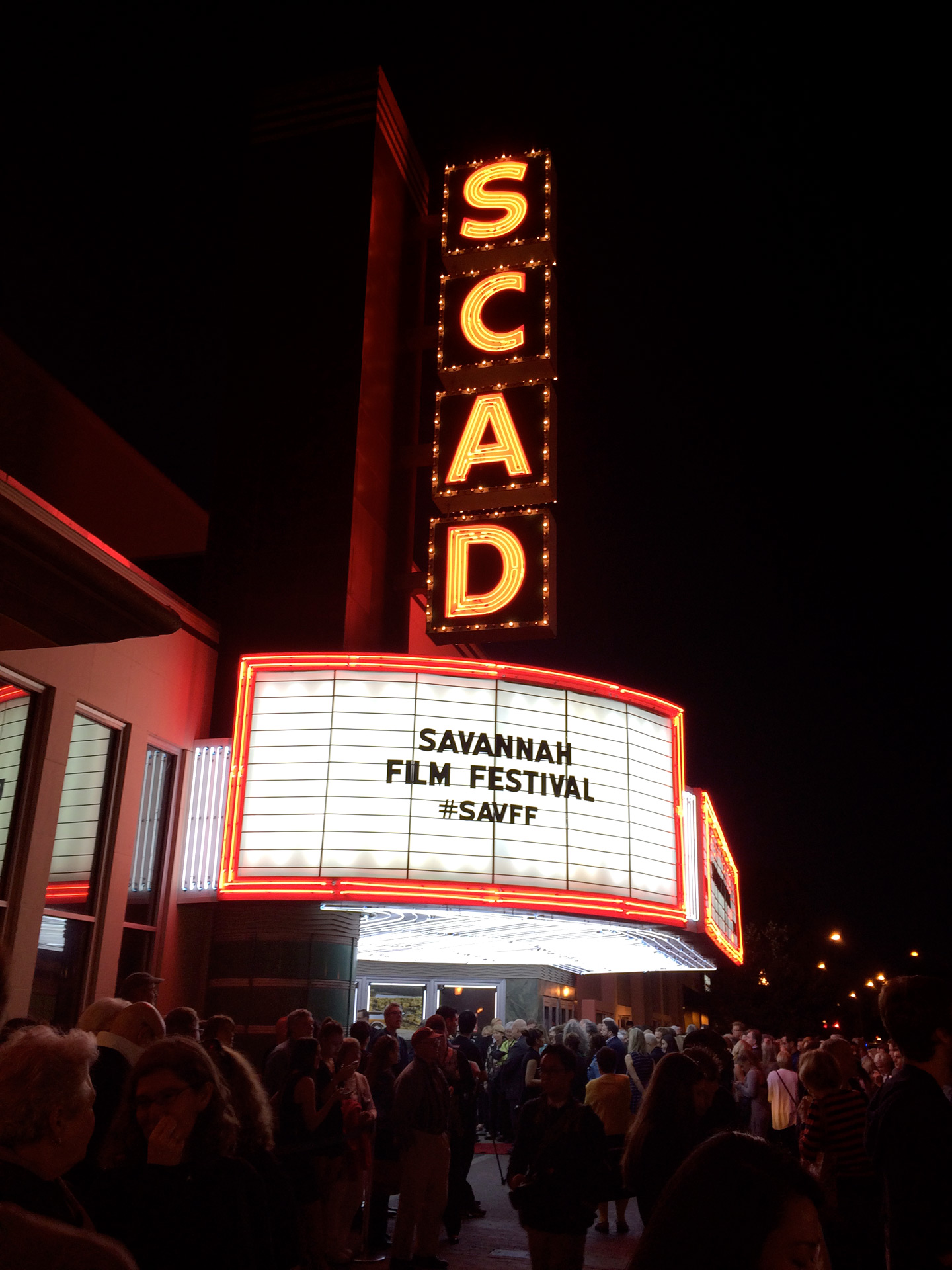
I’m fortunate enough to be working at the 2014 Savannah Film Festival (Oct. 25-Nov. 1). I started with the festival in 2012 as an intern and moderator during my first year in graduate school at Savannah College of Art and Design. In 2013, I interned again under the festival’s director of operations. My festival experiences were so valuable that my thesis topic was, Beyond the Film: A Local History and Analysis of the Savannah Film Festival. Previously, I worked in film and television in New York and LA.Savannah Film Festival marquee
‘Film fest,’ as it’s affectionately known around SCAD, is one of the most relevant festivals for up and coming filmmakers and, really, anyone who’s exploring a career in entertainment.

Here’s why:

1. Access to industry players

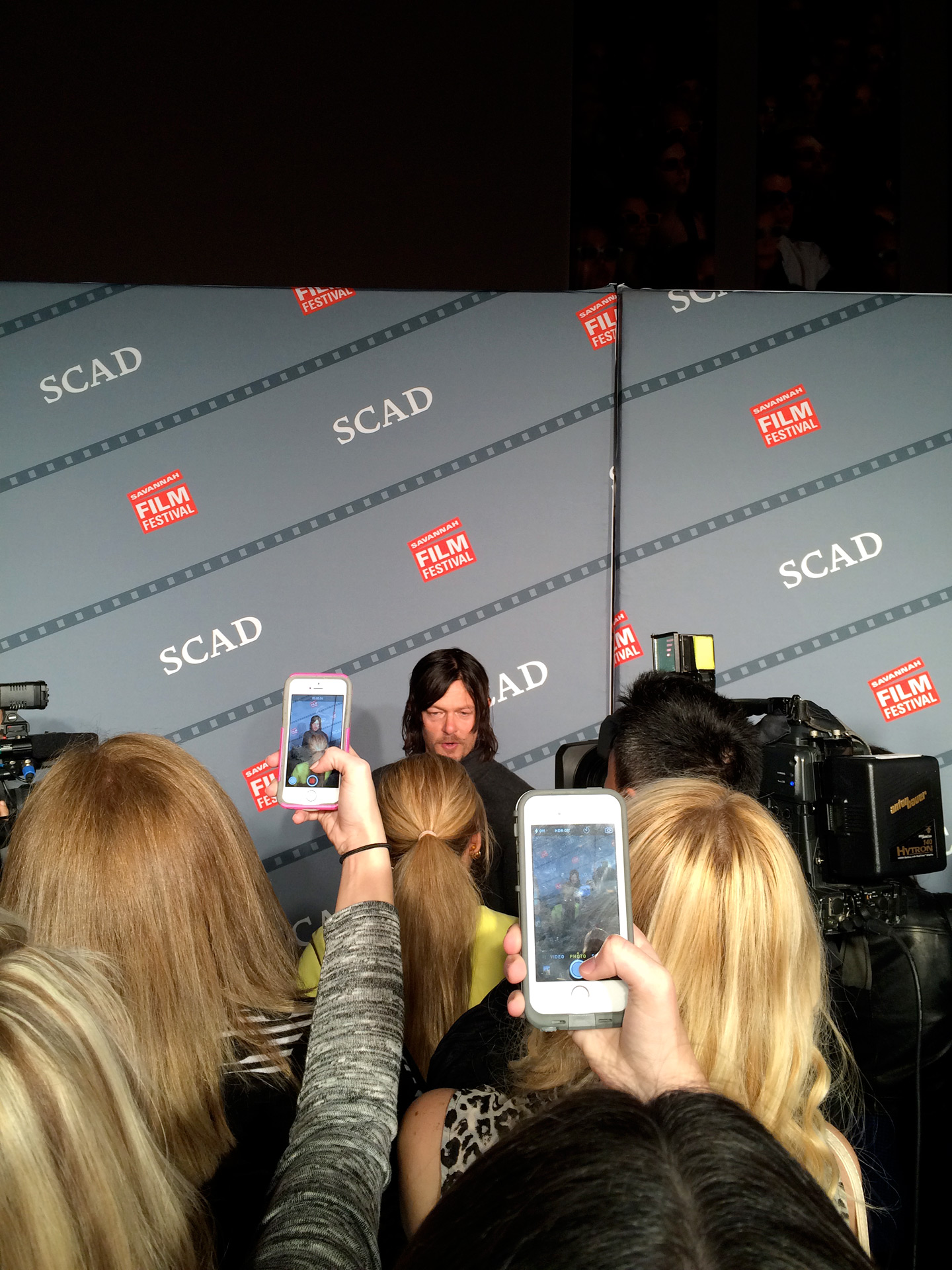
Helping Stan Lee backstage, meeting Tribeca shorts programmer Sharon Badal, talking BBQ with Zach Gilford, debating the value of essay films with academic Timothy Corrigan, and swapping Jennifer Lopez stories with THR’s Stephen Galloway. I’ve had some surreal encounters at 'film fest' because the special guests and panelists are so accessible. All of these experiences helped me to immerse myself in the industry in a condensed amount of time, while building relationships in the business.Norman Reedus has his photo taken on the red carpet
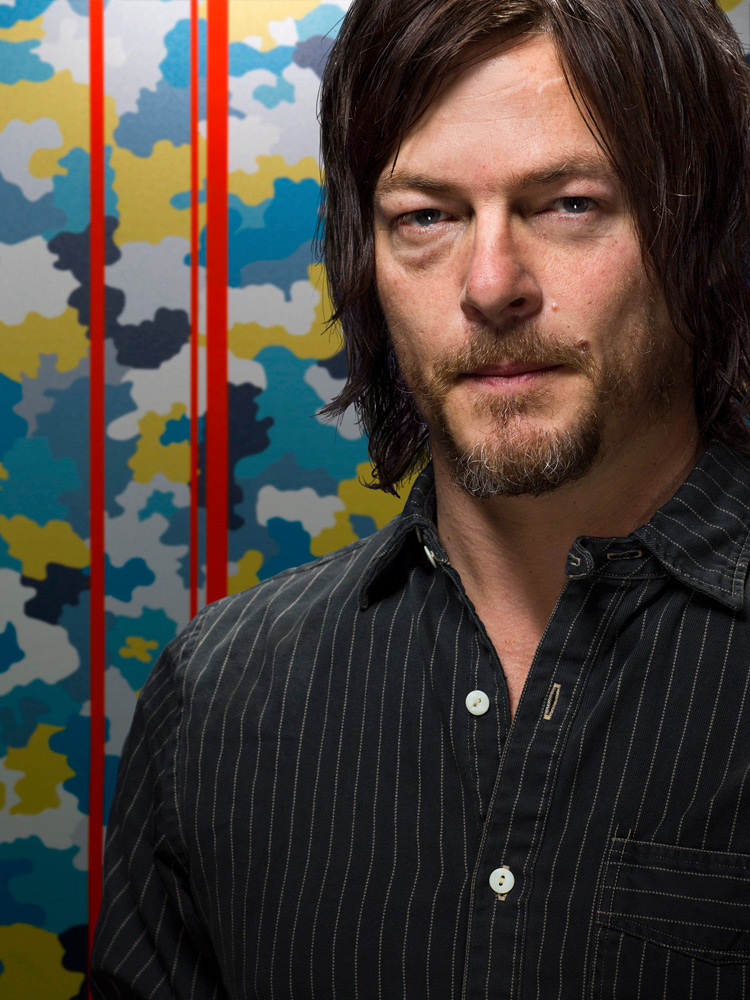
Norman Reedus returns to the red carpet at Trustees Theater.

2. On-trend panels, master classes and coffee talks

Both academic and practical knowledge of the film industry are important. The festival offers both by pairing professionals with professors. One of the best ways to gather insights about the movie business is to attend the panels, master classes and coffee talks, many of which are geared toward breaking in. Where else could you listen to Bruce Dern discuss how Hitchcock and Nicholson influence his work (Bruce does a mean impression of both, by the way), while picking up tips for financing your short? The stories and advice from industry professionals and professors are invaluable.

3. The movies

The festival gives audiences exclusive access to new movies and the opportunity to hear from the talent behind them. This year is no different. Whiplash, 5 to 7, Horns, and Glen Campbell's I'll Be Me are among 90 films that are ready to roll. In addition to adding more documentaries, the festival also has one of the coolest shorts programs around. A supernatural shorts category and a focus on short films from Ireland are new for 2014. For future filmmakers, exposure to this range of films is a great way to study the craft, get ideas and learn from some of the best writers and directors.
Savannah Film Festival red carpet

4. The atmosphere

The Savannah Film Festival has a unique vibe and a truly supportive atmosphere. It has an incomprable mix of art school edge, Hollywood style and old southern charm that sets it apart from any other fesival that I’ve been to. And the setting is unbeatable. Screenings, panels and receptions all take place in the country’s largest Historic Landmark District and SCAD’s beautifully restored buildings (Savannah Film Studios being the latest addition). I’d take the red carpet on Broughton Street over any other, any day.

5. A catalyst

The festival can change your career trajectory. I came to SCAD to pursue a graduate degree (with hopes to continue to a Ph.D.), however, working for the Savannah Film Festival as an intern ignited my passion for turning film festivals into a career path. By making the festival an annual event on my calender, I acquired the contacts, knowledge and skills I needed to land my dream job. There are countless stories of students and aspiring filmmakers who have also landed internships, jobs and discovered a whole new world because of the Savannah Film Festival.

What will your story be?

Rachelle Murphy (M.A., cinema studies, 2013) is the executive director of the Green Mountain Film Festival in Montpelier, Vermont. Her television credits include A&E Biography, WWE’s Monday Night Raw, and Discovery Channel’s Auction Kings.

Savannah Film Festival rewind: honoree portraits of 2013

October
10
2014
By
Tags:

In the midst of the count down to Savannah Film Festival 2014 (Oct. 25 - Nov. 1), a batch of Adam Kuehl’s distinctive portraits of Savannah College of Art and Design's honorees went up in Jen Library. From where the portraits hang in Jen’s study rooms, it’s hard to decipher who is ogling whom. Do the students glance up between chapters to study the faces of the film icons whose paths they want to trace? Or do the filmmakers stare at the students with motionless expression, wishing to trade places with the young creatives poised to make their own mark on the world?

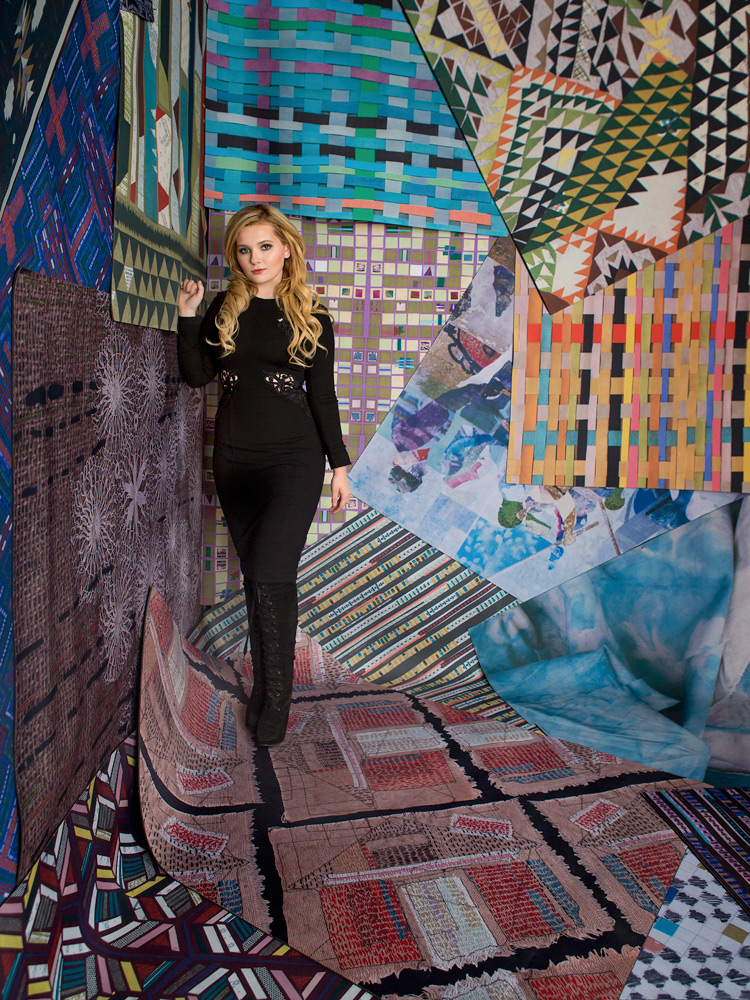
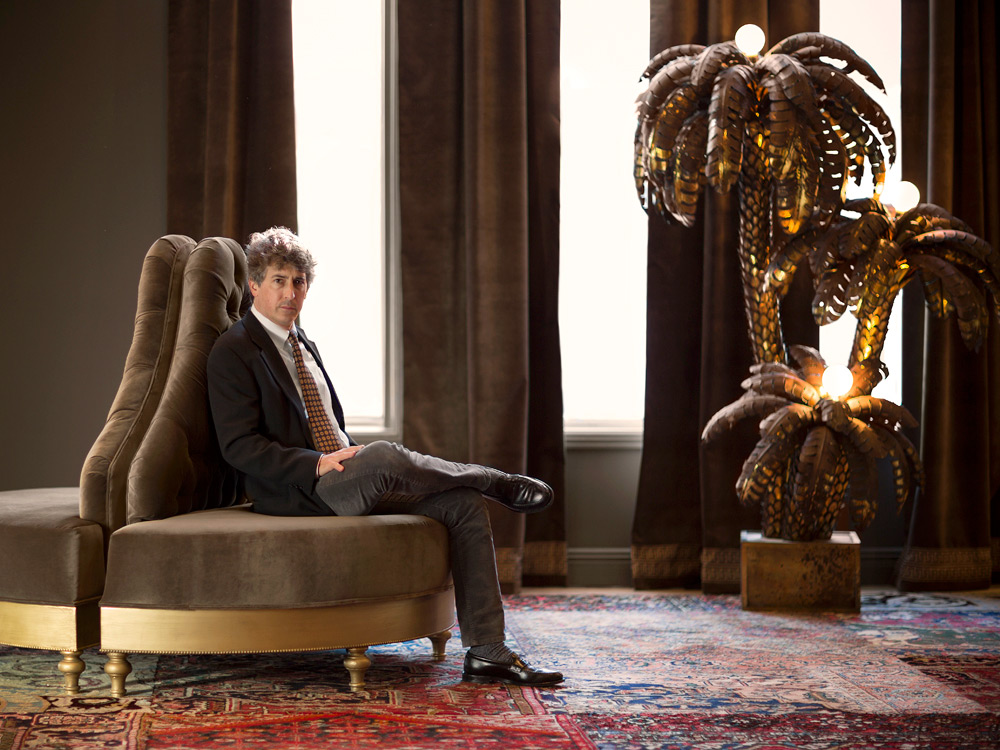
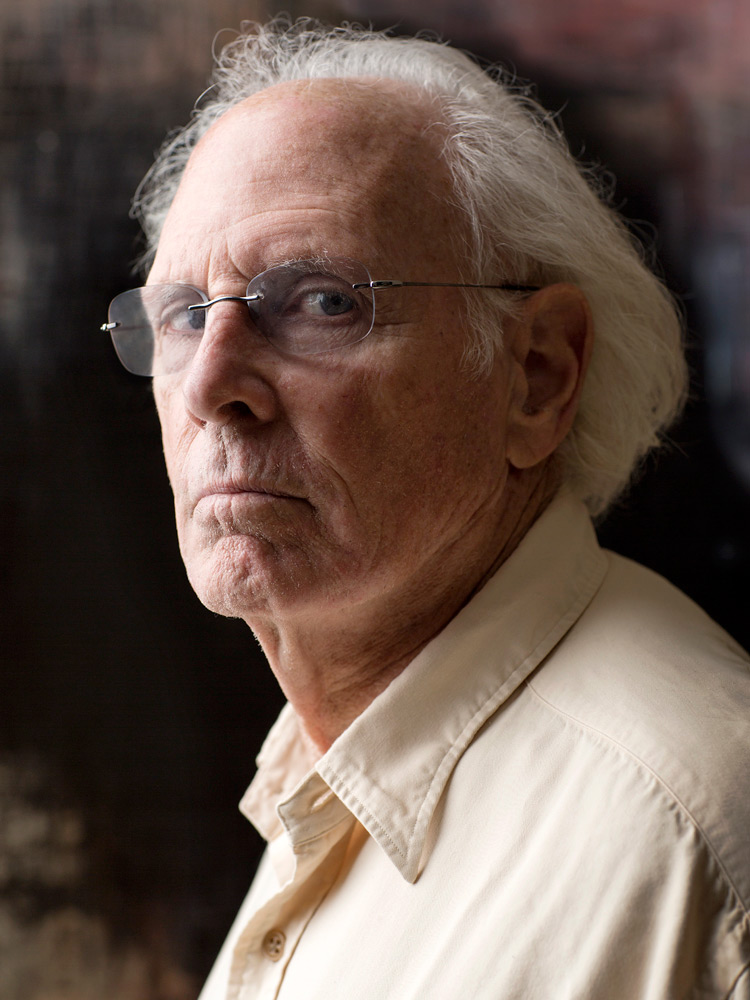
Here's Adam's 2013 portraits, emblems of a week’s worth of the best and latest in film. Just like the festival, the portraits keep getting better. Styling by Amy Zurcher.

Portrait of actress Abigail Bresslin by photographer Adam Kuehl.

"Amy had the clever idea to fill the space from floor to ceiling with Domestic Construction rugs. Abigail was a fan."

Portrait of Alec Baldwin by photographer Adam Kuehl.

 "Alec Baldwin has been to the festival several times, so he knew exactly what to do with Christian Dunbar's (M.F.A., furniture design, 2013) lamp."

Portrait of Alexander Payne by photographer Adam Kuehl.

"Alexander Payne, recipient of the Achievement in Cinema Award, in the newly renovated lobby of Trustees Theater."

Portait of Bruce Dern by photographer Adam Kuehl.

Bruce Dern, a 2006 Savannah Film Festival honoree.

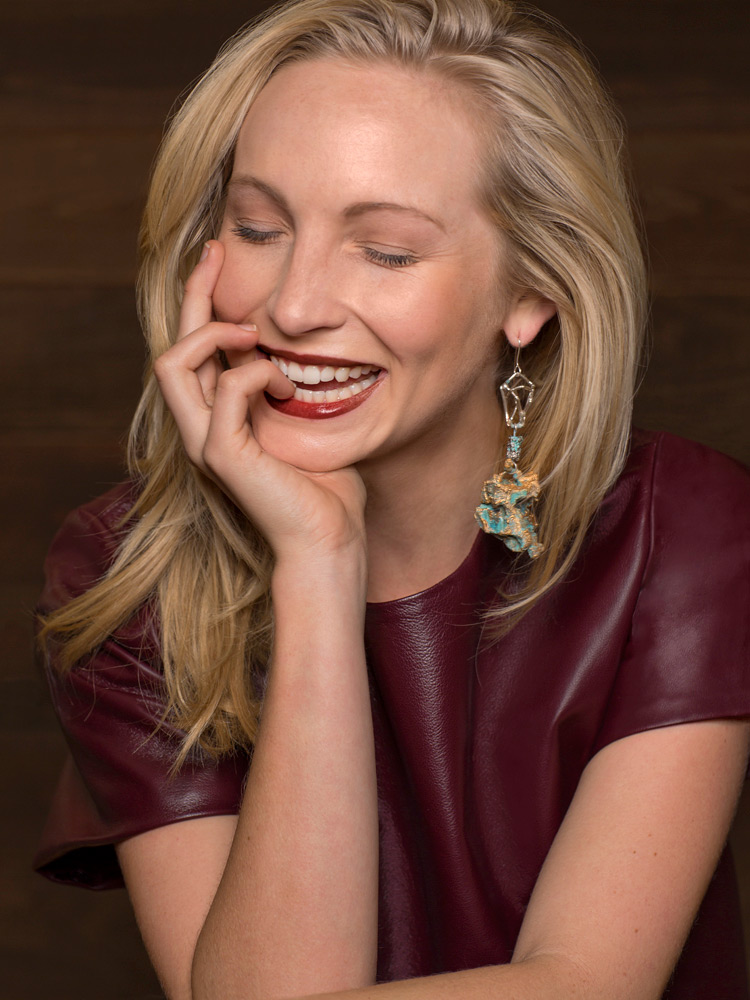
Portait of Candice Accola by photographer Adam Kuehl.

"A candid moment of Candice Accola rocking a pair of earrings by Aimee Petkus (B.F.A., jewelry, 2013) and leather top by Brooke Atwood (M.A., fashion, 2010).

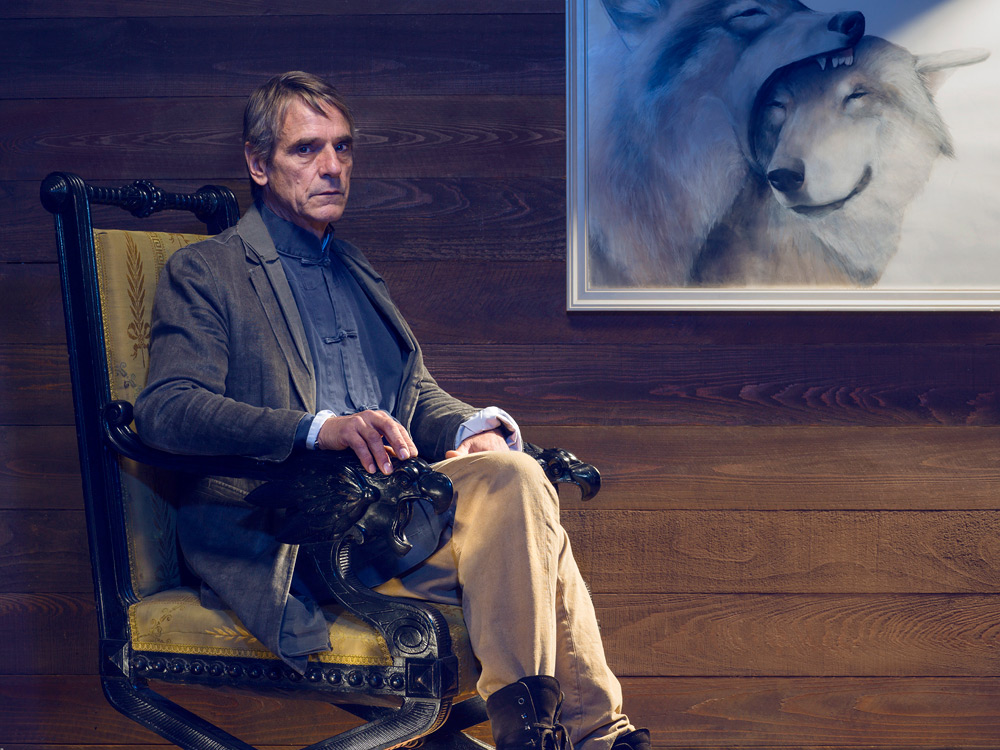
Portrait of Jeremy Irons by photographer Adam Kuehl.

Jeremy Irons, recipient of the Lifetime Achievement Award, sits comfortably in front of a painting ("Untitled") by JenMarie Zeleznak (M.F.A., painting, 2011). His intensity matched the scene Amy created perfectly. The wood wall is actually a small stage that we flipped on its side."

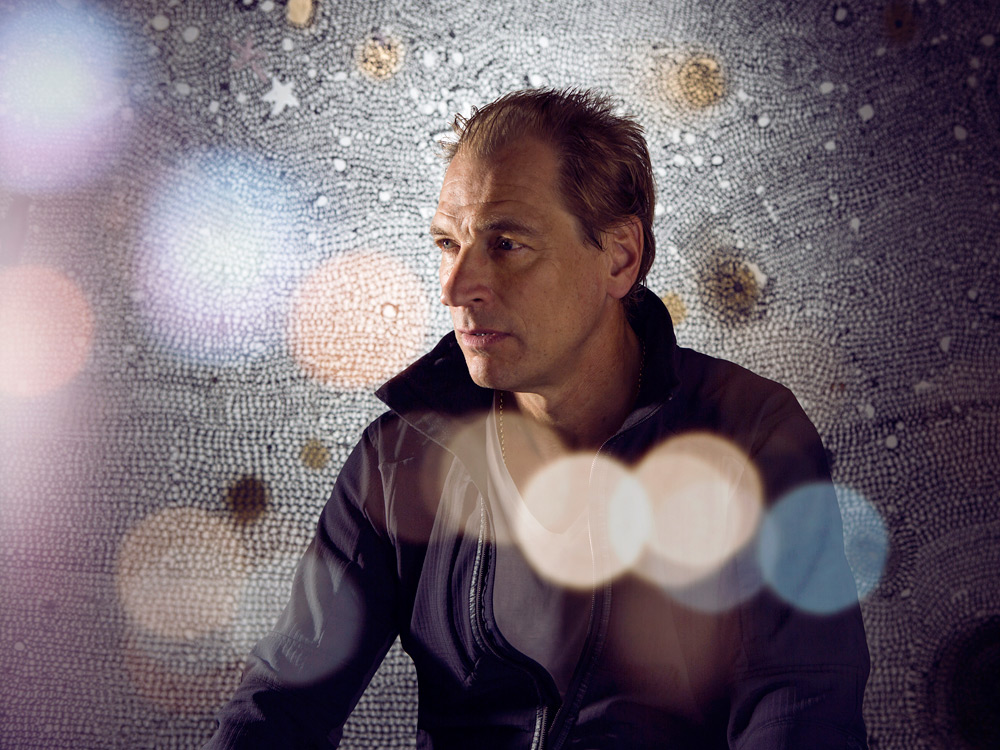
Portrait of Julian Sands by photographer Adam Kuehl.

Julian Sands in front of “Star Chamber” by Summer Wheat (M.F.A., painting, 2005).

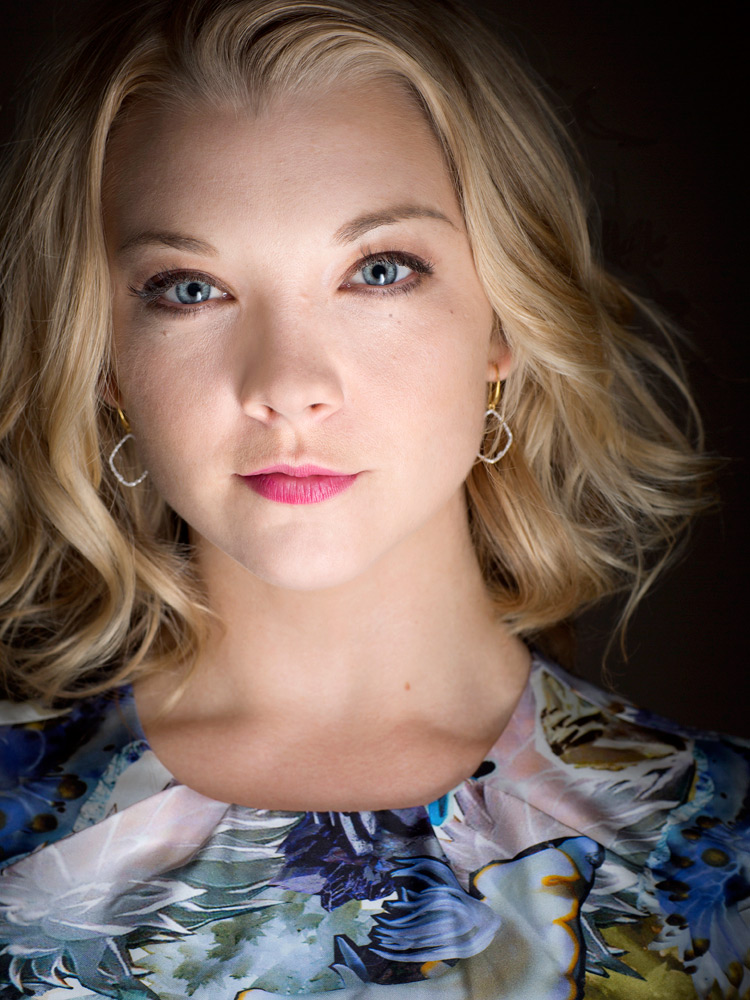
Portrait of Natalie Dormer by photographer Adam Kuehl.

Natalie Dormer, recipient of the Discovery Award.

Portrait of Norman Reedus by photographer Adam Kuehl.

Norman Reedus in front of wallpaper designed by Joanne Duran (B.F.A., interior design, 1999).

SCAD alumni unite at Elephant Parade in Hong Kong

August
11
2014
By
Tags:

Illegal ivory poaching and vast deforestation has plunged the population of Asian elephants to dangerous lows. Roughly 50,000 of their kind are left in the world, according to several international conservation reports. The outlook on their long-term survival is grim, with the International Union for the Conservation of Nature placing them on the endangered Red List and some predicting the species will be extinct in the wild as soon as 2050.

But several conservationists and artists are responding to these bleak statistics with hope during the Elephant Parade exhibition. The traveling art gallery is raising awareness by featuring galleries of life-sized baby elephant replicas designed by an array of artists. The parade is currently in Hong Kong and features the work of SCAD alumni Kevin Lee Jr. (B.F.A., sound design, 2013), Michael-Birch Pierce (M.F.A., fibers, 2012) and April Rivers (B.F.A., fibers, 2011).

Their artwork, along with several other contributions, are featured at the Pacific Place shopping center in Central Hong Kong, the Cityplaza complex near Tai Koo Station and Citygate Outlets on the northernmost part of Lantau Island near the Hong Kong International Airport. The exhibition ends on Tuesday, Sept. 9.

Twenty percent of the Elephant Parade's net profit — along with 100 percent of money earned from auctioning off handpicked statues — goes to the Asian Elephant Foundation, according to the event organizers. The nonprofit foundation's board members, in turn, distributes the funding to projects that aim to stave off extinction. Some past projects include funding nature reserves where the elephants can live unthreatened, as well as educational programs taught worldwide.

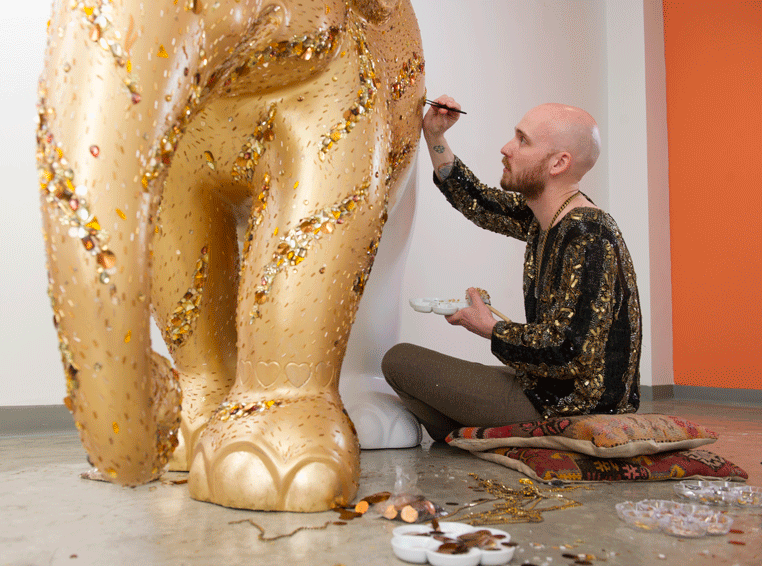
Michael-Birch Pierce applies crystals to his gold elephant

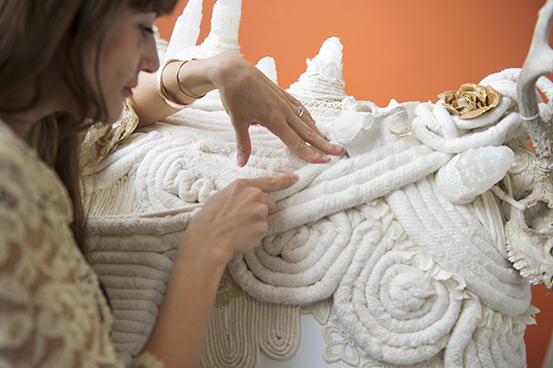
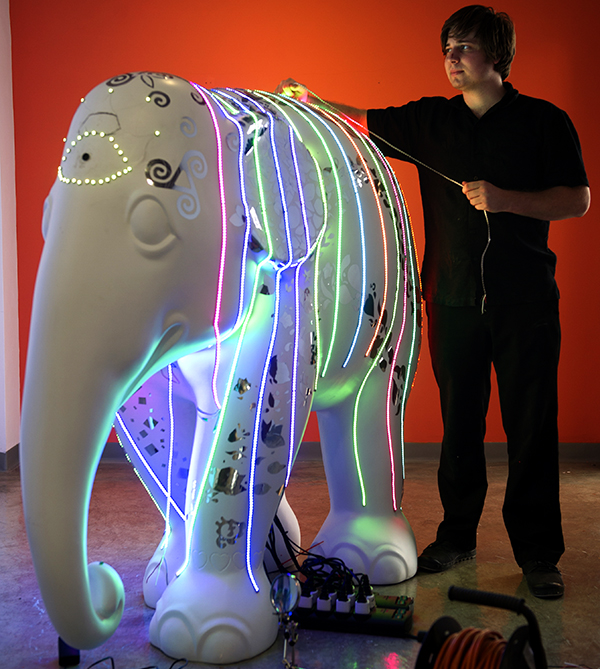
Each elephant statue took on the artists' different styles. Lee used strips of colorful LED lights, Pierce turned to his admiration for "the tacky and gaudy," while Rivers left the statue in its natural white state, enhancing it with fibers and bones while "retaining something pure."

When Pierce set off to create his elephant replica he said he wanted to create something that harkened back to a time when Eastern culture revered elephants, dressing them with beautiful ornaments.

    (The East) adorned elephants with crazy gold fabrics, big metal headdresses. They were regal and reverend. They were precious.

Pierce searched for materials in the markets of Sham Shui Po. Despite what he called a "sensory overload of overstimulation," he managed to focus long enough to find what he needed in stores filled to the brim with beads and crystals.

As a self-professed animal lover and conservationist, Pierce is happy to know that his artwork's wide exposure to bustling Hong Kong will help tell the story about the potential extinction of Asian elephants. Art is sometimes the only digestible way for people to see an environmental crisis through the blur of their busy lives, he added.

"It's not always easy trying to convince someone to change their minds when they have no intention of changing their minds in the first place," he said. "I think that creating these elephants in this way is a really great way to draw attention to the problem. Everyone can connect to art."

April Rivers applies fabric tubes in swirl shapes to her elephant

For Rivers, the experience in Hong Kong was "eye opening."

"It was extremely inspiring," she said. "It's amazing to just be in Sham Shui Po. To take in the smells, the colors, the sounds and the textures."

Rivers worked closely with Lee in a shared studio and was nearby Peirce's workspace. The whirlwind trip, along with a tight deadline, made "war buddies" out of the three, she said. Having their different paths converge in Hong Kong — Lee from California, Pierce from Virginia and Rivers from Texas — turned colleagues into friends.

"The three of us got very close," she said. "We all brought different strengths. Kevin had a very mechanical brain, which complimented my love of girly things like fibers and soft materials. Peirce brought the glitter and glam. It was a good mix and we learned a lot from each other. I miss them."

Her new friendships speak to the collaborative nature SCAD fosters, Rivers added.

People often choose to go to the college near their hometown because it's close by, but sometimes they end up staying in one place. On the other hand, SCAD is such a hodgepodge of people. It has campuses everywhere. There's no way you could get these kinds of experiences anywhere else.

Kevin Lee Jr. measures his elephant adorned in neon lighted ropes

Taking part in Elephant Parade also allowed the alumni to pass on some experience to SCAD Hong Kong students who helped workshop the statues. Pierce said he especially enjoyed letting the students have "free range" on a large portion of his replica.

"Working with the students at Hong Kong was great," he said. "I think that it's very important to show that there’s actually a career to be had after graduation, using the skills they're learning at SCAD. I was worried I would have to work with 19-year-old kids who didn't necessarily have the experience they needed for this kind of project. But these students are driven. They're talented."

Landmark moment for SCAD graduates in Hong Kong

June
9
2014
By
Tags:

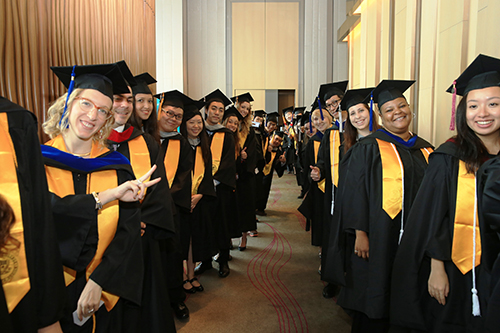
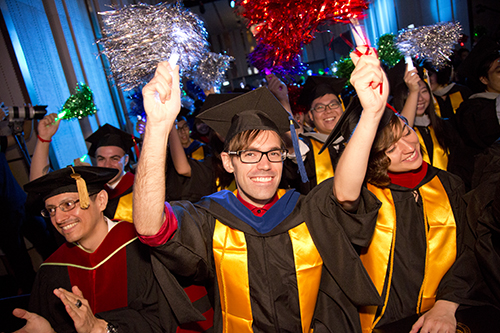
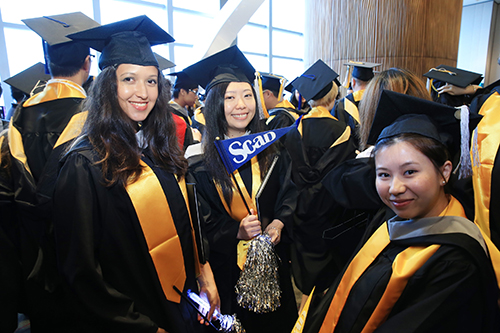
It was a milestone for Savannah College of Art and Design's 35-year history when its first graduating class from Hong Kong walked across the commencement stage.
Graduates in cap and gown

More than 60 graduates gathered at the W Hong Kong Hotel, which overlooks the West Kowloon waterfront, to celebrate the beginning of a long journey of achievements ahead. Nearly 300 families, professors and supporters of SCAD attended the ceremony in Hong Kong's new art and cultural quarter.
Graduates wave pom-poms in cap and gown
Graduates smile and hold SCAD pendents
  
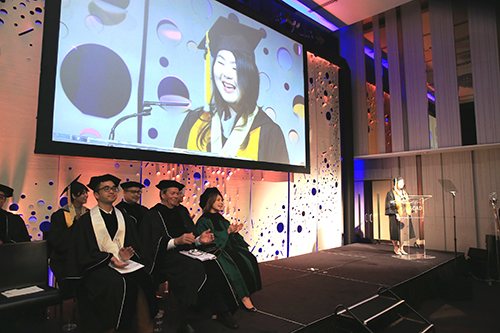
Valedictorian Katrina Teh (B.F.A., illustration, 2014) left her hometown of Manila to study at SCAD in 2011. This is the second diploma that she's earned. Before SCAD, Katrina graduated with honors from the most prestigious university in Manila. Still, she felt there was more she could do to make her passion dovetail with her career. She came to SCAD with a very clear goal of realising her dream of drawing for a living.

“I consciously chose SCAD because I wanted to be technically better as an artist. I came here finding that I was growing up – learning how to be a better person. SCAD opened my life to a world of creative people and great opportunity for growth. ”

In her speech, Katrina also said that at SCAD she found “comrades in art,” like minded students with the same passion for creating things who would go through critiques together, sleepless from tirelessly perfecting key frames, value contrasts, kerning or line quality.
Graduate speaks on stage at Hong Kong commencement

While at SCAD, Katrina exhibited her work widely, received coverage in the Philippine Star and The Hong Kong Economic Journal, and led a team from SCAD to win the 2012 Disney ImagiNations Hong Kong competition. Following her ImagiNations win, she was awarded a trip to Disney headquarters in Glendale, California and an internship at Hong Kong Disneyland. Recently, she accepted a position as a concept designer at Hong Kong Disneyland and will continue to work as an illustrator and painter, as well. Her advice for fellow graduates:

“There is no peak upon graduation, my friends, only an infinite sky of possibilities. Keep moving forward, and never give up.”

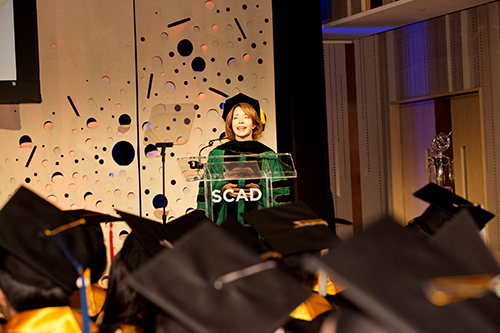
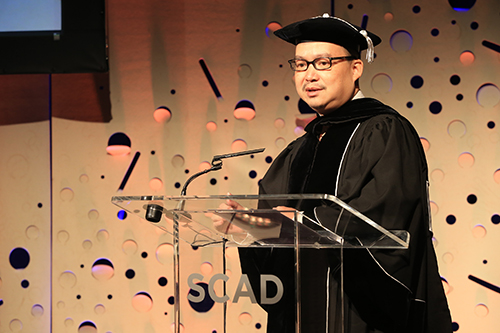
Presiding over the commencement ceremony, SCAD president and co-founder Paula Wallace conferred degrees to the graduates. The new SCAD alumni were also addressed in a speech by interior designer Ken Hu (M.A., interior design, 1995), a partner at Chen Chung Design. Ken shared his experiences as a creative professional and told the group what they can look forward to after studying at SCAD.
SCAD president Paula Wallace speaks at commencement
Speaker in cap and gown at Hong Kong commencement

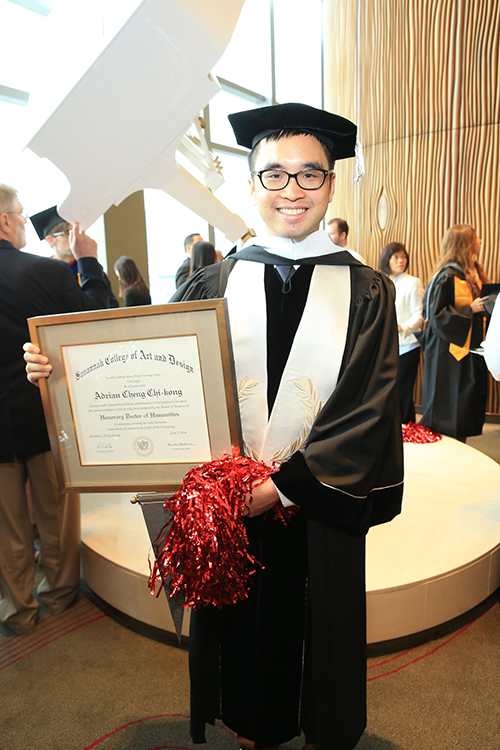
The first batch of graduates was also joined by Adrian Cheng Chi-kong, a cultural entrepreneur and advocate for art and education in Hong Kong and Asia, as well as co-founder and chairman of Arts in Heritage Research. SCAD awarded Adrian an honorary doctorate degree.
Graduate shows off his framed diploma
SCAD Board of Trustees chair Albie Whitaker III, board member Chan Lai Wa, Deputy Consul General of the U.S. Consulate in Hong Kong, Tom Cooney, and Raymond Chan, a representative from Hong Kong's office of the Commissioner for Heritage, were among some of the distinguished guests at the ceremony.


SCAD(香港):首屆學生行畢業禮

六月七日是SCAD(香港)舉行首屆畢業禮的大日子,見證了SCAD創校四年的一個重要里程碑。

六十多名畢業生懷著興奮心情出席了畢業禮,帶著全體師長的祝福,邁向人生下一段精彩旅程。畢業禮舉行的地點W酒店臨近西九龍海濱,亦即將發展為香港新的文化藝術區。
約三百名畢業生的親友、老師及支持SCAD的業界好友出席分享畢業生的喜悅,場面熱鬧。
  
插畫系學士課程學生Katrina Teh今年以優異成績畢業,並獲得代表畢業生在典禮上致告別辭的機會。Katrina熱愛創作和畫畫,於2011年由馬尼拉來港入讀SCAD。她先前在馬尼拉一所大學以優異成績畢業並取得第一個學士學位,但她仍感不足,希望進一步裝備自己,她入讀SCAD時懷著明確目標:將繪晝創作的興趣變成一生的事業。Katrina致辭時說:「我選擇入讀SCAD,因為我希望磨鍊技巧,成為一個更優秀的藝術家。在這裡我發現自己成長了,變成一個更優秀的人。SCAD創造了一個有利學習進步的空間,讓我可以與其他有創意的人連結交流。」

Katrina認識了不少志同道合、同樣熱衷創作的「戰友」同學,數年來一起捱夜、一起趕功課,奮力完善每個技術細節如動畫創作的關鍵幀 (key frame)、明度(value contracts) 、字距(kerning),甚至是線的質量。

在學期間,Katrina的作品有機會於Philippine Star及信報刊登,她並與三位同學組隊勇奪2012年迪士尼幻想工程香港挑戰賽冠軍。他們的奬品是免費參觀美國加州的迪士尼樂園,以及到香港迪士尼接受為期八周的實習生訓練。今年六月畢業後,Katrina將獲聘為香港迪士尼的概念設計師。

她勉勵同屆畢業班的同學:「畢業不是旅程的終結,反而是無盡機會的開端。努力向前,永不放棄。」

畢業典禮由SCAD校長Paula Wallace主持,她並向一眾畢業生頒贈學位和證書。

SCAD傑出校友、著名酒店設計師及鄭忠設計事務所合伙人胡偉堅在畢業禮上發表演講,鼓勵畢業生善用他們在學校獲取的知識,為創意產業及現代藝術作出貢獻。

藝術及古蹟資料研究的創辦人及主席鄭志剛獲頒發榮譽博士學位,以表揚他對推動香港藝術和文化的貢獻。其他出席的嘉賓包括SCAD董事會主席Alan B. Whitaker III及董事會成員陳麗華、美國領事館及發展局的代表。

AD's Margaret Russell's 'simple truths' for graduates

June
2
2014
By
Tags:

A good commencement address is irresistible. Whether graduating or firmly planted in career or school, the distilled life experience and wisdom are too convenient and enlightening to pass up. And so, in case you missed Savannah College and Art and Design's 2014 commencement ceremonies, here's speaker Margaret Russell's 'simple truths', which she delivered to SCAD's 1,560 graduates in Atlanta and Savannah after tracing her rise to the helm of Elle Decor and now Architectural Digest.

I’m going to end with some simple truths, some things to keep in mind as you enter the workforce. These are more pragmatic than they are profound. Actually, they’re tips to help you do well at work and to keep you from annoying your future bosses.

Be early.
I remain challenged by this, but I’m usually still the first person at the AD offices each morning. It’s better to consistently arrive early at work than to have to consistently stay late.

Be a trouble shooter and problem solver.
These are key qualities that everyone in every industry looks for when hiring. Think ahead and always anticipate the unexpected.

Expect good and don’t gossip.
Don’t ever write emails that might land you in trouble if read in public. Email should communicate facts, not emotion.

Be aware of the power of social media and never post a photo when it’s clear that you’ve had far too much fun.
Your bosses are also on Google, Facebook, Twitter and Instagram, and they will find you. Try imagining that your social accounts have a pause button and take a breath before you hit send.

Embrace change as it’s the most constant aspect of your future.
The happiest people around you are those who are flexible and adapt well.

Don’t be afraid to ask; ask for everything. Just never have a sense of entitlement when you do.
Some of the best stories published in the magazines I’ve edited are there because I had the nerve to go after them.

Don’t be afraid, period.
Life’s too short. Conquer your fears today.

Pay attention.
Listen, stay focused, be ambitious, have common sense, show good judgment.

Do the right thing.
You’ll never go wrong by doing what you truly believe is right.

Give back.
I love AD, but the most rewarding work I do is philanthropic or political. Volunteer, develop your personal sense of social responsibility and integrate it into your daily life.

Think green.
Please think green because your forebears did not. Use your genius to save our planet.

Find your passion and your joy.
I hire people who are passionate about their work. I’ve always been told that there’s no place for emotion at work, and indeed that’s true. But I know for sure that being passionate about what you do will drive you to far greater success.

Feed your creativity. Get off your iPhone. Look up.
Don’t passively email someone sitting a few feet from you in the office. Talk to each other, write thank you notes, read books.

Don’t settle. Expect the best. Want to be the best.

You are so well prepared to make your way and to change the world and we can’t wait to see what you’ll do. Congratulations, class of 2014. We honor and admire you. Here’s to your brilliant future. Here’s to tomorrow.

Share your favorite or most memorable piece of commencement advice by posting it in the comments below.


Dr. Maya Angelou's 1998 commencement address

May
29
2014
By
Tags:

In this season of graduations and rites of passage, we are pleased to feature one of the shining moments from Savannah College of Art Design's 35-year history: Dr. Maya Angelou's 1998 commencement address in Savannah, Georgia. Listening to Dr. Angelou's speech to SCAD grads reminds us of the gift of her legacy and our gratitude for her timeless life's work.


Drone captures sand sculpting contest on Tybee

May
4
2014
By
Tags:

When you're a student at Savannah College of Art and Design, your medium isn't restricted to the traditional and the classroom extends to the ocean.

Hundreds of students, alumni and faculty focused their talents on the sands of Tybee Island, Ga. to create SCAD Fine Arts' and Foundation Studies' 2014 parade of sculptures that welcomed summer's arrival and enthralled thousands of winter-weary beach goers. In addition to indulging in the open air studio, each individual entrant or team competed for $5,000 in prizes. The first place winners are:

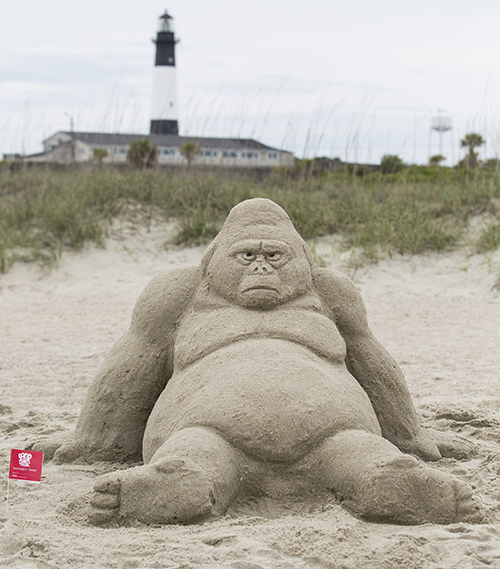
Sand Sculpture and Alumni’s Choice Award: #4 “Walden”
Sand sculpture of gorilla
Chennon Roberts, B.F.A. animation student, Auburn, AL
Josh Beam, B.F.A. illustration student, North Charleston, SC

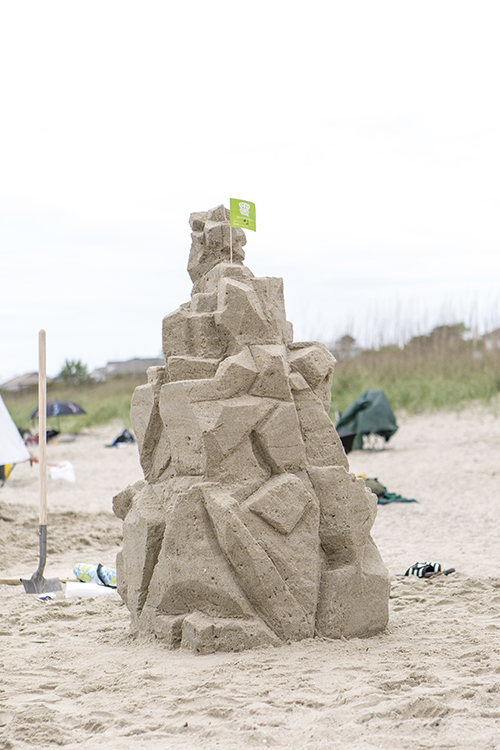
Sand Castle:  #1 “Ice”
Geometric sand sculpture
Adrian Tinoco, B.F.A. visual effects student, Key Biscayne, FL
Gian Lombardi, B.F.A. visual effects student, Doral, FL

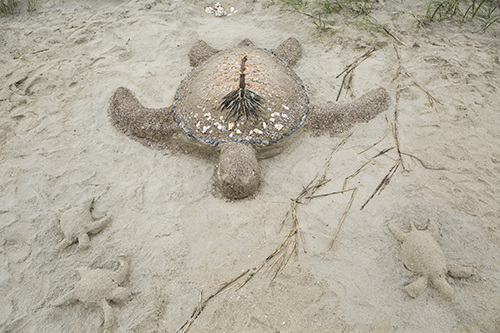
Sand Relief: #13 “Turtles”
Sand sculpture of turtle
Emily Luking, B.F.A. fibers student, Ellicott City, MD
Raven Brown, B.F.A. fibers student, Marietta, GA
Lydia Hartley, B.F.A. fibers student, Wilmington, NC

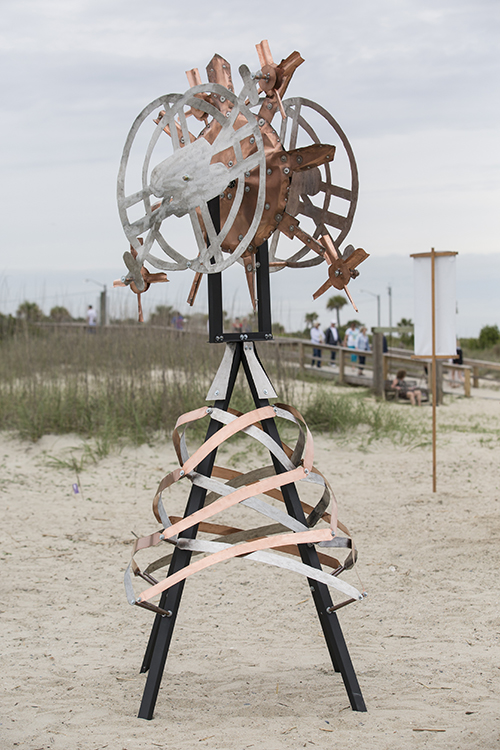
Wind Sculpture: #7 “Wing-tipped vortices”
Large steel and bronze wind sculpture
Jamie Niles, B.F.A. painting student, Richmond Hill, GA

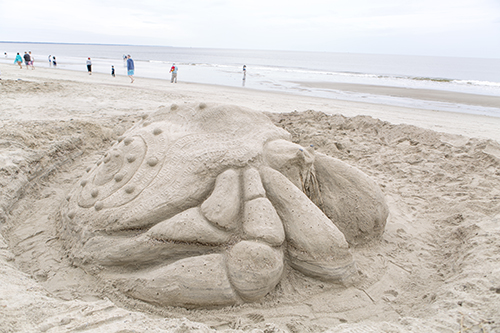
Gray’s Reef Best Underwater Creature: #7 “Hermit Crab”
Sand sculpture of hermit crab
Benjamin Breslow, B.F.A. industrial design student, Platte City, MO
Jeff Dull, B.F.A. industrial design student, Strasburg, PA
Michael Soleo, B.F.A. industrial design student, Lexington Park, MD

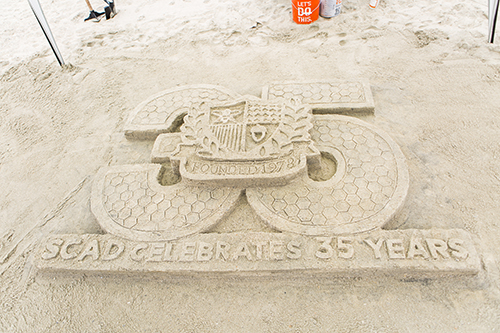
35th Anniversary Spirit Award: #7 “35 Years"
35 anniversary decoration sculpted in sand
Hugo Aguilera, B.F.A., painting, 2011
Will Penny, M.F.A., painting, 2013, B.F.A., painting, 2008

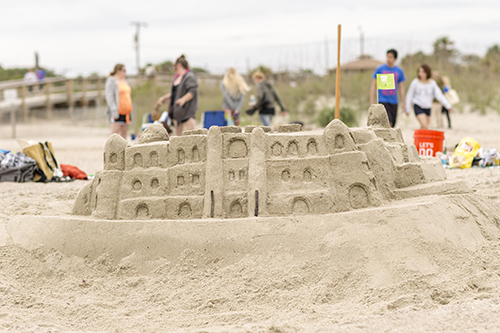
SCAD Castle Award: #4 “Poetter Hall”
Poetter Hall sculpted in sand
Paula Hoffman, professor, foundation studies
Matt Toole, professor, foundation studies

Art as a community heartbeat

May
2
2014
By
Tags:

Starting off a few years ago as a tiny gallery on Desoto Row, Art Rise Savannah is becoming a hub for the independent art community and the city of Savannah as a whole.

Every first Friday of the month, Art Rise hosts the Art March, connecting the galleries, shops, and cafes from Forsyth to Victory for a three hour tour of Savannah's arts district. It also hosts exhibition fellowships to help artists showcase their work with Fresh Exhibitions, holds an indie arts market outside the gallery to help craftsman sell their products and supports local artists in everything from networking to getting health insurance. We caught up with the executive eirector and interim secretary for the Art Rise board, Clinton Edminster, and to get his insights on how art impacts a community and how young artists can start a creative scene in their own city.

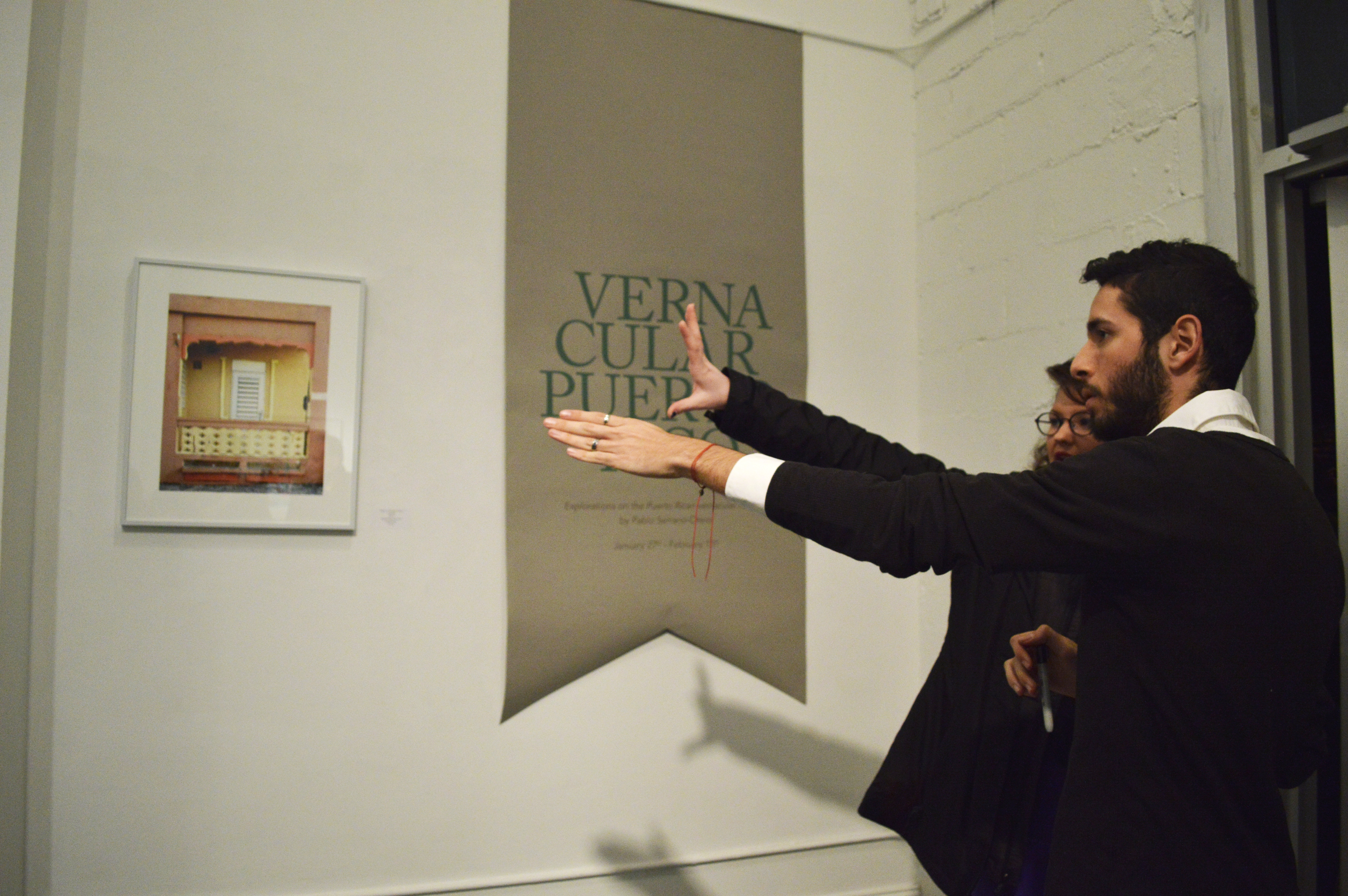
Artist points to his work as he explains it visitor 
Photographer Pablo Serrano discusses his work during the Feburary Art March. Photo by Art Rise staffer Logann Fincher.

Thread: How do you get people involved to build an art scene or an arts organization where there isn’t one?

Clinton Edminster: I think the key here is to show people a reality that doesn’t exist yet by using clues that are present now. To simply have people imagine the future then ask them if it’s something they would enjoy being a part of. If their answer is yes, then get them excited about putting that structure together. I think that’s really the main key: just getting people in. I found this a fascinating challenge because, unlike other places with a well established arts community, I wanted to be a part of developing it, and I think a lot of other people do as well.

Woman walks through installation of long strips of fabric hanging from the ceiling to the floor
An onlooker explores a installation during the March Art March at Sicky Nar Nar. Photo by Art Rise staffer Lauren Flotte.

It’s also important to just start talking to people, to know your environment and figure out specifically what you want to do so you don’t reinvent the wheel. You have to fill a vacuum somewhere, but you have to figure out what that vacuum is first. So you talk to people at shows and you become a part of the community, and from there you can figure out where the gaps are and what you have to offer them.

What it really comes down to is just a group of people willing to do the dirty work and a lot of paperwork. You have to go beyond the romantic idea of starting an arts organization, because the infrastructure is vital to developing a community.

Painter works on portrait of visitor
Painter Jared Seff does some impromptu portraiture during the January Art March. Photo by Art Rise staffer Peterson Worrell.

T: Other than bringing art to Savannah, how else has Art Rise changed the community?

C: Well, that can be broken down in a couple ways. First, you can break it down demographically.

The cool thing about art is that everybody can enjoy it. There’s some work to be done about making art accessible, but as soon as you do that, everyone can enjoy it—no matter your age, race, ethnicity, background, education—because art is so extensive. Theater, poetry, abstract, representational, whatever.

It’s all awesome and it’s all about the visual things that people enjoy. Art is a heightened sense of entertainment and it’s a community-based sense of entertainment.

Two men perform on guitars
Clouds & Satellites playing at Foxy Loxy Cafe during the Art March. Photo by Art Rise staffer Peterson Worrell.

Art Rise is in the business of creating opportunities and awareness of this incredibly accessible medium that everyone can enter in on at relatively the same level—whether they’re art appreciators or artists. It’s really all just about people talking to people in the presence of art. It’s sort of like art’s not even the point anymore, it’s just the excuse we all have to go out on a Friday night and meet people we might not meet otherwise. It creates a dialogue that's different from one you would have at work, or school, or at a football game. It’s more intellectual, more uplifting and you can gain a better vocabulary for describing your own life. It can be lofty, but it can also be very basic in the best way. So that’s where I see art bringing communities together demographically, and that’s what we’re really pushing for.

Visitors inside trolley
Art Marchers ride the trolley from stop to stop. Photo by Art Rise staffer Peterson Worrell.

Also, economically the Art March is pretty great. Foxy Loxy’s busiest day ever was the April Art March. And for Foxy, that’s saying a lot. The Art March has become a night where people come explore down here past the park, and I think it remains pretty true that it’s the busiest day of the month for all of the galleries here. It creates a heartbeat, and it connects people and they see it and talk about it and it gets dispersed. It’s really valuable from an economic standpoint, but it needs to be seen as valuable in that way, too.

Visitor examines artwork by Adam Gabriel Winnie
Adam Gabriel Winnie's exquisite realism series during the December Art March. Photo by Art Rise staffer Peterson Worrel.l

T: How else does art help a community? Why is it important?

C: Not only is art really valuable from an economic standpoint, but it creates a heartbeat. It connects people. They see it and talk about it and it gets dispersed. It also expresses a vocabulary that really plays on the subjective experience that we all feel, in a different way than language can, because language is pretty solidly defined. One word means the same thing for hopefully a lot of people and it’s a very logical medium. Language can be used in abstract ways of course, but essentially it’s designed to be logical. But visual art is a different vocabulary, used to talk about things in ways we can’t yet express verbally, and that’s important. We’re always going into the future, and it’s important for us to be thinking 20, 40 years ahead about concepts we might not even really fully understand now. When you look at art, you feel a different way that you can’t really explain, and that feeling is a complex emotion that later you’ll be able to actually talk about and discuss. Art creates the future; it sees the future. It helps build up how we discuss it.

Art Rise is gearing up for the May Art March on the 2nd of the month, so check out the map, plan your route, and get your walking shoes ready.