Skip to main content Accessibility Policy

SCAD’s best and next shows at international furniture trade show

July
7
2016
By
Tags:

The International Contemporary Furniture Fair is the premiere trade show for fine interior design in the United States. Twenty furniture design students, along with program coordinator Fred Spector, represented SCAD at ICFF New York in May with a custom-built booth.

The SCAD exhibit at ICFF was designed by students in furniture design professor James Bazemore’s spring “Design Studio: Furniture for the Market” class. Their final design was a clean-cut combination of open and closed structures: a solid wall behind an angular, geometric wrapping platform fenced in by skeletal walls, the perfect pedestal to put SCAD student furniture design in the spotlight.

Some of the furniture on display came from collaborative projects created in the fall 2015 studio class taught by furniture design professor Sheila Edwards. The senior class worked with EcoMadera, a sustainable forestry company, to design products using sustainable woods.

ICFF features “What’s Best and What’s Next” in global contemporary design, luxury interiors and high-end furniture. Extraordinary styles by top international furniture brands and emerging new talent highlight unique furniture, accessories, lighting, outdoor furniture and more.

AT ICFF, the students gained feedback from industry professionals. They also received offers to buy or commission pieces on display, and networked with companies for internships and job opportunities. With the experience of how a trade show works from start to finish, these students are ready for the next step in their careers. They might even return to the exhibition as the next big names in interior design

STONE FREE: A conversation with MFA designer Andrew Moore

July
6
2016
By
Tags:

Andrew Moore is cupping a triangular, 3D-printed novelty in his palm. The toy is only a prototype, a facsimile skipping stone Moore (M.F.A. candidate, design for sustainability) created with work partner Yasser Alhasan (M.A. industrial and product design) in Industrial Design class. While the Anura may never reach the marketplace, it provided the catalyst for Moore schooling SCADworks on research, rivers, and why when it comes to feedback, he craves “the mean stuff.”

"Anura" skipping stone, Andrew Moore and Yasser Alhasan

SCAD: After seeing the Anura on Behance, the big bummer was there was no buy link. Was it only a class project?

MOORE: Correct. It for was Industrial Design 733, “Entrepreneurship for Designers” with Professor Jamie Bowerman. In that class, you learn how to build a business, not just how to design a product. Everyone else made an app, or things that integrated an app. We were the only ones in the class doing a strictly physical product.

SCAD: How did you decide that product would be a skipping stone?

MOORE: First we chose our user group. We call them “floaters” — people in inner tubes who float down rivers. A lot of my friends fall into that group, so we asked them: “What do you do on float trips?” Skipping stones came up a lot.

Originally our idea was a skipping stone range, like a bowling alley or a driving range. You could make skipping stones out of concrete and have them in a bucket, a dozen for a dollar, and hire a 16-year-old kid with a broom and waders to go in and collect them. But for a skipping stone range, the pool would have to be hundreds of yards long to accommodate people who are really good at it.

Then we thought instead of the place you skip stones, maybe it’s what you’re skipping. So we decided to design a toy that you skip. If you can design a perfect skipping stone, what would it look like? The corners will be squishy so if it hit somebody it won’t hurt them, but the interior part will be dense because that’s where you get your momentum. In competitive stone skipping, stones can’t be more than three inches in diameter and one inch deep. We stuck with those parameters with Anura.

SCAD: How did you settle on Anura for the name?

MOORE: My project partner Yasser Alhasan looked into what skipping stones are called in various languages, and noticed that some variation of “frogging” is about 80 percent of them. “Anura” is the scientific order for frogs.

SCAD: What was your key takeaway from the project?

MOORE: The biggest lesson in undergrad or grad school is to learn to take criticism constructively. Integrate what people say about your work in a way that makes it better. When asking for feedback, crave the mean stuff. When people say, “You did a great job!” it’s nice, but your work is not going to get better without someone tearing it apart. Create prototypes and get them in the hands of the people you’re researching, so they co-create it with you. Make a hundred versions that you hate. Instead of calling it failure, call it iteration. Iteration is repeated, constructive failure. Which is really the only way to do anything. I don’t think anybody ever learned anything by getting it right the first time.

Through the Lens: Carolina Herrera's 'Refined Irreverence'

June
30
2016
By
Tags:

What can you expect when visiting Carolina Herrera’s dual exhibition, ‘Refined Irreverence,’ at SCAD FASH Museum of Fashion and Film in Atlanta and SCAD Museum of Art in Savannah, Georgia? A dazzling retrospective of more than 75 garments that celebrate Herrera’s iconic 35 years in fashion. From her timeless inaugural collection to the most recent line that graced the runway, you will experience the designer’s modern, dynamic classics. Take a peek at what these visitors captured on their Instagrams.


#SCADfash #carolinaherrera #refinedirreverence #savannah

A photo posted by Lindsay Fleege (@lindsfleege) on


Carolina Herrera: Refined Irreverence SCAD FASH Museum of Fashion & Film Now thru Sept 25

A photo posted by Rasheed Crawford (@raragram) on


All dressed up and everywhere to go @scadmoa @houseofherrera #scad #scadmoa #carolinaherrera #fashion

A photo posted by @michellemenner on

‘Refined Irreverence’ is on display through Saturday, September 4, in Savannah and Sunday, September 25, in Atlanta.

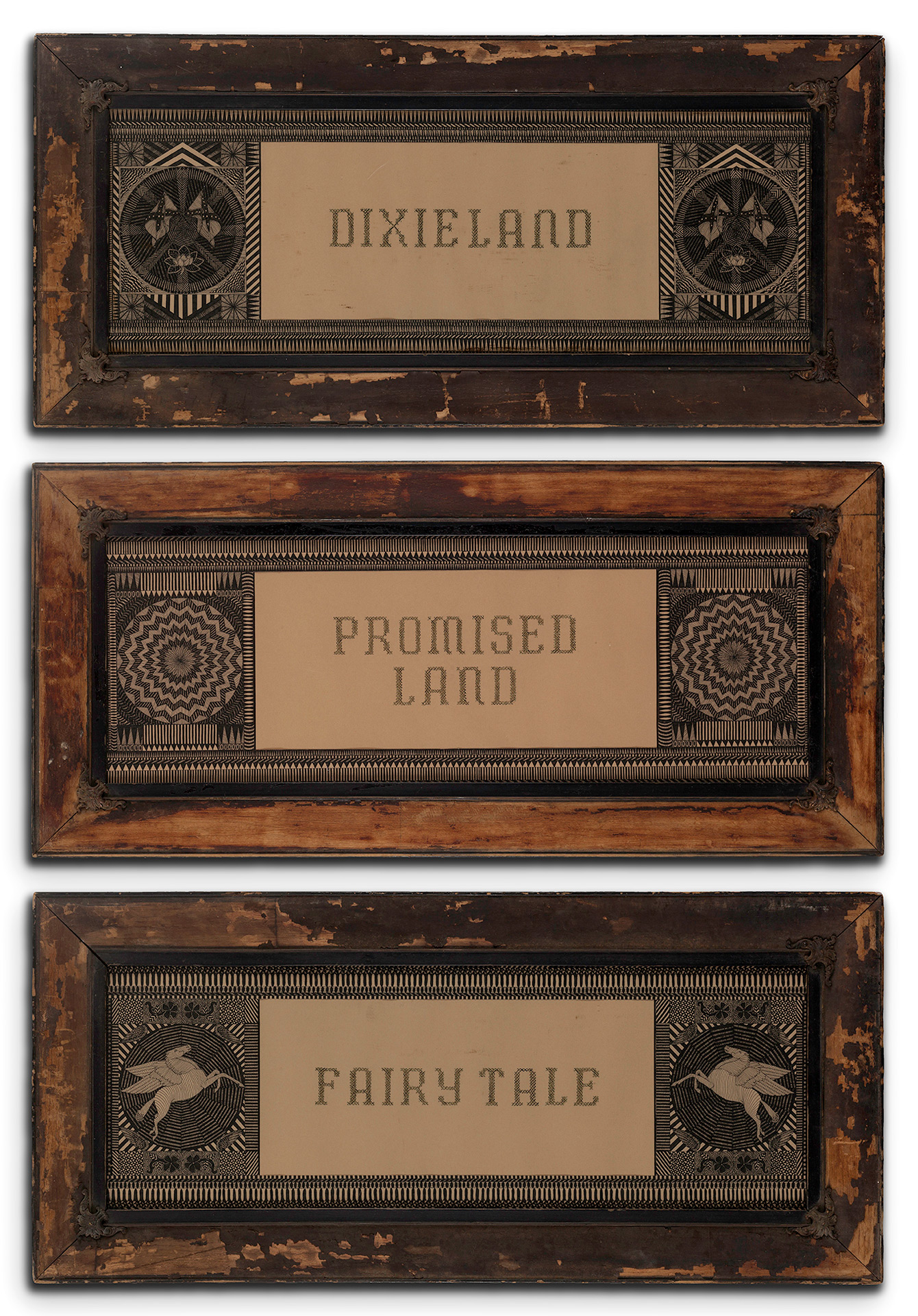
Dixieland, promised land: Stephanie Howard’s Southern mythmaking

June
15
2016
By
Tags:

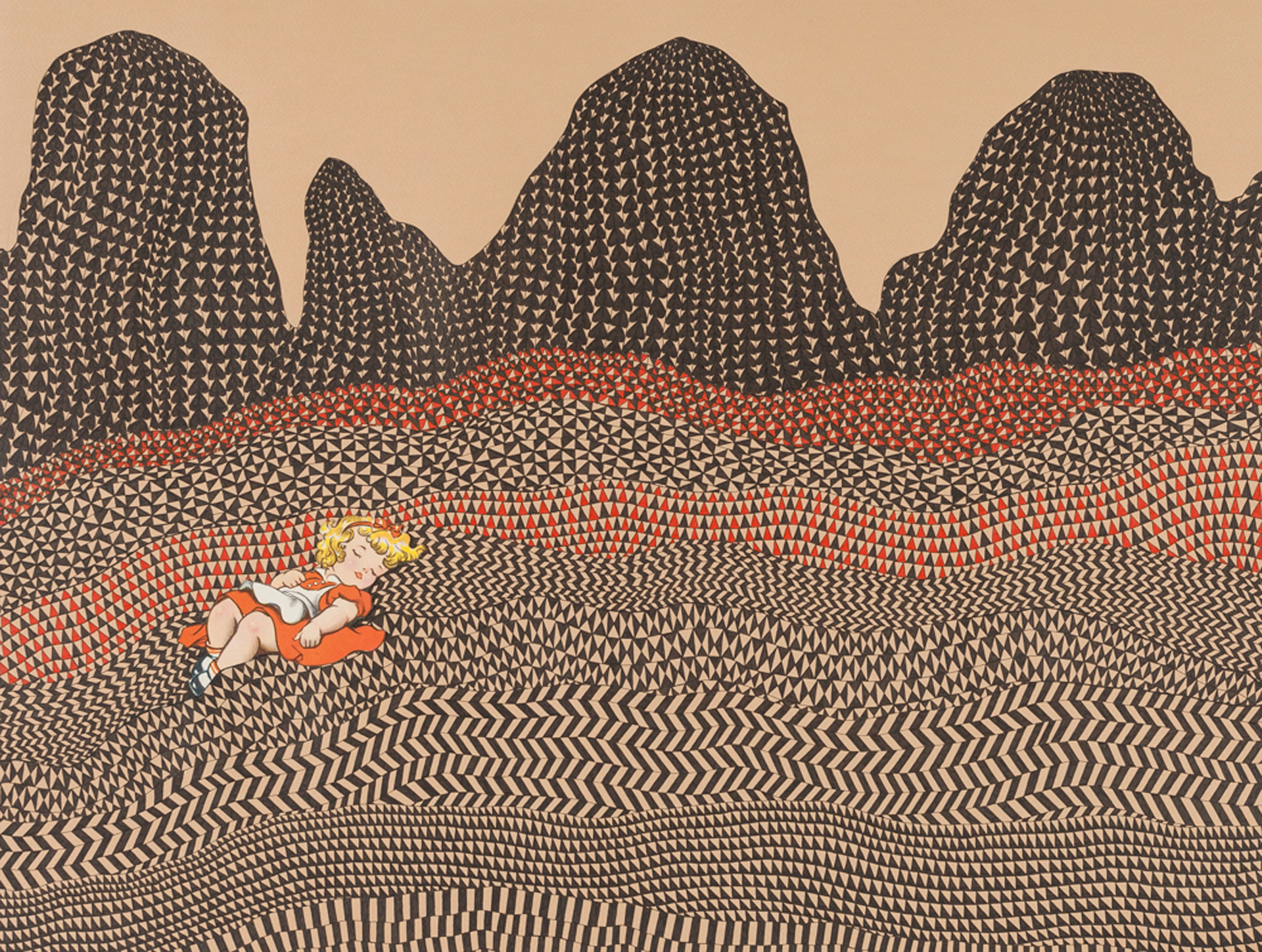
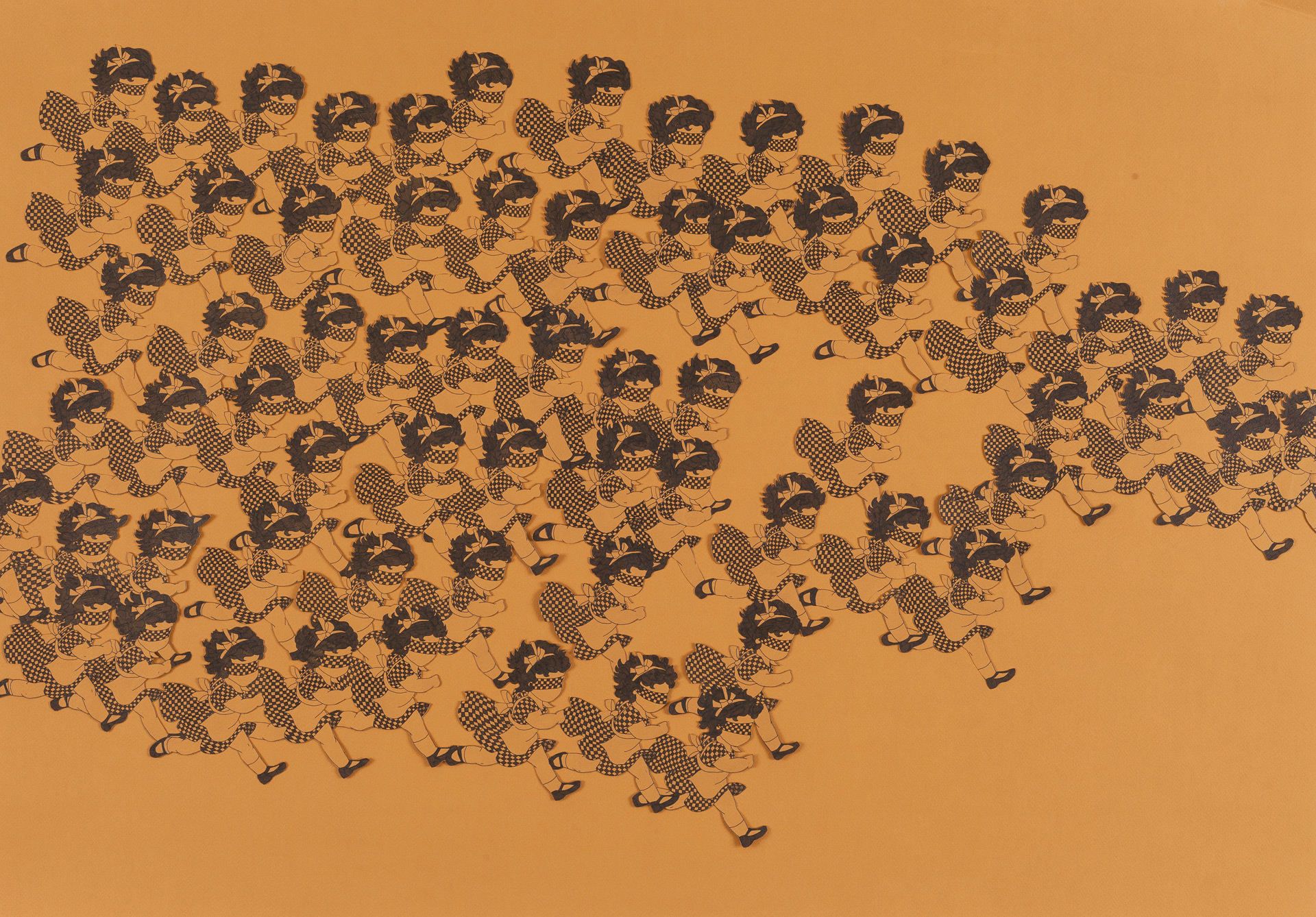
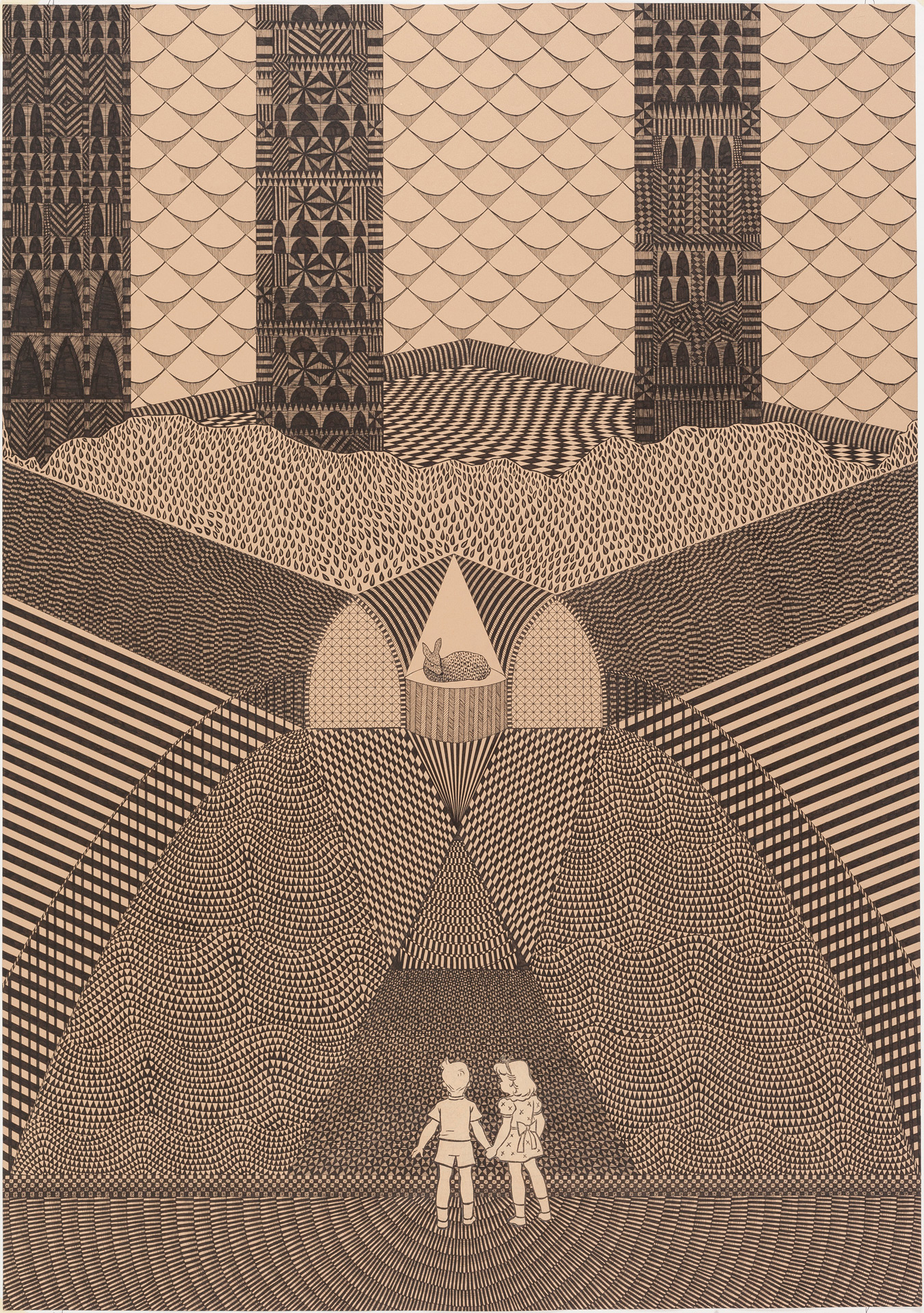
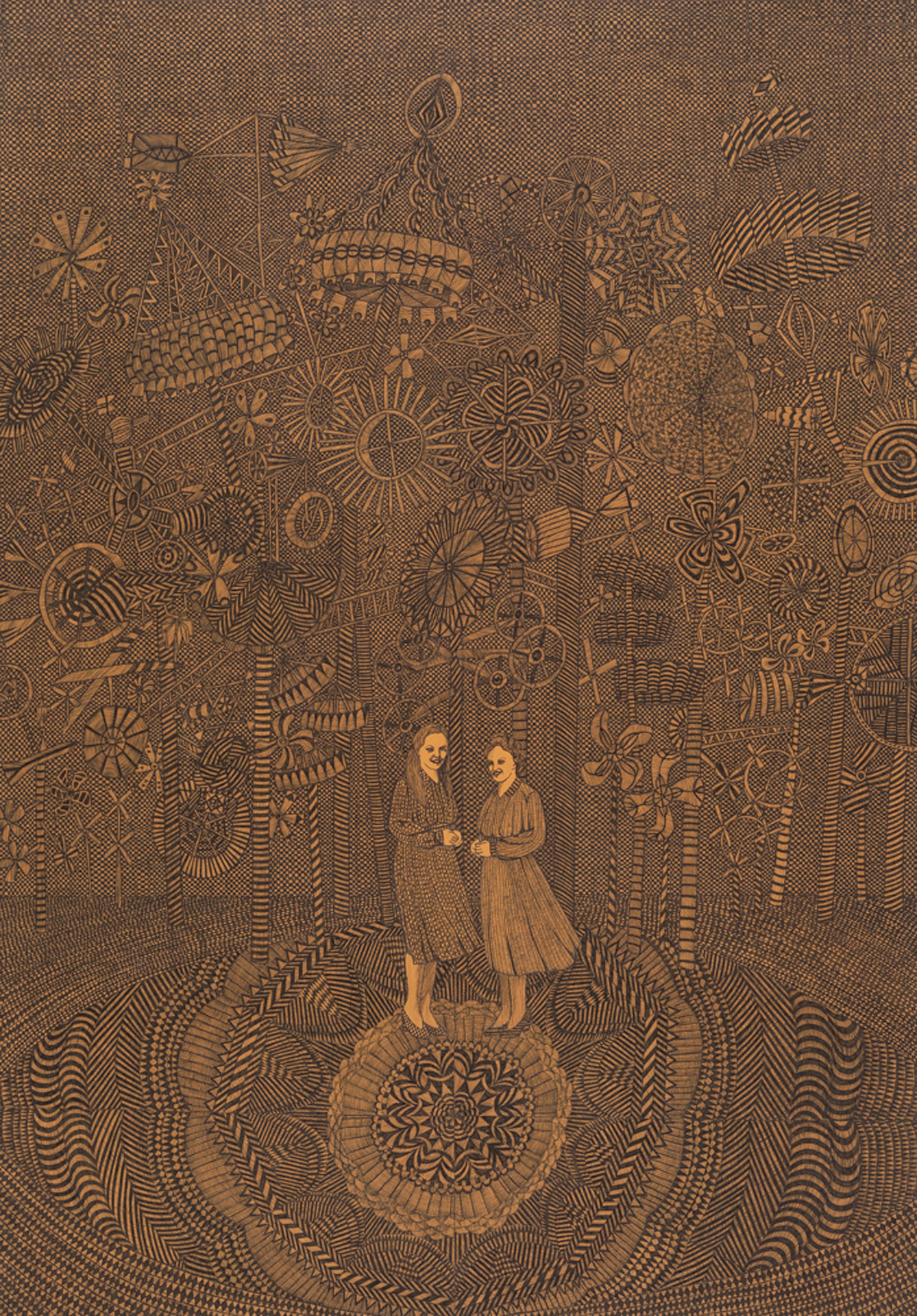
The mesmeric pen and ink drawings of Stephanie Howard (B.F.A. painting) portray a disquieting backwater of the American South. Populated by somnolent children, small-town Carolina Shag queens, wild animals and disorienting scenes of illusion, Stephanie’s hypnotic works blend into a folkloric mythology all her own. An exhibition of her work, “Time and Place and Eternity,” is in its final week at the SCAD Museum of Art.

Stephanie Howard art, Time and Place and Eternity

SCAD: In “Time and Place and Eternity,” the majority of your works employ only pen and ink. What do you find most appealing about that medium?

STEPHANIE HOWARD: The directness of it, just putting a pen to paper, no mixing of paints or other mediums, no printing or processing. The fine-line quality of the pen also feels like thread to me, and as I work with the paper over time, it becomes more malleable, taking on more of a cloth feel. While I am working on the drawings, I think of them more as embroidery.

Stephanie Howard, SCAD Museum of Art exhibition

SCAD: Your work is propelled by labor-intensive patterns that on occasion seem to form optical illusions, as if the works themselves are moving. What do the complexity of patterns mean to you in your art?

HOWARD: In my art I am traveling through these other “worlds” as I create them, so the physical execution of the patterns helps to keep me in a sort of meditative state while I process all of the visual parts, manipulate images and put together pieces of stories. I have always loved layered patterns and I think it triggers the eye to start searching for something that makes sense, a respite of a known entity to cling to. By knowing and using that, I can act as a guide for the viewer as they move through the drawing. That movement the patterns add also creates a living quality, so that the drawing is not a document of a thing that happened, but rather a window into a moment that is forever happening.

Stephanie Howard, SCAD Museum of Art exhibition

SCAD: You’ve spent much of your life in the Greenville, South Carolina area. How does that influence the mythology found throughout your work?

HOWARD: I am from upstate South Carolina, but the stories I heard growing up came from all parts of the state. I was also always surrounded by remnants of once grand southern towns, now empty because the mill shut down or the interstate had bypassed them. This left me with some amazing bare bones, an arsenal of my own stories to tell, and a mix of some very potent magic symbols to throw in.

Stephanie Howard, SCAD Museum of Art exhibition

SCAD: If I were sitting in your studio, what would I see?

HOWARD: Collections. Records chock-full of soul! Antiques that somehow seem strange or creepy to most folks, stacks of old books, my drawing table which takes up most of the room, cats sleeping on scraps of paper, and windows that look out onto the giant water oak in my front yard. My studio is on the second floor of my house, an old mill house around 100 years old. It has character and energy — we are kindred spirits in the overwhelming need to persevere in a timeless South.

Stephanie Howard, SCAD Museum of Art exhibition

SCAD: What do you remember most fondly about your time at SCAD?

HOWARD: I had some amazing professors who helped me to not limit myself. I loved the diversity of the student body and the visiting artists. SCAD was my first opportunity to see famous artists who were in history books … and famous artists who were women! I remember Audrey Flack stopped by one of my painting classes one day and walked around looking at our work — I think I might have held my breath the entire time she was in the room.


Stephanie Howard’s “Time and Place and Eternity” is on view at the SCAD Museum of Art through June 19th.

‘Force’ Fielding: The Return of Star Wars Scribe Chaz Moneypenny

May
25
2016
By
Tags:

Chaz Moneypenny (M.F.A. dramatic writing) is an oracle, but he’s not giving away all the answers. When the senior writer at The Walt Disney Company takes the stage at Arnold Hall on Thursday, don’t expect him to reveal the identity of Rey’s parents in Star Wars. Chatty Chaz will be discussing effective networking, pithy pitches, and the power of the SCAD brand in the storytelling marketplace. Then again, with Jedi mind tricks, anything’s possible.

SCAD: Which films from your childhood did you commit to memory and return to repeatedly?

Chaz: The Transformers: The Movie, the animated feature from 1986. Spoiler alert! Optimus Prime is killed and this young Autobot has to find the courage to lead. That’s the hero’s journey right there! I got the VHS tape and watched it on repeat from age 3 to 6. As I learned later in the business, that movie is an 80-minute toy commercial. Yet it’s visually rich, emotionally challenging, and has a tenacious pace. And Jurassic Park. Spielberg is an amazing visual storyteller, and I love the dialogue. Every line is like a headline written by a poet.

SCAD: How will your talk this week differ from your appearance here in April? 

Chaz: I was here speaking with students about how I utilized the tools I acquired at SCAD to get where I am now. One thing I learned is that a lot of students find the word “networking” terrifying. Like Yoda said: “Name your fear you must before banish it you can.” So this time I’ll be giving students a road map on how and when to get people’s attention. Remember, the perfect pitch at the wrong time is a terrible pitch.

SCAD: If you could talk shop with any storyteller throughout human history, who would it be? 

Chaz: I’d ask David Letterman how you make the perfect joke. I’d talk the Republic with Plato. And I’d love to sit in the Pixar writers room and watch them work. John Lasseter makes four-quadrant stories that appeal to any age group. I want to know how he pulls off those powerful emotional beats.

SCAD: You’ve worked extensively within the Marvel and Star Wars universes. What are the keys to franchise-based storytelling?

Chaz: When I was at SCAD I said, “I never need to create a character. I just want to play in other people’s sandboxes.” I loved the universes I was already versed in, that I grew up with. Those stories jumpstarted my imagination. I want to give back to the properties that gave me so much. I go to the lore and find areas that might be ambiguous, moments where you can go deeper into the conversation. If I’m asking myself dramatic questions, other people are asking those questions too. Also, find potential friction points. Are Kylo Ren and Captain Phasma getting along?

SCAD: On that note, who would win a battle between Deadpool and Kylo Ren, if Deadpool was armed solely with a set of encyclopedia, and Kylo Ren had only a jar of pickle chips?

Chaz: I do not speak on behalf of Disney, I just work for Disney. But to answer your question: Kylo Ren…because Disney owns him!

Chaz Moneypenny appears Thursday, May 26, 5 p.m. at Arnold Hall. The event is free and open to the public. Photo by Angie Stong.

Fashion star Carolina Herrera's words of advice

May
24
2016
By
Tags:

Beauty, elegance, femininity. These are the pillars of Carolina Herrera’s designs. After 35 years, the House of Herrera is still standing strong.

The 2016 Fashion Show weekend began in Arnold Hall with Herrera receiving the stunning Étoile, a handcrafted award fashioned of faceted colored gemstones, crystal lenses, mirrors and Swarovski crystals. After receiving the award, Herrera shared some insight into her illustrious career. Here are her top three pieces of advice for young designers:

  1. “There is always a challenge in fashion: you have to create something and make it your style.”
    Whether designing next season’s hottest collection or a single garment for a client, it all has to be true to your brand’s style.
  2. “You have to be sure what you’re doing is the right thing for you company.”
    Fashion is a business, and at the end of the day you have to sell a product. Without a product that sells, you’re out of business!
  3. “You have to have your eyes open and believe in what you’re doing.”
    Inspiration comes from all around, and you have to be open to it. Absorb everything and trust your design instincts to turn that inspiration into a magnificent creation. 

And remember: “Fashion never stops. There is always another design.” 

Poetter Hall: Symbol of social change and key to SCAD’s success

May
11
2016
By
Tags:

"Reading the City" is a Public Programs series celebrating the publication of Buildings of Savannah (University of Virginia Press). The series concludes Wednesday, May 11 at 5:30 p.m. at SCAD Museum of Art Theater with a talk and panel discussion addressing Savannah’s Urban Identity and Threatened Heritage. In this guest post, architectural history department chair and author Dr. Robin Williams addresses a key building in the story of SCAD.

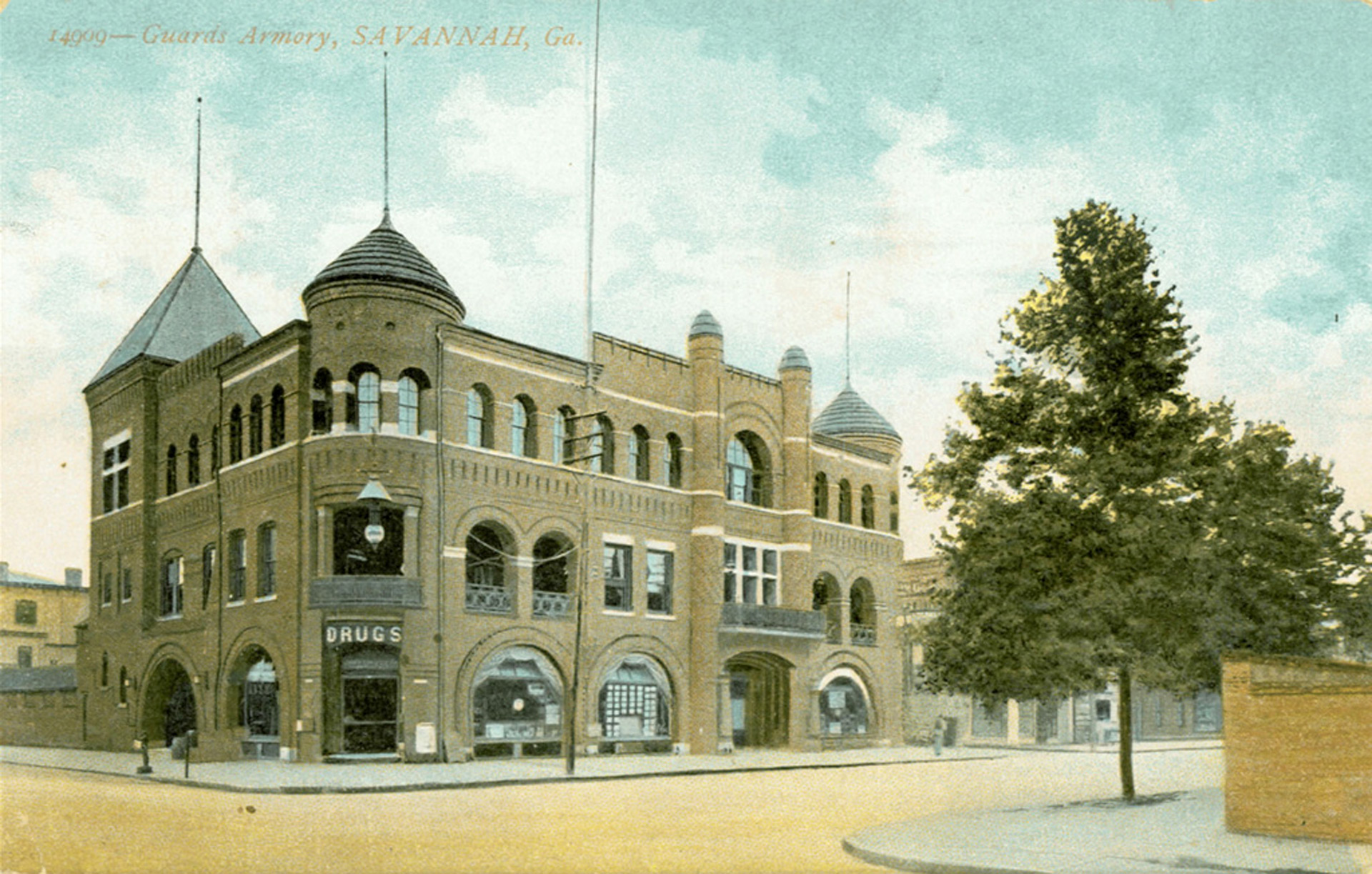
An historic postcard from SCAD's special collections.

An historic postcard from SCAD's special collections.

In recent months, SCAD’s Poetter Hall has been obscured by scaffolding as its façade underwent restoration. The recent removal of the scaffolding has been like a coming-out party for the 123-year-old building, reminding us that an edifice can enjoy many lives.

Originally built in 1892 as the Savannah Volunteer Guards Armory, Poetter Hall embodies changing social and institutional priorities. Nineteenth-century Savannah witnessed the formation of many volunteer militia companies, the Volunteer Guards among the most prestigious. After their grandiose armory overlooking Wright Square burned in 1889, the Guards sought a new location on Bull Street further from the commercial district to the north. They hired Boston-architect William Gibbons Preston, who had already designed several prominent public buildings in Savannah, to formulate their new armory. Preston's castle-like design is a romantic mélange of red brick towers and Romanesque arches, suggestive of a fortress. The 24-pounder cannons flanking the entrance, discovered buried under the previous Volunteer Guard Armory during its demolition, are the oldest extant cannons forged by the U.S. government.

The complex design of the building resulted from the range of its functions. The robust ground floor arches were originally separate rentable spaces. The balconies allowed members of the Guards to watch militia companies parade on Bull Street. Behind those balconies are elaborately decorated reception rooms that reflect the social significance of militia company membership. One such room uses elaborate decorative imagery to celebrate local Native American Indian chief Tomochichi, who helped Oglethorpe establish Georgia in the 1730s and by the 1890s was reemerging in the public consciousness after a century of obscurity. At the rear stands the original drill hall, while along its north side there was a wooden rifle range, later replaced by an indoor swimming pool and now space for parking.

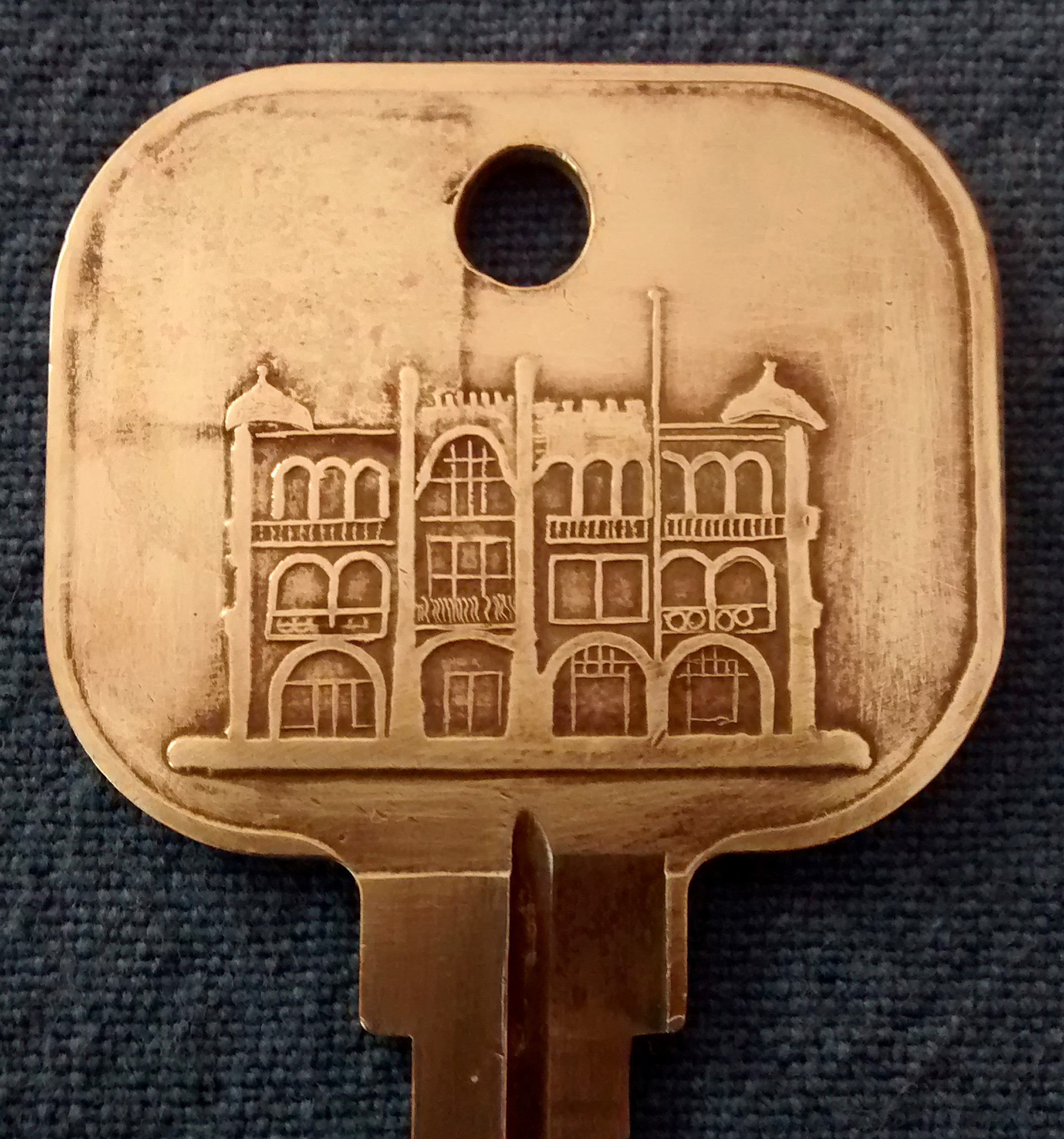
Bronze key with Poetter Hall

In 1978 the Savannah Volunteer Guards Armory became the first of many derelict buildings in Savannah to be renovated and adaptively reused by SCAD. Initially renamed Preston Hall after its architect, this flagship building hosted all college activities. So central was the building to the college’s identity that its façade long served as the SCAD logo, even adorning college keys. As SCAD acquired more buildings, its functions became increasingly selective, most notably the library occupying the former drill hall. The diversity of uses the building has housed attests both to the quality of its design and the ingenuity of SCAD’s leadership. In 1997, the building was rededicated as Poetter Hall, after the college’s co-founders May and Paul Poetter.

SCAD’s adaptive reuse has brought notable changes to the interior, the most dramatic being the enlivening of the dark-stained woodwork with bright green paint that caters to the youthful tastes of prospective students in the building’s current role as the center for SCAD admission. The next time you’re on Bull Street, stop and take a look at this newly refreshed architectural landmark.

‘Scandal’-ous talk at SCAD Museum of Art

May
4
2016
By
Tags:

“We’re in it together,” declared casting director Linda Lowy of her candid relationship with auditioning actors. “It’s never us versus them.”

On Tuesday, May 3, as part of SCAD’s performing arts spring series, Lowy and actor Jeff Perry appeared with SCAD Chair of Performing Arts and Director of Casting Andra Reeve-Rabb at the SCAD Museum of Art theater to talk about the casting process. As Lowy said: “I can’t exist without actors, and actors probably can’t exist without a casting director.”

Working for Shonda Rhimes’ television production company ShondaLand, Lowy has handpicked the talent for “Scandal,” “Grey’s Anatomy,” and “How to Get Away with Murder,” along the way changing the face of television. Diversity has been central to her transformational work. 

Perry, better known as “Scandal”’s venal cretin Cyrus Beene, is co-founder of Steppenwolf Theatre Company, the legendary Chicago-based troupe that springboarded the careers of Gary Sinise, John Malkovich, Joan Allen and Laurie Metcalf. Among his most notable credits, he is Lowy’s real-life husband.

Before the talk kicked off, an enthusiastic student crowd watched video homages to Perry and Lowy suffused with testimonials from Rhimes, Kerry Washington, Sandra Oh and other ShondaLand luminaries. Suddenly, SCAD students Bradleigh Watlington, Tonya Thompson, Christian Noble and Christian Magby rushed onto the stage. “Calling out to ShondaLand, are you ready for a brand new beat?” doo-wopped the quartet, versioning Martha and the Vandellas “Dancing in the Street” with new lyrics devoted to Rhimes’ shows — and their own desire to appear on one. 
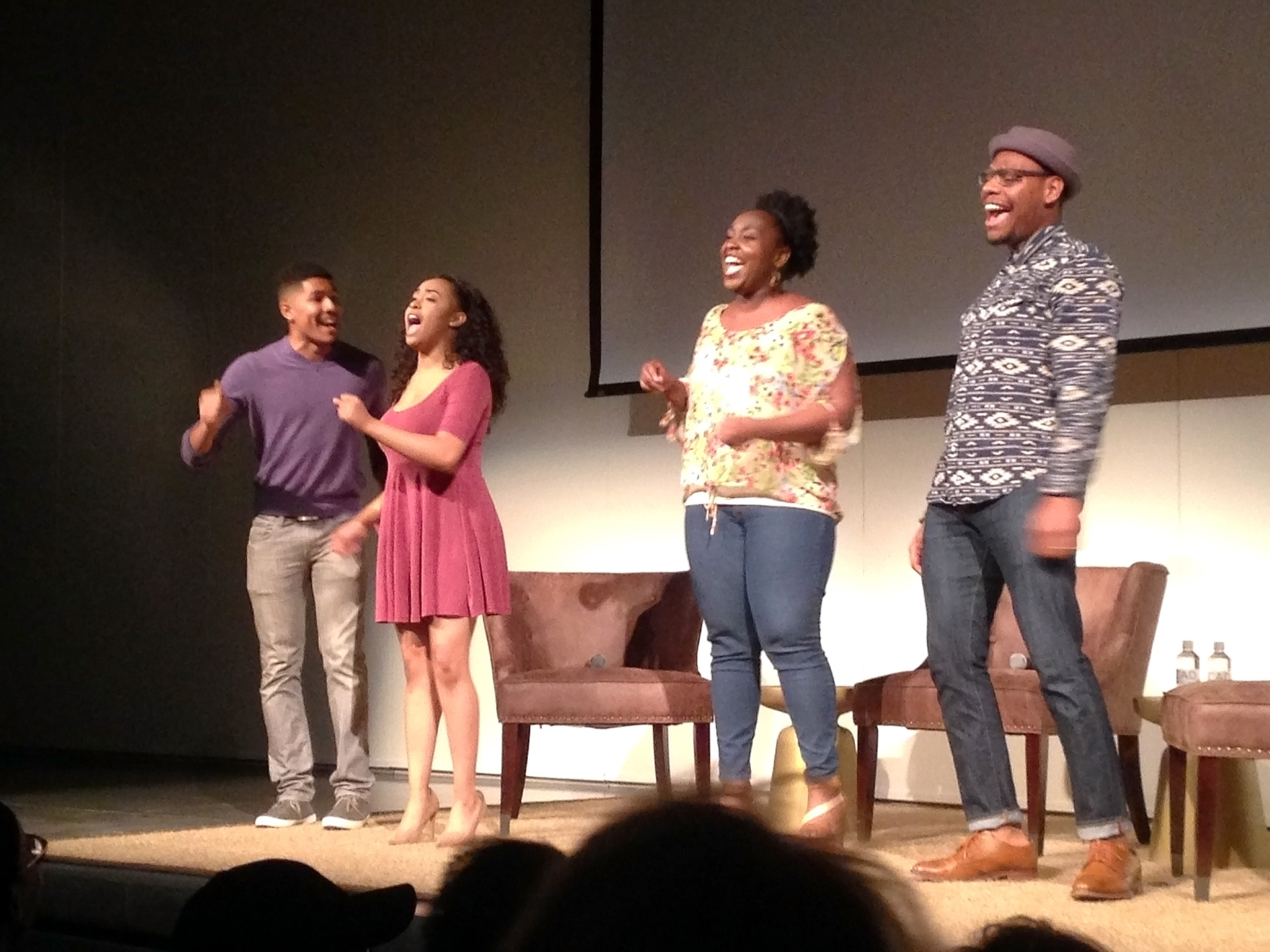
Quartet sings at performing arts spring series

With the energy in the room elevated, Professor Reeve-Rabb asked about the keys to auditioning. “My biggest direction to actors is, ‘Be more you,’” explained Lowy. “Don’t try to be more like the character on the page. Bring more of yourself to it.”

“You’ve got Gillian Anderson playing Blanche, and Cate Blanchett played Blanche, and Jessica Lange played Blanche,” pointed out Perry, in reference to various productions of Tennessee Williams’ A Streetcar Named Desire. “There is not only one choice [of actor] for the material, otherwise how could it exist more than once?”

With encouraging pragmatism, Lowy addressed acting students looking to begin post-SCAD careers in TV, film and theater: “I sometimes see the same actor many, many times without casting them. Kerry Washington had to audition for [the part of] Olivia Pope. She was not offered the role. It was a long process! Eventually the right actor gets the right part, and we’re happy for all the other parts they didn’t get, otherwise I wouldn’t be able to cast them in this one.”

Perry sprang to life when Reeve-Rabb asked him what he likes best about acting. “Everything!” He elucidated his point with a quotation from Shakespeare’s Hamlet on the actor’s obligation to “hold the mirror up to nature, to show virtue her own feature, scorn her own image.” As Perry’s face flushed in rapture, Lowy interjected: “I’ve never heard any of that before. You freak me out, Jeff.” The crowd howled with delight.

This was the spirit of the event: humorous, truthful and full of love for great acting and those who make it possible.

Paradoxical Savannah: A small city with a big role

April
19
2016
By
Tags:

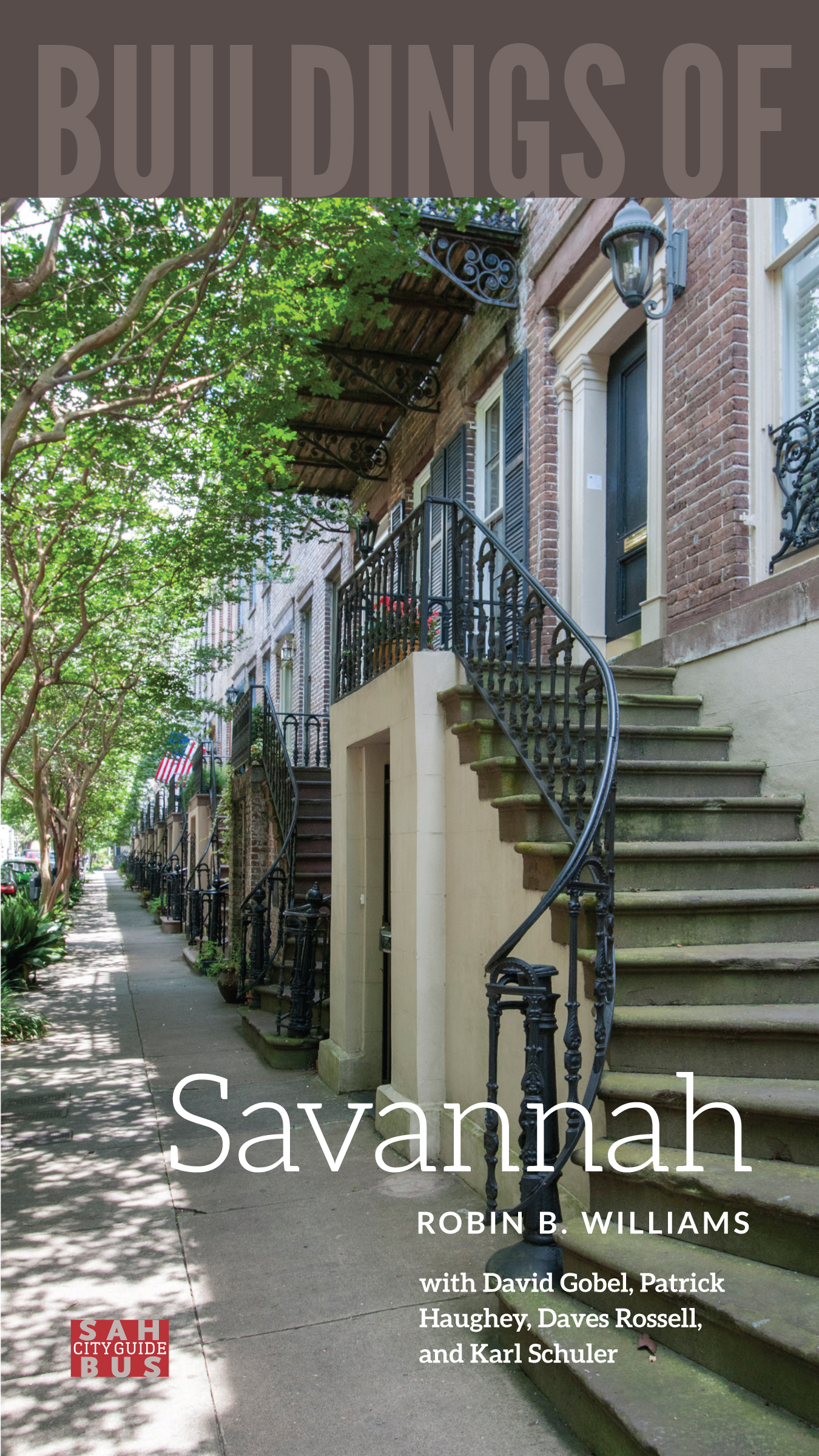
On Wednesday, April 20 at 5:30 p.m. at the SCAD Museum Of Art Theater, architectural history department chairman Dr. Robin Williams will deliver his lecture “Broadening Savannah’s Urban Identity: From the Ideal to the Real,” kicking off the Reading the City series of public programs and celebrating the release of his new book, Buildings of Savannah (University of Virginia Press). Today’s special guest post is a tailored excerpt from that book.

Cover of the book Buildings of Savannah

Few cities in America enjoy so distinctive an urban identity as Savannah, with its squares and broad streets, its trees and bordering marshes, and its remarkable state of preservation. Yet it is a place marked by paradox. Founded in 1733 as an agrarian colony of equals (with slaves, lawyers, Catholics and hard liquor banned), the city prospered greatly from industry, trade, and slavery, with those four prohibitions all becoming part of the city’s identity. Its urban plan attracts worldwide attention, yet few of its buildings are famous or appear in histories of American architecture. A relatively small city (with a population in 2016 of about 150,000), Savannah has nonetheless played a significant role in the religious, military, agricultural, transportation, and industrial history of the country. Most recently the city has served as a model of urban design for both American and foreign planners.

Although the Savannah Plan laid out by James Oglethorpe in 1733-34 is among the most celebrated urban plans in the world, historians don’t know for certain what inspired it. The plan itself involved neighborhood units called “wards,” each comprised of four “tything blocks” for residences and four “trust lots” for public buildings, a central square and a combination of civic and utilitarian streets. Despite its seemingly rigid zoning the plan actually proved to be remarkably flexible as the prescriptive uses of blocks was ignored. Although Oglethorpe evidently never intended for the town to grow beyond its original six wards, the town’s first urban expansion ironically also constituted the city’s first act of preservation. Instead of abandoning the town plan, Savannah’s newly created municipal government retained the Savannah plan ward module, adding three new wards in 1791, but at 80 percent of the size of the original six wards. Later expansions of the plan saw yet more adaptions and adjustments to fit within the irregular confines of the City Commons.

Despite its small size compared to so many other American cities (it currently ranks roughly 180th in the country, just behind Mesquite, Texas, and Clarksville, Tennessee), Savannah has played an outsized role on the national stage. It welcomed some of the earliest congregations of Lutherans, Jews, African Baptists, and Methodists, among other religious groups. The Siege of Savannah in October 1779 was the second bloodiest battle of the American Revolution, while the bombardment of Fort Pulaski in 1862 saw the first use in the world of rifled shells against a masonry fort, signaling the end of traditional fortifications. The Trustees Garden was the first experimental botanical garden in North America, Forsyth Park was among the nation’s first municipal public parks and the Candler Oak was the first tree in the country to be protected by a development covenant in 1985. There are many more ways this small Southern city has witnessed notable “firsts” and stood at the cutting edge – facts that add to its paradoxical charm.

Fancy That

December
4
2015
By
Tags:

In Fancy That, SCAD President Paula Wallace shares a few keepsakes, along with her favorite lucky charm and art by an esteemed alumnus.

Six keepsakes from University president Paula Wallace

1.    EYEBOBS GLASSES

I have an unfortunate habit of misplacing my reading glasses. They eventually turn up – you just never know when and where! For that reason, I own about 10 pairs. These tortoise-shell glasses by Eyebobs are my current favorite – the matte finish is subtle, and they go with everything.

2.    HEREND TEACUP AND SAUCER

I’m a big believer in the fortification provided by afternoon tea. I found this Herend cup and saucer in France about 10 years ago. During the holidays, I like to make my grandmother’s homemade recipe of loose black tea sweetened with a touch of orange juice and her secret ingredient – Tang! There’s something nostalgic about the flavor, and my children look forward to it every year.

3.    “LIBERTY” SKETCH

SCAD alumnus Michael Scoggins donated this work to a scholarship fundraiser a few years ago, and I was the lucky bidder. During his time at SCAD, he had four works purchased by the Museum of Modern Art, and his career has only gone up from there! He continually strives to bring a fresh, childlike quality to his art that reminds me of Picasso’s famous quote: “Every child is an artist. The problem is how to remain an artist once he grows up.”

4.    GLASS EVIL EYE

My friends vacationed in Istanbul and brought me back this substantial evil eye. Also called a Nazar, it’s meant to ward off evil spirits – similar to the Southern tradition of painting your porch ceiling haint blue. This evil eye has the additional benefit of reminding me of my friends, the givers, every time I see it.

5.    CHARM BRACELET

I’ve been collecting charm bracelets since I was a child – my mother gave me my first one when I was five years old. I enjoy how each charm tells a unique story in time. This particular bracelet has an emblem from my high school alma mater, a jade-studded tree, a tiny hymn book, and a locket with baby photos of my children.

6.    BOWL OF ACORNS

I appreciate the symbolism of an acorn: From tiny acorns, mighty oak trees grow. That’s why I incorporated the acorn into the SCAD insignia. Our students are like acorns that flourish and grow into a mighty grove with broad limbs that touch and support each other. This bowl of acorns sits in the SCAD Atlanta Welcome Center as a reminder of the potential within each student.