Skip to main content Accessibility Policy

Snapshots of SCAD alumni in the West and the Midwest

April
24
2014
By
Tags:

From the South, we move West and Midwest for our last installment in this week's series on Savannah College of Art and Design alumni. For those of you who can't make Alumni Weekend 2014 (April 25-27), think of it as a virtual homecoming. With your help and input, however, this reunion of stories can continue througout the year. Please send us your updates to [email protected]

Benny Gold, 1998
B.F.A., Graphic Design

Where are they now: Owner and designer of Benny Gold store and design studio in San Francisco, Calif.

One word that describes time at SCAD: Inspirational
Benny Gold

Favorite SCAD memory: My favorite memory of my time at SCAD was falling in love with graphic design. Before attending college, I had no idea what it meant to be a designer. Thank you!

Biggest changes in the field since graduation: The biggest change in my career path was making myself the client. After graduating, I was working in design firms and corporate jobs until I took the chance to develop a personal project. I am glad I did and haven't looked back since.

Advice to students: The best advice that I can give is to not be afraid of rejection. When I graduated, I sent out a million resumes and barely got any call backs. It took close to a year to land my first real design job. Once someone took a chance on me everything started to fall into place.
Backpacks
Lookbook photo from Benny's design collaboration with JanSport and Pendleton.
 

Mike Wohnoutka, 1993
B.F.A., Illustration

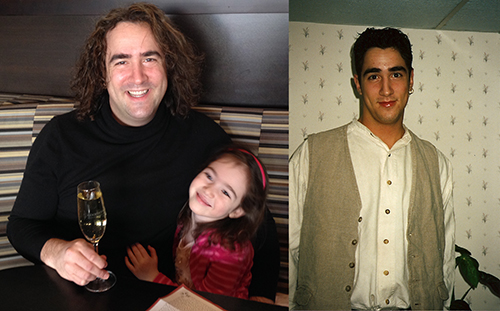
Where are they now: Freelance illustrator and author in Minneapolis, Minn.

One word that describes time at SCAD: Challenging (in a good way)

Mike Wohnoutka as a young student and today

Favorite SCAD memory: Seeing David Shannon's presentation on how he illustrated his first children's book.

Biggest changes in the field since graduation: There are so many creative people pushing children's books in every direction. It's very exciting to see how this medium has grown and changed in so many positive ways since I graduated.

Advice to students: Persistence is the key...seriously.

Cover of Big Green Monster by Mike Wohnoutka
Mike's first book as both illustrator and author coming out this Fall, published by Holiday House.


Laurence Rothman, 1997
B.F.A., Fashion Design

Where are they now: Director of digital messaging and eCommerce at Crown Partners in Columbus, Ohio.

One word that describes time at SCAD: ENLIGHTENING

Picture of Laurence Rothman as a student and today

Favorite SCAD memory: Classes with the late Ben Morris, professor of fashion design. Professor Morris worked for Givenchy in the 1950s and was a fashion editor at The New York Times. His classes were amazing.

Biggest changes in the field since graduation: That's a simple one. Fashion went from being an art to a business. When we were learning, it was more about the art form and being able to conceptualize things. These days, it's all about lifestyle marketing rather than being an artist.

Advice to students: Be very willing to accept feedback and learn from people because that's the only way you'll grow your career, and go outside your comfort zone because you'll never grow if you stay in your comfort zone.


Michael Myers, 1987
B.F.A., Photography

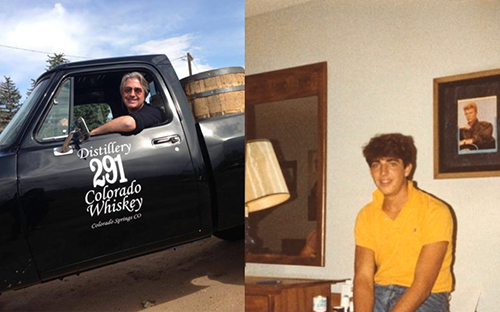
Where are they now: Was a New York fashion and beauty photographer for more than 25 years, now the head distiller and owner of Distillery 291, making award-winning Colorado Whiskey in Colorado Springs, Colo.

One word that describes time at SCAD: Unprecedented

Picture of Michael Myers as a student and today

Favorite SCAD memory: Breaking all the rules of photography while shooting images for my nature photography class.

Biggest changes in the field since graduation: The change from analog to digital photography reducing the number of jobs in the photography industry.

Advice to students: Follow your passion and do what you love; be an artist and do your work to your enjoyment.

Photo of child by Michael Myers
Photo from a series Michael created in Africa.


Catherine Asanov, 2009
B.F.A., Photography

Where are they now: Freelance fashion and advertising Photographer in Los Angeles, Calif.

One word that describes time at SCAD: CAPTIVATING!

Catherine Asanov

Favorite SCAD memory: Studying abroad in Lacoste and being able to travel around Europe.

Biggest changes in the field since graduation: Photography field merging into video.

Advice to students: Being a successful artist requires work and passion for your art. Anything is possible with will and determination.

Fashion shoot by Catherine Asanov
Photo from one of Catherine's recent fashion shoots.
 

What makes a college Emmy 'Possible'?

April
23
2014
By
Tags:

Tonight, Prasad Narse (M.F.A., animation, 2014) will learn whether he'll take home one of the most coveted prizes for film and television students: a College Television Award for his animated short "I M Possible." Watch the live webcast of the 35th annual awards tonight at 7:30 p.m. PDT. 

Since making the film at Savannah College of Art and Design, Prasad has garnered significant acclaim. In addition to the college Emmys, "I M Possible" won a Best of Festival award from the Speechless Film Festival and a Star of Festival award from the Grand Film Festival. In early May, Prasad will learn whether the short will be accepted by the Los Angeles Film Festival. The work Prasad did as a graduate student at SCAD continues to pay off, even as he works full-time as a CG animation intern at Laika in Portland, Ore.

Thread: Congrats on the success of your film. Why is it resonating with audiences?

Prasad Narse: Audiences relate to the trauma of the hero "Christopher" and his sheer grit in overcoming his weakness and making his weakness his strength. There are audiences who ‘never say die’ and this film confirms that outlook. Most of us struggle with something in life and this film must be encouraging audiences to keep going and not give up. I think the passion with which this movie was made comes across clearly to its audiences, as well.

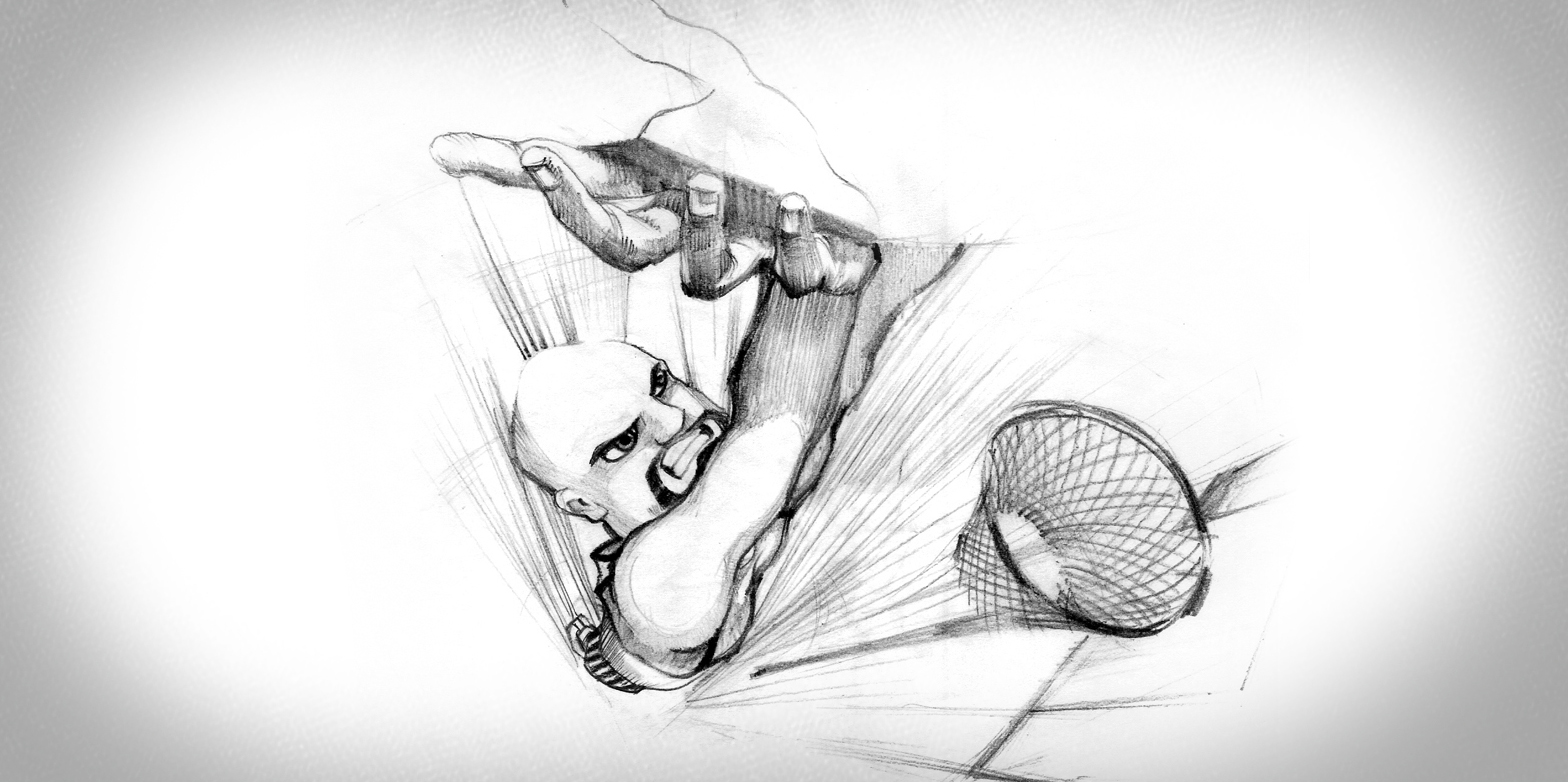
Earlier character sketch of man dunking
Early character concept for Christopher, pencil and marker

T: You create such empathy for the main character. What is the secret to conveying such searing emotions through animation?

PN: Just like actors, an animator has to feel the emotions before driving his characters in a shot. Observation is the key. Certain poses or facial expressions tell us everything that is going through a character’s mind. In animation we tend to use these as story poses, which are often remembered by audiences even after the screening of the film. 

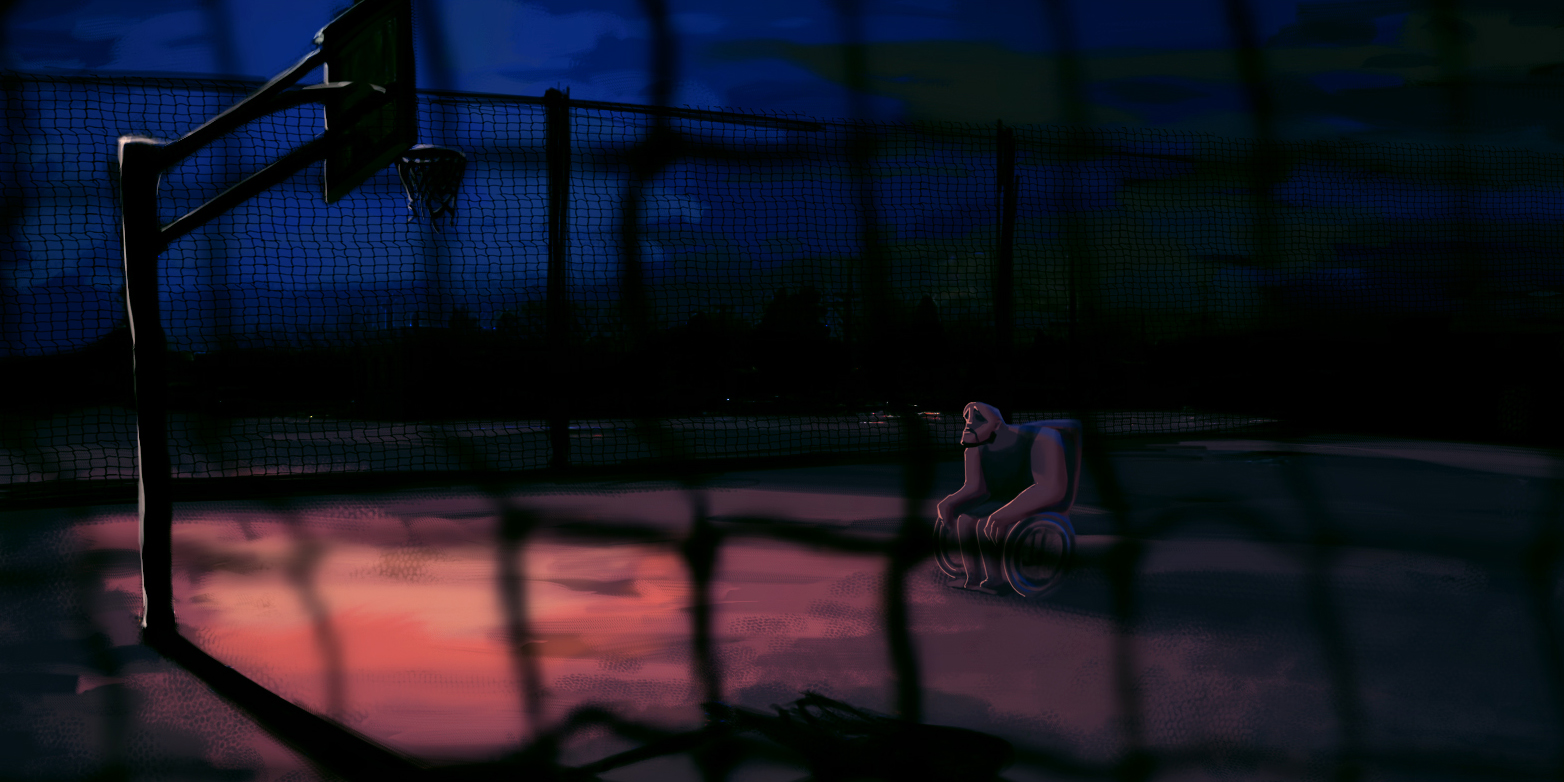
Digital painting by Prasad Narse of man sitting on basketball court
(Hopeless Night) Christopher's Court, digital paint

T: What inspired the film?

PN: My father is my inspiration. He taught me that everything is possible if you believe in yourself. He was a sportsman. Though he played cricket his entire life, he was passionate about all sports. Even after a tragic accident, which left his body paralyzed, his passion and love for sports didn’t diminish. Medically his condition was incurable, but he still had the grit to withstand it and wanted to make the impossible, possible. I sensed that it was his sportsman’s spirit that gave him the strength to withstand every adversity. This heartrending experience left me with the desire to make my thesis film “I M POSSIBLE”  while studying animation at SCAD and learning to convey emotions through fictional characters.

Artwork by Prasad Narse of basketball

T: What was your father’s reaction?

PN: My father passed away twelve years ago. I know that he would have been extremely proud of me. The pride I wished to see in my father’s eyes is now reflected in my mother’s eyes. She is my strength, my friend, my guide, my mentor and my comforter and it is because of her and the vision she had of me today that ‘I am possible.’ I dedicate this film to my father, however, my I feel my future is going to be great because of my mother. I miss you, Dad, and hats off to you, Mom.

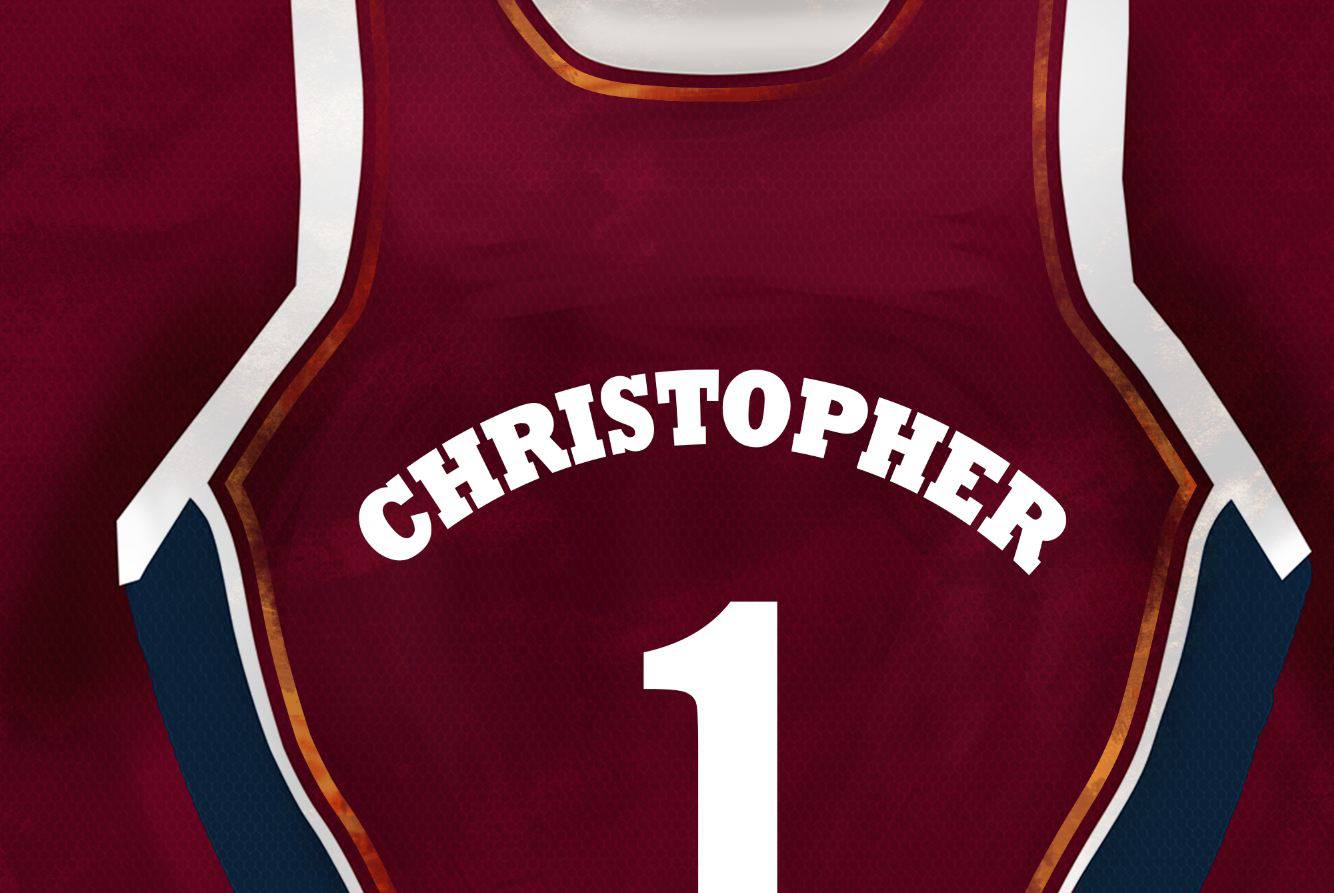
Artwork by Prasad Narse of red basketball jersey

T: Tell us about your crew.

PN: We started in Summer 2012 as two students and eventually grew to 18. The entire crew is from SCAD except Brandon Clements, who is a student of Purdue University. The most interesting thing is that the crew members had never worked together and didn’t even know one another before the project. In the process of making this film, many of them graduated, however each one made a major contribution.

T: How did you prepare for your internship at Laika?

PN: The training, mentorship and dedication to quality at SCAD are par excellence. I learned all the nuances of animation there. The quality of work I did at SCAD was one of the major reasons that Laika decided to take me on as an intern. When I came to Laika, my supervisor told me that he enjoyed the performance of "Christopher" in my animation reel. In the last two and half months I have animated more than 15 shots for Laika’s commercials, like the M&M's "Bachelor" spots, and those for Shaw Cable and International Delight. Working on Laika’s short film is a big experience and it will be out soon.
 
Artwork by Prasad Narse of a man's face

T: What trends or technologies in animation are you watching?

PN: I am fascinated by the stop-motion animation technique, which uses a puppet animation. The hardest thing is to animate each and every frame. I think this is the most challenging way of animating, where an animator has to be prepared to redo the shot again and again. One shot of 450 frames may take up to 18 hours a day. I am also eager to jump into visual effects and animating for live action projects.
Character expression sheet by Prasad Narse
Christopher Expression Sheet, pencil and digital paint

T: What’s your advice for aspiring animators?

PN: Working on a personal project is different than working in the industry. I’ve learned from my internship that an animator must be able to change his shots according to the director’s vision. Nothing is fixed until the director approves it. While studying animation, follow your professors’ lead.  Plan your shots, collect references as much as possible, and don’t jump directly into 3D software. Try to take sufficient breaks while animating, animate in poses and then refine timing. Get enough of sleep, be alert and continue to take creative direction well.

Where will an education in art and design take you?

April
22
2014
By
Tags:

For the first wave of Savannah College of Art and Design alumni snapshots that we're featuring on Thread this week, here's a sampling from the Northeast. Whether they happen to be your geographical neighbors, or hail from your graduating class, read on to find out what these alumni are doing now, their perspectives on their profession and advice for aspiring artists and designers.


Chuck Chewning, 1986

B.F.A., Historic Preservation/Interior Design

Where are they now: Creative director at Donghia and design director at Studio Rubelli in New York City.

One word that describes time at SCAD: Transformative
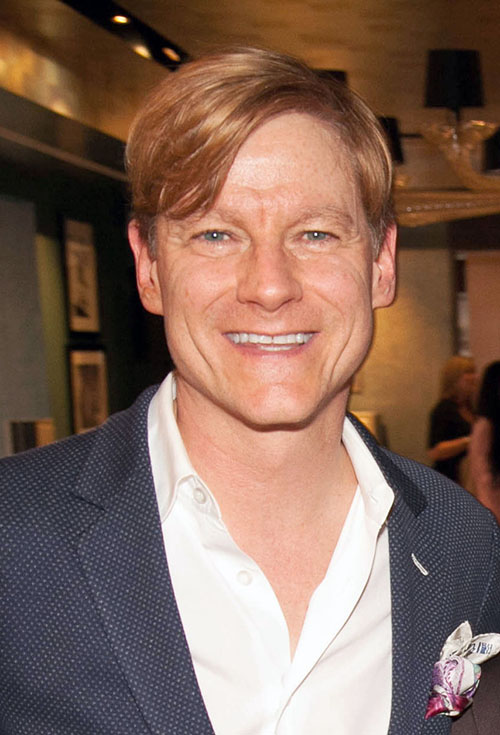
Chuck Chewning

Favorite SCAD memory: Being put in charge of the SCAD Christmas tree with SCAD alum Cuffy Hise Sullivan for the Savannah Festival of Trees.

Biggest changes in the field since graduation: The interior design field has become more competitive, being challenged by do-it-yourself retailers, television design shows and the Internet. The days of exclusivity to trade only resources and the value of professional design services is fading and more difficult to justify. There still are those clients that understand and aspire to hire expert designers.

Advice to students: View yourself as a brand. You are competing with thousands of other people in your field. Understand your strengths and exploit them. Package yourself so that you set yourself apart from the competition. To achieve this you must work incredibly hard, constantly.
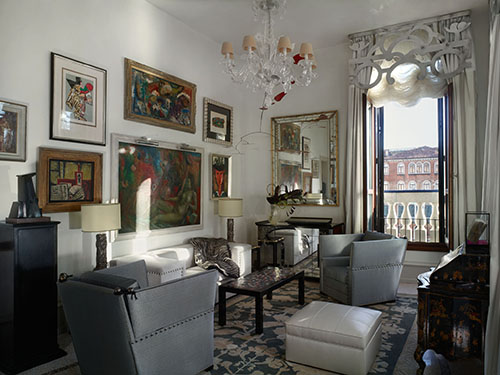
Living Room of the Guggenheim Suite after the restoration of the Gritti Palace in Venice, Italy
Living Room of the Guggenheim Suite from the recent restoraion of the Gritti Palace in Venice, Italy.


Bernard Urban, 1988

B.F.A., Advertising/Film

Where are they now: President and creative director at Gigantic, a digital branding agency that works with Fortune 1000 brands in New York City.

One word that describes time at SCAD: Vivid
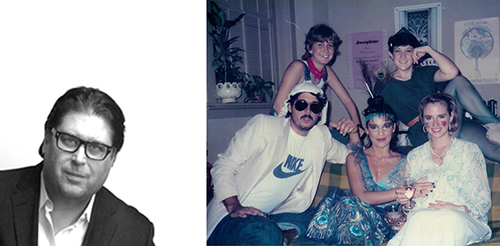
Picture of Bernard Urban as a student and today

Favorite SCAD memory: Photo critiques with Pete Christman.

Biggest changes in the field since graduation: Computers — the most wonderful and terrible things ever invented.

Advice to students: Don’t chase your dreams. Relentlessly hunt them down.
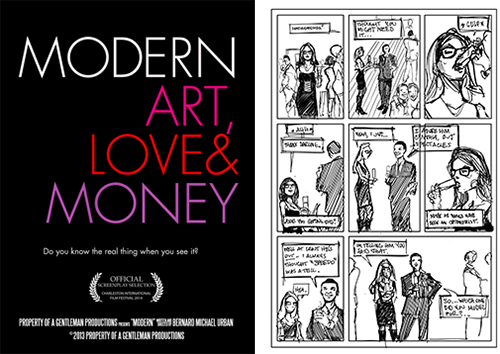
Poster for the film Modern
MODERN is a feature film Bernard has written and plans to direct later this year. The screenplay was named an Official Selection at the 2014 Charleston International Film Festival. 


Michael Phillippi, 1997/2004

B.F.A., Sequential Art/M.F.A., Illustration

Where are they now: Senior concept artist and illustrator at Mythic Studio in Washington, D.C.

One word that describes time at SCAD: Productive

Michael Phillippi illustration of different animals

Favorite SCAD memory: Getting to know my professors as peers.

Biggest changes in the field since graduation: Digital painting

Advice to students: Be self-motivated and drive your own career.
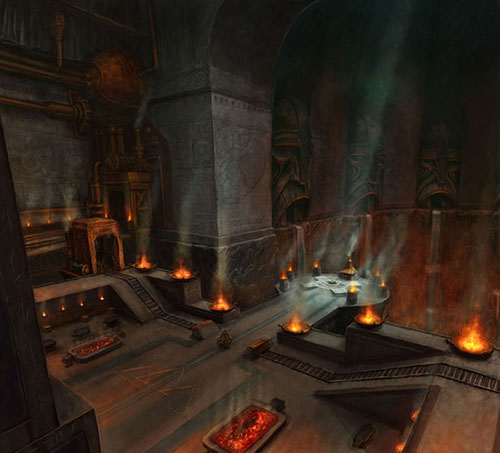
Digital drawing by Michael Phillippi
"Dwarf Forge" concept environment digital drawing


Alexander Hammer, 2006

M.F.A., Film and Television

Where are they now: Editor and director for films, music videos and performances, residing in New York City.

One word that describes time at SCAD: Chrysalis

Picture of Alexander Hammer and today

Favorite SCAD memory: Transforming what is now Savannah's Premiere Craft Beer & Gastropub, The Distillery, from a condemned derelict warehouse into the fantastical world of "The Distant Journey."

Biggest changes in the field since graduation: Because of 'accessibility' now, more than ever before, we are overly saturated by media (from 'big money' to iPhone home video) with constant stimuli loudly grasping for attention in every way possible. While this may garner exposure, 'more' doesn't equal quality, but rather becomes white noise in a world of shorter and shorter attention spans. However, I have seen this push the greats to be greater because the good stuff still stands out, but it is just harder to spot.

Advice to students: Don't strive to make 'more', instead make 'great', which will be more meaningful and rise above the noise.


Bryan Gardner, 2006

B.F.A., Photography

Where are they now: Photographer for Martha Stewart Living Omnimedia in New York City.

One word that describes time at SCAD: Inspiring
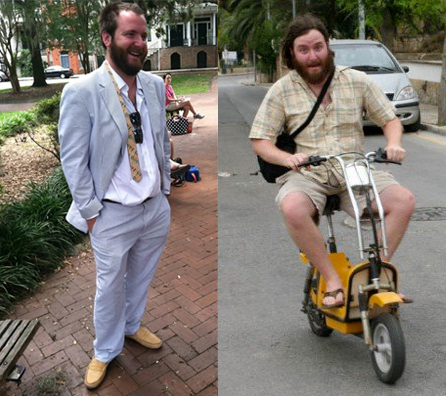
Picture of Bryan Gardner as a student and today
Favorite SCAD memory: The night I met my wife, best friend and love of my life.
 
Biggest changes in the field since graduation: The biggest change is technology over all. When I was graduating, the photo depart was pretty new to digital. They still had a color darkroom. Now, to take a photo you just pull out your smart phone and upload it to Instagram, which I love. As technology changes, more and more options of how you can accomplish taking and sharing a great photo become available and that is a very exciting aspect of this industry.

Advice to students: You should always be trying to improve your craft, reach out to everyone you know, put in your time and don't think you're "too good" for anything. Good things will come.

Bryan Gardner photographer of food
Colorful food photography by Bryan.


Ariel Ray Lilly + Christina Coniglio, 2009

B.F.A., Fashion Design

Where are they now: Co-founders of Rae Francis in New York City.

One word that describes time at SCAD: MAGIC

Ariel Ray Lilly and Christina Coniglio in a crosswalk

Favorite SCAD memory: Meeting each other at SCAD and launching Rae Francis because of it!!!

Biggest changes in the field since graduation: The biggest change we have seen in fashion is a huge push in young design. We are so lucky to be a part of fashion right now, where consumers are really inspired and interested in up and coming brands.

Advice to students: Never say "no" to an opportunity because you never know where it may lead you.

Two designs from RaeFrancis
Two designs from RaeFrancis' most recent spring lookbook.


Katherine Barron, 2012

B.F.A., Fashion Design

Where are they now: Womenswear designer in New York City.

One word that describes time at SCAD: Exhausting

Picture of Katherine Barron as a graduate and today

Favorite SCAD memory: Spending the day with designer Ralph Rucci at his NYC atelier.

Biggest changes in the field since graduation: No notable change that I have seen.

Advice to students: FIND A JOB.

Garment by Katherine Barron
Katherine's design of a hand embellished, felted cashmere coat.
Snapshots of SCAD alumni in the South

April
23
2014
By
Tags:

Next in our week-long series profiling Savannah College of Art and Design alumni are four artists and designers who represent the South. They've set up shop relatively close to SCAD's location in Savannah and Atlanta stomping grounds, but have gone far in terms of creating successful entrepreneurial enterprises, and they reflect the wisdom to prove it.
 

Taylor Welden, 2006
B.F.A., Industrial Design

Where are they now: Industrial designer and owner of Taylor Welden Industrial Design in Austin, Texas.
One word that describes time at SCAD: Vitalizing.

Picture of Taylor Welden as a student and today

Favorite SCAD memory: The beautiful, romantic city of Savannah infused with vibrant, energized young talent from around the world.

Biggest changes in the field since graduation: 3D printing is and will continue to change the way products are designed and manufactured for consumers around the world.

Advice to students: 3D printing is and will continue to change the way products are designed and manufactured for consumers around the world.

Array of designed products by Taylor Welden from a watch to backpack
Various design projects by Taylor, including photography, hiking bags and spy watches.


Marialexandra García, 1997
B.F.A., Fashion Design

Where are they now: Entrepreneur, designer and creative director for Marialexandra, Fourteen, OutPlay and Carême in Miami, Fla.

One word that describes time at SCAD: Busy

Pictures of Marialexandra García as a young graduate and today

Favorite SCAD memory: Meeting Ben Morris and having him review my designs.

Biggest changes in the field since graduation: Everything is done on Illustrator, Photoshop, with computer aided design; too few still enjoy and have the need to design by hand. A computer generated flat will never compare to the beautiful strokes of a color pencil or paint brush that can convey the movement of the fabric.

Advice to students: Read anything you can get your hands on that can feed your mind, and never be afraid to change the world.

Wedding gown designed by Marialexandra García
Ornate wedding gown designed by Marialexandra.


Clifton Guterman, 2001
M.F.A., Performing Arts

Where are they now: Instructor, actor, and associate producer at Theatrical Outfit in Atlanta, Ga.

One word that describes time at SCAD: Vigorous

Pictures of Clifton Guterman as a student and today

Favorite SCAD memory: Two years of intense graduate level work and months of research culminated in March 2001 with the opening night of my one-man thesis show, "Bosie" (about Oscar Wilde's infamous lover, Lord Alfred Douglas), which I acted in, self-wrote, self-designed (sets, costumes, props) and self-marketed.

Biggest changes in the field since graduation: The performing arts, like other industries, have become increasingly computer/electronic-heavy, but - in turn - funding (especially for theatre) is always elusive and regressing. So, actors and producing companies now rely heavily on self-promotion, free social media, inventive marketing, fundraising campaigns, solo projects, web projects, etc. Also, casting is now very high-tech, so the expectation is faster/sooner/slicker, and actors and agencies must submit quickly and electronically to keep up and rise ahead.

Advice to students: Value and absorb all you can learn from professors, but seek and seize every opportunity to speak with artists currently working in the field, and explore internships, off-campus opportunities, apprenticeships, mentors, etc., while reading and exploring everything you can about your industry because the smart artist armed with practical, applicable and current skills has the advantage over one whose knowledge is just theoretical.

Clifton Guterman on stage
Clifton in two of his most recent productions, "Wolves" and "Nicholas Nickelby."


Jason Kofke, 2005/2012
B.F.A., Painting/M.F.A., Printmaking

Where are they now: Studio artist in Atlanta, Ga.

One word that describes time at SCAD: Edifying

Pictures of Jason Kofke as a student and today

Favorite SCAD memory: My favorite memory and most important experience I had through SCAD was the three months I spend in New York through the painting department's New York Studio Space.

Biggest changes in the field since graduation: In fine art and painting, economic changes have caused many fine artists to be more self-reliant and inventive in terms of business - essentially becoming their own small-business owners. And through these changes communal projects, artist residencies, and collaborations are more reliable support systems than academic institutions or gallery networks. Emerging artists have adapted to a lack of long-term institutional support (such as teaching jobs) by navigating a growing network of temporary project-based entities such as residencies, competitions, and calls for entry for specific project agendas.

Advice to students: The job you are meant to have does not exist because you have not invented it yet. Also, pity those who sacrifice long-term goals for short term success. Also, disregard career advice from those who took a career rather than created one.

Artwork by Jason Kofke
A piece from Jason's ongoing "Everything Will Be OK" art campaign.


Lighten up: behind the redesign of Mohawk Flooring’s HQ

March
28
2014
By
Tags:

Gadflies like Google have tipped us off that our work places needn’t be drab utilitarian environments lacking inspiration and intentional design. Mohawk Flooring is one of the latest employers to create a place that’s as imaginative as it is functional; that speaks to its history as one of the world’s most successful manufacturers of floor coverings. This fall, Mohawk enlisted interior design students from Savannah College of Art and Design to reimagine its Dalton, Ga. headquarters. The result of the 10-week sponsored project of SCAD’s Collaborative Learning Center was a plan that Mohawk accepted wholesale, with no changes.

Design board
The design board the SCAD team submitted during their final presentation to Mohawk reps.
As Mohawk begins construction on that plan, here’s a look back at the project with SCAD senior Bradley Odom, who also works full-time as West Elm’s director of design education. Mohawk selected Bradley’s “Light Lab” as the guiding design force for the renovation.
Bradley Odom deliver concept
Project manager Bradley Odom and his fellow students delivered the final concept to Mohawk at SCAD Atlanta.

Thread: The first step was to visit the Mohawk site. What were the takeaways?

Bradley Odom: The field trip enabled us to immerse ourselves in the actual space. We were able to see the beauty of the building and the natural mountainous area it’s surrounded by. We also worked one-on-one with the client - users of the space - to understand their needs. This relationship was very important to our overall design.

T: What inspired Light Lab and how does it fit Mohawk’s objectives?

B: The client desired a more open work environment. They were looking for a paradigm shift in their culture and to create a place that fostered collaboration.

Site plan
The site plan for the redesign of Mohawk's headquarters.

B: The existing skylight in the center of the space served as inspiration, as it allowed natural light into an area where people could converge to collaborate. The primary motivating goal was to create a place where design is first and foremost. Mohawk designs beautiful product, yet it was not the primary focus when entering, and I thought it should be. In the final design, the Light Lab is a place where visitors and employees can engage in the design process by seeing the resources, products and the people who are designing the products.
Installation spelling out Mohawk
A model installation that the team proposed to reference the importance of weaving and threads to Mohawk's legacy.
T: Describe some of the unique features that the SCAD team included in the plan?

B: One of the most unique features is the water bottle wall. This was inspired by the client’s reputation in the industry as one of the world’s largest recyclers of plastic water bottles. Mohawk uses the recycled bottles to create carpet tiles. I believe visitors should learn this upon entering the building. Another great feature is the lighting. In the Light Lab plan we included a lighting element that would project natural and artificial light through cut out metal onto the floor in the form of keywords that described the overall concept and Mohawk as a company--INSPIRE, EXPLORE, DESIGN.
Sketch with skylightLighting fixture with woven thread
A sketch of how a lighting element filters natural light from the skylight and a prototype of a light fixture that also plays on the theme of weaving.
B: The dining area was a new feature for this space. We included stadium type seating for a more casual area, counter height dining and typical table and booth seating. The multiple seating heights provides flexibility for the employees and the space. We also included a communal dining table.
Sketch of stadium seating
Stadium seating was proposed for the dining area.

T: The client had no changes to the concept you presented. What was the key to your success?

B: Seeing the space, listening to the client and one of the elements that was key to articulating the concept: imagery. Finding the right inspiration images to articulate what I was trying to convey was very important.
Materials board
Paint chips and swatches for floor coverings.

B: In conveying the concept, I wanted to make a statement that was brief, but powerful. I believe the concept statement and imagery together met all of the clients needs. But the number one reason for the overall success was the collaboration of my peers and the expertise of Professor Liset Robinson. The concept was my idea, but my peers and my professor helped to bring all of my ideas to fruition, and expanded on them. The project couldn't have happened in the given time span without the contribution of everyone on the team.


6 mobile game apps to install now

March
25
2014
By
Tags:

Ok, so we’re a little biased in that all of these games bear the imprint of students, faculty or alumni from Savannah College of Art and Design animation or interactive design and game development, one of Princeton Review's top programs for Video Game Design. Just a nip of some Georgia-grown fruit, and a nosh while we wait to learn whether another SCAD game is chosen for the second E3 College Game Competition this summer.

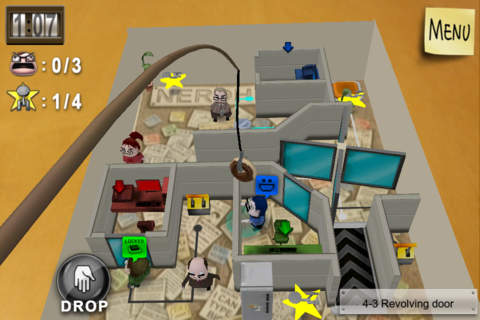
NerdHerder by Georgia Tech
Still of Nerdherder
‘Herd nerds through a distracting office space!’
Art Director: Paul Tillery (B.F.A, Animation; M.F.A., Animation)
Project Director: ITGM Professor Tony Tseng

République by Camouflaj LLC
Still from République
‘Intense, thrilling, and topical, RÉPUBLIQUE is a stealth-action game that explores the perils of government surveillance in the Internet Age.’
Game Designer: Paul Alexander (B.F.A., ITGM)
Character Artist: Travis Overstreet (M.F.A., Animation)

Ride ‘Em Rigby by Cartoon Network
Still from Ride ‘Em Rigby
‘Help Rigby hang on for dear life as Muscle Man rampages through the park. Jump, duck and grab power-ups to keep your ride going as long as you can.’
Producer: Lee Ann Kinnison (B.F.A., ITGM)

Bunny Reaper by Daily App Dream
Still from Bunny Reaper
‘Fun, cute, and a tiny bit cruel! Grab your trusty scythe and jump into the role of the Grim Reaper on his quest to collect the souls of bunnies!’
Game Artist and Level Designer: Molly Proffitt (B.F.A., ITGM)

Hot Mess by Nicholas Ralabate
Still from Hot Mess
‘HOT MESS is the story of a firefighting robot and its adventures helping everybody out.’
Art Director: Michael Stanley (B.F.A., ITGM)

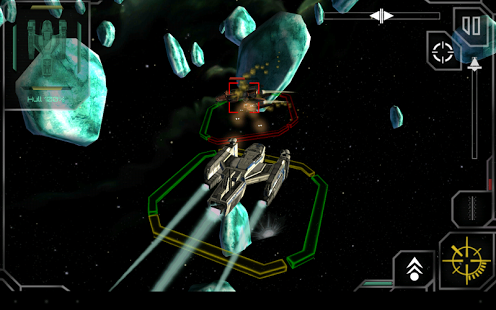
Darkdawn Encounters by Leo Ceballos
Still from Darkdawn Encounters
‘A game of 3D, tactical starship combat.’
Producer, Artist, Designer and Programmer: Leonardo Ceballos (M.A., ITGM)

Making room in a micro-house

March
20
2014
By
Tags:

Suffice it to say that counter and storage space will be scant in Savannah College of Art and Design’s SCADpad® micro-house, measuring 8 feet wide by 16 feet long. So where will the inhabitants put all their, well, stuff? This is the challenge that industrial design students working on SCADpad received.
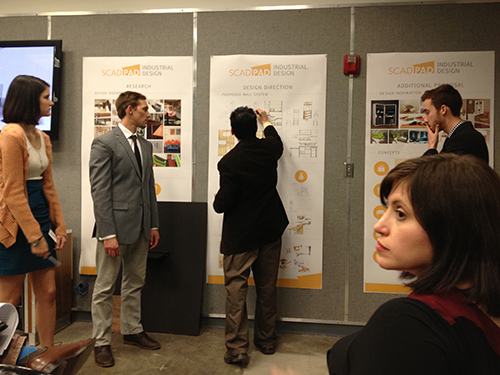
School of Design dean provides feedback to students work
School of Design dean Victor Ermoli gives feedback on students' early concepts.
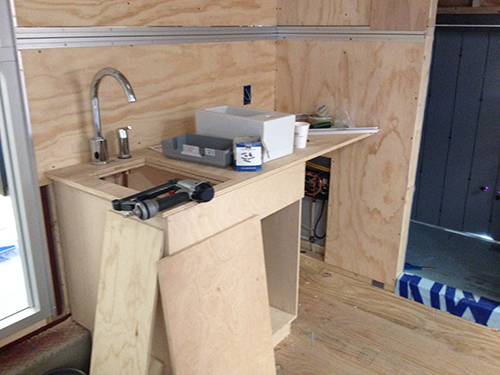
Sink and kitchen area under construction in SCADpad
The metalic rail above the sink in SCADpad's kitchen is the backbone for wall panels that will provide storage and organization.

The SCADpad brief for industrial design required the team to create a modular wall system to organize residents’ what nots. On top of that challenge was the call for something sustainable and customizable, according to the residents’ unique lifestyles. Oh, and one more thing: the wall system had to be a host for art, not an eyesore of metal and plywood that you’d find in an average garage.
Sketches detailing SCADpad's wall systemDrawing detailing the desk area in SCADpad
Early sketches of the modular wall system.

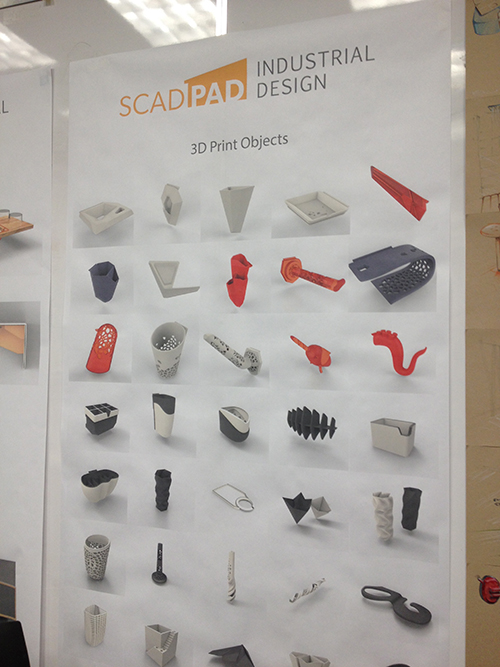
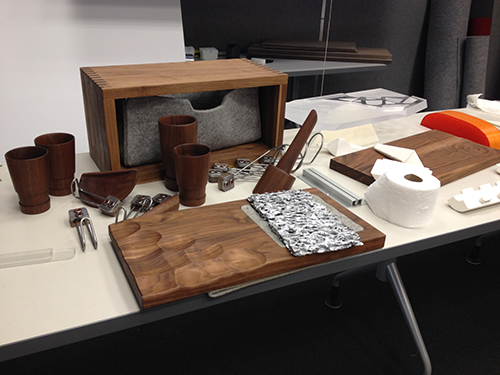
SCADpad isn’t just about living small, it’s about living artfully in a dramatically reduced footprint; about minimizing accessories in order to maximize art. Here are some of those accessories – including utensil holders, soap dishes, hangers and towel rods that can be housed in the wall system - and a sliver of the art that the students’ designs make room for.
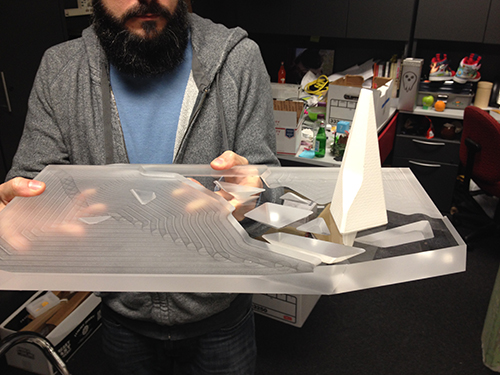
Display of objects that will be 3D printed
A sampling of the components and accessories that the wall systems in SCADpad will house. All will be made with 3D printing technology to eliminate the need for shipping and packaging.
Box full of diningware
Shelf
Decorative shelves in walnut and acrylic add artful elements to the SCADpad modular wall system.

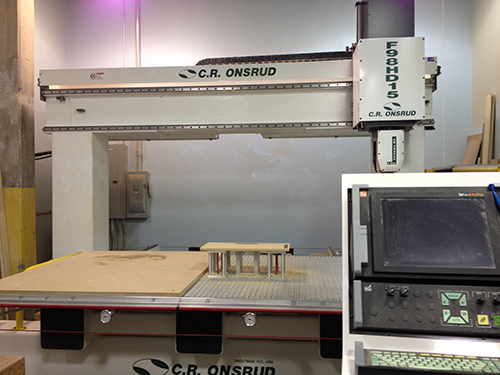
Woodworkers made walnut shelves and storage boxes directly from student drawings. Later, nature-inspired textures were applied by a 5 axis CNC router. So in addition to learning about time and client management, the students mastered the process of readying their designs for both collaboration with technology and craftspeople.
CNC router
The 5 axis CNC router is available for student projects at SCAD.

Other experts that the industrial design students collaborated with were their peers in fibers, whose patterned felt wall panels and storage boxes soften and beautify their functional wall system and components. Similarly, the team consulted with students from furniture design for their technical expertise. The results are a far cry from the tree houses, FEMA trailers and huts the students have experienced during their travels; experiences they referenced along the way to inspire designs for SCADpad.

Next, the industrial design team will tackle the touch points residents will use to control SCADpad's home systems, like heating and air. Service design students are heading up that aspect of the micro-house prototypes.

Designing furniture for a micro-house on a micro-timeline

March
12
2014
By
Tags:

Though their names have yet to be announced, the students who will have the good fortune to live in the micro-housing prototypes being constructed at Savannah College of Art and Design weigh heavily on the minds of the designers and builders who are quickly making SCADpad® a reality.
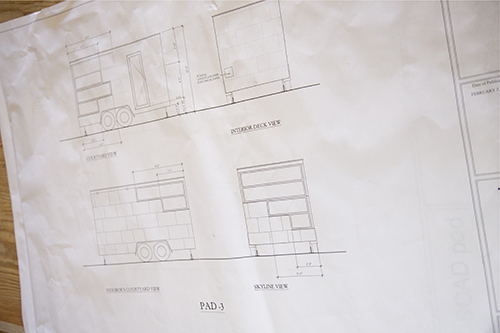
Plans for SCADpad
Plans for the SCADpad prototypes.
Construction of SCADpad
Teams are constructing the SCADpad units in Savannah for transport to Atlanta.
Sink during construction of SCADpad
SCADpad's kitchen taking shape.

It was late January when I visited one of the first SCADpad reviews, where students from industrial design, interactive design, design for sustainability and furniture design presented their initial ideas for tricking out the three SCADpad prototypes. Fast forward six weeks, when I caught up with the furniture design students again, and I was floored by their progress. At the beginning of winter quarter, the group was just beginning to grapple with how to design furniture for the extended living areas that will surround the SCADpad micro-community: a shared gaming area, rapid prototyping area and lounge area.
Students present their designs for SCADpad
Furniture design students present early concepts for modular pieces with the goal of maximizing adaptability.
Panel sits in front of student presenters
A panel of faculty provide their feedback on the students' initial ideas and pose challenging questions.

One of the biggest questions they faced was how to simplify the furniture enough to make it adaptable for SCADpad residents. Senior Rachel Biancofiore (B.F.A., furniture) gave Thread a peek at how they tackled it:

Also during their initial review, school of design dean Victor Ermoli challenged the students to incorporate illumination into their designs. Here’s senior Ben Engel (B.FA., furniture) on what they came up with for lighting and workspace solutions. Keep your seats, "Star Wars" fans.


On top of the puzzles one would expect to encounter while exploring new frontiers of design, the furniture design students are operating according to an expedited schedule to allow time for Kentucky-based outdoor furniture company Brown Jordan to manufacture their collection and deliver it to Atlanta for an April move-in. Typically, the students have as long as ten weeks to move through ideation and revisions in order to deliver production drawings. For SCADpad they did all of this in six. Those six weeks also included time they spent consulting with the other student teams on their own challenges, like helping industrial design develop planters for the SCADpad units.

We’ll have more on the solutions those students created soon.

ADDY Awards bound: what makes a winning ad pop?

March
7
2014
By
Tags:

Every year, advertising faculty from Savannah College of Art and Design review work done by our students from fall quarter to fall quarter. The best work competes in the annual SCADDY Awards. This year, the awards were held entirely online. By featuring student work in a digital format, agencies, recruiters, and prospective students can now review the outstanding creative being produced at each of our different locations. Students competed for Gold, Silver, and Honorable Mention in nine different categories:

  1. Magazine Ad Single
  2. Magazine Ad Campaign
  3. Digital/Online Advertising
  4. Out-of-Home
  5. Non-traditional Advertising
  6. Advertising Copywriting
  7. Advertising Art Direction
  8. Advertising Typography
  9. Integrated Campaign (mixed media)

At the end of the judging, Best of Show was picked from one of the nine Gold medalists. Here are three winners that we'll submit to the professional ADDY Awards.

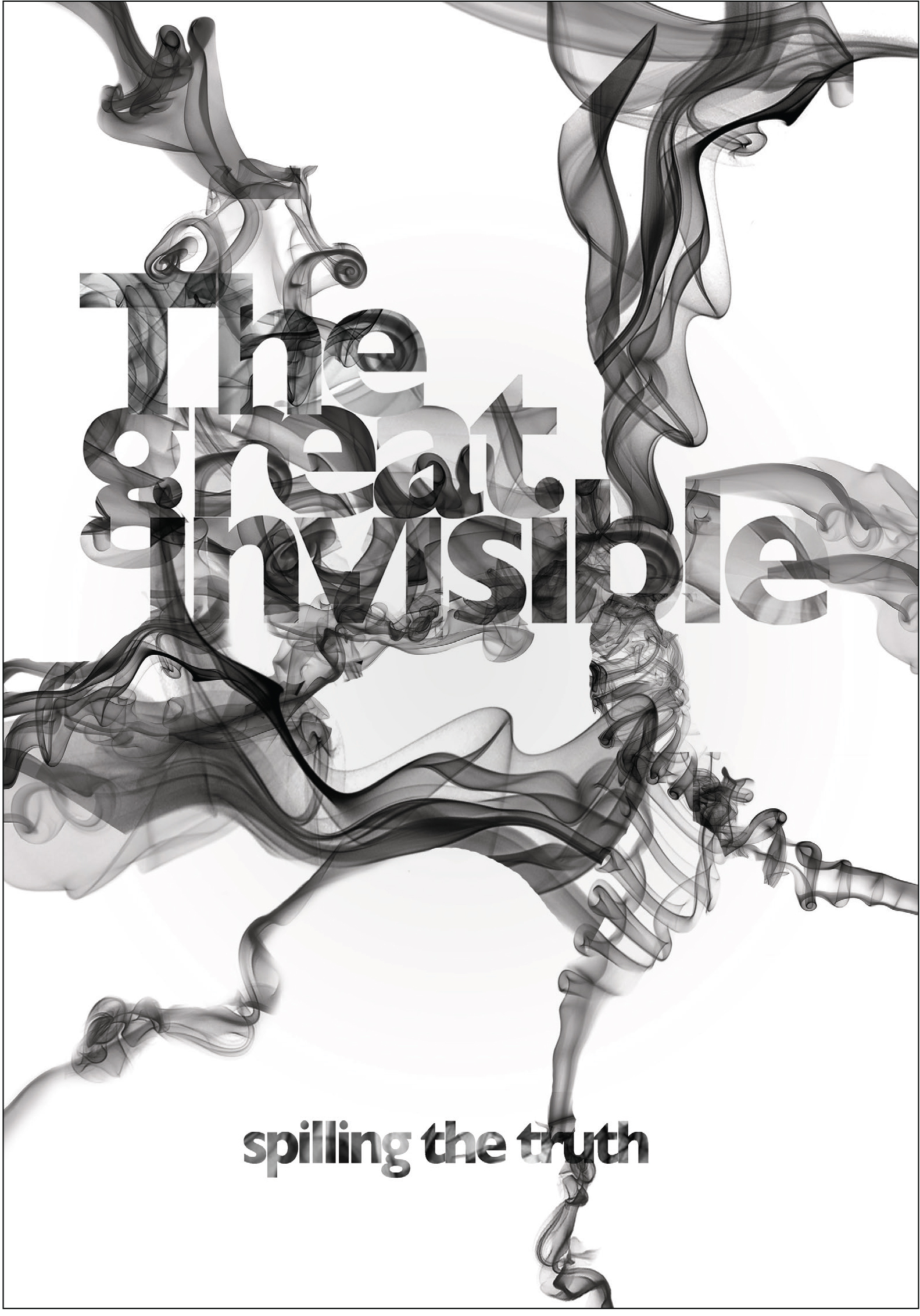
Ad: The Great Invisible
Category: Typography
Student: Luis Fabrega (M.F.A., advertising) from Panama City, Panama


The assignment was to do the entire marketing campaign for an indie movie about the BP oil spill. Luis did a great job on the entire campaign, but this poster was singled out for its excellent blend of typography and subject matter.

Ad: Advil Migraine
Category: Magazine Single Ad
Student: Sinping Ku (B.F.A., advertising) from Taipei, Taiwan

Advertising for Advil
The draconian simplicity of this ad for Advil is extraordinary. No copy. No tag line. No nothing, just pure idea. Love how it requires the consumer to put two and two together to understand the ad.

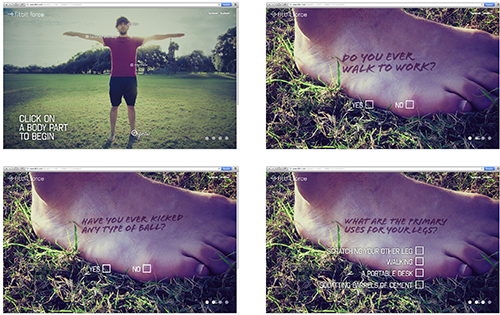
Ad: Fitbit Force
Category: Digital/Interactive
Student: Pablo Isaza (B.F.A., advertising) from Baton Rouge, LA and Rushil Nadkarni (M.F.A. advertising) from Mumbai, India

Advertising for Fitbit Force

It’s always a little hard to describe a fully integrated campaign in a small space such as this. But this campaign brought to life the benefits of the FitBit bracelet in a fluid and fully connected multi-media campaign. The faculty chose this entry for Best of Show because it was a good idea to start with. And then it was well-executed, well-written, made interactive and shareable, and it worked in all media.

After 30 years in the advertising business, Luke Sullivan is now chair of the advertising department at Savannah College of Art and Design. He’s also the author of the popular advertising book Hey Whipple, Squeeze This: A Guide to Creating Great Advertising and the blog heywhipple.com. His new book, Thirty Rooms To Hide In: Insanity, Addiction, and Rock ‘n’ Roll in the Shadow of the Mayo Clinic, comes to bookstores in September 2014. Follow him on Twitter @heywhipple.

Unearthing history with 'The Green Book Chronicles' series

February
24
2014
By
Tags:

Growing up white in northern Ohio in the 1960’s, I was told that a tavern owned by my family many generations ago may have been part of the Underground Railroad. As a result, I thought a lot about the Underground Railroad as a child and felt proud that maybe, just maybe, my relatives had taken risks to do the right thing. Little did I know, as an adult I would have the chance to bring stories about a different kind of Underground Railroad to life with the help of fellow faculty and students from animation, television producing and motion media at Savannah College of Art and Design.

This project began when I met award-winning author and playwright Calvin Alexander Ramsey. Calvin’s children’s book, Ruth and the Green Book, and a play based on the same, is the story of postal worker Victor H. Green, who helped African Americans travel safely throughout the Jim Crow south by publishing The Negro Motorist Green Book. Between 1936 and 1964, Victor used his resources at the post office to compile the “Green Book,” an ever-growing network of white and black-owned businesses, including restaurants, hotels and beauty parlors that would welcome African American travelers during segregation.

Cover of the Green Book
The cover of the 1940 edition of “The Negro Motorist Green Book.” Esso Gas Stations were one of the primary nationwide sales outlets for the "Green Book."

Cover the Green Book
The cover of the 1949 edition of “The Negro Motorist Green Book.”

The scope of Victor’s guide expanded over time to include international destinations. But when publication of the "Green Book" ceased in 1964 with the passing of the Civil Rights Act, awareness of the guides faded. Calvin wanted to change that by preserving the oral histories of people who had actually used the "Green Book.” I said yes, but let’s insert some visual appeal. And so our film “The Green Book Chronicles" - a mix of live action and animation that tells the story of the "Green Book" in the context of the Civil Rights Movement (sort of a Ken-Burns-meets-NPR’s-Story-Corps with mixed-media animation) - was born.

Husband and wife sit in front of green screen
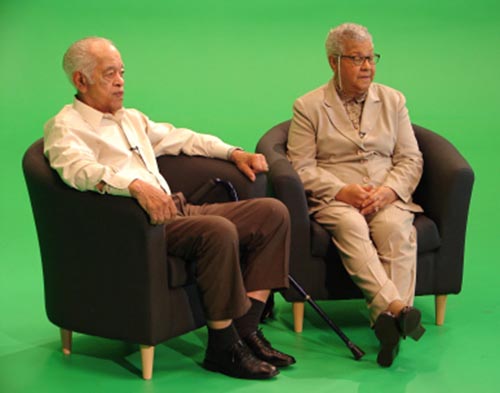
World War II veteran Wilbert Verrett and his wife, Dr. Joyce Verrett, used the "Green Book" on their honeymoon to Pensacola, Fla. in 1964. Interviews were shot on the green screen in SCAD Atlanta’s TV studio to allow the addition of photographs and other background elements in the final edit.

Freddye and Jake Henderson in front of the Henderson Travel Service
In 1955, Freddye and Jake Henderson opened the first African American travel agency in the U.S. Their daughter, Shirley Henderson Coleman, was interviewed for "The Green Book Chronicles."

A year and half later, our short film has grown into a one-hour film with enough material to create a short series. Twenty-nine SCAD students have shot seven interviews, completed six animated segments and produced the ten-minute trailer for the project. And the stories keep coming.Animation of coupleAnimation of couple in front of Niagara Falls
Rotoscoping drawing begins over live video footage shot as reference for the“Niagara Falls Romance” animation segment created by students Danielle Paulet and Jeff MacDonald. The final Niagara Falls scene was created by compositing 2D animation characters over the vintage postcard background.

Calvin and I are gearing up to raise funds for completion of the one-hour film by this fall. Along the way, I’m witnessing SCAD students from all over the world learn about American Civil Rights history, hopefully reinforcing that helping others through tough times is universally inspiring. One story can be the key that opens doors to previously untraceable history, as our journeys introduce us to others who change our lives…like when I met Calvin Ramsey. I cannot tell you how thrilled I am that the story of “The Green Book Chronicles” is taking me along with it. I bet my northern Ohio ancestors would think that was pretty cool.

Becky Wible Searles has been a professor of animation at SCAD for 12 years. Previously, she owned One Eighty One Productions in New York City, where she designed, directed and produced short form clay and mixed-media animation for TV, including projects for Nickelodeon, Kool-Aid, AT&T, National Geographic and Showtime.