Skip to main content Accessibility Policy

Gracie's 'Faces, Spaces'

April
9
2026
By
Tags:

Gracie Borell is sitting atop the double decker bus parked inside Art's Cafe, showing off the sketchbook from her trip last December. An exquisite rendering of Michelangelo's David, drawn from life, returns her to the moment she made it.

"This was at Galleria dell'Accademia di Firenze, where we were looking up at the statue, which is seventeen feet tall," says Borell (B.F.A., illustration). "Michelangelo made the head bigger so that it doesn't feel out of proportion when you look at it from the ground. It's truly awe inspiring."

Gracie was part of a traveling iteration of the class Sketchbook: Professional Practice (DRAW 242), led by foundation studies professors Julie Horton and Susanne Mitchell, which began at SCAD Lacoste before heading east along the Ligurian Coast.

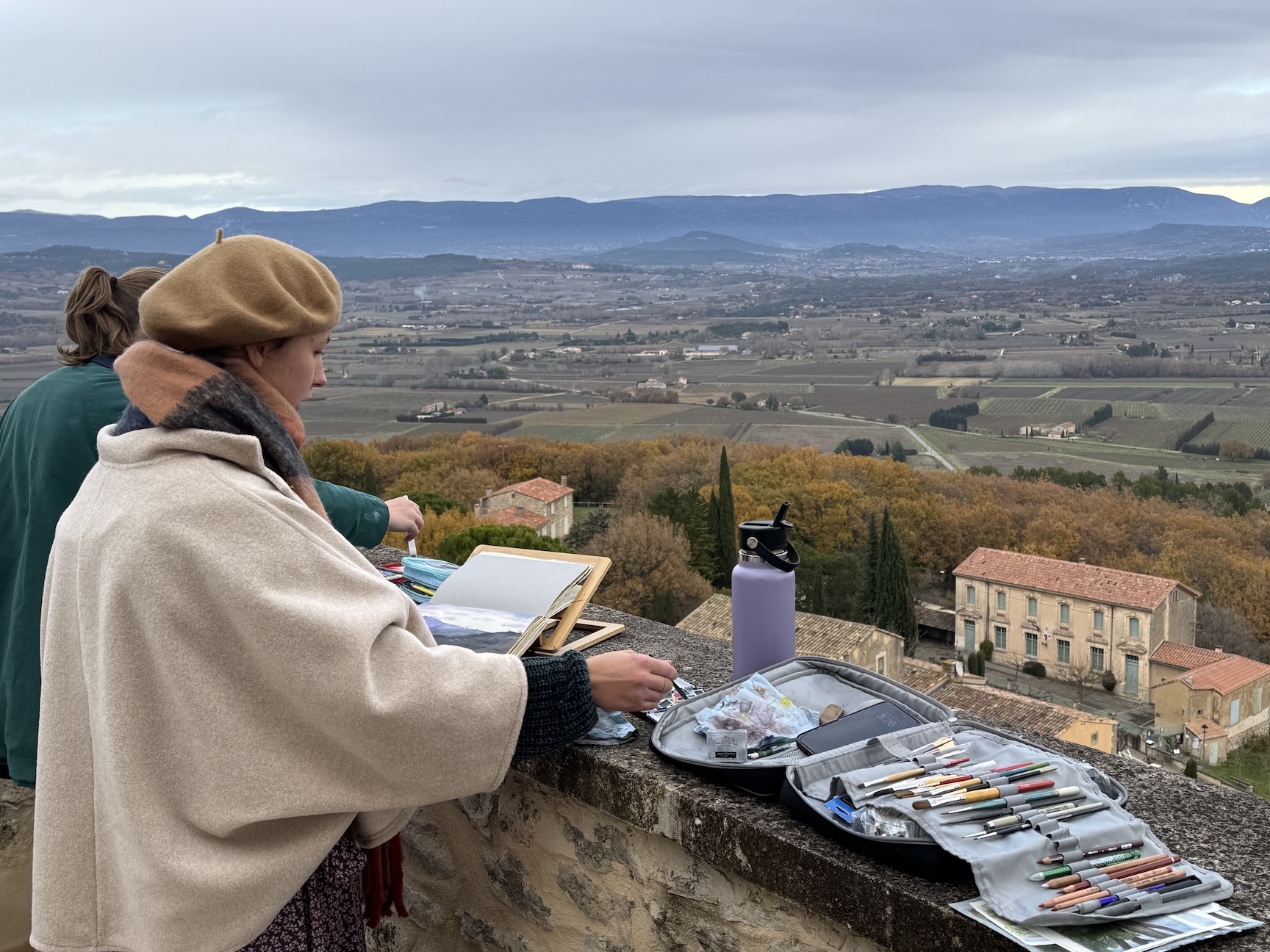
Gracie beret

Beret of light: Gracie in Lacoste. (Photo: Susanne Mitchell)

"Gracie stood out for her focus, curiosity, and sustained commitment throughout our time in Lacoste and Florence," Mitchell says. "She was deeply attentive to the visual richness around her, from architectural details to the masterworks of the Medieval, Renaissance, and Baroque eras. Her work reflects a thoughtful balance of observation and interpretation, and it was especially rewarding to see her artistic voice grow more distinct over the course of the program."

Taking in locations including the Uffizi and the Medici Chapels, Gracie and her fellow students drew first-person inspiration from these venerable destinations as well as more comestible morsels. (A couple pages after the head of David drawing, Gracie's sketchbook features a meticulous depiction of a delicious calzone from a café lunch.)

This Friday, April 10, at Christ Church Anglican in Savannah, Gracie will host the opening reception for her exhibition "Faces, Spaces: A Collection of Works by Gracie Green." It features portrait work, classwork from Materials and Techniques (ILLU 218), as well pieces developed from the sketchbook she created in France and Italy. "I hope to you there," she says.

Gracie signature image

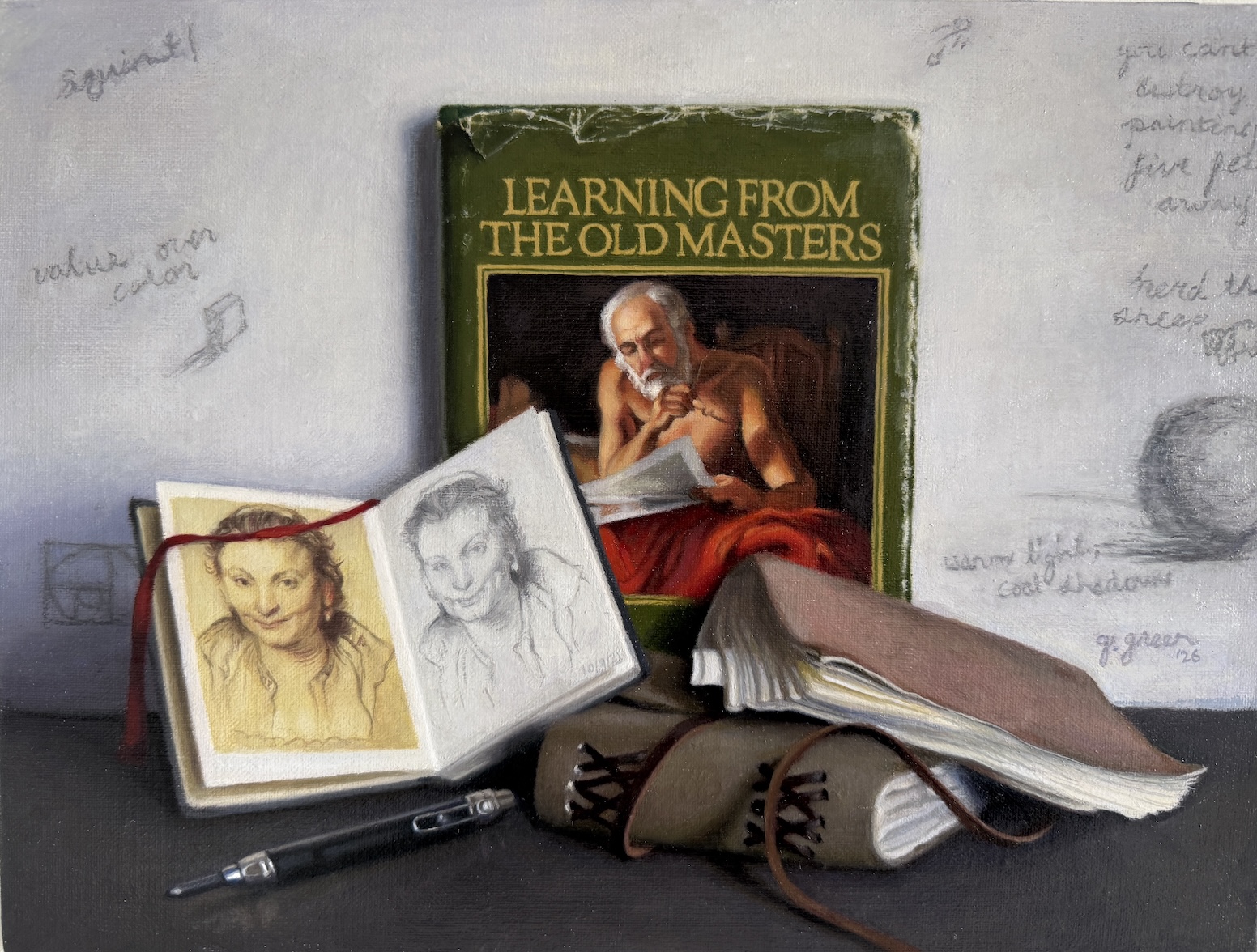
Go for baroque: Gracie's depiction of her sketchbook, with crucial accoutrements.

Gracie Borell:

I'm a 24-year-old sophomore from Minnesota. I attended the Art Academy in St. Paul, then studied oil painting and illustration at Great Lakes Atelier of Fine Arts before I came to SCAD. So, I feel lucky that I have a good past to draw on, and that I know how to time-manage, which is a real advantage.

The trip to Florence was unforgettable. I've traveled before, but never like this. We started in Lacoste, where we made the sketchbooks. I picked a variety of papers for my sketchbook: watercolor paper, drawing paper, charcoal paper, and I made my own paper too. 

To travel from a sketchbook perspective means sketching instead of taking pictures with your phone. We took the bus from Lacoste, and then we were in Florence for ten days. We'd go to a museum and the professors would let us roam free. It was very open-ended as to what you would look at. That was really good, because maybe somebody was really interested in Botticelli and someone else wanted to look at Caravaggio.

We had to use three different materials on each page of our sketchbooks. Sometimes I'd combine pencil and pen and watercolor. A sketch can be just a couple pencil strokes. It can be about brevity, simplifying and not overworking.

Some of it was like scrapbooking. I ripped out train tickets and cafe menus and pasted them in with a pastel fixative. I took the brochure from the collection of work from the Duomo di Firenze and scattered the words across the page. At Roussillon, we picked up ochre from the ground and I smeared it on my sketchbook. Professor Mitchell taught us gilding, so I have gold leaf in my sketchbook too.

For me, it was life-changing to experience how art was really ingrained in an older culture, and to appreciate these masterworks in person. Michelangelo was making work that wouldn't be finished until years after his death. I realized how much time, spanning many generations, was invested in developing the techniques that give art such profound meaning.

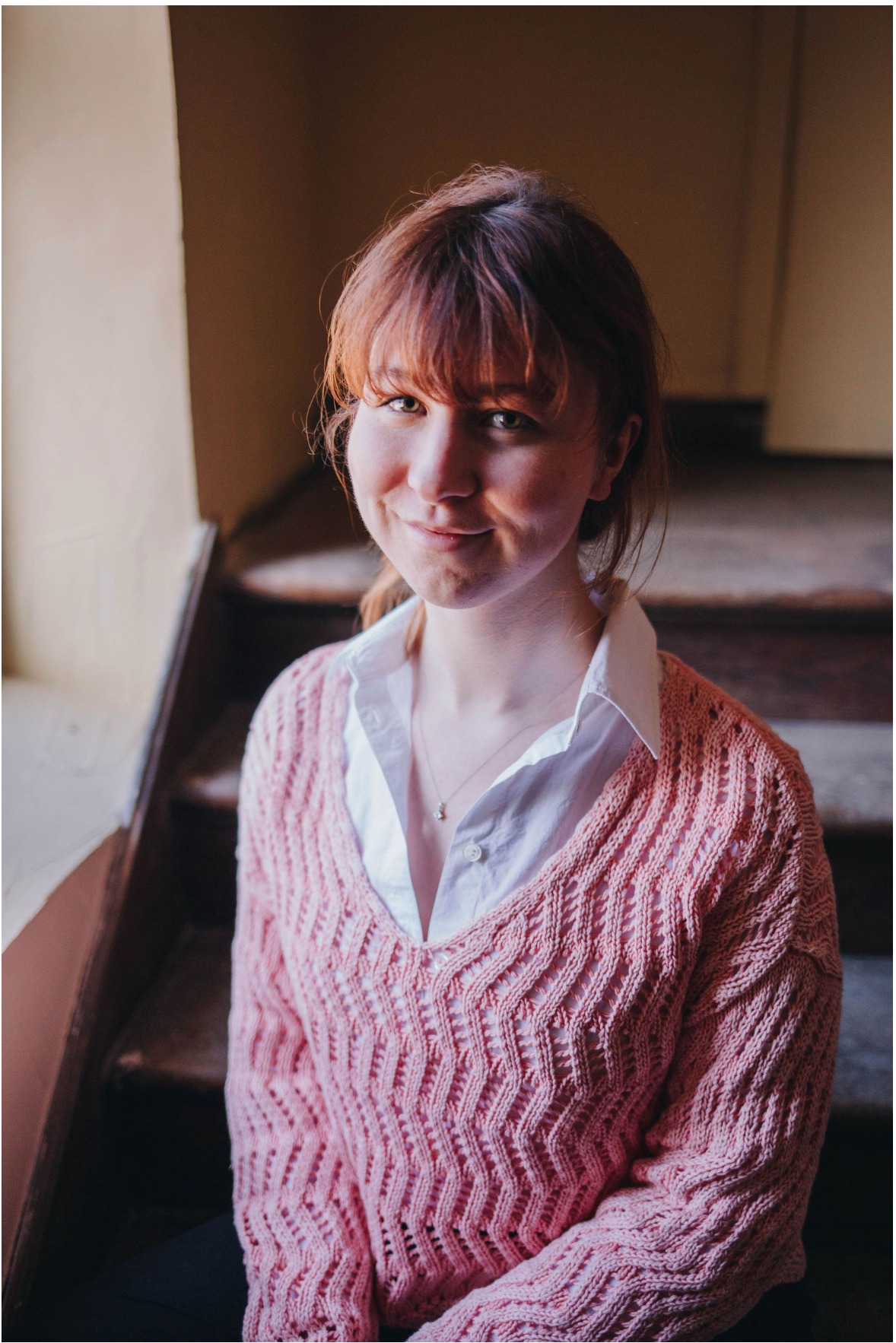
Gracie Borell photo

See more work at Gracie Green Fine Arts, and follow Gracie Borell Art on Instagram.

By George: Vedder's 'Blunt'

April
3
2026
By
Tags:

On a recent spring morning, George Vedder (B.F.A., writing) leaned across a table on the patio of a new bakery-café in Savannah. "There's a narrative you can tell through food," he said. "The more determined the restaurant, the more they're trying to tell a story with their menu."

Vedder turned a mesclun leaf over in his hand, admiring the play of sunlight upon vivid green. "I feel like Sixby is trying to tell a story about making a connection to the roots of nature, so it makes sense for us to eat outside." He popped the salad in his mouth.

Over the course of a highly enjoyable, hourlong meal, the writing student analyzed the pickled shallots, the sunny setting, the intentions of the establishment itself. It was a thoroughly modern moment, and a flavorful précis of the prodigiously productive young Vedder: journalist, cook, and publisher of the brilliant food magazine Blunt.

BLUNT cover shelf

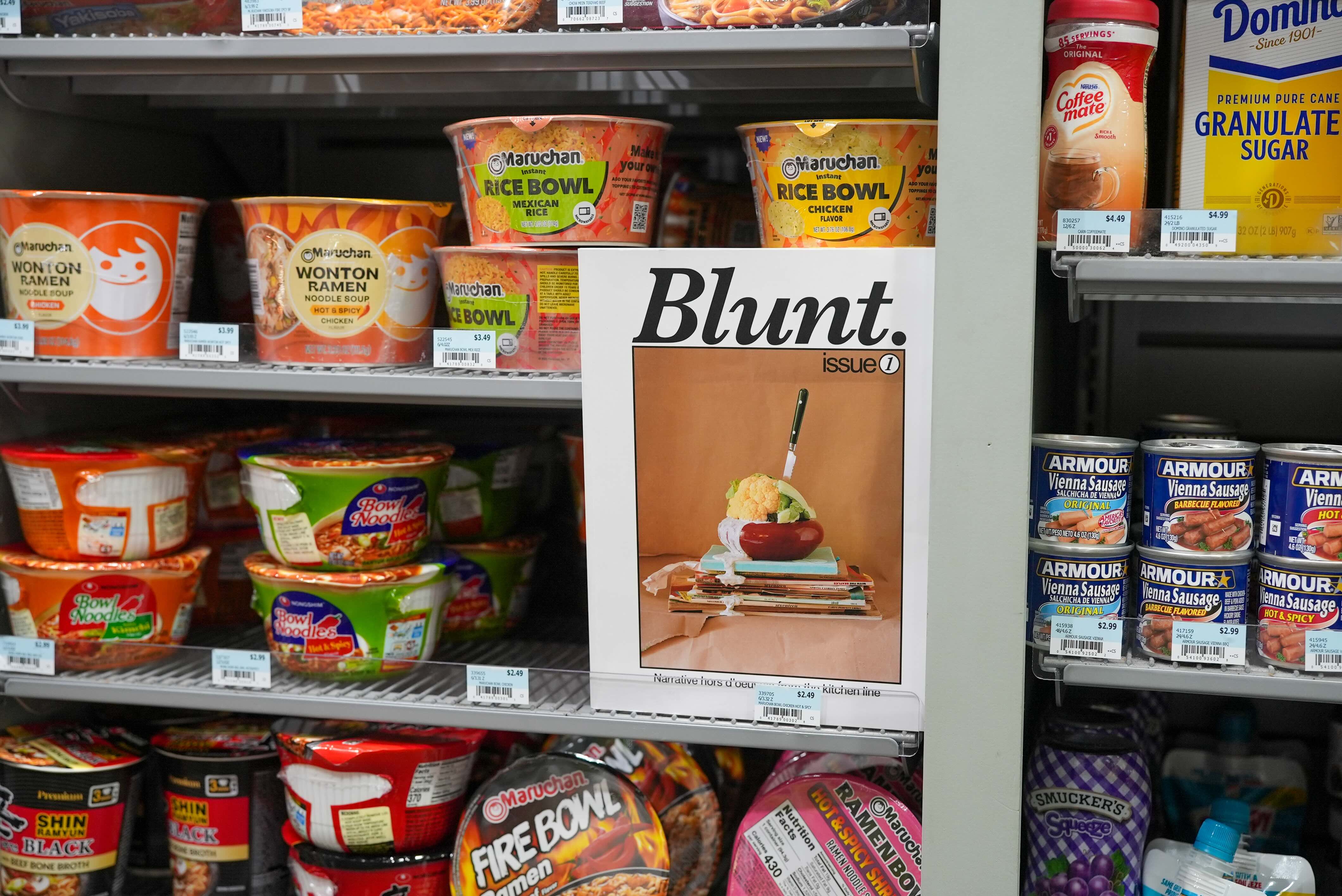
Shelf life: the nourishing first issue of Blunt. 

"I've been working as a line cook since I was 15," George said, offering his culinary origin story. "The kitchen was the first thing that ever really put its arms around me. I felt like I mattered there."

Vedder has spent the past fifteen months as a line cook at acclaimed Savannah restaurant The Grey, renowned as the proving ground of James Beard Award-winning chef Mashama Bailey. "The Grey, to me, was what the green light across the river was to Gatsby, know what I mean?" he said.

On a mild morning, George was wearing an impressively tattered Death Grips T-shirt. This did not eradicate the fact that, as a teenager growing up in central Minnesota, he was a member of world-renowned The St. John's Boys' Choir. (He spent the early, "free range" part of his childhood in Waipahu, Oahu, Hawaii.) After arriving at SCAD three years ago to study fashion, he got jumped into the writing program by novelist and faculty stalwart Jonathan Rabb, who had noticed Vedder's talent for arranging words on a page.

"George brings remarkable discipline to his approach to writing, which stems from his willingness to dive deep into technique, even when that might seem counterintuitive," said Rabb. "George loves the puzzle of writing and is always looking to solve it. Add in his effortless control over language and you have a remarkable writer."

Alongside his full slate of academic classes, editor-in-chief Vedder has published the debut issue of Blunt (available locally at E. Shaver and Coastal Table and Tales), bursting with exceptional art direction, full-color photography, and writing (including George's two-page soliloquy on SPAM Musubi).

"Blunt came from what I felt was a lack of representation of the realities of the food industry for line cooks. What I wanted to accomplish with the magazine was to tell the stories of the unknown, back-of-house sector. I want readers to see the hands of the people in the kitchen."

Asked if the physical act of cooking aligns with the tactility of making a magazine, Vedder nodded, then furthered the notion: "Food lends itself to writing, and great food writing is, inherently, truly great writing."

The hour wound down. Having long ago finished his salad, George took a lingering look at the remains of his breakfast companion's jammy egg sammy with its benne seed bun.

"That is indeed a good sandwich," he said with a smile. "The bun is my favorite part."

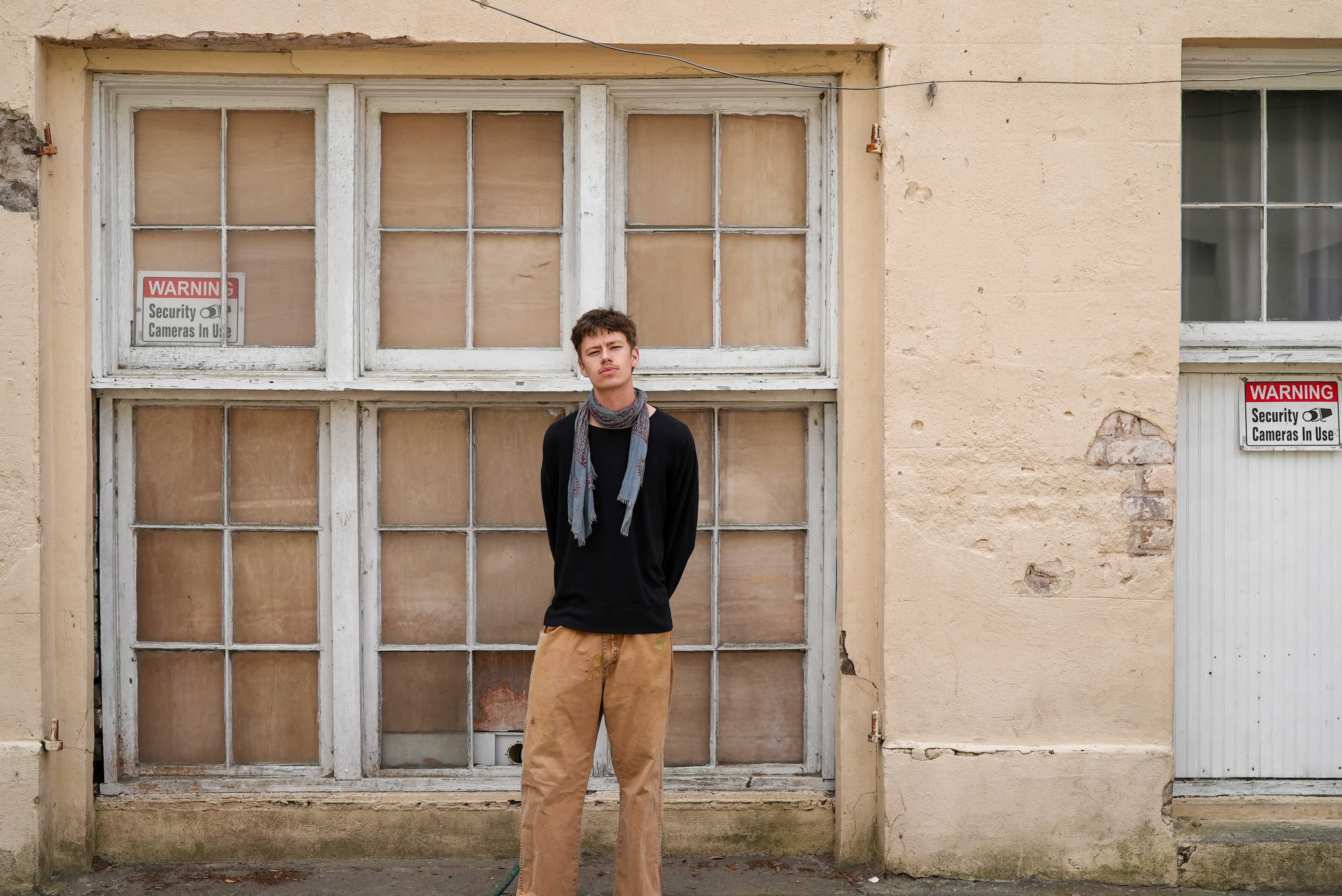
George Vedder portrait

Connect with George Vedder on LinkedIn.

Buy Blunt.

Vedder photo: Sage.

AeSun Jung: poetry in motion

March
30
2026
By
Tags:

When AeSun Jung (B.F.A. graphic design, 2024) began studying at SCAD in 2020, she stopped treating design as a set of separate disciplines and began treating it as a single, connected language.

"Design is about more than creating visuals. It's about connecting people and experiences through an integrated way of thinking," she says. "Motion, graphics, and branding ultimately come together as one unified experience. A designer's role extends beyond one title or skill set. Growth comes from continuously learning and expanding into areas that are needed."

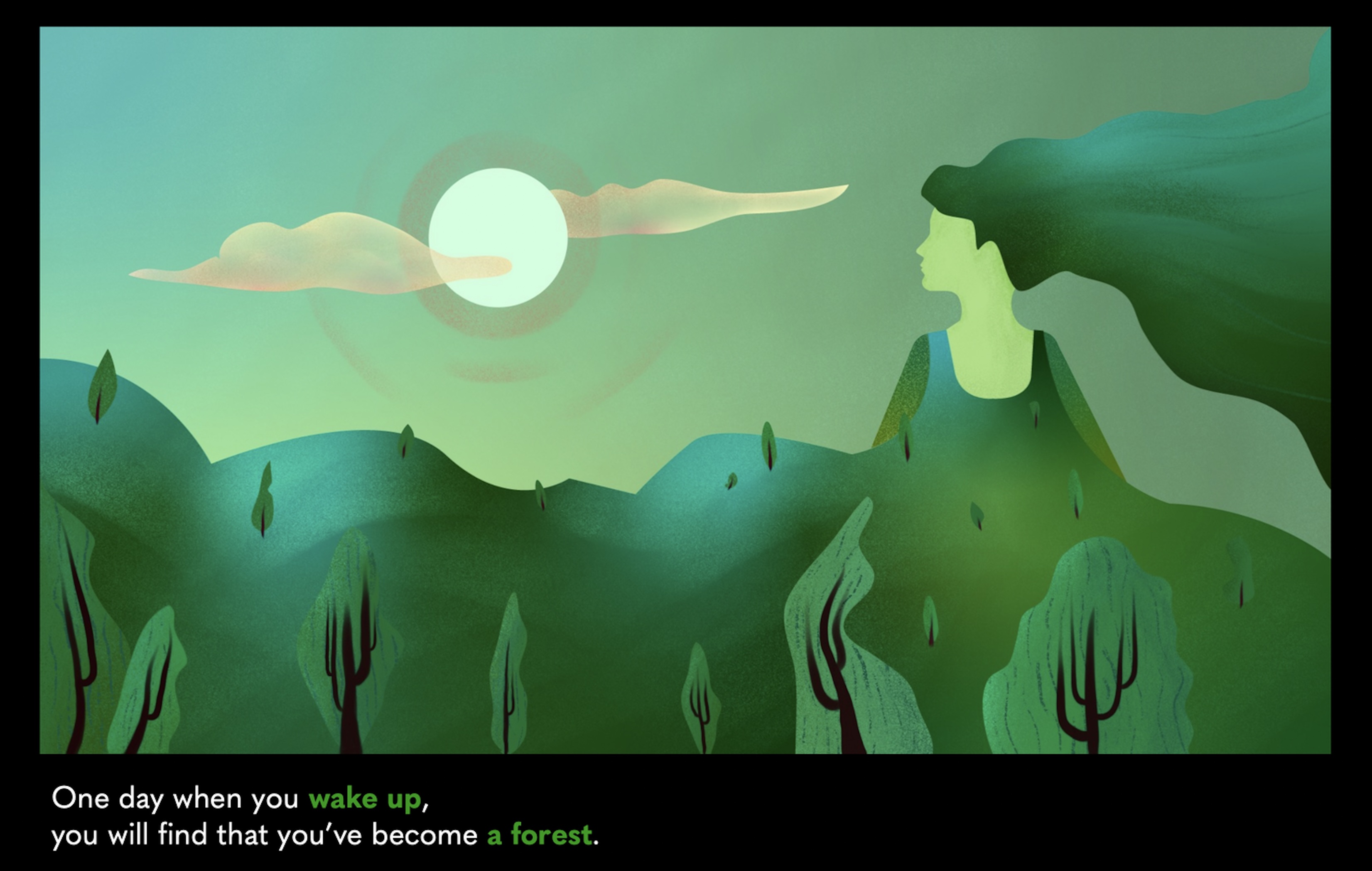
That mindset is visible in "The Forest," AeSun's poetry-inspired motion project recognized by the International Design Awards. "I chose Nikita Gill's poem ‘The Forest' because its message felt deeply connected to the way we live our lives," she says. "As we move through life, we encounter people with different backgrounds, personalities, and languages."

AeSun Jung Forest poetry

Wake up: a still from "The Forest" (courtesy of AeSun Jung).

AeSun found the symbolism in Gill's poem to be direct and personal. She placed herself inside "The Forest" to take a deeper look around. "I positioned myself as the speaker of the poem and explored how we experience life and move through it with awareness and wisdom. I translated these emotions and the narrative into changes in motion, rhythm, and texture. The roughness or density of a texture reflects the character's emotional state and rhythm of breathing. Without these elements, the emotional weight of a scene wouldn't fully come through."

The minute-long animation utilizes a combination of Procreate, Illustrator, and After Effects, while "the scenes in the illustration were created by weaving in moments and experiences from my own life," she says. "The Forest" was awarded the IDA Bronze in Multimedia/Adult Animation category, with its stated intention to "cultivate a greater interest in poetry."

Professionally, AeSun's recent roles span startups, healthcare, and nonprofit collaboration. She previously worked at LangPal, where she helped build brand identity and collaborated across teams. Today, she is a creative director at Integrated Personalized Medicine in California, overseeing design strategy and direction. She also volunteers as a 2D animator supporting nonprofit UI and UX teams.

AeSun's advice to Korean students considering studying abroad mirrors her own path: "The most important thing is to dive in and experience it firsthand. Lead with curiosity and a sense of challenge rather than fear. Approach it with an open mind and be willing to listen to others. Have a clear idea of what you want to learn, what you want to experience, and how you plan to apply it. Treat it as a personal test and an opportunity to grow."

AeSun Jung classroom

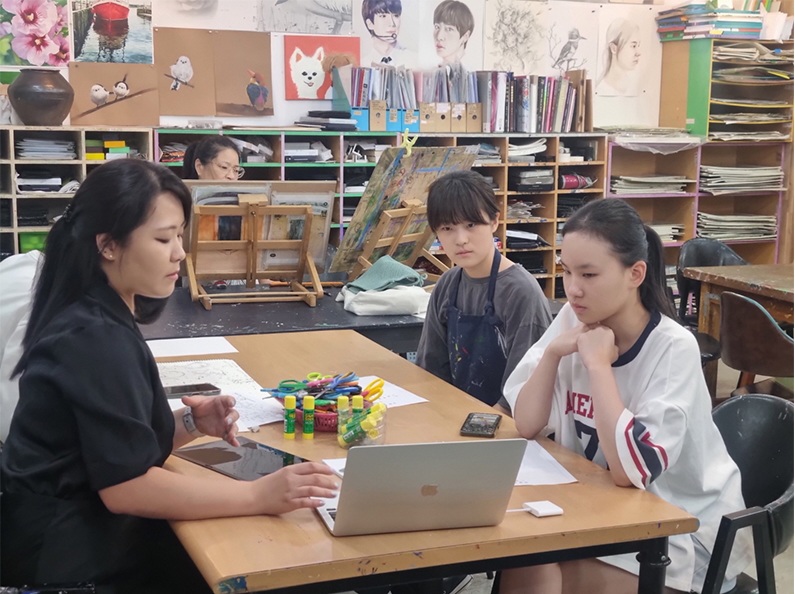
Design thinking: AeSun speaks with students about curiosity, growth, and studying abroad.

Continuing her creative experimentation across mediums, AeSun is now exploring how publishing, graphic design, motion media, and AR and XR can work together. As technology evolves, AeSun sees the process of making connections between people and experiences as the one constant. "I always want to craft meaningful connections between users and brands with elevated content," she says.

Looking ahead, AeSun wants to create experiences that feel more intuitive and immersive.

"I want to be known as a designer who solves that challenge."

AeSun Jung Forest art

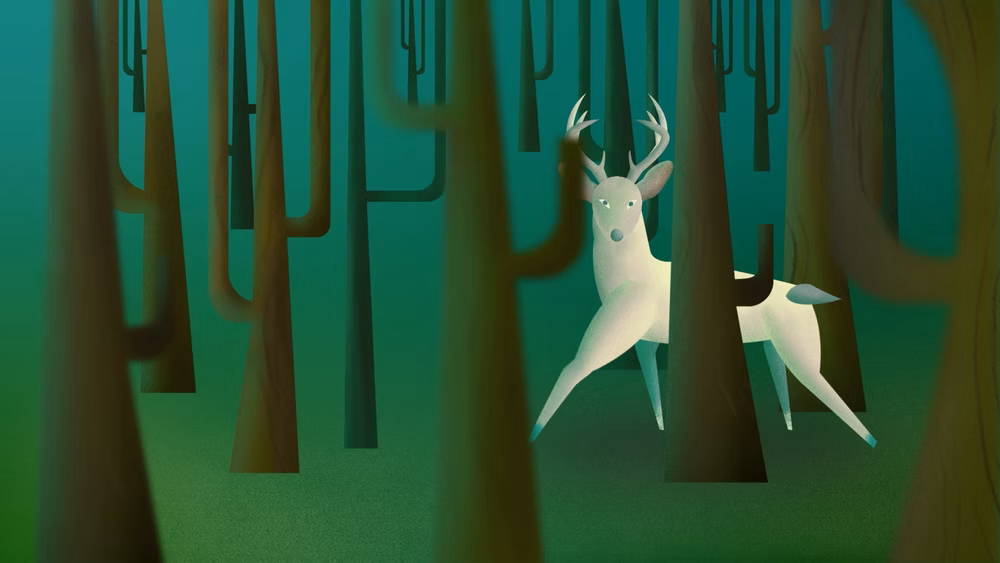
A host of wild creatures: "The Forest" design by AeSun Jung.

Connect with AeSun Jung on LinkedIn.

SCAD creatives power Oscar-nominated films

March
10
2026
By
Tags:

SCAD continues to shape the film industry. This year, 212 SCAD alumni and current students as well as two professors contributed to films nominated for the 98th Academy Awards®, emphasizing SCAD's role as a premier pipeline to the world's leading studios and creative teams.

SCAD talent worked on 21 films recognized by the Academy of Motion Picture Arts and Sciences, including seven Best Picture nominees, three Best Animated Feature nominees, and all five films nominated for Best Visual Effects. These acclaimed films include Sinners and One Battle After Another as well as global blockbusters Avatar: Fire and Ash, KPop Demon Hunters, and Zootopia 2.

"This extraordinary showing reflects what makes SCAD unique," said Andra Reeve-Rabb, dean of SCAD's School of Film and Acting. "Our students and alumni are prepared across every aspect of filmmaking, learning from Oscar-winning professors and working with resources that rival professional studios, from an 11-acre Hollywood-style backlot to LED volume stages and industry-run casting offices. That hands-on, real-world training is how we prepare the next generation of artists and storytellers who will shape the films audiences around the world celebrate each awards season."

SCAD's School of Film and Acting and School of Animation and Motion have launched thousands of alumni into the entertainment industry, with graduates contributing across every stage of filmmaking to Academy Award®–recognized films this year. These include alumni from the following degree programs: film and television (21 alumni), production design and costume-focused majors (six alumni), sound design (12 alumni), visual effects (79 alumni), and animation (69 alumni).

"This year's nominations once again demonstrate the impact SCAD visual effects alumni are having across both animated and narrative filmmaking," said Gray Marshall, chair of SCAD's visual effects program. "Our graduates are not only contributing to these films, they're leading teams, solving complex creative challenges, and pushing the boundaries of what's possible on screen."

"What we're seeing this year reflects years of dedication to craft, collaboration, and creative leadership," said Dan Bartlett, dean of SCAD's School of Animation and Motion. "We're incredibly proud of our alumni, who are trusted with shaping the visual language of major films — from cinematography and lighting to animation and storytelling — because they graduate with the ability to think holistically, collaborate across disciplines, and lead creative teams at the highest level."

Top creative contributors include:

●      Nathan Engelhardt (B.F.A., animation, 2007) directed and co-wrote Forevergreen, a Best Animated Short Film nominee that tells the handcrafted, visually inventive story of an orphaned bear cub who finds an unlikely home with a fatherly evergreen tree, while also serving as animation supervisor on Zootopia 2, a Best Animated Feature nominee. A supervising animator at Walt Disney Animation Studios, Engelhardt has helped shape beloved films including Moana, Frozen 2, Encanto, and Zootopia, blending heartfelt storytelling with innovative animation techniques.
●      Stephen Null (B.F.A., visual effects, 2005) worked as the lighting supervisor on Zootopia 2 and Forevergreen, guiding lighting teams in establishing mood, atmosphere, and visual continuity across complex animated sequences. Zootopia 2 is a Walt Disney Animation Studios production nominated for Best Animated Feature and Forevergreen is nominated for Best Animated Short Film. 
●      Jordan Rempel (B.F.A., visual effects, 2009) served as director of photography on Pixar Animation Studios' Elio, a Best Animated Feature nominee, crafting the film's cinematic lighting and visual language. He also contributed to Toy Story 5 and is known for sci-fi–inspired lighting cues that add richness, depth, and a distinctly cinematic feel to animated storytelling.
●      Johnathan Nixon (B.F.A., visual effects, 2007) is a senior visual effects head of department and senior visual effects production manager at Weta FX and worked on Avatar: Fire and Ash, a film nominated for Best Visual Effects, where he helped lead the creation of cutting-edge water simulations that bring the world of Pandora to life with unprecedented realism.
●      Virginia Berg (B.F.A., production design, 2015) worked as assistant art director on Avatar: Fire and Ash, a Best Visual Effects nominee, contributing to the film's expansive visual worldbuilding. She was named Variety magazine's Top 10 Artisans to Watch in 2025.
●      Tyler Kupferer (M.F.A., animation, 2011) served as director of cinematography – layout on Zootopia 2, a Best Animated Feature nominee, overseeing shot composition, camera movement, and staging to define how audiences experience the film visually long before final lighting and rendering. His previous credits include Frozen 2, Ralph Breaks the Internet, and Moana.
●      Filipe Messeder (B.F.A., sound design, 2016) served as the  supervising sound editor and re-recording mixer on The Perfect Neighbor, a Best Documentary Feature Film nominee. The Emmy-winning sound editor shaped the immersive sonic landscape of  the film, balancing emotional nuance with technical precision.
●      D.W. Moffett, chair of SCAD's Film and Television program, was a featured character actor in One Battle After Another, a drama that received 13 Academy Award nominations, including Best Picture. Moffett brings current on-set industry experience into the classroom, providing students with firsthand insight into professional performance, collaboration, and the realities of today's film and television industry.
●      Robert Nagy, a production design professor, served as set designer on Weapons, a horror-thriller filmed in Atlanta. A total of 22 SCAD students and alumni contributed to the film's immersive, tension-filled environments.
 

SCADapp logo

The 98th Academy Awards® will be televised live on Sunday, March 15, 2026, at 7 p.m. ET on ABC.

Banner image from Academy Award-nominated Best Animated Short Film Forevergreen.
The sky is the story: Agnes Asplund

February
27
2026
By
Tags:

Two bundled-up human beings — a wounded youth named Jussi and the radiant maiden Maria — trudge into the icy expanse of northern Sweden, frost-crowned mountains in the distance.

This is the epic, final shot of To Cook a Bear, the first-ever Nordic TV show on Disney+, which premiered to popular and critical acclaim in 2025. The matte painting of the forbidding landscape is the majestic work of Filmgate VFX studio supervisor Agnes Asplund (M.F.A. visual effects, 2012).

"To create a matte painting means understanding each layer of the story and the people in the story," Asplund says. "Where are they? Where are they heading? A sky can set a mood and a feeling. How dramatic is it? Does it signify despair, or does it show hope?"

It is early evening in Gothenburg as Asplund speaks to SCAD via Zoom. She has just wrapped up her day working on two big projects: "There's a four-part BBC TV series set in the 1800s that we've just begun, and we are also starting work on the next season of Slow Horses."

These prestige programs will join the impressive list of television shows and films that feature work by Filmgate VFX, including Living, A Thing with Feathers, The History of Sound, and The Apprentice. "We are a boutique company with a highly skilled team of about twenty-five people bringing high-level stories to life," Asplund says.

Agnes Asplund History of Sound matte

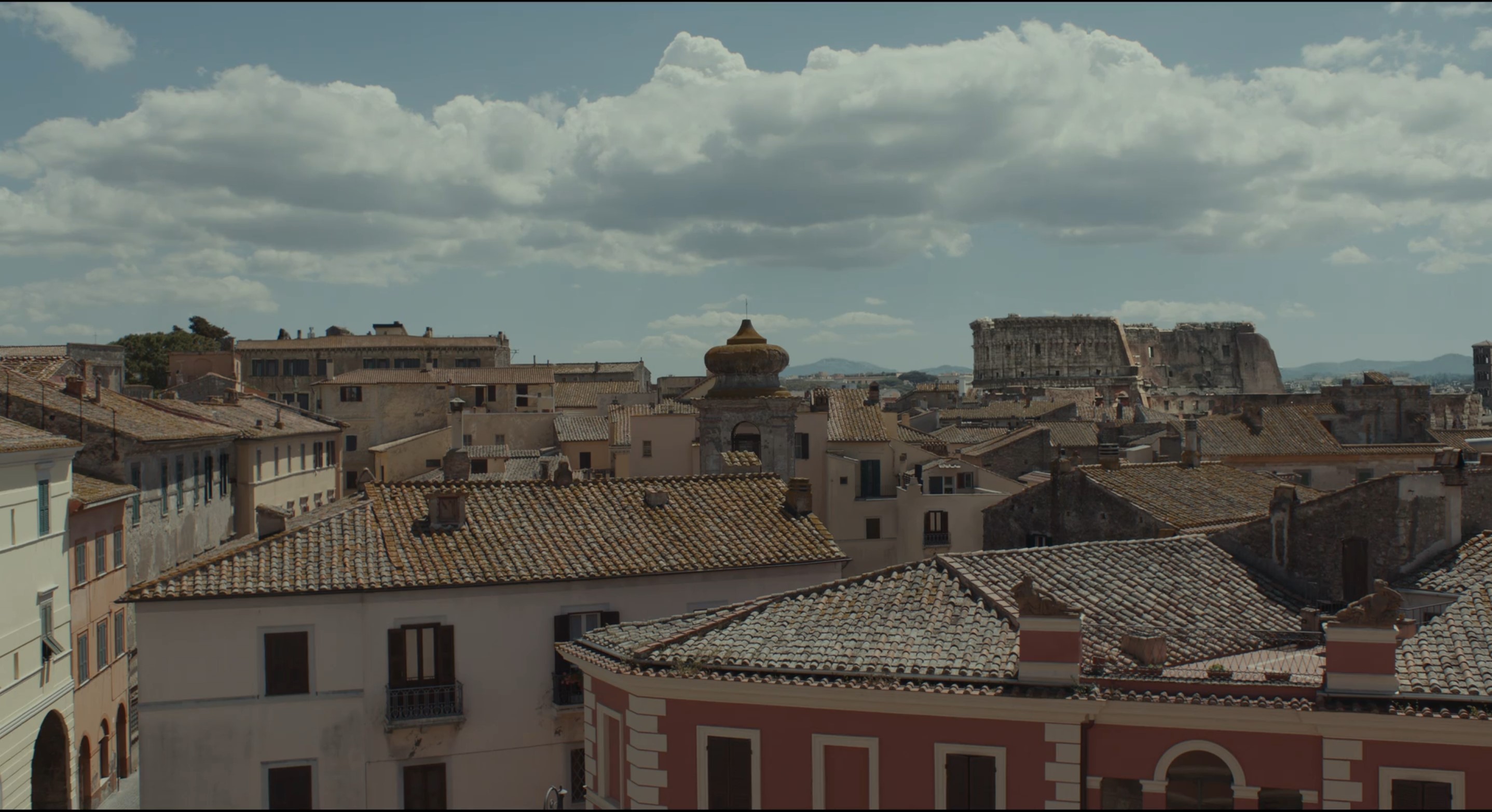
Roman rooftops: a matte painting by Agnes Asplund, as seen in The History of Sound (2025).

She and her team are creating at the cutting edge of a grand cinematic tradition. The Great Train Robbery (1903) featured scenes filmed in front of paintings to create early, blended looks. Today, digital mattes and chroma key compositing combine moving effects with filmed action to create complex visual realities.

The role of matte painting in storytelling was the subject of Asplund's master's thesis. Visual effects professor Robert Mrozowski taught Asplund in courses including Matte Painting: Photo-realistic Environment Creation (VFX 762), and he is "not at all surprised by her great professional success."

"I remember Agnes as easygoing, open, serious, and with enormous talent," Mrozowski says. "She understood camera tracking and was very good doing 3D with Maya. She also knew the artistic foundation of matte painting and had learned the history, all the way back to Albert Whitlock painting on a sheet of glass. Her matte paintings were extremely pleasing compositions. As a student, Agnes produced fantastic work."

The now-retired professor's appraisal is almost certainly shared by young director Oliver Hermanus, who has worked with Asplund and Filmgate VFX on projects including Mary & George (Starz, 2024), The History of Sound (Universal Pictures, 2024), and the Academy Award-nominated Living (Lionsgate, 2022).

Agnes Asplund Living matte

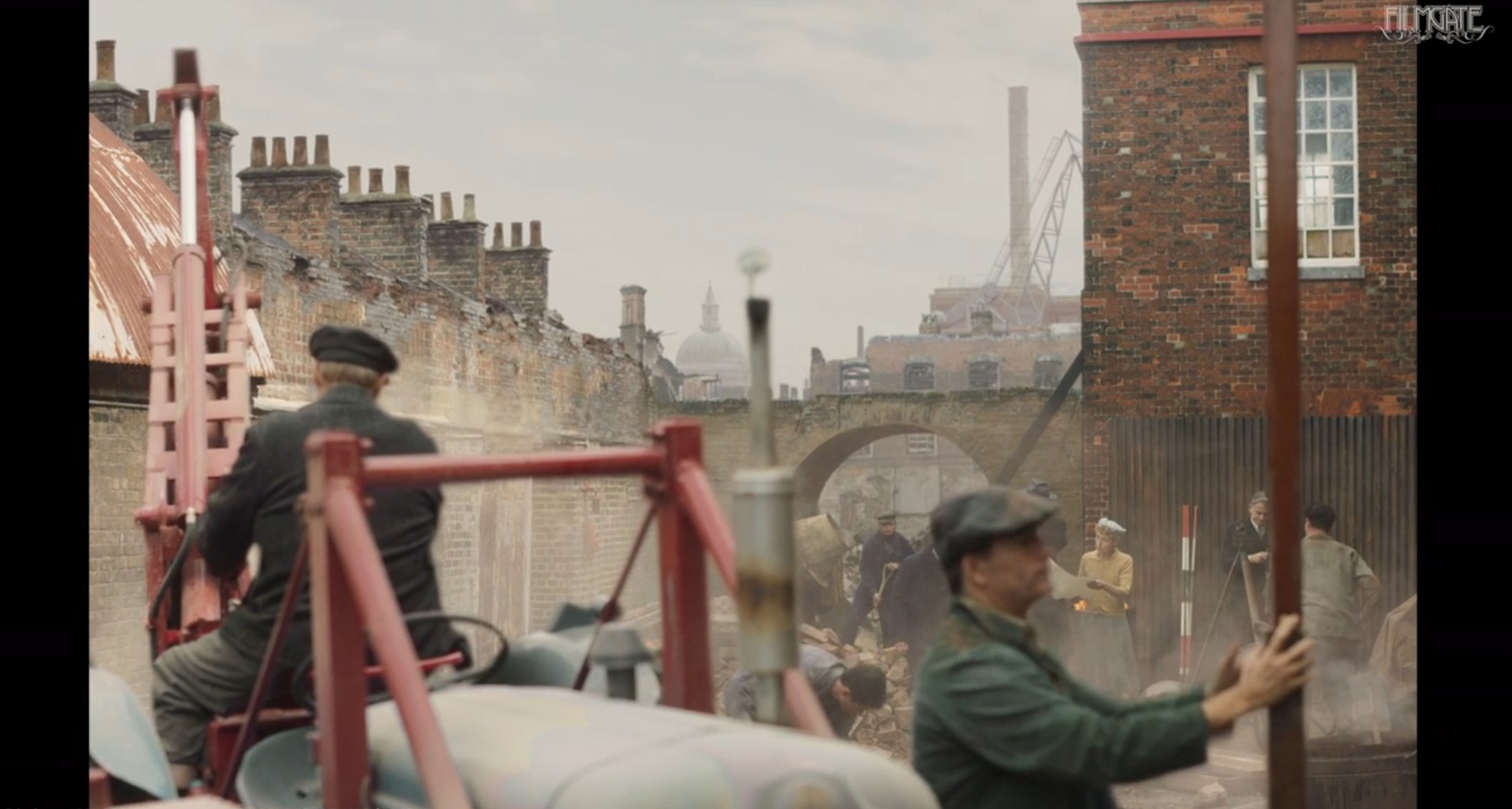
Bombs away: a scene of post-World War II-era London, from the film Living.

"Living was the first project we worked on together," Asplund says. "Before shooting began, the VFX shots were planned out together with Oliver. Then we'd take a screen grab of a shot with the blue screen, and I'd do a rough painting to sketch what we want of the different environments. We researched London of the time. What did the houses look like, with what kind of chimney pots? My sketches were approved by the director, becoming the basis for my paintings for each shot."

Now in her eighth year at Filmgate, Asplund sees the direct line back to her time in Savannah. She characterizes her SCAD experience as "like working in a small studio. You learn all the tools, you have a render farm, and you're collaborating with different people. When I graduated and went to work at DreamWorks Animation, I was prepared for that environment."

Further evidence of Asplund's time at SCAD is all around her. She and husband Tyler Reid (M.F.A. film and television, 2012) are the parents of three boys, ages 3 to 12. "We'll have to take our kids to Savannah someday to show them where our family story started," Agnes says with a smile. "SCAD has a special place in my heart."

Talk of love stories leads back Koka Björn (as To Cook a Bear is known in Swedish) and its powerful final scene. "We added a light snowfall to the dramatic sky with a hint of sunlight coming through, to signify hope," Asplund explains. "There is always a story that the environment wants to tell. They're walking into a bright future."

Agnes Asplund photo

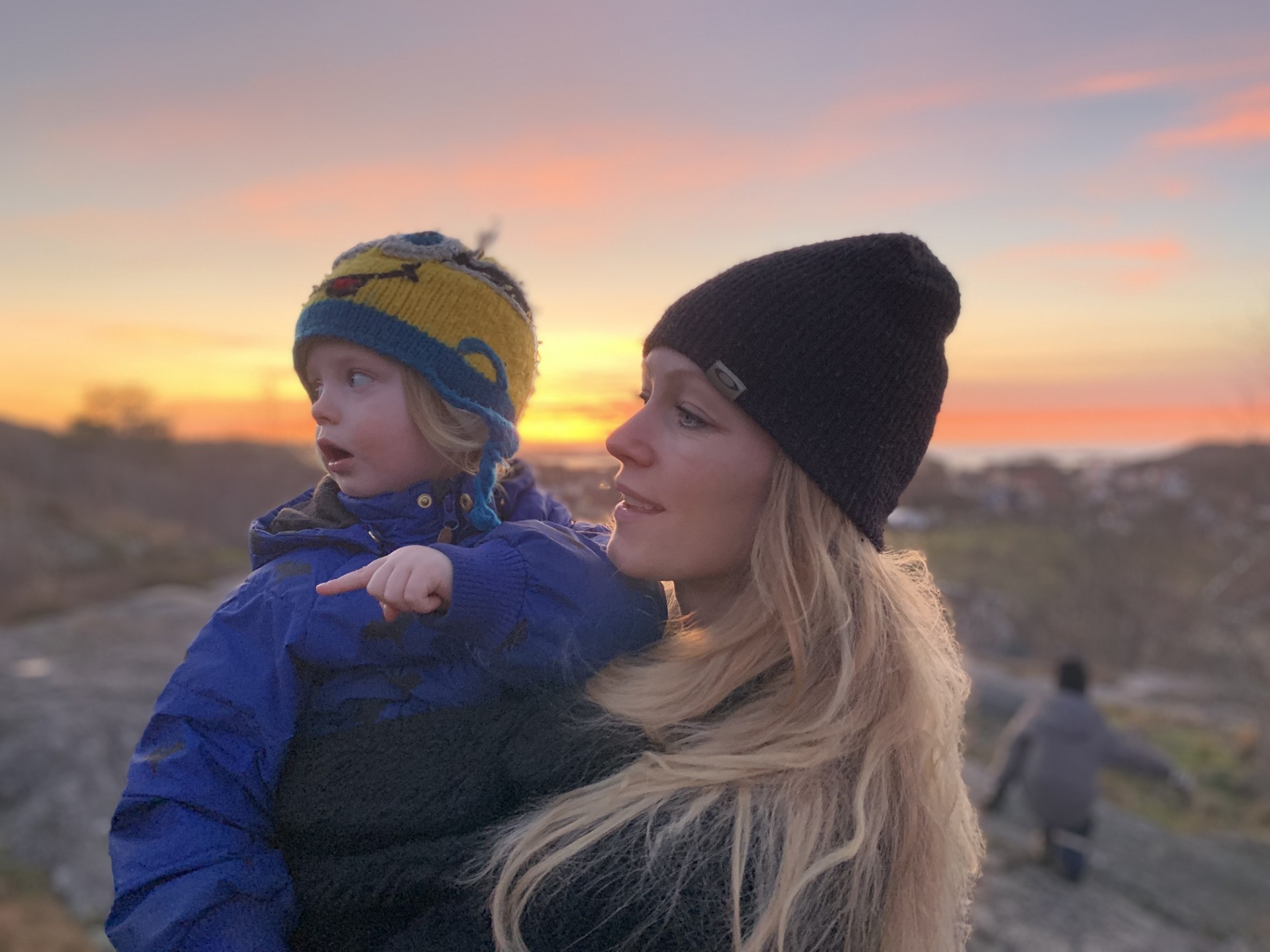
Looking ahead: Agnes holds her youngest son. 

Connect with Agnes Asplund on LinkedIn.

Papa's Moon Shot!

February
23
2026
By
Tags:

Reports of the demise of the penny appear perilously premature. Fervent fans of fabulous fun, it is time to dig deep into your pockets for the maliciously maligned one-cent coin. Time for Moon Shot!

"I was inspired by the Fey Finger Striker, a penny arcade game from 1932, but instead of making a replica, I decided I'd create my own game. That allowed me full creative freedom while respecting the spirit of early arcade design," says Michael Papa (B.F.A. motion media design, 2013).

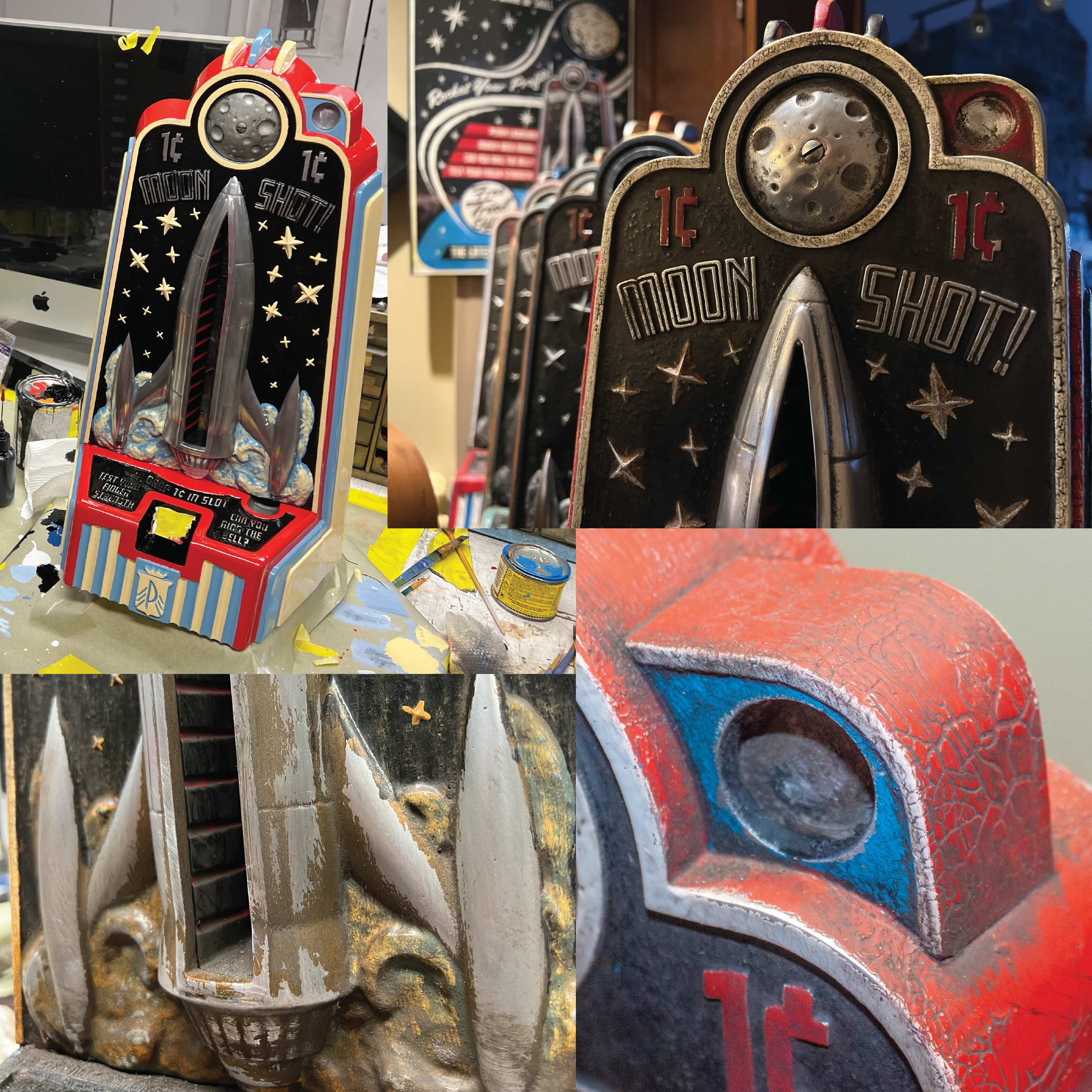
Over a two-year period, the Gloversville, New York native designed, engineered, and built the penny-to-play game. "Once I had the space theme, launching a penny to strike a bell that looks like the moon made perfect sense," Papa says. A fully mechanical arcade machine, 3D printed in aluminum-filled resin, Moon Shot! stands on its own.

Moon Shot fabrication

Process shots: the work side of the Moon.

Michael Papa:

I grew up surrounded by antique coin-operated machines. My father, John Papa, owns and operates National Jukebox Exchange. His restoration shop focuses on classic jukeboxes from the 1960s and earlier. When I was in high school, my dad was making recreations of ultra-rare penny arcade machines from, like, 1904 and 1928. My dad facilitated me being in that world.

After high school, I spent two years at Fulton-Montgomery Community College in Johnstown, New York. There was a 3D animation professor there, Bob Renda, who told me: "You have so much more potential, you need to go to SCAD." My dad and I flew down to Savannah and met with the motion media design department chair at the time, John Colette. Colette was so nice and enthusiastic about my portfolio and told me, "You can really excel here!"

SCAD unlocked a lot in me. I never thought I'd be able to go to school for things I studied at SCAD, like Dynamic Typography (MOME 729). Professor Colette wrote a book about one of our motion media class projects, which was really inspiring. I've published five books now.

Moon Shot book cover

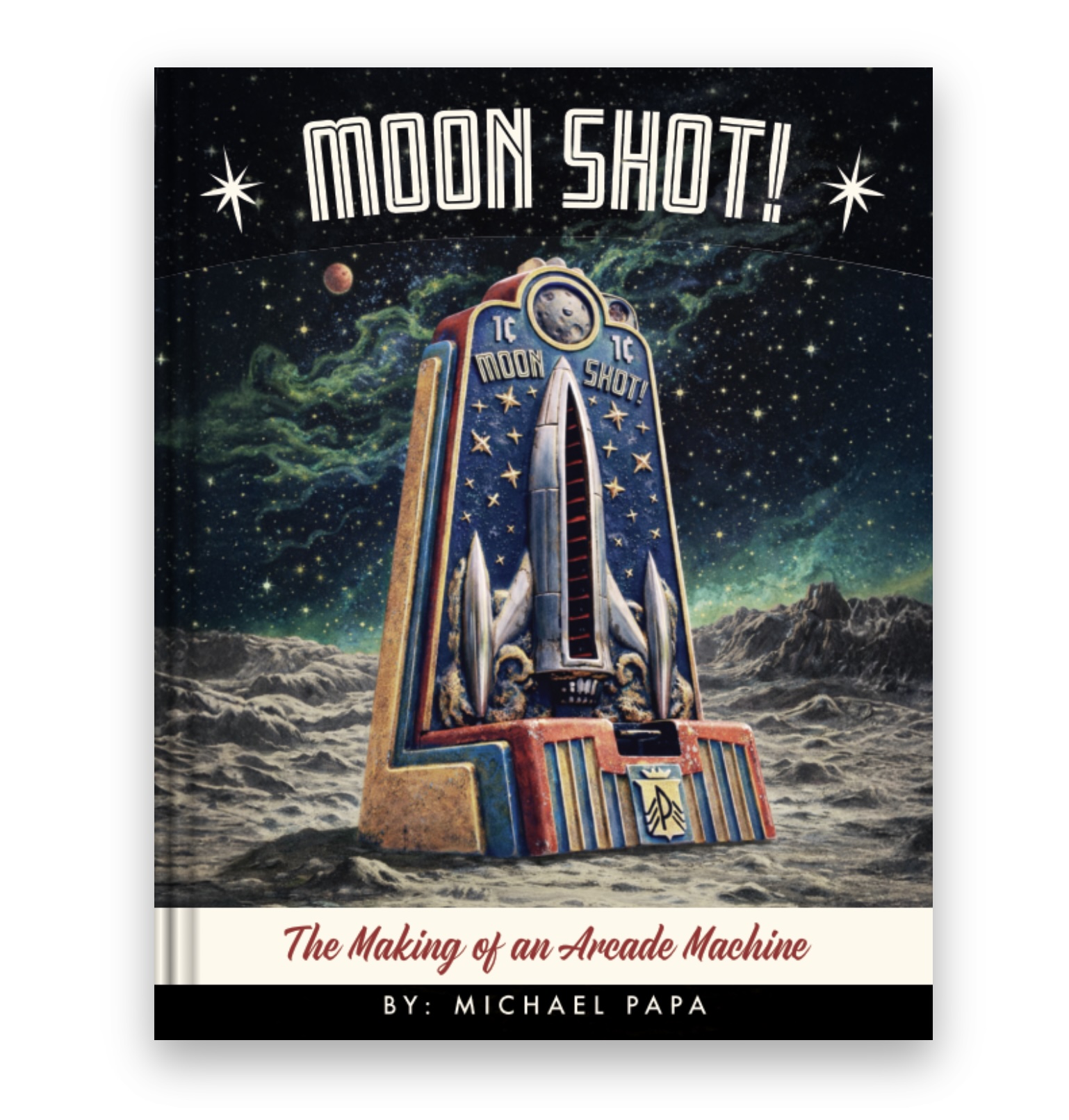
Written in the stars: Papa’s brand new book.

I started working on Moon Shot! in November 2022. Although it looks vintage, Moon Shot! was designed using modern digital tools. Every part was modeled with sand-casting constraints in mind. Draft angles, components, and theory of operation dictated every inch. The form draws from Art Deco, atomic-age futurism, and early amusement design. Influences range from Wurlitzer wallboxes to Popular Science magazine covers. Every machine carries a laser-etched data plate, identifying it as a modern creation by Papa's Re-Creations, complete with serial number.

I have written and designed a book about the making of Moon Shot! and everything that went into it, with color photos and production notes. I've got to thank my girlfriend, Megan Balser (B.F.A. writing, 2014). We were at SCAD at the same time and never knew each other then, but she ended up in Gloversville and has been here ever since. She edited the book and made sure it made sense.

I made sixteen total Moon Shot! machines including the prototype. Each one has a distinct finish and hand-painted enamel color scheme. I've gotten quite a few inquiries from people who say, "Hey, I've known your dad for 30 years, I own machines he restored, I'd love one of yours." I have sold over half of my Moon Shot! machines, just from people messaging me. The reception has been really nice.

Michael Papa

Ready player: designer Michael Papa.

To purchase the book Moon Shot!: The Making of an Arcade Machine, contact [email protected].

Moon Unit rising!

February
16
2026
By
Tags:

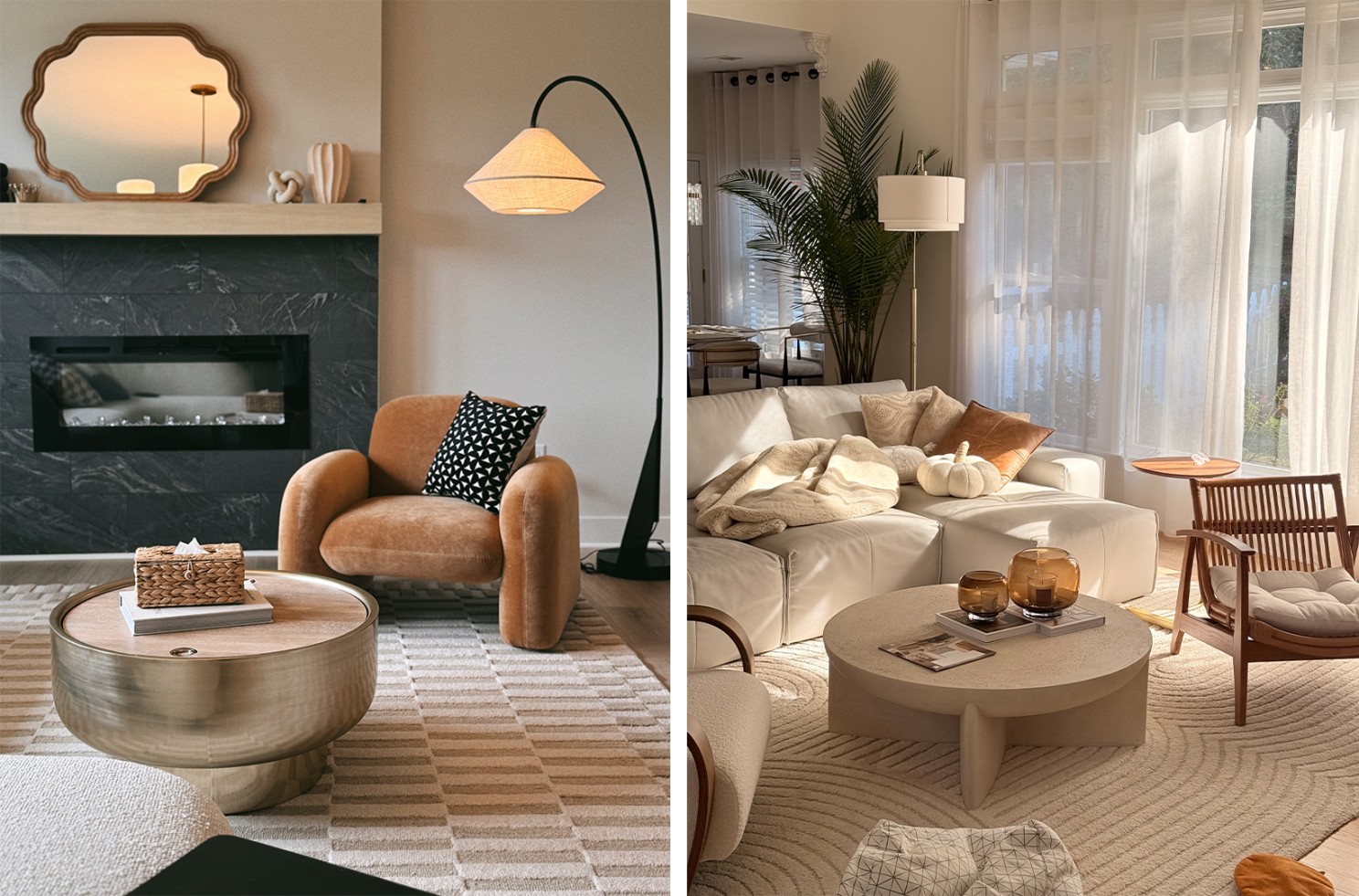
Some love stories are written in the stars. This one began in a sketchbook.

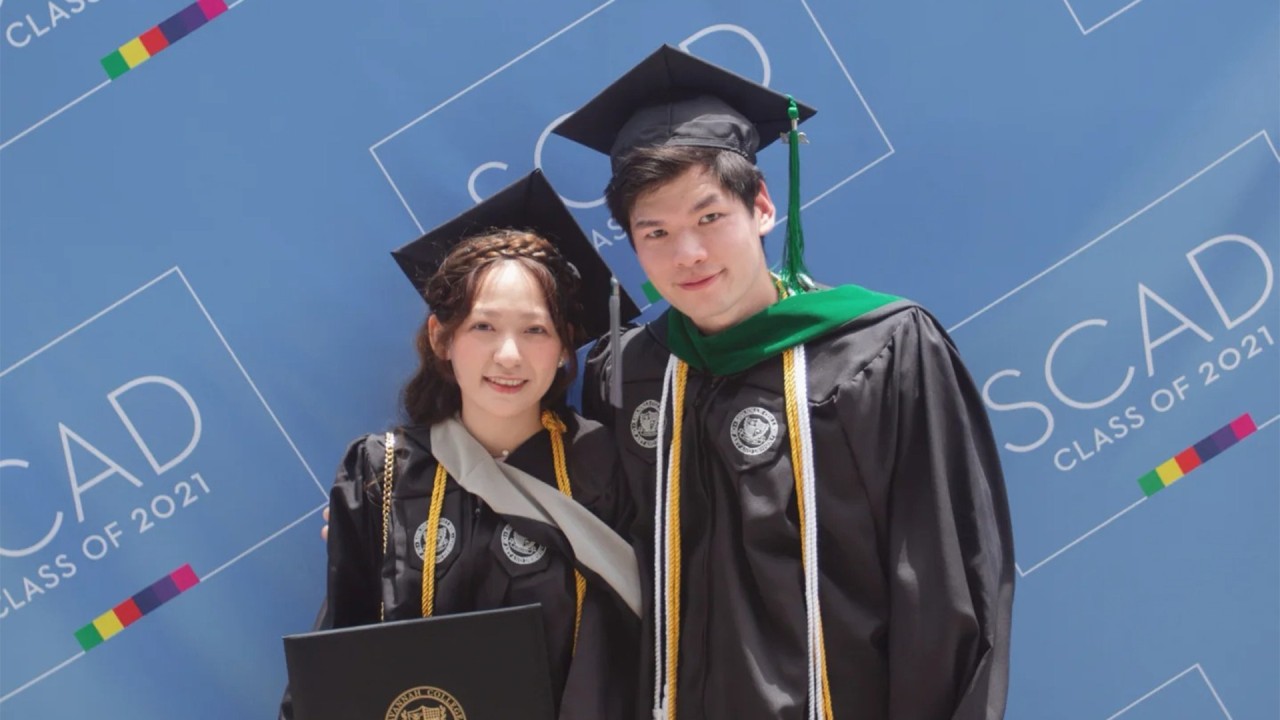
Yuyu Tang (M.F.A., illustration, 2021) and Xintai Li (M.F.A., industrial design, 2021; M.F.A., design management, 2021) were randomly paired to pose as a couple in a foundation drawing class. They laughed, not knowing it was the first mark on a much bigger picture.

Today, Tang and Li are partners in every sense: married, raising a child and co-running Moon Unit Design, their interior design studio based in Atlanta known for its resonant, intentional spaces. "We're still learning," they explain, "and that means we get to grow with the spaces we design."

Before Moon Unit Design became a reality, Tang and Li were like many new alumni. They joined design firms, learning the pace of professional projects and handling tasks with the skills they learned at SCAD. Li's industrial design training honed his precision with materials, structure, and build processes. Tang's illustration program gave her the visual storytelling tools to make concepts tangible for clients. ESL presentation classes helped prepare them to pitch ideas and communicate with clarity. They agree: "Soft skills make hard work possible."

While early jobs gave them insight into how ideas move from paper to reality, it also made them realize they wanted more creative ownership in the long run.

"We thought instead of waiting for opportunities, why not create our own?" says Tang.

Their first independent projects came through word of mouth, and included an Airbnb makeover, a small cabin renovation in Atlanta, and a neighborhood café in China. Tang naturally took the lead in client conversations and concept sketches, while Li focused on materials, construction, and detail.

Moon Unit 2

This is personal: courtesy of Moon Unit.

Clients began calling them "translators of dream lifestyle." As referrals grew, so did their confidence in formally establishing Moon Unit, a name inspired by the concept of a moon habitat: quiet, warm, and personal.

One early milestone was Project 2049, named after the home's address. It was the first time Tang and Li handled every stage of a commission entirely on their own. The clients, a young couple living in another state, met them once for a brief conversation then placed the keys in their hands. When the couple finally stepped into their finished home, it was ready for love and life to unfold.

"We documented everything, managed every step, and gave them a home they could step into without worry," Li says.

For Tang and Li, design is about creating spaces that continue to hold love and life room by room and season after season.

"We don't design for photos, we design for people," Tang says. Every project is an extension of that shared rhythm, built together with trust at its core. Years after meeting as students at SCAD, they say it still feels like the beginning: fresh, full of possibility, and worth celebrating this Lunar New Year.

Tang and Li

Moon Unit: Tang and Li in 2021.

Visit the portfolio of the writer Yueer (Yuer) Deng.

Aubrey Lauer gets 'Filthy'

January
30
2026
By
Tags:

Witness a jar of olives. Seen through a die cut in the red-and-white label, the blue cheese-stuffed green globules float in their briny bath. "It's a very fine balance between making it look really good and it looking gross," says Aubrey Lauer (B.F.A., graphic design) with a knowing laugh.

Seated atop a high stool on a Tuesday morning at Origin, Lauer (curly pixie cut, electric blue scarf, matcha latte) is happy to discuss the evolution of her work. "I did the Filthy Food project two years ago, my first Studio One project with Professor Hiltabiddle. I was pushing myself out of my comfort zone and trying my absolute best. Last spring, I revised the project in my portfolio class with Professor Whitney, where I learned how to photograph my work to make it portfolio-ready and present it in the best way possible."

Mission accomplished: Lauer's speculative brand redesign for Filthy's signature cocktail garnish is the stunning opener to the portfolio that earned her the coveted "Rookie of the Year" 2025 top honor, selected from thousands of submissions worldwide at the 15th Annual Rookie Awards.

Filthy alt

Shaker maker: Aubrey Lauer's award-winning brand redesign.

"Aubrey is highly focused, conceptual in her approach, and receptive to feedback," says Michael Whitney, the graphic design professor who taught Lauer in Graphic Design Professional Portfolio (GRDS 408). "She makes the creation of large projects with many parts seem easy, even as she puts many, many hours into the work. The way she has chosen to showcase her portfolio projects is story-oriented and very professional. She has grown immensely as a designer at SCAD."

Other projects in Lauer's portfolio represent an expansive aesthetic. There is an experimental 150-page typography publication called Form & Feeling, and a print magazine named Spectra that focuses on "a new wave of photographers who blend realism with surrealism." In another lane, the graphic designer created a brand identity and physical space for a hybrid destination called Roll & Reel that combines a bowling alley with a film lab to "tap into the resurgence of analog culture and nostalgia." Yes, yes, and yes.

Comprehensive mood boards and deep demographic research have become essential and enjoyable parts of her process. Lauer honed these techniques last summer as a brand intern for fashion retail company Express. "You can be outside your personal sphere of reference when you work on a project. You're given a specific prompt and identify the problem within it. That's so interesting to me," she says.

Now a senior, with SCADpro and The Manor experiences in her quiver, the Cincinnati, Ohio native is hoping for and looking towards a big city, big agency job after graduation. In the present, the "Rookie of the Year" digs in on the Filthy stuff.

"As a brand designer, it was important for me to show how people would actually eat the olives," she says. "Some spillage is always inevitable."

Lauer profile pic

Connect with Aubrey Lauer on LinkedIn.


Sounds you feel: Haoran Li

January
29
2026
By
Tags:

Ask a gamer what makes a game unforgettable, and they often describe a feeling: the way footsteps echo in an abandoned hall, the relief of a healing chime, the swell of ambient music as a mountain view unfolds. The invisible force behind those experiences is sound. It is the craft of Haoran Li (M.F.A. sound design, 2019), who builds what he calls “living, breathing, worlds" through audio at HYPERGRYPH, one of China's leading game studios.

Prior to earning his master's degree at SCAD, Li studied musicology in Xi'an, China, a city where history and noise blend into an urban rhythm, marked by the shuffle of chess players by the old city wall, the whipcrack of spinning tops, and the overlapping calls of vendors in the Muslim Quarter. Those sounds, he says, taught him to listen differently.

"Living in that environment made me realize every city has its own soundscape," Li says. “It reminded me that sound can record and preserve collective memory." When he first held a recording mic, he discovered the creative potential of sound itself. “It wasn't just about notes or melody anymore. It was about shaping an experience."

At SCAD, theory became creative practice. His first graduate course was Sound Effects and Dialogue Editing (SNDS 741) with Academy Award-winning sound design professor David Stone. "That was the moment when everything locked together," Li says. "I finally understood: sound isn't decoration, it's architecture."

Vision in sound: Li has worked on feature films including the award-winning To Kill A Mongolian Horse.

That realization shaped Li's approach to every project that followed, including Bricks, a Civil War short film and one of Li's defining student projects. Tasked with capturing and designing historically authentic sound, he learned the power of restraint.

“During the first half, I carefully removed the birdsong we'd recorded. It was beautiful but emotionally wrong," he explains. “Only at the end, when hope returned, did I bring the birds back. Silence became the most powerful element." The lesson: the best sound design sometimes comes from what you don't play.

Li joined a SCADpro collaborative project with Ford Motor Company to prototype voice-assistant concepts, an experience that revealed sound's role beyond storytelling. In user interfaces, sound is feedback, logic, and system language.

At HYPERGRYPH, those lessons converge. Game audio is not linear. It responds to player behavior in real-time. Every footstep, echo, or ambient hum reacts fluidly to action and environment. “Sound in games isn't passive. It's a dynamic character that responds to players," says Li.

As the industry evolves from mobile to VR and spatial audio, Li sees two forces shaping the next generation of sound design: technical depth and cultural expression.

"We need sound designers who understand both the engineering and the artistry, and who can code middleware and compose emotional landscapes."

For students exploring the field, his advice is grounded and generous: "Try different forms of sound work before specializing. Stay curious about technology, recording, synthesis, middleware, and game engines. They're the same language, spoken in different contexts."

From the bustling streets of Xi'an to HYPERGRYPH's digital worlds, Haoran Li has built a career on one belief: The best sound design isn't what you notice, it's what you feel. In an industry obsessed with immersion, that invisible craft has never been more valuable.

Explore Haoran Li's portfolio and recent works on LinkedIn and IMDb. 

This story features additional editorial input by Lindsay Graham.

Grace Ann Leadbeater: 'Cherries' on top

January
21
2026
By
Tags:

"It's really important to have imagery to reflect on an experience. Shoot with film. The way that color and light and shadow are translated on film, I think there's no comparison."

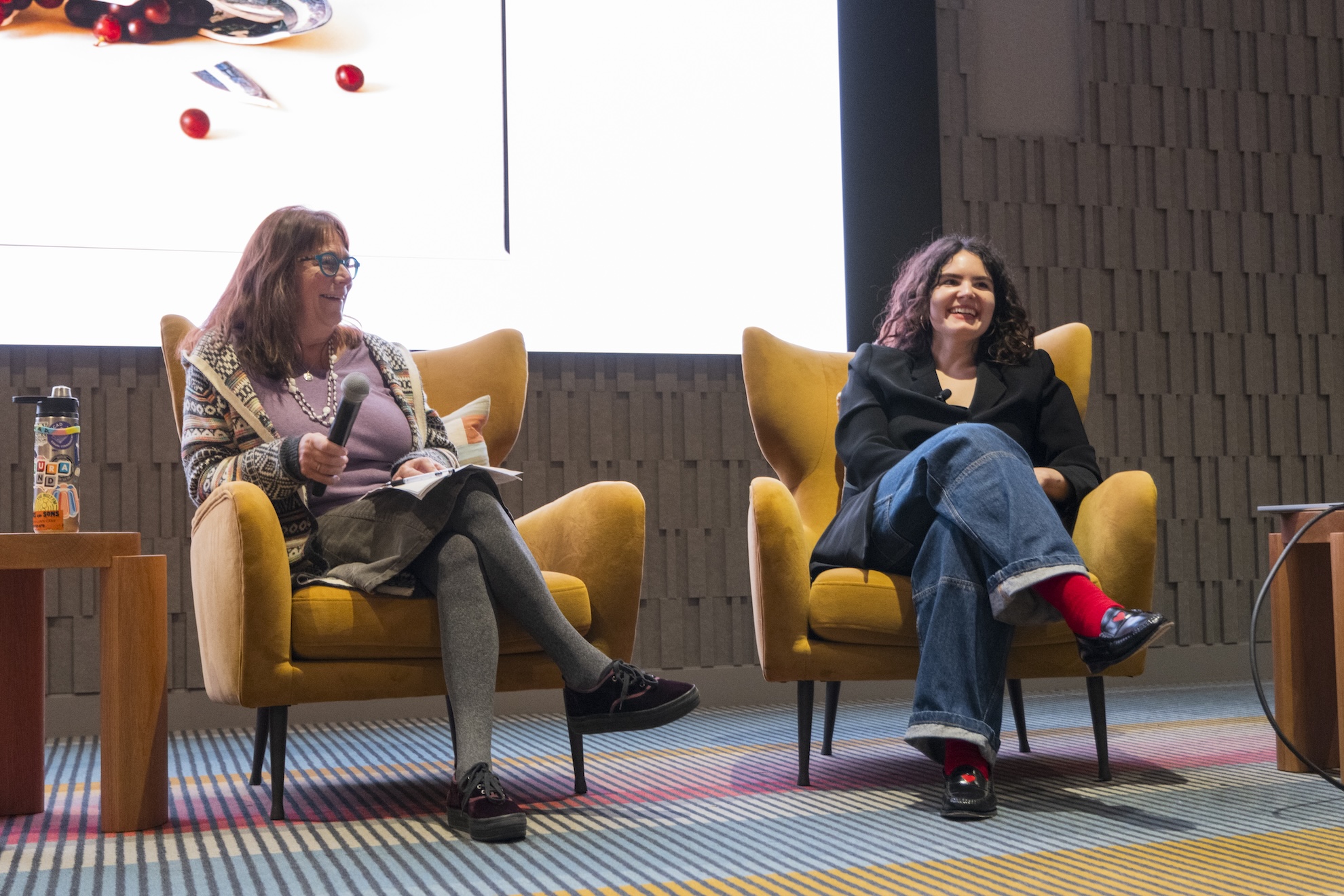
Last week, Grace Ann Leadbeater (B.F.A. photography, 2015) returned to Savannah as a visiting artist and alumni mentor, and to celebrate the publication of her new book Fig Spit. That meant classroom visits, portfolio reviews, mingling in Alexander Hall with photo clubbers and, on Wednesday night, an in-person conversation with photography professor Rebecca Nolan. Seated in the vertiginous glass space atop River, Leadbeater and her wayward coiffure deserved a color photograph worth at least a thousand words.

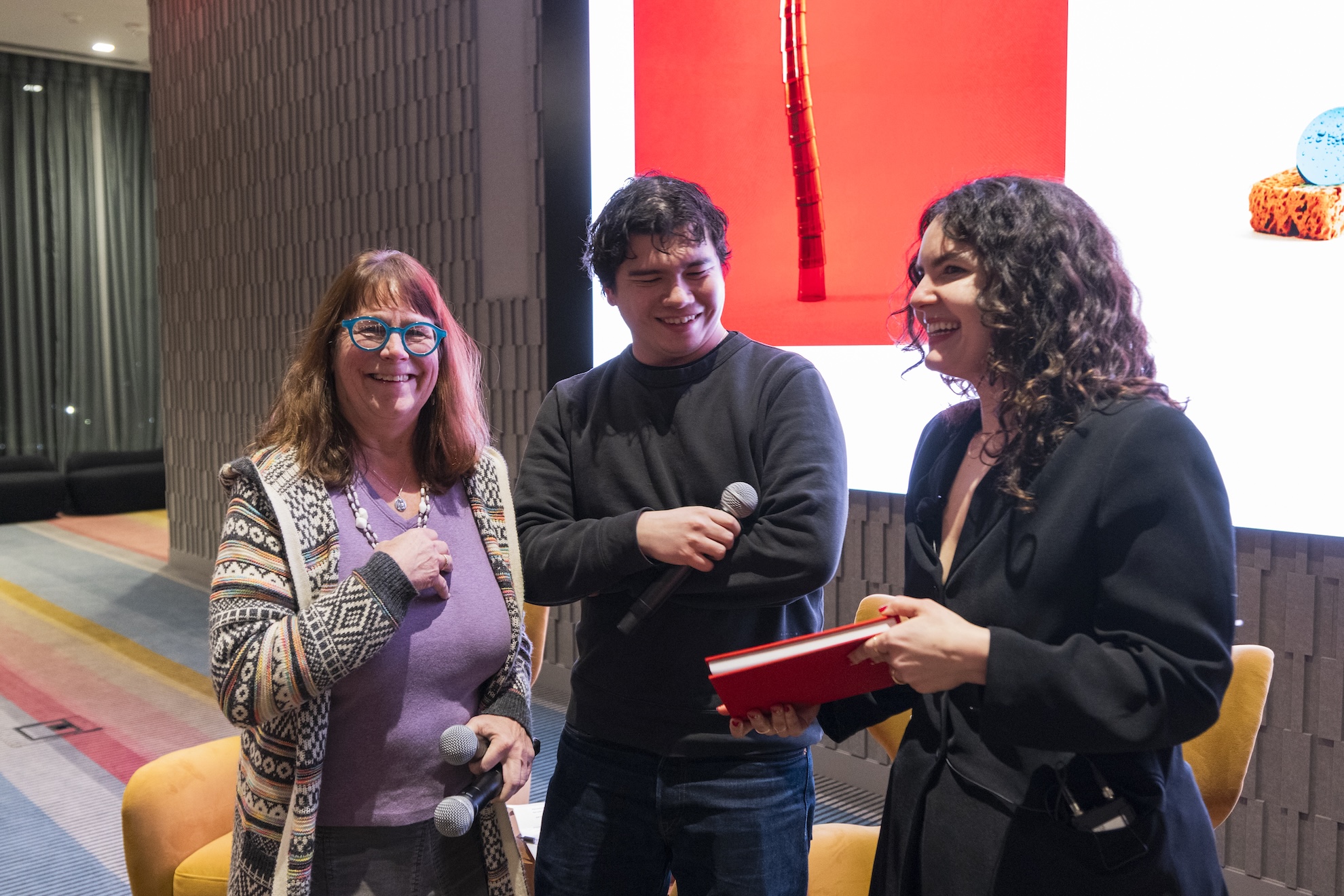
Leadbeater Nolan

As a picture: (l-r) Professor Rebecca Nolan, Leadbeater’s husband Jon Meharg, and Grace Ann Leadbeater.

"Something I was really grateful for while I was at SCAD as a student was the ability to focus on the kind of photography that I was really excited about," Leadbeater said. "When I graduated, I moved to New York because I had interned for a Nat Geo photographer there the summer before. A lot of my friends were moving to New York as well, so I knew I would have a community, which is so important." Once in New York, a different epiphany hit: "I didn't realize how important it is to have some kind of plan. To get a job, you need a recommendation. You have to be relational. Your work will not speak for itself."

"How did you finally meet people within creative fields to work with?" Nolan asked.

"I attended the New York Art Book Fair, which is still one of my favorite weekends in New York every single year. When I was there, I met different photographers who I had connected with on Instagram, and I met different publishers. It's how I found Conveyor, the press that published Fig Spit. I found them ten years ago, was very excited about their work, and felt that I eventually wanted to print a book with them."

GAL red sox

Juice crew: Nolan and Leadbeater.

On the screen overhead, Leadbeater shared images from her new book, as well as scans from journals she created at SCAD Lacoste, first as a student in 2014, then as an alumni atelier ambassador in 2024. (Leadbeater emphasized the essential influence of professor Tom Fischer (1946-2019), who arranged to have an Imacon scanner shipped to Provence so that she could scan her medium format film.)

"How can I photograph that same place with the same camera, ten years apart? The place has maybe changed in some ways, and hasn't changed in a whole lot of ways, but my own photographic sensibility has changed, so how can I show that?" Ultimately, Leadbeater explained, "I didn't really have to think about it. The things I like to look at and document were different, and that was exciting."

SCAD Lacoste, Leadbeater explained, "is on a small mountaintop, and there's a valley there that's full of cherries, and we would go down there, eat cherries, fill our pockets with them." Vivid pictures of that summertime activity — often enjoyed with the four other female artists in the atelier program at that time — burst from the pages of her 20-page handmade book, appropriately titled Cherries. She shared process photos to show what work really means: "All those strings you see are threads that we used to bind the books as we sweated through our cotton gloves until 2 a.m."

Returning to Lacoste ten years after her original visit meant an opportunity to photograph more fully, and with a more fully developed vision. Cherries became a sort of "trial run" for the fuller, hardcover Fig Spit. Nolan nudged Leadbeater to discuss the many choice that go into making a book: "Not only the sequencing of the images, but the paper choice and the texture of the cover are just as important to the process of bookmaking." Then back to the images.

"I wanted to photograph as much as possible while I was in Lacoste," Leadbeater said. "I wanted to honor the people who were there with me, whether they were there for three months through the atelier program or living there full time. When I feel compelled to make an image, I realize that someone else might not document it in this moment in time, and I feel this urgency."

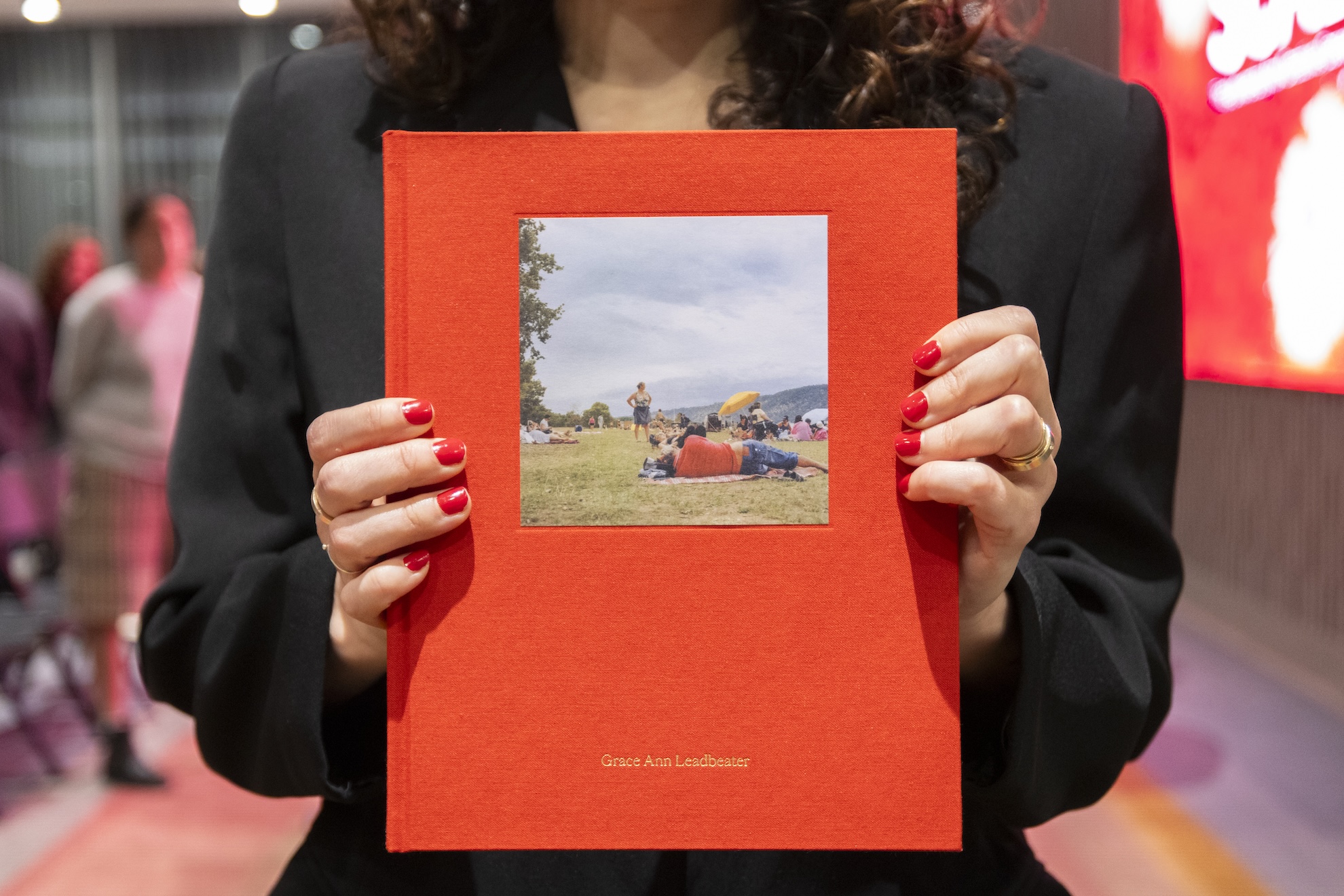
GAL book

Limited copies of Fig Spit are currently for sale at shopSCAD.

Event photos: Taren Wāng (M.F.A. photography)