Skip to main content Accessibility Policy

Moon Unit rising!

February
16
2026
By
Tags:

Some love stories are written in the stars. This one began in a sketchbook.

Yuyu Tang (M.F.A., illustration, 2021) and Xintai Li (M.F.A., industrial design, 2021; M.F.A., design management, 2021) were randomly paired to pose as a couple in a foundation drawing class. They laughed, not knowing it was the first mark on a much bigger picture.

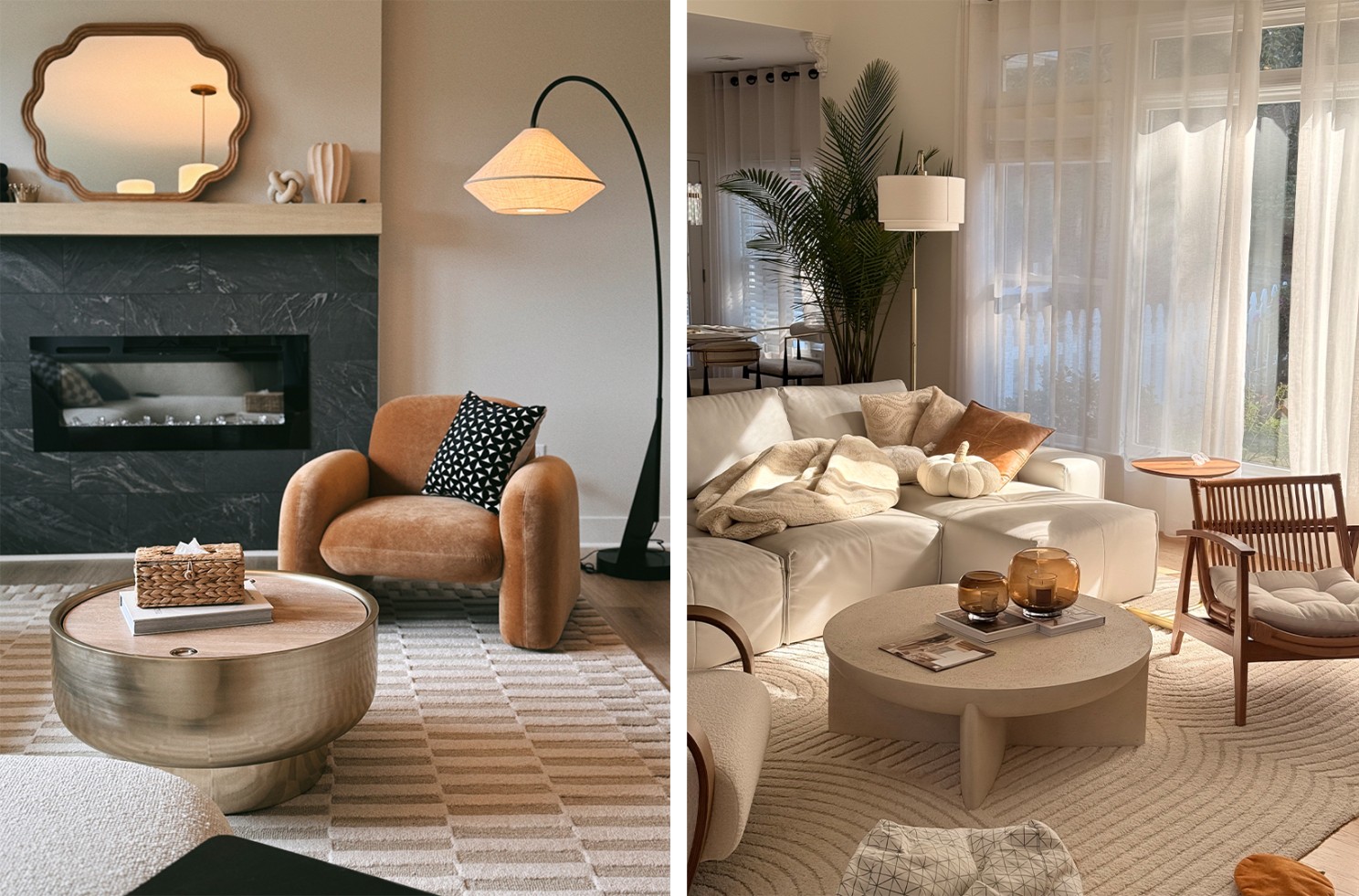
Today, Tang and Li are partners in every sense: married, raising a child and co-running Moon Unit Design, their interior design studio based in Atlanta known for its resonant, intentional spaces. "We're still learning," they explain, "and that means we get to grow with the spaces we design."

Before Moon Unit Design became a reality, Tang and Li were like many new alumni. They joined design firms, learning the pace of professional projects and handling tasks with the skills they learned at SCAD. Li's industrial design training honed his precision with materials, structure, and build processes. Tang's illustration program gave her the visual storytelling tools to make concepts tangible for clients. ESL presentation classes helped prepare them to pitch ideas and communicate with clarity. They agree: "Soft skills make hard work possible."

While early jobs gave them insight into how ideas move from paper to reality, it also made them realize they wanted more creative ownership in the long run.

"We thought instead of waiting for opportunities, why not create our own?" says Tang.

Their first independent projects came through word of mouth, and included an Airbnb makeover, a small cabin renovation in Atlanta, and a neighborhood café in China. Tang naturally took the lead in client conversations and concept sketches, while Li focused on materials, construction, and detail.

Moon Unit 2

This is personal: courtesy of Moon Unit.

Clients began calling them "translators of dream lifestyle." As referrals grew, so did their confidence in formally establishing Moon Unit, a name inspired by the concept of a moon habitat: quiet, warm, and personal.

One early milestone was Project 2049, named after the home's address. It was the first time Tang and Li handled every stage of a commission entirely on their own. The clients, a young couple living in another state, met them once for a brief conversation then placed the keys in their hands. When the couple finally stepped into their finished home, it was ready for love and life to unfold.

"We documented everything, managed every step, and gave them a home they could step into without worry," Li says.

For Tang and Li, design is about creating spaces that continue to hold love and life room by room and season after season.

"We don't design for photos, we design for people," Tang says. Every project is an extension of that shared rhythm, built together with trust at its core. Years after meeting as students at SCAD, they say it still feels like the beginning: fresh, full of possibility, and worth celebrating this Lunar New Year.

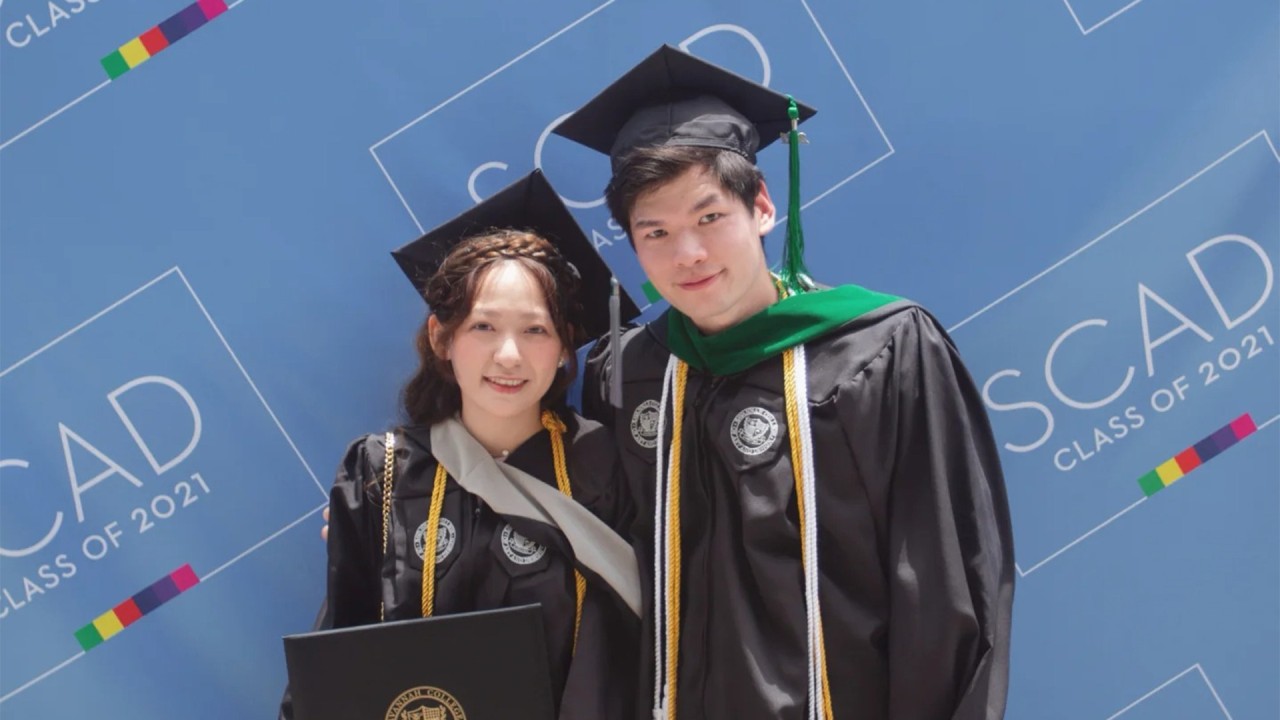
Tang and Li

Moon Unit: Tang and Li in 2021.

Visit the portfolio of the writer Yueer (Yuer) Deng.

Sounds you feel: Haoran Li

January
29
2026
By
Tags:

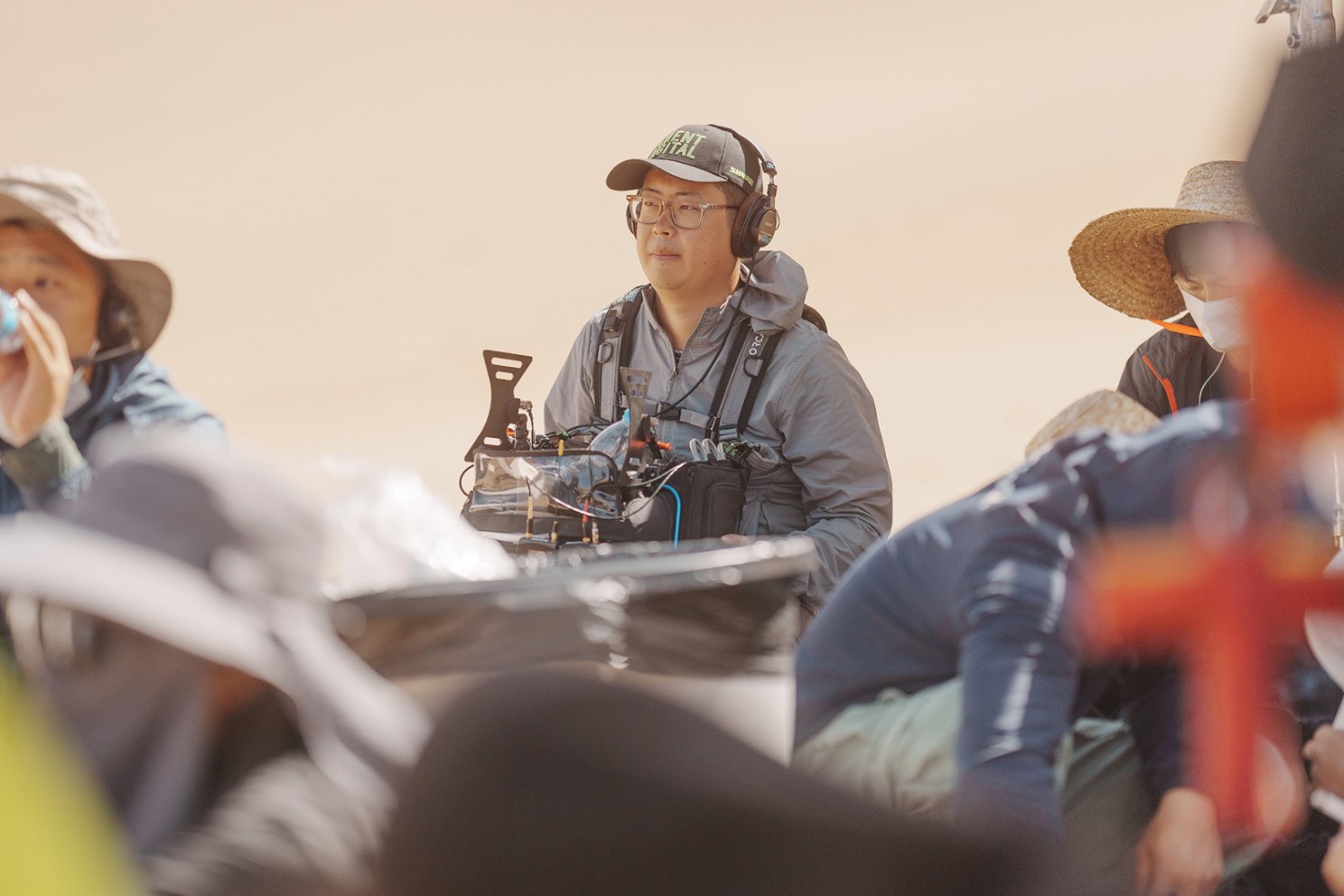
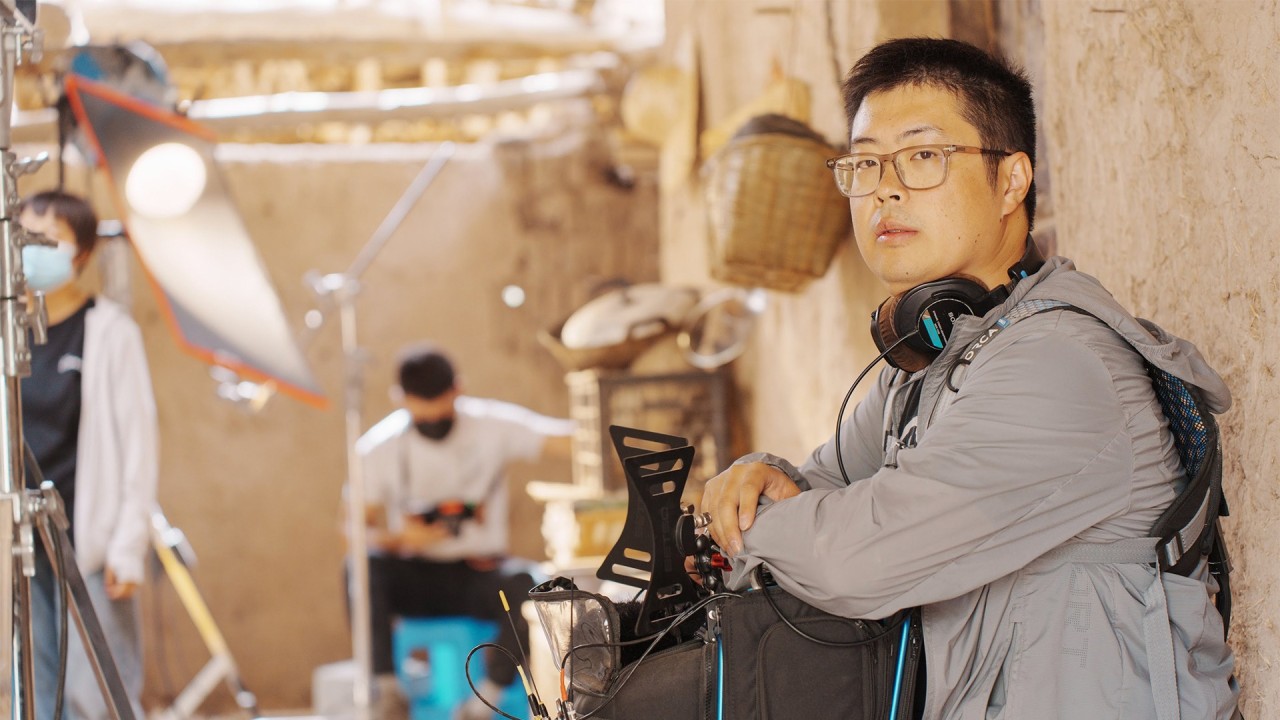
Ask a gamer what makes a game unforgettable, and they often describe a feeling: the way footsteps echo in an abandoned hall, the relief of a healing chime, the swell of ambient music as a mountain view unfolds. The invisible force behind those experiences is sound. It is the craft of Haoran Li (M.F.A. sound design, 2019), who builds what he calls “living, breathing, worlds" through audio at HYPERGRYPH, one of China's leading game studios.

Prior to earning his master's degree at SCAD, Li studied musicology in Xi'an, China, a city where history and noise blend into an urban rhythm, marked by the shuffle of chess players by the old city wall, the whipcrack of spinning tops, and the overlapping calls of vendors in the Muslim Quarter. Those sounds, he says, taught him to listen differently.

"Living in that environment made me realize every city has its own soundscape," Li says. “It reminded me that sound can record and preserve collective memory." When he first held a recording mic, he discovered the creative potential of sound itself. “It wasn't just about notes or melody anymore. It was about shaping an experience."

At SCAD, theory became creative practice. His first graduate course was Sound Effects and Dialogue Editing (SNDS 741) with Academy Award-winning sound design professor David Stone. "That was the moment when everything locked together," Li says. "I finally understood: sound isn't decoration, it's architecture."

Vision in sound: Li has worked on feature films including the award-winning To Kill A Mongolian Horse.

That realization shaped Li's approach to every project that followed, including Bricks, a Civil War short film and one of Li's defining student projects. Tasked with capturing and designing historically authentic sound, he learned the power of restraint.

“During the first half, I carefully removed the birdsong we'd recorded. It was beautiful but emotionally wrong," he explains. “Only at the end, when hope returned, did I bring the birds back. Silence became the most powerful element." The lesson: the best sound design sometimes comes from what you don't play.

Li joined a SCADpro collaborative project with Ford Motor Company to prototype voice-assistant concepts, an experience that revealed sound's role beyond storytelling. In user interfaces, sound is feedback, logic, and system language.

At HYPERGRYPH, those lessons converge. Game audio is not linear. It responds to player behavior in real-time. Every footstep, echo, or ambient hum reacts fluidly to action and environment. “Sound in games isn't passive. It's a dynamic character that responds to players," says Li.

As the industry evolves from mobile to VR and spatial audio, Li sees two forces shaping the next generation of sound design: technical depth and cultural expression.

"We need sound designers who understand both the engineering and the artistry, and who can code middleware and compose emotional landscapes."

For students exploring the field, his advice is grounded and generous: "Try different forms of sound work before specializing. Stay curious about technology, recording, synthesis, middleware, and game engines. They're the same language, spoken in different contexts."

From the bustling streets of Xi'an to HYPERGRYPH's digital worlds, Haoran Li has built a career on one belief: The best sound design isn't what you notice, it's what you feel. In an industry obsessed with immersion, that invisible craft has never been more valuable.

Explore Haoran Li's portfolio and recent works on LinkedIn and IMDb

This story features additional editorial input by Lindsay Graham.

Grace Ann Leadbeater: 'Cherries' on top

January
21
2026
By
Tags:

"It's really important to have imagery to reflect on an experience. Shoot with film. The way that color and light and shadow are translated on film, I think there's no comparison."

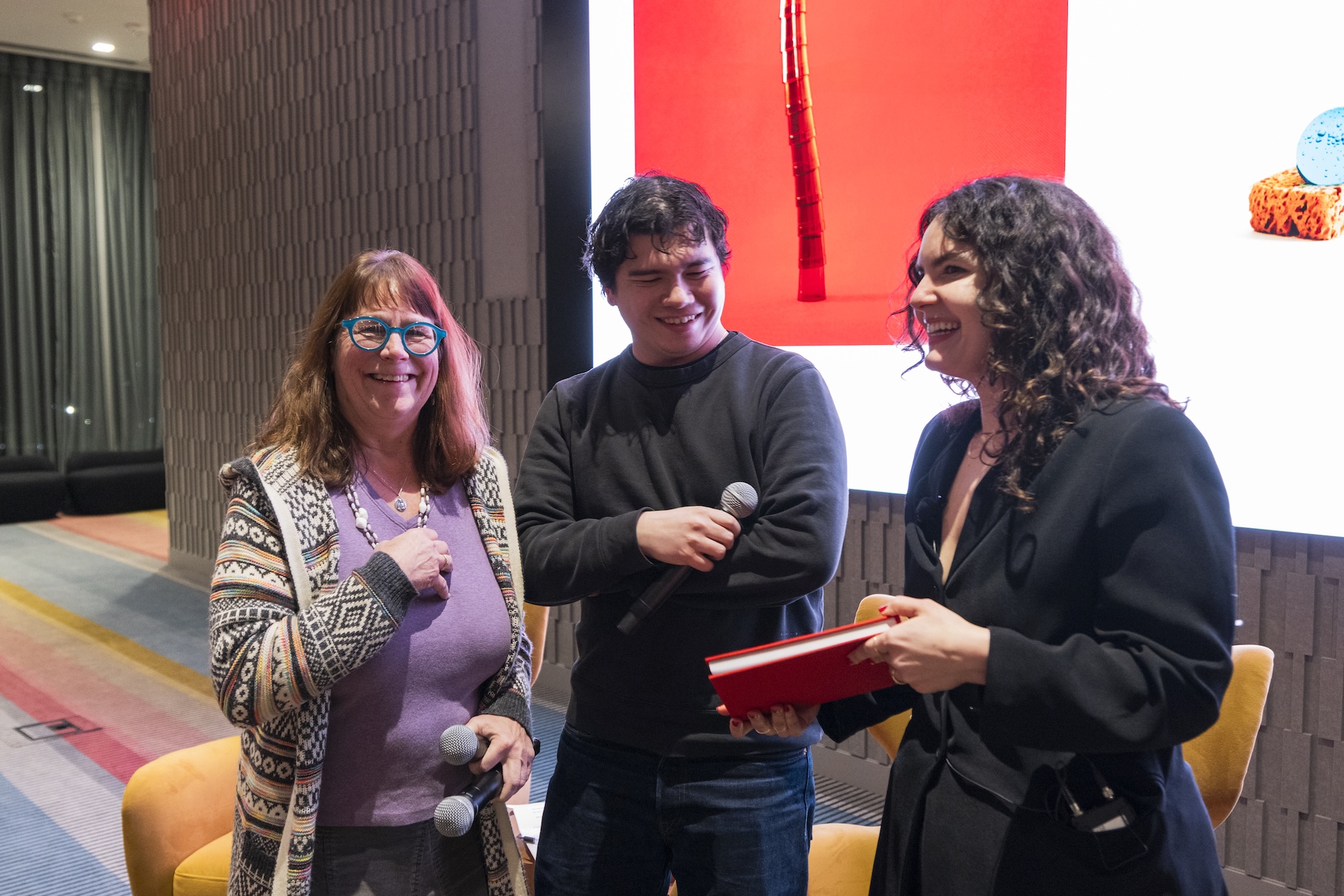
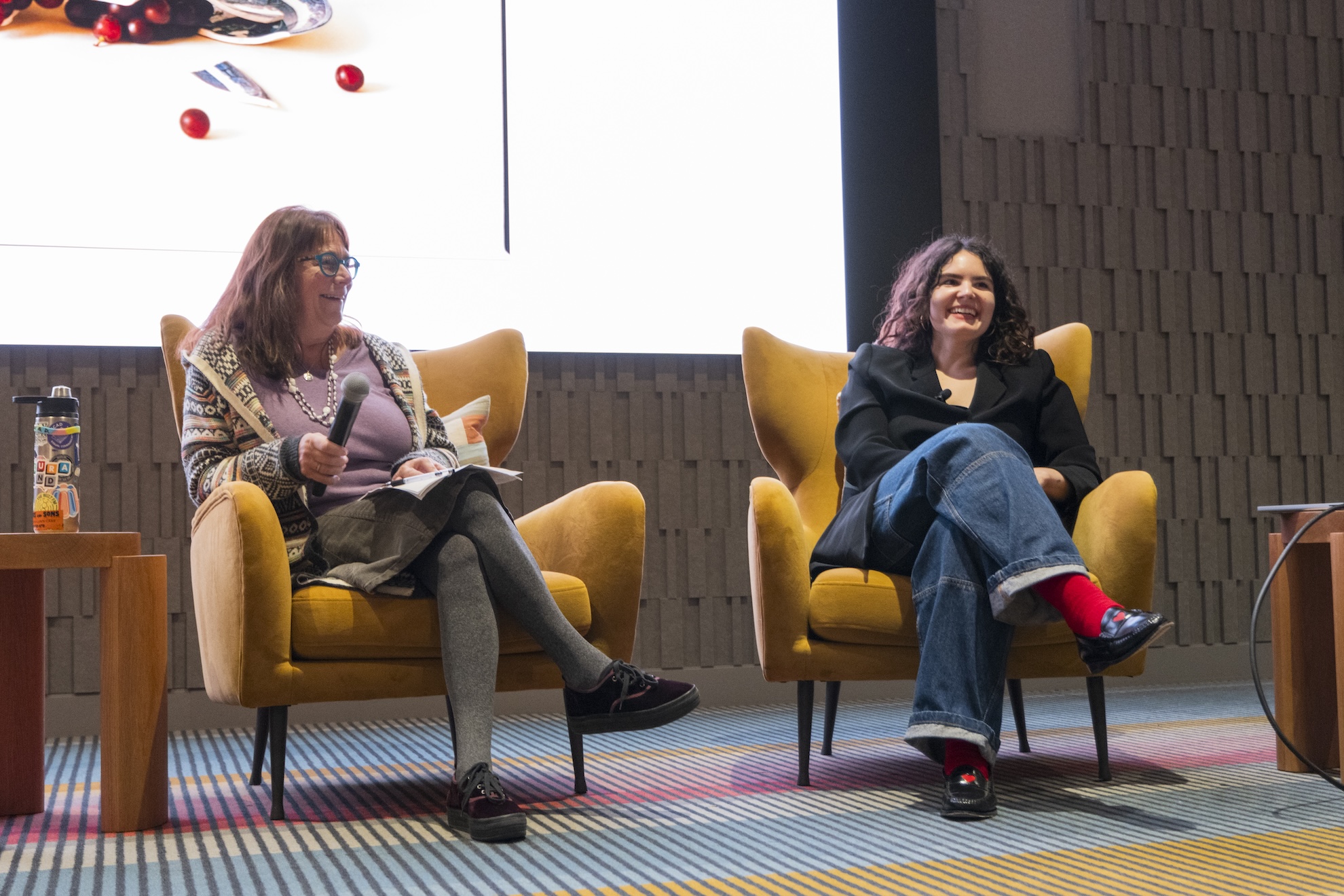
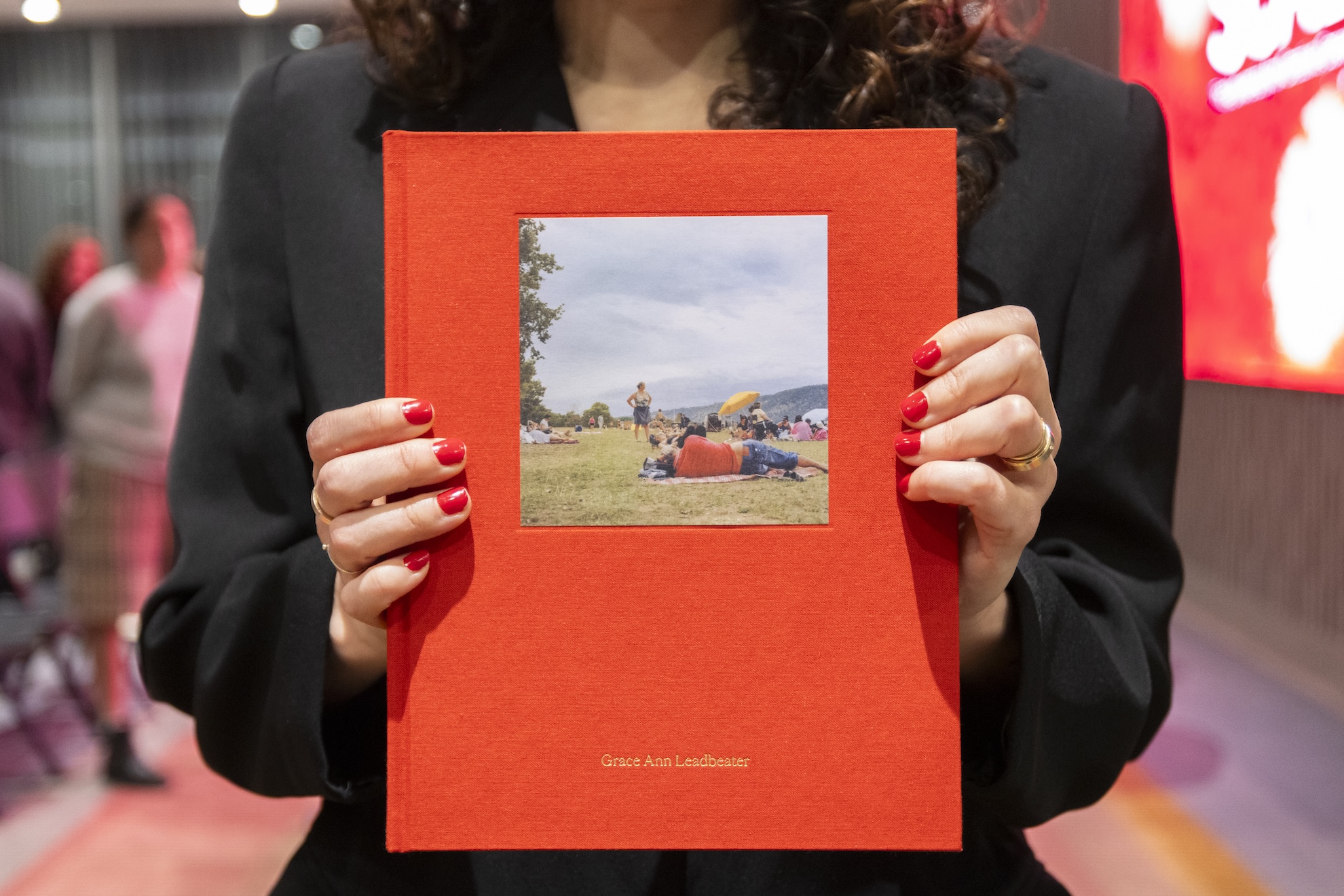
Last week, Grace Ann Leadbeater (B.F.A. photography, 2015) returned to Savannah as a visiting artist and alumni mentor, and to celebrate the publication of her new book Fig Spit. That meant classroom visits, portfolio reviews, mingling in Alexander Hall with photo clubbers and, on Wednesday night, an in-person conversation with photography professor Rebecca Nolan. Seated in the vertiginous glass space atop River, Leadbeater and her wayward coiffure deserved a color photograph worth at least a thousand words.

Leadbeater Nolan

As a picture: (l-r) Professor Rebecca Nolan, Leadbeater’s husband Jon Meharg, and Grace Ann Leadbeater.

"Something I was really grateful for while I was at SCAD as a student was the ability to focus on the kind of photography that I was really excited about," Leadbeater said. "When I graduated, I moved to New York because I had interned for a Nat Geo photographer there the summer before. A lot of my friends were moving to New York as well, so I knew I would have a community, which is so important." Once in New York, a different epiphany hit: "I didn't realize how important it is to have some kind of plan. To get a job, you need a recommendation. You have to be relational. Your work will not speak for itself."

"How did you finally meet people within creative fields to work with?" Nolan asked.

"I attended the New York Art Book Fair, which is still one of my favorite weekends in New York every single year. When I was there, I met different photographers who I had connected with on Instagram, and I met different publishers. It's how I found Conveyor, the press that published Fig Spit. I found them ten years ago, was very excited about their work, and felt that I eventually wanted to print a book with them."

GAL red sox

Juice crew: Nolan and Leadbeater.

On the screen overhead, Leadbeater shared images from her new book, as well as scans from journals she created at SCAD Lacoste, first as a student in 2014, then as an alumni atelier ambassador in 2024. (Leadbeater emphasized the essential influence of professor Tom Fischer (1946-2019), who arranged to have an Imacon scanner shipped to Provence so that she could scan her medium format film.)

"How can I photograph that same place with the same camera, ten years apart? The place has maybe changed in some ways, and hasn't changed in a whole lot of ways, but my own photographic sensibility has changed, so how can I show that?" Ultimately, Leadbeater explained, "I didn't really have to think about it. The things I like to look at and document were different, and that was exciting."

SCAD Lacoste, Leadbeater explained, "is on a small mountaintop, and there's a valley there that's full of cherries, and we would go down there, eat cherries, fill our pockets with them." Vivid pictures of that summertime activity — often enjoyed with the four other female artists in the atelier program at that time — burst from the pages of her 20-page handmade book, appropriately titled Cherries. She shared process photos to show what work really means: "All those strings you see are threads that we used to bind the books as we sweated through our cotton gloves until 2 a.m."

Returning to Lacoste ten years after her original visit meant an opportunity to photograph more fully, and with a more fully developed vision. Cherries became a sort of "trial run" for the fuller, hardcover Fig Spit. Nolan nudged Leadbeater to discuss the many choice that go into making a book: "Not only the sequencing of the images, but the paper choice and the texture of the cover are just as important to the process of bookmaking." Then back to the images.

"I wanted to photograph as much as possible while I was in Lacoste," Leadbeater said. "I wanted to honor the people who were there with me, whether they were there for three months through the atelier program or living there full time. When I feel compelled to make an image, I realize that someone else might not document it in this moment in time, and I feel this urgency."

GAL book

Limited copies of Fig Spit are currently for sale at shopSCAD.

Event photos: Taren Wāng (M.F.A. photography)

Wimmer's winners

December
30
2025
By
Tags:

Two hundred and seventy-one years after George Washington led his redcoats through the soggy outskirts of Ohio, illustration professor Mike Wimmer is sitting on a sunny Sunday in Haymans Hall, Savannah. A stunning painting leans against his desk.

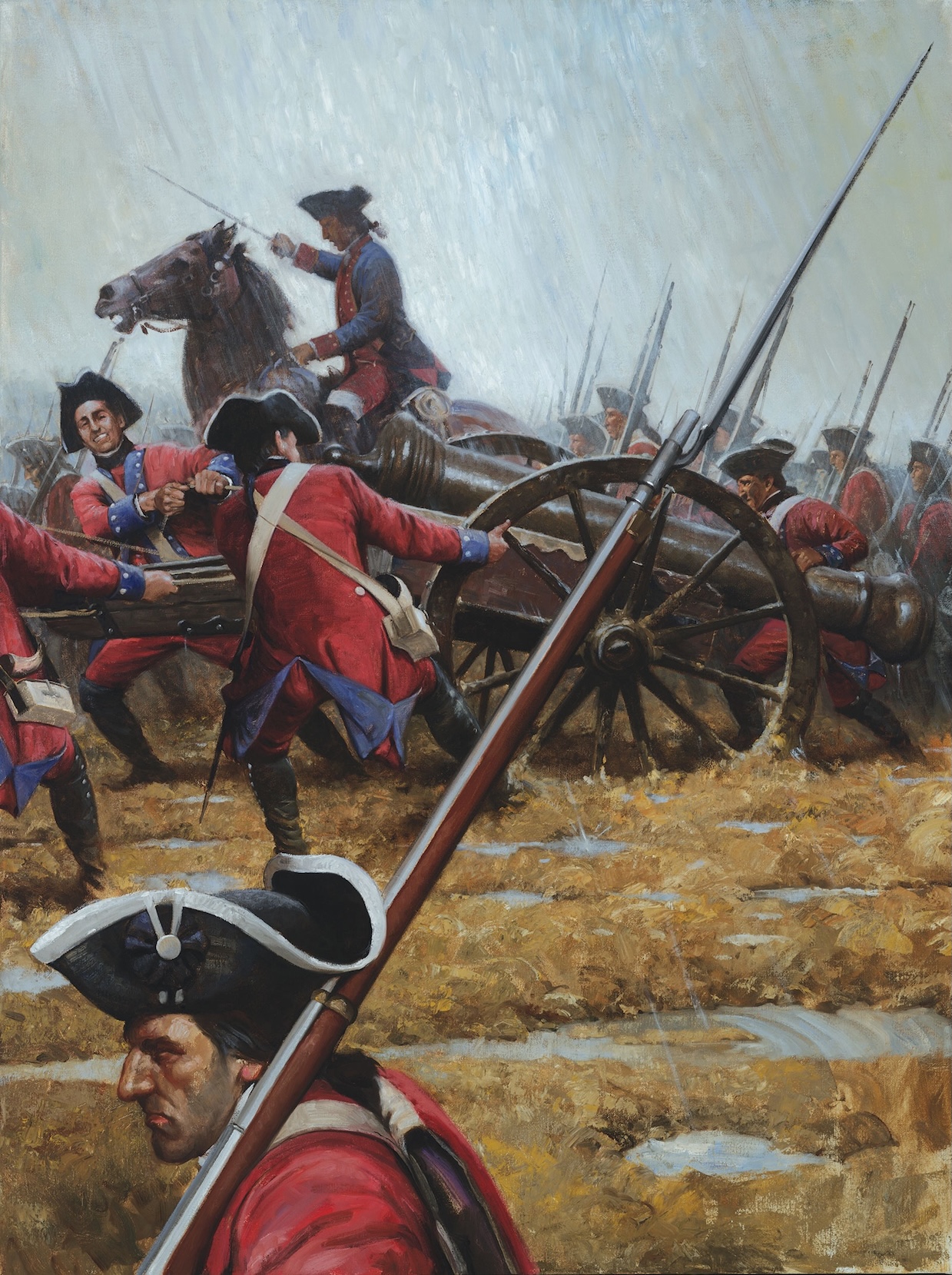
"This shows a young Washington in the French and Indian War, a war that he may have started," Wimmer says, nodding at his canvas depicting the future first President leading on horseback. "The real focus of the painting is the men slogging through the mud. Ken Burns described them as third sons and prisoners and slaves hoping to gain their freedom, landless men. All for a hope."  

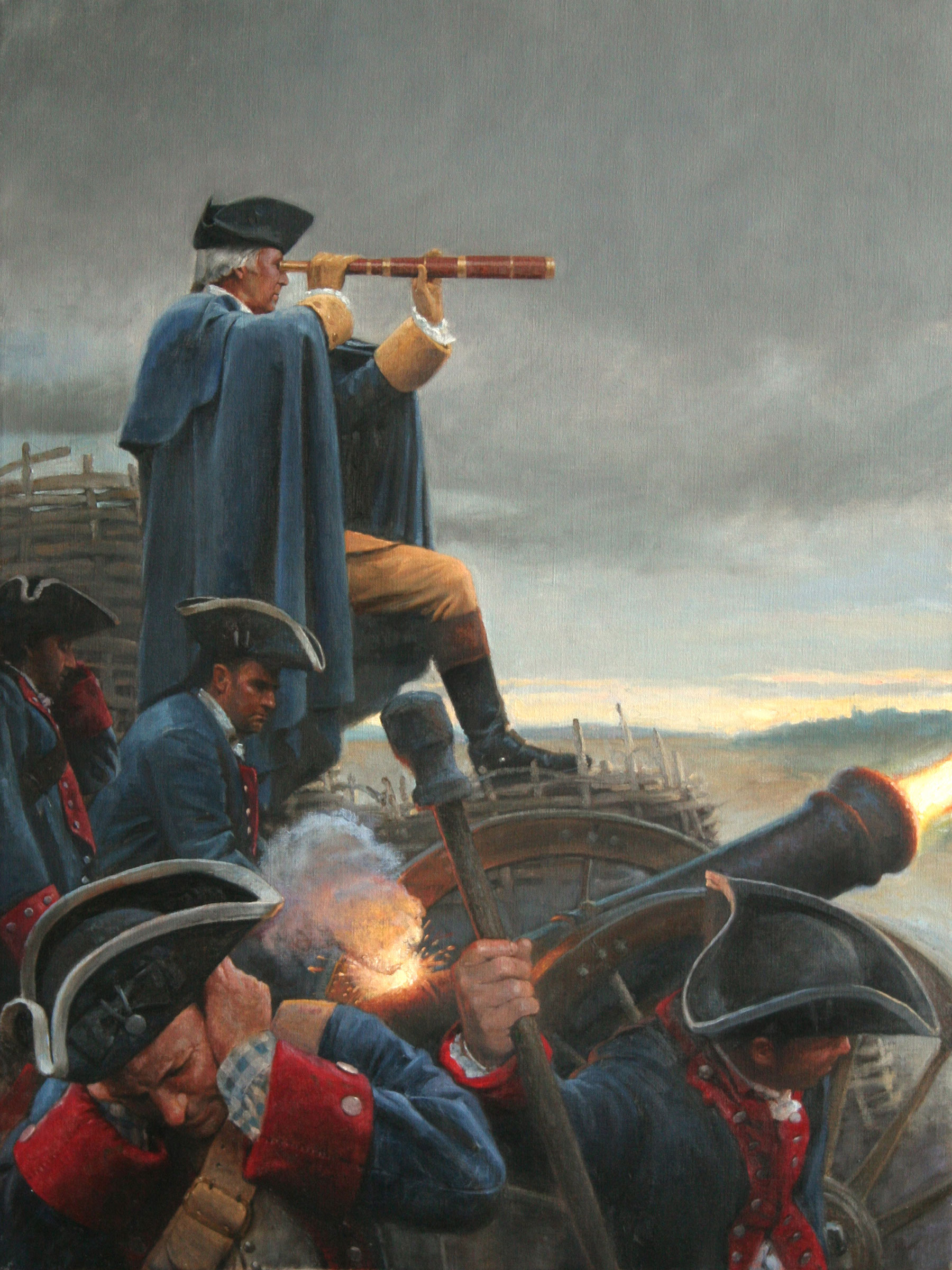
Originally painted by Wimmer for George (Simon & Schuster, 2012), a book coauthored with former Oklahoma governor Frank Keating, “Colonel Washington Pushing His Men Through the Rain During the French and Indian War” is featured along with another Wimmer painting, “General Washington Watching the Siege of Yorktown” in the new PBS documentary series, The American Revolution.

"It’s an honor to have my artwork included in a project of this significance and to contribute to this powerful exploration of America’s founding story," Wimmer says. The six-part, 12-hour series by Ken Burns, Sarah Botstein and David Schmidt is now streaming on PBS.org and the PBS app.

Mike Wimmer painting Colonel Washington

Mike Wimmer, “Colonel Washington Pushing His Men Through the Rain During the French and Indian War.”

2012, oil on canvas.


Mike Wimmer:

As a painter, I'm a realist. I want to communicate with people in a common language. I want to speak to the masses. One of my heroes, Howard Pyle (1853-1911), who's known as the godfather of illustration, said, "If I can't feel the calluses on the hands of my subject, I'm not doing my job right." I try to put myself in the position of the people I'm painting.

The British looked down upon the American militia, like they're not real soldiers, they're citizen soldiers, cannon fodder. I want you to see the action and the line of movement of Washington and his men. They're moving in the same direction with fierce determination. It's like you can hear the mud and feel the rain as they pull the cannon through the muck.

Everything in the paintings is as historically accurate as possible. I was in the early sketching stages and I bought a number of uniforms and a Brown Bess musket, that's how I know what that looks like. And it does help to go where it happened. I went to Fort Loudoun, Tennessee, for Fort Loudoun Day when all these reenactors come. I was there to take pictures and make sketches. They shoot the cannon off and I say, "Can you do it again?" [laughs]

Mike Wimmer painting General Washington

 Mike Wimmer, "General Washington Watching the Siege of Yorktown," 2012, oil on canvas.

The Battle of Yorktown painting shows them pitching their lines, moving their trenches closer and closer. These redouts were made of woven baskets full of stone. They're bombing Yorktown into submission. The French have Chesapeake Bay closed up so the British can't leave and eventually have to surrender. Cornwallis can't believe this rabble did it!

Ken Burns and his team wanted to use these two paintings of mine because of the way they depict George Washington as a narrative character. The painting of Washington at Yorktown, when they were wrapping up the Revolutionary War, is now part of the Mount Vernon permanent collection.

I love the way they used the paintings in the documentary, adding sound effects, lingering on details and on the faces of the men. As Ken Burns says, "It's not my place to judge a whether person is good or bad. That's for history to do." And that's what I'm doing with my paintings: reporting history.

Mike Wimmer 2025 headshot

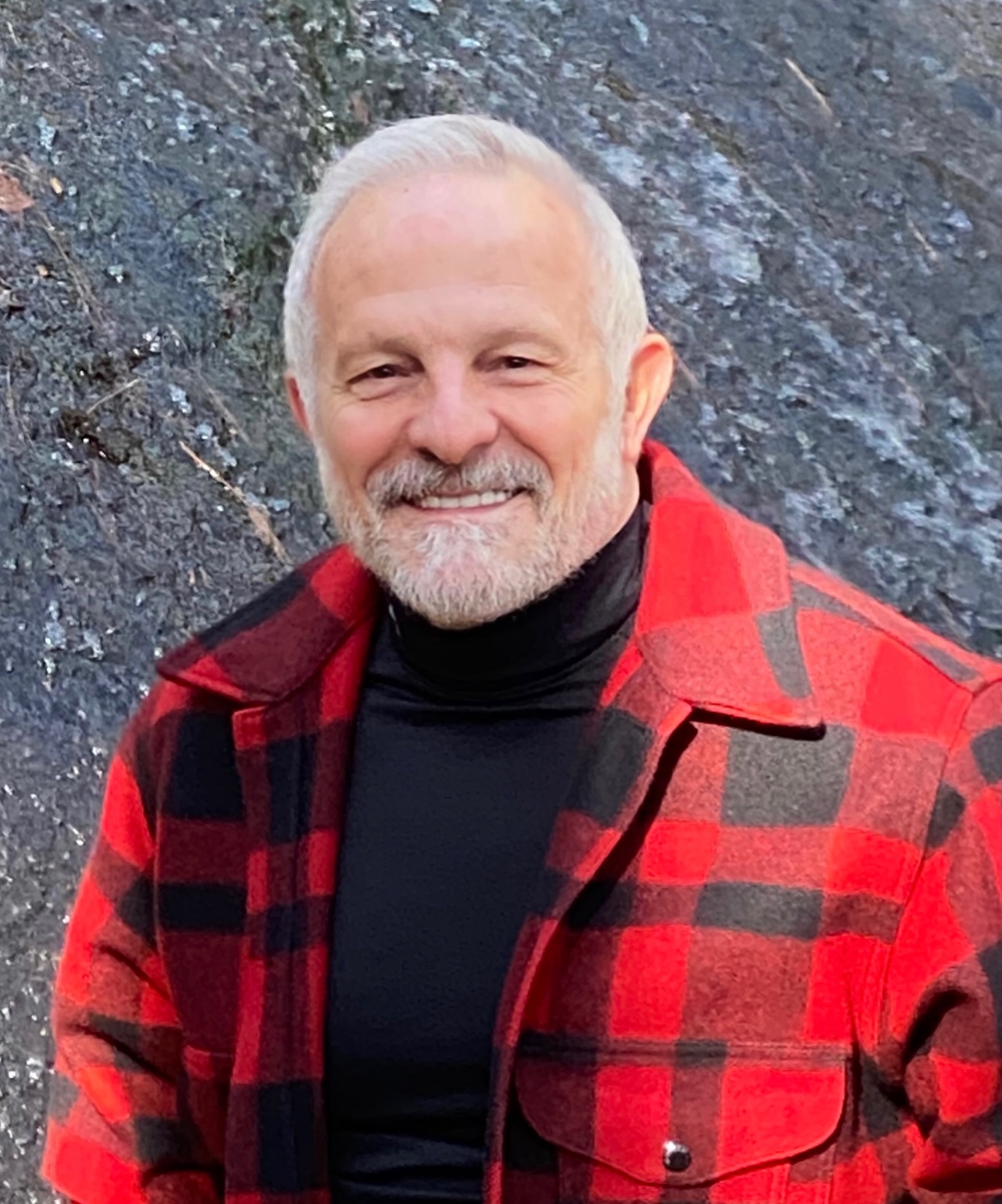
Muskogee, Oklahoma native Mike Wimmer has taught at SCAD since 2017.

Wimmer's paintings will also feature in the new season of the Paramount Plus hit TV show Tulsa Kings.

Visit him at mikewimmer.com.

Ruei Shah: from doodles to design

December
10
2025
By
Tags:

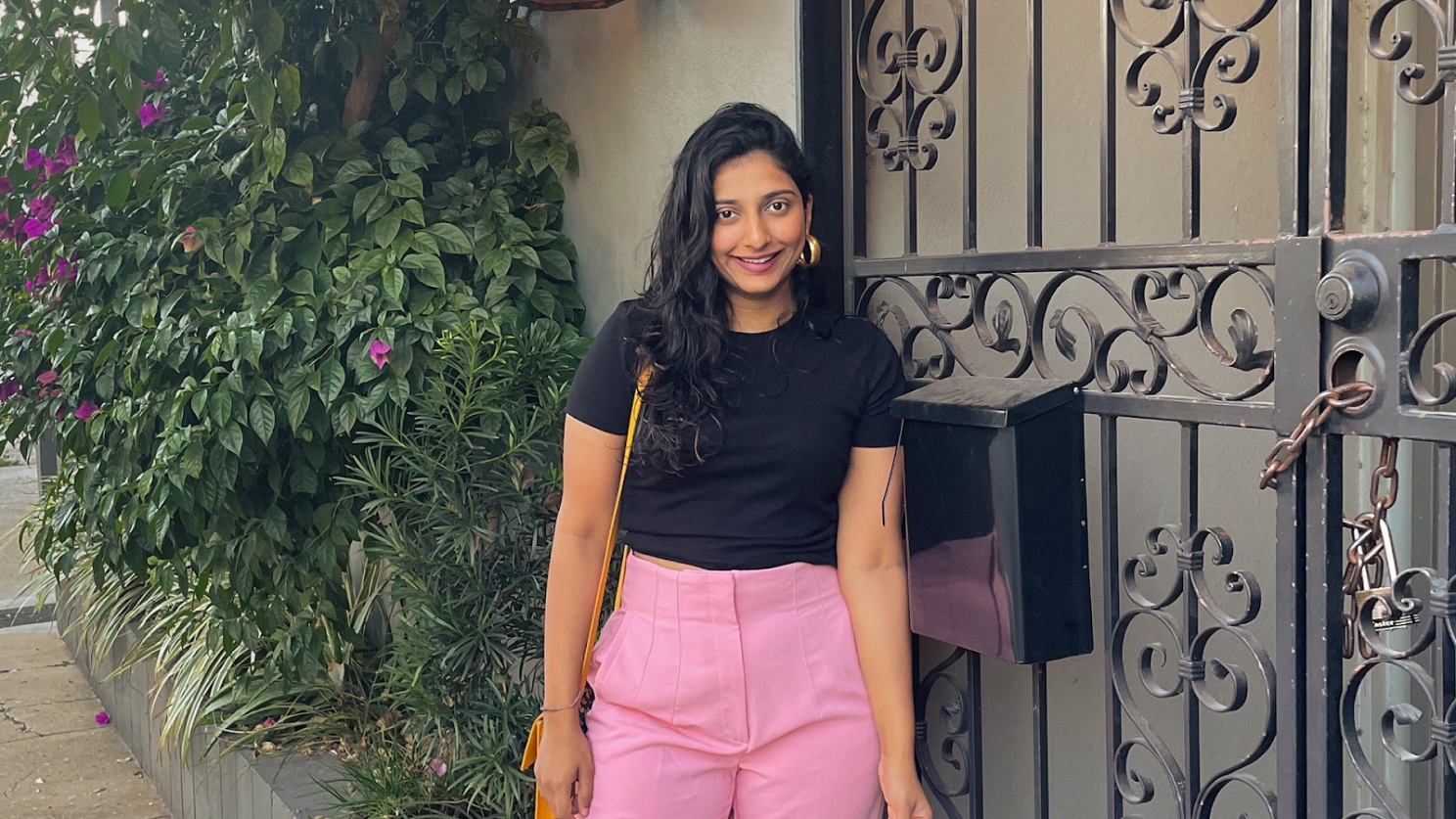
A tiny flower doodled in the corner of a school notebook. That's where the practice of Ruei Shah (M.A., illustration, 2023) began.

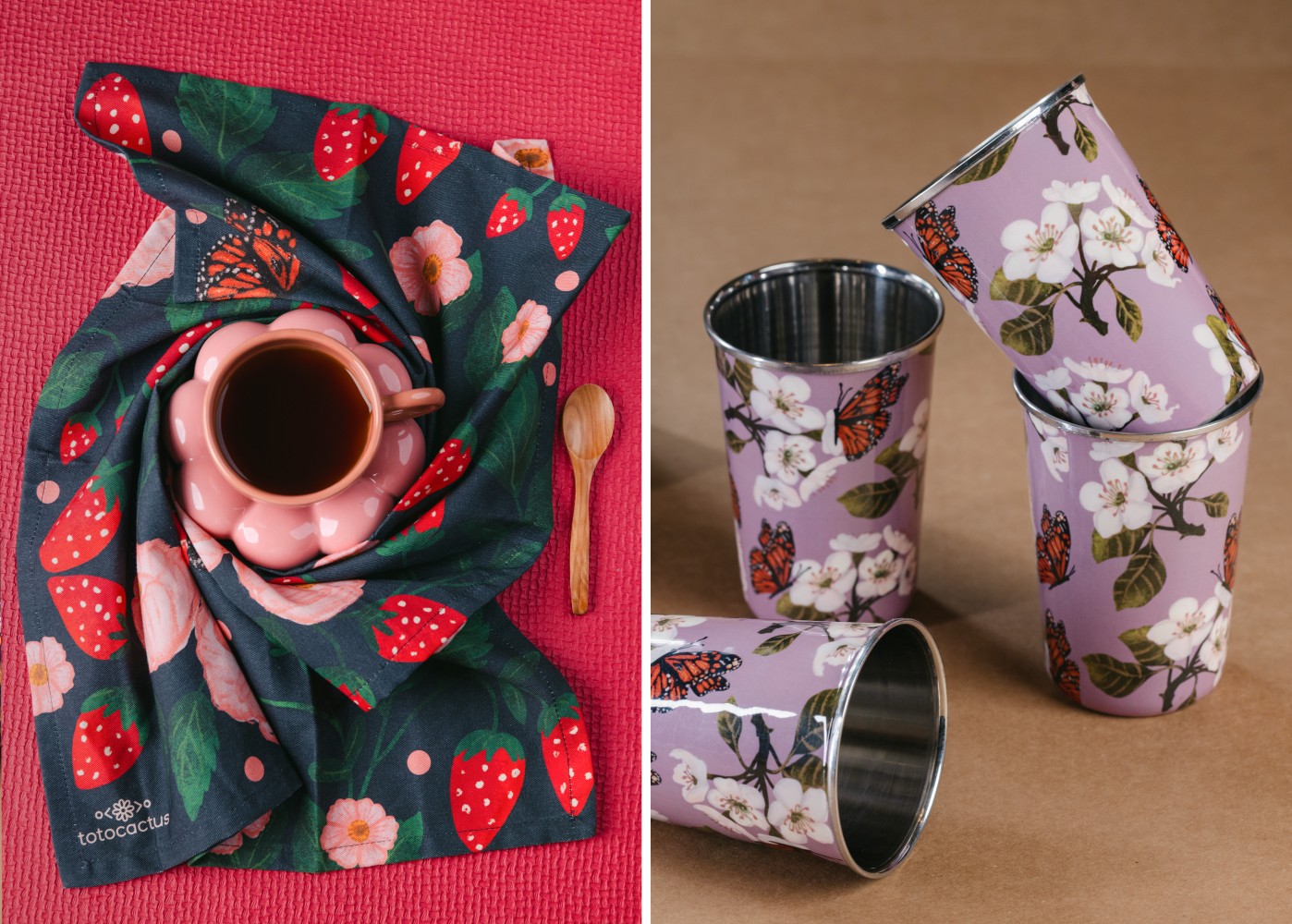
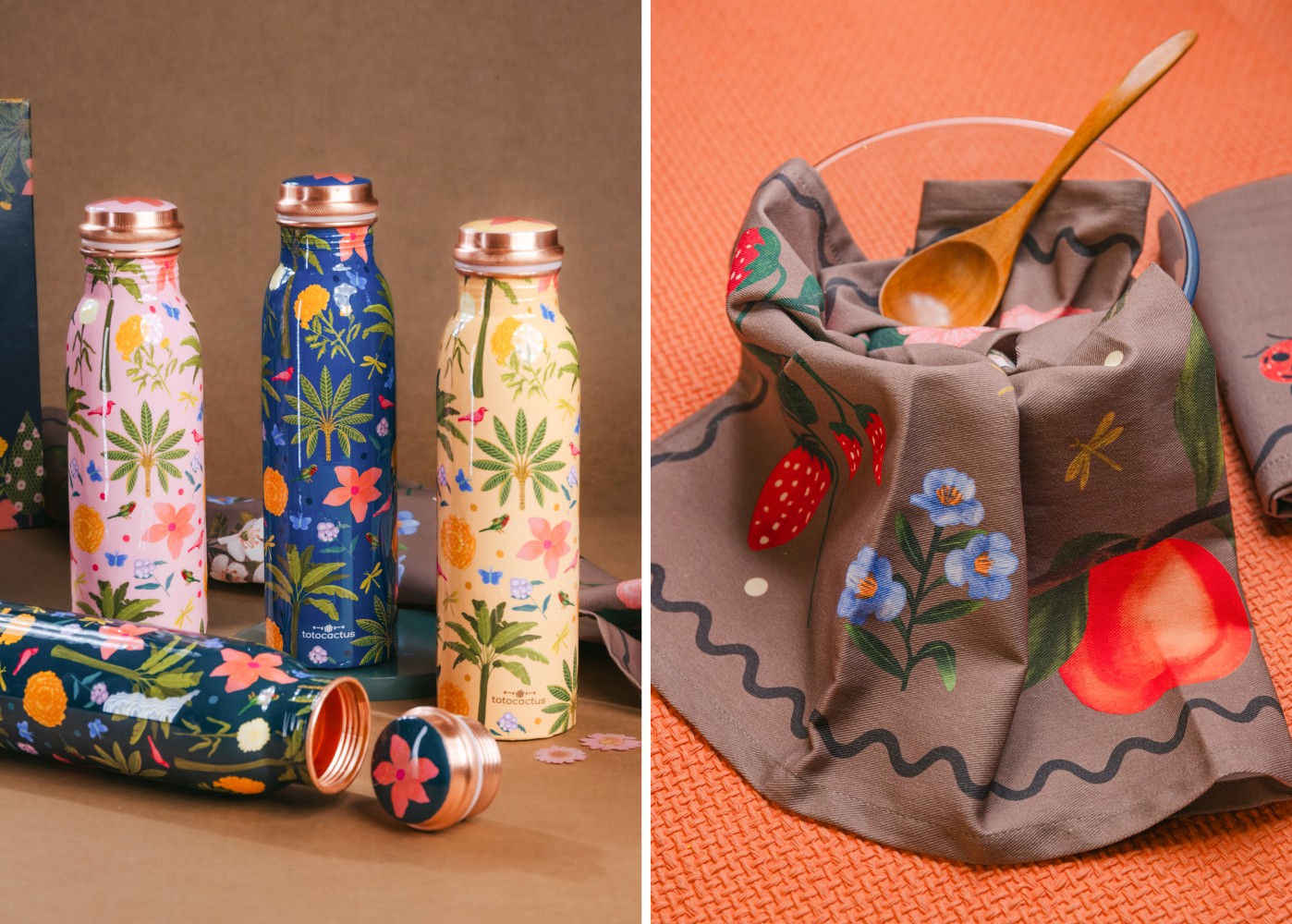
Today, the artist's margin doodles have blossomed into a creative career honored by the International Design Awards and the Society of Illustrators Los Angeles. Shah's illustrated stationery and home goods brand Totocactus is currently expanding across the U.S. and India.
 
The brand is "a dream in the making for over ten years," Ruei says. Sparked by her fascination with paper, binding, and print techniques, Totocactus centers storytelling in everyday objects: notebooks, textiles, keepsake boxes. Patterns repeat like refrains in a song; variations keep the story alive.
 
"Every pattern and every motif must have a purpose, [they are] carriers of meaning, guiding the viewer through the narrative," Ruei explains.

Totocactus goods 2

Doodle bugging: homewares design by Ruei Shah. Copyright © Totocactus, 2025

She starts with research and story, sketches extensively (at least ten variations), refines in grayscale for rhythm and hierarchy, and moves to color when the concept and feeling are clear.

Growing up in India ("I was surrounded by layers of visual information"), she absorbed traditional forms including Warli, Gond, and miniature painting. That journey yields illustrations rooted in place yet fluent across cultures.

Corporate experience sharpened the production demands of her craft. As a graphic designer for Hobby Lobby, Ruei learned the invisible rigor behind beautiful things: audience calibration, color management, print readiness, and trend cycles. The discipline manifests in Totocactus releases, where concept, palette, and production are engineered together from day one.

"Preparing files for print taught me precision from setting correct color profiles and resolutions to thinking through how a design will translate onto paper, fabric, and other materials," she says.

Totocactus goods 1

Flowered up: homewares designs by Ruei Shah. Copyright © Totocactus, 2025

Early in her career, Ruei delivered more than 30 watercolor motifs for a clothing brand that had only briefed five; later, she walked into the store and saw an entire collection built from her work, a moment that "taught me to value my work, charge fairly, and trust my instincts."
 
On tools, she's pragmatic. A hybrid analog-digital workflow lets her iterate quickly without losing hand-drawn warmth. AI is a reference companion, not a replacement.

"AI can generate incredible deliverables, but it still lacks the emotional depth and human touch that come from lived experience. Right now, I see AI as a collaborator that helps with ideation and speed," Ruei says.

For students and early-career creatives, Ruei's counsel is direct: keep learning, build a portfolio even before client work, design with purpose and audience in mind, and protect your value. "Knowing your worth is one of the most empowering lessons you can carry with you."

What's next? Totocactus is preparing launches in India alongside new collaborations in textiles, kitchenware, ceramics, "affordable yet luxurious" pieces that bring "a little magic into people's everyday lives. Ruei continues to pursue book illustration, where narrative and image meet.

And when she's stuck?

Shah smiles. "When I first started drawing, every doodle began with a simple flower. It's still a creative reset button for me."

Ruei Shah photo

Connect with Ruei Shah on LinkedIn.

Shop the wonderful world of Totocactus!

Anushua Sinha: illustration as activism

November
19
2025
By
Tags:

What if activism were embedded in children's books? What if it resembled frogs in bow ties, otters full of curiosity, and gorillas in gentle embraces? For alum Anushua Sinha (M.F.A., illustration, 2023), this question is not a hypothetical — it's a reality she brings to everyday life.

"I like to think of myself as an environmental translator," Sinha says. "Kids might not connect with melting ice caps or biodiversity statistics alone. They do connect with a frog who is leading a marching band."

Anushua's career started with an illustration of that bandleading frog for Our Potpourri Planet (HarperCollins), a book about climate change and the need to save the planet. She sees her work on Our Potpourri Planet as a "make-or-break" moment that led to her first book deal and earned her recognition at the Society of Illustrators of Los Angeles' Illustration West competition. It showed that persistence — even when driven by challenging circumstances — can open doors that talent alone might not.

"What started as a job became the piece that others recognized as award-worthy," Sinha says.
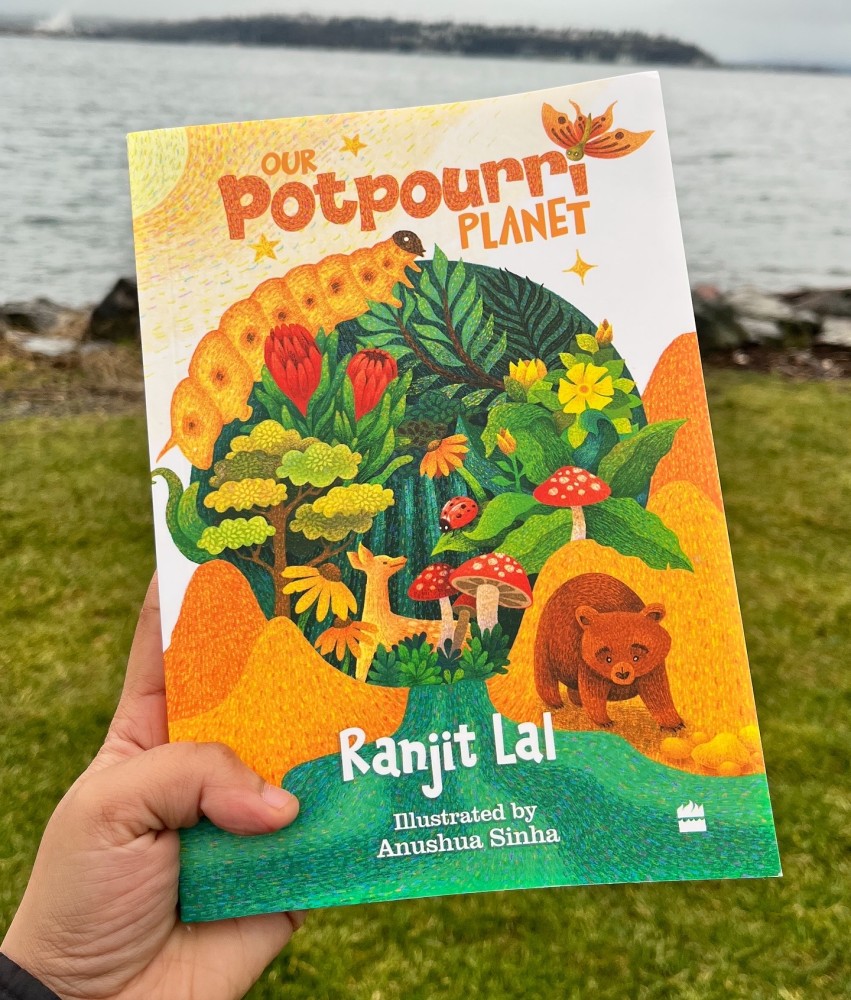
Anushua Potpourri

Modeling the lively cover of Our Potpourri Planet (HarperCollins).

Through her SCAD thesis, she sharpened her skill at making complex topics accessible without losing their importance. Professors advised her to find a balance between creativity and discipline. "SCAD taught me to weave playfulness into precision," she says. That balance, combining responsibility with imagination, remains a hallmark of her work.

Sinha's illustrations, published in Maritimus Magazine and in collaboration with HarperCollins, Slate, and the Algorand Foundation, animate facts with emotion and depth. A gorilla mother's embrace makes deforestation personal. A husky named Luna turns daily routines into tender comedy. An otter sneaks ecological data into a bedtime story.

"Animals are the bridge," Sinha explains. "They spark empathy and make abstract ideas vivid."

Styled to resemble a painting and rich in texture and patterns, similar to Indian Impressionism, her illustrations draw on Mumbai's visual chaos and the traditions of Gond, Kalamkari, and Madhubani. At SCAD, she learned to translate those influences into a universal language. Now, whether reimagining The Book of Doors or illustrating children's stories, she emphasizes her belief that "decoration shouldn't just look pretty, it should serve the story."
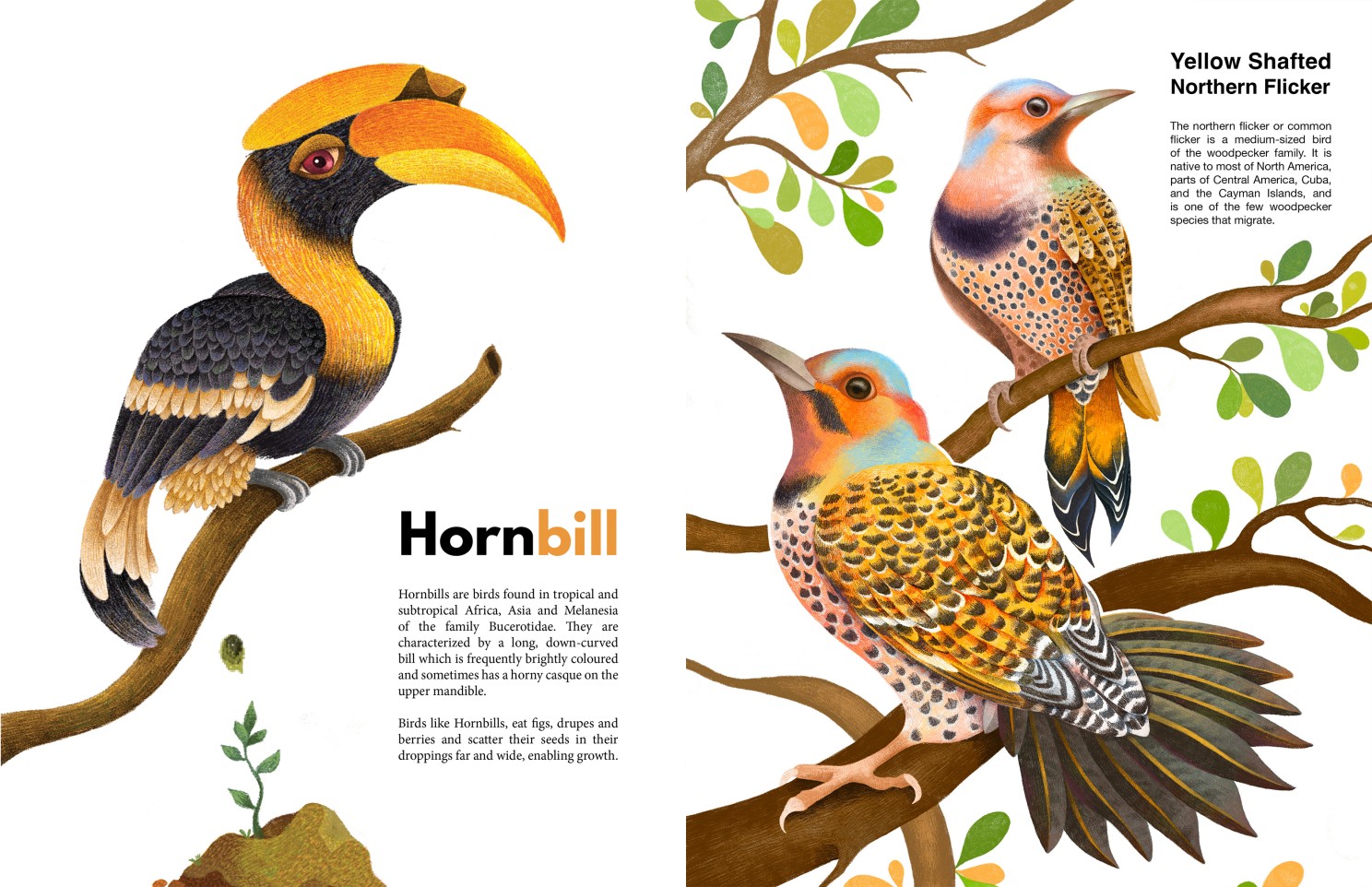
Anushua Hornbill

Illustration by Anushua Sinha for Denver Audubon.

While she has been honored by 3x3 Magazine, iJungle, and Creative Quarterly, Sinha still reacts to accolades with disbelief. That humility keeps her grounded. Even in client work, she protects her "doodle spirit," sneaking playful details into deadlines as reminders of why she started. At a time when AI produces instant aesthetics, Sinha champions illustration as art couture — measured, intentional, and built to last.

"It takes longer than a prompt," she says, "but that time and intention are what make it resonate."

Her current projects include children's books, games, and illustrations for magazines like Maritimus and Bento. Each one expands her skills, and they all share a common foundation: empathy interwoven with imagination.

So, can illustration serve as a form of activism? Sinha's work suggests yes. Her frogs, gorillas, and doodles demonstrate that art doesn't need to shout. It can enter subtly, cloaked in color, pattern, and tenderness. In her hands, illustration isn't surface, it's story. It's empathy, and it's activism — disguised as wonder.
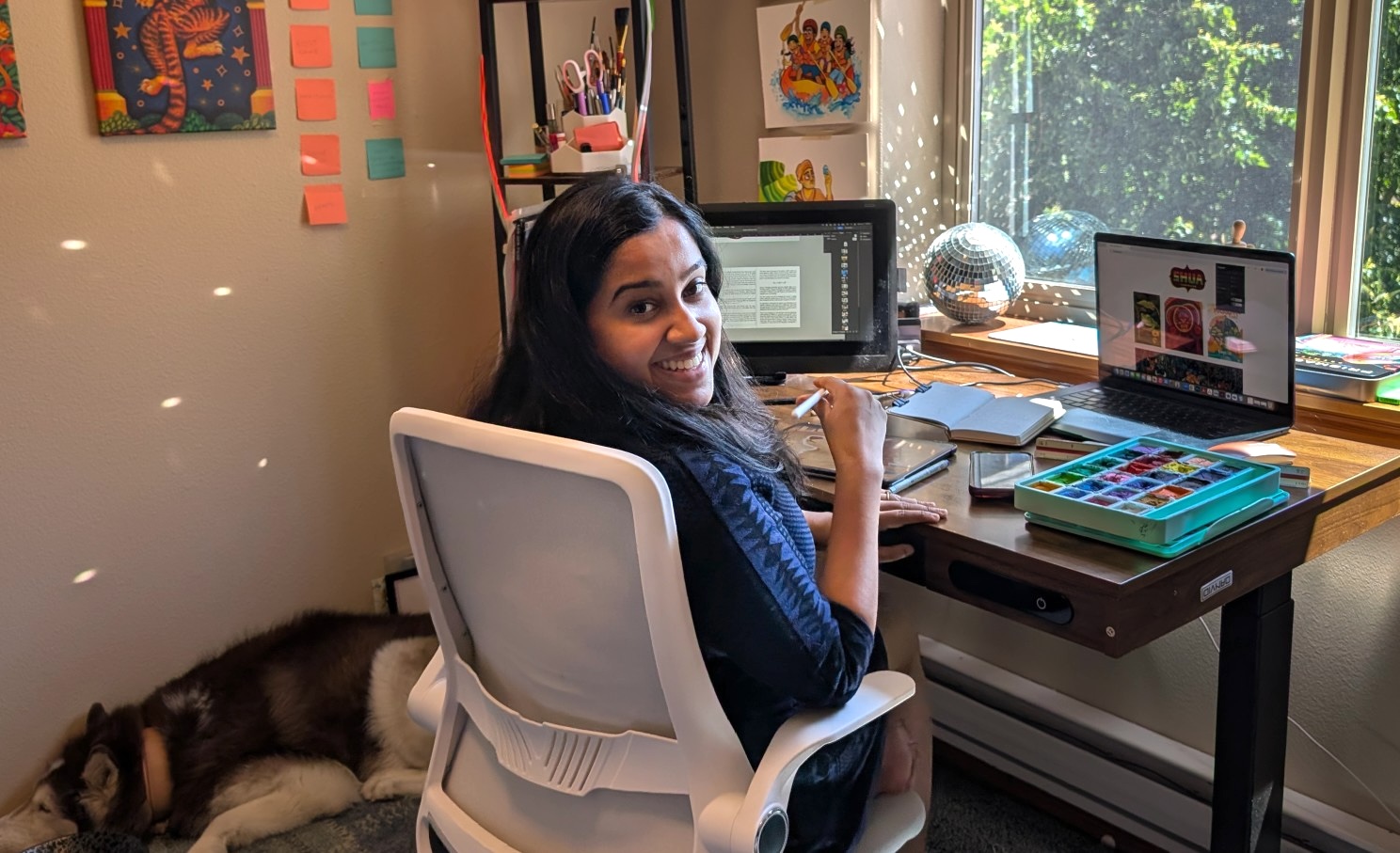
Anushua working

Discover more of Anushua Sinha's work on her website and Instagram.

Learn more about how SCAD illustration programs empower the next generation of visual storytellers.
Film Fest in focus: Alumni Voices

November
1
2025
By
Tags:

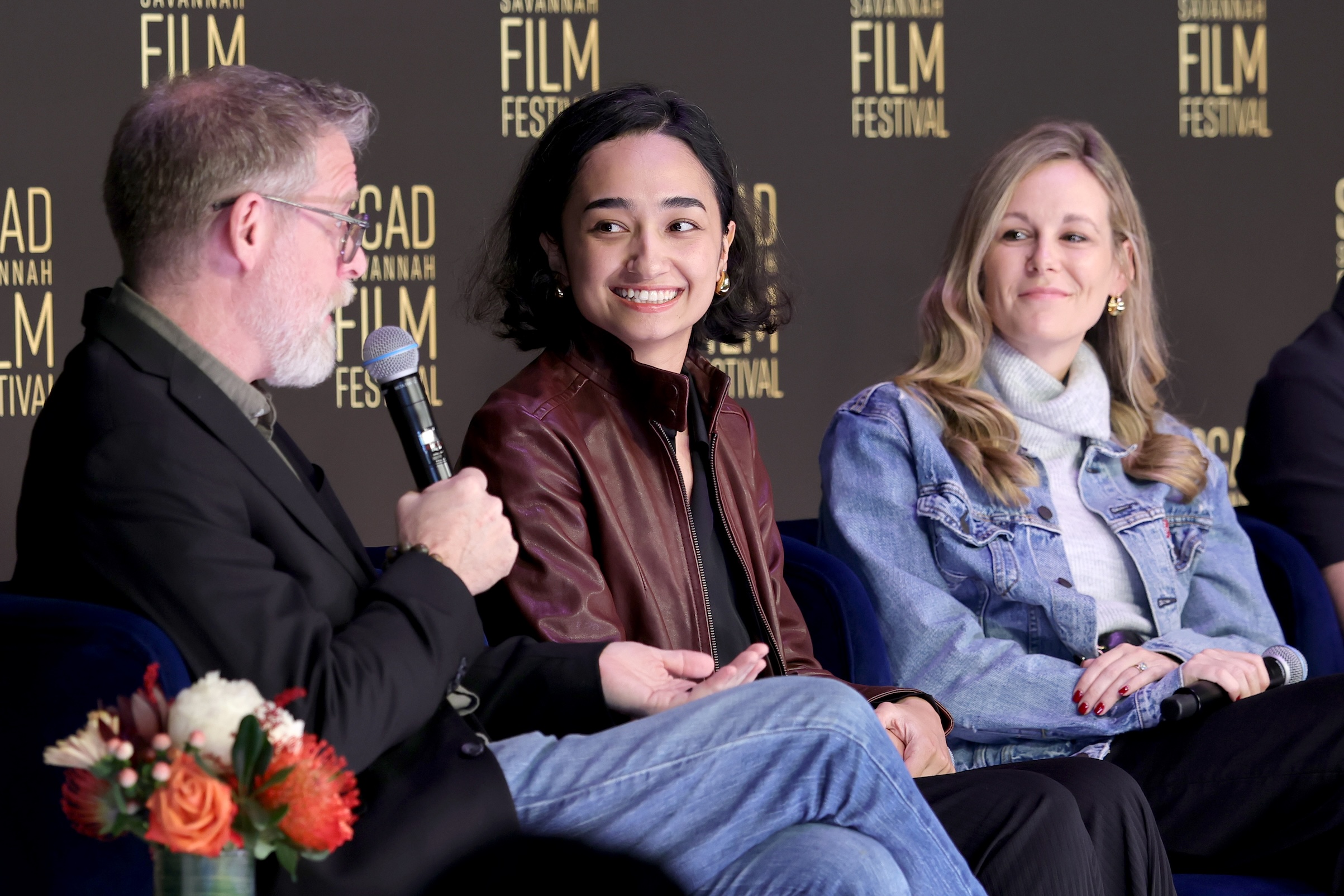
"Always my favorite panel of the year," said film professor Michael Chaney from the intimate stage of the Gutstein Gallery on Thursday as "SCAD Alumni Voices" began. "We get to find out where our students have been, where they're going, and where you might be going as well."
 
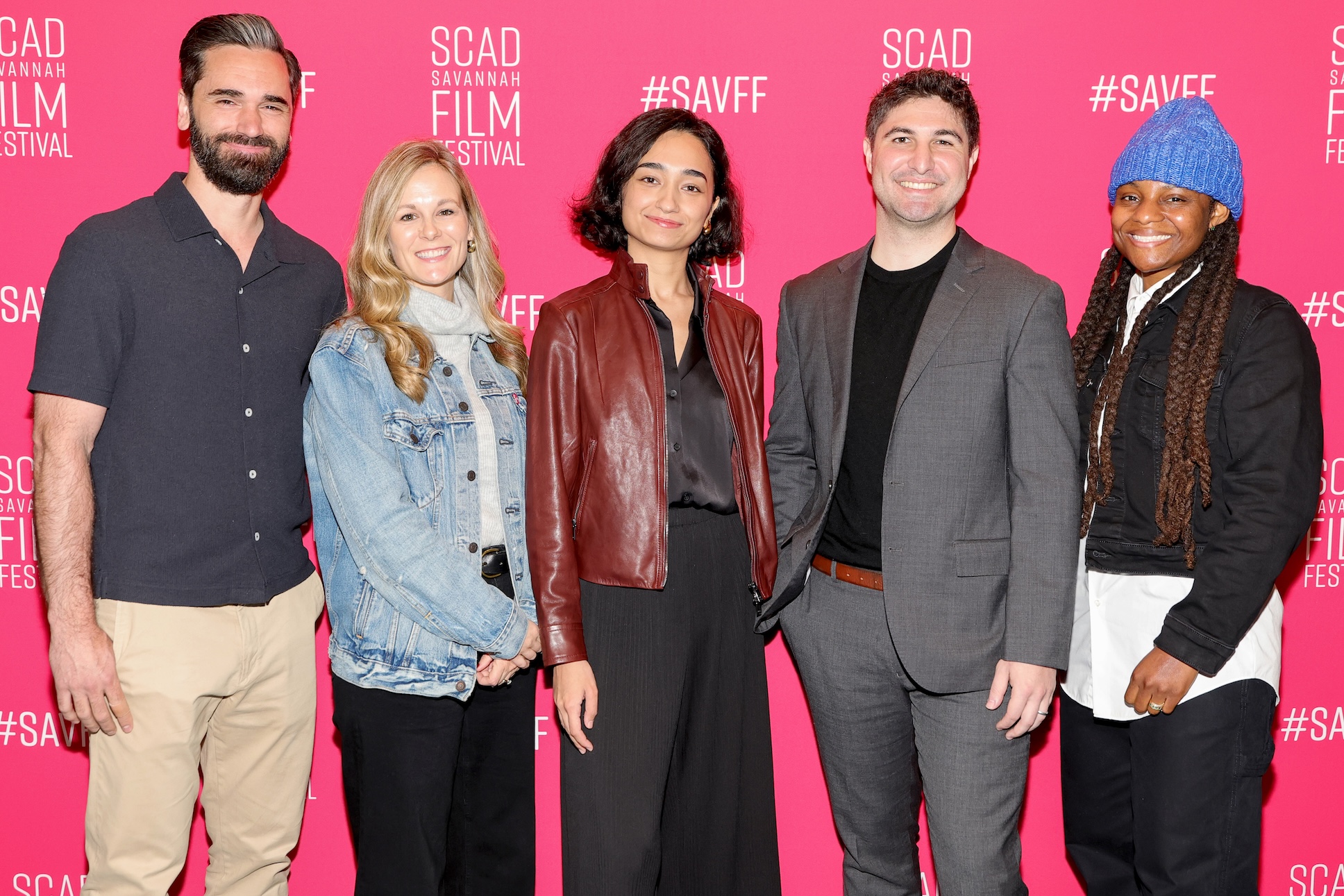
What followed was one of the best hour-long blocks at this year's SCAD Savannah Film Festival. The alumni panelists were Sebiye Behtiyar (M.A. acting), Virginia Berg (M.F.A., production design, 2015), Nathan Engelhardt (B.F.A., animation, 2007), Filipe Messeder (B.F.A., sound design, 2016), and EmmoLei Sankofa (M.F.A., sound design, 2014).

"Tell us what happened from the time you received your diploma at SCAD to sitting here right now at Film Fest," Chaney prompted. 

Here are nuggets from each alum's response.

Film Fest Chaney Behtiyar

Grad schooling: Chaney speaks with Behtiyar and Berg.

Behtiyar made her feature film debut as the co-lead actor in this year's Preparation for the Next Life. Sebiye: "During my first year studying acting here at SCAD, I was working on projects with my film friends, and I got to know this actress who is also from China, and one day she randomly sent me a message about a testing call and said, 'I think they're looking for you!' I was so nervous, like, maybe this is the one and only chance I will have to speak my own mother tongue [Uyghur] in a film. As an international student, I never expected that there would be a role in the world that would be for me. I put all of my heart into this film."
 
Art director Berg has worked on films including Avatar: The Way of Water and I Know What You Did Last Summer. Virginia: "When I graduated, Georgia had just signed a tax incentive for the film industry, so there were film productions coming to Georgia, and one was The Do-Over by Adam Sandler, and my first job ended up being assistant for his family. Through that experience, I met production designer Perry Blake, who wrote me a letter of recommendation for the Art Directors Guild. I drove out to LA and worked my way up from production assistant, assistant art director, and now I'm an art director. A tough journey, but fantastic to find my way."
 
Engelhardt is an animation supervisor at Walt Disney Animation Studios. His film Forevergreen was featured during this year's "Professional Animated Shorts" showcase. Nathan: "I always wanted to work at Disney or Pixar or Blue Sky. After SCAD, I packed up my apartment and started driving with my mom to LA. Right around Texas, I said, 'Wouldn't it be funny if Blue Sky called because they're in New York, and we're going in the opposite direction?' And that's what happened. I got my first gig in New York with Blue Sky on Horton Hears a Who! Then I did Ice Age, Rio, and ended up going to Disney for Wreck-It Ralph, and have been there ever since. I just finished work on Zootopia 2."
 
Sound designer and editor Messeder worked on Weapons, Black Phone 2, and this year's festival favorite If I Had Legs I'd Kick You. Filipe: "My junior year at SCAD, I was able to line up one internship at a Foley studio in New York. A year later, I decided to rent the absolute cheapest apartment in the most expensive city in the world and go full freelance and make connections and lean on every one of my colleagues that I had met at SCAD. I started working on a lot of shorts and independent films. Through the years, the people I met working on independent films started making bigger films. I've been working nonstop ever since."
 

EmmoLei Sankofa Film Fest

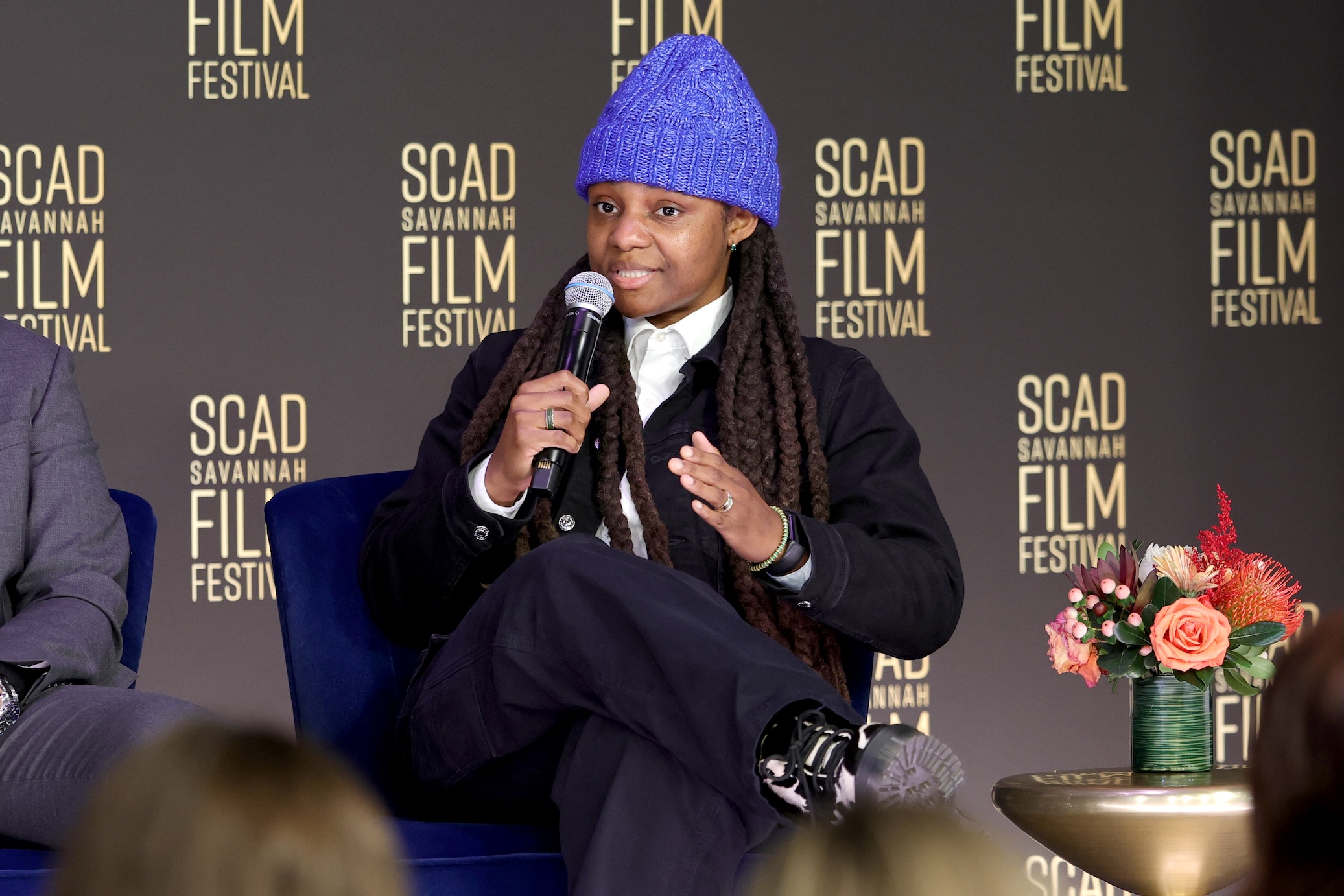
Sounds good: EmmoLei Sankofa drops science on composing for TV.

Sankofa (M.F.A., sound design, 2014) is a composer who has worked on TV shows including The Other Black Girl. EmmoLei: "When I was doing my master's at SCAD, I saw what was happening in the film industry in Georgia, and I was like, hmm, maybe I should stay here, but first, let me go to LA for a few years to learn the lay of the land and bring that knowledge back. I'm a woman TV composer, so I knew that was my end goal, but I leveraged the skills that I learned in the sound design department as a production sound mixer to get directors' attention. That was my strategy and it was unconventional. When I came back to Atlanta, I got my first TV show, Lizzo's Watch Out for the Big Grrrls, I did horror work for AMC+, and then Step Up, and here we are today!"

Film Fest Alumni Voices 2025 close

Alumni all-stars (l-r): Engelhardt, Berg, Behtiyar, Messeder, Sankofa.

Open Studio spotlight: Hannah Esquenazi

October
23
2025
By
Tags:

When Hannah Esquenazi (B.F.A., photography) arrives at Dr. B's on her scooter after afternoon class in Alexander Hall, she's smiling in the sun: "This weather is the best!"

Between sips of iced oat milk latte, Esquenazi happily discusses "Dots and Stripes," her signature image for this Friday's Fine Arts Showcase, while giving enthusiastic shout-outs to photography faculty Chris Lane, Dillon McDaniel, Vivien Allender and chair Josh Jalbert, as well as printmaking professor Debora Oden.

"Hannah’s photographic work with mixed media additions mirrors her complexity and playfulness," observes Oden, who taught Esquenazi in Screen Printing for Fashion, Luxury, and Interior Spaces (PRMK 260). "Her joy regarding the process of creation elevates the classroom experience, and she has a beautiful way of allowing her subconscious mind to drive her artistic process."

The following remarks are condensed from a longer conversation.

Esquenazi art

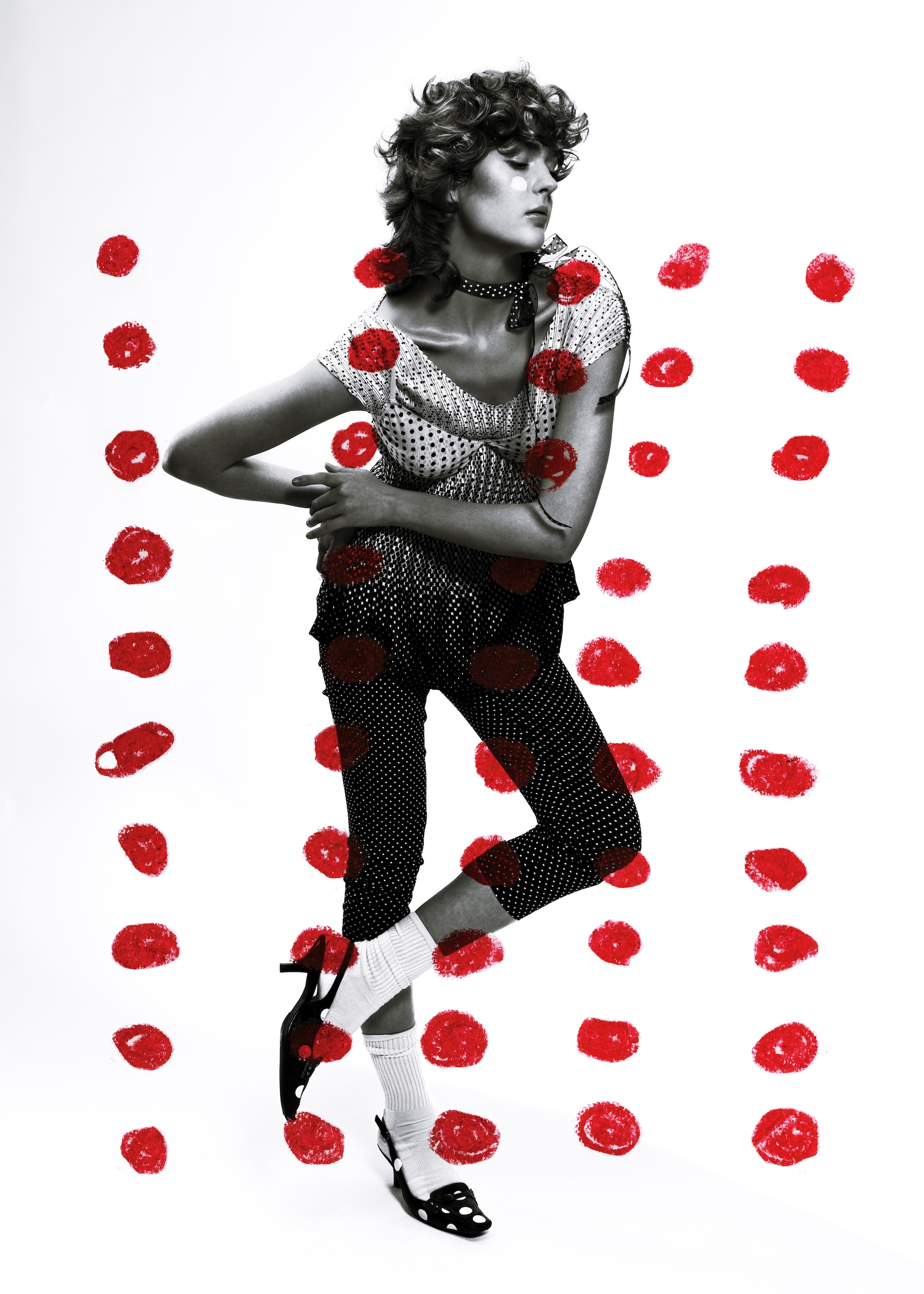
Hannah Esquenazi, Dots and Stripes, 2024, pigment print, 25 x 18 in.
 

Hannah Esquenazi:

I would describe myself as a very tactile person. I grew up in Cali, Colombia, touching leaves and flowers, with nature all around me. So, with photography, I need to feel it in my hands and do something with a photo to make it a little bit more personal.

Sophomore year I started printing my photos on matte paper. The ink really gets into the paper, and I liked that. Someone in my class told me, oh, then you're really going to like screen printing! I signed up for the class, not knowing what it was really about. That was with professor Debora Oden.

Deb is wonderful. She dives in with each student's individual project, and pushes you to approach and achieve your vision with clarity. Her class is where I first screen printed one of my photos with polka dots. I started to see my photos as raw material for mixed media pieces, that a photo would not be the end product but the start of something.

All my work is highly collaborative. "Dots and Stripes" began as a project I did with SCAD Manor. It was a photo shoot on a white background with the model doing different poses, using her body to create geometrical shapes. The model is Isabelle Leaf, she knows how to move. We were playing with poses, finding triangles with her arms and legs.

Once I had the digital photo, I started figuring out, how can I add an element to give it that Hannah stamp? I printed it on regular printer paper and drew on top with a crayon, like a mock test of how polka dots would look if I were to screenprint it large-scale, though I never got around to making that screen print. Later I went back and saw the test version that I'd done really quickly by hand and thought, oh, there's something to this.  

I wanted to have the elegance of her pose be as sharp as could be. I scanned what I had and masked out the dots, layered it to preserve my hand element, and made the final version.

Fine Arts Showcase is an exciting and rewarding event where you get to see what you've worked on for months or years being on display for your peers. So much art is created just for your phone, and although I think that's important, there's something about seeing work in person that changes everything and forces you to be with the piece, the sizing, the framing, you look at it and appreciate it without having to scroll.

To have this image used on the physical flyer card for Fine Arts showcase, it goes back to the tactility of the original work, and makes me so happy. I'll see you there!

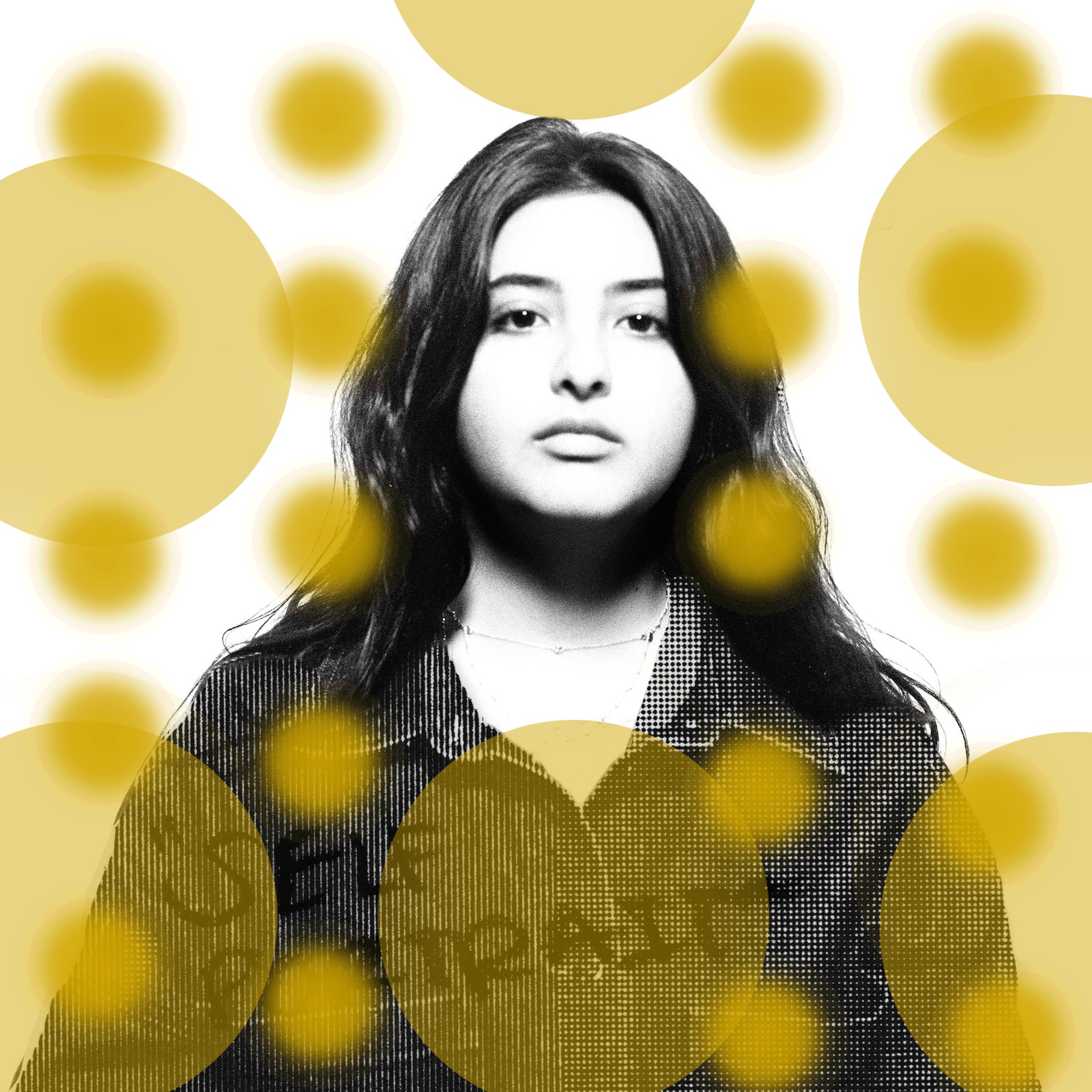
Esquenazi self-portrait

Connect with Hannah Esquenazi on LinkedIn.

Gene Pressman: more than a store

October
16
2025
By
Tags:

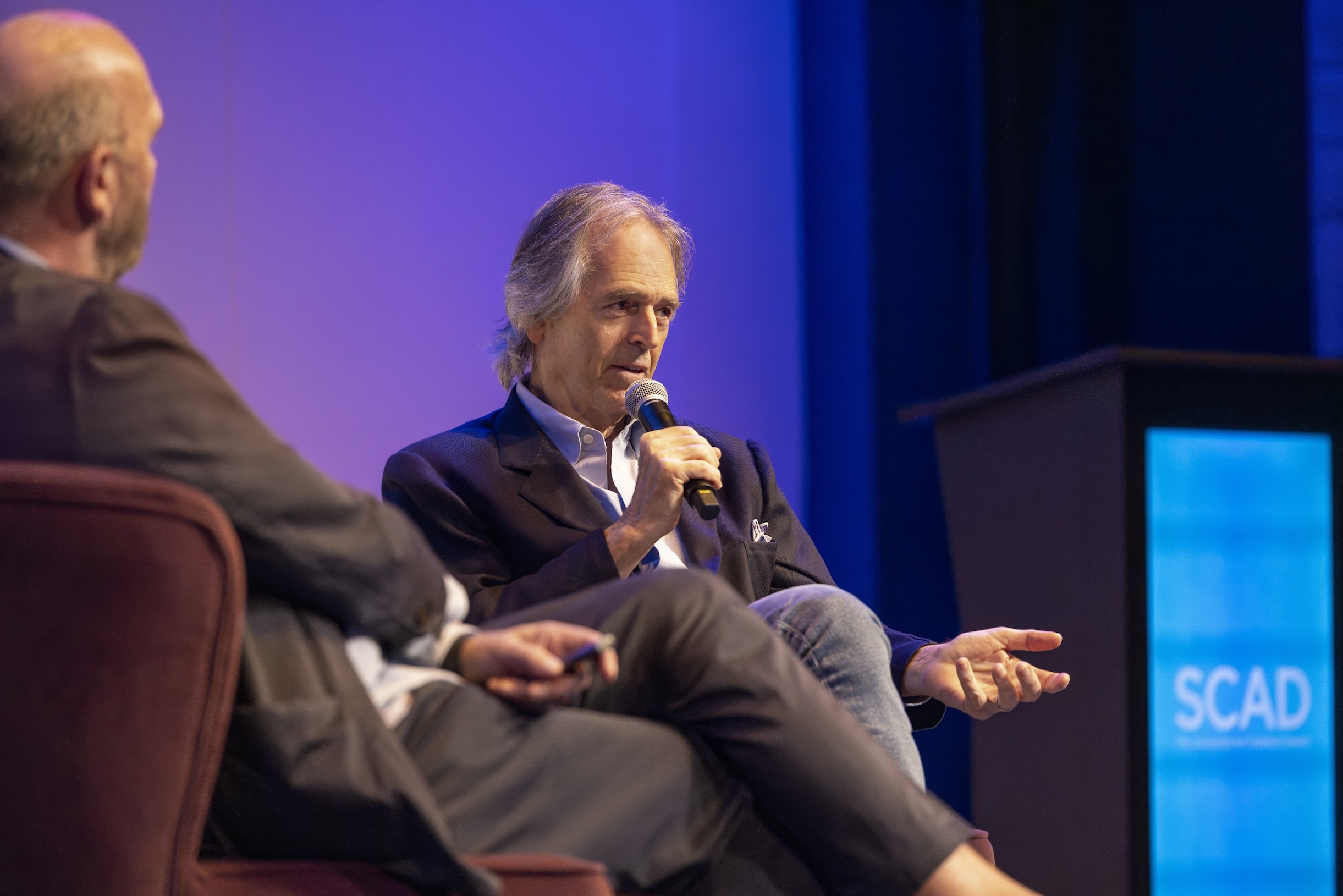
"I much prefer talking to young people," Gene Pressman said from the stage of the SCAD MOA theater. His wish was SCAD's command.

Fashion, fashion marketing, photography, and advertising students all packed the house for Pressman's conversation with SCAD School of Fashion dean Dirk Standen, marking the publication of Gene's scintillating new memoir, They All Came to Barneys: A Personal History of the World's Greatest Store (Viking/Penguin Books).

Cooper Critchley (B.F.A. production design) delivered a personalized introduction, describing Barneys as "a mythological place with a gravitational pull" that "remains the pinnacle and the embodiment of the experiential effect of fashion."

Honored guest Pressman spoke for a flowing hour about the legendary Manhattan department store founded in 1927 by his grandfather Barney Pressman, and how Barneys was transformed into a cutting-edge destination ("more than a store") by his father Fred's decision to bring Armani menswear to the U.S. for the first time in 1976.

"My father was very clever because he never pushed the business on me, and I didn't want to be in the business, I wanted to make films," Gene said, reflecting on his youth. "After I came to the realization that there were a lot of unemployed 21-year-old film directors in Hollywood, I came back to New York and ended up in the business. I worked in a warehouse because, you know, being the owner's son, I wanted to prove something to myself. Then I got into merchandizing. I learned how to buy, and I spent a lot of time in Europe. Barneys started only buying European designers, and when my father brought Armani to this country, we noticed that we were attracting a different type of customer.”

Pressman on stage

In his jeans: NYT best-selling author Gene Pressman speaks at SCAD MOA.

With his silvery mane, white canvas kicks, and just-so faded jeans, Pressman expressed his delight at being in Savannah for the first time ("Wow, what a city, and SCAD, I'm so impressed!") as images lit up the screen behind him. A young Gene with his father. The opulent expanse of Barneys' Madison Avenue location. Linda Evangelista kissing a chimpanzee on the lips.

"That one was taken by the famous photographer Steven Meisel, who was just starting out," explained Pressman. "In fact, Meisel was so young he didn't even own a camera, we had to rent him one for the shoot." Calling Evangelista "Barneys' mascot, our Lucille Ball," Gene lauded the supermodel for her role in the signature Barneys print ads from that era.

And what an era it was. Many designers of cultural ubiquity were first sold in the U.S. at Barneys. Pressman rattled off names like old friends: "Prada, Helmut, Versace, Dries, and of course Azzedine Alaia." Pressman reserves special affection for the Tunisian legend, recounting the moment in 1981 when Barneys began selling the designer's long, black, grommeted gloves.

“Things that are more risky are what drive customers to the store," Pressman said. After referring to the women's hat section as a "loss leader," he recalled the moment accountants complained that hats weren't selling. Gene knew that they didn't understand the Barneys experience, or why Barneys had thrived for the better part of the 20th century.

"Build something relevant, then it can become cool. After it becomes relevant, maybe it'll become cool," he said in response to a student's query about what defines a successful brand.

"There's no value in most of these things hanging on the racks now. There's an opportunity here, you guys, in the fashion world, to make things of value, things that will last. Because that's what we sold at Barneys."

Not bad for a department store. But then, Barneys was much more than a store.

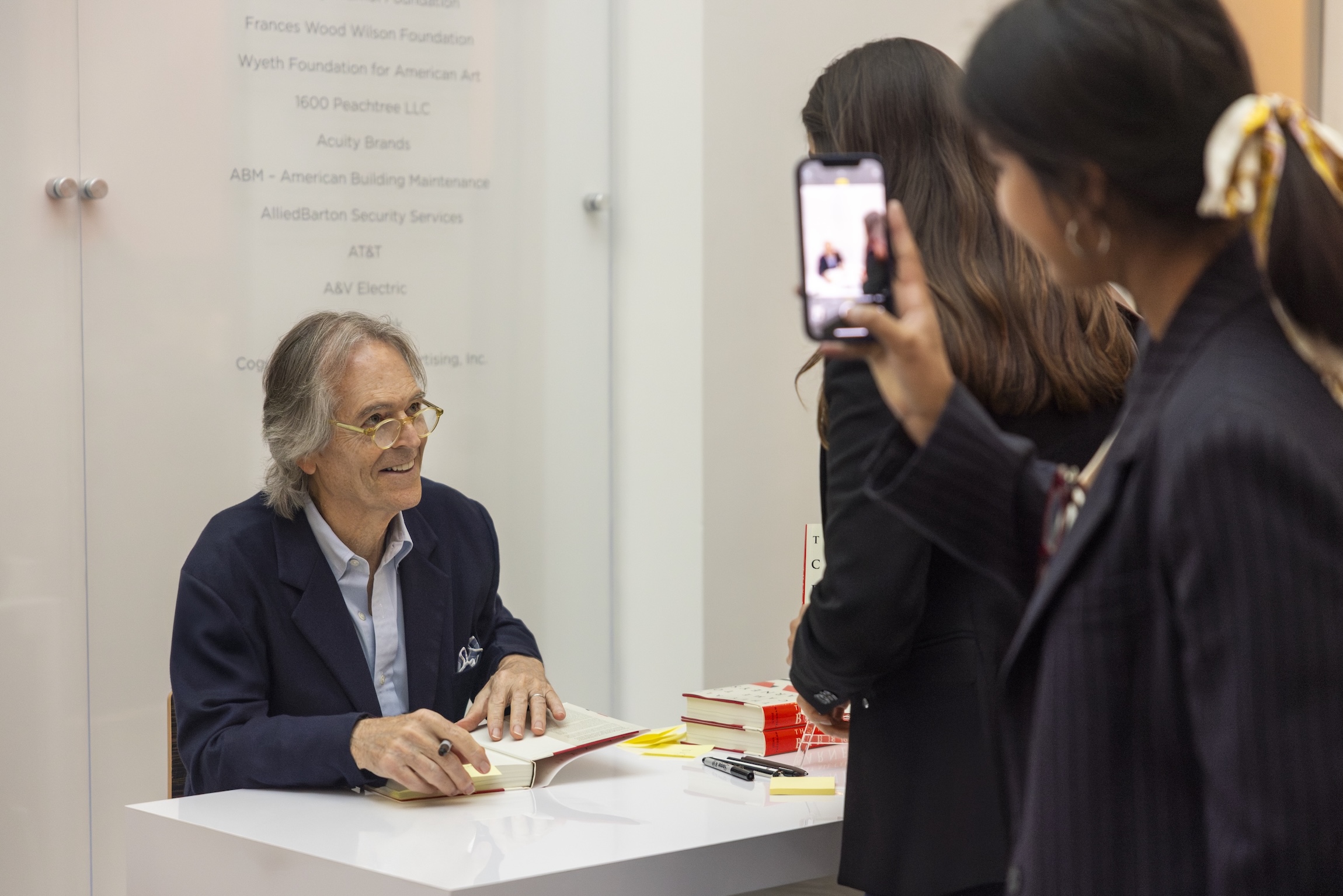
Gene Pressman signing

Bookwise: Pressman signs for students following his talk.

Pharrell: feelin' ALT

October
15
2025
By
Tags:

"To receive an honor that carries André Leon Talley's name, his presence, his light, is something I'll never take lightly," said Pharrell Williams from the stage of SCADShow in Atlanta. "SCAD meant so much to André, and this is a place that not only celebrates creativity but protects it, and it teaches artists to build careers from imagination. That makes this moment even more meaningful to me."
 
It was an epic evening covered by everyone from Vogue to Vibe, as SCAD unveiled André Leon Talley: Style Is Forever at SCAD FASH, the landmark exhibition celebrating the life and achievements of André Leon Talley, the visionary creative director, style legend, and beloved friend of the university. Events included a preview reception for museum members and the presentation of the André Leon Talley Award to Pharrell in recognition of his impact on the global fashion industry.
 
"André! The name conjures a man of wonder, wisdom, glamour, influence, and the warmth of a sun that burns brightly and will for the ages. With a caftan as his cape and words as his wand, André Leon Talley reigned as fashion's most winsome oracle, a beloved cultural titan, cherished friend, and mentor to SCAD Bees across the world," said SCAD President and Founder Paula Wallace. "This landmark exhibition, along with a book of the same name by SCAD University Press, unveils André's private collection, a sartorial sanctuary he called his ‘armor' and his ‘tabernacle.' André dearly wanted these personal objects and artifacts to live on at SCAD in perpetuity, benefiting students and lovers of all things beautiful."
 
Made possible by Talley's extraordinary bequest of personal garments, accessories, photographs, and ephemera to the SCAD Permanent Collection, the exhibition honors the 10th anniversary of SCAD FASH Museum of Fashion + Film, an institution deeply influenced and shaped by Talley, who played a vital role in its establishment.
 
Curated by Rafael Brauer Gomes, creative director of SCAD FASH museums, André Leon Talley: Style Is Forever presents an evocative collection of couture and bespoke pieces from Talley's personal wardrobe — each reflecting the artistry and vision of celebrated designers such as Tom Ford for Gucci, Miuccia Prada, Karl Lagerfeld for Chanel, Gianni Versace, Nicolas Ghesquière for Balenciaga, John Galliano for Dior, Chado Ralph Rucci, Ricardo Tisci for Givenchy, and Isabel Toledo
 
"André Leon Talley didn't just shape fashion, he shaped people," said Gomes. "His legacy endures in garments and publications and in the lives he uplifted, the voices he amplified, and the doors he held open for others. This exhibition is our love letter to a legend who carved a place in history with style and conviction."
 
For more than two decades, Talley was a generous steward of SCAD and a passionate mentor to SCAD students from every academic discipline. With President Wallace, Talley was pivotal in establishing the university's fashion exhibitions program, lending his vision to acclaimed shows that strengthened the university's influence on design curation and education within global culture. Talley's enthusiasm for the university led to his longtime service on the SCAD Board of Trustees (2002–2014). He delivered the SCAD Commencement address in 2008, receiving an honorary doctorate of humane letters and becoming the first recipient of the SCAD Lifetime Achievement Award in Fashion, an accolade now known as the André Leon Talley Award.
 
André Leon Talley: Style Is Forever is on view at the SCAD Museum of Art in Savannah through Jan. 11, 2026, and at SCAD FASH Museum of Fashion + Film in Atlanta, Oct. 15, 2025–March 1, 2026. An accompanying exhibition catalogue, published by SCAD University Press and Rizzoli Electa, offers a further exploration of Talley's legacy.

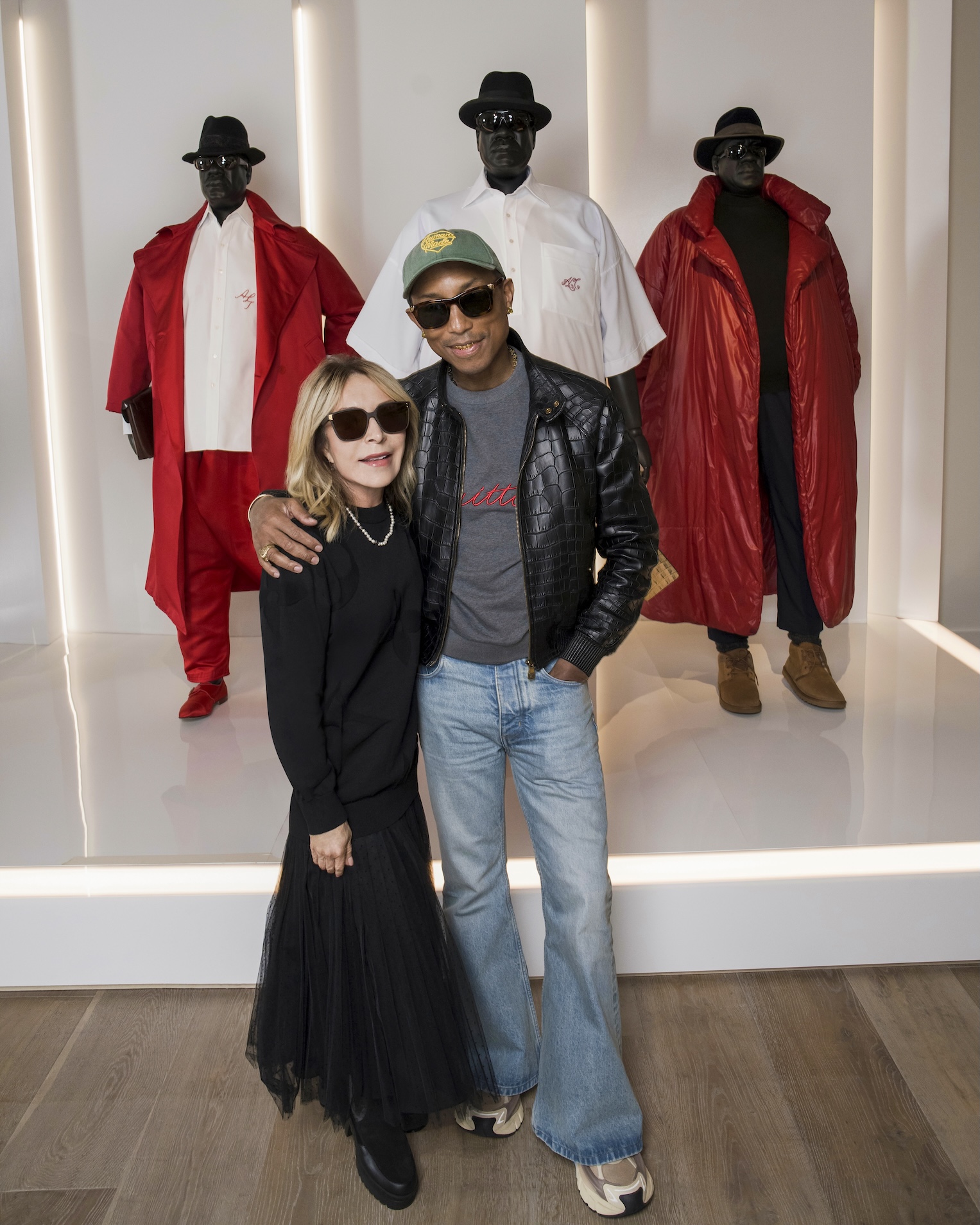
PSW Pharrell

Stylin': President Wallace and Pharrell Williams celebrate ALT at SCAD FASH.

For more information, visit scadfash.org.