Skip to main content Accessibility Policy

Petra Richterová named Schomburg Fellow

July
26
2021
By
Tags:

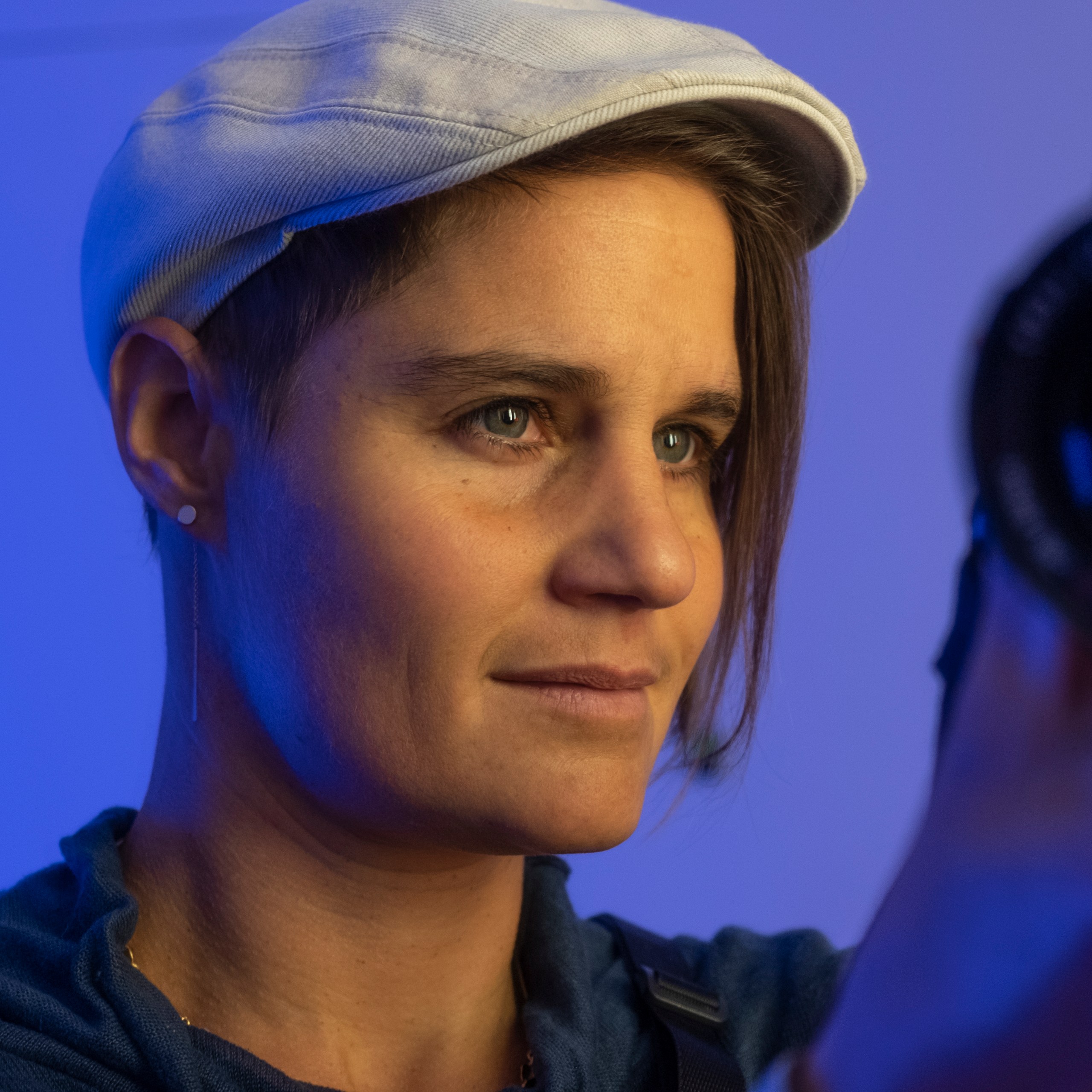
Petra Richterová is ready to rumba.

The Schomburg Center for Research in Black Culture in Harlem has named SCAD professor of art history Dr. Petra Richterová as one of 12 exceptionally talented Scholars-in-Residence in its 2021-2022 cohort. This fellowship will facilitate the completion of Dr. Richterová's scholarly book project "Rumba: A Philosophy of Motion," illustrated with over 100 original photographs taken by the author in Cuba and the U.S. from 2001 until today. She will begin her six-month residency at the Schomburg Center in September of this year, before returning to teach at SCAD in 2022.

"My book project explores Cuban rumba, a unique Afro-Cuban dance and music complex that represents the foundation of contemporary Cuban popular culture," says Richterová, who holds her doctorate in the history of art from Yale, where she studied under renowned Afrocentric historian Robert Farris Thompson. "As a Schomburg Fellow, I'll research parallel performance and visual art traditions in north, west, and central Africa. I'll study the Schomburg holdings, and look at historical and theoretical considerations and the latest scholarship in the field and really dig in."

As a Scholars-in-Residence Fellow, Richterová will have access to the research collections and resources of the Schomburg Center, the preeminent repository for materials related to the history and cultures of peoples of African descent. "As the Schomburg moves prudently toward reopening its full range of resources and programs to the public, we are thrilled to welcome this new class of Fellows," said Brent Hayes Edwards, Director of the Scholars-in-Residence program.

"The work I'm doing is interdisciplinary and deals with many different cultures," Richterová explains. "I'm examining the African roots of the rumba complex from the perspective of dance. My research will focus on Afro-Cuban ethnomusicology, gesture in African art, and traditional African dance. The project is anchored in my Spanish fluency and twenty years of fieldwork in Cuba, including three full years of living in Havana. I am also proficient in French, which will be essential to reading Francophone literature on African dance and art. Specifically, I'll be looking at Sahara’s Imazighen [Berber] peoples, Nigeria’s Yoruba [Lucumí], Efik/Efut [Carabalí], Dahomey [Arará], Kongo civilizations, Mali’s Mande populations as well as the Banta of Liberia and Sierra Leone [collectively known as Gangá in Cuba]."

A widely published Africanist whose classes at SCAD, highly popular among students, include Art and Spirituality (ARTH 342) and Dancing the Diaspora: Critical Approaches to African and Afro-Atlantic Art (ARTH 796), Richterová is also an acclaimed director, cinematographer, and photographer. As a Scholars-in-Residence Fellow, Richterová will receive a stipend and the use of a private office at the Scholars Center at the Schomburg Center in Harlem.

She views the work that will be facilitated by her Schomburg Fellowship as wide-ranging. "Digitization of research tools has made it possible to create an ultimate product from the project, with various interfaces, and I'm hoping after I complete my book to make a documentary," she says.

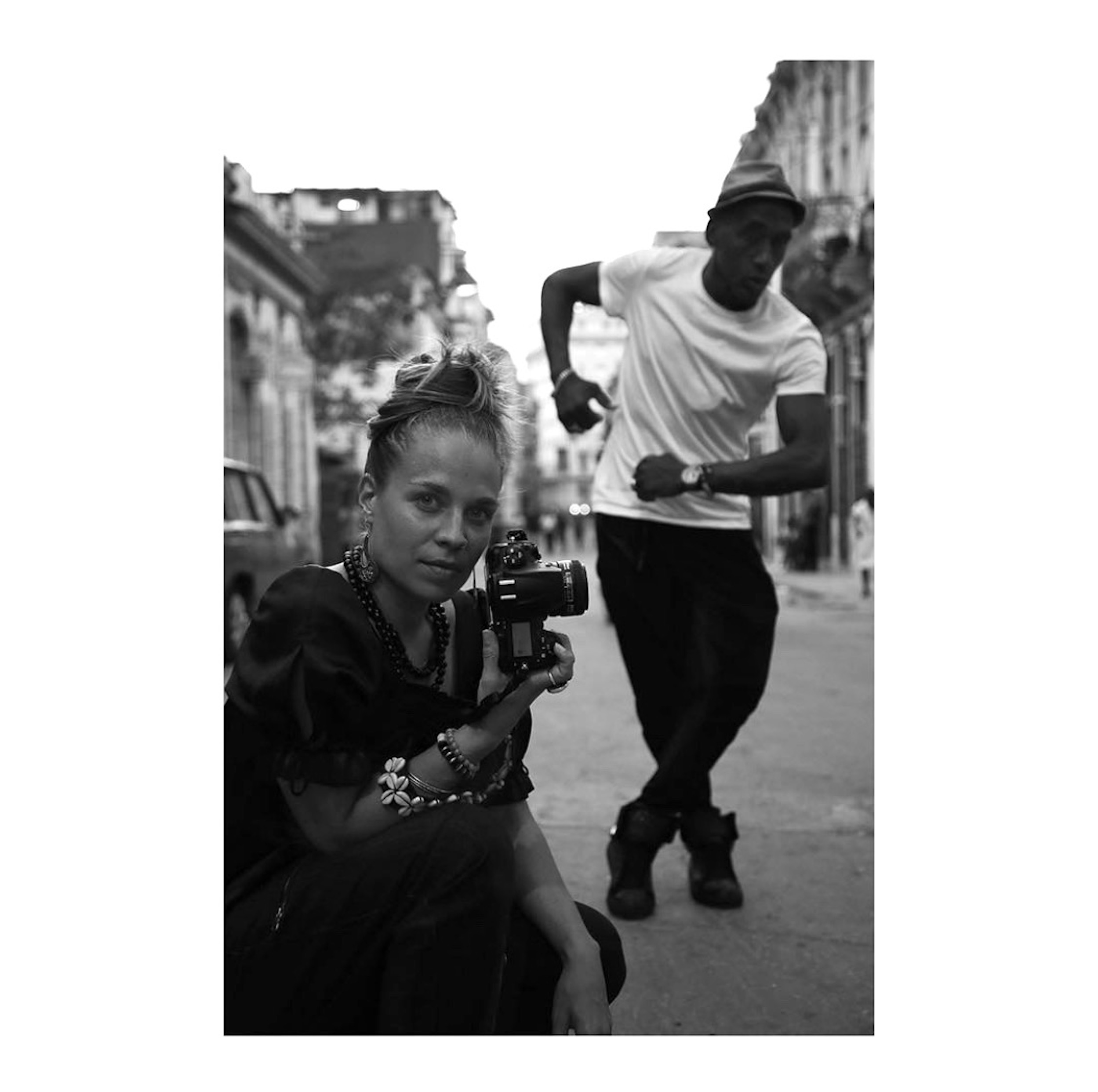
Black-and-white photo by Jose Sandoval, taken in Havana, shows Dr. Petra Richterová with one of Cuba's greatest rumba dancers, Bárbaro Ramos Aldazábal

Black-and-white photo (above) by Jose Sandoval, taken in Havana, shows Dr. Petra Richterová with one of Cuba's greatest rumba dancers, Bárbaro Ramos Aldazábal, principal dancer of the legendary rumba ensemble, Los Muñequitos de Matanzas.

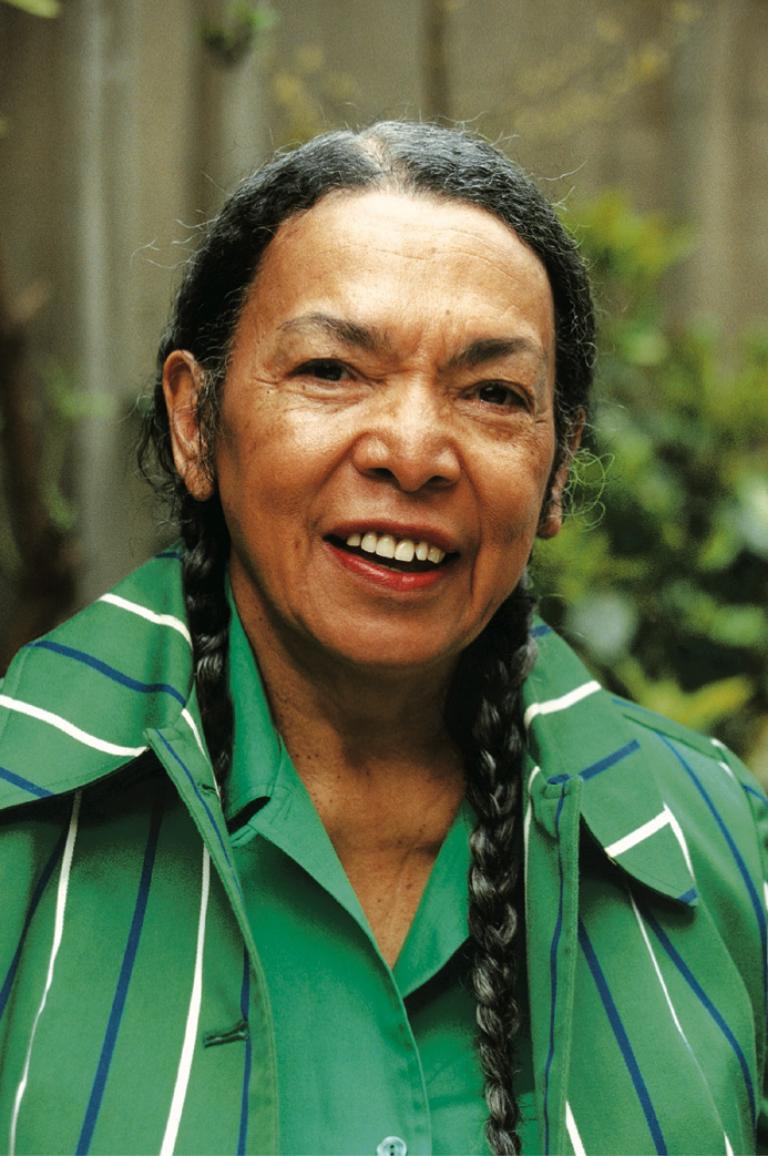
Banner (color) photo of Dr. Petra Richterová by Sarah Escarraz.


John Hobbie: chairing creativity

July
22
2021
By
Tags:

"When my students graduate, they will have made important connections in the industry and they'll be ready to enter the workforce as prepared professionals," says John Hobbie, SCAD chair of production design and themed entertainment design.

Hobbie understands what employers and production companies are looking for in rising talent. Before joining SCAD in March, 2020, he was a show production designer and field art director for Walt Disney Imagineering, the creative team at Walt Disney Parks and Resorts. "I joined SCAD because of the SCAD students I encountered at Disney," Hobbie explains. "Every time I got to work with them during the Imaginations competitions, they impressed me greatly."

Hobbie first worked with SCAD students in 2013 at Hong Kong Disneyland, where he was show production designer for a property called Grizzly Gulch, and SCAD students had submitted a concept for a new food cart. "SCAD students came in knowing how to do the job. They were professional, well-spoken, and understood the importance of telling a cohesive story."

"Those first students I met were able to produce professional level work and talk about it in front of a group comfortably. They blew away the competition." Two students, Alfred Lee (B.F.A., illustration, 2014) and Katrina Teh (B.A., illustration, 2013), were subsequently hired upon graduation to join the Imagineering team. "The two of them together were a powerhouse," Hobbie says.

Over the years, SCAD students have achieved success at Imaginations, winning the competition in 2018 and 2019. This is in large part due to SCAD's first-of-its-kind M.F.A. program in themed entertainment design. The program leverages a curriculum that explores architecture, new media, film, live theater, and augmented and virtual reality that allows students to design attractions from the ground up.

Before coming to SCAD, and prior to his role as a Disney Imagineer, Hobbie worked in New York City as a set designer with United Scenic Artists Local 829. He relished the creative freedom. "As a set designer, you read a script and then get to create a world for everyone to play in. I had the freedom to explore my creative ideas and let go of my ego and be a part of something magical, again and again."

As chair at SCAD, Hobbie is ready to help students forge their own paths. "Themed entertainment and production design are huge industries," he says. "Our students will be working on projects from theme parks to Broadway shows to casinos to dressing Macy's window displays. The options are endless and the jobs are going to be there."

Hobbie is adamant that SCAD's programs will continue to set the mark for all other programs globally. He has the industry expertise and the vision to see the unfolding landscape. "I am working towards programs that that speak directly to industry. SCAD students will be known for the value they bring with them on day one and the creativity to tell stories that resonate."

 Hobbie cuddles rooster Heihei with Moana's approval

Disney delight: Hobbie cuddles rooster Heihei with Moana's approval.


Virginia Jackson Kiah: 'Live Your Vision'

July
14
2021
By
Tags:

SCAD is pleased to announce the launch of a digital art exhibition showcasing the legacy of Savannah painter, educator, museum founder, and civil rights activist Virginia Jackson Kiah, Ph.D. "'Live Your Vision: An Online Exhibition" is on view now at the SCAD Museum of Art website.

"Live Your Vision" brings together a wide range of Kiah's figurative works, from casual self-portraits to regal military portrayals to life drawings. Using an array of media — oil, watercolor, and graphite on supports including canvas, Masonite, and paper — Kiah captured the essence of family, friends, celebrities, and strangers alike. Individually, these portraits are acts of attention, focus, and dignity. Taken as a whole, the exhibition reflects Kiah's deep belief in humanity and the vital role of inspiration and creativity in re-envisioning our future.

"Virginia Jackson Kiah believed in the power of creativity, imagination, and dreaming to change the world," says SCAD MOA curator DJ Hellerman. "Her artwork is an important record of what she cared about and paid attention to. Her collection of portraits shows deep engagement with her community and her skill as a portrait painter.  Dr. Kiah donated her collection to SCAD so that future generations could be inspired to 'live their vision.' This online exhibition is intended to offer anyone who can access our website an opportunity to do the same."

Born in 1911, Kiah grew up in Baltimore, and spent her formative years working alongside her parents at voter registration drives and other community-based, political activation events. Kiah was a trained portrait painter and arts educator, but as a young artist she was prohibited from entering museums and exhibiting her work solely because of exclusionary and racist practices. Committed to creating spaces of open access, she opened the Kiah Museum as a "museum for the masses" in 1959, just eight years after moving to Savannah.

Kiah had a close, decades-long relationship with SCAD and cared deeply about creating a positive and accepting environment for students to learn and create. In 1986, SCAD awarded her an honorary doctorate of humanities. A year later, she was appointed to the SCAD Board of Trustees where she would serve until 1997. Interested in fostering young artists' work, Kiah created the Kiah Painting Endowed Scholarship, which is still active today.

In 1993, honoring Kiah's lifelong dedication to creating equity in the arts and support for emerging artists, SCAD renamed a prominent SCAD Museum of Art building in her honor. That same year, Kiah donated a selection of her paintings and drawings to the museum. In her donation letter, she explained, "It is my desire that the Kiah collection serve as an inspiration to future artists so that they, too, may live their vision."

Virginia Jackson Kiah

ABOUT THE ARTIST

Virginia Jackson Kiah, Ph.D. (b. June 3, 1911 - d. Dec. 28, 2001) was an artist, educator, civil rights activist, museum founder, philanthropist, and nationally acclaimed portrait painter. She studied portraiture at the Philadelphia Museum School of Art and, in 1931, she graduated with honors. Kiah continued her studies at the University of Pennsylvania and at the Art Students League of New York. In 1950 she received her master's degree from Columbia University. Her work was exhibited at the Baltimore Museum of Art; the Baltimore Women's Civic League; the Carnegie Institute in Pittsburgh; the first National Council of Negro Women's Conference; the Eggleston Galleries, New York; and the SCAD Museum of Art.

Celebrating Pride with Daniel Roa

June
23
2021
By
Tags:

Daniel Roa (B.F.A., photography, 2019) is a nonbinary photographer who is blurring gender norms and burning cookies.

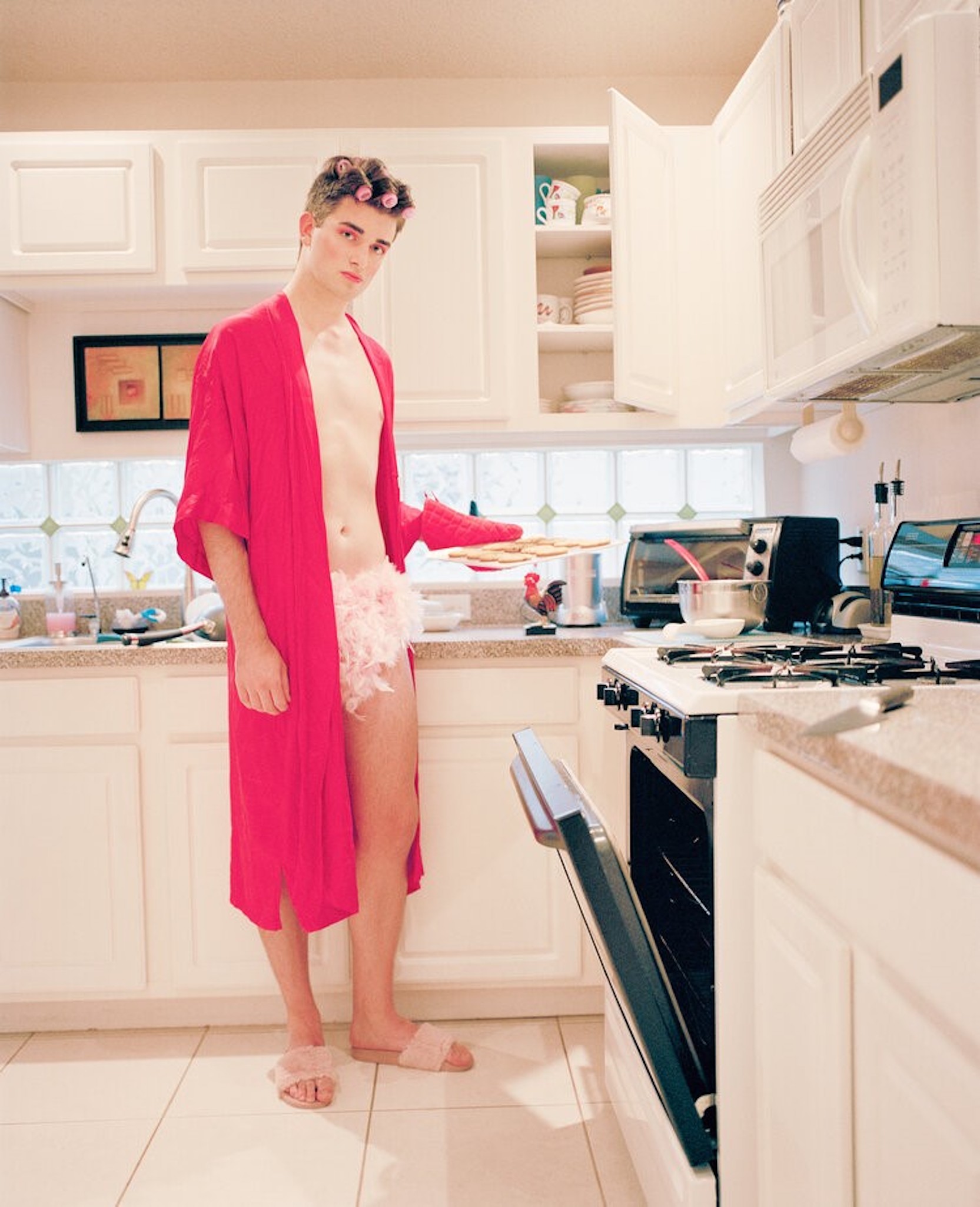
Roa developed the photo series "My Queer Identity" celebrating Queer and nonbinary individuals while studying at SCAD. Each photo—including the cookie-tinged "Josh ii"—is an ode to Roa's eccentricity, and often draws from their Colombian heritage.

"I want to educate people on what being Queer is and show others that I exist. Gender is a spectrum and I am in it, on it, and around it," Roa says. "I'm human just like you."

Roa's work has been showcased in Vogue Italia, FOTOFILMIC, and FotoFika All-Stars. This has helped them connect with some of fashion's biggest names, including Steve Klein and David LaChapelle. "I shoot fashion in New York today because of SCAD. The university helped me explore what I like, who I am, and the stories I want to tell."

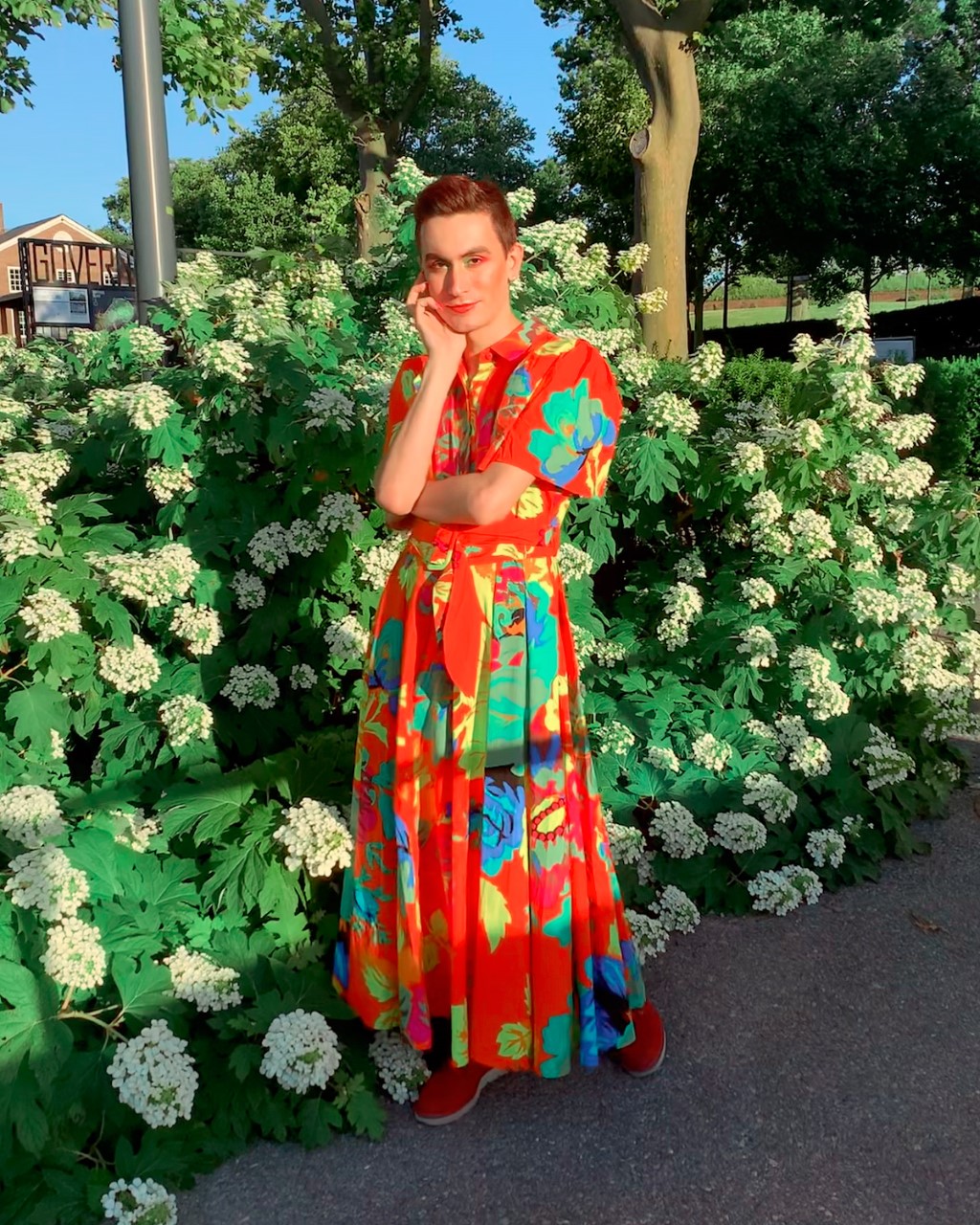
self portrait by Daniel Roa

Daniel Roa, "Josh ii," 120 film, 2020.


Daniel Roa:

I applied to SCAD with the goal of becoming a photographer. I loved my initial foundations courses and came to enjoy painting. I took my first film photography class, Camera Exploration and Technique (PHOT 113) with professor Steven Mosch, who helped me see that I was talented and capable and taught me to love film photography.

As a junior, I got to work on a SCADpro project with furniture designer Maria Yee. I had never worked with furniture before, but I knew how to use an image to convey a story. It was an opportunity to test myself and learn a new skill set. At the same time, it helped me define my personal style as a photographer. From there I began focusing on fashion photography.

I began developing "My Queer Identity" series senior year with professor Rebecca Nolan's guidance. Each photo in the series is a representation of myself. "Josh ii" depicts an individual in their kitchen baking cookies and getting ready for their day. I am obsessed with the color pink. I am also an avid baker, a little chaotic, and slightly messy.

I wanted the image to be simple and accessible to everyone. We can all see ourselves wearing a robe and slippers in an ordinary kitchen. What is more mundane than that? The only thing that is fantasy, for me, is that the cookies aren't burned. I can't bake to save my life.

The project helped me get an internship with David LaChapelle and then Steven Klein. As I completed the work, professor Nolan encouraged me to reach out to fellow SCAD grads. Through that process I met my mentor, David Mollé (B.F.A., photography, 2016). His work and guidance has inspired me to continue to stretch myself. I just shot my first ad campaign for Depop with fellow SCAD grad, Angel Emmanuel (B.F.A., fibers, 2016).

As a student, SCAD prepared me for my career. As a professional, SCAD has helped me connect, grow, and thrive. SCAD is a place of love and acceptance that changes and saves lives. For so many of us, the community at SCAD is a family working to make a more beautiful world.

self portrait by daniel roa

Visit Daniel Roa.


Key Light awards luminous work

June
18
2021
By
Tags:

"Key light" is a photography term describing the most important light source used in creating the form of a subject. The "key" idea also references problem-solving, unlocking, and deciphering.


The SCAD Key Light Alumni Photography Challenge 2021 was created by President Paula Wallace to provide a platform for alumni of the university's award-winning photography program. President Wallace asked a select group of graduates — each recognized for their unique gifts of design and execution — to take inspiration from the current SCAD FASH exhibition Albert Watson: The Light Behind the Lens. (When discussing his work, Watson often speaks about the importance of positioning the key light.) A team of judges, including professors, curators, and Watson himself, evaluated the photographs, providing feedback and awarding standout works.

"With this challenge, I can see the creative energy in the photographs," said Albert Watson. "It was clear the students set out to make a statement."

This presidential initiative challenged the graduates to consider Watson's work and expert use of light as a point of departure to achieve their own visions. Nineteen SCAD photography alumni participated in the Key Light challenge.

Through in-person and virtual tours of Watson's exhibition at SCAD FASH, these alumni engaged the museum as an educational and archival resource for projects that paid homage to Watson's keen eye and mesmerizing work. The challenge provided a unique opportunity for these accomplished alums to interact with the prolific master of photography. Each artist received an honorarium upon completion of their work. Key Light is representative of President Wallace's ongoing dedication to engaging alumni through providing creative opportunities, exposure and recognition.

Three honorees were selected as outstanding submissions in recognition of their interpretation of the iconic photographer's distinctive style, use of shadow and light, and creative vision.

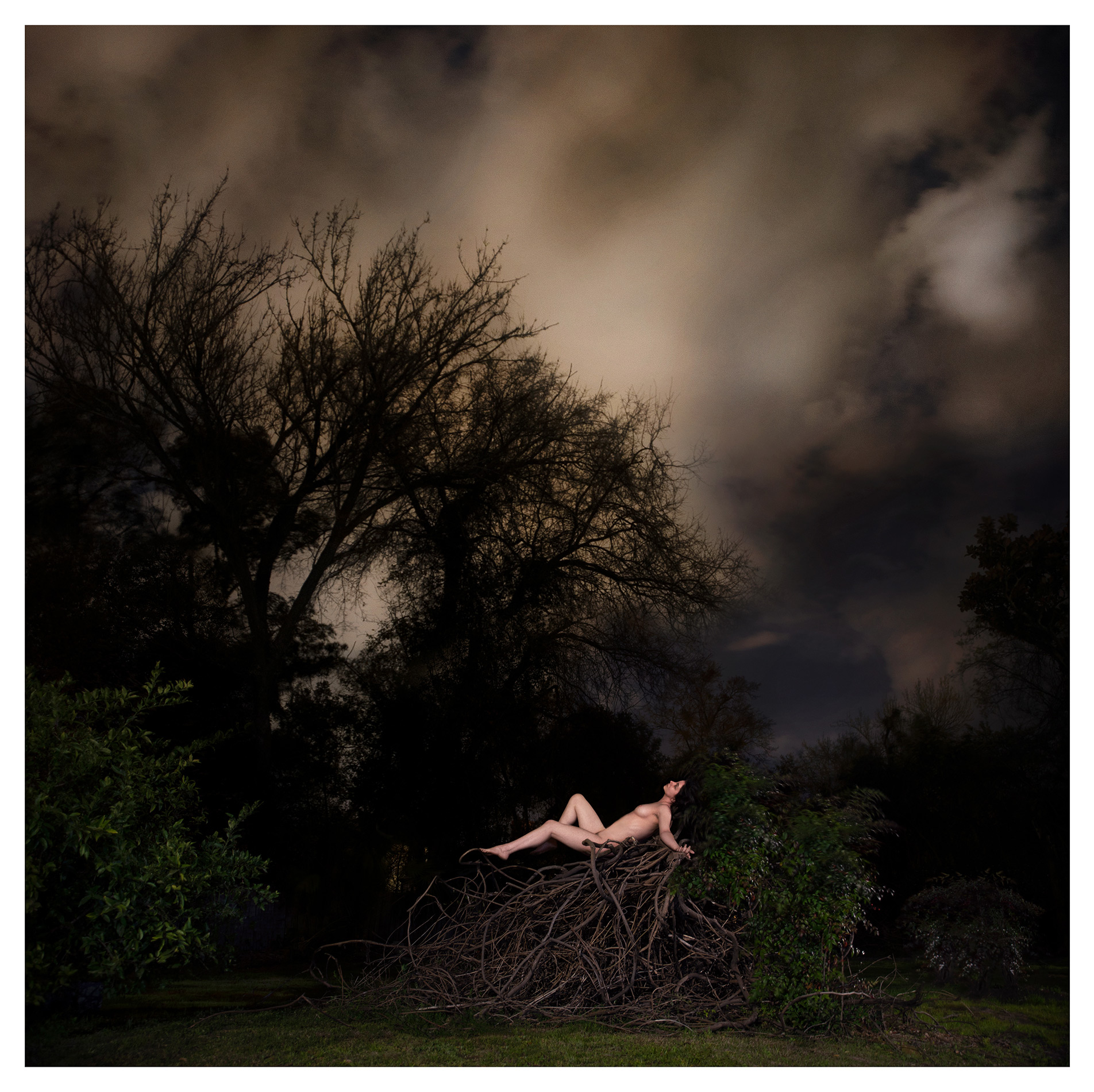
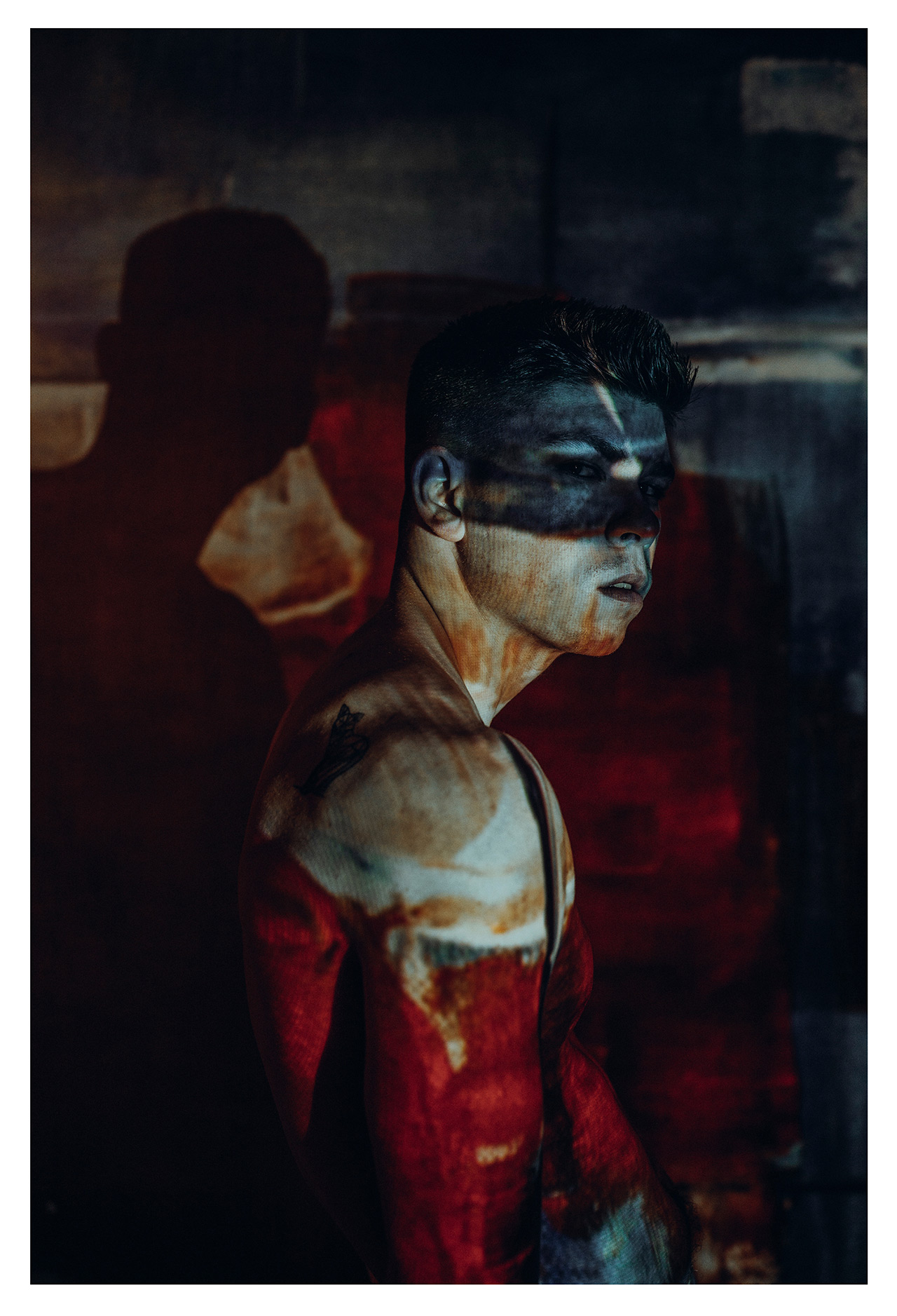
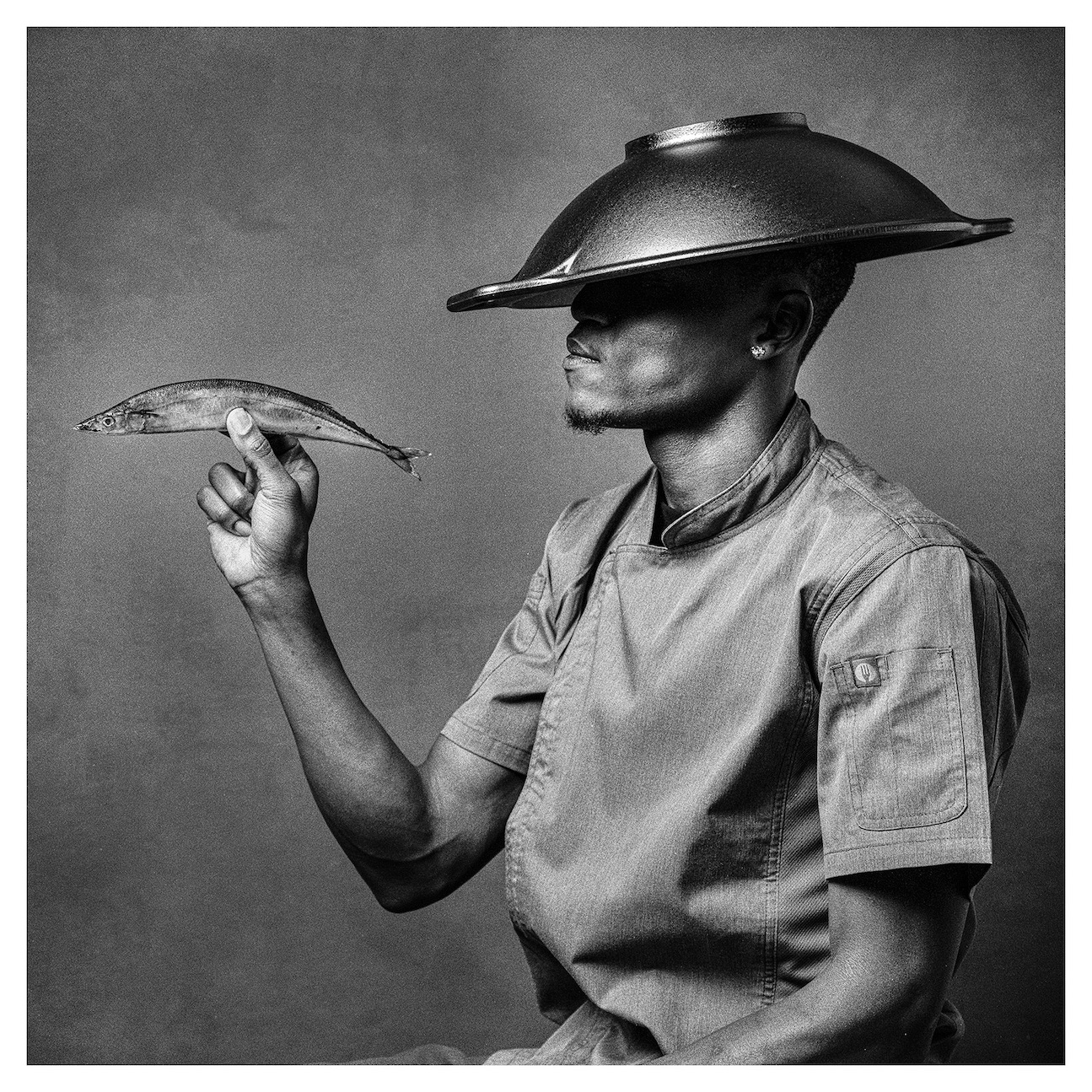
The honorees are: Emily Earl (B.F.A, photography, 2007) for "Moonbather"; Sequoyah Wildwyn-Dechter (B.F.A. photography, 2019) for "Untitled"; and Shine Huang (M.F.A, photography, 2017) for "Tinker, Chef, Fish." As recognition for their work and selection, each artist was awarded an additional $2,000 honorarium. All photography submissions from the "Key Light" challenge, including video of the alumni master class interaction with Watson will be showcased on scadfash.org/key-light-challenge.

Michael James O'Brien, associate chair, SCAD photography: "All the artists who submitted were winners. We were so thrilled to see such creative and beautiful work from these talented artists from SCAD's top ranked photography program, and who I have also had the privilege of mentoring. Albert's in-depth commentary and his recognition of the accomplished SCAD alumni work made this challenge especially successful."

"I appreciate the premise of this challenge; create like one of the greats, but make it your own," said honoree Sequoyah Wildwyn-Dechter. "Having my work in front of Albert Watson's eyes is still a little surreal to me, but it's one of the reasons I'm so grateful to SCAD for providing these types of opportunities. You won't get them anywhere else."

"Moonbather," Emily Earl (B.F.A., photography, 2007, Savannah, GA), 2021.

"Moonbather," Emily Earl (B.F.A., photography, 2007, Savannah, GA), 2021.

"Untitled," Sequoyah Wildwyn-Dechter (B.F.A., photography, 2019, Atlanta, GA), 2021.

"Untitled," Sequoyah Wildwyn-Dechter (B.F.A., photography, 2019, Atlanta, GA), 2021.

"Tinker, Chef, Fish," Shine Huang (M.F.A, photography, 2017, Shanghai, China), 2021.

"Tinker, Chef, Fish," Shine Huang (M.F.A, photography, 2017, Shanghai, China), 2021.


See more work from the SCAD Key Light Alumni Photography Challenge 2021.


Sierra Lawson tells her story

June
15
2021
By
Tags:

"I love to write about children in the eye of a hurricane who keep picking flowers," says Sierra Lawson (M.F.A., dramatic writing, 2021). "Later on, they think, How did I get through that?"

When Sierra speaks, her voice is recognizable from her scripts: witty, wily, unafraid of unvarnished truth. Her writing registers a musicality that swings from big smooch to gut punch, like the young woman in "Gin, Rocks" who tells her mother: "You could've checked in yesterday, or tomorrow. Or never quite frankly. Any of those options would have done me just fine."

"Sierra's world-building and characters produce some of the most layered and compelling work the dramatic writing department has seen," says SCAD professor Renee Bishop.  "She marries myth to action, driving her scripts to surprising and satisfying endings."

Told she's working in the potent tradition of playwrights like Edward Albee and Lorraine Hansberry, Philadelphia native Lawson demurs, choosing to celebrate TV shows she loved growing up like One Tree Hill. "I really want to write for television," Sierra says. "Still, my heart is open to anything, as long as I'm telling stories."

Sierra Lawson:

One theme I tackle in my writing is broken familial connections. That's what I know well. I spent many years wondering if I was going to be saved, but I had to be the savior. After my dad passed, I raised my little brother and sister. I couldn't hang with friends, I had to be home cleaning and cooking. I was 13, 14 years old. I had a lot of resentment towards my mother. Of course, I feel the need to write about it. People can relate to having someone who's a titan in your life who lets you down, as humans do.

"Gin, Rocks" is a spin-off of what I submitted when I applied to SCAD. I couldn't shake these two characters, so I wrote another telling of their fractured relationship. When an idea comes to me, it's rarely fleshed out or deep or profound; it's almost always one line of dialogue, and I will craft a whole story around that one line.

My final quarter, I took Writing the Television Comedy Pilot Script (FILM 434) with professor Chris Auer—love him, but he's tough. And I took Immersive Storytelling: Writing for Virtual Reality (DWRI 755) with Renee Bishop—adore her, such a ham. For my final thesis, I wrote an hour-long drama pilot about a reporter with a dark past who secures an interview with a world-famous recluse author who claims her success is due to an African river goddess no one has heard of.

Joseph Schwartzburt in SCAD career success encouraged me to follow people on LinkedIn who work at places that interest me, and share my pilot work. I sent thirty connection requests to individuals, with personal notes. One woman from Blumhouse Productions got back to me, and that led to my internship there during fall quarter 2020. I read scripts, wrote coverage, and gained insight into how a studio works. I was also one of 16 semi-finalists from over 2000 applicants for Circle of Confusion's Discovery Fellowship for my pilot "Sleeping Titans," about a single mother whose daughter becomes possessed by an ancestor.

As a Black woman, I can never forget our collective past. You can't negate the barriers we've overcome to get a fraction of what our counterparts have. If this wasn't supposed to be my path, I wouldn't be walking it. Genuine fulfillment comes from knowing what your gift to the world is, being able to do it, and impacting someone positively because of it. Which is what we're all here to do: make the world a little brighter for somebody else.

Graduate

Visit Sierra Lawson!

Photos: Najja Lawson (B.F.A., graphic design)


Maren Krings' vision

June
7
2021
By
Tags:

"How can we sacrifice our planet with no thought for future generations?" asks Maren Krings (B.F.A., photography, 2003). "Are we not willing to give up even the smallest amount of luxury?"

What this photojournalist is saying certainly sounds familiar: Environmentalists have been decrying catastrophic consumerism long before Greta Thunberg stared down the world. What differentiates Krings is her dedication to promoting a single, actionable solution: industrial hemp.

In 2016, Krings, a German citizen, was on assignment in Italy, documenting traditional practices of hand-harvested wheat. There, she met a farmer who gave her a glimpse of the role hemp will play, she says, "in the creation of a system reset that can mitigate the damages of our modern economies."

That vision led Krings on a five-year mission. Living out of her car, she traveled to 26 countries—including Mongolia, China, Morocco, Iceland, Russia, Turkey, and Sweden—meeting industrial farmers, working with indigenous communities, and chronicling a journey both scientific and personal.

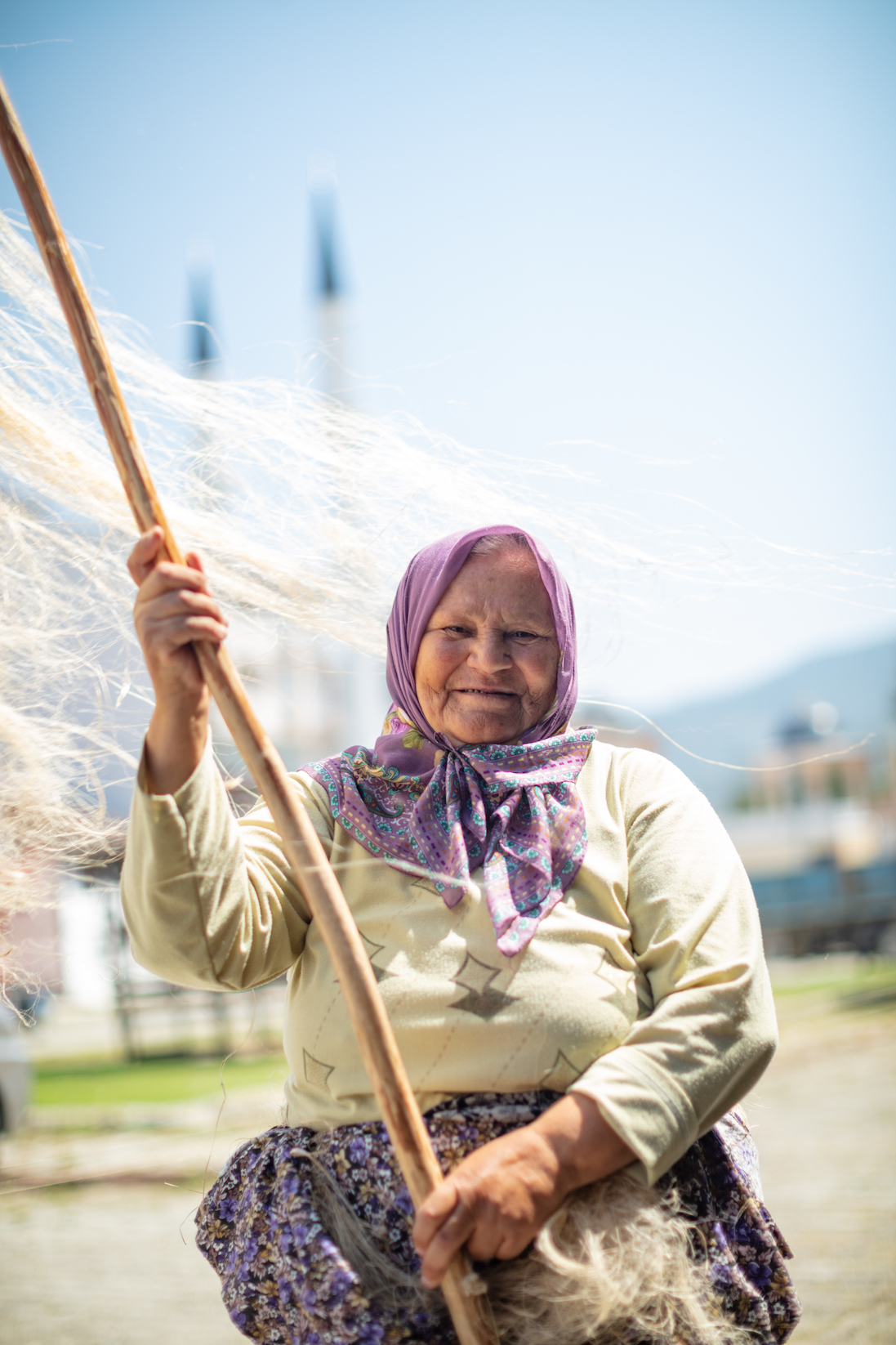
Photo by Maren Krings taken in Hanönü, Black Sea region, Turkey.

Photo by Maren Krings taken in Hanönü, Black Sea region, Turkey.


The publication of a book about the experience is now on the horizon. "It's a matter of finalizing the text, and assembling all the charts, data, and science that need to be translated into my concept," she says. Krings' book will include insights from more than eighty interviews she has conducted with industry experts.

While the climate impact storyteller is already something of a spokesperson for industrial hemp—Krings delivered a keynote address at the Swedish hemp industry's annual conference in early May, and recently published a feature in Sensi—she intends this book to be accessible to the casual consumer, and to include elements of her own Hero's Journey. "Our climate crisis is a crisis of perception. You can't fully explain it in numbers because statistics don't speak to our emotional state of being."

Krings is impressed by how today's SCAD students embrace sustainability, an awareness that has grown exponentially within a generation. She references the implementation of sustainable practices in photography studios, and the introduction of SCAD's design for sustainability program. In 2019, Krings reconnected with her former printmaking professor Robert Brown, and traveled to SCAD Atlanta to make photogravures on hemp paper. That experience helped create a sort of moral mandate for Krings, who is determined to have her book sustainably printed on hemp paper.

"My SCAD experience is intrinsic to my work," Krings says. "Professors Jenny Kuhla, Rich Gere, and Rebecca Nolan all contributed significantly to my development. At SCAD, I became interested in social documentary photography, then deeply engaged in that practice, until the camera became an existential part of my personality." Which brings Krings back to the matter at hand: a planet being edged over the brink by an occupying force called homo sapiens.

"Ours is a messed-up world, but if you are an optimist, that presents a challenge," she says. "There are wonderful solutions to be found."

Maren Krings

Visit Maren Krings.


SCAD Serve: Hats for Humanity

May
11
2021
By
Tags:

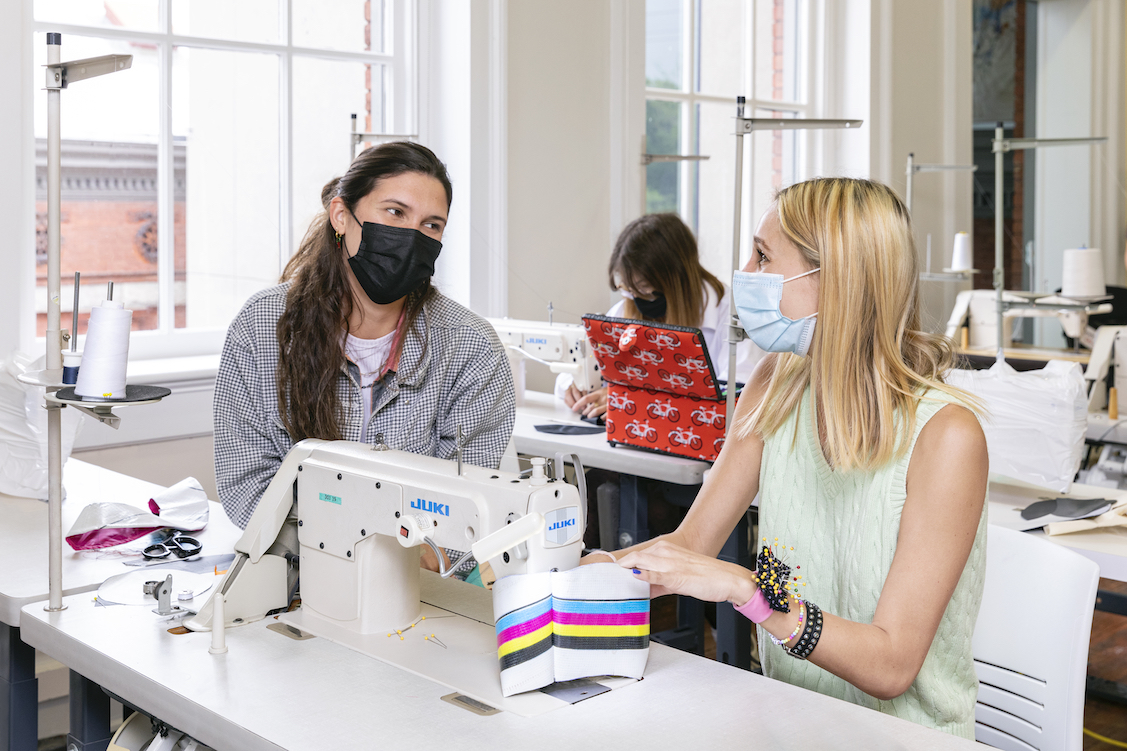
SCAD Serve’s inaugural alumni ambassador Mariana Alvarez Zubillaga (B.F.A., fashion, 2018) is dedicated to supporting unhoused individuals in Savannah and Atlanta, Georgia. Inspired by her hat store Honest Bob, Zubillaga is requesting individuals interested in social justice help create and distribute bucket hats to those who are experiencing housing and shelter hardships.

“I designed the hat to be sustainable and easy to make,” Zubillaga said. “The pattern is simple to follow and everyone can help.” Interested volunteers can learn more about the project, and download the free printable pattern and sewing instructions. The hats provide protection during the sunniest months of the year and add a note of individual positivity too. 

Zubillaga founded her bucket hat boutique Honest Bob in Mexico City, Mexico after what she refers to as a “happy accident”: “I had just been hired to work on an Alejandro Gonzalez Iñárritu film as a costume designer. It was a huge gig, and then I was sent home due to the pandemic shutdown.” Unable to work remotely on the film, Zubillaga’s focus shifted to making meaningful works of art that could be cherished by friends and family.

“I made the first bucket hat as a birthday present for my boyfriend. I posted the image to Instagram and then immediately received requests for ten more.” Today, Honest Bob is a chic fashion imprint dedicated to cultural representation, social responsibility, and environmentally sustainable production methods, the same characteristics SCAD Serve holds in high esteem.

SCAD has a long history of supporting neighbors and partners over the years and SCAD Serve is one more way that the SCAD community is giving back. The initiative empowers Bees who are engaged in creative professions across the world to create meaningful design solutions that improve the quality of life for thousands of individuals in need. Focusing on four critical areas: food, shelter, clothing, and the environment, SCAD Serve will continue to work to create positive change.

“Building community, driving positive change in society, and caring for the environment are my values and they align perfectly with SCAD,” adds Zubillaga. “I’m honored to be a part of this project.”

Zubillaga at her bucket hat boutique Honest Bob

Sign up for the Hats for Humanity!


Haleemah Sadiah: Catapult Fellow

May
10
2021
By
Tags:

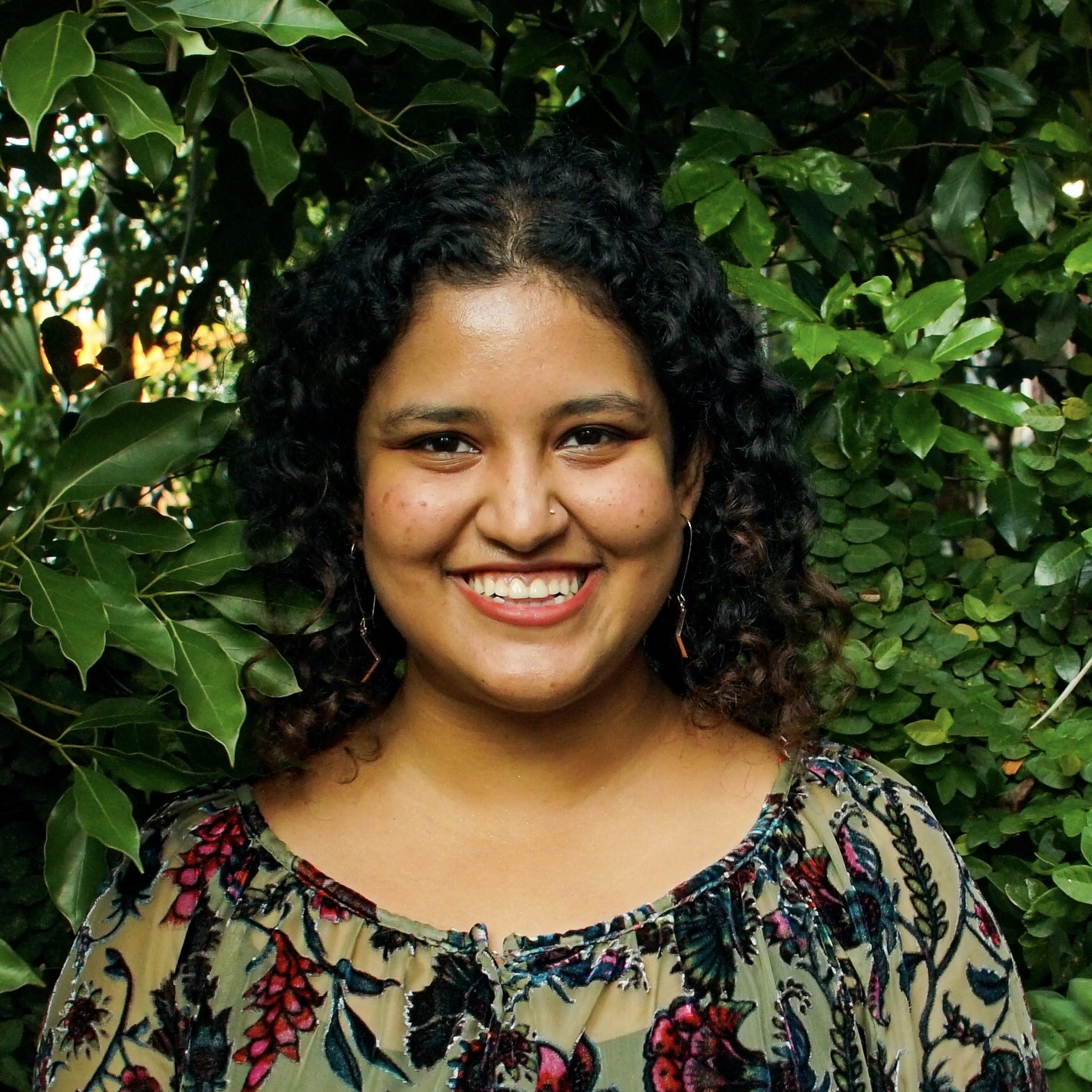
SCAD is proud to announce Haleemah Sadiah (M.F.A., design for sustainability, 2021) as the inaugural Catapult Fellow, sponsored by Catapult Design. This prestigious field fellowship is awarded to a recent alumnus of the university's design for sustainability graduate program.

"I am thrilled to be the first fellow, and grateful for this opportunity," said Haleemah Sadiah. "To have the chance to work with Catapult Design is a dream come true, and I look forward to using my creative skills and the knowledge I learned at SCAD to make a real-world impact while working on projects during my tenure with Catapult."

From Bangalore, India, Haleemah recently completed her master's thesis working with Jaipur Rugs on increasing the agency of women carpet weavers in the village of Aspura. During her Catapult fellowship, Sadiah will work directly with the Catapult team of designers, engineers, and business specialists to create design solutions to complex social challenges. She will be involved with an array of domestic and international projects, and explore opportunities to create momentum for social innovation projects within the Savannah community.c

"We are delighted to have Haleemah join us so that she may continue to hone her design for sustainability skills through this Catapult fellowship," said Angela Hariche, CEO, Catapult Design.

Founded in 2008, Catapult Design addresses challenges facing humanity, such as food security, water and sanitation access, quality healthcare, mobility, and climate change. Catapult Design's portfolio spans over 70 design engagements with 51 clients in 14 countries. Notable partners include the Bill & Melinda Gates Foundation, World Bank, the American Society of Mechanical Engineers, Asian Development Bank, Peace Corps, National Endowment of the Arts, W.K. Kellogg Foundation, and Mastercard Centre for Inclusive Growth.

"Catapult Design has long been a leader in generating social impact for underrepresented communities," said SCAD professor Scott Boylston, graduate coordinator,  design for sustainability. "This fellowship represents an amazing opportunity for our alumni to work in the field to take their first bold steps into their new careers."

The Catapult fellowship was awarded in part on the basis of Haleemah's master's thesis. "Jaipur Rugs work with about 40,000 artisans and make beautiful hand-knotted carpets, their artisans often design their own rugs, which is relatively rare to see in the craft world," Haleemah explained. "That helps to bridge the gap between artisan and organization, but there are still many challenges, like the fact that artisans and management often speak different languages, and the artisans are not educated in design management. My project was focused on building cultural competence between the artisans and the organization that they work with." Haleemah's writing advances these ideas in her essay entitled "The Link Between Organizational Learning and Cultural Competence."

SCAD's design for sustainability program is focused on preparing students to pioneer organizational change, technological and material innovation, and citizen advocacy. Learn more about the program here.

portrait of Haleemah Sadiah

 Congratulations, Haleemah!


'Star Tap' turns it on

May
5
2021
By
Tags:

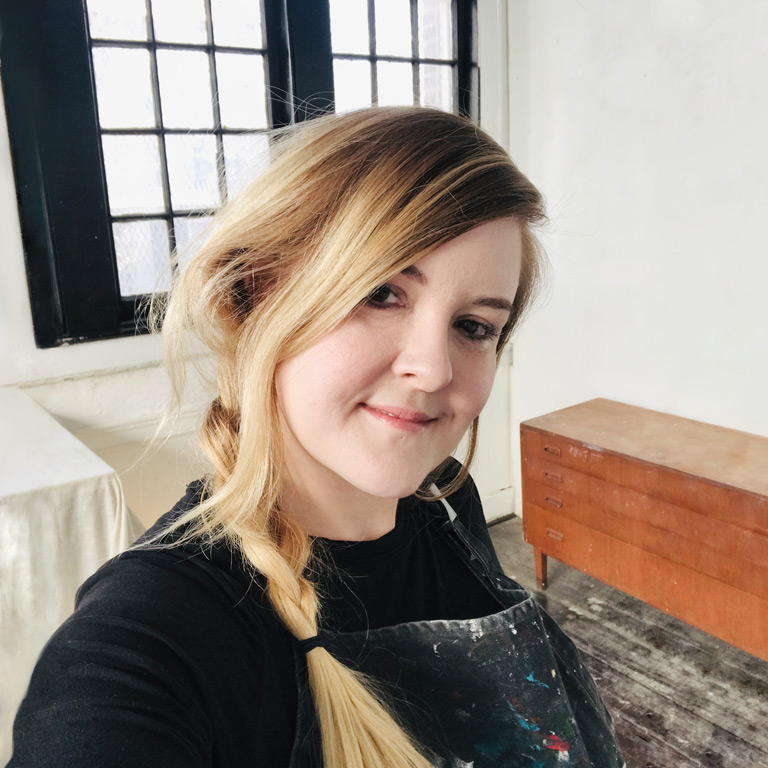
"We're definitely taking the full dose," says Emily Furr (B.F.A., graphic design, 2000). She's referring, of course, to taking in the "Acid Tongue" series featured in her solo exhibition Star Tap, at SCAD Museum of Art.

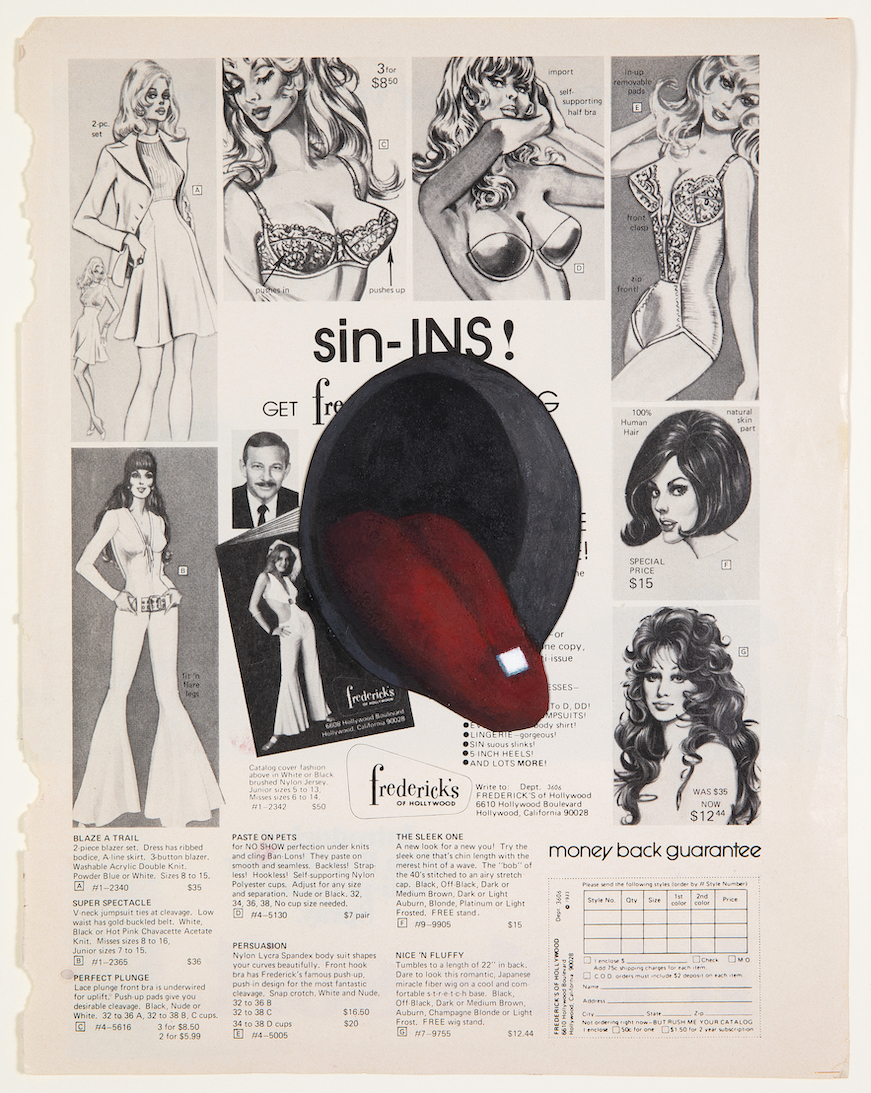
Each "Acid Tongue" depicts a ruddy appendage emerging from a suggestive void, on the verge of gobbling up a psychoactive substance. The seven gouaches, collaged onto tawdry advertisements torn from the back pages of old magazines, are as deranging as the dreaded lysergic itself. One senses that Furr, standing beside her work in the SCAD Alumni Gallery, her face half-hidden behind a precautionary mask, is smiling.

"It's fun to work on something outside your comfort zone," she says of the series, which she painted in 2020 at home in Greenpoint, Brooklyn. "And you can't do oil paintings around a toddler."
Ad

Acid Tongue #1, 2020, gouache cutout on advertisement, 8 x 10 inches.


The gouaches are something of an outlier for an artist better known for her oils (which also feature prominently in Star Tap). The series' Pop aspect demonstrates a kinship to Pauline Boty's 1960s collage paintings, while its more explicit correlation is to British artist John Pasche's infamous, lascivious logo for The Rolling Stones. "Acid Tongue" is not, Furr says, a direct homage, "but it's the same sort of Mick Jagger energy, like, I'm so great, I'm going to lick you!"

Furr's great licks of paint have been presented in solo exhibitions at 12.26 Gallery, Dallas; Marfa International; and Sargent's Daughters, New York, where Mother Lode drew acclaim from Artforum and Artnet in 2018. In 2019, she was artist-in-residence of The Watermill Center, and in 2021, a featured artist at SCAD deFINE ART, conducted virtually. When the coast-is-clear call finally came this April, Furr traveled to Savannah to see own show.

The return prompted a trip down memory lane. "SCAD opened up a new language for me," she says of her time as a student. "I loved the foundational classes, meeting likeminded people, exploring the city. I had so much fun living in O-House, where I made fast friends. I had a great education at SCAD, and stayed in Savannah all four years."

After graduation, the Edwardsville, Illinois native worked as a graphic designer for major New York City agencies, while painting by herself at night. In 2018, she began pursuing her M.F.A. at Hunter College, which helped further unlock both professional connections and doors of perception.
Artwork

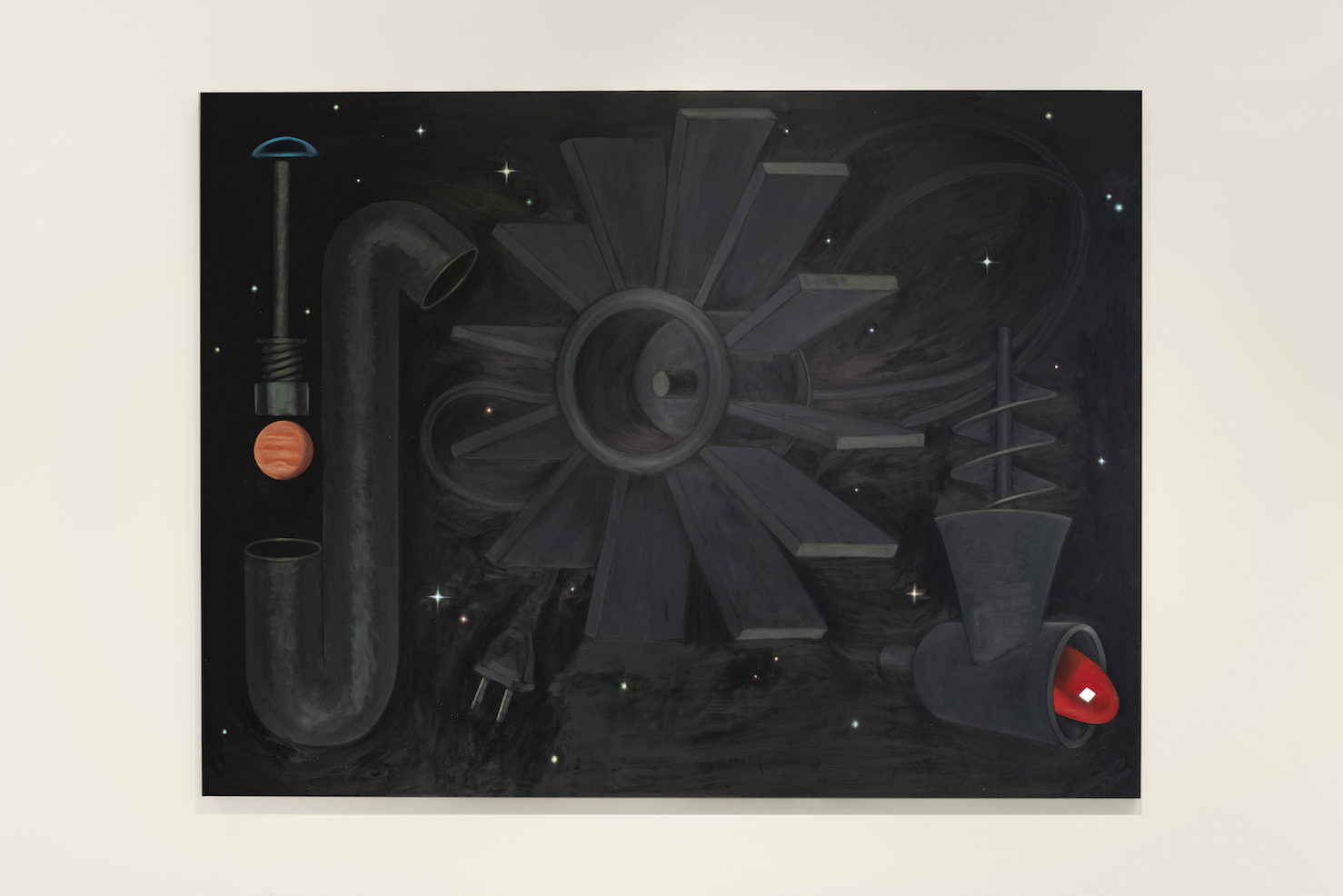
Thirst Trap, 2020, oil on canvas, 96 x 72 inches.


The blockbuster oil "Thirst Trap" epitomizes Furr's cheeky cosmology, literally plumbing outer space on the Rube Goldberg tip. "That painting shows a planet as a pinball that's going to go through a crazy maze," Furr observes. "Most of my work depicts industrialism coupled with nature or the cosmos to show how incongruent they are."

An ability to combine precision with intuition is manifest. "If the paintings look controlled it's because they begin in a digital realm. I do all my initial sketching in Photoshop. I don't like to use the word 'design' [when I talk about painting] because that implies a function, but I map out a composition similar to how a designer would. Then when I'm painting, I let the painting dictate where it wants to go. I have fun."
Student portrait

Star Tap is on view through Sunday, May 9, 2021.

Quotes are from the writer's interview with Emily Furr, and from curator DJ Hellerman's virtual talk with Furr during deFINE ART 2021.