Two hundred and seventy-one years after George Washington led his redcoats through the soggy outskirts of Ohio, illustration professor Mike Wimmer is sitting on a sunny Sunday in Haymans Hall, Savannah. A stunning painting leans against his desk.
"This shows a young Washington in the French and Indian War, a war that he may have started," Wimmer says, nodding at his canvas depicting the future first President leading on horseback. "The real focus of the painting is the men slogging through the mud. Ken Burns described them as third sons and prisoners and slaves hoping to gain their freedom, landless men. All for a hope."
Originally painted by Wimmer for George (Simon & Schuster, 2012), a book coauthored with former Oklahoma governor Frank Keating, “Colonel Washington Pushing His Men Through the Rain During the French and Indian War” is featured along with another Wimmer painting, “General Washington Watching the Siege of Yorktown” in the new PBS documentary series, The American Revolution.
"It’s an honor to have my artwork included in a project of this significance and to contribute to this powerful exploration of America’s founding story," Wimmer says. The six-part, 12-hour series by Ken Burns, Sarah Botstein and David Schmidt is now streaming on PBS.org and the PBS app.
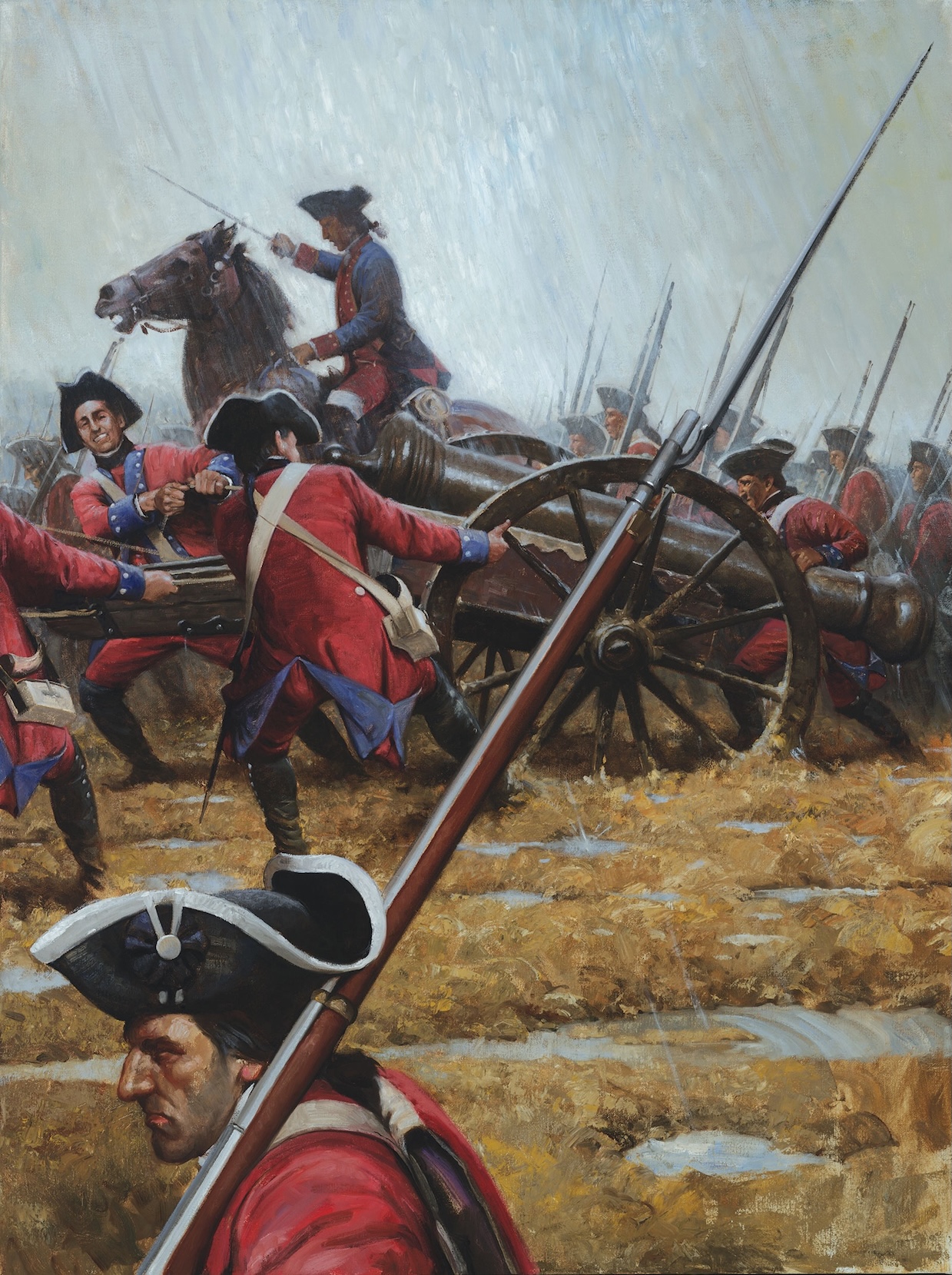
Mike Wimmer, “Colonel Washington Pushing His Men Through the Rain During the French and Indian War.”
2012, oil on canvas.
Mike Wimmer:
As a painter, I'm a realist. I want to communicate with people in a common language. I want to speak to the masses. One of my heroes, Howard Pyle (1853-1911), who's known as the godfather of illustration, said, "If I can't feel the calluses on the hands of my subject, I'm not doing my job right." I try to put myself in the position of the people I'm painting.
The British looked down upon the American militia, like they're not real soldiers, they're citizen soldiers, cannon fodder. I want you to see the action and the line of movement of Washington and his men. They're moving in the same direction with fierce determination. It's like you can hear the mud and feel the rain as they pull the cannon through the muck.
Everything in the paintings is as historically accurate as possible. I was in the early sketching stages and I bought a number of uniforms and a Brown Bess musket, that's how I know what that looks like. And it does help to go where it happened. I went to Fort Loudoun, Tennessee, for Fort Loudoun Day when all these reenactors come. I was there to take pictures and make sketches. They shoot the cannon off and I say, "Can you do it again?" [laughs]
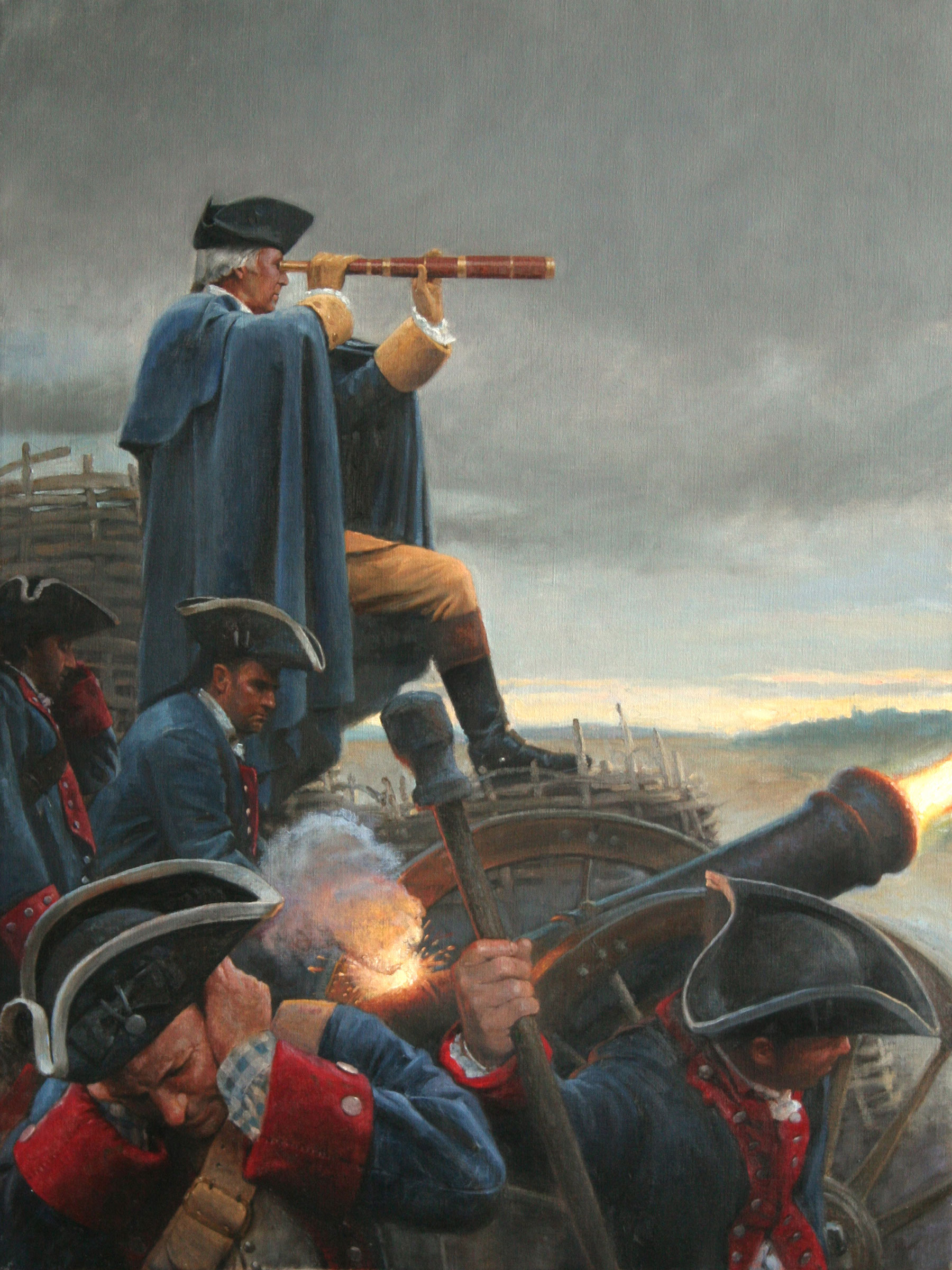
Mike Wimmer, "General Washington Watching the Siege of Yorktown," 2012, oil on canvas.
The Battle of Yorktown painting shows them pitching their lines, moving their trenches closer and closer. These redouts were made of woven baskets full of stone. They're bombing Yorktown into submission. The French have Chesapeake Bay closed up so the British can't leave and eventually have to surrender. Cornwallis can't believe this rabble did it!
Ken Burns and his team wanted to use these two paintings of mine because of the way they depict George Washington as a narrative character. The painting of Washington at Yorktown, when they were wrapping up the Revolutionary War, is now part of the Mount Vernon permanent collection.
I love the way they used the paintings in the documentary, adding sound effects, lingering on details and on the faces of the men. As Ken Burns says, "It's not my place to judge a whether person is good or bad. That's for history to do." And that's what I'm doing with my paintings: reporting history.
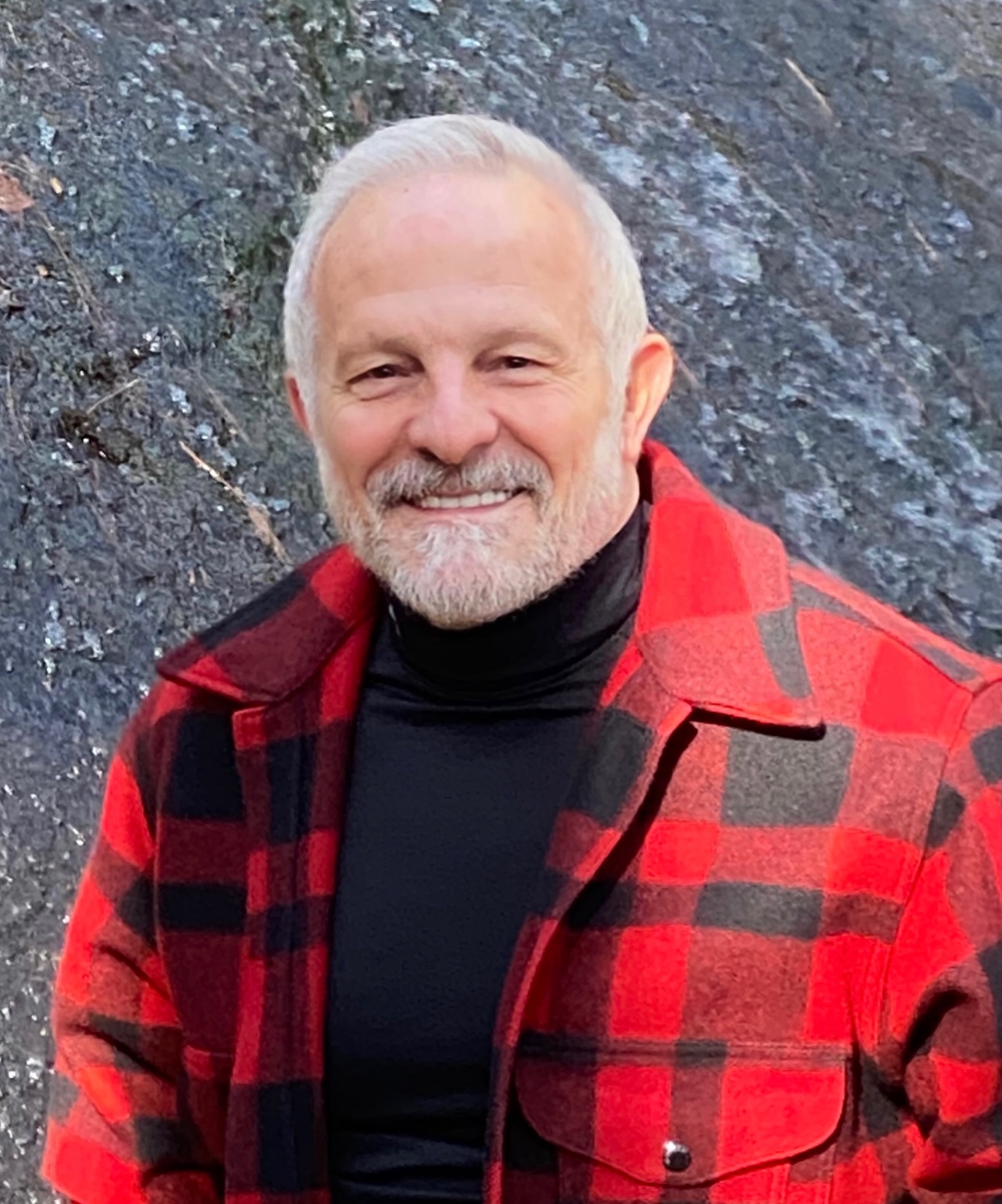
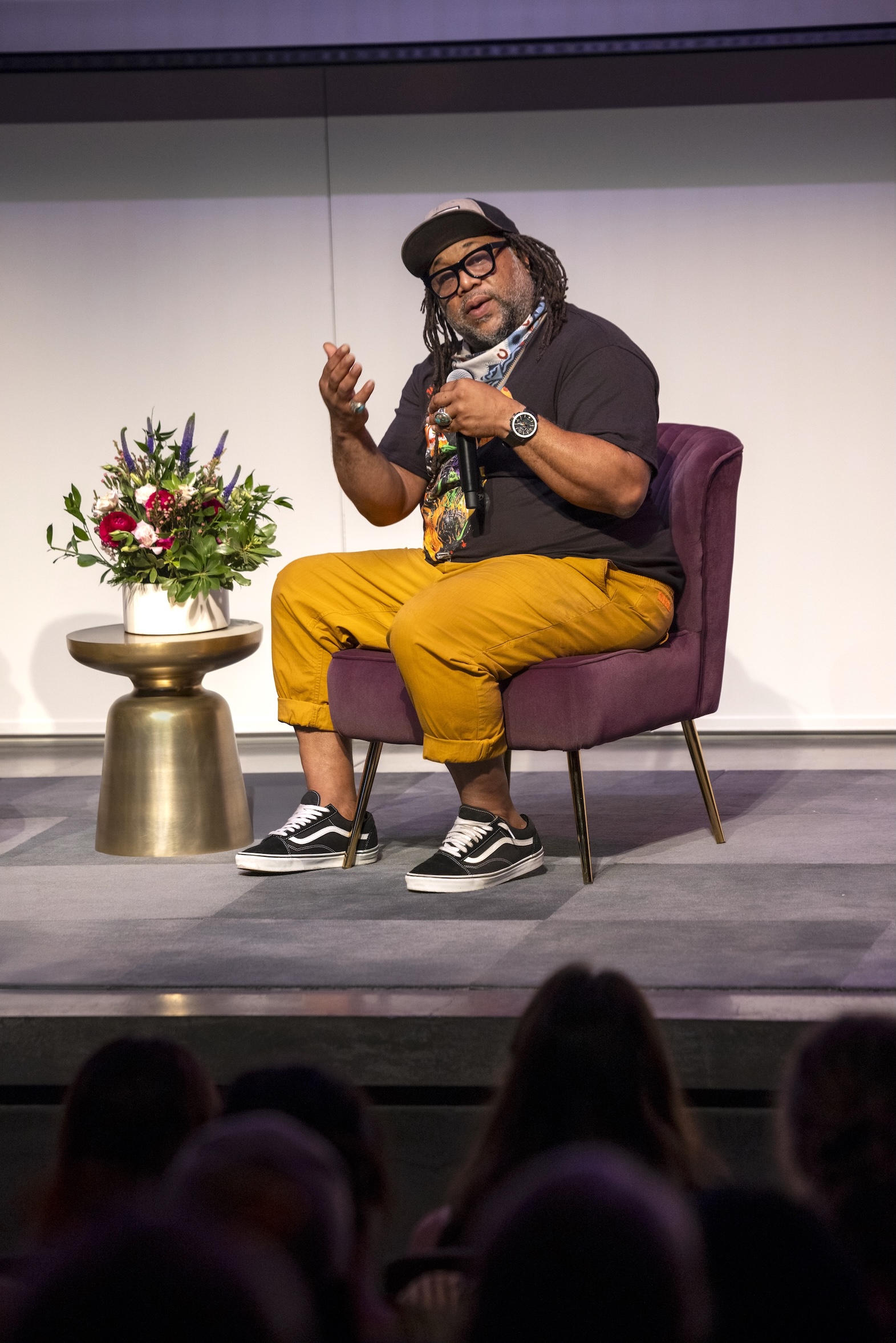
Muskogee, Oklahoma native Mike Wimmer has taught at SCAD since 2017.
Wimmer's paintings will also feature in the new season of the Paramount Plus hit TV show Tulsa Kings.
Visit him at mikewimmer.com.