Skip to main content Accessibility Policy

Getting comfy with Daniela Duarte

December
2
2020
By
Tags:

"I'm interested in how the attitude of humans is affected by design," says Daniela Duarte (B.F.A., furniture design, 2020). "Different shapes and textures call to us in a thousand different ways, and designers have to be aware of the emotions we are evoking when we create our pieces."

Duarte recently won the Student Award at the International Society of Furniture Designers 2020 Pinnacle Awards for CURVA, a chair she designed in her senior studio class. The Pinnacle Awards recognize excellence, innovation, and originality in furniture design, and ISFD judges called CURVA "exactly the type of product that consumers are looking for."

Today, Daniela is working at 5 SÓLIDOS in Medellin, Columbia. She took time to discuss her process, path, and passion for producing prepossessing décor.

Daniela Duarte:

As I worked on my senior collection, I was focused on making sure I created a positive feeling for the consumer. My concept was based around creating a sense of belonging. I wanted to design a memorable product and create an experience for the user well beyond just a chair.

CURVA was the first element and ultimately the catalyst for my senior project. The entire year was dedicated to creating a collection that personified my philosophy and spoke to who I am as a designer.

I am interested in the concept of emotional design, and have studied the works of Don Norman to understand how designers can make deeper connections with users through their products. First, I spent a lot of time on the shape of the chair itself. I found that the interlocking components created a sense of calm and peace with my fellow designers.

I tried a variety of shapes, and interlocking connections, then tested those designs with my classmates to understand what emotions came forth with each new design. I found that shapes that were tilting created stress and nervousness. Shapes that were perfectly interlocking or melting into one another were "satisfying" and created a sense of "belonging."

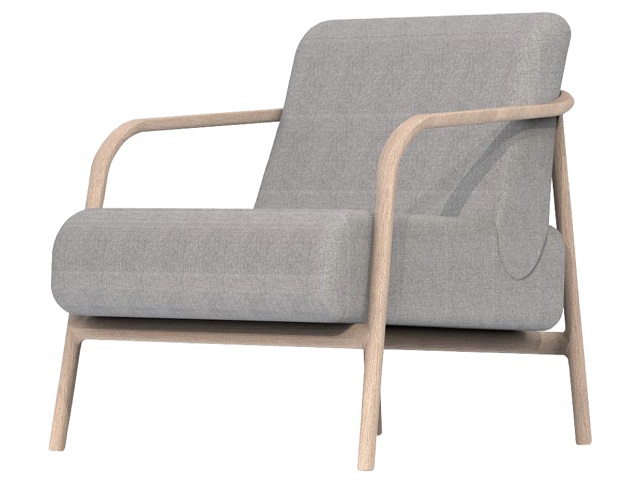
The idea of belonging drove the remainder of the product experience. The arms are shaped to look like a hug, and the monochromatic colors help the chair create a sense of harmony. The wood is ash, and I love how it works with the gray of the fabric.

From there, I focused on making sure the chair performed well. Would it matter if the chair looked great but you never sat in it? I wanted the product to be both memorable and invisible. Obviously, that is a slight paradox, but good design enhances our life seamlessly. 

Professor Fred Spector encouraged me to submit my design to the competition. He felt that I had a good chance of winning, and was very encouraging throughout the process. I was shocked when I won and of course very happy I listened to him.

My experience at SCAD has helped shape me into the designer I am today. When I was looking at universities, I had a teacher, Paola Caicedo (B.F.A., fashion, 1997), who'd attended SCAD and loved it. She encouraged me to come to Savannah since I too wanted to study industrial design. I fell in love with furniture design once I got here.

The furniture design department is a really tight-knit community and the professors are amazing. I was able to design, choose patterns and fabrics, and build life-long pieces for people to enjoy. I loved all of it. I hope to open my own studio in the future, and am learning and growing as much as I can until then.

chair designed by Daniela Duarte

Learn more about SCAD furniture design.

Eleanor Turner: changing underwear

November
16
2020
By
Tags:

"I was holding a six pack of novelty Valentine's Day underwear at Walgreens and I thought, ‘I need to fix this'," says Eleanor Turner (B.F.A., fashion, 2008). "While packing last minute for a business trip, I realized I had no clean underwear. I went to the only store that was open and left with these hideous heart-covered underpants."

Turner saw the need for change. Now, assisted by the SCADpro Fund, the entrepreneur and designer's new venture The Big Favorite is redefining the business of underwear.

"People care about the companies they support, and how those companies operate on a global scale," Turner say. "Consumers want quality, comfort, and style, and they also want to know that the places they shop are mindful of their impact on the planet. That is why I started a company that is going to recycle underwear."

As part of SCAD's Guests and Gusto lecture series, Eleanor shared her vision with future designers.

model wearing the big favorite underwear

Eleanor Turner:

The first piece of advice I give any entrepreneur is, "If you are going to fail, fail on somebody else's dime." When the company is yours, every decision matters. Where to locate, who to work with, how many hangers do you need? Every decision costs money, and when you first start out, money is tight.

Before I co-founded my first company, Argent, I worked at some of the biggest fashion houses in New York. Each stop taught me something new and prepared me for my own launch. My time at Tommy Hilfiger taught me the importance of the runway show to our marketing strategy. While at Tory Burch I learned how to work with wholesalers, and when I designed for J. Crew, I learned how to fail at a big scale.

Getting to make mistakes early in my career allowed me the ability to learn how to recover, re-prioritize, and not repeat them when my name was on the door.

I did not know that I was an entrepreneur at heart when I first got to SCAD. That changed one day when I found an old button in the garage when I was home my junior year.

It read "The Big Favorite." I asked my dad what it was and he told me my great-grandfather started a clothing business in the 1930s. From there I was hooked. I thought about his company and how I could follow in those footsteps. Today, I stand here, launching my second company, wiser and more prepared, believing the world is going to embrace recycled undergarments.

Over $500 million of garments is discarded every year, and more than 11 million pounds of undergarments are sent to landfills daily. I felt it was time for a change and we are making that change at The Big Favorite. We are going to use 100% pima cotton to make our undershirts and underwear to eliminate plastic particles. When our users are finished wearing these items, we will collect and aggregate the clothes, turning them back into new yarn, creating new garments.

Our goal is simple: reduce waste, have an eco-friendly supply chain, and do it from the bottom up.

portrait of eleanor turner

Join The Big Favorite revolution.


Virtual Open Studio returns for fall

November
6
2020
By
Tags:

SCAD returns for fall with Open Studio, offering art collectors and enthusiasts exclusive access to work by the university's community of talented artists. The three-day all-virtual event takes place Friday through Sunday, Nov. 13-15.

Open Studio will showcase more than 700 jury-selected works by students, alumni, and faculty across all SCAD degree programs, including illustration, painting, photography, printmaking, and sculpture. Featured artists include Diego Cardenas aka "lé dieguê" (M.F.A., painting), Olivia Lovito (B.F.A., photography), Ayana Ross (M.F.A., printmaking), Andrew Munoz (M.A., advertising), Ashna Malik (B.F.A., painting, 2020), and Thomas Flynn II (B.F.A., painting, 2016). Open Studio is an exceptional opportunity to obtain leading works by star and future star artists from the SCAD universe.

A portion of proceeds from Open Studio will benefit the SCAD Student Relief Fund, helping students with financial hardships complete their degrees. This follows a successful initial virtual iteration of Open Studio night held in June of this year.

"Open Studio is an event that represents our continuing commitment to supporting and elevating the creative voices in our communities," said Victoria Gildersleeve, associate director, SCAD Art Sales. "The virtual event enables patrons around the world to shop for original SCAD artwork by talented artists among our students, alumni, and faculty. SCAD continues to provide an education of unparalleled excellence for fine artists, and Open Studio remains an important part of that mission."

SCAD Art Sales, a premier curatorial platform launched in 2016, will offer guests access to its artist network through the work on display. A "view-in-room" will be available during Open Studio on the mobile platform via the ArtCloud app, making it possible for shoppers to preview works in their home before placing an order.

Stay tuned next week as SCADworks features interviews with Open Studio artists.

Banner image: Diego Cardenas aka lé dieguê (M.F.A. painting), "Angular Perception 13," oil on canvas, 48" x 48".

Film Fest spotlight: McKinley Benson

October
28
2020
By
Tags:

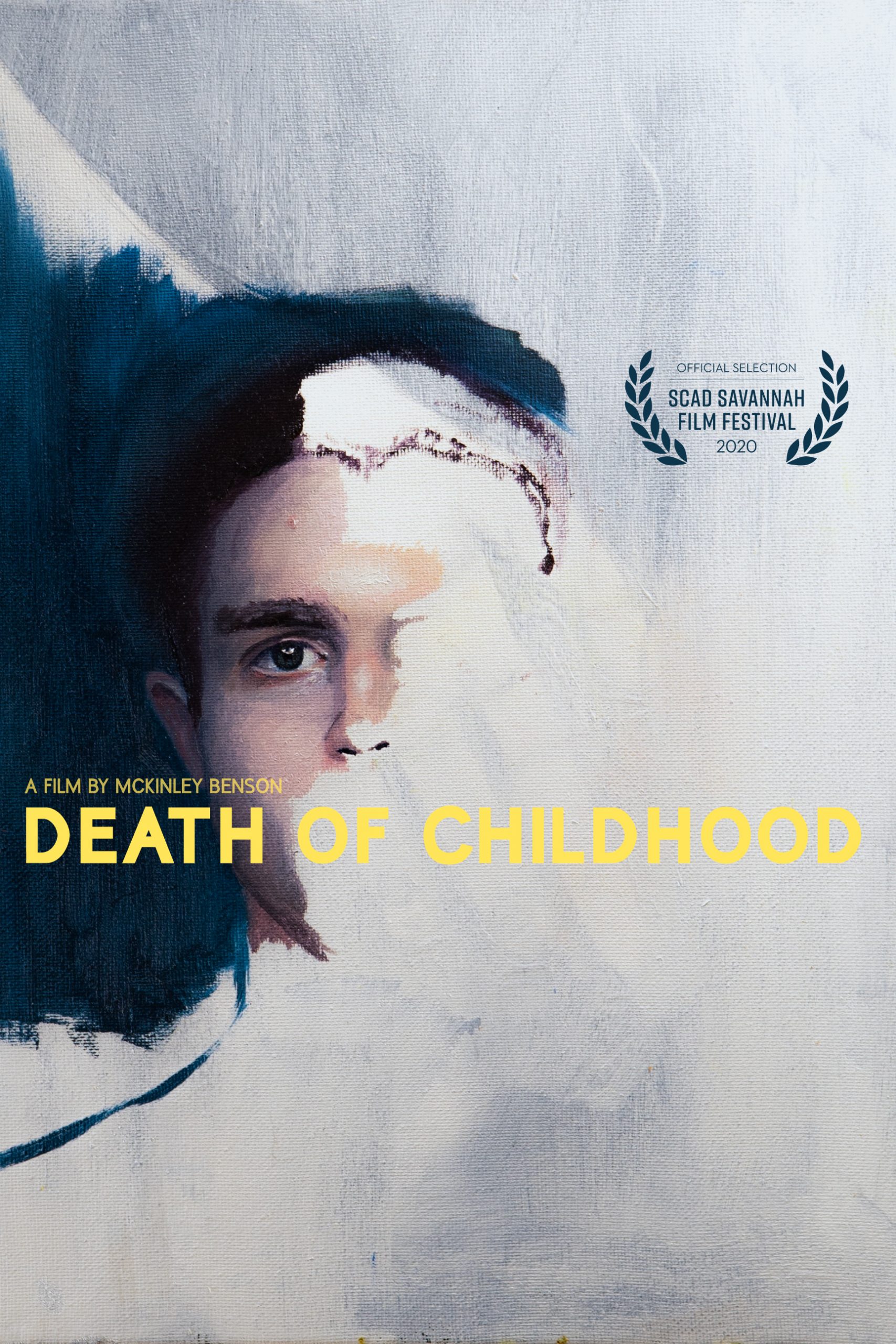
The debut documentary film by director McKinley Benson (B.F.A., film and television, 2020), Death of Childhood, is part of the Student Shorts showcase at this year's SCAD Savannah Film Festival. The eight-minute short focuses on young artist Brady Dollyhigh, and the loss of a sketchbook containing memories of his estranged father.

Dollyhigh is a childhood friend of Benson’s. “We met at church when we were eight and we've remained good friends ever since,” Benson say. “One of my earliest memories is of us watching Phineas and Ferb cartoons and sketching on the floor.”

Death of Childhood was originally planned to document the opening of Dollyhigh’s solo exhibition in 2019 at the Lakewood Cultural Center in Lakewood, Colorado. But things didn’t go exactly as planned.

McKinley Benson:

When I first sat down to write the treatment for what became Death of Childhood it was a completely different film. The project started as my final project for my graduate seminar Directing the Documentary [FILM 747A], with film professor Jennifer Hyde. I reached out to my friend Brady to see if I could capture his gallery opening in Colorado. I had previously documented his 24-hour long line drawing “Time” and thought this would be a perfect follow up.

I didn't know anything about documentary filmmaking until I took Professor Hyde’s class, so I dug in as deep as could. She taught me how to write a treatment and prepare the questions in order to shape the story. I remember her sharing the importance of not only setting up the shot, but knowing what the shot should look like before I turned the camera on. It’s not as easy as showing up and interviewing people.

I was on the plane to Colorado and I felt prepared. My questions were laid out. My treatment was finalized, and I was practicing how I was going to broach the subject of his father, and their falling out. It was always going to be in the documentary, but I did not envision it as the center point. When I landed in Colorado everything went out the window.

Brady is meticulous about his sketchbooks. He is constantly drawing in them, journaling in them, and capturing his particular genius. They are a part of him, and when he lost one when we began filming the entire documentary shifted to that pain.

This particular notebook was meaningful because he was in the process of reconciling his relationship with his dad. He was grieving that loss through his art, and he had things written down that he wanted to say to his father. I was nervous when I turned the camera on for the first time. I didn’t know how deep to dig, or how he would respond to my questions, but in the end it flowed out from both of us.

I was there to document Brady’s work. He understood I had to ask him honest questions. That didn’t change the fact that I knew his dad. Our families had barbeques together, I went to his home and played, and I have my own memories of him before this. Brady wasn’t the only one in pain when we opened up that wound.

The whole shoot took place over a weekend. He painted on a mountain top. His sketchbook went missing. We dug into a dark place and we helped each other heal. His pain is real, and after we turned the camera off we were both emotional. I was packing up my camera with tears rolling down my face thankful I was there for him, and thankful he was there for me.

This is my first documentary film, and I’m excited to have it in this year’s Film Festival. I attended last year's festival and saw some really amazing work there. It’s great to see what other filmmakers are creating, and to see what inspiration you can take away and bring to your own work.

Death of Childhood film poster

The SCAD Savannah Film Festival continues through Saturday, Oct. 31.


Alumni Voices offer animated advice

October
23
2020
By
Tags:

SCAD AnimationFest returned this year for its fourth annual installment in an all-new virtual setting. Special screenings, presentations, and workshops with major figures in the animation industry made the two-day event an informative experience accessible to all. Key programming included Alumni Voices, a panel comprised of alumni from diverse international backgrounds speaking about their journeys to successful careers in the industry.

"Your work is your passport," said panel participant Sekani Solomon (B.F.A., motion media design, 2014). "That's what's going to get people to notice you and get you in the building. Networking is important, but if the work isn't there you won't get hired."

Solomon, a senior motion designer for CashApp, is a Trinidad and Tobago native whose previous credits include the end title credits for the film Black Panther. He joined four fellow superstar alumni on the panel moderated by Matt Maloney, associate chair of animation, and Dr. Audra Pittman, VP, SCAD Atlanta. The alumni addressed topics including the virtues of SCAD Career Fairs, the challenges of obtaining work visas, and how to navigate a capricious U.S. job market while managing personal and parental expectations of success.

The online panel was attended by SCAD students from diverse degree programs within the SCAD School of Digital Media. Students had the opportunity to video chat and pose questions to panelists Sekani Solomon, Marisa "Ginger" Tontaveetong (executive director, ASIFA-SOUTH; animation producer, School of Humans), Prasad Narse (senior visualization artist/senior animator, The Third Floor, Inc.), Jordan Lyle (founder/creative director, For The Culture Club), and Nadine Promes (freelance story artist; outreach coordinator/programmer, ASIFA-SOUTH). Here are select, insightful comments from each of the alumni participants.

Nadine Promes (B.F.A., animation, 2017): "After graduating from SCAD I went to L.A. where I volunteered in organizations related to the industry. Whenever a competition would pop up, I would enter. That's how I ended up in the mentorship program at Sony Pictures Animation. That led to landing my first industry job as a production coordinator. It was during the making of Spider-Verse, and I learned problem-solving on a high level. It's good to accept that your career will not be a straight path towards a goal, but a set of experiences that become part of who you are."

Prasad Narse (M.F.A., animation, 2013): "Being an international student, going to SCAD was stepping into a new world. My first year I was just gaining experience on how I can communicate my ideas, because I was not yet a fluent English speaker. At SCAD, I developed myself as a person and my ability to learn. As a SCAD student you have this big opportunity with the technologies available, including all the rendering software. I created a film called I M POSSIBLE that won a student Emmy Award. LAIKA/house saw the film and approached me to join their intern program because they liked the subtlety in my character animation. That's where I started my professional journey."

Jordan Lyle (B.F.A., motion media design, 2012): "In your career you will have a lot of rejections. It's ultimately how you handle that and use it as fuel to approach the next challenge. Opportunities will come more than you know at some point. Because one thing doesn't happen the way you want it to, doesn't mean it will never happen again. Maybe you weren't ready, and you can come back with an even better portfolio. You'll understand yourself better and who you are as an artist."

Sekani Solomon (B.F.A., motion media design, 2014): "When you think, why didn't I get this job? Consider it a chance to improve your portfolio. It's about how you react to rejection that can help you get to the next thing. I let it inspire me, or use it as fuel to get better. If I didn't get a job, I'll make my work better so you can't ignore me."

Ginger Tontaveetong (M.F.A., animation, 2017): "It takes a village to create a good animation. In my 2D-3D collaboration class at SCAD we learned to communicate and work together to deliver on a deadline. One of our animations called Starlight won at Atlanta Film Festival, and was Oscar long-listed as well. What I got out of that is that there will be disagreements because there's more than one vision on the table. It's about negotiation and seeing how you can create great work. That's when you find out if the people you work with are people you want to work with in the future."

Thank you to everyone who participated in the Alumni Voices panel, and to the students, alumni, and faculty who made AnimationFest 2020 such a success. Learn more about the SCAD School of Digital Media here.
scad animation fest promo

Generous gallerist Arnika Dawkins

October
20
2020
By
Tags:

"Artists are dialed to a different level of sensitivity," says Arnika Dawkins (M.A., digital photography, 2008). The eponymous founder of Arnika Dawkins Gallery is attuned to her own focused mission. Her Midwest Atlanta gallery shows photographic works by artists "speaking both to the moment we're in, and contributing to the grand dialogue across generations."

Dawkins has helped elevate the work of SCAD alumni LeAndra LeSeur (B.F.A., photography, 2014) and Ervin A. Johnson (M.F.A., photography, 2015) to international prominence. She celebrated Johnson's current show Variations on a Theme with a virtual opening in September. A fine art photographer in her own right, and member of SCAD Atlanta's first graduating class in 2008, Dawkins is a star in the SCAD firmament.

Arnika Dawkins:

The story of how I wound up attending SCAD begins with my youngest cousin, who was an on-air reporter in Savannah took me and my daughters through downtown Savannah and said, these buildings are part of what's called the Savannah College of Art and Design. Within months a big sign went up on Peachtree announcing the opening of SCAD Atlanta, and I decided to apply. I gave myself permission to pursue something I was passionate about. SCAD was perfect for me.

After I graduated, I interned at Jackson Fine Art in Atlanta, a local gallery with an amazing reputation, and got the bug to start my own gallery. I opened Arnika Dawkins Gallery in 2012, and my intern Le'Andra LeSeur said she wanted to introduce me to her classmate Ervin Johnson. At an opening here at the gallery and Le'Andra noticed that Ervin was heading out, so we ran over to say hello. When I took a look at his work, I had this powerful visceral reaction. I invited Ervin and Le'Andra to have their work in an exhibition in late 2015 that I titled On Being Black, where 22 artists showed work about being what being Black means to them.

Soon thereafter we did a solo exhibition of Ervin's work called #InHonor. It was Ervin's creative response to the Black Lives Matter movement, and it evolved into #InHonor: Monoliths, the second solo exhibition I've shown of his work. The art that I love to show is art that engages your head, your intellect, your heart, and your vision — then you have this thing going on which feels so good. It's been a real pleasure to show Ervin's work and see his evolution.

At the invitation of the European Cultural Centre, I submitted Ervin's work and it was shown at the 2019 Venice Biennale in their exhibition called Personal Structures. It was very well received and we were so happy to have Ervin go to Venice and receive all those accolades. I'm thrilled that SCAD is also showing that work during Photo London alongside Le'Andra's work, in concert with us having his third solo show here at the gallery called Variations on a Theme. These portraits are mesmerizing, captivating, and impactful. When you see them, you see why.

It is my hope as gallerist that by being part of this visual dialogue we can move the needle and create questions that people can reflect on. Art has the ability to do that. Through these conversations, we can progress and then there's great benefit to us all, people of all races, because we're all part of each other's existence.

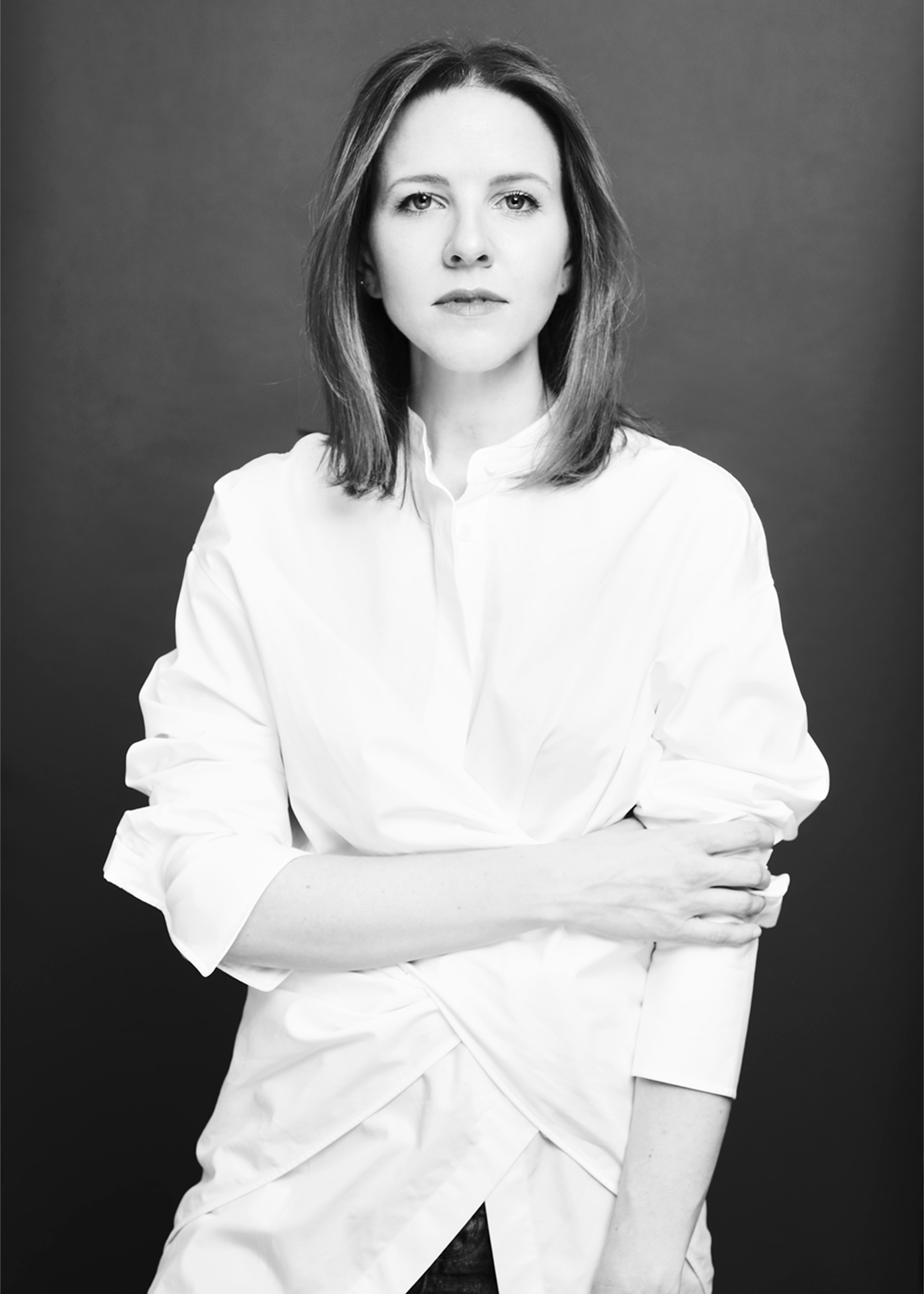
portrait of arnika dawkins

Visit Arnika Dawkins Gallery.

Banner image: Ervin A. Johnson, Variation 17, photographic mixed media on cotton (detail), 2020.


Filmmaker Nicola Rinciari on 'Our Side'

October
15
2020
By
Tags:

Director Nicola Rinciari (B.F.A., film and television, 2020) is a finalist at the 2020 Student Academy Awards for his film Our Side. The 12-minute short, co-written by Rinciari and Emily Dillard (B.F.A., film and television, 2020), will have its Southeast U.S. premiere as part of the "Live Action Shorts" program at this year's SCAD Savannah Film Festival.

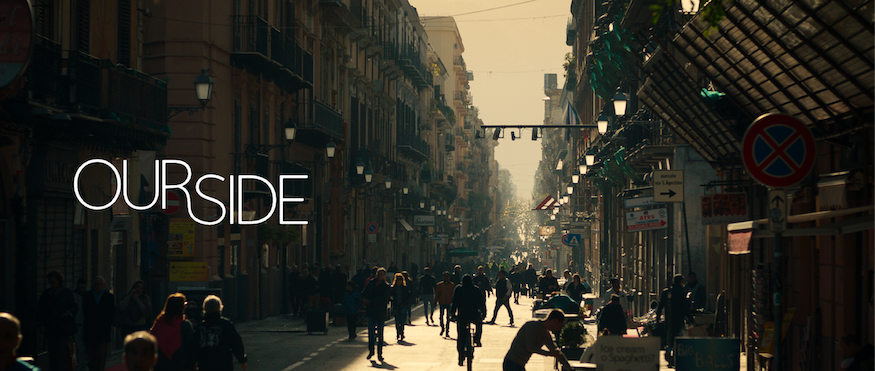
Our Side tells the story of an African caregiver named Adillah living in Sicily. When new laws render her visa invalid, Adillah must decide between saving herself or the elderly man in her care. Addressing issues surrounding immigration and discrimination, Our Side was filmed on location during winter quarter. A crew of 21 SCAD students flew to Italy specifically to work on the project.

The film represents something of a homecoming for Rinciari. Born in Palermo, Rinciari spent his childhood sitting in front of his family's television creating an imagined sequel to the 1994 Disney film The Lion King with crayons and colored pencils. "I remember drawing constantly while I watched the behind-the-scenes extras on that VHS tape," Rinciari says. Nicola's mother helped him photograph those drawings, before he scrolled through the images to see his story come to life. "My mom and I became filmmakers in our kitchen."

Today, Nicola lives in Los Angeles and works as a previs artist at The Third Floor, Inc.

cover image for Our Side short film

Nicola Rinciari:

As a child I was fascinated with movies. Spider-Man was the first film I ever saw in a theater. I loved it, and it ignited my passion for filmmaking. I knew I wanted to get into the film industry, and I understood I needed to come to America to give myself the best chance for success.

When I was looking at film schools, I applied to SCAD. As I was mulling the decision to leave my home, I saw a magazine ad discussing Atlanta's booming film industry and there he was — Spider-Man. The newest installments of the Spider-Man franchise were shot partly in Georgia, and instantly I knew I was going to SCAD. I had never been to America, and Atlanta seemed a world away from Palermo. I packed my bags, and along with my parents made the journey.

When I arrived at SCAD, my family and I met film professor and department chair D.W. Moffett. He heard us speaking Italian and began speaking to us in our language! From then on, D.W. became a mentor to me. Professor Moffett helped me pick the student crew I took to Italy to make Our Side, and spent hours talking to me about the script and final edits. I could not have done it without his expert guidance.

The film was a huge undertaking. We combined the crew of SCAD students with a crew I put together of local residents who helped helped people understand why we were shutting down their streets. The entire experience was incredible, and I am grateful for everyone who made it possible.

I am especially thankful to my partner Emily Dillard. Without her expertise and strength, this Student Oscar nomination would not be possible. The experience has been life changing.

The winners of the 2020 Student Academy awards will be announced on Oct. 21, 2020.

Our Side will screen at the SCAD Savannah Film Festival on Monday, Oct. 26.

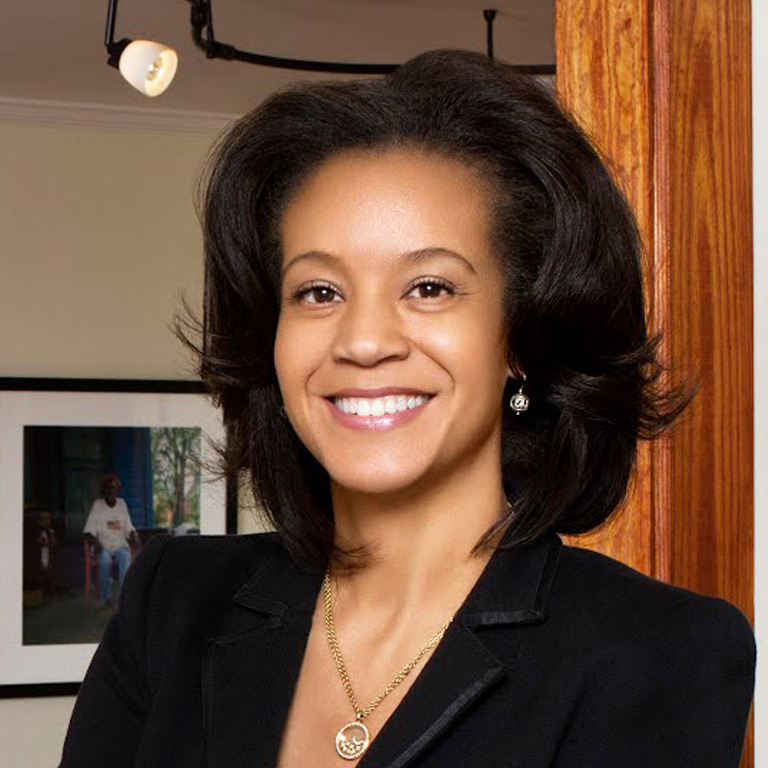
portrait of Emily Dillard and Nicola Rinciari

Emily Dillard and Nicola Rinciari


September Park delivers

October
9
2020
By
Tags:

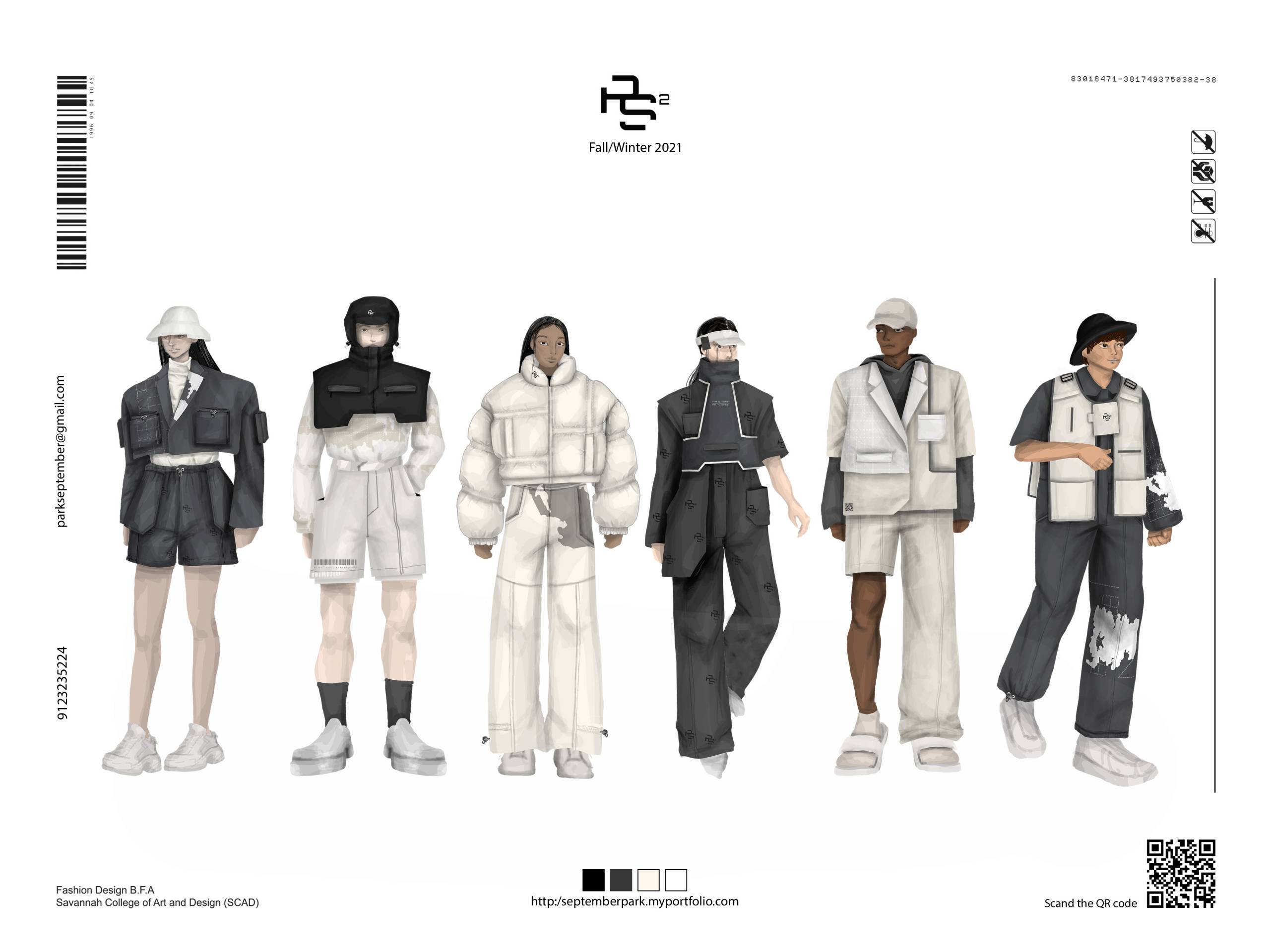
It's one thing to design a great collection. It's another to present it effectively. Out of 4482 entrants to the i-D x ARTSTHREAD Global Design Graduate Show 2020, the work of alumna September Park (B.F.A., fashion, 2020) stands out.

The garments in her collection PS² (Park September Postal Service), inspired by postal workers and packaging materials, sport shipping labels linking to her digital portfolio: "It shows I'm ready for new opportunities."

Sponsored by Gucci, the international competition was open to all art and design students graduating in 2019-20. From the judge’s curated shortlist, Park’s collection received the most public support in the Sports & Denim category.
 
The Seoul, Korea native is currently interning in New York for Victor Li. When Park Zoom’d with SCADworks, she’d just finished a call with Alex Brownless, co-founder of ARTSTHREAD, to discuss next steps in her c
areer.

Student work

September Park:

When I heard about ARTSTHREAD competition, my senior collection was finished, but I went back to work on how I presented the collection on the digital platform, to make sure it best represented my concept and style.

My initial idea for PS² was a concept design based on "delivery," where I’m delivering stories through a fashion collection. At the same time, part of my concept was, How do I deliver myself to a potential employer?

I thought about the postal service, where a mail carrier comes to your door and delivers presents and joy, and also important mail, like voting information. I interviewed a person who works in the mailbox store next to Eckburg Hall. He said the work is very sensitive regarding time and quality, and means working every day, locally and internationally. I want to be that kind of person, who you can trust to deliver, and get a job done right and done fast. And technically, I am shipped from my home in Korea to study in the United States.

I chose to take my inspiration from the postal service. The postal service is for everyone. I wanted to make sure my collection is for everyone too. That's why I used elastic waistbands and adjustable straps, to fit the clothing to your body. I wanted to make sure this collection is for all sizes and all genders. When I shop for clothes, I shop in women’s wear and in the men’s section too. It’s important to mix genders in my collection because I personally wear clothing that way.

Fashion professor Mitchell Vassie helped me develop my concepts and portfolio, and another incredible fashion professor, Sachiko Honda helped me with the pattern making process. I was inspired by the torn edges of packaging, and created a pattern, then used glossy ink to print it on the jumpsuit with flatbed printing.

I’ve been friends with Regina La Ò (B.F.A., graphic design, 2019) since freshman year at SCAD. Her style matches my aesthetic, and I asked her to design some shipping labels for me. She designed my fantastic logo, and the QR code on the label links to my portfolio. It all connects to the inspiration for the collection itself: packaging, shipping, and delivery.

My journey really began when I was attending North Jakarta International School, and a representative from SCAD came in. At the time I was just discovering my love of art, and the SCAD representative said she saw potential in my work. I applied to SCAD and was offered a scholarship. That was a magical moment for me. SCAD gave me true friendships, love, and proof that if I keep pushing myself, there is always something good that can happen.


Visit September Park and view her winning portfolio.


The lines tell the story

October
8
2020
By
Tags:

"Don't let fear creep into your mind when you set out to paint," says the man with the brush in his hand.

SCAD painting professor Kent Knowles (B.F.A., painting, 1997) is in a studio at SCADpad West in Atlanta, teaching students from Statesboro to Mexico City to Brooklyn and Jakarta. Knowles is conducting "Drawing with Paint," an online workshop exploring methods for establishing a focal point within a composition using a single color.

A small mound of burnt sienna oil paint sits next to him, along with mineral spirits and several well-worn brushes. A blank 24x30 canvas stands before him, soon to become an image of a young woman in a winter coat with a large button weighing down her right side. Kent's camera is positioned close to his canvas, allowing students to see how his arm, wrist, and fingers hold and guide his brush.

"I am not afraid to let the painting come to me," Knowles says. "I don't start with an idea. I don't know what this will become. I let the lines guide me."

Using his brush to mix a small amount of paint with the mineral spirits, Knowles makes his first vertical stroke. The paint runs in small drips as he makes a second and third stoke. As the drips run together, Knowles scrubs the paint into the canvas, creating earthy brown pockets of color.

A figure slowly emerges from the overlapping lines as Knowles works at extracting the form revealed to him. "This looks like a shoulder, and this an arm," Knowles observes. "You can see the light must be coming from the right." He angles his brush as though it were a sun ray beaming onto the figure.

Knowles is himself an acclaimed artist, best known for capturing female subjects in fraught situations. His paintings "High Seas," "Break Up," and "Parabola" highlight the strength of women in the face of immediate danger. Snakes, broken ice sheets, and gale force winds are backdrops his subjects stand out against.

The son of an Air Force chaplain, Knowles began painting in Germany as a young man and acknowledges Stanley Spencer, Paula Rego and Thomas Hart Benton as major influences. He credits his intuitive process with giving his paintings depth of emotion and capturing the energy of the work.

"The subject will come to life as I refine the lines and see the shapes I have been given."

Knowles encourages his students to allow their paintings to develop naturally from their point of view: "Your world view is going to help you see what you have in front of you. Don't be afraid to go for it."

Throughout the class, Knowles picks up the camera and brings it within inches of the painting. He demonstrates how the mineral spirits help create contrast in face, hair, and coat. He uses a rag to pull color of the canvas and answers questions posted in the "chat."

The virtual learning environment has facilitated Knowles' ability to demonstrate the techniques he has honed over decades. His students know this, and eagerly await the next time they are able to see him, singing to himself, sleeves rolled up, wearing a protective mask, an apron, and brandishing his brush with precision as the lines tell him a new story.

Kent Knowles, “Wayward,” detail, acrylic on canvas, 24” x 24”, 2015. Image courtesy of the artist.

Kent Knowles, “Wayward,” detail, acrylic on canvas, 24” x 24”, 2015. Image courtesy of the artist.


Alumni Atelier ambassador Kacie Willis

September
23
2020
By
Tags:

"My hope is that the podcast will show that we can have difficult conversations," says Kacie Willis (M.F.A., sound design, 2013). A Fall 2020 SCAD Alumni Atelier ambassador, Willis is speaking of White-Angle, her new podcast exploring "empathy in documentary filmmaking, dissecting how perspective and privilege factor into storytelling in our modern time of civil unrest."

Born in Detroit and based in Atlanta, Willis is a founding producer at Could Be Pretty Cool, has worked at the Center for Puppetry Arts and 7 Stages Theatre, and was one of 10 participants in last year's Spotify Sound Up program, an initiative to amplify underrepresented voices in the podcasting world. Boost the levels on Kacie for maximum effect.

Kacie Willis:

Of the pitches I submitted to the SCAD Alumni Atelier program, I was surprised that White-Angle was the one selected. I'd submitted three or four fun and quirky ideas, but this was the topic that I was asked to explore.

White-Angle is a podcast that pairs a white documentary filmmaker who's made a film about Black trauma with a Black filmmaker in conversation. It's a podcast about storytelling, agency, ownership, and about who should be telling stories. It's flipping the script in the sense that the documentarian is now the documentary subject of the podcast.

I'm primarily a theatrical sound designer. Since COVID-19 shut down live theater, a conversation has been presenting itself in the theatrical world about the future of race in theater and how to address those issues. I was on a panel where someone said they didn't think a white director should be allowed to direct plays by Black writers. I felt really conflicted about that.

I have friends from all different backgrounds who take their work very seriously, including several cis white male friends who have made feature length-documentary films on Black trauma. One has a film premiering at the Atlanta Film Festival next week that was based on a cold case in Griffin, Georgia. Another made a film about a black male who was having a bipolar episode and was killed by police in 2014. I thought, what can I do to speak to this moment?

Two members of my White-Angle team are also SCAD sound design alumni: Cooper Skinner (M.F.A., sound design, 2013; B.F.A., sound design 2010) will be doing the mixing and mastering, and Jacob McCoy (B.F.A., sound design, 2010) is cutting together a video trailer for the show.

Everything is going to be hosted on a standalone website. There'll be three episodes, each one about 30 minutes. The first episode will feature Stephen Robert Morse, director of In the Cold Dark Night and filmmaker and puppeteer Raymond Carr. Episode two will pair Roee Messinger, director of American Trial: The Eric Garner Story with screenwriter and producer Nakia Stephens. The third episode will feature Erik Ljung, director of The Blood is at the Doorstep, in conversation with filmmaker Derrick Jones.

Part of my Alumni Atelier project is figuring out my target audience for this podcast. This means strategically marketing a difficult piece of work at difficult time where people are looking for levity. It means figuring out how to spark important conversations about difficult topics. As a creative community, we can help one another to tell these stories.

portrait of kacie willis

Visit Kacie at her excellent website. Stay tuned for more about the launch of White-Angle, coming October 2020.

The SCAD Alumni Atelier, conceived and endowed in 2015 by SCAD President Paula Wallace, supports select alumni with time, space, and resources to facilitate the creation of new work.

Interested alumni applicants should email [email protected] or visit www.scad.edu/success/alumni-programs/alumni-atelier for details.

photography: Kelley Raye