On a stormy Saturday in Savannah, a fully focused Charlie Tiner (B.F.A. film and television, 2025) sat at a twin-screen desktop computer at the back of Adler Hall Room 211. Tiner, a member of the SCAD Editors Club, clicked his mouse with furious fluidity, organizing folders and aligning edits in Avid Media Composer. To the uninitiated, it looked like he was operating a space station. For Tiner and his fellow film editing students, "The Art of the Assist: Lifecycle of a Show" was their sweet spot.
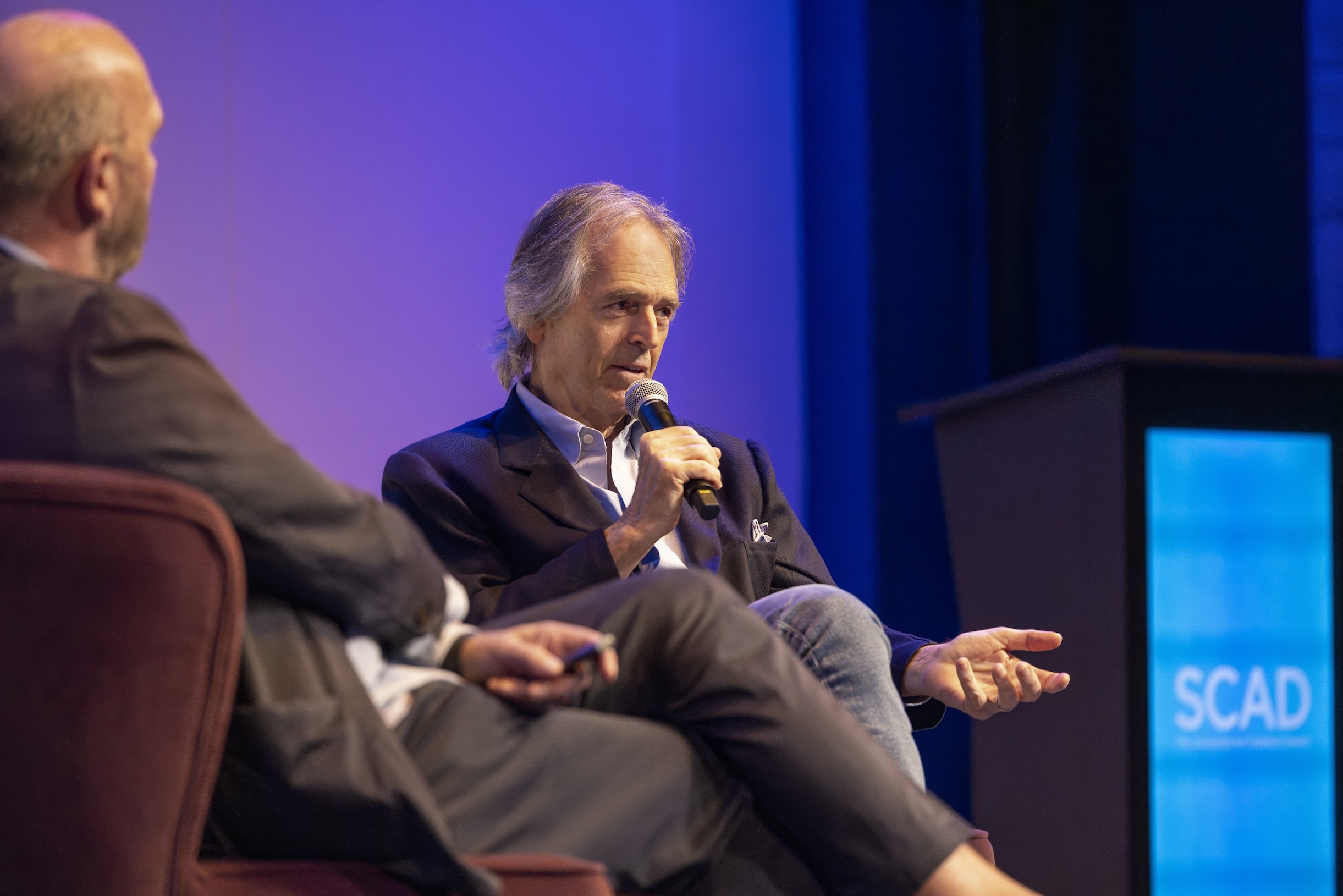
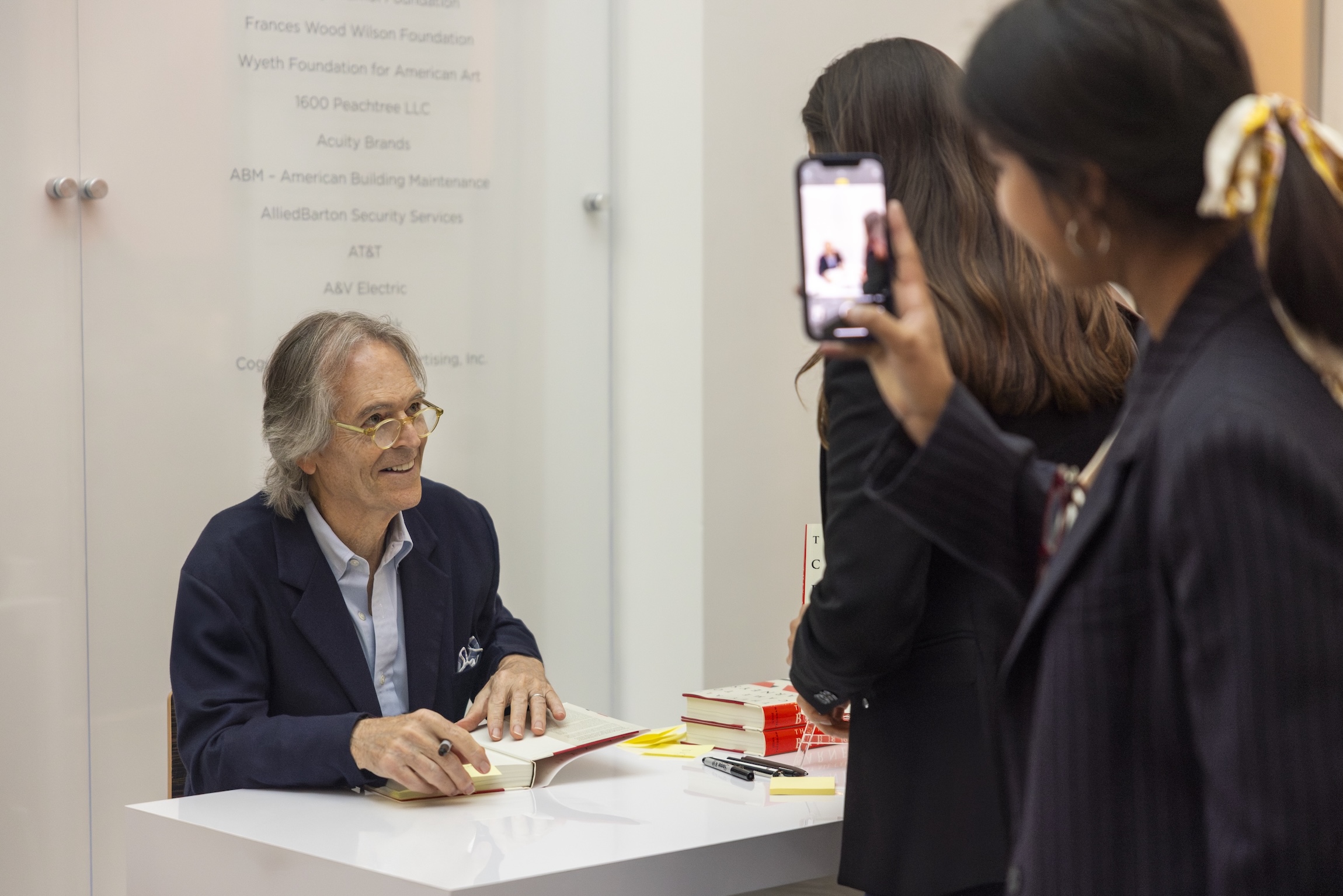
The workshop was part of "THE CUT" — a three-day post-production event, organized by film professor Alexander Newton, featuring reel reviews, panel discussions, and an utterly epic keynote address by legendary film editor Walter Murch (Apocalypse Now, The English Patient, Jarhead). While much of "THE CUT" happened virtually via Zoom to facilitate global attendance, the in-person portion felt, well, extra personal.
"You all were invited to come today because you've shown great dedication to editing, and because you're on the right track, people are noticing your hard work," said Newton to the two dozen students in Adler. "You're willing to embrace what's possible, including the unknown, all as part of getting better at your craft."
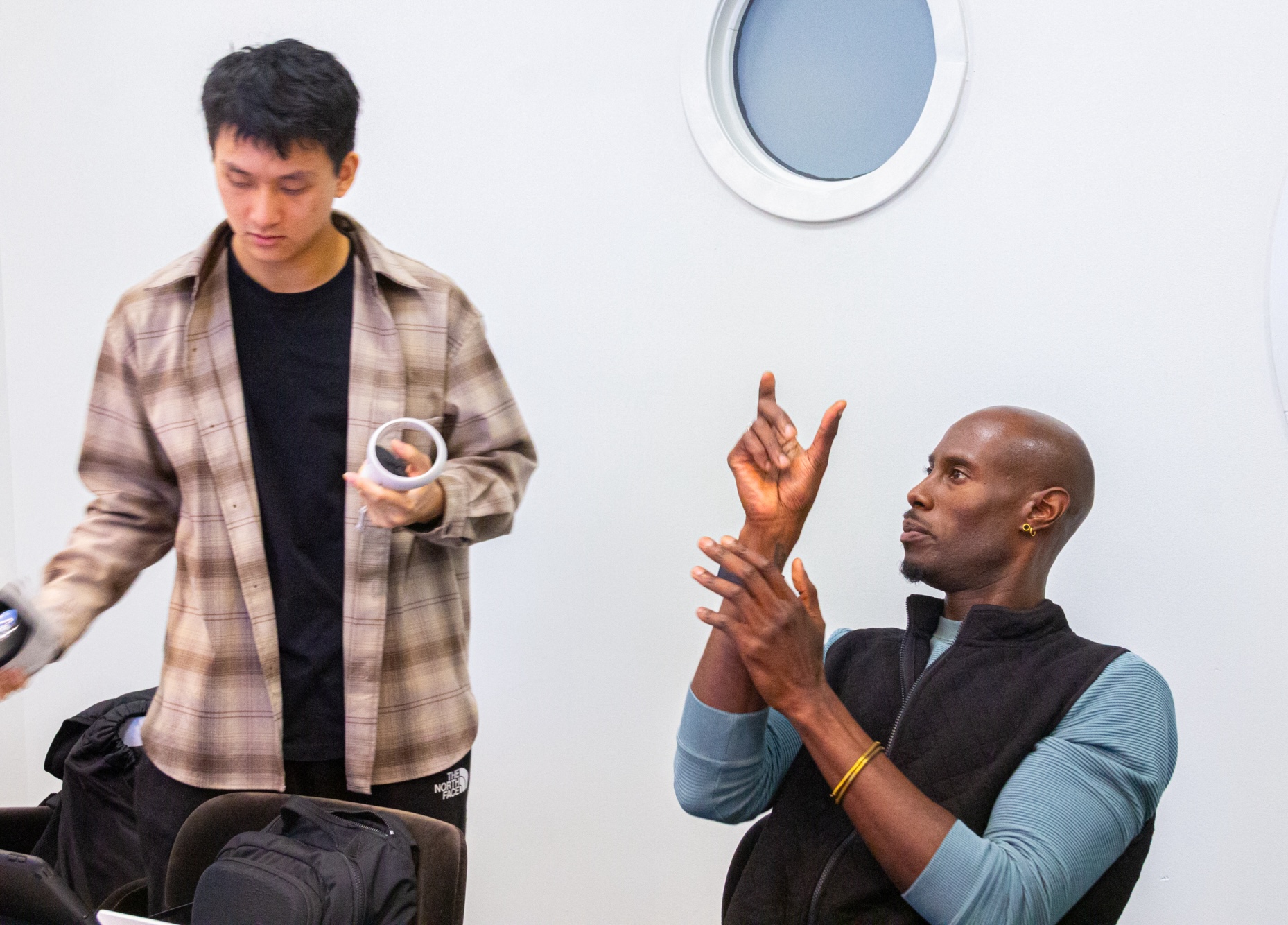
That meant learning from a group of alumni who work professionally as editors for networks and studios including Marvel, TLC, Amazon, PBS, Netflix, Showtime, and Paramount+. Brittany Bierly (B.F.A. film, 2016), Savannah Turner (B.F.A. film, 2016), Jayden Jackson (B.F.A. film, 2017), Sydney Hervey (B.F.A. film, 2019), and Devon Harding (B.F.A. film, 2016) spoke about how they got where they are in their creative careers, how they keep themselves organized (no small feat) and what it means to be a team player, whether working on a major motion picture like Bad Boys: Ride or Die or a hit show like Thousand Pound Sisters.
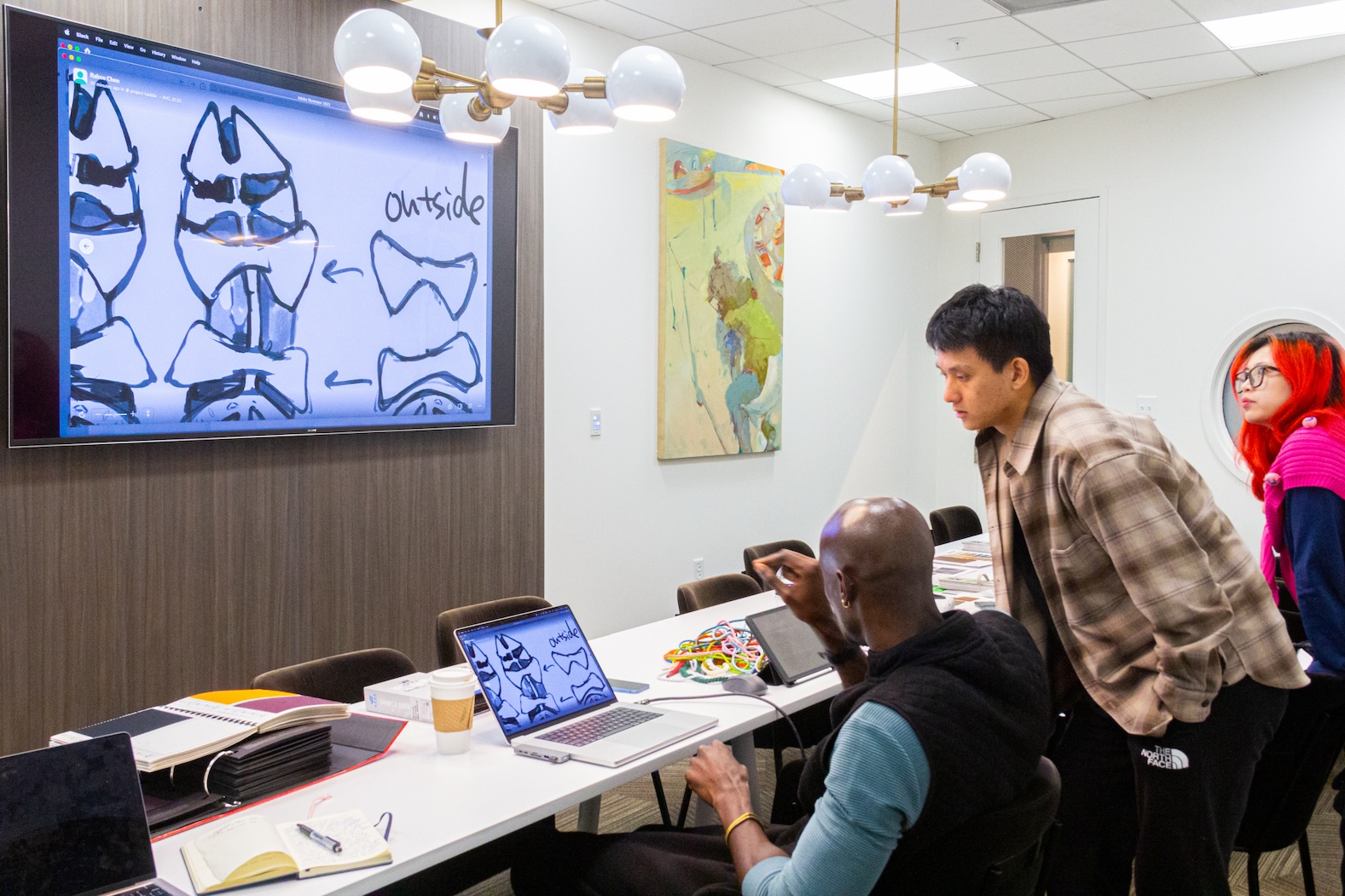
"Today we want to go over the life cycle of the show, from start to finish," said Turner. "Most of us work in unscripted [television], but it does apply to scripted as well. First, this is the hierarchy of the kind of people you might be working with, there might be more and there might be less, depending on the project…." Power point slides showed workflows involving supervisors, coordinators, producers, and editors. "Everything in its place," Turner said.
Each alum took turns discussing facets from establishing a post timeline to locking final deliverables. "Accept that they usually do the wrap party while you're still working," said Jackson as everyone laughed. "Seriously."
"I'm working at a bigger post-production house right now," Bierly said. "Not all places will have a nighttime AE, you will do a swing shift, that means starting in the afternoon and working through the evening. I started nights and honestly that was the best way to get my foot in the door. I also had to problem-solve a lot by myself."
It was clear these alumni all spent the past decade working as much as possible. The discussion included the wisdom of pen-on-paper note-taking, the best way to tell a client a potential problem is being addressed, ego-shedding and, of course, the golden rule: "Render before you export."
The session evolved into shadowing organizational techniques in Avid. At the end of the event, Tiner clicked free and smiled. "Being invited to be here was a good reason to show up today. Hearing about the steps everyone is going through in their editing careers, and learning about how they manage workflow is interesting to me, and hopefully an opportunity that I'll have in the future."
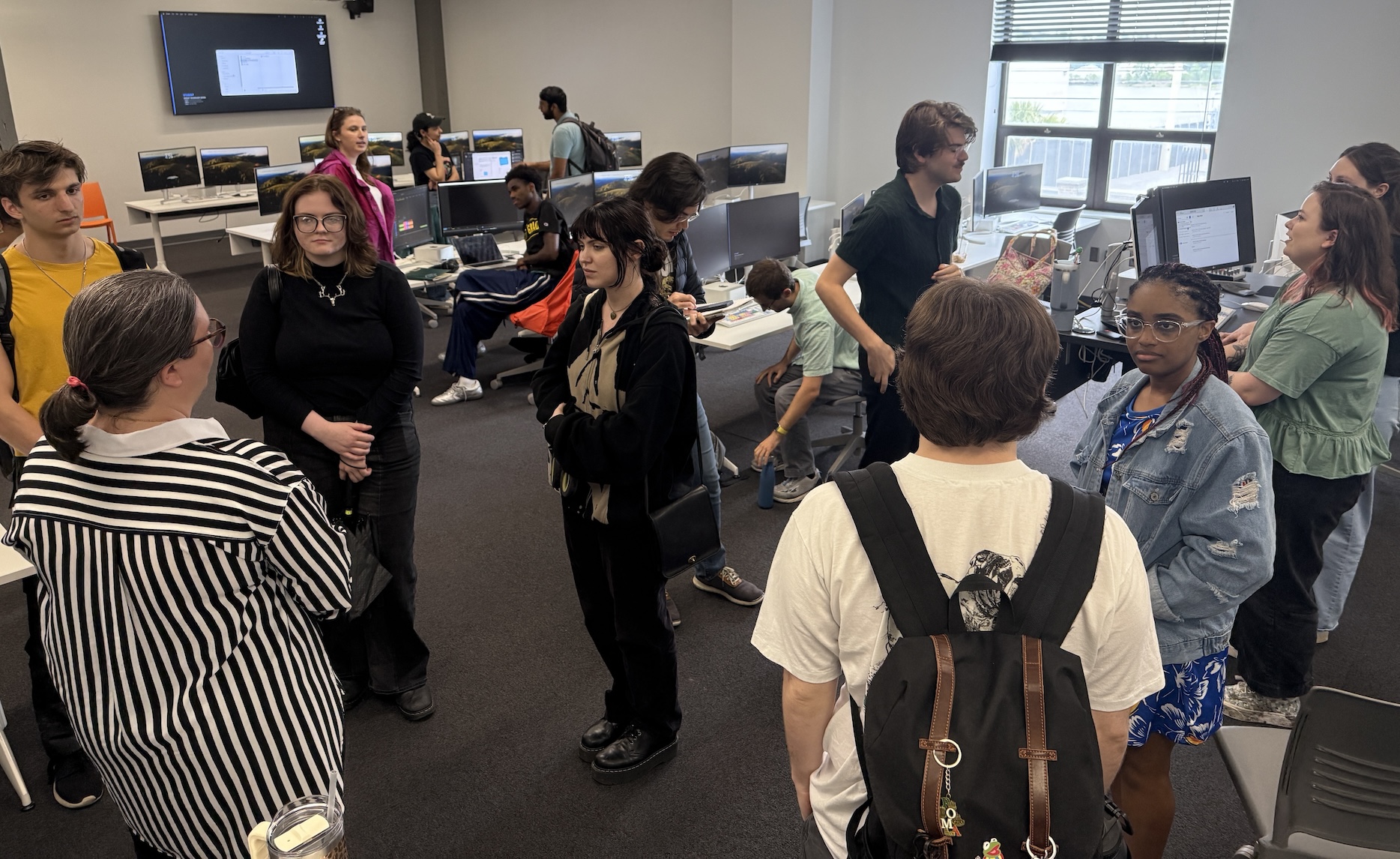
Thanks to everyone who attended this year's edition of THE CUT!
Learn more by following SCAD Editors Club on Instagram.