Architectural historians use annual conferences as opportunities to showcase and see new research, scholarship, and analytical approaches, and to hone public speaking skills. These gatherings are also great opportunities to connect with colleagues from across the country, to learn about host cities through tours and presentations, and for students and recent graduates to network for internships and jobs.
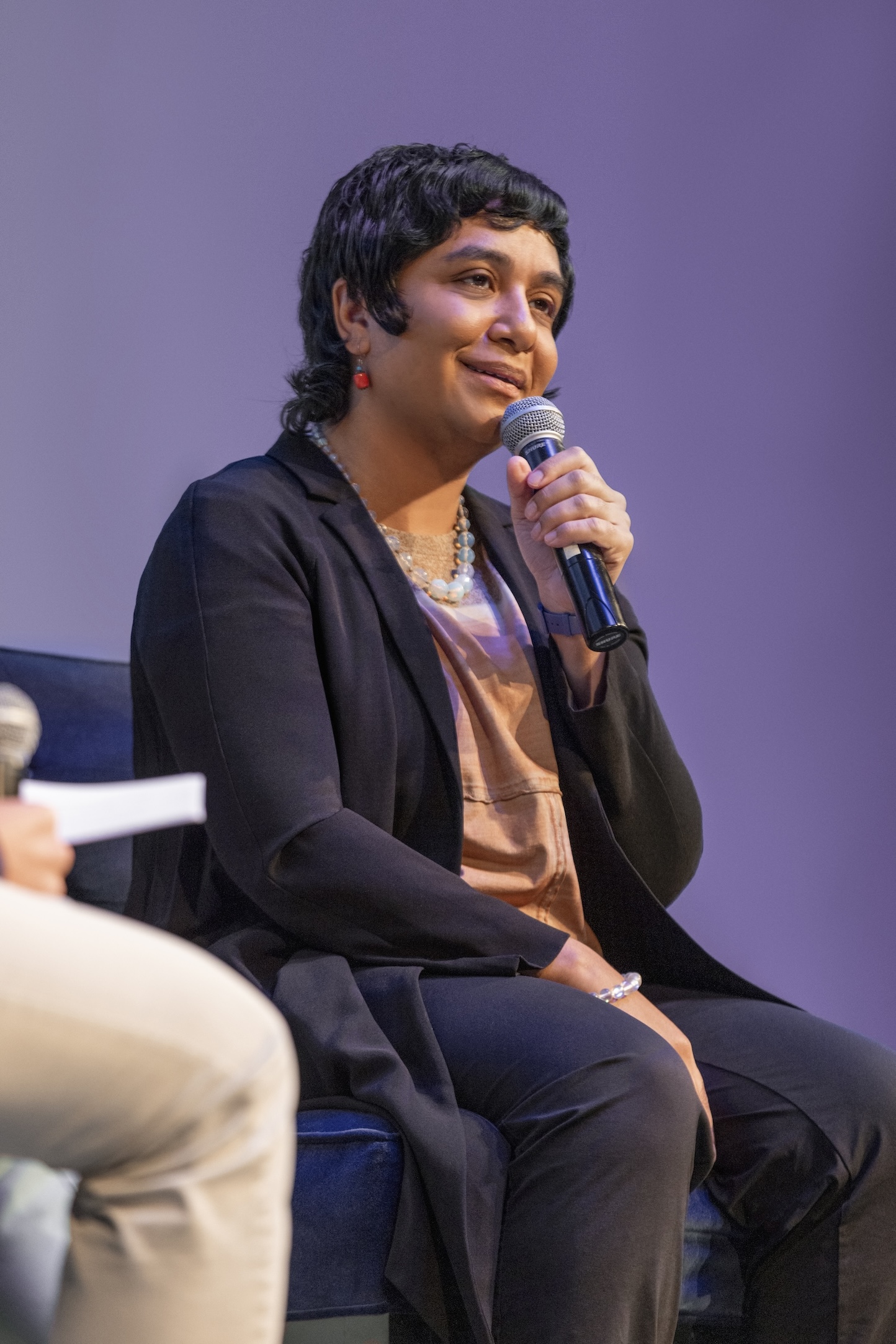
A unique regional conference is the annual meeting of the Southeast Chapter of the Society of Architectural Historians (known as "SESAH" and pronounced see-saw), which attracts architectural historians, historic preservationists, social historians, architects, and independent scholars. This year's meeting, held in Marietta, Georgia from October 2-5, saw SCAD's best-ever showing, with a total of nine presentations by faculty, students and alumni — the largest representation from any institution. Additionally, architectural history chair Robin Williams served as a panelist at the opening plenary panel discussion featuring representatives of the three major architecture programs in Georgia: SCAD, Georgia Tech and Kennesaw State University.
"I am proud of an exemplary presence by SCAD at this year's SESAH conference," said Dr. Williams. "Our students displayed the fruits of the School of Building Arts' ‘Peer Practice Session' conference presentation rehearsals, which provided valuable feedback from faculty, SCADamp coaches, and their peers. The results were elevated and impressive."
Graduate students Anna Jose (M.F.A., architectural history), Emi Higashiyama (M.F.A., architectural history), and Elizaveta Kavunets (M.A., art history) illustrated the breadth of interests with presentations on the overlooked works of American architect William Parsons in the Philippines, the lost and surviving opera houses in Georgia and their surprising multi-functionality, and the fantasy paper architecture drawings of Alexander Brodsky and Ilya Utkin in 1980s Russia, respectively. Architectural history undergraduate Hannah Dinning analyzed the emergence of playground spaces in the early 20th century and their role in shaping children. Architectural history professor Kelly Ritter discussed representations of slums in Shanghai in mid-20th-century popular media. Chair Williams presented on how Savannah's downtown urban plan shaped and tamed the impact of automobile infrastructure in the 20th century.
Three alumni also presented papers: Mike Walker (B.F.A. architectural history, 2016), Glen Umberger (M.F.A. architectural history, 2015), and Elizabeth Clappin (M.F.A. architectural history, 2016). Ruben Acosta (M.F.A. architectural history, 2010) completed his term on the SESAH Board of Directors as the Florida representative. Alumnae Alesha Cerny (M.A. architectural history, 2011) and Bethany Laskin (M.F.A. architectural history, 2024), and SCAD Atlanta architectural history professor Daniel Williamson also attended.
Each year SESAH awards a pair of travel grants to graduate students to support their participation in the conference. Among the eleven students applying, architectural history graduate student Emi Higashiyama received the highest score from the award committee, which selected her for the Elisabeth Flynn-Chapman Student Travel Grant.
"Receiving a travel grant frees me up from economic demands and allows me to forge connections that are so necessary for building a new career," Higashiyama said. "As a non-traditional international student, attending a conference with such a gregarious group of experts is the highlight of my time as a graduate student in architectural history. I can't wait till SESAH is in Savannah in 2026!"
Congratulations to everyone involved in a highly successful SESAH 2024, and special thanks to SCAD's Institutional Recognition office and SCAD's School of Building Arts for offering important support covering student travel costs.
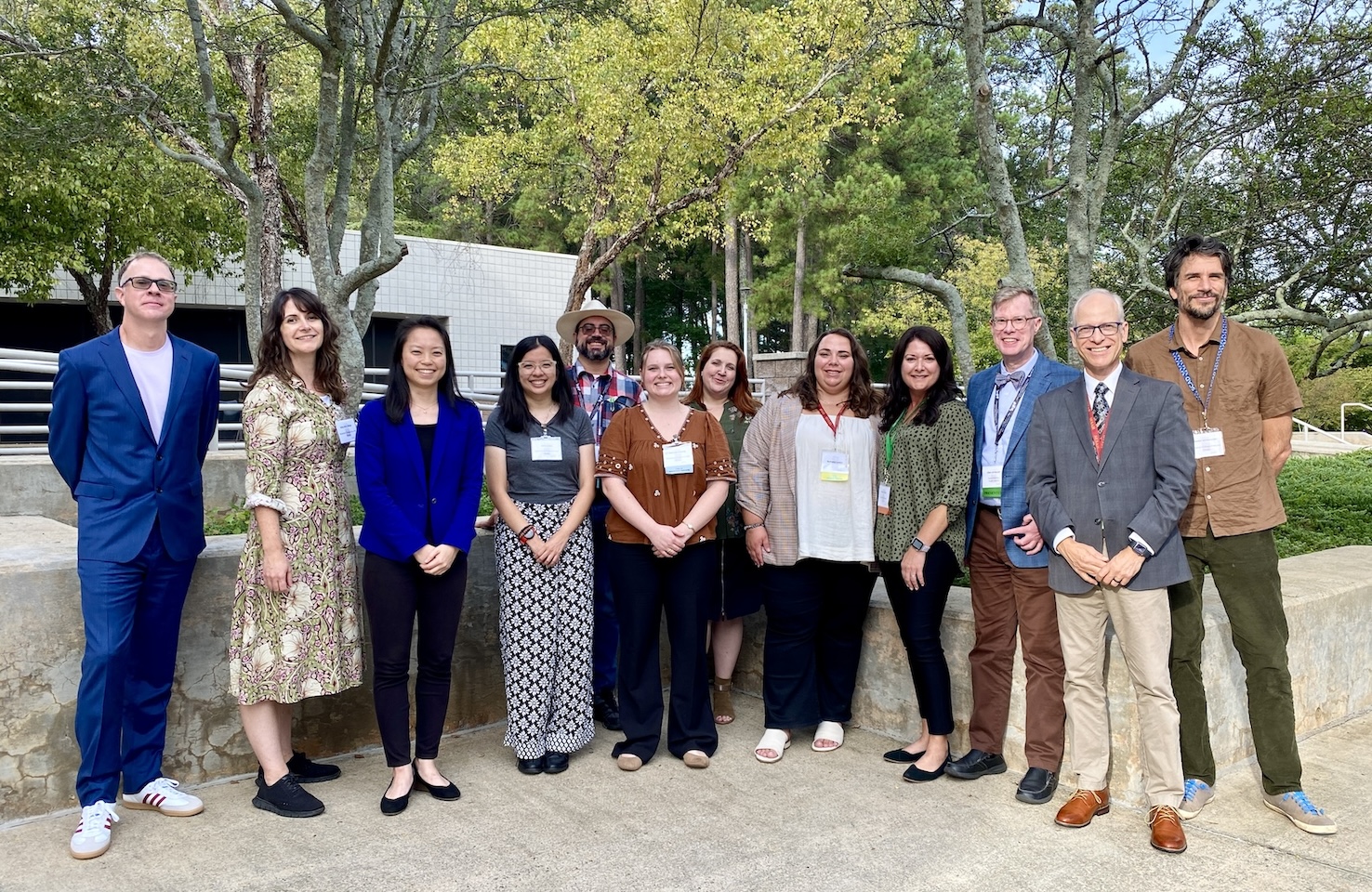
SCAD at SESAH 2024: Mike Walker; Professor Kelly Ritter; Emi Higashiyama; Anna Jose; Ruben Acosta; Hannah Dinning; Elizabeth Clappin; Bethany Laskin; Alesha Cerny; Glen Umberger; Chair Robin Williams; Professor Daniel Williamson. (Not pictured: Elizaveta Kavunets.)