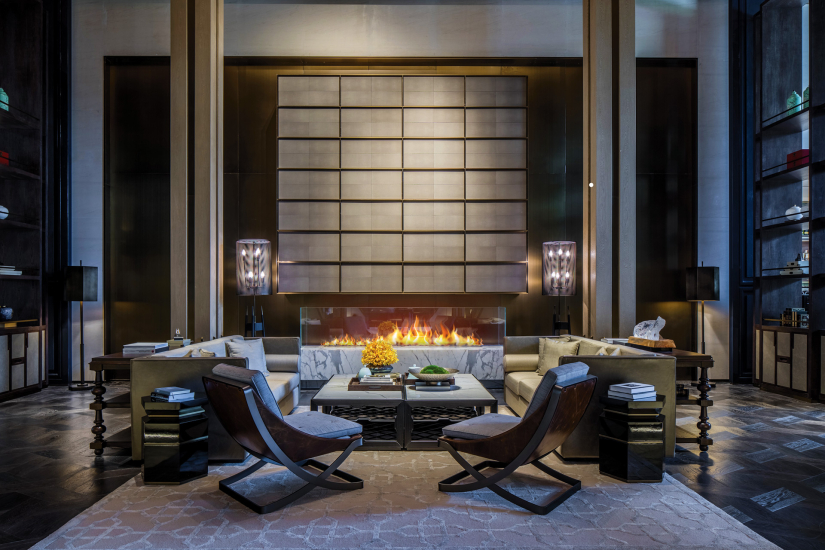
INDS 101 Introduction to Interior DesignThis course provides students with a comprehensive understanding of the role of the interior designer and the scope of the profession. Lectures, discussions, problem solving and design application allow students to explore interior design as both a creative process and a profession. Prerequisite: DRAW 101.
INDS 102 Form, Space and OrderThis course cultivates the ability to develop creative abstract design thinking and translate it into the 3-D composition of space and form with a system of formal architectural ordering. The course cultivates design process tools such as diagramming, drawing, and model making through a series of design explorations including abstract ideation, physical embodiment, architectural composition, and precedent analysis exercises. Prerequisite: DRAW 115.
INDS 110 Interior Design Studio IThis course, the first in a series of five interior design studio experiences, introduces students to basic interior design principles, theory and conceptual processes. The emphasis is on creating small-scale environments based on the interaction of the individual with the environment. Prerequisites: DRAW 115, INDS 102.
INDS 204 Rendering for the InteriorThis course covers the exploration, development of technique and application of rendering skills for architectural interiors and exteriors, furnishings, accessories and details through a variety of media including pen and ink, color pencil and markers. Emphasis is placed on material simulation and delineation techniques. Prerequisite: DRAW 115.
INDS 209 Interior Materials IThis course presents a broad study of interior finishes and furnishings. The specification, composition, construction and application/usability of finishes and furnishings are covered. Lectures, demonstrations, projects and field trips promote the development of design ideas related to materials as well as sustainable materials and finishes. Prerequisite: DRAW 115.
INDS 210 Interior Design Studio IIThis studio course continues the study of interior design through research, analysis, programming, conceptualization and design of the interior environment. Projects include exercises in spatial organization, anthropometrics and circulation on an increasingly complex scale. Emphasis is placed on design for populations with special needs, such as children, the elderly, the disabled and the economically disadvantaged. Mandatory portfolio review and assessment occur at the conclusion of this course. Prerequisite: INDS 110.
INDS 211 History of Interior DesignThis course offers a comprehensive and concise compendium of the history of interiors from antiquity to present with reference to interiors as a social art, responsive to historical and cultural influences. Design theories and philosophies are explored in reference to their influence on interiors along with the complexity and intricacies of the sensory relationship of humans with interior space over time. Prerequisites: ARLH 206, ARLH 208.
INDS 220 Building Construction and Systems for the InteriorThis course provides an introduction to interior building materials and systems. The course promotes an understanding of the various constructed assemblies, both structural and nonstructural, which, when combined, form complete buildings. Functional and environmental considerations about building technology systems, and the role of interior designers in improving the quality of the built environment are also covered. Emphasis is placed on the necessary partnership of building technology experts, architects, interior designers, engineers, and clients. Prerequisite: INDS 210.
INDS 300 Interior Materials IISustainable materials and finishes are a primary focus of this course, with an in-depth study of interior finishes and furnishings and their specification, composition, construction and application/usability. Lectures, demonstrations, projects and field trips promote the development of design ideas related to both residential and contract materials. Prerequisites: ARCH 241, INDS 110, INDS 209.
INDS 302 Lighting for the InteriorThis course explores the use of lighting as a design element in the interior environment. Basics of electricity and electrical distribution systems, function, use and control of light, lighting fixtures and lighting installation are topics for lecture and discussion. Through demonstrations in the lighting lab, luminaries and lamps are compared with regard to glare, light distribution, intensity, color, color rendition, energy effectiveness and cost. Prerequisite: INDS 110.
INDS 303 Emerging Materials for Interior DesignThis course presents an exploratory study of technological advances that have generated new interior materials recently introduced in the market and their impact on global sustainability. A study of emerging materials that have the potential for application/use in interior design, with special focus on sustainable and intelligent structural materials and finishes. Group discussions, presentations, projects and field trips promote the development of design ideas related to new materials. Prerequisites: ARCH 101 or HIPR 101 or INDS 209.
INDS 320 Interior Design Studio III Communication of the design intent through construction documentation is the focus of this studio course. With an emphasis on electrical, mechanical and code requirements, assigned projects expand student understanding, application and communication of lighting, color, materials, technology and structure through construction documents, specifications and estimating. Prerequisite: INDS 210.
INDS 321 Interior and Exterior IllustrationThis course covers the exploration, development of technique and application of sighted perspective drawings of architectural interiors and exteriors, furnishings, accessories and details. Employing a variety of media, students produce work to support and enhance portfolio presentation. Emphasis is placed on aesthetic concerns. Prerequisite: DRAW 115.
INDS 322 Human Responses to the Built EnvironmentThis course examines the interactions of social, behavioral, cultural and technological dimensions of the built environment. Through lectures, discussion and research projects, students are expected to explore the theoretical, historical and scientific context of the built environment as they develop and increase their level of environmental awareness. Prerequisite: ARTH 110.
INDS 350 Interior Design Studio IVThis studio course provides a collaborative and multidisciplinary structure for the exploration and application of human-centric design methodology in interior environments. Prerequisites: INDS 320.
INDS 404 Special Topics in Interior DesignThe topic of this course varies from quarter to quarter. Each seminar focuses on various issues in the field of interior design and allows students to pursue individual projects related to the topic of the course. Prerequisites: Vary according to topic.
INDS 405 Portfolio PreparationThis course provides the opportunity for interior design students to develop a professional working portfolio. Emphasis is placed on organizing a strong body of work focused on a specific area of expertise dictated by the students' individual career goals. Presentation options are explored, examined and executed. Prerequisite: INDS 320.
INDS 413 Professional Practices in Interior DesignThis course presents the professionalism and ethics of interior design. Design practice, public and client relations, administration and procedures, and social responsibilities are discussed. Professional qualifications and organizations are covered, and students set personal goals for achievement in the profession. Prerequisite: INDS 320.
INDS 470 Interior Design Studio VAs the first part of a capstone project, students in this course advance their design skills to meet the challenge of a complex project. Selecting both client and project, students complete an in-depth precedent study, code and building analysis, user assessment, programming, conceptualization and presentation. Design research methods, innovation, code compliance, sustainability and acoustical comfort are key issues that are addressed. Prerequisite: INDS 350.
INDS 480 Interior Design Studio VIAs the first part of a capstone project, students in this course develop individual professionalism in interior design development, specification and presentation. Students develop work selected in part one of the capstone project, with a focus on choosing, refining, and effectively communicating design intent to a variety of interested parties, including professional bodies, regulatory agencies, and clients. Prerequisite: INDS 470.